The hacienda format places it among a small set of estate producers working directly from the Ica valley's desert terroir, where extreme aridity and coastal influence shape the character of its output.
Pearl is the En Primeur Club membership app — saves, bookings, and concierge access live there. Same editors, same standards.
- Address
- Caserío Quilloay, San Juan Bautista, Ica, Perú
- Website
- haciendaquilloay.com
- Directions
- Get directions
 Saves & bookings on Pearl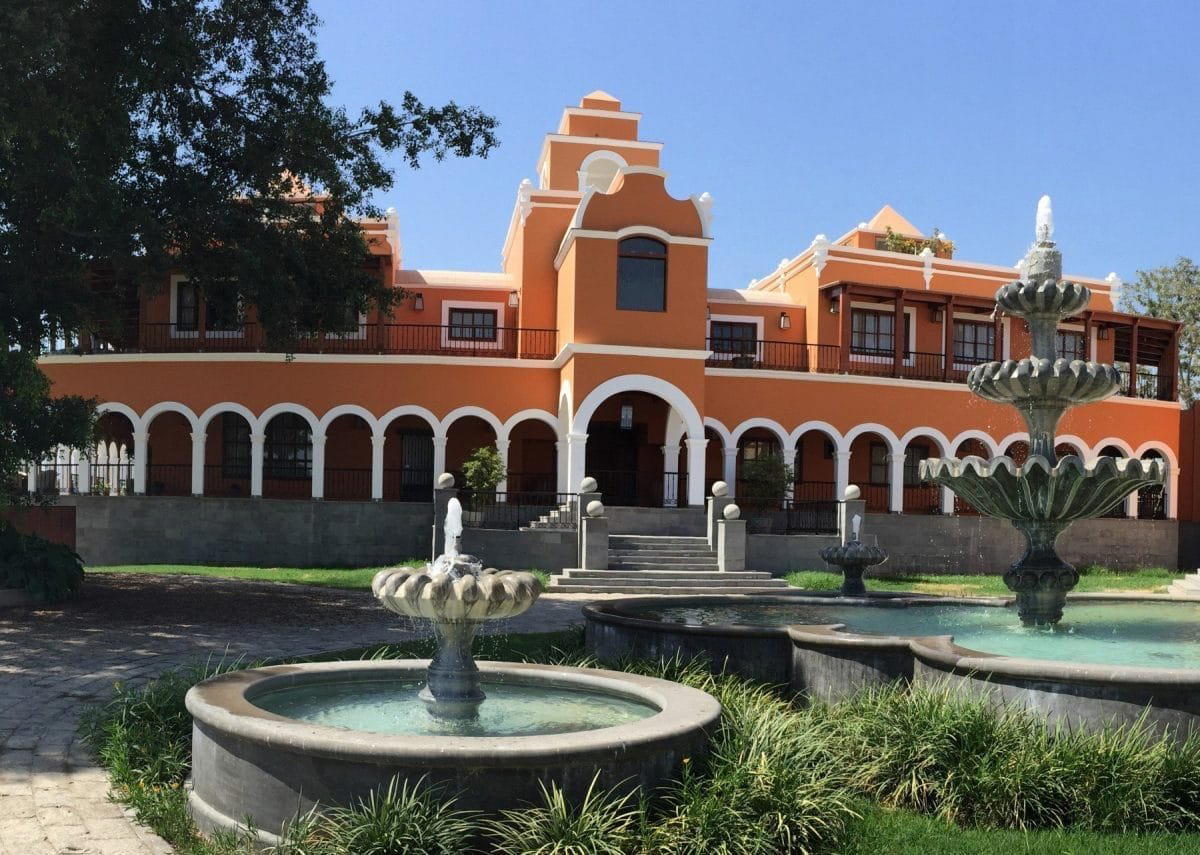
Desert Viticulture and the Ica Valley's Particular Logic
Peru's wine country does not read like a conventional wine region. The Ica valley sits at roughly 400 metres above sea level in one of the driest inhabited places on earth, where the Atacama's influence extends north and the Humboldt Current cools the Pacific coast just far enough inland to create something unexpected: stable growing conditions inside an extreme environment. Rainfall is effectively zero. Irrigation from Andean snowmelt substitutes entirely for precipitation. The result is a growing season that producers control with unusual precision, and a fruit expression shaped less by vintage variation than by the specific plot, the irrigation management, and the age of the vine. Understanding Hacienda Quilloay requires understanding this first: the land here is not incidental to what is produced; it is the whole argument.
Within the Ica valley, the Caserío Quilloay address in San Juan Bautista places this estate in the agricultural heartland of the region, away from the urban centre and closer to the working vineyard blocks that have defined Peruvian wine production since the colonial period. The hacienda model, common in Ica, combines estate agriculture with a residential or production compound, a format that historically allowed families to oversee the full cycle from vine to bottle on a single landholding. That continuity between land and production is the structural fact that distinguishes hacienda-format estates from urban or commercially aggregated producers.
Within EP Club's evaluation framework, that designation sits in the upper tier of recognition and functions as a comparative signal: it places the hacienda in a bracket above entry-level producers and aligns it with properties where precision, consistency, and the ability to express site character at a repeatable level have been verified. In a region where the number of serious estate producers remains small relative to the size of the wine-producing tradition, that kind of external validation carries specific weight.
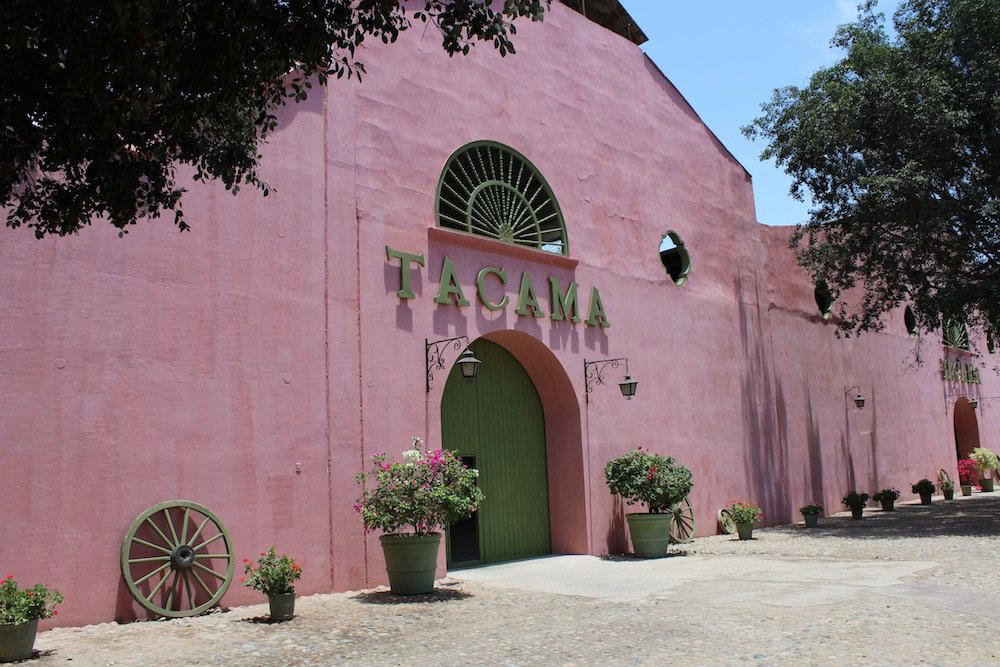
The Ica valley's comparable set for serious estate wine is concentrated. Hacienda La Caravedo and Tacama Winery represent the region's most documented producers at the higher end of the quality register, with Tacama in particular carrying one of the longest continuous production histories in South American viticulture.
Terroir Expression in an Arid System
The central question in Ica wine is how a desert produces grapes with sufficient character to sustain serious viticulture. The answer lies in the interplay between aridity, diurnal temperature range, and water source. Daytime temperatures in the growing season are high, but nights drop sharply, preserving acidity in the fruit and extending the ripening window. The absence of humidity eliminates most of the disease pressure that requires intervention in wetter climates. Vines here are not managed against rot or mildew; they are managed for controlled stress and root depth. The Andean irrigation water, drawn from glacier-fed systems, carries mineral load that differs from groundwater, and that mineral character is one of the arguments Ica producers make for a distinctive regional identity that European-trained palates may take time to read correctly.
At the hacienda scale, this translates to a direct relationship between specific blocks and specific outputs. The Caserío Quilloay location suggests old agricultural land, the term caserío in Peruvian usage refers to a rural hamlet or farming settlement, not a modern development, which implies vine age and plot continuity that younger or commercially assembled operations cannot replicate. In desert viticulture, older vines with established root systems are particularly significant because they access moisture at depths that bypass the surface irrigation dependence of younger plantings, producing a physiologically different kind of fruit expression.
For context on how Peru's wine identity is being rebuilt by producers serious about terroir, the trajectory of estates like Quilloay is relevant beyond the country's borders. Wine from South America's Pacific-facing desert corridor, including Peru and the northern reaches of Chile, represents one of the least-studied terroir environments in serious wine.
Planning a Visit to the Hacienda
Ica sits approximately five hours south of Lima by road. Visitors flying into Lima's Jorge Chávez International Airport and heading directly to Ica should account for the transfer time as part of their trip structure; Ica is not a day trip from the capital for anyone wanting to spend serious time at a producer.
San Juan Bautista is one of the districts immediately adjacent to the city of Ica and is accessible from the central urban area. The Caserío Quilloay address places the estate in an agricultural zone where GPS navigation and local knowledge matter more than signage. Prospective visitors should plan through the broader Ica wine circuit and ask locally about Quilloay access. Lima's wine scene, anchored by establishments like Taberna Queirolo in Lima, which carries Ica-region wines and has long-standing knowledge of the valley's producers, is another practical starting point for building an Ica itinerary with access to smaller haciendas.
The broad category of hacienda-format estate wineries rewards visitors who do not approach them with the same expectations they would bring to a Napa tasting room or a Burgundy domaine with established tourism infrastructure. The hacienda model in Ica rewards visitors who come with direct interest in the wine rather than those seeking a managed experience. For those comparing estate formats across different wine traditions, the hacienda model in Ica carries structural parallels to the smaller family domaines found across wine-producing regions worldwide. The scale of operation and the directness of the land-to-bottle relationship are the common thread, regardless of geography.
A Quick Peer Check
Comparable venues nearby, for context on price, style, and recognition.
| Venue | Cuisine | Price | Notes |
|---|---|---|---|
| Hacienda QuilloayThis venue — the venue you are viewing | quebranta, negra criolla | $$ | Not listed |
| Hacienda La Caravedo | Quebranta, Torontel | $$ | San Juan Bautista |
| Tacama Winery | Ica | $$ | Not listed |
| Taberna Queirolo | Malbec, Tannat | $$ | Pueblo Libre |

At a Glance
- Rustic
- Historic
- Intimate
- Wine Education
- Solo Exploration
- Vineyard Tour
- Estate Grounds
- Vineyard
- Ica Valley
- Quebranta
- Negra Criolla
- Italia
- Torontel
- Skin Contact
- Private Tasting
Rustic and historic atmosphere amid ruins of a 17th-century Jesuit property with small vine patches and traditional concrete fermentation tanks.