One of Peru's most historically significant wine estates, Tacama Winery operates from the Ica valley, where coastal desert conditions and ancient irrigation channels define the growing environment..
Pearl is the En Primeur Club membership app — saves, bookings, and concierge access live there. Same editors, same standards.
- Address
- Av. Camino Real s/n, La Tinguiña District, Ica
- Phone
- +51 56 58-1030
- Website
- tacama.com
- Directions
- Get directions
 Saves & bookings on Pearl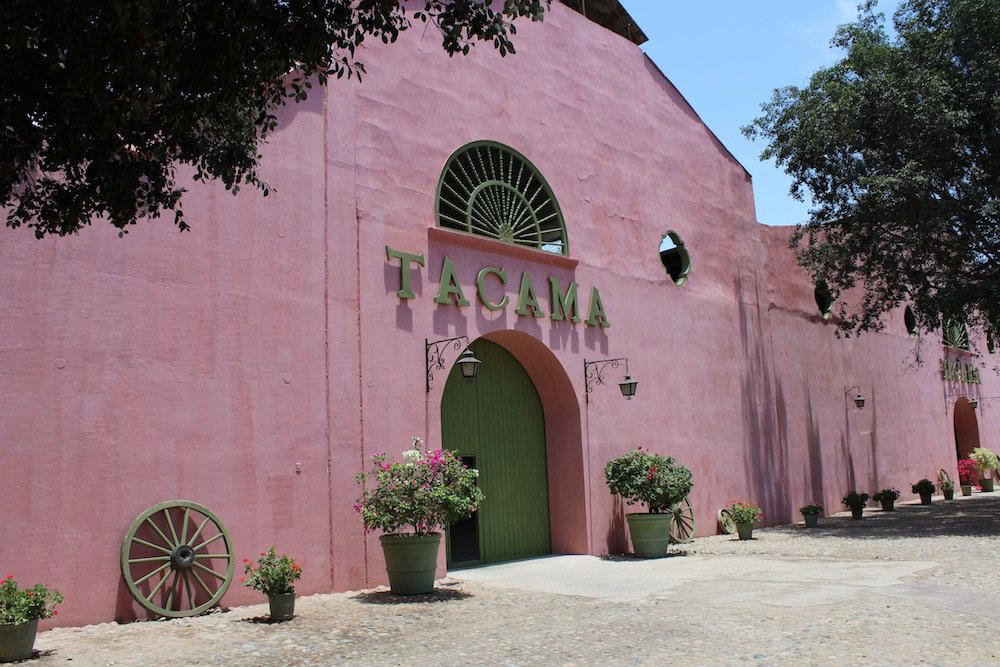
Where the Desert Meets the Vine: Arriving at Tacama
The drive into the La Tinguiña district outside Ica sets expectations before you reach the estate gate. The Pan-American Highway gives way to agricultural roads that cut through desert scrub, and then, almost abruptly, the landscape shifts: green rows of vines trace the contours of irrigated land that has been worked for centuries. This contrast, arid coast on one side, cultivated valley floor on the other, is not incidental scenery. It is the defining tension that shapes every bottle Tacama produces and every visit the estate hosts.
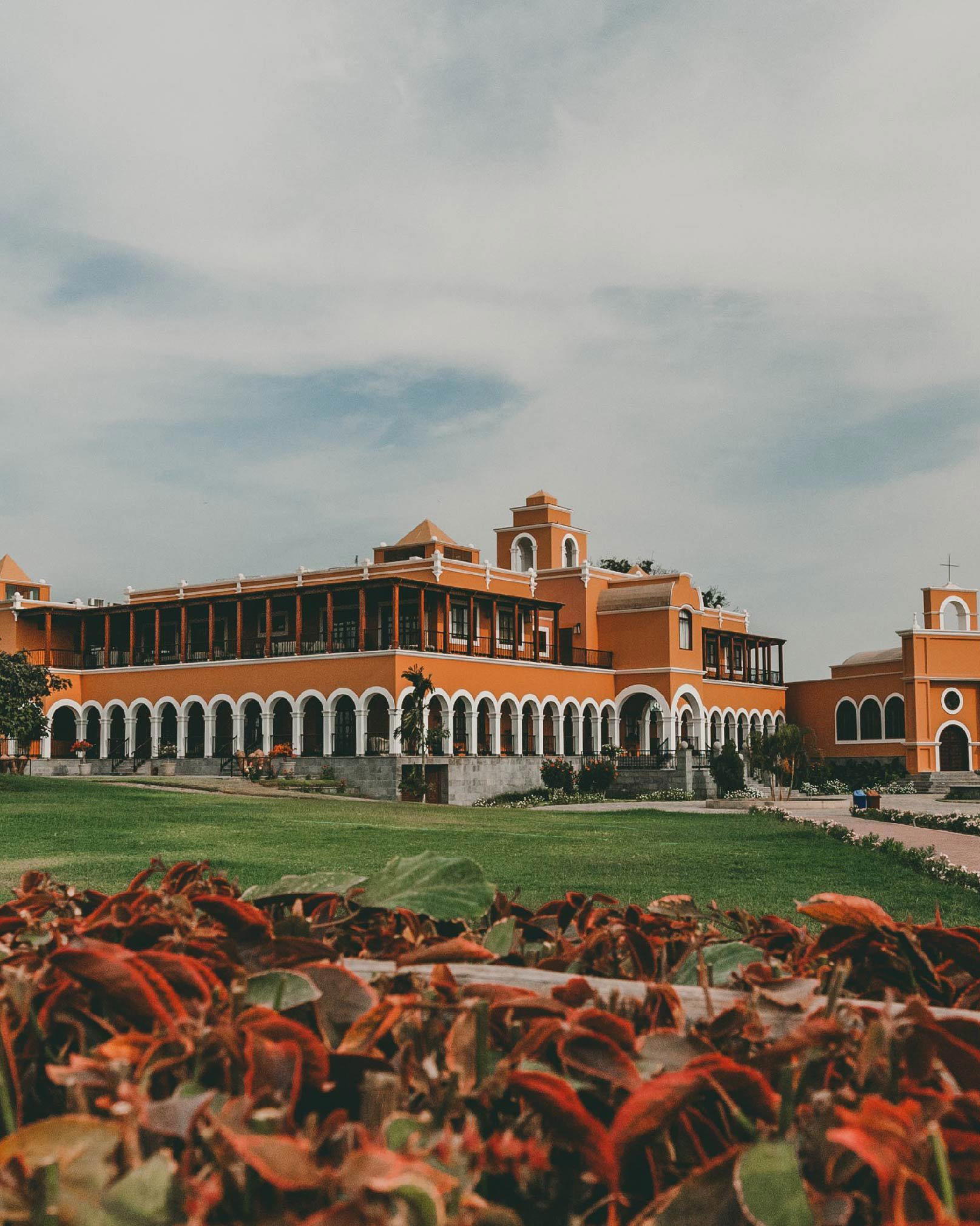
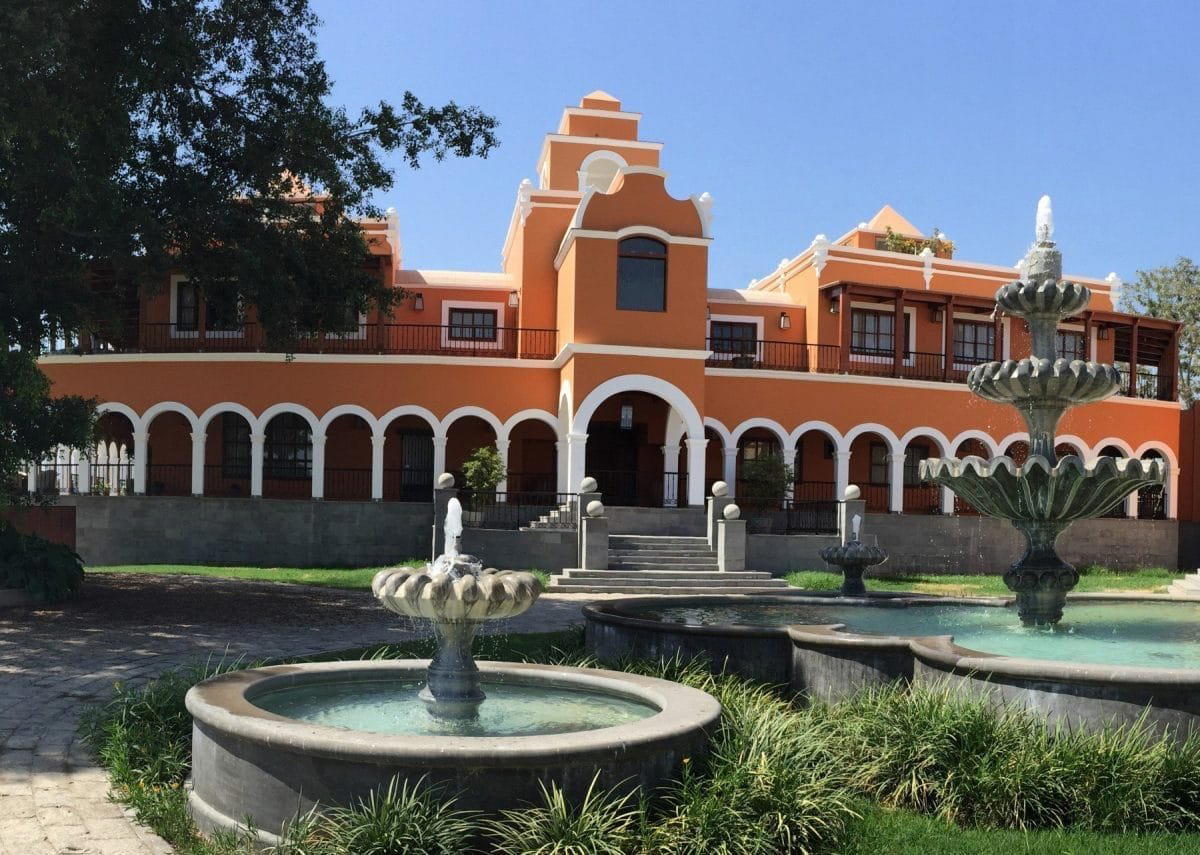
Peru's wine tradition is often framed as a curiosity by observers more familiar with Argentine Malbec or Chilean Carménère, but the Ica valley has been producing wine since the sixteenth century, making it one of the oldest wine-producing regions in the Americas. Tacama sits squarely within that long history, and the physical fabric of the property reflects it: the hacienda architecture, the irrigation channels drawing water from Andean sources, and the organization of the vineyard blocks all carry the logic of an operation that predates most celebrated appellations by several generations.
The Tasting Experience: Format and Setting
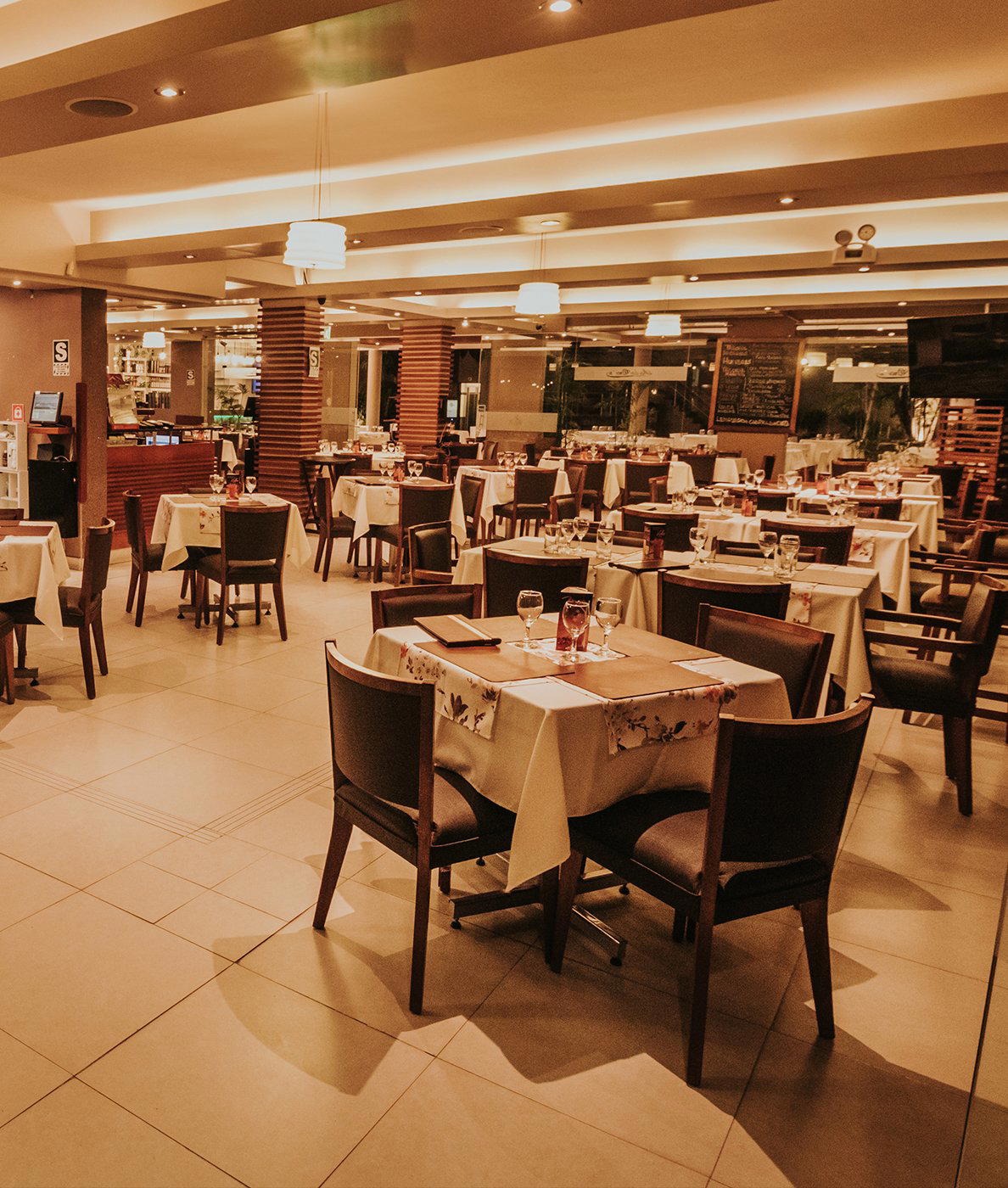
Wine tourism in the Ica valley operates differently from Napa Valley or Bordeaux. The scale is smaller, the infrastructure less codified, and the visitor experience more contingent on direct contact with the estate. At Tacama, that means the tasting room setting carries considerable weight. The hacienda environment provides a physical frame that Ica's urban wine bars, and Lima's pisco-forward drinking culture, cannot replicate. Visitors arrive at a working estate, not a showroom, and the proximity to the vineyard blocks gives the tasting format a grounding that purely hospitality-led venues lack.
Within the Ica producer set, Tacama occupies a position alongside Hacienda La Caravedo and Hacienda Quilloay as one of the estates with both historical depth and formal recognition.
The tasting format at Tacama, consistent with the hacienda model common across premium Peruvian estates, tends to combine vineyard orientation with structured wine service. Visitors who engage with the estate rather than passing through quickly will find that the staff's knowledge of the growing environment is one useful part of the visit. The desert-coastal climate of Ica, high solar radiation, wide diurnal temperature swings, low rainfall, produces conditions that are discussed constantly in the context of pisco production, but less often in relation to wine. At Tacama, those same conditions are directly relevant to how the wines express acidity, concentration, and aromatic character.
Ica's Wine Identity and Where Tacama Fits
Peru's wine identity has long been subordinate to pisco in the national conversation, and internationally the country is rarely the first reference point for serious wine. In a country where the awards infrastructure for wine is less developed than in Chile or Argentina, formal recognition at that level functions as a significant signal within the regional comparable set, not a claim to global equivalence with Burgundy or Barossa, but a clear marker of positioning within South American wine production.
The Ica valley's climate is classified as hyper-arid desert, moderated by the Humboldt Current's influence on coastal temperatures. Irrigation is not supplemental here, it is the entire basis of viticulture, drawing from the Andes through a system of channels with pre-Columbian origins. This structural reliance on managed water supply is what distinguishes Ica viticulture from most of the wine world's benchmark regions, and it shapes the character of the wines in ways that simple variety or winemaking technique cannot fully explain.
Comparative context from other long-established estates in similarly arid or historically significant regions is instructive. Consider how Achaia Clauss in Patras or All Saints Estate in Rutherglen carry a kind of institutional weight that younger, technically focused producers do not: the estate itself is part of the product. Tacama operates in a similar register. Its historical continuity is an argument, not just a backdrop.
Within the Lima-to-Ica wine route that has developed as Peruvian wine tourism has grown, Tacama connects naturally to Taberna Queirolo in Lima, which offers a contrasting urban context for Peruvian wine and pisco. The capital's wine bars are increasingly sophisticated, but they function as introduction points rather than destinations in themselves, the estate visit remains the definitive format for understanding what Ica produces and why.
Planning a Visit: What to Know Before You Go
Ica sits roughly 300 kilometres south of Lima, reachable by bus or private transfer along the Pan-American Highway. The journey takes approximately four hours by coach, and several operators run direct Lima-Ica services. For visitors combining the estate with the Huacachina dune system or the Paracas reserve, Ica functions well as a two-night base. The estate address at Avenida Camino Real s/n, La Tinguiña District, places Tacama a short drive from central Ica, and the route through La Tinguiña is direct by taxi or hired vehicle.
Reservations are recommended. Arriving with a confirmed appointment is the more reliable approach, particularly during the harvest season. The harvest period, roughly February to April in the Southern Hemisphere, is when the estate is most operationally active and, for many visitors, most atmospheric.
Cuisine and Recognition
Comparable venues nearby, for context on price, style, and recognition.
| Venue | Cuisine | Price | Notes |
|---|---|---|---|
| Tacama WineryThis venue — the venue you are viewing | Ica | $$ | Not listed |
| Hacienda Quilloay | quebranta, negra criolla | $$ | San Juan Bautista |
| Hacienda La Caravedo | Quebranta, Torontel | $$ | San Juan Bautista |
| Taberna Queirolo | Malbec, Tannat | $$ | Pueblo Libre |
At a Glance
- Historic
- Scenic
- Rustic
- Wine Education
- Group Outing
- Vineyard Tour
- Panoramic View
- Historic Building
- Vineyard
- Ica
- Still Red
- Still White
- Sparkling
- Wine Tasting
- Pisco Tasting
Beautiful verdant grounds with historic elements, modern production facilities, and a relaxed scenic atmosphere.