

Michelin Plate · Wine Spectator Award of Excellence
Our verdict
A Michelin Plate French restaurant in Osaka's Fukushima Ward, Artisan channels Paris-trained technique through a sensibility shaped by craft traditions and a deep respect for producers. The chef's theatrical duck-in-pie-crust dish, known as 'Shinjidai,' has become a talking point across the city's French dining circuit. The wine list spans California and Italy across roughly 350 selections.

Pearl is the En Primeur Club membership app, where members save venues, book tables and use the concierge.
The menu
What to order
- Pie-wrapped meat
- Foie gras miso
- Seafood terrine
French Cooking in Fukushima Ward: Where Craft Thinking Meets Kitchen Discipline
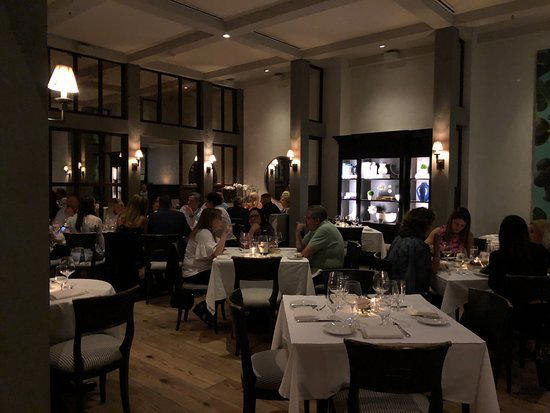
Fukushima Ward sits just west of Osaka's main commercial grid, and its dining character reflects that position: fewer tourist circuits, more neighbourhood regulars, restaurants that succeed on merit rather than foot traffic. The low-rise streets around Fukushima 2-chome support a cluster of independently run tables that collectively form one of Osaka's more serious off-radar French scenes. Artisan occupies a second-floor space in the pogo haus building on that same strip, and the physical approach, up a staircase away from the street, already signals that this is a restaurant asking for your attention rather than bidding for it. The room's character draws on the chef's background in carpentry: the logic of hand-craft, of material honesty, carries through from the space into the food.
The Cultural Frame: French Technique Filtered Through a Japanese Craft Ethic
Osaka's French dining circuit is wider and more differentiated than most visitors assume. At the leading, La Cime and Différence represent high-formality French with multi-star recognition and price points in the ¥¥¥¥ tier. Below that, a middle register of Paris-trained chefs operating smaller rooms at ¥¥¥ pricing has developed steadily over the past decade, with venues like La Bécasse and LE PONT DE CIEL defining the character of that tier. Artisan sits within this cohort, holding a Michelin Plate in both 2024 and 2025, which places it among restaurants the Guide considers worth knowing without yet awarding star status.
What distinguishes the cultural position here is the way the restaurant frames French cuisine through a Japanese producer ethic. The name itself carries this duality: craft skill on one side, respect for farmers, fishermen, and potters on the other. This is not an unusual framing in Japan, where the French tradition has long been absorbed into a broader philosophy of sourcing and material care, but the execution at Artisan leans into it more explicitly than most. Paris training provides the technical vocabulary; the craft-and-producer framework provides the values. The result is a kitchen that reads as French in structure but Japanese in its orientation toward ingredients and making.
Across the Kansai region, this kind of cultural synthesis appears at different price points and with different emphases. akordu in Nara integrates European technique with local ingredient sourcing in ways that parallel what Artisan is doing in Osaka, while Gion Sasaki in Kyoto approaches the same producer-first question from within the kaiseki tradition. The comparison is useful: Artisan's French frame does not make it an outlier in the region's dining conversation, it makes it a specific node within a much larger argument about where culinary traditions meet.
The Cooking: Theatre With a Structural Logic
The dish that circulates most in conversation about Artisan is the duck in pie crust, called 'Shinjidai' or 'New Age.' It is presented in a form that resembles the prow of a pirate ship, and the reference is deliberate: the chef is a devoted follower of a popular Japanese manga, and the protagonist's straw hat hangs on his back as he works. The theatrical element is real, but it is not separable from the structural one. A pastry casing for duck is a classical French technique, and the sculptural presentation is the layer added on top of solid fundamentals. This is the balance the leading French-Japanese rooms manage: the showmanship earns its place because the cooking underneath it is sound.
The Michelin Plate designation, awarded in consecutive years, confirms recognition of that craft consistency. It does not place Artisan in the same competitive tier as Osaka's starred French houses, but it does signal that the Guide's inspectors found the cooking coherent and the execution reliable. For the ¥¥¥ price point, that combination of Paris-grounded technique, producer awareness, and identifiable creative personality represents solid value within the city's French register.
Those tracing the broader Japanese French scene beyond Osaka will find useful reference points in L'Effervescence in Tokyo, which operates at a higher price tier and with greater institutional recognition, and in Harutaka in Tokyo, where the comparison shifts to how Japanese chefs handle entirely different European-rooted traditions. For those tracking French cooking specifically, Hotel de Ville Crissier in Switzerland provides a useful anchor for understanding what three-star French classicism looks like, against which Artisan's ¥¥¥ Plate-level positioning can be properly calibrated.
The Wine List: California and Italy at Mid-Range Depth
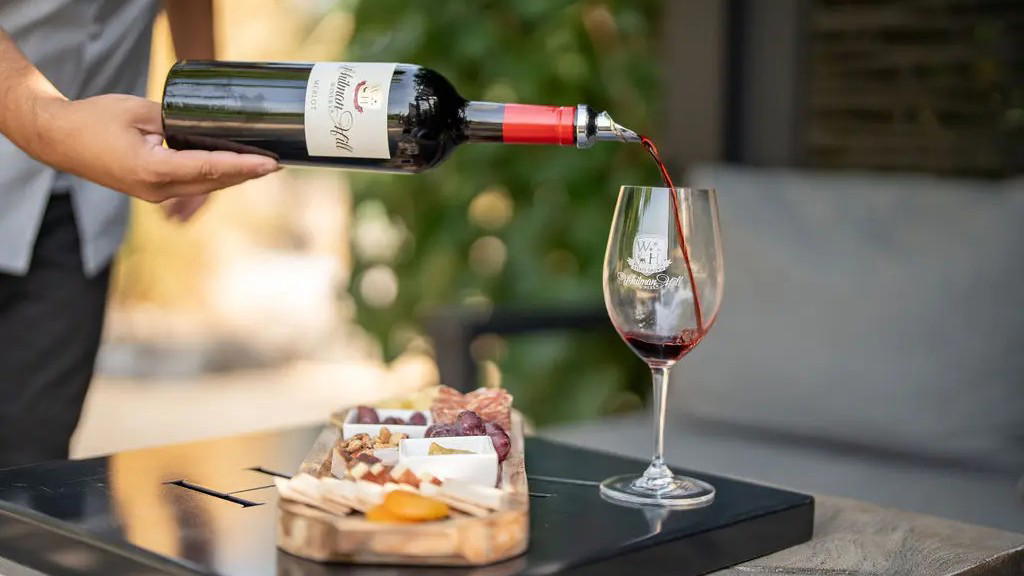
The wine program runs to approximately 350 selections across a total inventory of around 1,955 bottles. The list's declared strengths are California and Italy, which positions it outside the France-dominant lists that accompany most of Osaka's higher-tier French rooms. At the mid-tier markup signalled by the $$ pricing notation, the list is designed to function accessibly rather than as a collector vehicle, with pricing that covers a range rather than concentrating at either extreme. For a ¥¥¥ French restaurant, this is a programme that supports the meal without demanding specialist knowledge from the diner, which fits the room's overall register.
Planning a Visit: Fukushima, Format, and What to Expect
Artisan operates in the Fukushima 2-chome area, a short walk from Fukushima Station on the JR Osaka Loop Line and Hanshin Osaka Namba Line, making it straightforwardly accessible from central Osaka without requiring the longer transit legs that some of the city's neighbourhood restaurants demand. The second-floor location in a mixed-use building is worth noting when navigating at street level for the first time: look for pogo haus and head upstairs.
The price tier is ¥¥¥, positioning it between Osaka's entry-level French options and the ¥¥¥¥ starred houses. Dinner is the primary service format. For those building a wider Osaka dining programme, nent offers a different creative register at a comparable level of seriousness. Consult our full Osaka restaurants guide for broader coverage, and see also our full Osaka hotels guide, our full Osaka bars guide, our full Osaka wineries guide, and our full Osaka experiences guide for city-wide planning.
For those extending to other Japanese cities, the French-influenced and producer-oriented cooking at Artisan sits within a national pattern that surfaces at venues like Goh in Fukuoka, 1000 in Yokohama, and 6 in Okinawa, each of which pursues the question of technique and local material from a different geographic and cultural position.
Frequently asked questions
Is Artisan a family-friendly restaurant?
At ¥¥¥ pricing in a dinner-only format, Artisan is structured around an adult dining experience. Osaka's French dining circuit offers options across a wide range of price tiers and formats, so younger diners or groups with children are better served elsewhere in the city.
Is Artisan formal or casual?
The cooking carries technical seriousness, Michelin Plate recognition in both 2024 and 2025, and a kitchen shaped by Paris training, but the chef's personality, including a manga character's straw hat worn on his back, signals a room with personality rather than stiff protocol. Dress neatly; the cooking demands your attention more than the dress code does.
What kind of recognition has Artisan received?
Artisan has received recognition including: The meaning behind the name ‘Artisan’ is twofold. Firstly, it reflects the career of the chef, who left carpentry to take up cooking. Secondly, it denotes respect for farmers, fishermen and potters. A devoted fan of a popular Japanese manga….
What do regulars order at Artisan?
The dish most closely associated with the kitchen is the duck in pie crust, presented in a form the chef calls 'Shinjidai' or 'New Age,' shaped to resemble the prow of a pirate ship. It functions as both a craft demonstration and a statement of the chef's sensibility, French technique filtered through an artisan's instinct for form.
Nearby-ish Comparables
Comparable options at a glance, pulled from our tracked venues.
| Venue | Cuisine | Price | Awards | Notes |
|---|---|---|---|---|
| ArtisanThis venue (the venue you are viewing) | French-Japanese Fusion Fine Dining | $100–150 | Michelin Plate · Wine Spectator Award of Excellence | Not listed |
| HAJIME | Avant-Garde Japanese Fine Dining | $300–500 | 3 Michelin Stars · World's 50 Best #83 | French, Innovative |
| La Cime | Modern French with Japanese Ingredients | $150–200 | 2 Michelin Stars · World's 50 Best #13 | French |
| Kashiwaya Osaka Senriyama | Seasonal Kaiseki Omakase | $200–300 | 3 Michelin Stars · La Liste Top Restaurants | Japanese |
| Taian | Traditional Japanese Kaiseki Omakase | $150–200 | 3 Michelin Stars · La Liste Top Restaurants | Kaiseki, Japanese |
| Fujiya 1935 | Modern Japanese with European influences | $100–150 | 2 Michelin Stars · La Liste Top Restaurants | Innovative |
Recognition history
Dated appearances from independent guides and award organizations, with the underlying list record or original source where available.
Michelin Plate
Michelin
Wine Spectator Award of Excellence
Wine Spectator
Full recognition history (4 entries)
Michelin Plate
Michelin
Michelin Plate
Michelin
Continue exploring
More in Osaka
Restaurants in Osaka
All restaurants in Osaka →

Bars in Osaka
All bars in Osaka →



Hotels in Osaka
All hotels in Osaka →




Wineries in Osaka
Browse all →
Artisan
The wine
Artisan holds the Wine Spectator Award of Excellence, which Wine Spectator gives to lists of usually 90 or more selections.
- Wine Spectator
- Wine Spectator Award of Excellence
- Selections
- 350
- Bottles in cellar
- 1,955
- List strengths
- California, Italy
- Wine director
- Jessica West
- Sake program
Details
- Intimate
- Elegant
- Sophisticated
- Cozy
- Date Night
- Special Occasion
- Celebration
- Chefs Counter
- Open Kitchen
- Sake Program
- Local Sourcing
- Prix Fixe
- Wine
- Sake
Current opening hours
- Monday
- 6:30–10 PM
- Tuesday
- Closed
- Wednesday
- 6:30–10 PM
- Thursday
- 6:30–10 PM
- Friday
- 6:30–10 PM
- Saturday
- 12–2 PM, 6:30–10 PM
- Sunday
- 12–2 PM, 6:30–10 PM
Hours can change for holidays and private events. Hours as of .
Intimate counter seating in a stylish, relaxing hideaway space with an open kitchen, offering a sophisticated adult atmosphere.