Arthur


Arthur brings a Parisian bistro sensibility to New York, threading French technique through a New American frame in a city where that crossover has long defined the upper-middle tier of serious dining. The kitchen operates in a register that feels neither nostalgic nor trend-chasing, a balance that rewards regulars and first-timers alike. For a city with many ambitious French-inflected rooms, Arthur holds its own lane.
Pearl is the En Primeur Club membership app — saves, bookings, and concierge access live there. Same editors, same standards.
- Address
- 132 Franklin St.
- Website
- eatwitharthur.com
- Directions
- Get directions
 Saves & bookings on Pearl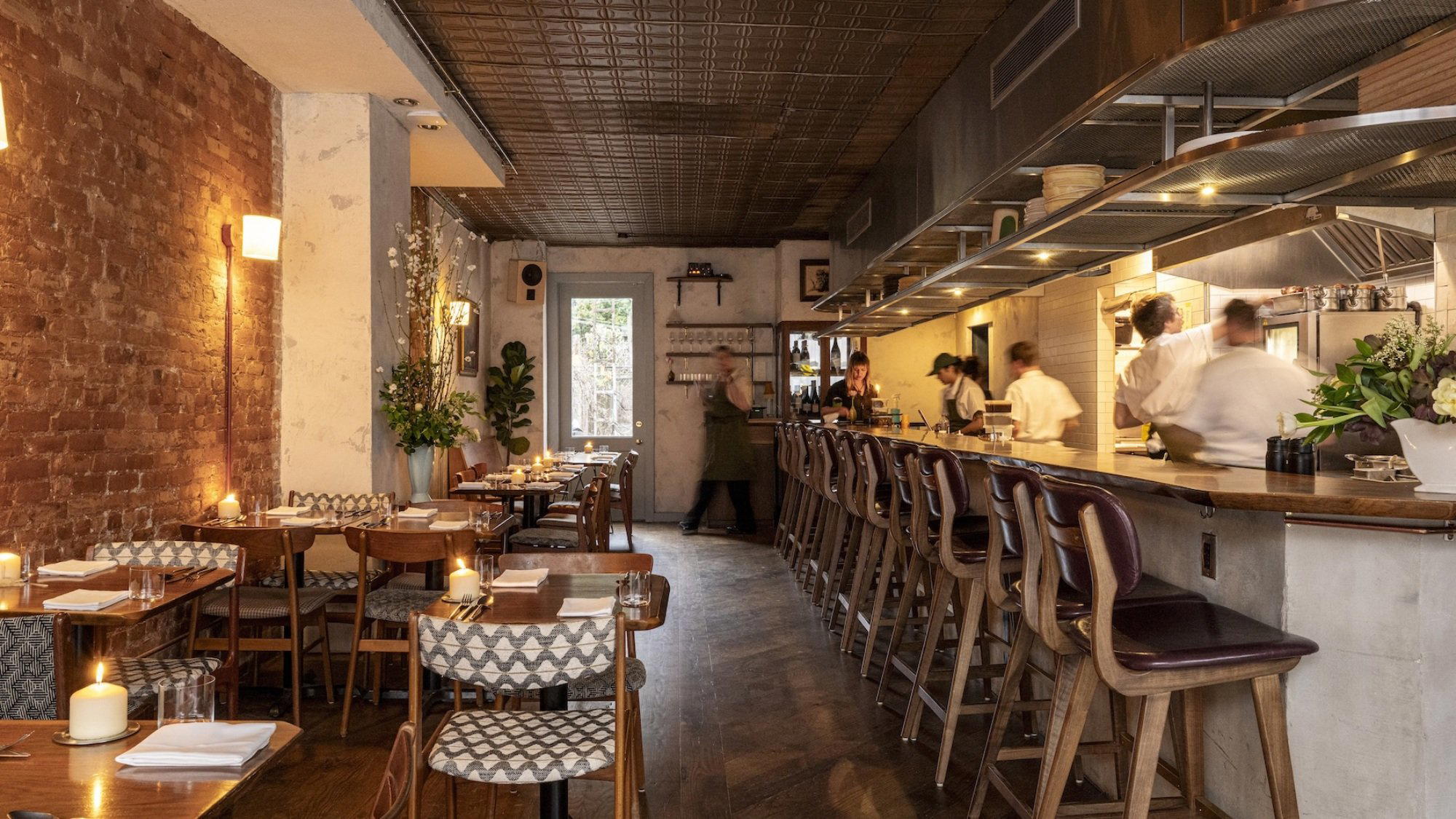
The Crossover That Defines a Room
New York's French-American dining tradition runs deeper than any single decade. From the white-tablecloth formality of the postwar era through the brasserie wave of the 1990s and the more recent collapse of those categories into something looser and more personal, the city has always used French technique as a reference point rather than a destination. Arthur sits inside that longer arc, framed as a Playful French Bistro at 25 W 51st St in New York, with a price point around $40 per person.
That crossover is not a novelty in New York. Rooms like Le Bernardin and Per Se anchor the formal, multi-course end of French influence in the city. Arthur operates in a different register, closer to the lived-in comfort of a proper bistro than the ceremony of a tasting-menu room, but with enough New American instinct to avoid the feeling of a theme exercise. That positioning suits a room that values ease without sacrificing seriousness.
What the Neighbourhood Asks of a Room Like This
New York dining neighbourhoods have their own internal logic. The city's most-discussed restaurant corridors, the West Village, the Lower East Side, Tribeca, each set expectations around energy, price point, and the kind of dining occasion they support. A Parisian bistro format reads differently in a landmarked block of the West Village than it does in a converted warehouse in Williamsburg. The physical and social context of a room shapes what a guest brings to it before they sit down.
Arthur's positioning within New York places it in the broader category of restaurants that draw on French bistro codes, tiled floors, close tables, a wine list with weight, while leaving room for the kitchen to assert its own American point of view. That dual identity has proven durable in the city. Diners who want the formality of a Per Se or the technical precision of Atomix know where to look. Arthur addresses a different appetite: the one for a room that feels deliberate without demanding an occasion to justify it.
That appetite is real and consistent in New York. The city supports a wide range of French-inflected rooms precisely because French technique travels well across price points and formats. At the higher end, Le Bernardin applies that technique to seafood with a rigour few rooms anywhere match. At the more adventurous end, Jungsik New York and Atomix fold French structural logic into Korean flavour frameworks. Arthur's bistro-meets-New American lane sits between those poles, which is a less crowded space than it might appear.
A Format With Clear Precedents, Applied With Local Instinct
The Parisian bistro is among the more copied formats in the world, and also among the more difficult to get right outside of France. The problem is not technique, it is tone. Successful bistro transplants tend to share a quality that resists easy description: the sense that the room and the menu have been edited by someone who understands what a bistro feels like at eleven on a Tuesday night in the 11th arrondissement, not just what it looks like in a magazine spread. Arthur's hybrid label, Parisian bistro meets New American, signals an awareness of this problem. By declaring its American dimension openly, it gives itself permission to deviate from the source material where local instinct calls for it.
That instinct has parallels in other American cities. Across the country, a handful of rooms have built reputations on similar crossover positions. Lazy Bear in San Francisco takes French structure into a more experimental American register. Blue Hill at Stone Barns in Tarrytown uses French technique as a delivery system for hyper-local agriculture. Single Thread Farm in Healdsburg applies similar logic to Japanese kaiseki. Bacchanalia in Atlanta has held a version of this crossover position in the South for decades. What these rooms share is a willingness to treat European tradition as a starting point rather than a finish line, which is the working definition of New American cooking at its most coherent.
In the tasting-menu tier nationally, Alinea in Chicago, The French Laundry in Napa, Addison in San Diego, Providence in Los Angeles, and The Inn at Little Washington represent rooms where French influence has been metabolised into something distinctly American and formally ambitious. Arthur is not operating in that tier, its bistro framing is lower-ceremony by design, but the tradition it draws from is the same one those rooms refined. For context on similar crossover formats internationally, Alain Ducasse at Louis XV in Monte Carlo and 8½ Otto e Mezzo Bombana in Hong Kong show how European fine-dining codes translate when applied with local intelligence in a new context.
Where Arthur Sits in the Broader Map
New York's French-American dining tier is well-populated but not homogeneous. The rooms that hold consistent attention in this category tend to do so either through formal prestige, format innovation, or the harder-to-manufacture quality of feeling necessary to their neighbourhood. Emeril's in New Orleans built a version of New American French authority rooted in place and in a specific city's flavour logic. Arthur, operating in New York, draws on a different set of local pressures, a more competitive market, a more internationally travelled dining public, and a greater appetite for informality as a deliberate choice rather than a default.
The city also supports strong competition at the summit of the Japanese dining register, with Masa setting the ceiling for omakase spending in Manhattan, a useful reference point for understanding how the city prices seriousness across categories.
Know Before You Go
- Cuisine: Parisian bistro meets New American
- City: New York City, New York
- Reservations: Check reservations are recommended
- Dress code: smart casual
- Price range: about $40 per person
- Leading for: Weeknight dinners, relaxed occasion dining, wine-forward meals in a French-inflected setting
Style and Standing
Comparable venues nearby, for context on price, style, and recognition.
| Venue | Cuisine | Price | Notes |
|---|---|---|---|
| ArthurThis venue — the venue you are viewing | Playful French Bistro | $$ | Not listed |
| La Bonne Soupe | Classic French Bistro | $$ | Midtown-Times Square |
| Felix | Classic French Bistro | $$ | SoHo-Little Italy-Hudson Square |
| Cafe Un Deux Trois | Classic French Brasserie | $$ | Midtown-Times Square |
| From Lucie | French-Inspired Bakery | $$ | East Village |
| Le Petit Cafe | French Cafe Bistro | $$ | Carroll Gardens-Cobble Hill-Gowanus-Red Hook |
Recognition history
Dated appearances from independent guides and award organizations, with the underlying list record or original source where available.
Grub Street Best Food of 2026 (So Far)
Grub Street
Michelin Plate
Michelin
Continue exploring
More in Brooklyn
Restaurants in Brooklyn
Browse all →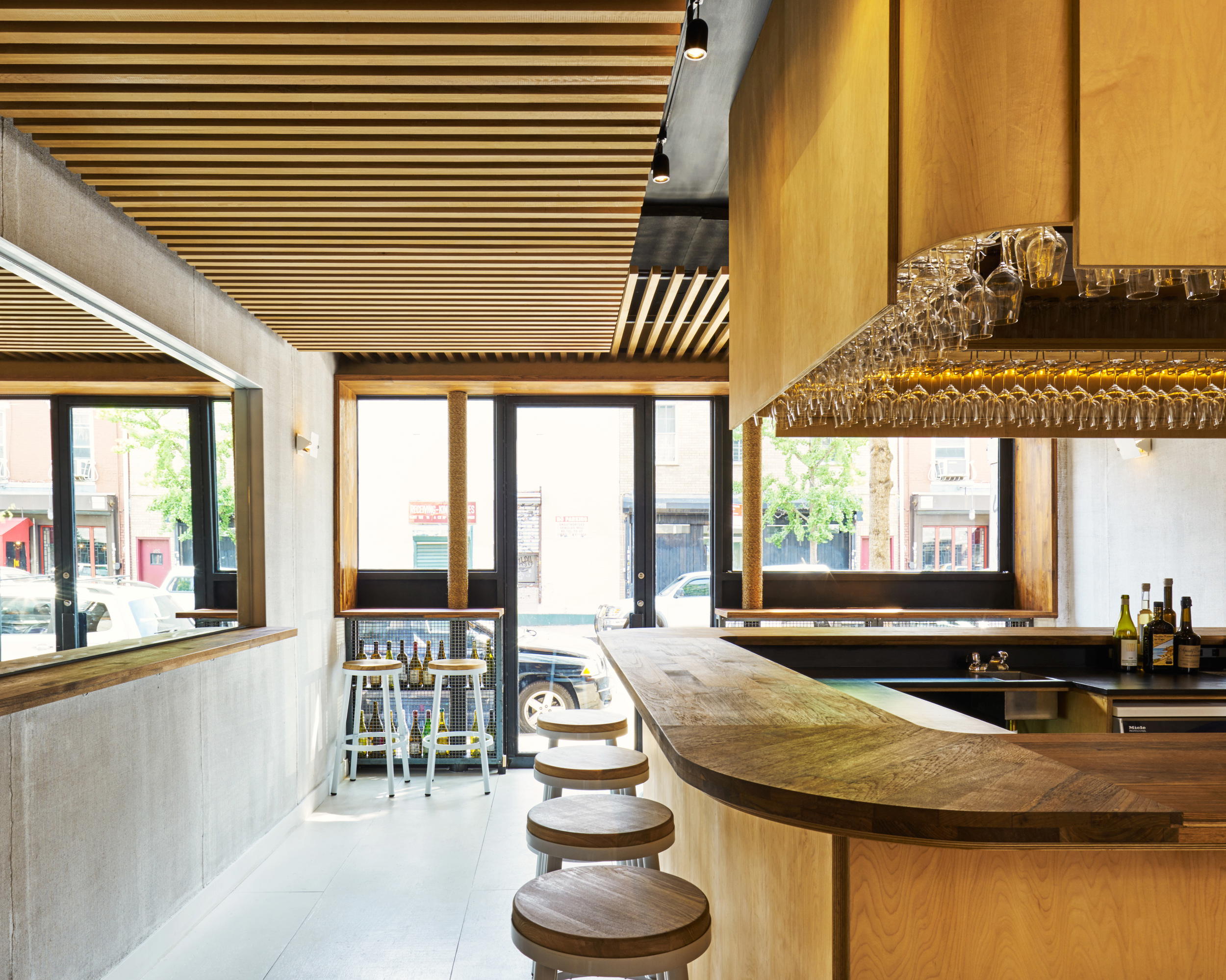
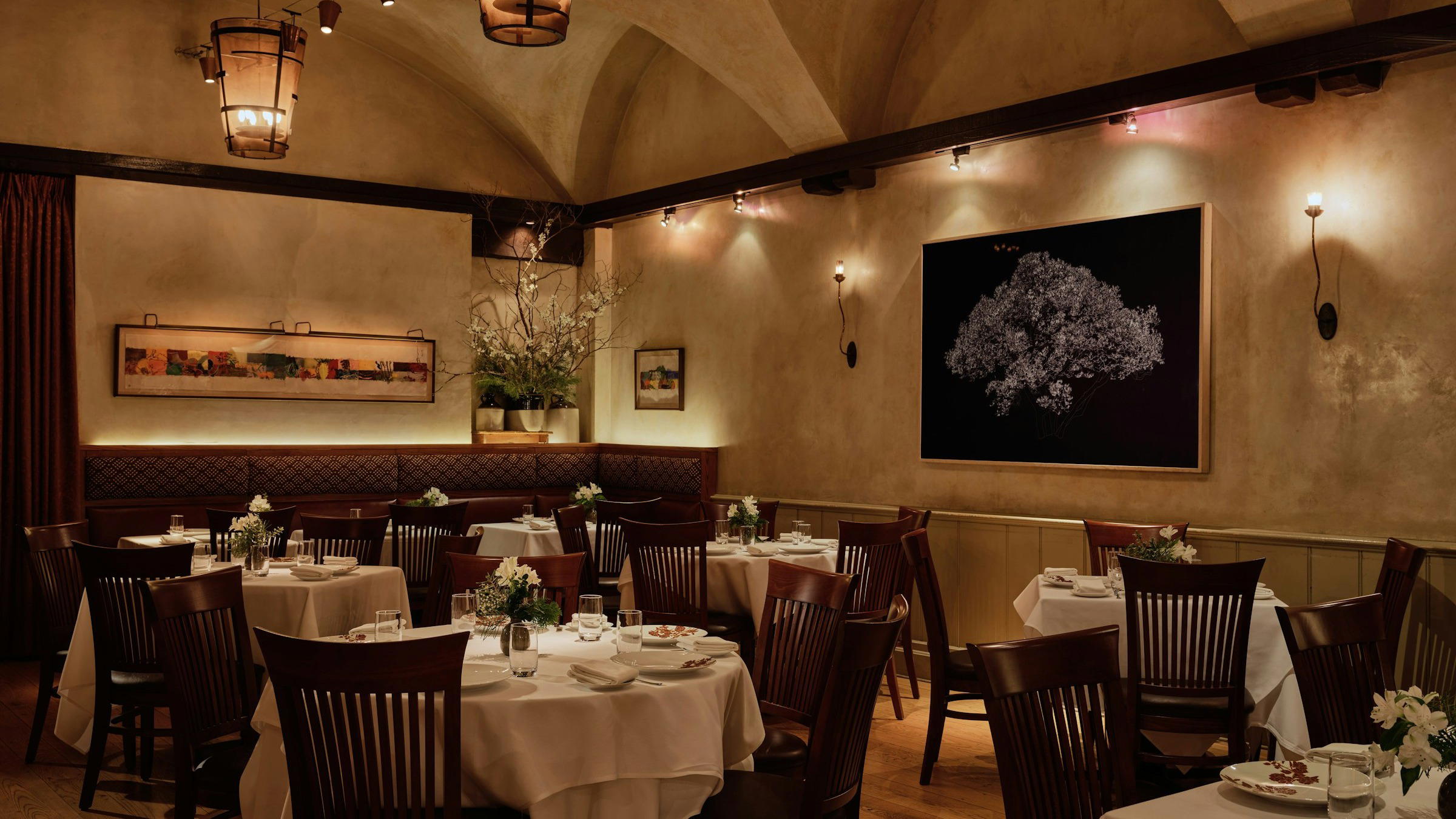
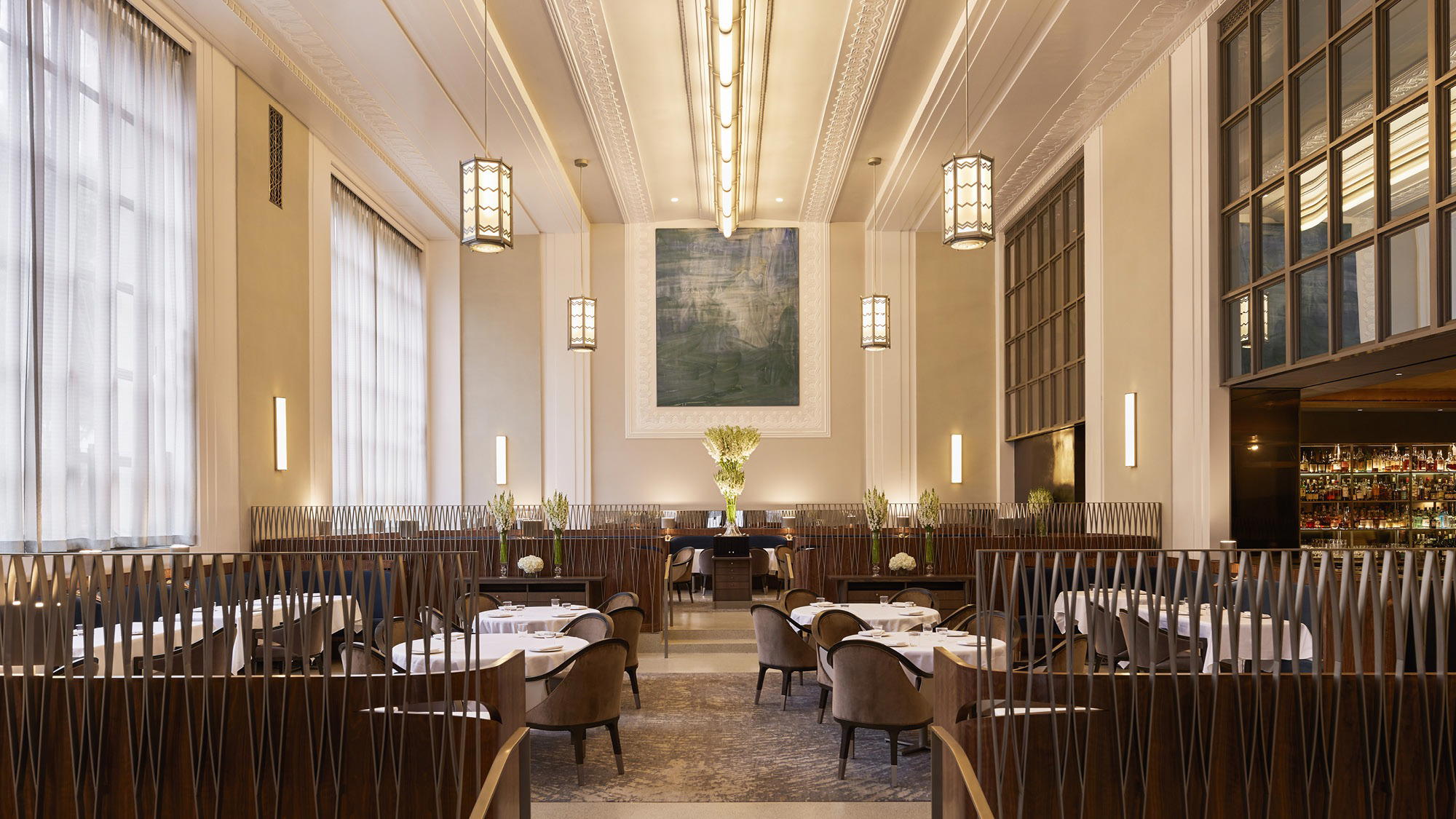
Bars in Brooklyn
Browse all →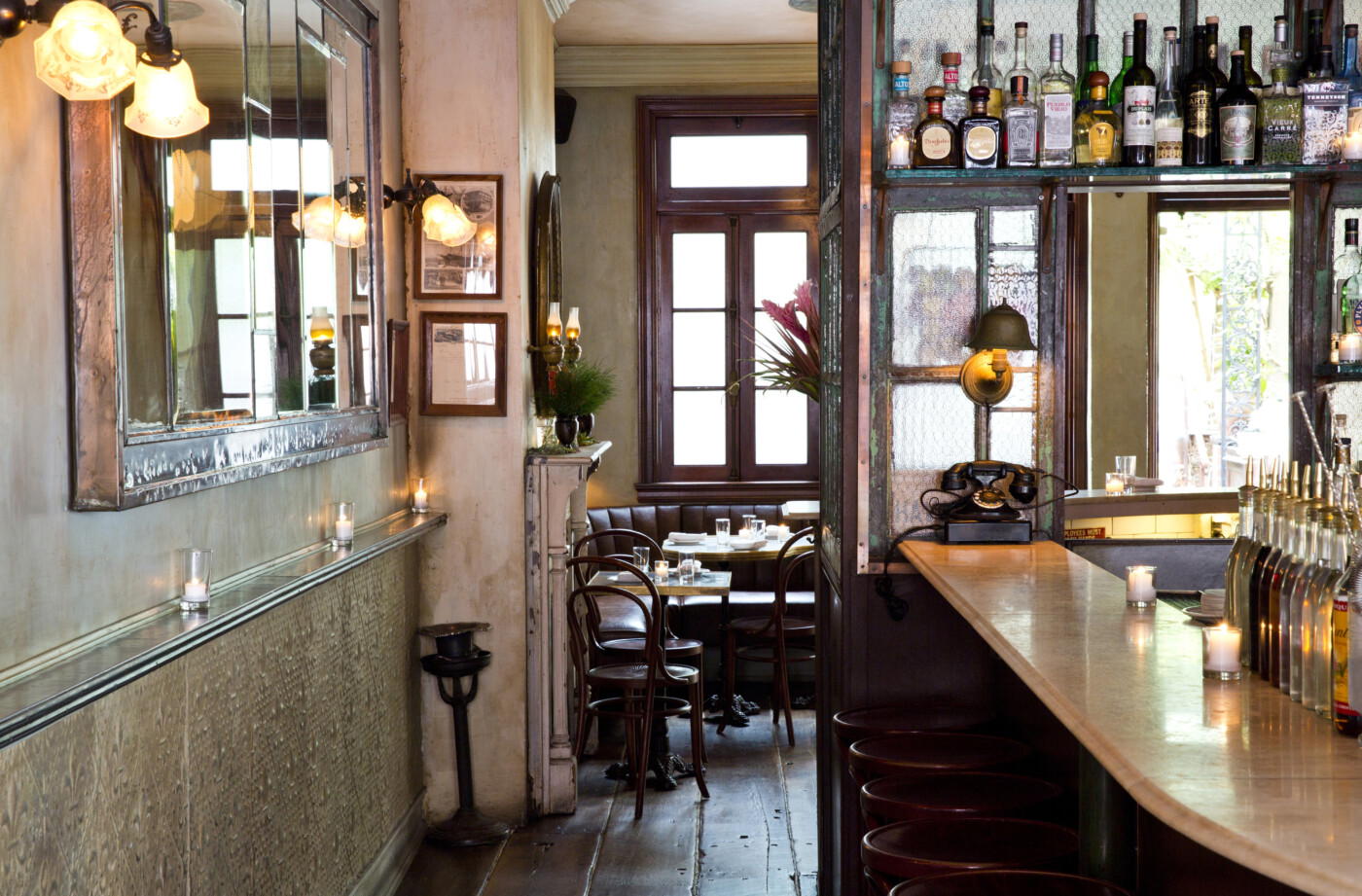
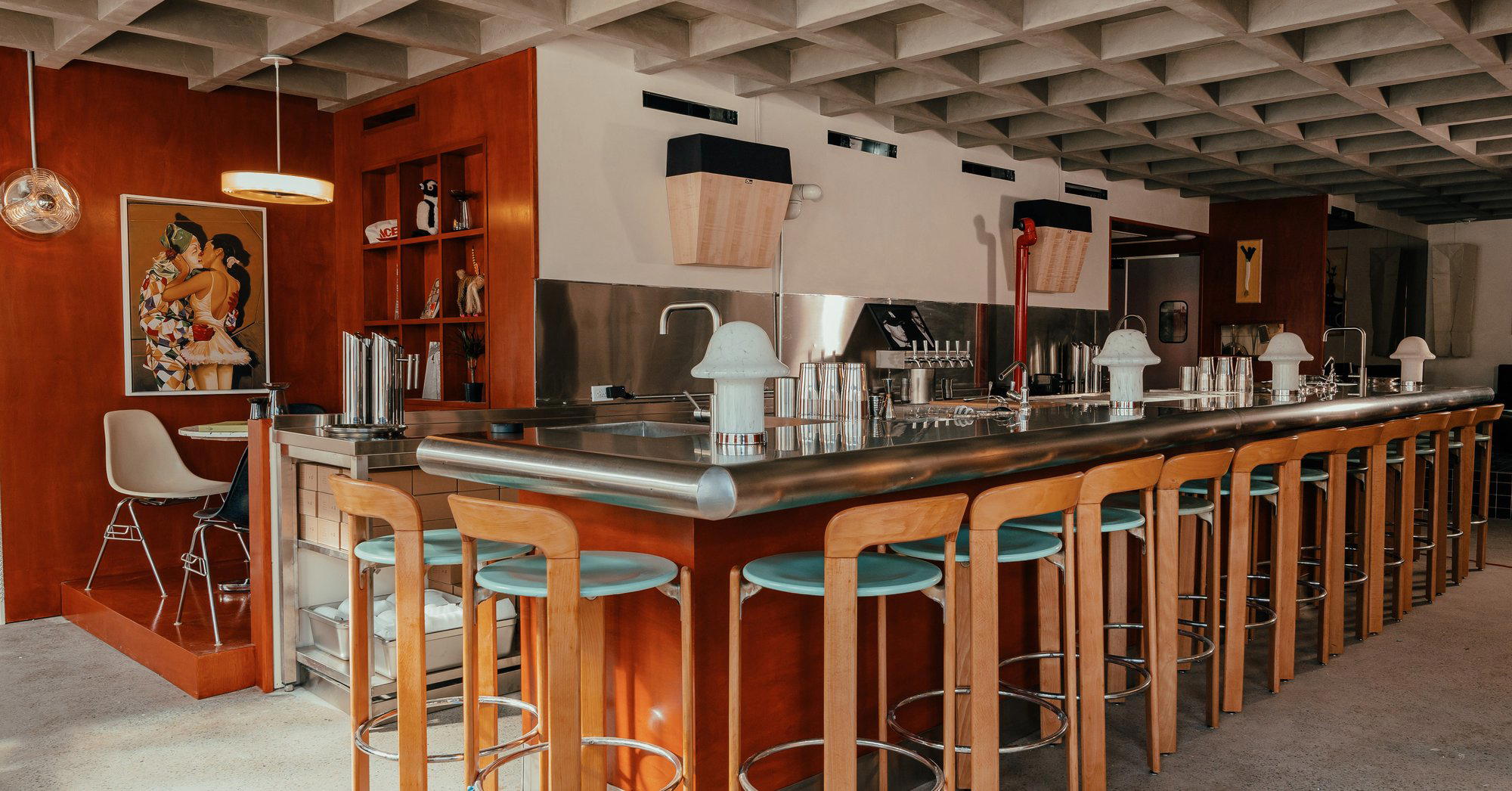
Hotels in Brooklyn
Browse all →






At a Glance
- Cozy
- Classic
- Intimate
- Date Night
- Casual Hangout
- Open Kitchen
- Natural Wine
- Local Sourcing
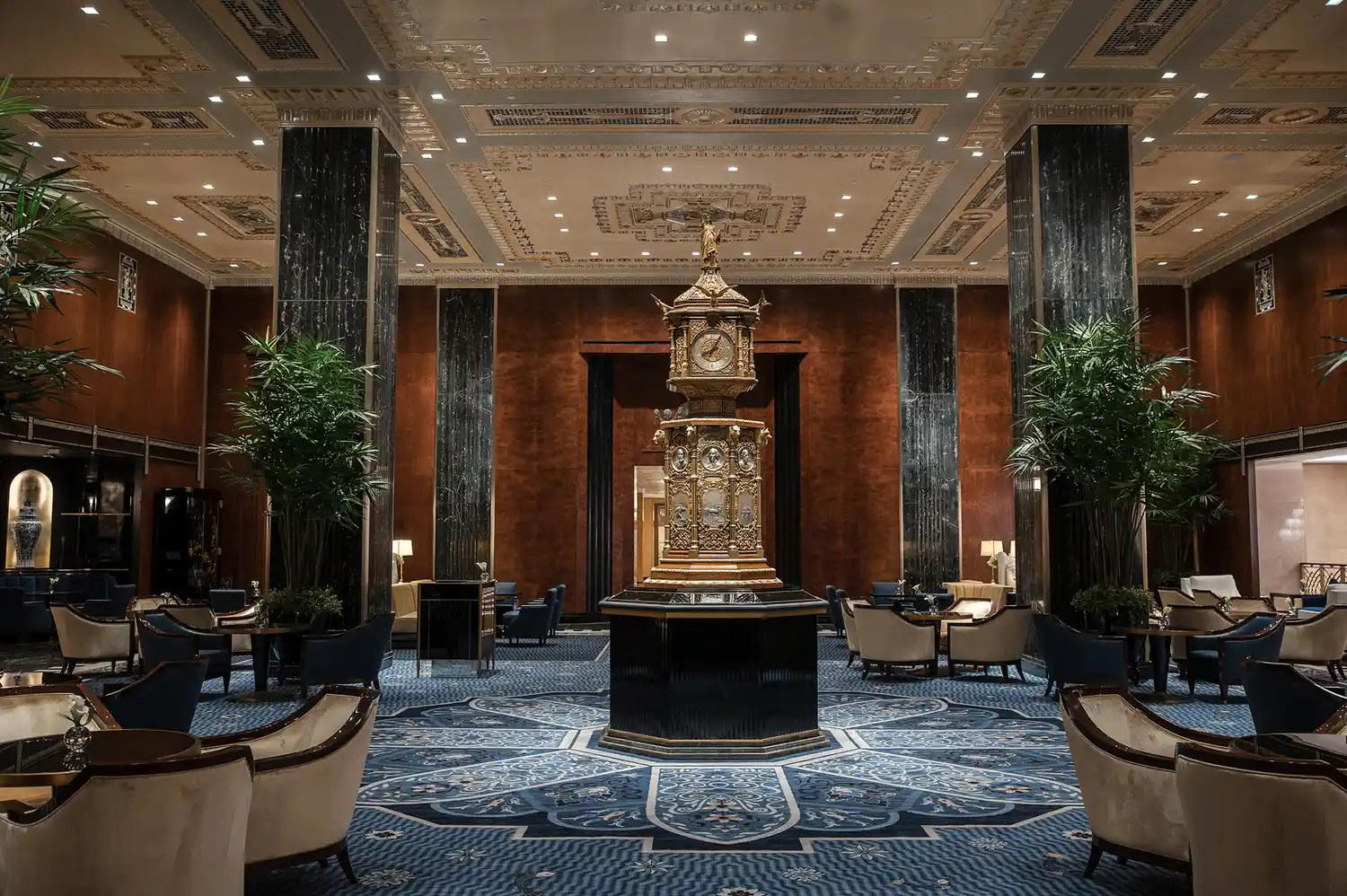
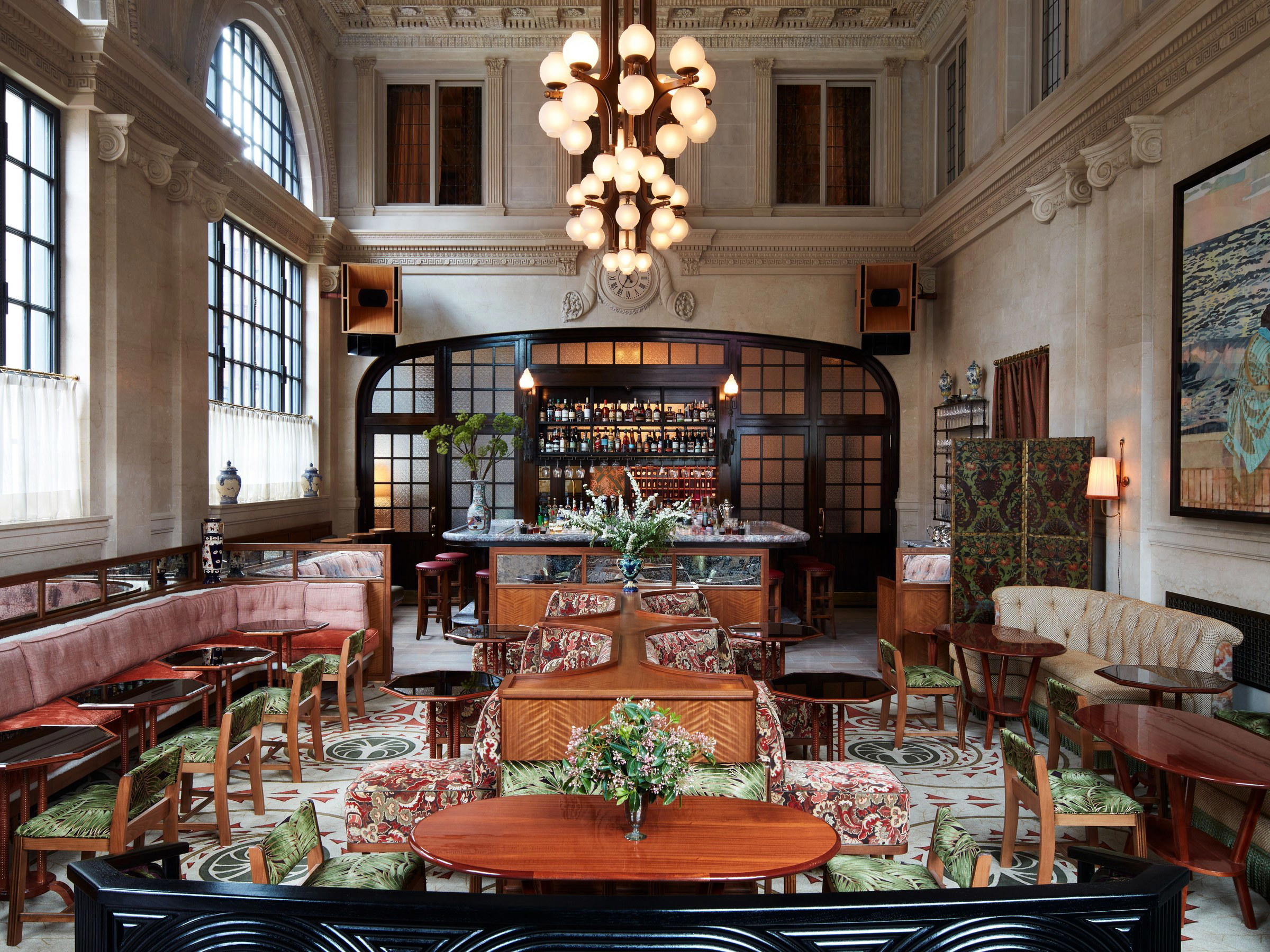
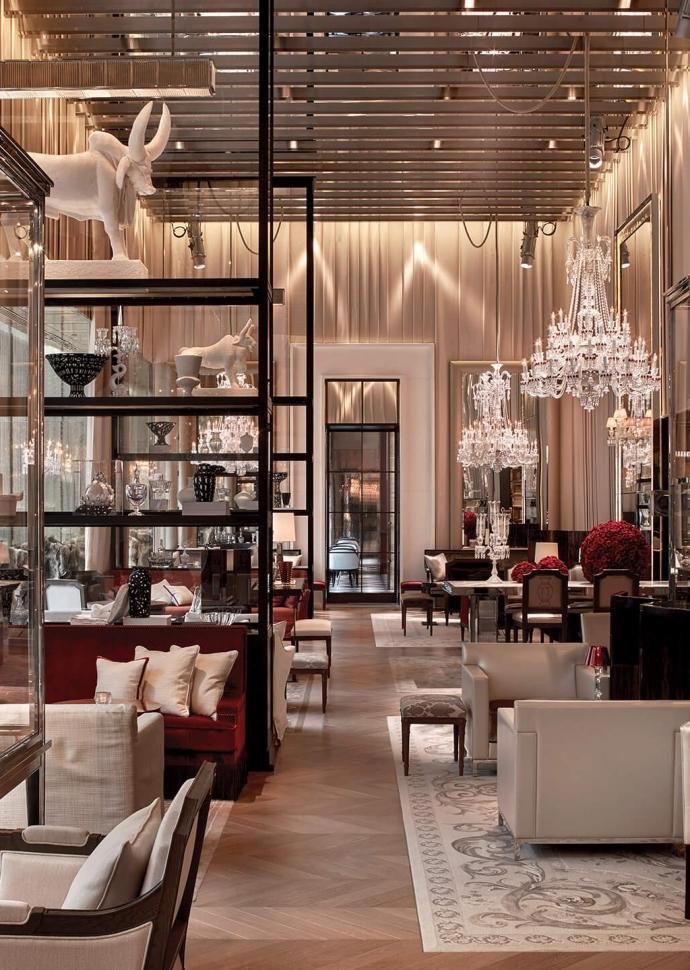
Lively and inviting neighborhood spot with unpretentious yet thoughtful classic bistro atmosphere.