Artefact

Artefact is a bistro-style address in Québec City where the room matters as much as the plate: historical objects, alcoves and a cocktail-led bar setting place the meal inside Old Québec’s sense of memory. Chef Lucas Brocheton’s kitchen fits the city’s terroir conversation, favouring regional identity over imported spectacle.
- Address
- 8, rue Saint-Antoine
- Phone
- +1 418-692-2211
- Website
- menumodo.com
- Directions
- Get directions
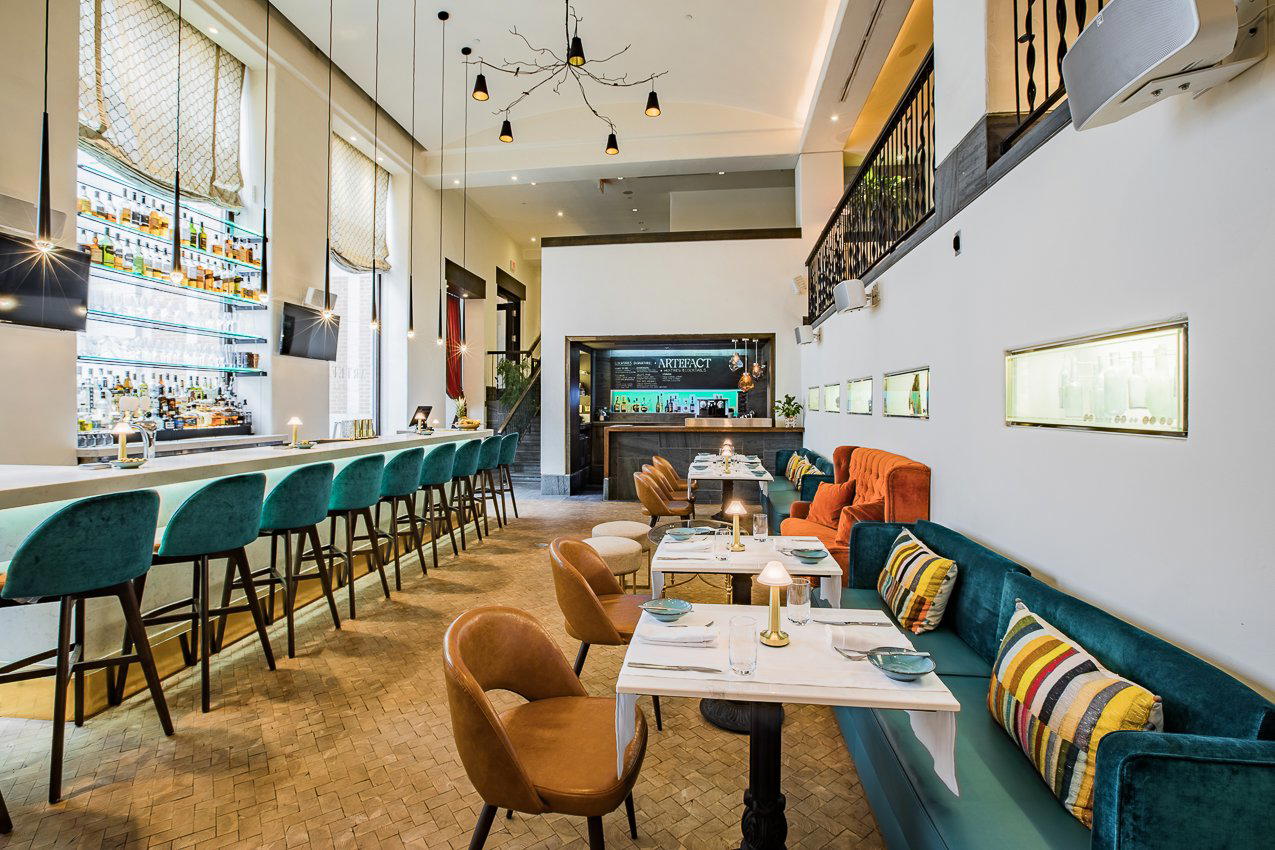
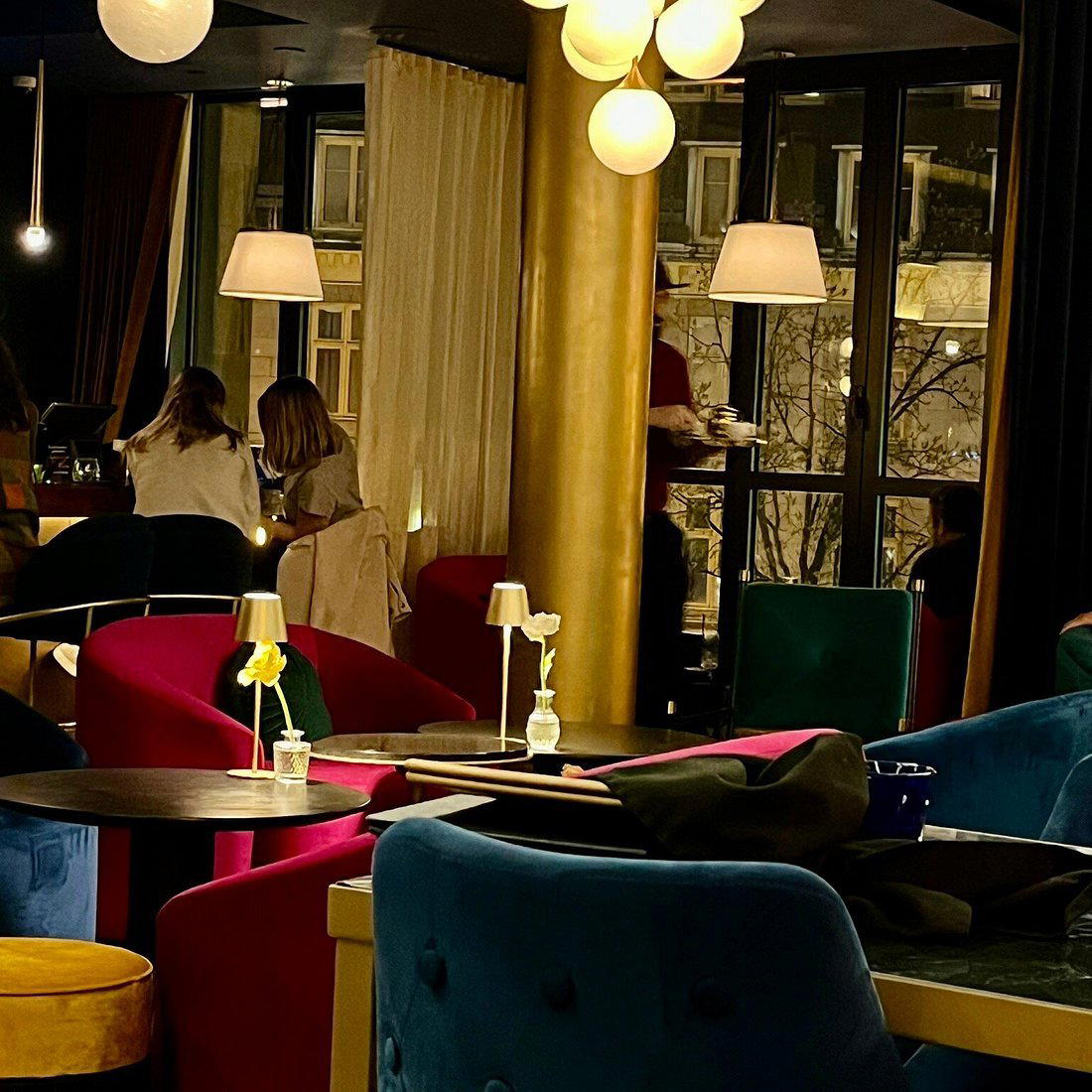
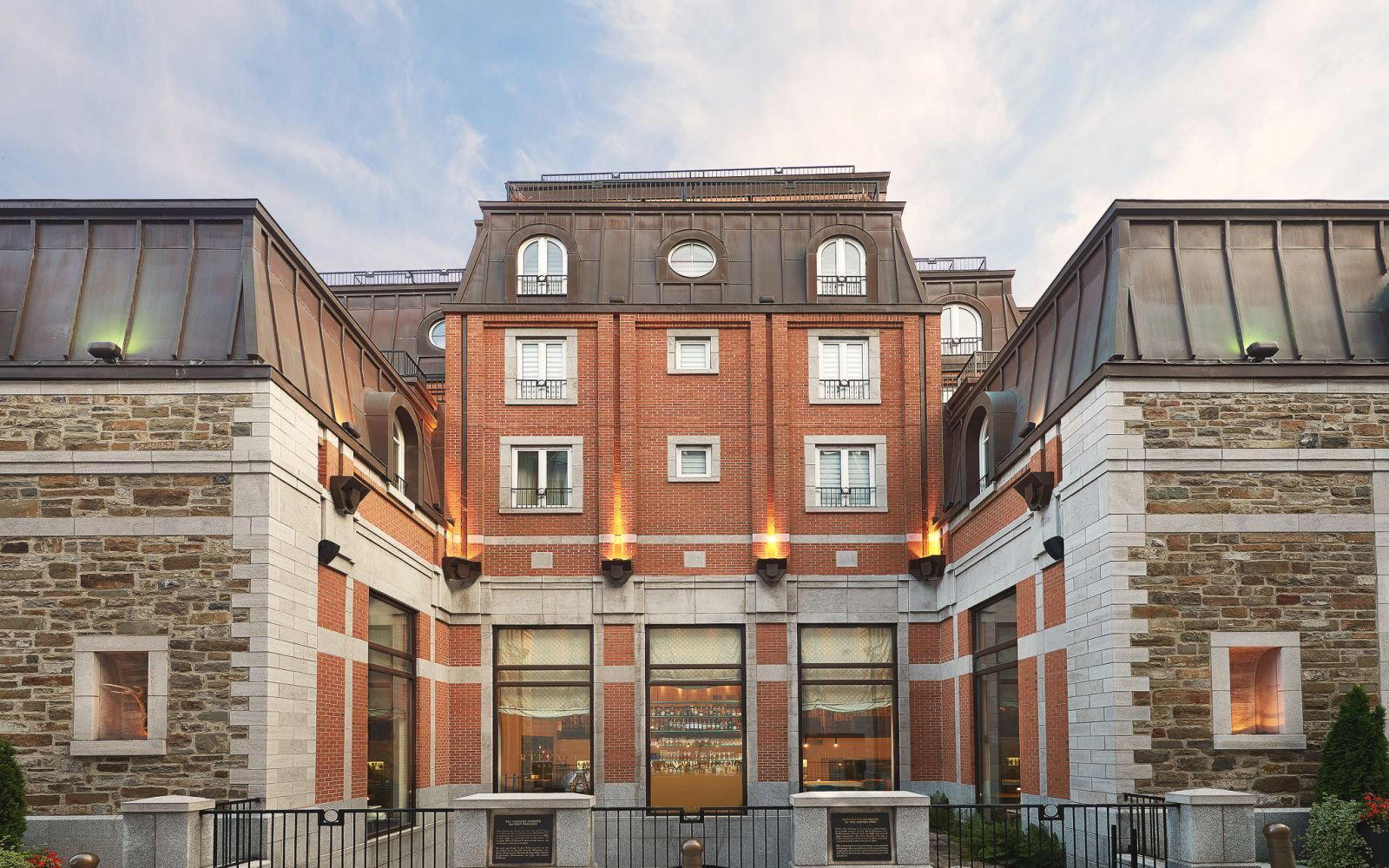
Approaching the room at Artefact, the first cue is not a tasting-menu ritual or a white-tablecloth declaration. It is the presence of Québec’s material past: historical objects, window displays and the Dauphine Battery setting a sharper tone than the usual hotel-bar polish. In Old Québec, where dining rooms often lean on heritage as decoration, this one uses it as context. The result is a bistro-style meal framed by the city’s habit of making history feel close to the table.
That matters in Québec City because provenance is not an abstract dining trend here. The region’s food culture has long been shaped by cold-weather preservation, river trade, dairy, game, maple, root vegetables and French technique adapted to Canadian conditions. A bistro format can either flatten that inheritance into comfort food or give it structure. Artefact sits in the latter conversation: casual in posture, but anchored by a setting that keeps the city’s past in view.
Québec terroir, read through a bistro lens
Chef Lucas Brocheton’s name gives the kitchen a clear authorship, but the stronger story is the format. Bistro-style cuisine in Québec is useful when it resists nostalgia and keeps the cooking flexible: a lighter meal, a serious drink, a room that works outside the formal dinner hour. That flexibility suits a city where many visitors split their attention between Old Québec’s preserved streets, the riverfront and a restaurant scene that ranges from old-line Québécois cooking to younger, looser rooms.
The terroir angle is less about listing farms than understanding the grammar of the place. Québec cuisine has always been a negotiation between French structure and North American materials. Butter, cream, smoke, root-cellar vegetables and seasonal produce form the backbone; contemporary kitchens then decide how much weight to keep on the plate. A bistro attached to a historically minded property has to be especially careful: lean too heavily into the past and it becomes costume; strip it out and the room loses its reason for being.
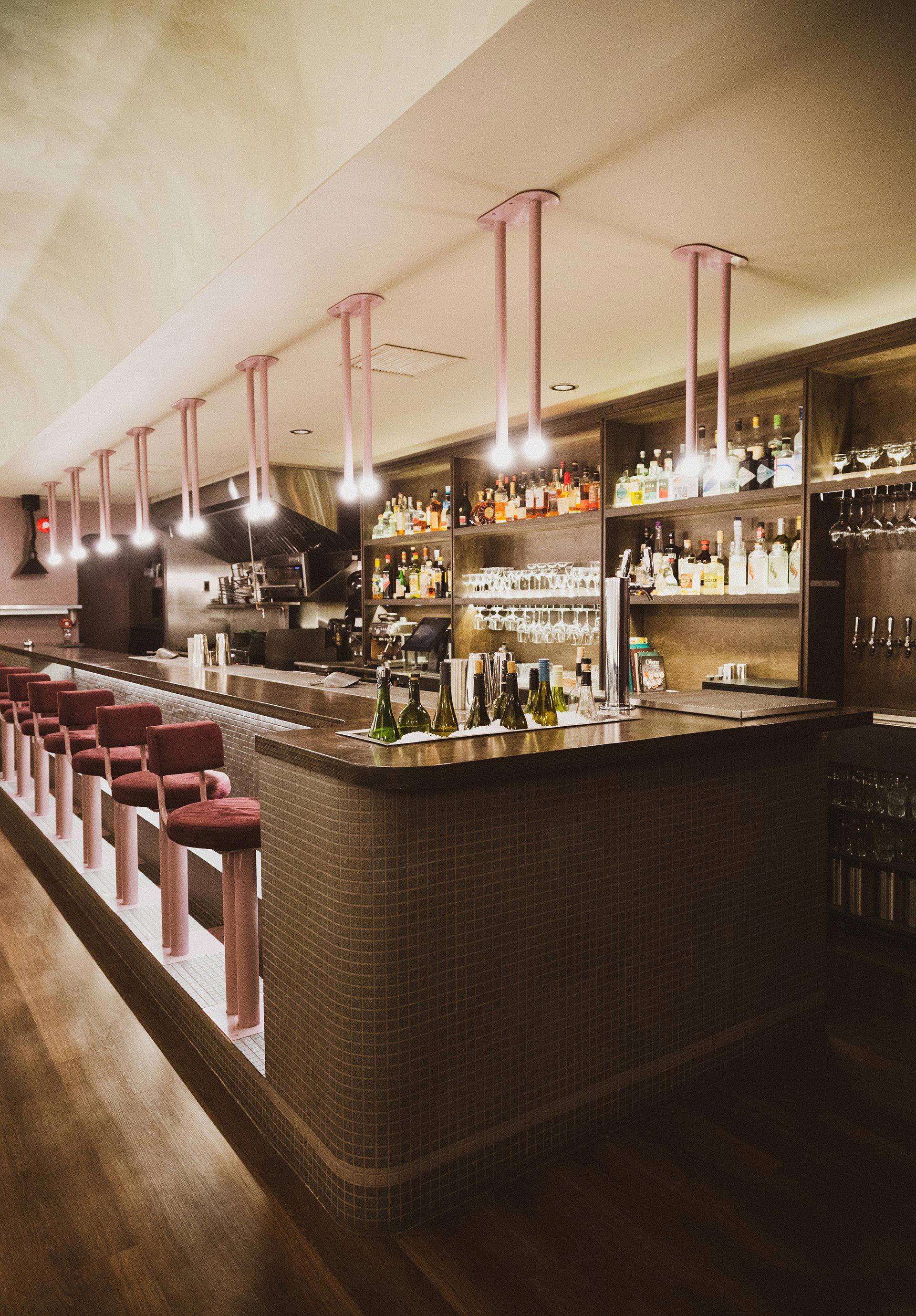
Here, the appeal is the middle register. The meal can be read as part of Old Québec’s broader shift away from rigid occasion dining toward rooms that let cocktails, small plates and regional references share the same evening. The bar component is not incidental. Québec City’s stronger hotel restaurants and bars increasingly compete on the quality of the full evening rather than on the plate alone, and Artefact’s cocktail reputation places it inside that more contemporary category.
Travellers mapping the city’s dining range should place this beside more tradition-forward addresses such as Aux Anciens Canadiens, newer regional cooking at Coteau, Italian-leaning dining at Il Matto, the looser local energy of L'Affaire est ketchup and beer-led casual eating at La Barberie - Microbrasserie & Restaurant. For a wider scan, use Our full Québec restaurants guide, with parallel planning through Our full Québec hotels guide, Our full Québec bars guide, Our full Québec wineries guide and Our full Québec experiences guide.
A historic room that changes the meal's tempo
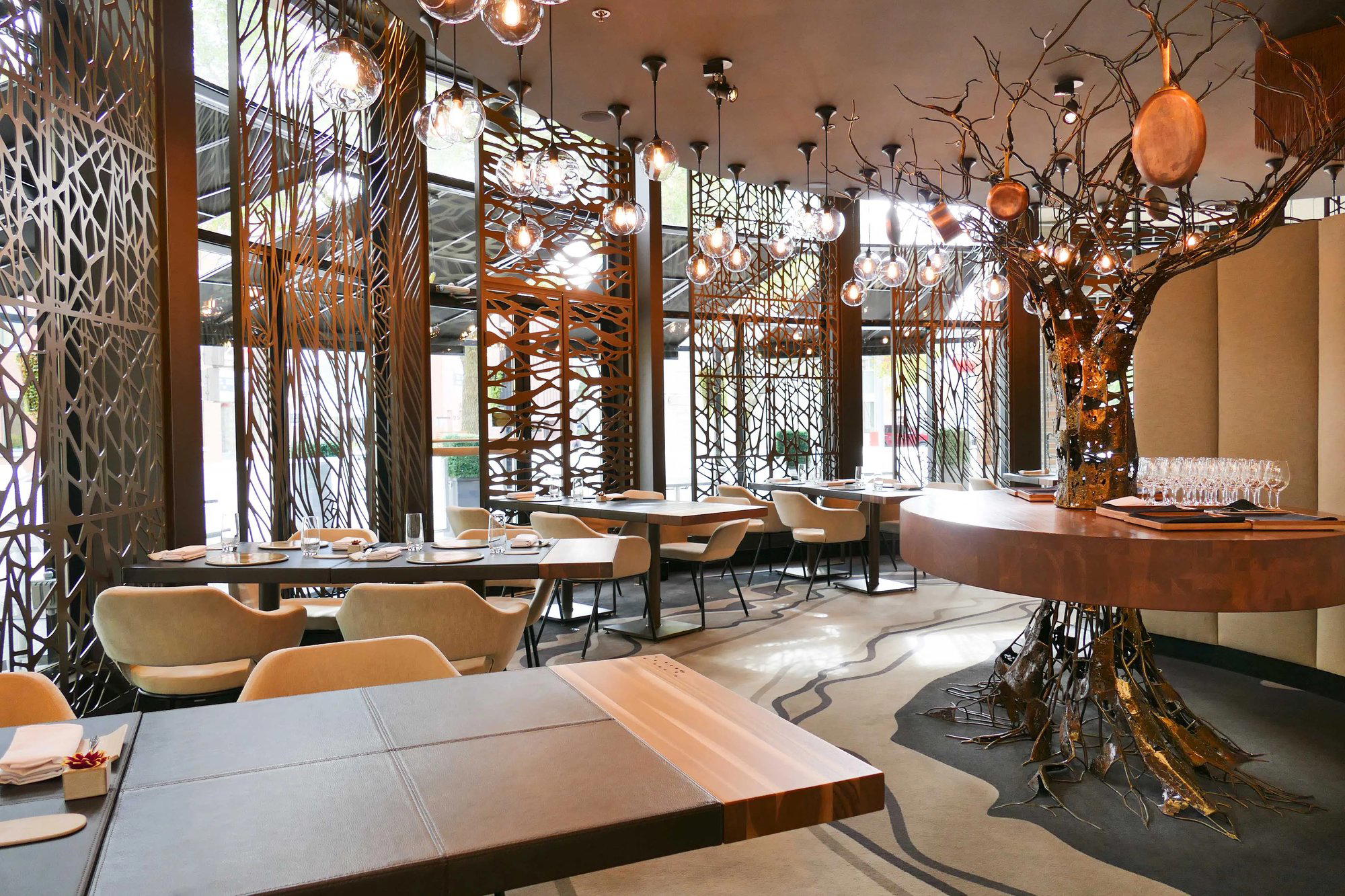
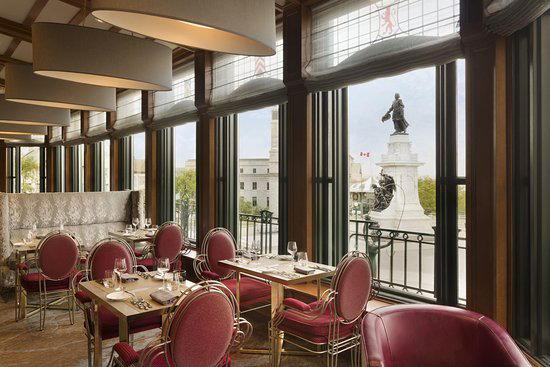
The room’s historical objects are not a footnote. They shape the pace of the experience, pushing it closer to a salon or bar-lounge meal than a chef’s-counter performance. Alcoves near the bar and leather chairs by the windows create distinct modes of use: a drink-led catch-up, a lighter dinner, a pause between Old Québec appointments. That range is part of the attraction. In a city with a dense tourist core, rooms that can absorb different evening lengths have practical value.
The presence of objects from six eras also gives the dining room a curatorial edge. Many heritage settings rely on age as atmosphere; here the visible artifacts make the past legible rather than vague. The Dauphine Battery reference is especially useful because it ties the room to Québec’s fortified history, not merely to a romanticized old-town mood. For readers who care about sense of place, that distinction matters.
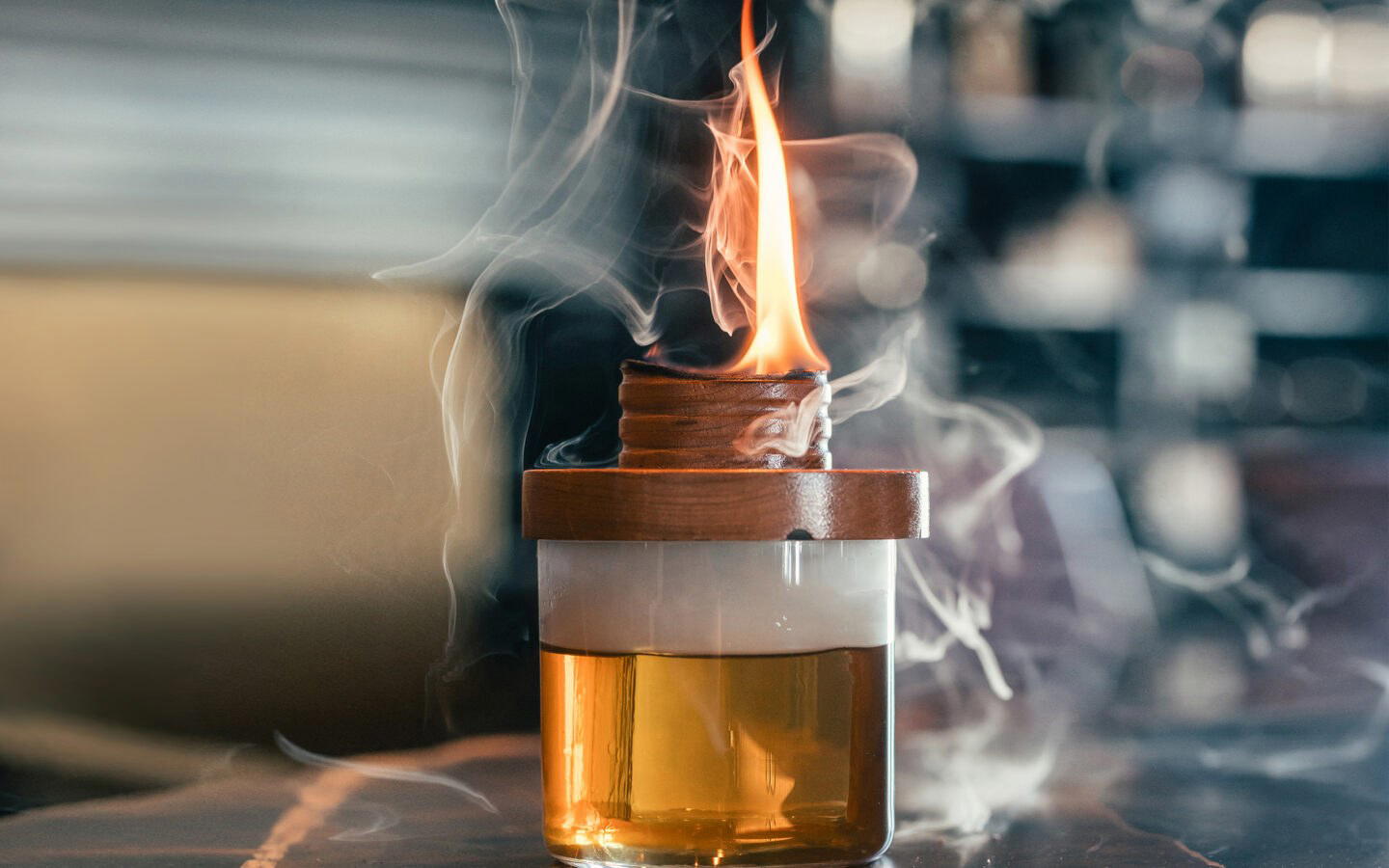
Cocktail program is the other trust signal. The bar is described as one of Québec City’s noted cocktail menus, and that changes how to approach the booking. This is not only a bistro for a full dinner; it also works as a bar-first stop when the evening calls for something lighter. In Canadian travel terms, it aligns with a broader move toward hybrid rooms: compare the category, not the city, with Spanish casual formats such as ¿CóMO? Taperia in Vancouver, hotel-grown regional kitchens like 1 Kitchen in Toronto, mountain-dining rooms such as 1888 Chop house in Banff, resort steak-and-seafood formats like 21 Club Steak and Seafood in Niagara Falls, high-volume Mexican dining at 3 Mariachis in Vaughan and Montréal’s bistro-adjacent fire cooking at 3 Pierres 1 Feu in Montréal. The broader bistro category also stretches internationally, from Avaton Bar, Bistro-style cuisine in Halkidiki to Bar & Bistrot Principe, Bistro-style cuisine in Lugano.
Who should put it on a Québec itinerary
Artefact makes sense for travellers who want Québec City without reducing dinner to a period-piece exercise. The address rewards an interest in regional identity, but it does not demand a formal, long-format meal. That makes it useful for mixed itineraries: couples after a cocktail and a composed plate, families who need a calmer room earlier in the day, or visitors staying in Old Québec who want the setting to carry some of the cultural load.
The critical distinction is expectation. This is not the address for maximal culinary theatre or a long dégustation. It is a historically framed bistro-bar where provenance, room character and drink quality carry the experience. In a city where heritage can easily become décor, Artefact’s stronger argument is that the past can be part of the meal without turning dinner into a museum piece.
Comparable Venues Nearby
Comparable venues nearby, for context on price, style, and recognition.
| Venue | Cuisine | Price | Notes |
|---|---|---|---|
| Artefact | Cocktail bar with light refined cuisine | $$ | Old Quebec / Old Port |
| La Barberie - Microbrasserie & Restaurant | Quebecois Gastropub with Craft Beer | $$ | Saint-Roch |
| L'Affaire est ketchup | Quebecois-French Comfort Bistro | $$$ | Old Quebec |
| Aux Anciens Canadiens | Traditional Québécois | $$$ | Vieux-Québec |
| LE CONTINENTAL - Cuisine Française - Fruits de Mer / Homard / Steak - Flambé | Classic French Fine Dining with Tableside Flambé | $$$$ | Vieux Québec |
| Rue du Petit Champlain | French-Québécois Bistro | $$$ | Quartier Petit Champlain |
Recognition history
Dated appearances from independent guides and award organizations, with the underlying list record or original source where available.
Relais Chateaux Award
Relais Chateaux
Continue exploring
More in Quebec City
Restaurants in Quebec City
Browse all →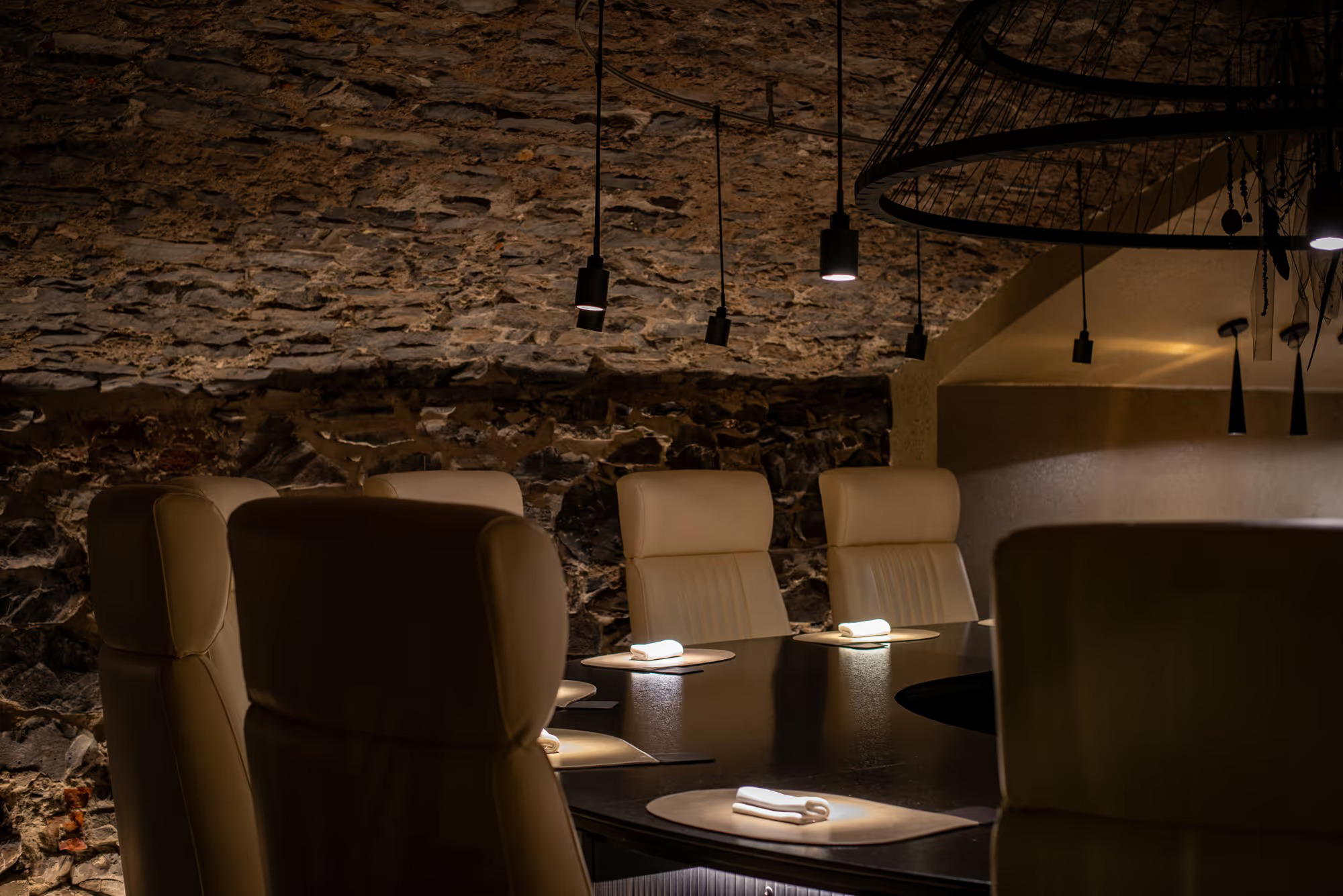
Bars in Quebec City
Browse all →
At a Glance
- Cozy
- Elegant
- Romantic
- Sophisticated
- Classic
- Date Night
- After Work
- Group Dining
- Family
- Casual Hangout
- Celebration
- Hotel Restaurant
- Historic Building
- Design Destination
- Wine Cellar
- Private Dining
- Extensive Wine List
- Craft Cocktails
- Zero Proof
- Local Sourcing
- Sustainable Seafood
Current opening hours
- Monday
- 12–10 PM
- Tuesday
- 12–10 PM
- Wednesday
- 12–10 PM
- Thursday
- 12–10 PM
- Friday
- 12–10 PM
- Saturday
- 12–10 PM
- Sunday
- 12–10 PM
Hours can change for holidays and private events. Last verified .
Warm and refined hotel-bar atmosphere with a cozy, intimate feel, fireplace seating, and displays of historic artifacts that give the room a classic yet modern character.