L'Affaire est ketchup
On Rue Saint-Joseph Est in Quebec City's Saint-Roch neighbourhood, L'Affaire est ketchup occupies the casual end of a dining scene that runs from white-tablecloth heritage rooms to neighbourhood-driven bistros. The name alone signals a certain irreverence, a French idiom meaning 'it's a done deal', and the address places it squarely in a quarter that has spent two decades reinventing itself as the city's creative and culinary axis.
Pearl is the En Primeur Club membership app — saves, bookings, and concierge access live there. Same editors, same standards.
- Address
- 46 Rue Saint-Joseph E, Québec, QC G1K 3A5, Canada
- Phone
- +1 418 529 9020
- Website
- facebook.com
- Directions
- Get directions
 Saves & bookings on Pearl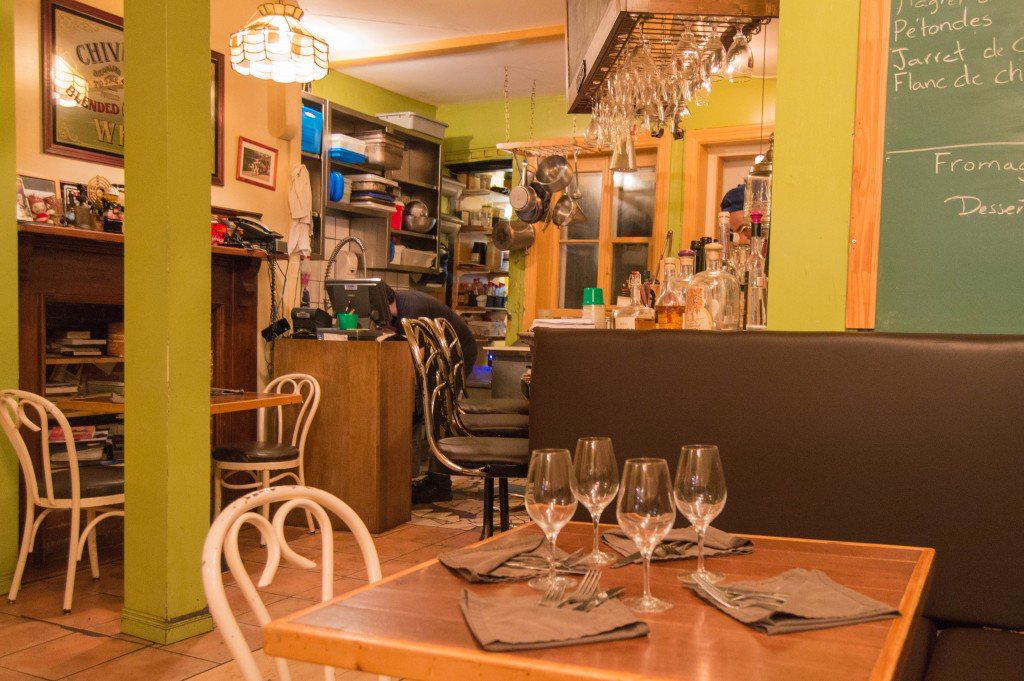
Saint-Roch and the Other Quebec City
Most visitors arrive in Quebec City with a mental image fixed on the Château Frontenac and the cobblestones of Old Town. The dining rooms that line those streets, heritage institutions like Aux Anciens Canadiens and the theatrical flame service at LE CONTINENTAL, are part of the city's self-presentation to the world, and they perform that role with reasonable conviction. But Quebec City's more interesting dining conversation has been happening a kilometre to the northwest, in Saint-Roch, where a stretch of Rue Saint-Joseph Est has accumulated enough neighbourhood restaurants to constitute a genuine scene.
Saint-Roch spent much of the late twentieth century as a post-industrial district that the city had largely written off. The revival that followed, arts spaces, independent retail, a wave of independently owned restaurants, tracked a pattern recognisable from similar quarters in Montreal, Vancouver, and Toronto. What distinguishes Saint-Roch from a generic gentrification arc is the pace at which the food culture has deepened. This is not a neighbourhood of concept restaurants chasing press cycles. The places that have lasted here tend toward genuine hospitality: small rooms, personal cooking, and a relationship with the neighbourhood that extends beyond the opening weekend.
L'Affaire est ketchup sits inside that current. The name, a French idiom roughly equivalent to 'it's in the bag' or 'consider it done', carries a lightness of tone that signals something about what the room is not trying to be. In a city where a significant portion of the upper-end dining is performed with considerable gravity, that register matters.
The Address and What It Tells You
46 Rue Saint-Joseph Est places the restaurant in the heart of the strip that has become Saint-Roch's dining spine. Within walking distance sits La Barberie, which functions as the neighbourhood's de facto gathering point for local beer culture, and Les Botanistes, which represents the plant-forward direction that has moved from trend to settled practice in this part of the city. That proximity matters: Saint-Roch diners are not captive audiences choosing between options on a tourist map. They are regulars with choices, and the restaurants that survive here do so by remaining genuinely useful to the neighbourhood rather than performing for visitors.
The broader Quebec City dining picture has bifurcated in ways that are worth understanding. At one end sits the white-tablecloth heritage trade centred on Old Town and the Plains, including the work being done at Tanière³, which operates at the serious upper end of the contemporary French-Canadian register. At the other end, and this is where L'Affaire est ketchup enters the picture, are the neighbourhood bistros and casual rooms where the cuisine is driven by seasonal availability and local sourcing rather than by tasting-menu architecture. That division mirrors what you see in other Canadian cities: Alo in Toronto and AnnaLena in Vancouver sit at the refined end of their respective scenes, while the more neighbourhood-facing rooms operate with a different calculus entirely.
Quebec's Bistro Tradition and How It Applies Here
The French-Canadian bistro occupies a cultural position that has no precise English-Canadian equivalent. It draws on the Quebec tradition of using duck, pork, and root vegetables as building blocks while incorporating the influence of French technique that arrived with the restaurant school generation of the 1990s and early 2000s. The result, at its leading, is cooking that is simultaneously rooted and technically considered, food that tastes like somewhere specific rather than like an international style applied to local ingredients.
That tradition is not uniformly upheld across the province. Narval in Rimouski and Restaurant Pearl Morissette in Lincoln represent different expressions of place-driven cooking in Canada, but the Quebec bistro specifically carries a cultural weight that connects to the province's ongoing project of defining a cuisine that is neither French nor generically North American. That conversation runs through Saint-Roch as much as anywhere, and L'Affaire est ketchup participates in it by existing as a neighbourhood room that takes the cooking seriously without making the experience formal.
Internationally, the closest structural analogue might be the community-facing bistros of Lyon, rooms that are embedded in neighbourhood life rather than positioned for critics, though Quebec's ingredient palette and cultural context produce something distinctly regional. The comparison is useful mainly to explain why the casual register and the serious sourcing are not in tension here. They are, in fact, the same project.
Planning Your Visit
Saint-Roch is accessible from Old Town by a short taxi or rideshare, or on foot via the Côte d'Abraham. The neighbourhood is worth treating as a destination rather than a detour: the concentration of independent food and drink operations on Rue Saint-Joseph Est makes it possible to spend an entire evening in the area, moving between La Barberie for local beer before dinner and the restaurants that line the same stretch afterward. For those exploring the Old Town side of the city, Rue du Petit Champlain remains the historic reference point, though the dining there operates under different commercial conditions than what you find in Saint-Roch.
For a wider view of what the province produces at different price points and ambition levels, Jérôme Ferrer's Europea in Montreal sits at the formal end of Quebec fine dining, while rooms like Eigensinn Farm in Singhampton and Fogo Island Inn represent the broader Canadian tradition of place-specific cooking.
Budget Reality Check
Comparable venues nearby, for context on price, style, and recognition.
| Venue | Cuisine | Price | Awards | Notes |
|---|---|---|---|---|
| L'Affaire est ketchupThis venue — the venue you are viewing | Not listed | $$$ | Not listed | Not listed |
| LE CONTINENTAL - Cuisine Française - Fruits de Mer / Homard / Steak - Flambé | Not listed | $$$$ | Not listed | Vieux Québec, Classic French Fine Dining with Tableside Flambé |
| Coteau | Old Québec, French-Canadian Fine Dining | $$$$ | Michelin Plate | Not listed |
| La Barberie - Microbrasserie & Restaurant | Not listed | $$ | Not listed | Saint-Roch, Quebecois Gastropub with Craft Beer |
| Aux Anciens Canadiens | Vieux-Québec, Traditional Québécois | $$$ | Not listed | Not listed |
| Rue du Petit Champlain | Not listed | $$$ | Not listed | Quartier Petit Champlain, French-Québécois Bistro |
Continue exploring
More in Quebec City
Restaurants in Quebec City
Browse all →
Bars in Quebec City
Browse all →
At a Glance
- Cozy
- Intimate
- Rustic
- Date Night
- Special Occasion
- Open Kitchen
Current opening hours
- Monday
- 6–10 PM
- Tuesday
- 6–11 PM
- Wednesday
- 6–11 PM
- Thursday
- 6–11 PM
- Friday
- 6–11 PM
- Saturday
- 6–11 PM
- Sunday
- Closed
Hours can change for holidays and private events. Last verified .
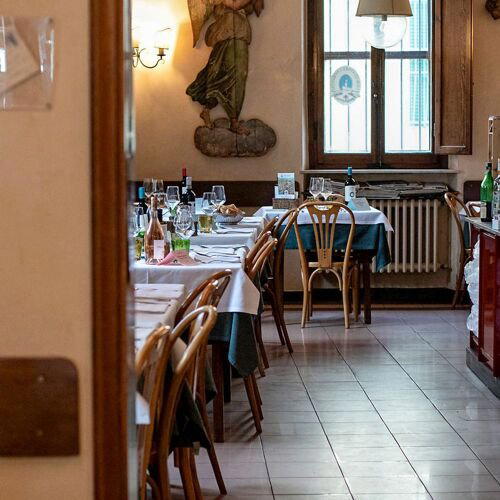
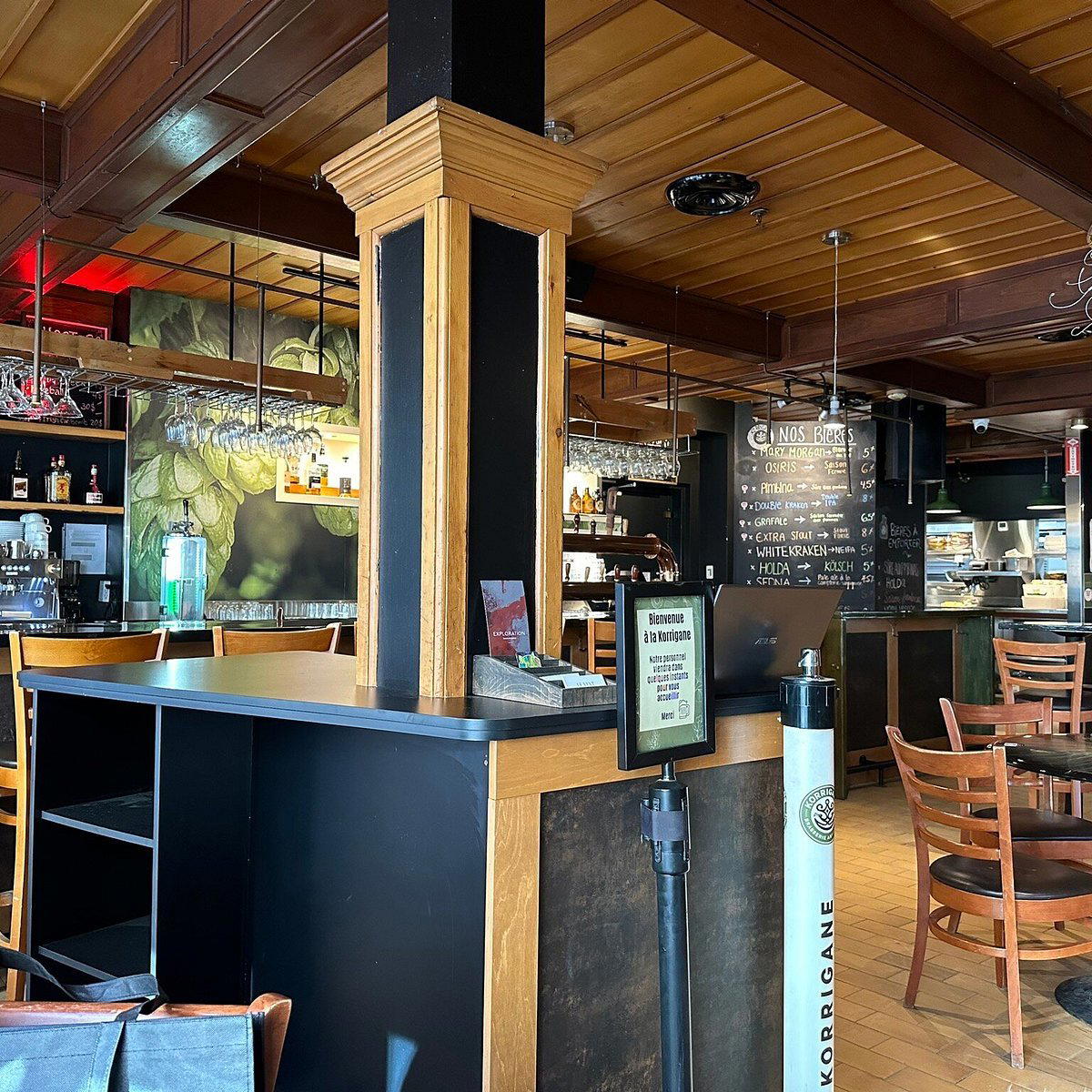
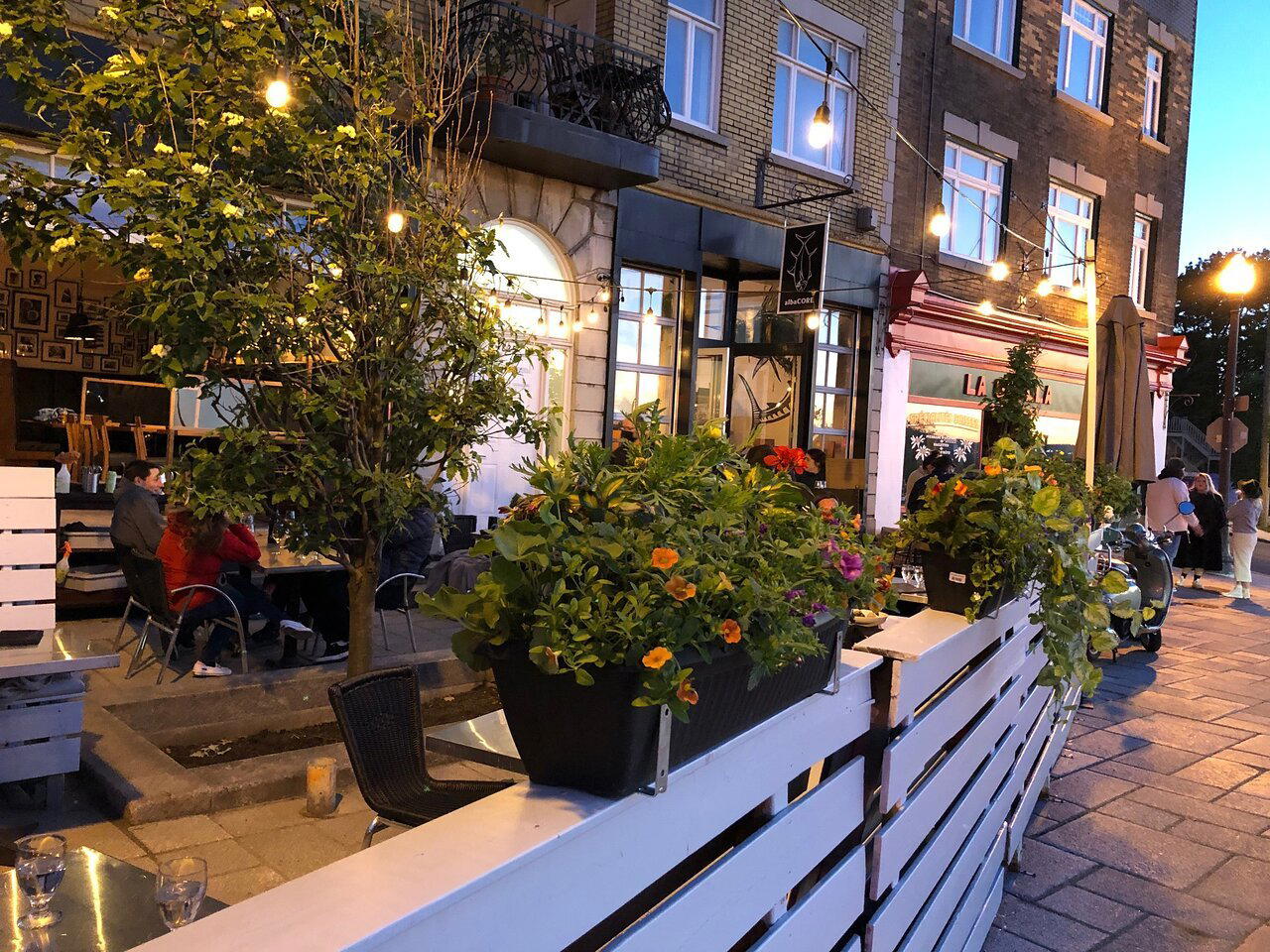
Warm, cozy, and inviting like dining in a friend's kitchen, with simple decor, open kitchen, and relaxed atmosphere fostering conversation.