La Barberie - Microbrasserie & Restaurant
La Barberie occupies a particular position in Quebec City's Saint-Roch neighbourhood: a working microbrasserie that doubles as a restaurant, where the beer program sets the pace and the food follows its logic. The format rewards those who come without a fixed agenda, settling into a rhythm shaped by the pours rather than the clock. It sits squarely in the neighbourhood's shift from industrial district to a destination for craft culture.
Pearl is the En Primeur Club membership app — saves, bookings, and concierge access live there. Same editors, same standards.
- Address
- 310 Rue Saint-Roch, Québec, QC G1K 2S7, Canada
- Phone
- +1 418 522 4373
- Website
- labarberie.com
- Directions
- Get directions
 Saves & bookings on Pearl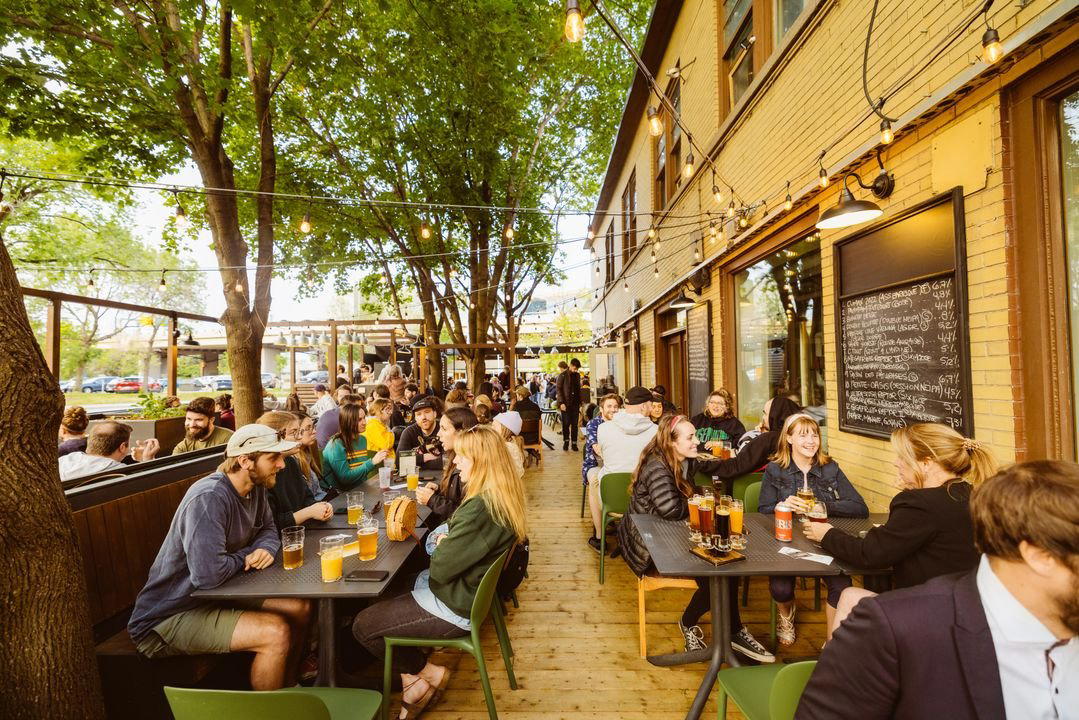
Saint-Roch's Brewing Tradition and Where La Barberie Fits
Quebec City’s culinary identity has long been framed by its old city, the stone facades of Place-Royale, the heritage dining rooms of Aux Anciens Canadiens, the theatrical tableside service at LE CONTINENTAL. But the Saint-Roch district, running along the lower town's western edge, developed a different character over the past two decades. What was once a light-industrial and working-class neighbourhood absorbed a wave of independent operators, studios, coffee roasters, small restaurants, and the craft brewing movement arrived alongside them. La Barberie, at 310 Rue Saint-Roch, is one of the formative addresses in that story.
Craft brewing in Quebec occupies an unusually serious position compared to most North American provinces. The province's culture of strong regional beer identity, partly inherited from its Francophone European affinities and partly driven by local licensing structures that long favoured microbreweries over national brands, produced a category with genuine depth. La Barberie operates as a cooperative microbrasserie, a format that in Quebec signals a particular relationship between producers and their community, less transactional than most hospitality, more committed to a local constituency. That structural choice shapes how the space functions.
Arriving and Reading the Room
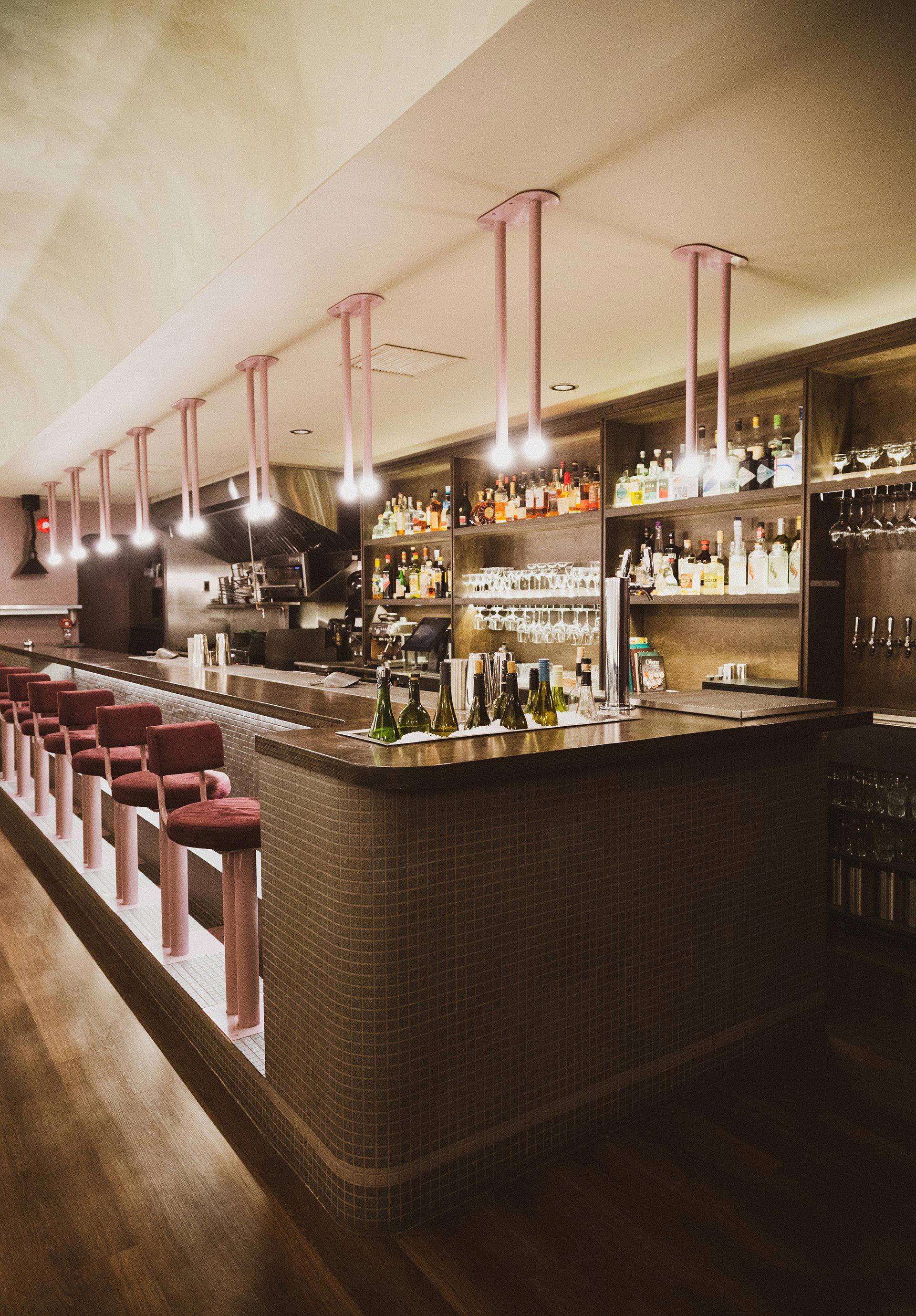
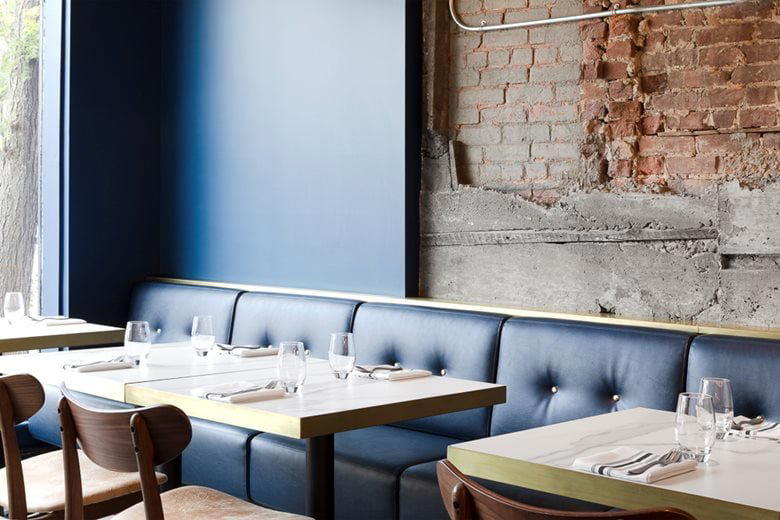
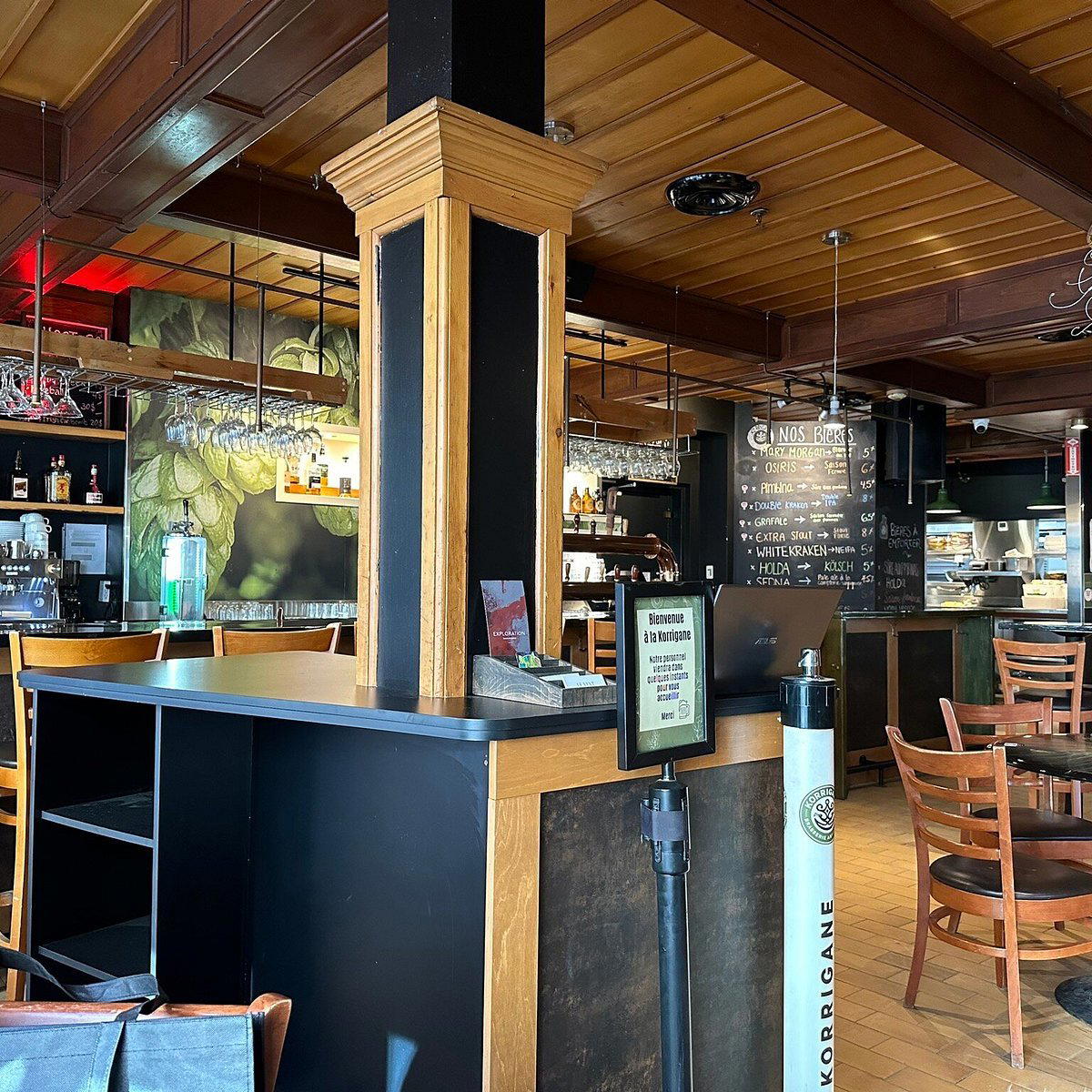
The physical experience of arriving at La Barberie fits Saint-Roch's aesthetic logic. The neighbourhood's architecture runs to exposed brick, repurposed warehouse volumes, and street-level commercial spaces that haven't been over-renovated. Walking toward the address on Rue Saint-Roch, the scale is domestic rather than monumental, this is a working brewery that also serves as a taproom and restaurant. What greets you is a working production space that also functions as a taproom and restaurant, where the tanks and the tables share air in a way that many purpose-built brewpub concepts attempt to simulate but rarely achieve organically.
The pace inside follows brewing logic, not restaurant logic. There is no urgency in the sequencing of an evening here. Tables settle in, rounds arrive, food comes as part of the session rather than as a structured procession of courses. This is the dining ritual that defines the space: the beer determines the rhythm, and the kitchen operates in support. It places La Barberie in a different category from Quebec City's more formal dining options, the tasting-menu progression of Tanière³ or the neighbourhood-bistro format of L'Affaire est ketchup. The format here asks the guest to surrender a certain kind of control, which is either liberating or uncomfortable depending on expectations brought through the door.
The Beer Program as the Editorial Core
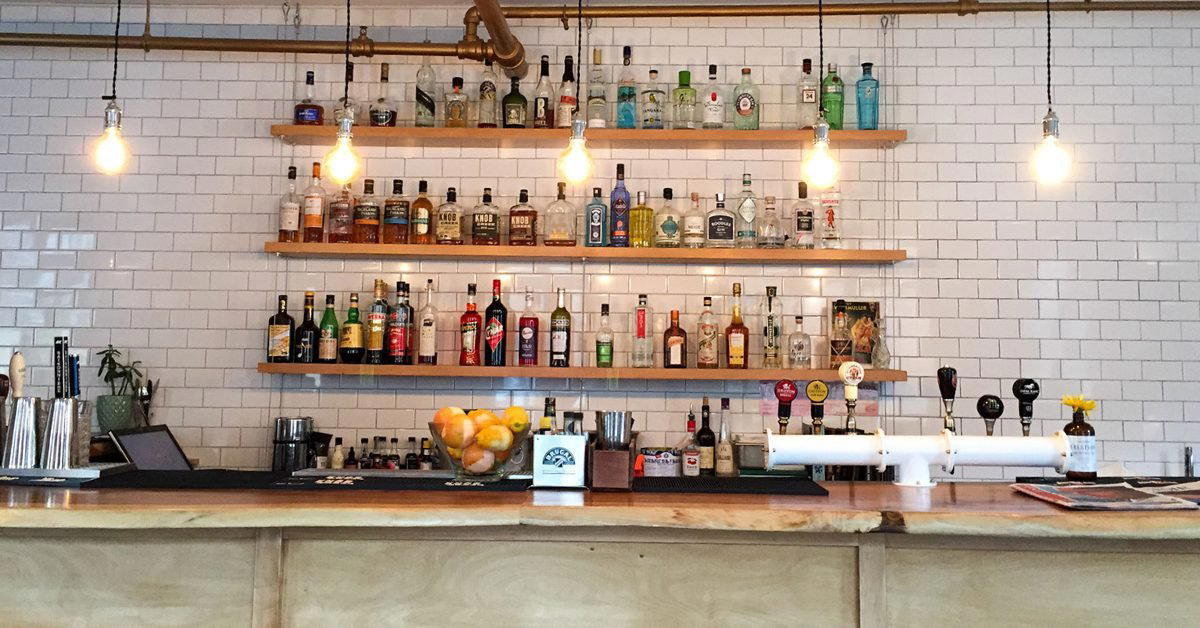
Cooperative microbrasseries in Quebec typically organise their production around a rotating seasonal lineup rather than a fixed flagship range. This is a deliberate commercial and philosophical stance: it keeps the brewing team engaged, it creates genuine seasonality in the glass, and it builds a return-visit logic that draft-only bars in larger cities spend considerable resources trying to manufacture artificially. At La Barberie, the house-brewed range covers the breadth of styles that a serious craft program demands, from lighter session formats suited to a long afternoon to more complex fermentations intended to accompany food in a meaningful way.
The pairing logic is worth understanding before arrival. Unlike wine-focused dining rooms, where a sommelier structures the pairing as a formal act, beer-and-food pairing at this kind of venue is left more deliberately to the guest. The staff can guide, but the format assumes a degree of engagement on the diner's part. This is consistent with how the cooperative model operates across Quebec's brewing culture: the relationship between producer and consumer is more collaborative, less servile, than in conventional hospitality.
Canadian craft brewing more broadly has consolidated significantly in the past decade, with regional operators absorbed into larger groups or simply closed under margin pressure. Cooperative structures like La Barberie's have proven more durable in that environment, not because cooperatives are inherently more efficient but because their ownership model insulates them from the acquisition dynamics that have reshaped the sector. For context on how Quebec's independent food and drink culture has maintained coherence against national consolidation, the plant-forward program at Les Botanistes and the riverside dining tradition along Rue du Petit Champlain tell parallel stories of independent operators defining neighbourhood character over time.
How the Meal Unfolds
The kitchen at La Barberie operates within the established logic of Québécois brewpub cooking, which draws on the province's French-rooted culinary base while adapting to the practical realities of high-volume taproom service. Expect plates designed to companion a beer session, the kind of food that rewards being shared across a table, that benefits from the carbonation and bitterness of a well-made ale cutting through richer preparations. This is not the food of a restaurant using beer as a promotional accessory. The relationship between what's brewed and what's cooked is more integrated than that.
The cooperative's kitchen approach also connects to a broader Quebec tradition of using local and regional producers as the sourcing base. Across the province, from Narval in Rimouski to destination addresses like Eigensinn Farm in Ontario, particularly coherent independent operators have built their identity around sourcing decisions rather than technique-for-technique's-sake. At La Barberie, the ingredient logic follows the same principle: local supply chains, seasonal availability, and a kitchen that doesn't need to perform beyond the parameters of what the format genuinely requires.
Planning a Visit
La Barberie is located at 310 Rue Saint-Roch in Quebec City's lower town, accessible on foot from the Saint-Roch commercial strip or by a short cab or rideshare from the old city. The cooperative format means this is not a reservation-heavy operation in the way that tasting-menu restaurants like Alo in Toronto or the high-demand counters at Restaurant Pearl Morissette require months of lead time. Walk-in is consistent with the spirit of the place. That said, weekend evenings in summer draw locals in numbers, Saint-Roch has become a genuine destination neighbourhood, and La Barberie is among its more established anchors. Arriving earlier in an evening, or on a weekday, gives more room to settle in at the pace the format rewards.
Style and Standing
Comparable venues nearby, for context on price, style, and recognition.
| Venue | Cuisine | Price | Awards | Notes |
|---|---|---|---|---|
| La Barberie - Microbrasserie & RestaurantThis venue — the venue you are viewing | Quebecois Gastropub with Craft Beer | $$ | Not listed | Not listed |
| Artefact | Cocktail bar with light refined cuisine | $$ | Not listed | Old Quebec / Old Port |
| Aux Anciens Canadiens | Traditional Québécois | $$$ | Not listed | Vieux-Québec |
| Les Botanistes | French Market Cuisine with Seasonal Local Ingredients | $$$ | Not listed | Jules-Verne |
| LE CONTINENTAL - Cuisine Française - Fruits de Mer / Homard / Steak - Flambé | Classic French Fine Dining with Tableside Flambé | $$$$ | Not listed | Vieux Québec |
| Torii - Buvette japonaise | Modern Japanese Izakaya with French Fusion | $$ | Bib Gourmand | Saint-Roch |
Continue exploring
More in Quebec City
Restaurants in Quebec City
Browse all →
Bars in Quebec City
Browse all →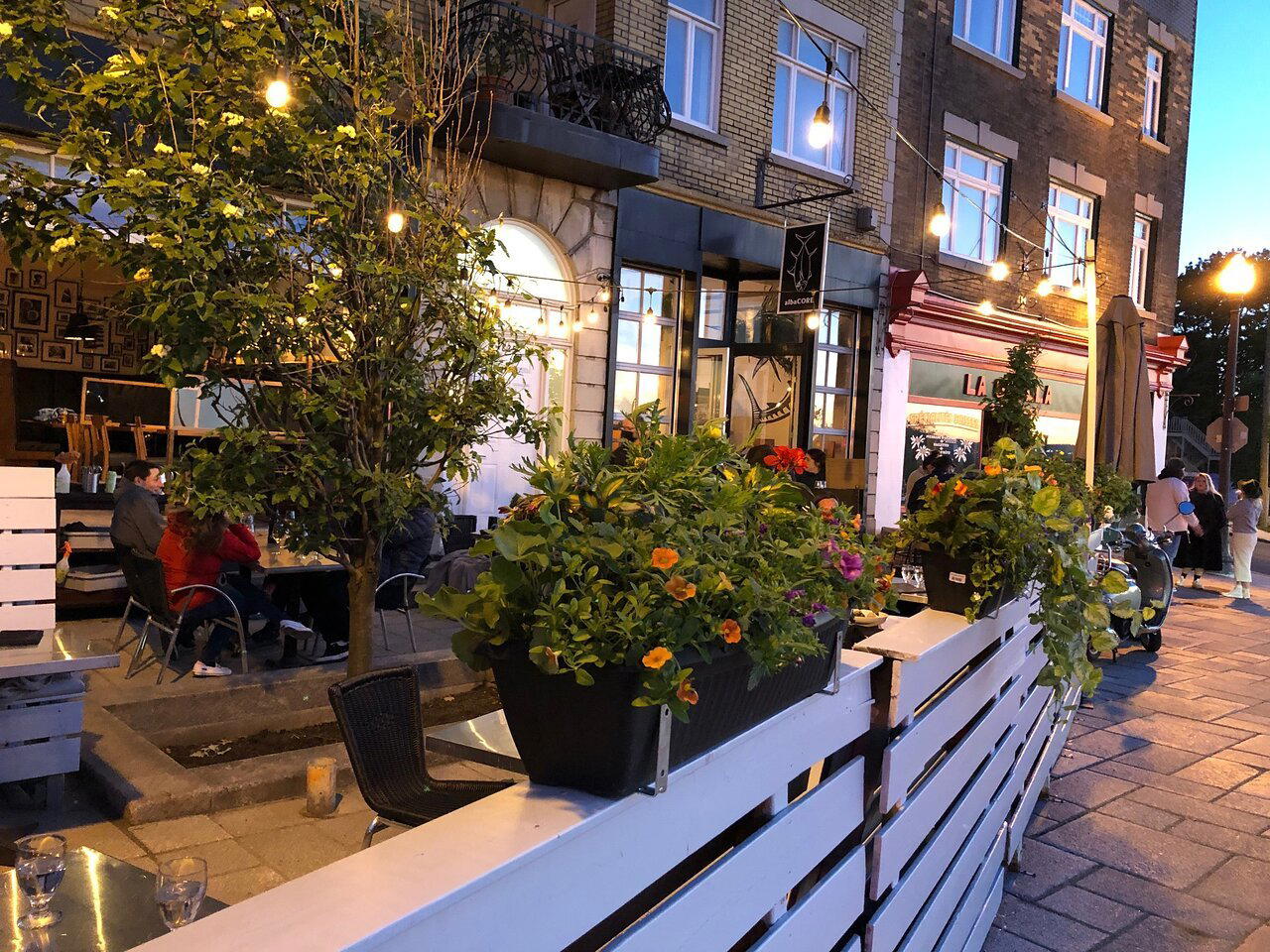

At a Glance
- Lively
- Cozy
- Rustic
- Casual Hangout
- Group Dining
- Late Night
- Terrace
- Open Kitchen
- Beer Program
- Local Sourcing
Current opening hours
- Monday
- 12–11 PM
- Tuesday
- 12–11 PM
- Wednesday
- 12 PM–12 AM
- Thursday
- 12 PM–12 AM
- Friday
- 12 PM–12 AM
- Saturday
- 12 PM–12 AM
- Sunday
- 12–11 PM
Hours can change for holidays and private events. Last verified .
Relaxed and laid-back with a lively terrace oasis enhanced by horticultural art, creating an inviting spot for casual hangouts.