Rue du Petit Champlain
Rue du Petit Champlain is the oldest commercial street in North America, threading through the base of Cap Diamant in Quebec City's Lower Town. Its stone facades, winter lanterns, and concentrated cluster of restaurants and boutiques make it the geographic anchor for any serious tour of the city's francophone food culture, a starting point, not a destination in itself.
Pearl is the En Primeur Club membership app — saves, bookings, and concierge access live there. Same editors, same standards.
- Address
- Québec City, QC, Canada
- Phone
- +1 418 692 5325
- Website
- lapinsaute.com
- Directions
- Get directions
 Saves & bookings on Pearl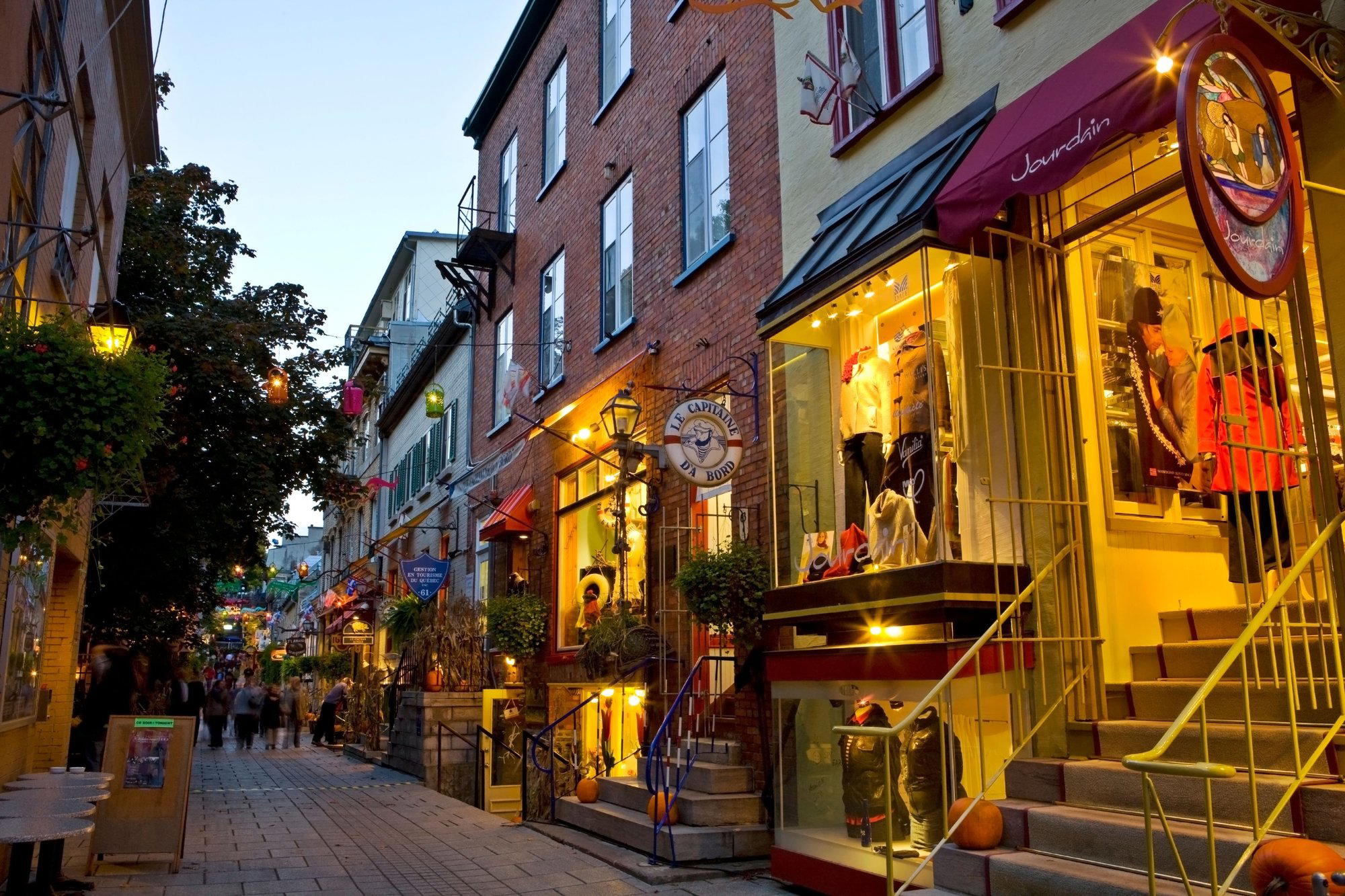
Where the City Meets the Cliff
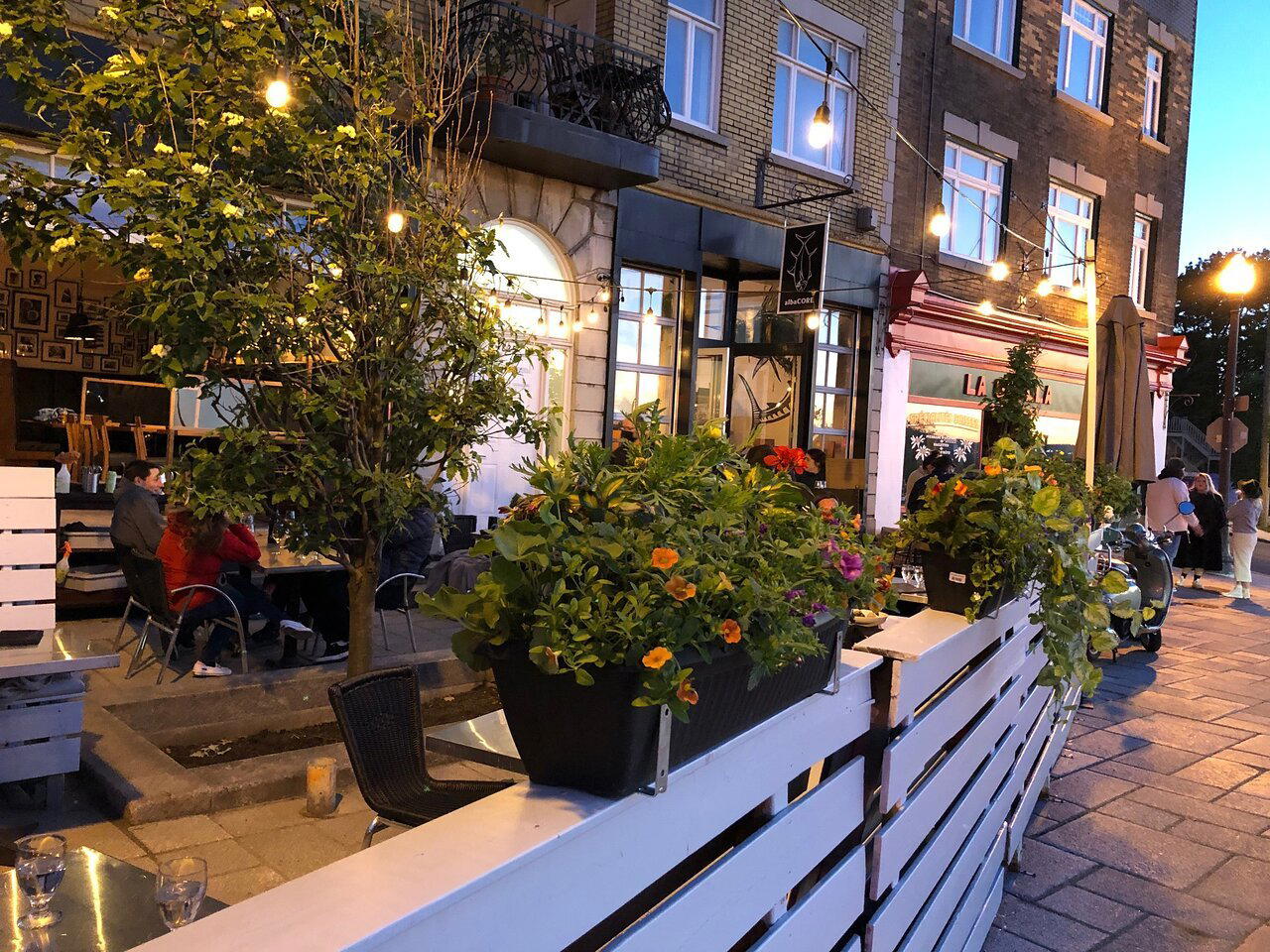
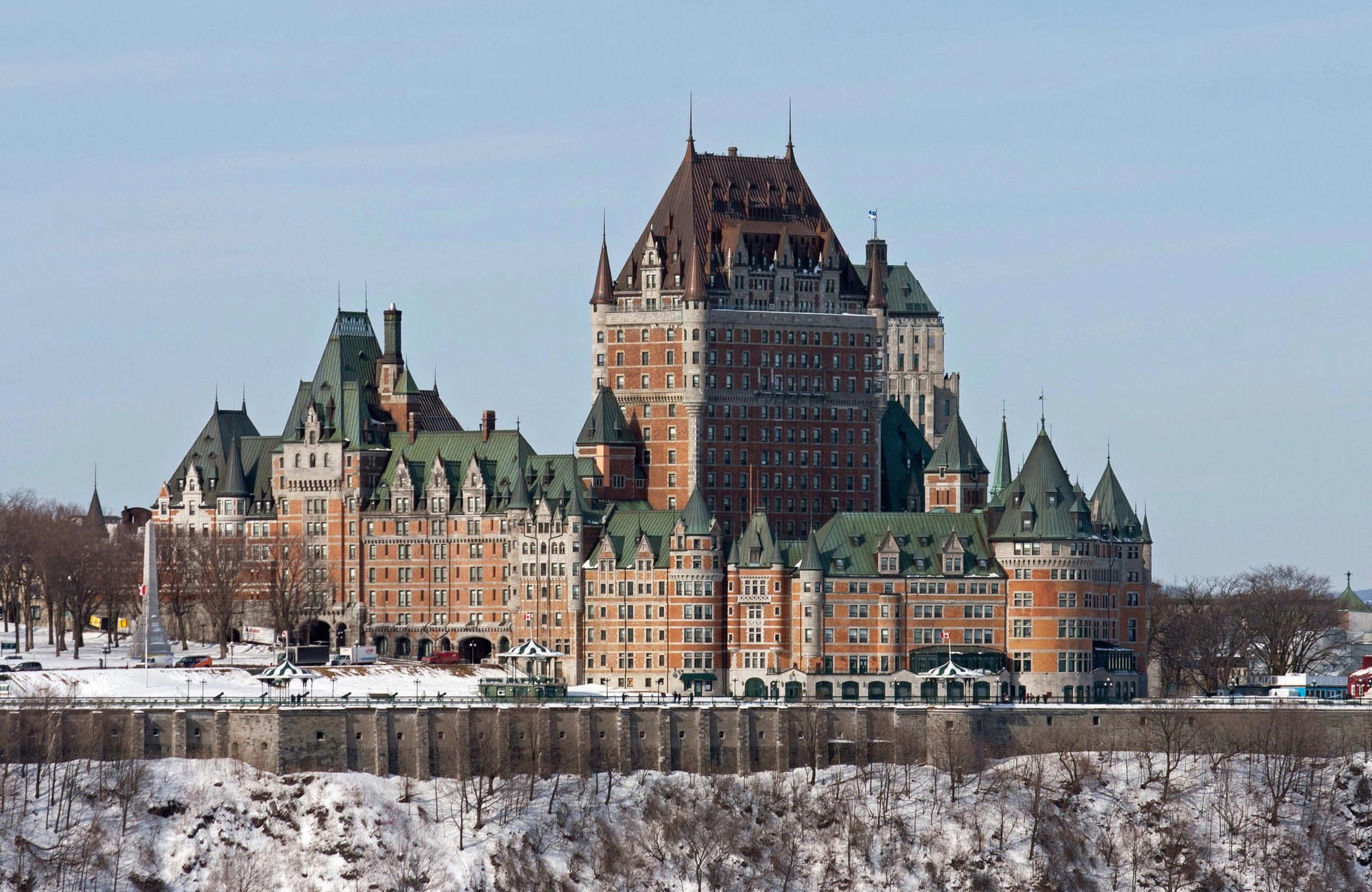
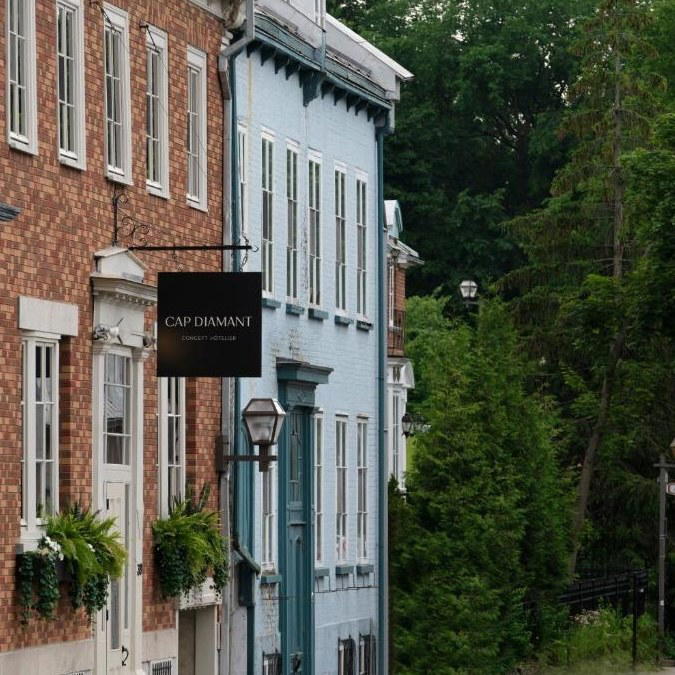
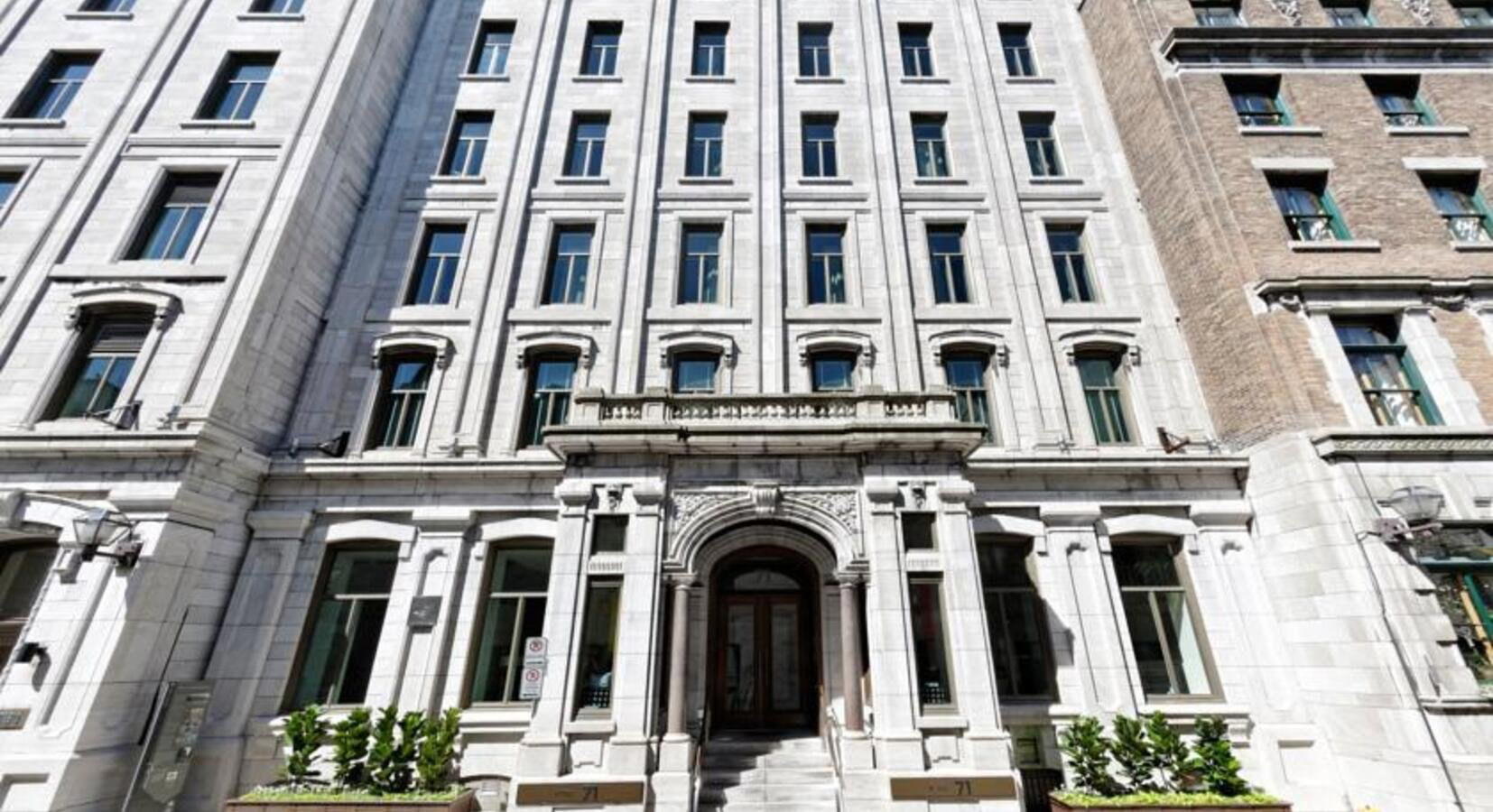
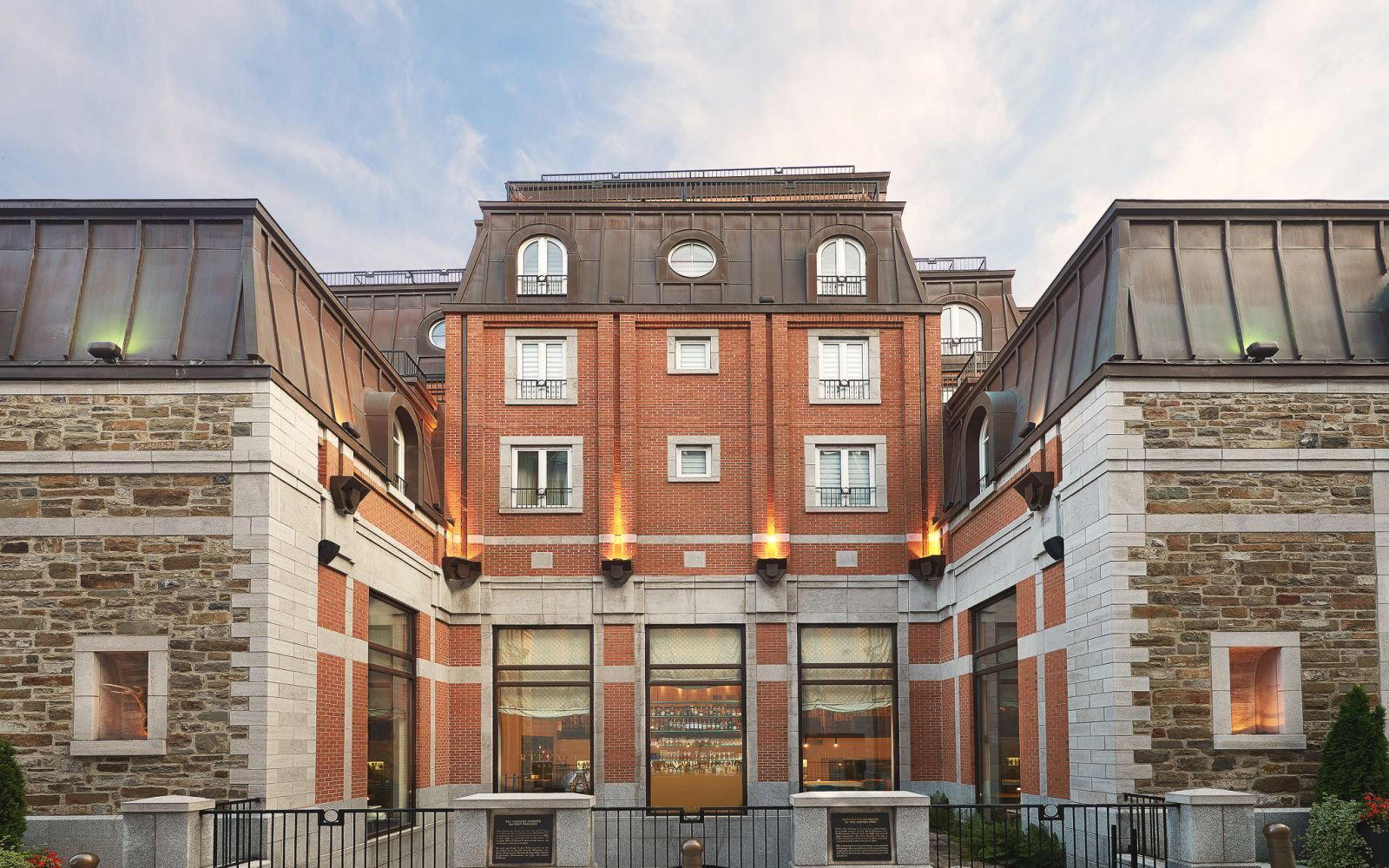
Approaching Rue du Petit Champlain from the funicular at the summit of Cap Diamant, the street reveals itself in stages: first the narrow slot of buildings below, then the cobblestones, then the lantern light bouncing off century-old stone facades. In winter, the whole corridor fills with a particular stillness that few urban streets manage, the sound of the St. Lawrence absorbed by snowfall, the warmth of lit interiors visible through frosted glass. In summer, the same geometry opens into terrasse seating and foot traffic that runs well into the evening. The physical environment is the experience here, more than any single address on the block.
Claimed as the oldest commercial street in North America, Rue du Petit Champlain sits at the base of the cliff that divides Quebec City's Upper and Lower Town. That geography is not incidental. The separation between the haute-ville of government buildings and grand hotels and the basse-ville of warehouses, wharves, and working commerce has shaped the character of this district for centuries. The street operates in the Lower Town's register: smaller rooms, slower pace, a concentration on the artisanal and the local rather than the ceremonial.
A Street as Curatorial Exercise
Quebec City's dining scene has bifurcated over the past decade into two recognizable modes. One is the fine-dining track, technically sophisticated, internationally credentialed, drawing comparisons to places like Tanière³ in Quebec City, which operates at the level of destination restaurants like Alo in Toronto or Le Bernardin in New York City. The other is neighbourhood-rooted, franco-Quebec in register, and oriented around the kind of meal that connects to place rather than impresses with technique. Rue du Petit Champlain functions as a corridor for the second mode, concentrating a cluster of restaurants that prioritize the local terroir and franco-Quebec culinary tradition.
That tradition has deep roots here. Aux Anciens Canadiens, operating out of one of the oldest houses on the street, is the reference point for classical Quebec cuisine, tourtière, pea soup, sugar pie, presented in a setting that reads as a period document as much as a restaurant. LE CONTINENTAL, a short walk away in the same neighbourhood, holds a different position: table-side flambe, lobster, the French bistro tradition maintained with enough conviction to sustain decades of service. These are not nostalgia traps. They are the structural pillars of a Franco-Quebec dining identity that restaurant exists within and amplifies.
Where the Street Fits in Quebec City's Eating Culture
Quebec City's food culture is more coherent than Montreal's in one specific way: the francophone identity of the cuisine is less contested, more uniformly present. That coherence is visible on the restaurant, where the dominant culinary language, even in more contemporary spots, stays rooted in French-Canadian technique and Quebec ingredient sourcing. This is not the kind of street where international formats parachute in. The tension you find in cities like Toronto or Vancouver, between globally inflected fine dining and locally rooted cooking, exists at a lower intensity here. Places like AnnaLena in Vancouver or Restaurant Pearl Morissette in Lincoln represent a Canadian dining sensibility that is more hybridized; Quebec City, and the restaurant in particular, pulls in a more singular direction.
The contemporary end of the street's restaurant spectrum connects to a broader Quebec City movement toward ingredient-led, producer-driven menus. Les Botanistes represents the botanical and foraged direction that part of this movement has taken, while spots like L'Affaire est ketchup in the Saint-Roch neighbourhood offer a more casual, market-driven counterpoint that attracts a younger local clientele. La Barberie extends the local sourcing ethos into brewing, reflecting the same preference for Quebec-made products that runs through the street's food offerings.
For Canadian dining comparison at the destination end of the spectrum, the contrast is instructive: Eigensinn Farm in Singhampton or Fogo Island Inn Dining Room in Joe Batt's Arm operate in a register of radical place-specificity that restaurant approaches through different means, not isolation or provocation, but through the accumulated density of a street that has maintained a coherent character over a long time. The street's version of place-specificity is civic and historical rather than remote and conceptual.
Planning a Visit
The street is walkable from the base of the funicular and accessible on foot from Place-Royale, which is directly adjacent. The winter months, roughly November through March, bring particularly atmospheric conditions, and the street draws significant visitor volume. Summer is when terrasse dining peaks, with evening service extending into daylight well past 8pm thanks to Quebec's northern latitude. Booking ahead is advisable for the sit-down restaurants on and around the street. For context on how this neighbourhood dining culture compares to other Quebec destinations, Narval in Rimouski and Jérôme Ferrer - Europea in Montréal offer useful points of reference for the province's broader restaurant character. At the more casual end of any cross-country comparison, Busters Barbeque in Kenora and Lazy Bear in San Francisco illustrate how differently the communal dining format plays out in other contexts. Closer to home, The Pine in Creemore shares the small-town, locally anchored sensibility that restaurant sustains at a larger urban scale.
Compact Comparison
Comparable venues nearby, for context on price, style, and recognition.
| Venue | Cuisine | Price | Notes |
|---|---|---|---|
| Rue du Petit ChamplainThis venue — the venue you are viewing | Not listed | $$$ | Not listed |
| Les Botanistes | Not listed | $$$ | Jules-Verne, French Market Cuisine with Seasonal Local Ingredients |
| Aux Anciens Canadiens | Vieux-Québec, Traditional Québécois | $$$ | Not listed |
| L'Affaire est ketchup | Not listed | $$$ | Old Quebec, Quebecois-French Comfort Bistro |
| La Barberie - Microbrasserie & Restaurant | Not listed | $$ | Saint-Roch, Quebecois Gastropub with Craft Beer |
| LE CONTINENTAL - Cuisine Française - Fruits de Mer / Homard / Steak - Flambé | Not listed | $$$$ | Vieux Québec, Classic French Fine Dining with Tableside Flambé |
Continue exploring
More in Quebec City
Restaurants in Quebec City
Browse all →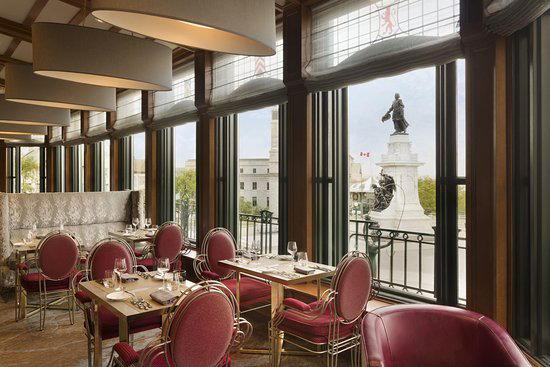
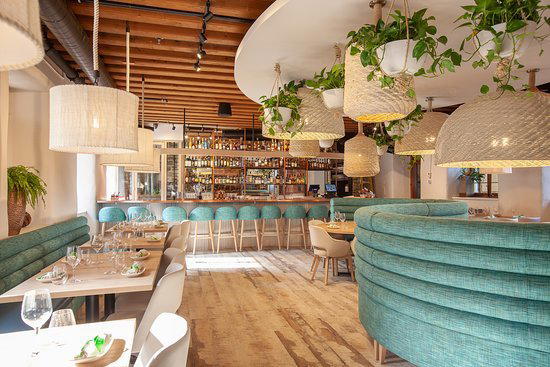
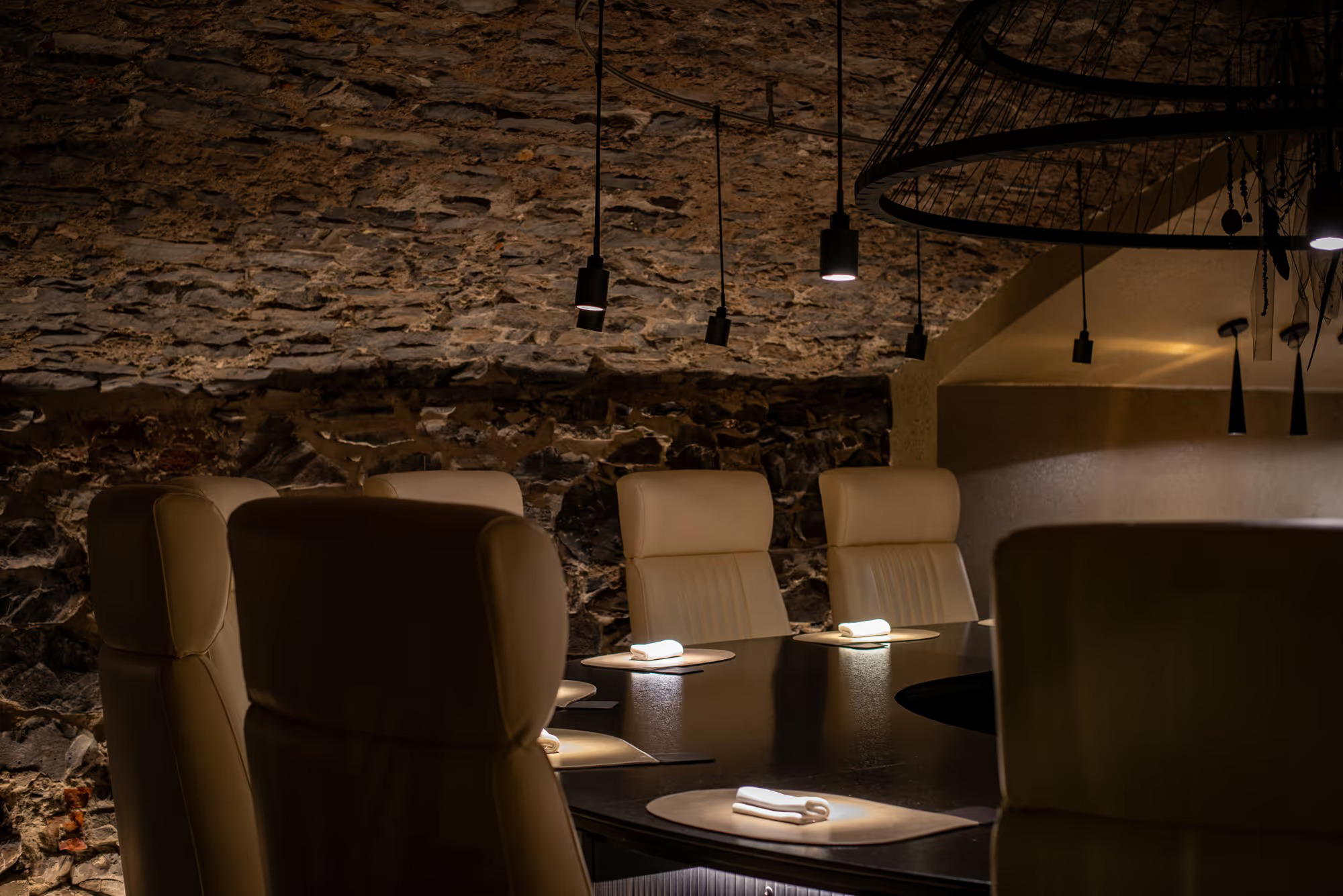
Bars in Quebec City
Browse all →
At a Glance
- Romantic
- Cozy
- Historic
- Elegant
- Date Night
- Casual Hangout
- Historic Building
- Local Sourcing
- Street Scene
Current opening hours
- Monday
- 11 AM–9 PM
- Tuesday
- 11 AM–9 PM
- Wednesday
- 11 AM–9 PM
- Thursday
- 11 AM–9 PM
- Friday
- 11 AM–9 PM
- Saturday
- 10 AM–9 PM
- Sunday
- 10 AM–9 PM
Hours can change for holidays and private events. Last verified .
Warm, rustic, and romantic with historic building charm and cozy atmospheres.