LE CONTINENTAL - Cuisine Française - Fruits de Mer / Homard / Steak - Flambé
On Rue Saint-Louis in Old Quebec City, Le Continental anchors a dining tradition built around tableside theatre: lobster, steak, and flambéed preparations that trace their lineage to mid-century French service. The menu reads as a structured argument for classical French technique, with fruits de mer, homard, and grilled cuts arranged as distinct chapters rather than a loose collection of dishes. For visitors and locals alike, it occupies a specific and deliberate position in the city's French restaurant hierarchy.
Pearl is the En Primeur Club membership app — saves, bookings, and concierge access live there. Same editors, same standards.
- Address
- 26 Rue Saint-Louis, Québec, QC G1R 3Y9, Canada
- Phone
- +1 418 694 9995
- Website
- restaurantlecontinental.com
- Directions
- Get directions
 Saves & bookings on Pearl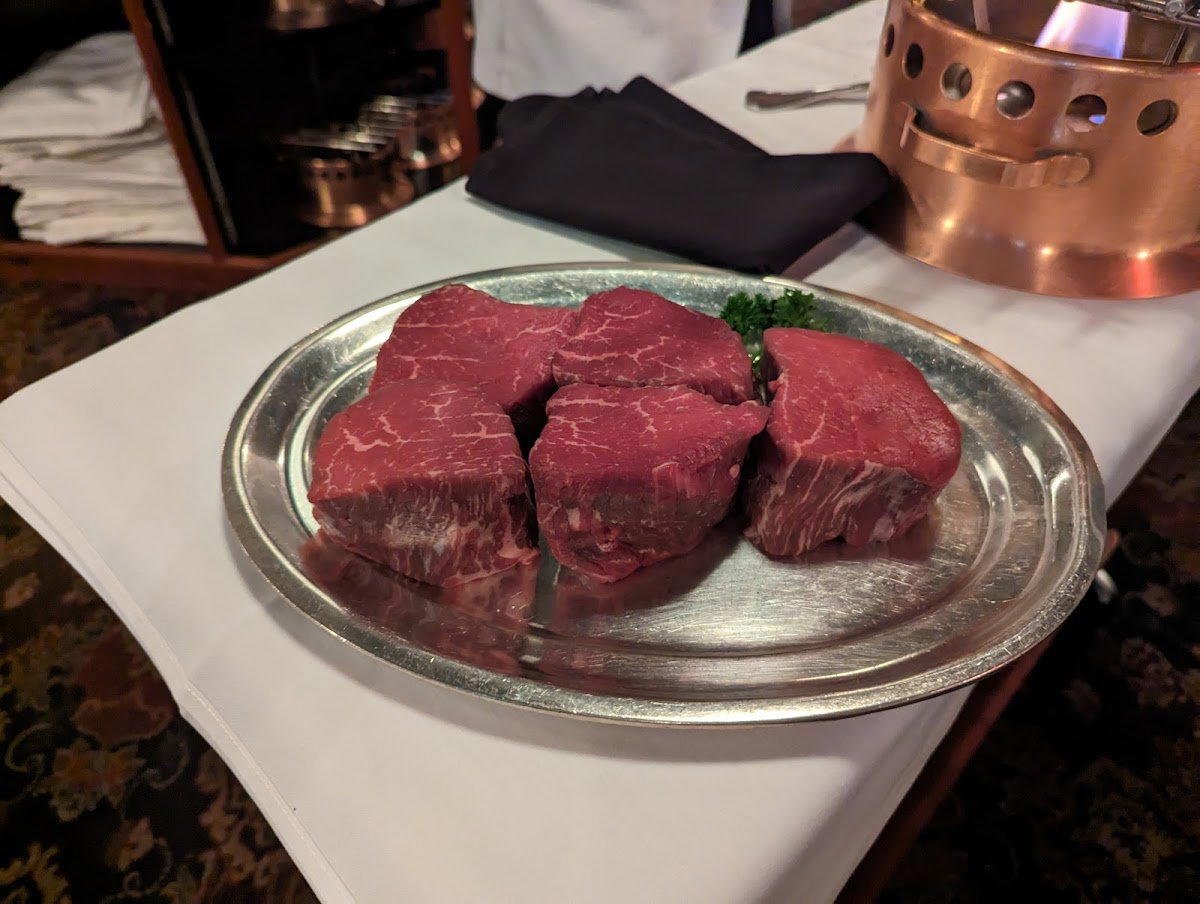
Rue Saint-Louis and the Tradition of the Grande Salle
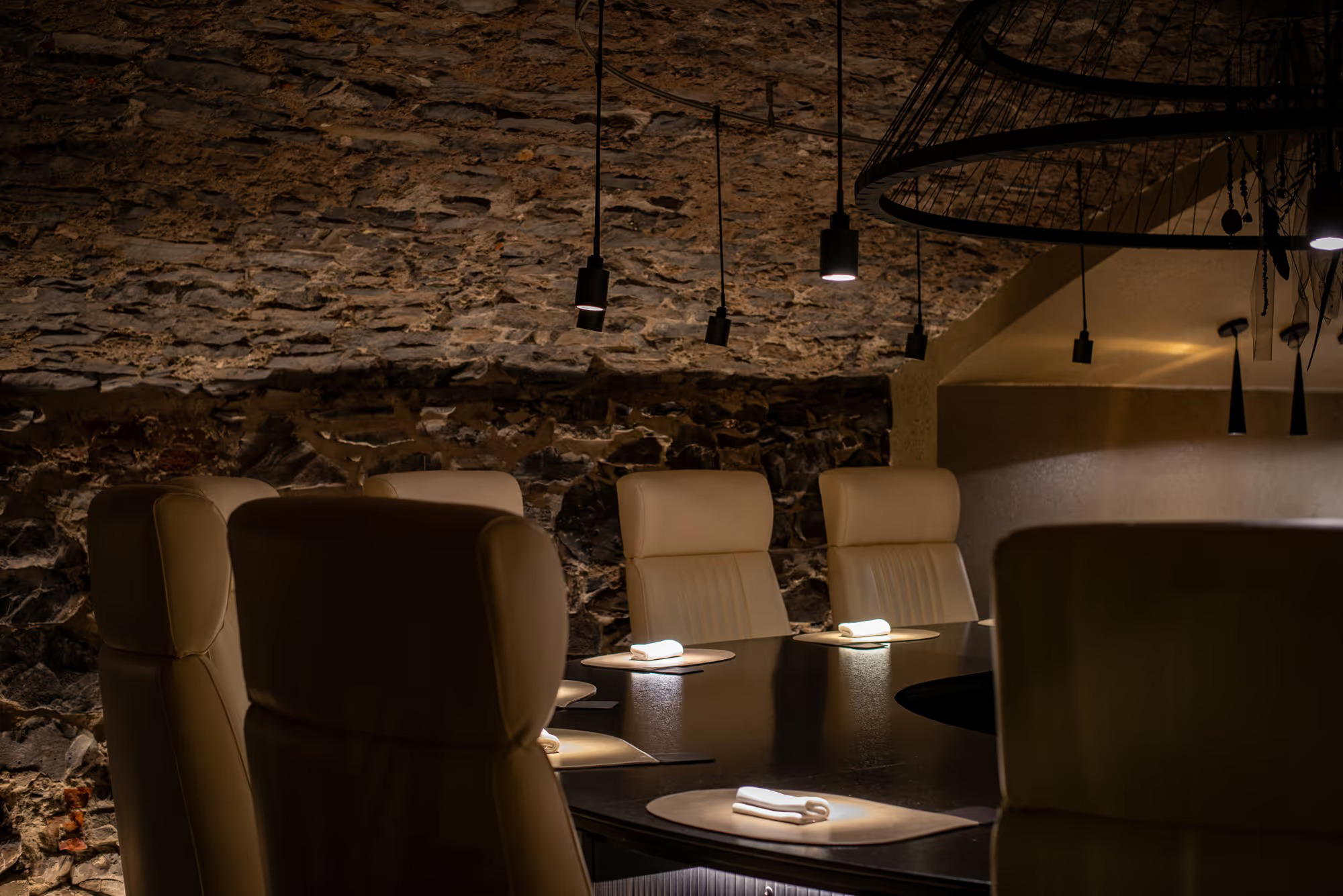
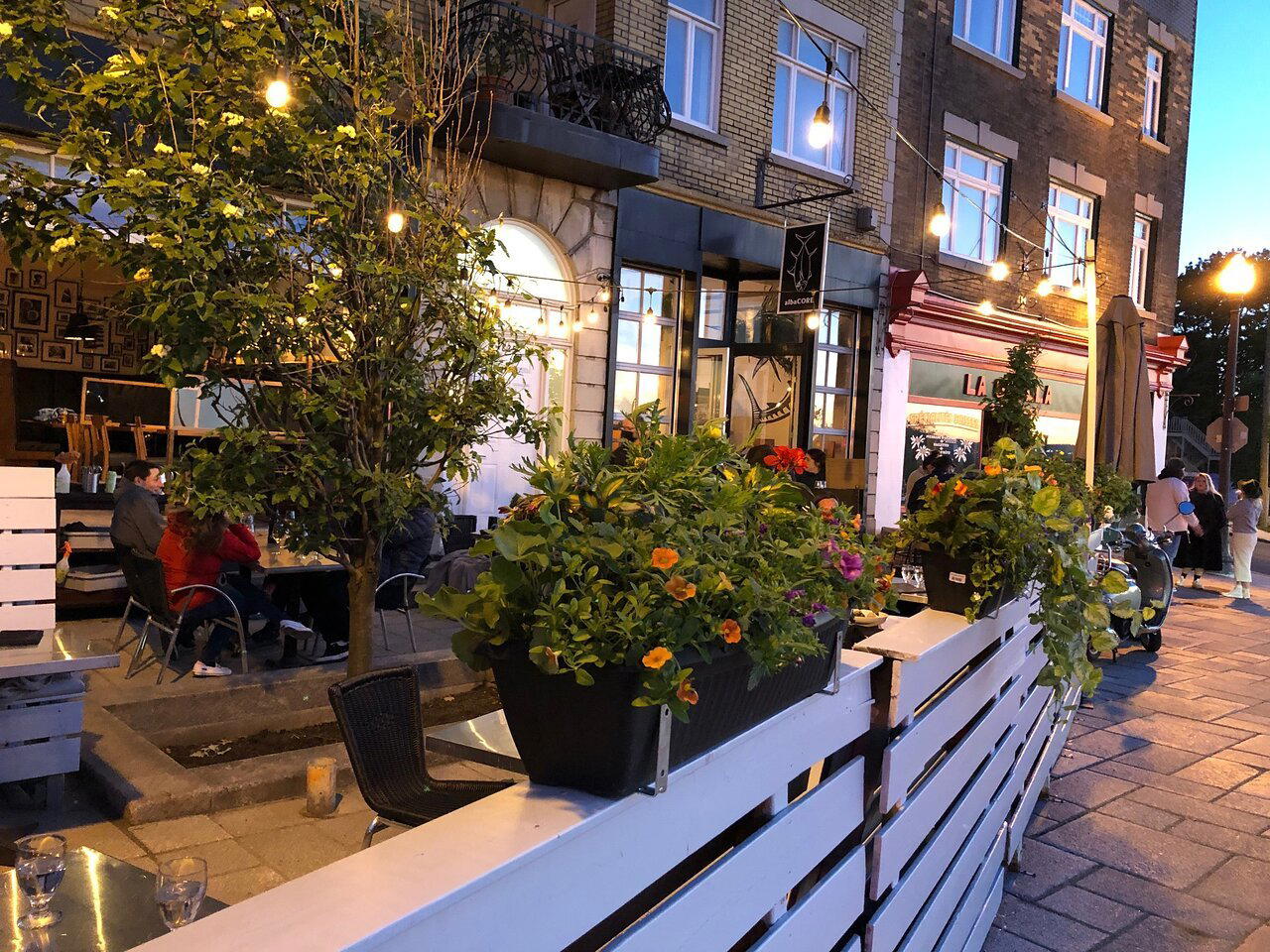
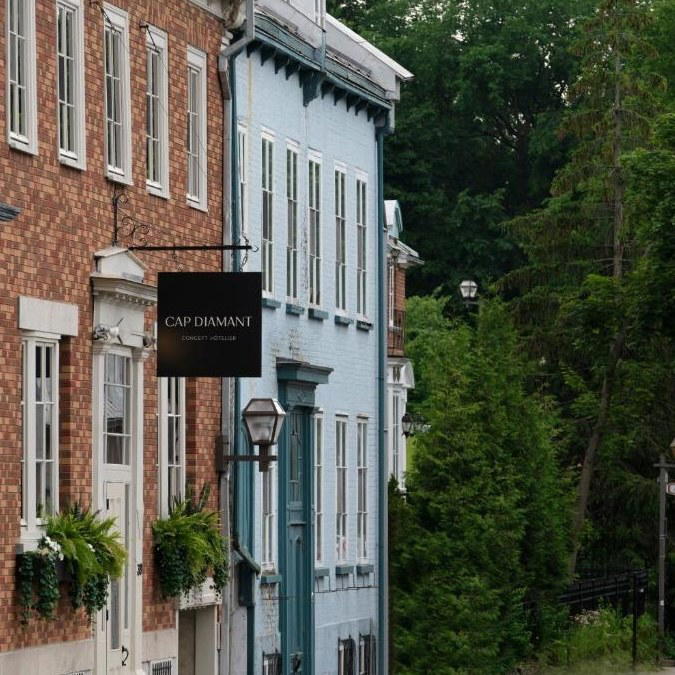
Old Quebec City's dining identity is partly built on the tension between preservation and reinvention. Some addresses, particularly along Rue Saint-Louis, have held their ground as custodians of a French formal dining tradition that has largely disappeared from other North American cities. Le Continental, at 26 Rue Saint-Louis, sits in that category: a room where tableside service, flambéed preparations, and the architecture of the classical French menu are not nostalgic affectations but the operative logic of the restaurant itself. The stone walls and period interior of this part of the old city create a physical context that few dining rooms in Canada can match, and Le Continental uses that setting deliberately.
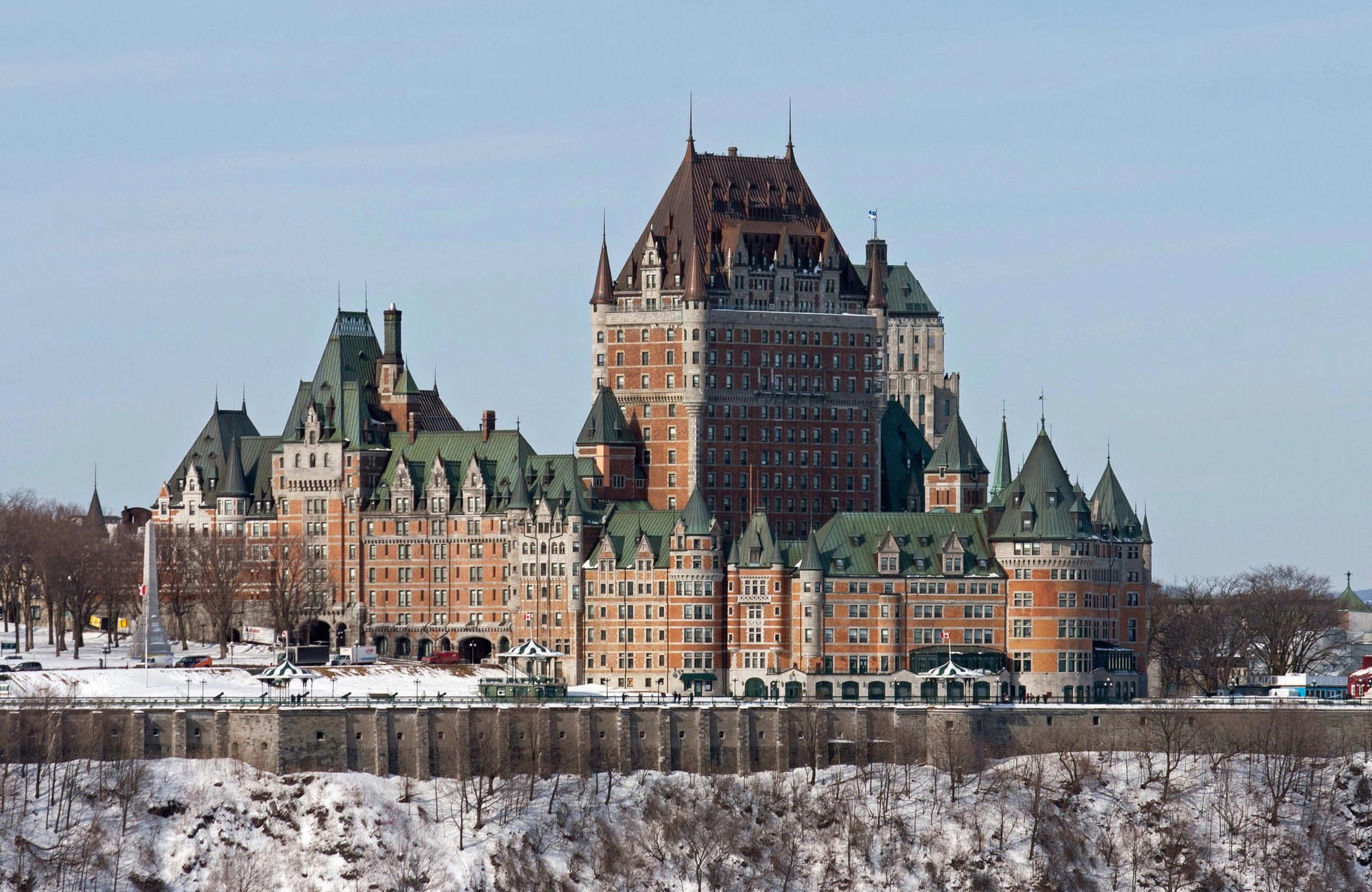
Arriving on Rue Saint-Louis, you're walking a street that connects the Château Frontenac to the Saint-Louis Gate, among the more traversed corridors in Old Quebec. The density of restaurants along this route is high, but the register shifts as you move toward the more residential sections closer to the gate. Le Continental occupies a building whose bones belong to a different century, and the dining room inside reinforces rather than fights that context. The approach here is preservation through continued operation, the room earns its authority by continuing to function at the level it was designed for.
How the Menu Is Structured, and What It Tells You
The name itself is an editorial statement. Cuisine Française, Fruits de Mer, Homard, Steak, Flambé, these are not marketing categories but actual divisions of the menu's architecture. Classical French restaurants operating at this level tend to organize their offering around technique and primary ingredient, and Le Continental follows that logic precisely. The menu is not a tasting sequence through seasonal availability; it is a document organized around the restaurant's core competencies.
Fruits de mer as a distinct category places the kitchen in a specific tradition: the cold seafood plateau, shellfish preparations, and the kind of precision sourcing that a lobster-forward menu demands. In Quebec, where the Gulf of St. Lawrence produces particularly prized lobster in the Atlantic region, a restaurant that foregrounds homard is making a claim about its supply chain and its cooking confidence simultaneously. The lobster chapter of a menu like this is where technique is most exposed, overcooking is visible immediately, and there is no sauce-heavy finish to obscure the result.
The steak category, paired with flambéed preparations, points toward a different French lineage: the tableside cooking tradition that reached its apex in mid-century European and North American grand restaurants. Flambéing at the table is a service format that requires trained floor staff, appropriate equipment, and a room layout that can accommodate the movement and the spectacle. Restaurants that maintain this format do so at genuine operational cost. It is far easier to finish everything in the kitchen. The persistence of tableside flambé at Le Continental is a signal about the kind of dining room this is and the expectations it sets for the pace and format of a meal.
Within the broader Quebec City dining scene, this positioning is specific. Le Continental sits apart from these peers, anchored to a tradition that predates much of the city's current food scene.
Tableside Theatre as a Structural Choice
The flambé format deserves examination as a design decision, not merely a flourish. In cities like Montreal and Toronto, formal French service of this kind has contracted sharply. Restaurants like Jérôme Ferrer - Europea in Montreal maintain a version of grand French dining, but the tableside preparation model is now rare enough that its presence anywhere is a distinguishing marker. Internationally, you find it preserved at addresses like Le Bernardin in New York City, where classical French technique is carried forward with consistent rigour. In Canada outside Montreal and Quebec City, the tradition is thinner still.
The structural implication for the guest is that the meal at Le Continental is organized around time and sequence in a way that a contemporary à la carte room is not. Tableside preparations slow the pace intentionally. The flambé moment is a performance, but it is also a signal that the kitchen and the floor are working in coordination, and that the restaurant expects you to stay for the duration of what it has built. This format rewards guests who come with time, not those moving through quickly between other stops.
That rhythm distinguishes it from the more casual end of Old Quebec dining, represented by addresses like L'Affaire est ketchup or the varied offerings along Rue du Petit Champlain, where the format is looser and the pace guest-directed. For comparison points at a similar level of format discipline in other Canadian cities, Alo in Toronto and Restaurant Pearl Morissette in Lincoln both organize their menus around a clearly defined structural logic, though in different culinary registers.
Planning a Visit: Practical Notes
Le Continental is located at 26 Rue Saint-Louis, within the walls of Old Quebec City and within walking distance of both the Château Frontenac and the main gates of the fortified city. Reservations are recommended, particularly on weekends and during the summer season. The restaurant's format, tableside service, multi-course pacing, makes it a poor fit for a quick dinner. Guests coming for the flambé preparations should treat the meal as the activity rather than a prelude to one. Those wanting to compare the classical French tradition across Canada might reference Eigensinn Farm in Singhampton or AnnaLena in Vancouver for how different regions interpret formal ambition. On the Atlantic coast side, Fogo Island Inn Dining Room in Joe Batt's Arm and Narval in Rimouski offer seafood-forward formats with different structural philosophies. For a contrasting North American approach to the experiential dining format, Lazy Bear in San Francisco shows how far the format can depart from its classical origins. And for casual drinking and eating in Quebec City outside the formal dining bracket, La Barberie - Microbrasserie & Restaurant offers a complete change of register. The Pine in Creemore and Busters Barbeque in Kenora round out the regional Canadian picture for those building a broader itinerary.
Reputation First
Comparable venues nearby, for context on price, style, and recognition.
| Venue | Cuisine | Price | Awards | Notes |
|---|---|---|---|---|
| LE CONTINENTAL - Cuisine Française - Fruits de Mer / Homard / Steak - FlambéThis venue — the venue you are viewing | Classic French Fine Dining with Tableside Flambé | $$$$ | Not listed | Not listed |
| Coteau | French-Canadian Fine Dining | $$$$ | Michelin Plate | Old Québec |
| Rue du Petit Champlain | French-Québécois Bistro | $$$ | Not listed | Quartier Petit Champlain |
| Les Botanistes | French Market Cuisine with Seasonal Local Ingredients | $$$ | Not listed | Jules-Verne |
| Aux Anciens Canadiens | Traditional Québécois | $$$ | Not listed | Vieux-Québec |
| La Barberie - Microbrasserie & Restaurant | Quebecois Gastropub with Craft Beer | $$ | Not listed | Saint-Roch |
Continue exploring
More in Quebec City
Restaurants in Quebec City
Browse all →
Bars in Quebec City
Browse all →
At a Glance
- Classic
- Elegant
- Sophisticated
- Well Known
- Intimate
- Date Night
- Special Occasion
- Business Dinner
- Historic Building
- Private Dining
- Open Kitchen
- Extensive Wine List
- Street Scene
Current opening hours
- Monday
- 4–10:30 PM
- Tuesday
- 4–10:30 PM
- Wednesday
- 4–10:30 PM
- Thursday
- 4–10:30 PM
- Friday
- 4–10:30 PM
- Saturday
- 4–10:30 PM
- Sunday
- 4–10:30 PM
Hours can change for holidays and private events. Last verified .
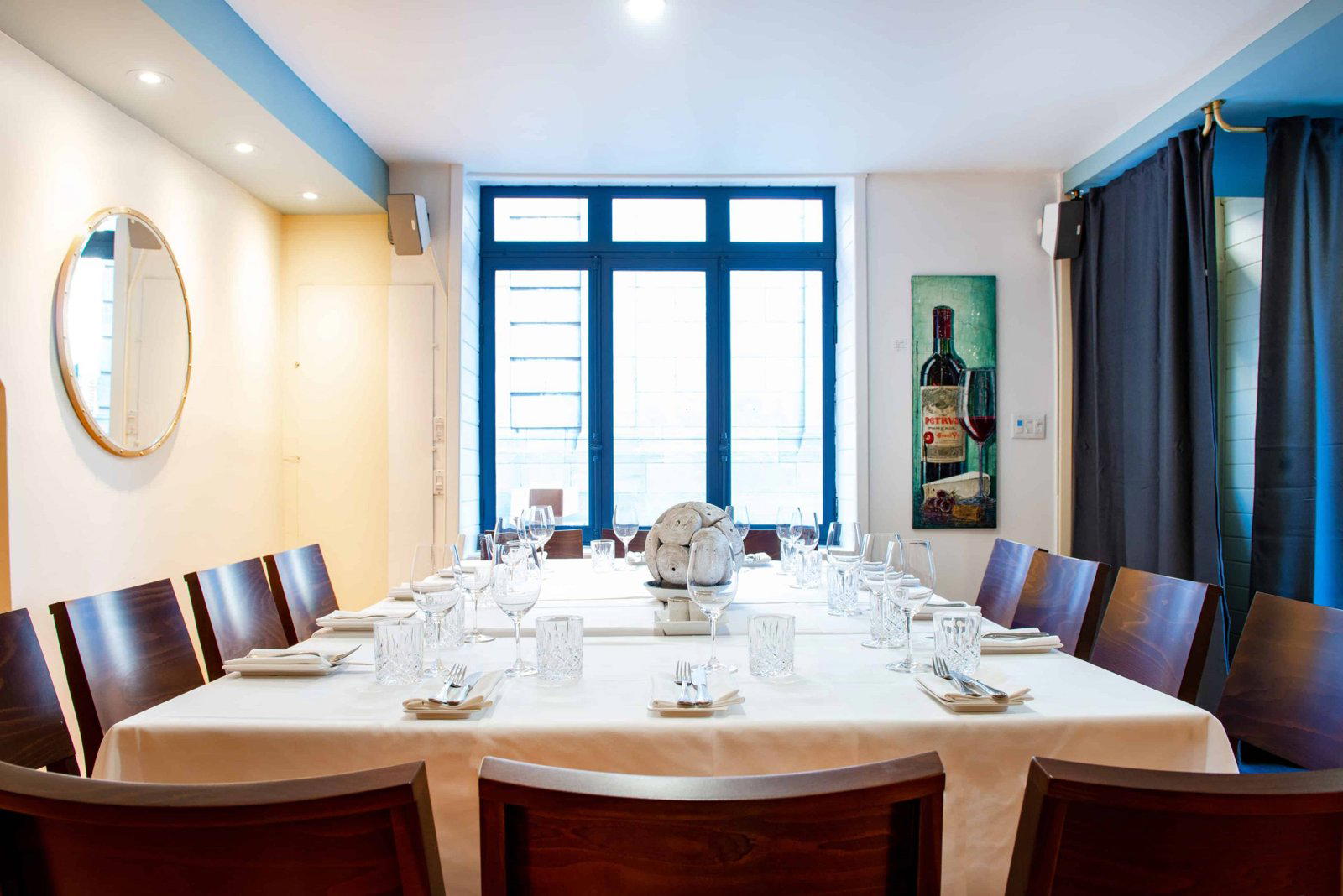
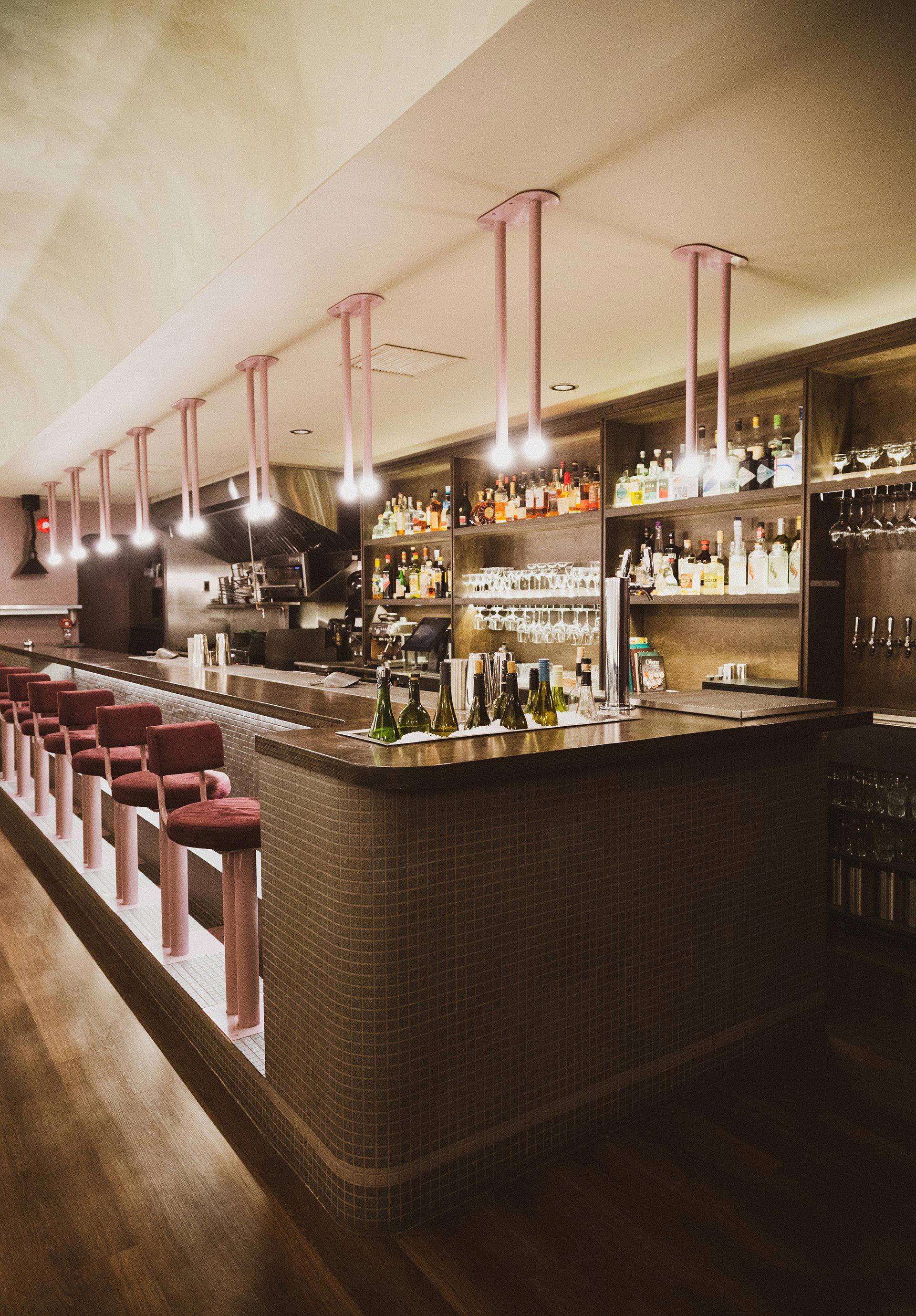
Formal dining room with white tablecloths, crystal glassware, attentive waiters in white dinner jackets, and an intimate, charming historic atmosphere.