
Araton Honten belongs to Sapporo’s compact, counter-led ramen culture, with tsukemen and ramen served in a 13-seat setting rather than a polished dining room. Its selection for Tabelog 100 - Ramen - HOKKAIDO in 2024 and 2025 places it among the city’s closely watched noodle shops, especially for travelers reading Sapporo beyond miso ramen clichés.
Pearl is the En Primeur Club membership app — saves, bookings, and concierge access live there. Same editors, same standards.
- Address
- 21 Chome-2-16 Kita 10 Jonishi, Chuo Ward, Sapporo, Hokkaido 060-0010, Japan
- Phone
- +81 11-612-6312
- Website
- instagram.com
 Saves & bookings on Pearl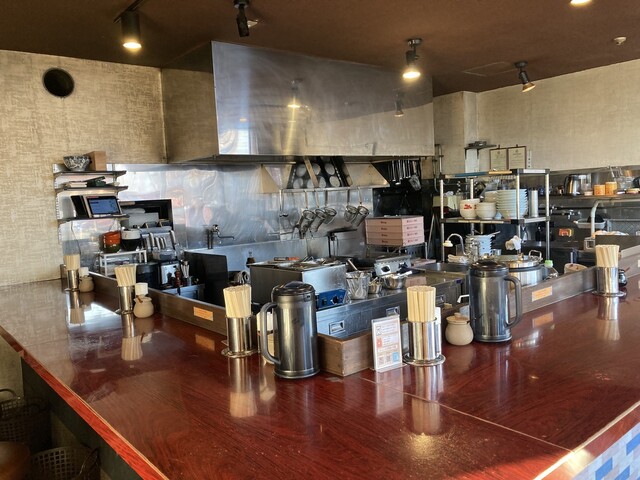
Approach Sapporo’s outer-market orbit and the dining grammar changes: fewer long dinners, more quick turns, steam, counter seats, and bowls built for cold-weather appetite. Araton Honten fits that register. The room is small, with 13 seats and counter seating, which gives the experience its shape before the first order is placed. This is not the broad-table, lingering side of Sapporo dining; it is the city’s practical noodle culture compressed into a short, focused service format.
Sapporo’s ramen reputation often gets flattened into miso, butter, corn, and winter tourism. That version misses the city’s wider noodle economy, where tsukemen shops, compact counters, and market-adjacent dining rooms operate with the same seriousness as higher-priced restaurants. Araton Honten’s category listing covers tsukemen and ramen, and that distinction matters. Tsukemen asks diners to think about noodles and broth separately: texture, temperature, dipping rhythm, and concentration. In a city where soup ramen carries much of the international attention, a dipping-noodle specialist changes the conversation.
A 13-seat counter in Sapporo's market-side noodle circuit
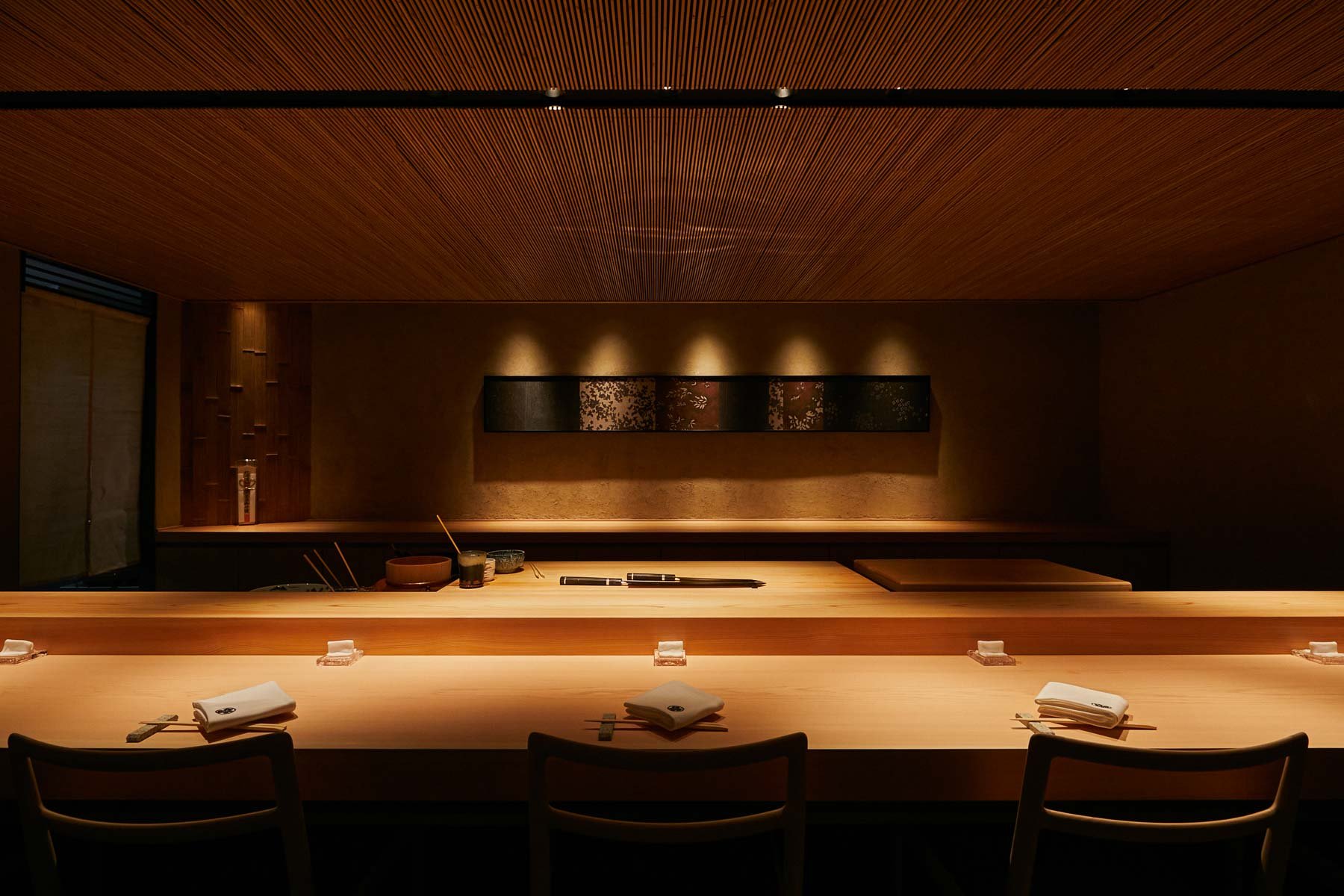
Design, here, is less about decoration than throughput and proximity. Counter seating creates a narrow field of attention: the kitchen, the bowl, the diner, the next seat. In Sapporo, that arrangement suits ramen better than a styled dining room because it preserves the pace of the food. The format also explains why small shops can carry serious reputational weight. A 13-seat ramen counter can become a city reference point if the cooking is consistent enough and the audience returns often enough.
Recognition gives that local intensity a broader frame. Araton Honten was selected for Tabelog 100 - Ramen - HOKKAIDO in both 2024 and 2025, a useful signal in a prefecture where ramen is not a side category but a major dining language. The listed Tabelog score of 3.63 should be read in the Japanese review-platform context, where scores above the mid-threes can indicate sustained approval rather than casual popularity. The selection places the shop in a competitive Hokkaido ramen group rather than in the tourist-only circuit.
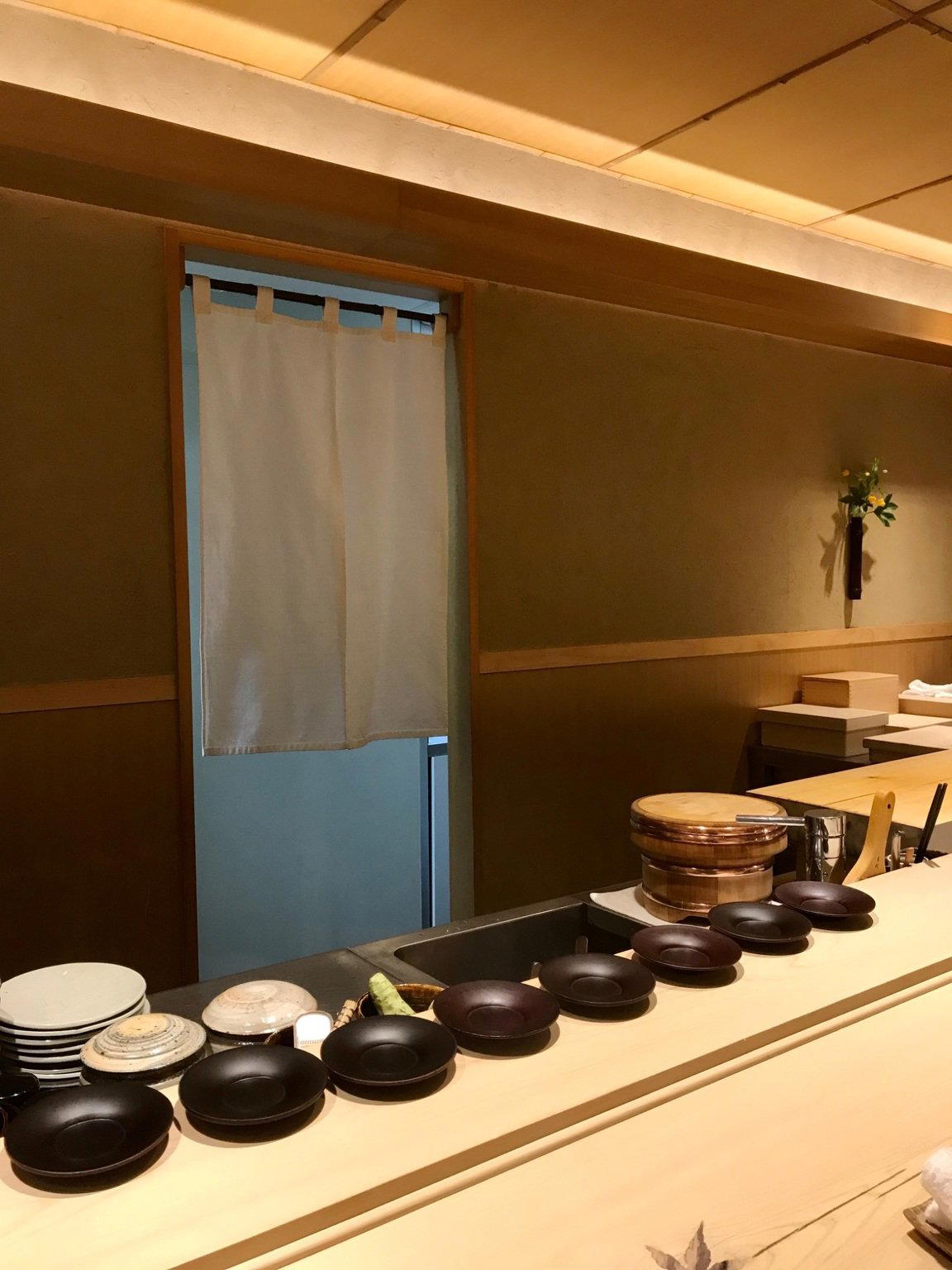
The comparison set in Sapporo is broad. NOUILLES JAPONAISE Tokuichi and Kokopelli sit in a similar everyday spending band, while Sushi Miyakawa occupies a different formal register altogether. Teishoku Meshiya points toward set-meal comfort, and Patisserie Shiiya shows how Sapporo’s serious food culture extends beyond noodles. The restaurant belongs to the counter-service end of that map: direct, compact, and built around the bowl rather than ceremony.
Tsukemen shifts the city's ramen conversation
For travelers, the useful move is to treat Sapporo ramen as a field rather than a single checklist dish. Tsukemen brings a different architecture to the meal. The noodles carry more independent weight, the broth works as a concentrated partner, and the pace is governed by dipping rather than spooning. That makes the physical room more important than it first appears. Counter seating keeps the meal tight; a small shop prevents the format from drifting into spectacle.
The restaurant’s long run since its 2006 opening adds another kind of evidence. Ramen shops can rise quickly on novelty, but nearly two decades in operation suggests a steadier place in the city’s dining habits. The absence of private rooms and the presence of take-out service also clarify the category. This is not a special-occasion restaurant trying to imitate fine dining; it is a noodle shop operating inside a disciplined, everyday Japanese format, with enough recognition to draw attention from diners who plan around ramen rather than stumble into it.
That makes it a useful stop for a certain kind of Sapporo itinerary. Pairing it with broader city research produces a more accurate picture than treating one bowl as a verdict on Hokkaido dining. For more context, Our full Sapporo restaurants guide maps the city’s dining range, while Our full Sapporo hotels guide, Our full Sapporo bars guide, Our full Sapporo wineries guide, and Our full Sapporo experiences guide help place the meal inside a larger trip.
How to read it against Sapporo's casual dining range
In the same city, 175°DENO Tantanmen Sapporo kitaguchi ten points toward spice-led noodle culture, while [Curry Senmon Ten] Maruyama Kyoju., Ajanta Indo Curry Ten, and Ajanta Sohonke show how curry functions as another casual benchmark in Sapporo. Aigues Vives widens the lens again, reminding travelers that Hokkaido’s food identity is as much about craft and product as it is about ramen bowls.
The restaurant is strongest as evidence of Sapporo’s smaller-scale food seriousness: no grand dining-room choreography, no chef-led mythology required, just a compact counter format with recognized standing in Hokkaido’s ramen field. That is the editorial point. In a city often sold through winter imagery and seafood markets, a 13-seat tsukemen-and-ramen shop says something sharper about how Sapporo actually eats.
For readers building a Japan route beyond Hokkaido, the contrast is useful. The country’s casual dining formats can shift dramatically by city and category, from -Grilled beef Sukiyaki- KAMAKURA TANUKIAN 鎌倉 たぬき庵 in Kamakura and. 鮪と炭火焼き うお炭 秋葉原店 in Tokyo to.cafe in Osaka.know in Kumamoto, (Shoku) Vietnam in Kawasaki, and [ki:] in Kyoto. Even outside Japan, places such as Jōdo Saké Bar in Los Angeles and Onigiri Time in Pasadena show how Japanese formats travel, adapt, and lose some of their original spatial logic. In Sapporo, the counter remains the argument.
Peers in This Market
Comparable venues by cuisine and category.
| Venue | Cuisine | Price | Notes |
|---|---|---|---|
| Araton HontenThis venue — the venue you are viewing | Ramen & Tsukemen Shop | $ | Not listed |
| SAKURA BROWN | Sapporo-style soup curry shop | $ | Nishi |
| Menya hide | Sapporo ramen shop | $ | Kita |
| Mendokoro Kyu | Sapporo miso ramen shop | $ | Toyohira |
| Hokuzan Ryu | Ramen shop | $ | Kita |
| Sapporo Junren Sapporo ten | Traditional Sapporo miso ramen shop | $ | Toyohira |
Recognition history
Dated appearances from independent guides and award organizations, with the underlying list record or original source where available.
Tabelog 100 #23 · No. 23
Tabelog · Tabelog 100 - Ramen - HOKKAIDO - 2025

At a Glance
- Lively
- Cozy
- Solo
- Casual Hangout
- Late Night
- After Work
- Family
- Standalone
Current opening hours
- Monday
- 10:30 AM–4 PM
- Tuesday
- 10:30 AM–4 PM
- Wednesday
- 10:30 AM–4 PM
- Thursday
- 10:30 AM–4 PM
- Friday
- 10:30 AM–4 PM
- Saturday
- 10:30 AM–4 PM
- Sunday
- 10:30 AM–4 PM
Hours can change for holidays and private events. Last verified .
Compact counter-style ramen shop with a casual, bustling feel, bright functional lighting, and the energetic atmosphere typical of popular local ramen spots.