
Mendokoro Kyu belongs to Sapporo’s disciplined ramen tier: compact, counter-led, low-price, and judged on execution rather than ceremony. Its 2025 Tabelog 100 Ramen Hokkaido selection, 12-seat format, and no-reservations setup make it a planning exercise as much as a bowl of noodles.
Pearl is the En Primeur Club membership app — saves, bookings, and concierge access live there. Same editors, same standards.
- Address
- Japan, 〒062-0055 Hokkaido, Sapporo, Toyohira Ward, Tsukisamu Higashi 5 Jo, 8 Chome−2−8 三上コーポ 103
- Phone
- +81 11-598-8956
- Website
- twitter.com
- Directions
- Get directions
 Saves & bookings on Pearl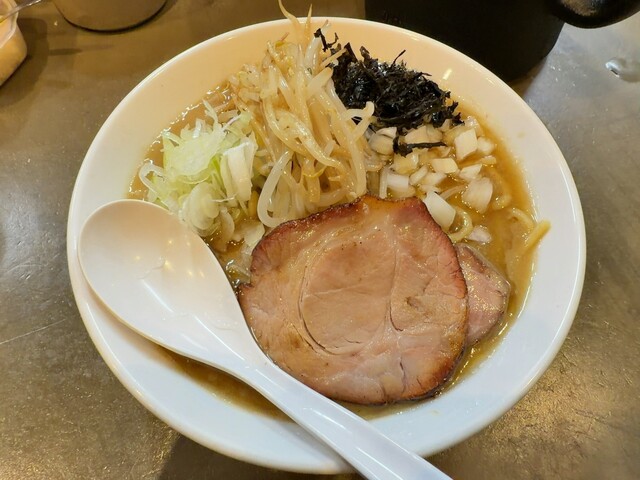
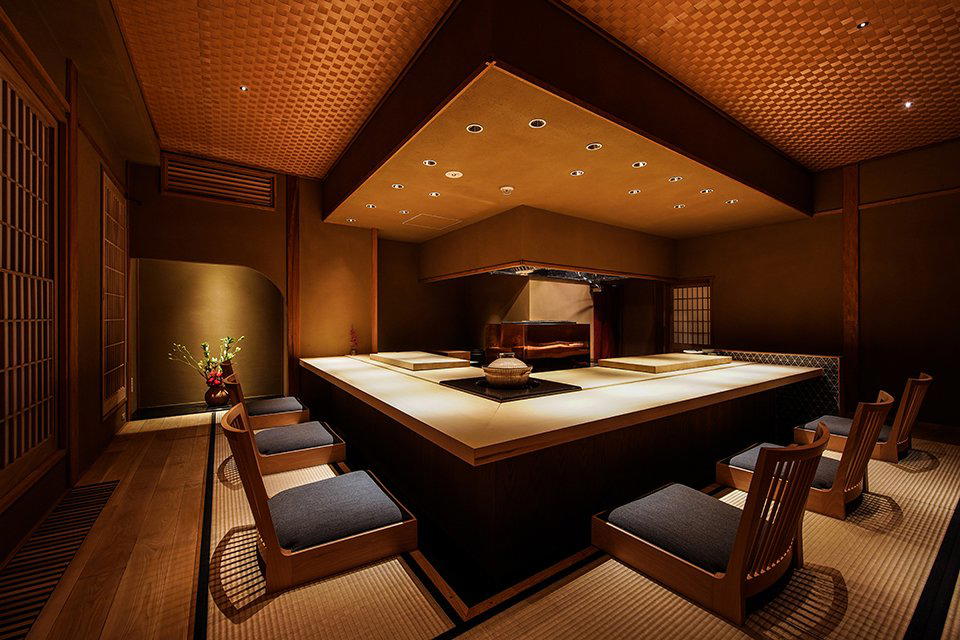
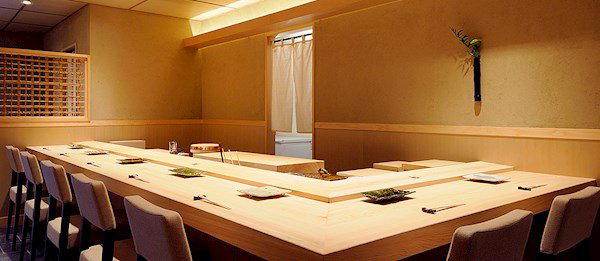
On eastern Sapporo, away from station-front hotel corridors and Susukino’s late-night pull, ramen becomes a small-room ritual: queue, ticket, counter, bowl, exit. Mendokoro Kyu fits that grammar with 12 seats: eight counter places, one table for four, and a pace that rewards diners who understand compact Hokkaido ramen shops. The appeal is not ceremony. It is concentration.
Sapporo’s ramen identity can distort travel plans. Visitors often arrive thinking miso ramen, but the serious noodle scene is broader than that regional shorthand: neighborhood shops compete on broth clarity, fat management, noodle texture, tare balance, and moving a room without making the meal feel rushed. In that context, selection for Tabelog 100 Ramen Hokkaido 2025 enters a crowded local argument, not a tourist checklist.
A 12-seat ramen room in Sapporo's no-reservations tradition
The booking experience is defined by absence: reservations are unavailable. That matters in ramen because the format is built around turnover, not confirmed tables. A small counter-led room can seem accessible on paper and constrained in practice. Treat the meal as a timed errand, not a leisurely reservation slot.
Mendokoro Kyu’s practical character says something about Sapporo dining. The city swings from luxury omakase and hotel dining to democratic specialist counters within a few subway stops. At one end, Kuriya sits in a JPY 20,000 to JPY 29,999 bracket, where planning is tied to occasion and spend. At the other, ramen shops like Ramen Yamasawa and Ramen Yoshi operate around the sub-JPY 1,000 tier. Mendokoro Kyu’s JPY 1,000 to JPY 1,999 range places it in the value-sensitive middle of serious everyday eating, where recognition must coexist with quick service and modest spend.
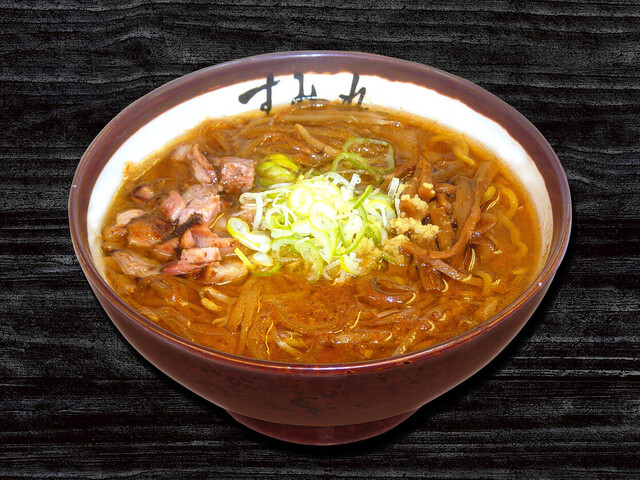
That price band is central. Hokkaido ramen shops do not need tasting-menu architecture to make a point; they need consistency under pressure. A Tabelog score of 3.61 and selection for the 2025 Hokkaido ramen list signal local traction in a category where small differences matter: how a broth holds through the bowl, how noodles behave after a few minutes, and how a shop manages the line between richness and fatigue. Specific dishes are not publicly fixed enough to name here, so the safer reading is category-level: this is a ramen counter assessed within Hokkaido’s specialist noodle field.
Why the recognition matters in a city crowded with noodle specialists
Tabelog’s Hyakumeiten lists are useful in Japan because they separate category specialists by region rather than flattening all dining into one prestige hierarchy. In Sapporo, that distinction matters. Ramen is not a consolation meal between sushi and crab; it is a local competitive arena with its own standards, price expectations, and repeat-customer logic. The restaurant’s 2025 inclusion places it among Hokkaido ramen shops that have attracted attention beyond the immediate neighborhood.
The neighborhood also changes the experience. Tsukisamu Higashi in Toyohira Ward is not the default first-night dining zone for many visitors, which can help diners interested in how Sapporo eats outside obvious routes. The nearest station is Nango Nana Chome, and the address is roughly a short walk from that subway stop. This is not built around hotel concierges and long aperitifs. It is the practical Japanese ramen model: arrive with cash, expect a compact room, and let the meal work without excess explanation.
Cash planning is not a footnote. Credit cards, electronic money, and QR code payments are not accepted, aligning the shop with small Japanese restaurants where low average spend and tight operations favor cash. Non-smoking status, counter seating, family-friendly notation, and children welcome broaden the audience, but the room remains small. A solo diner fits naturally; a larger group has less flexibility.
For a wider Sapporo food itinerary, the point is contrast. The city’s casual-specialist range includes spice and curry addresses such as 175°DENO Tantanmen Sapporo kitaguchi ten, [Curry Senmon Ten] Maruyama Kyoju., Ajanta Indo Curry Ten, and Ajanta Sohonke, while Aigues Vives shows how Hokkaido’s dining map extends beyond ramen. The restaurant belongs to the sharper part of the scene: commit to noodles, accept the queue risk, and avoid over-scheduling the next stop.
How to fold it into a Sapporo itinerary
Build around the shop’s rhythm rather than force it into a crowded evening. Lunch gives ramen its cleanest Sapporo role: direct, relatively quick, and easy to pair with later drinking or a different dinner format. Dinner works too, but small rooms without reservations punish loose timing. Monday closure is part of the planning equation, and Sunday has a shorter evening schedule than the rest of the operating week.
Travelers using Sapporo as a broader base should think in clusters rather than single targets. Food planning starts with Our full Sapporo restaurants guide, then branches by mood: Our full Sapporo hotels guide for where to stay, Our full Sapporo bars guide for the evening, Our full Sapporo wineries guide for regional drinking context, and Our full Sapporo experiences guide for non-restaurant time. The broader Japan map can pull in specialist addresses from -Grilled beef Sukiyaki- KAMAKURA TANUKIAN 鎌倉 たぬき庵 in Kamakura and. 鮪と炭火焼き うお炭 秋葉原店 in Tokyo to.cafe in Osaka.know in Kumamoto, (Shoku) Vietnam in Kawasaki, and [ki:] in Kyoto; overseas Japanese-adjacent dining can be tracked through Jōdo Saké Bar in Los Angeles and Onigiri Time in Pasadena.
The editorial call is simple: the restaurant is for diners who value ramen as specialist craft and can work with a small, cash-only, no-reservations room. Its recognition gives the trip a reason; the format sets the terms.
Cuisine and Awards Snapshot
Comparable venues to anchor price and recognition.
| Venue | Cuisine | Price | Notes |
|---|---|---|---|
| Mendokoro KyuThis venue — the venue you are viewing | Sapporo miso ramen shop | $ | Not listed |
| Menya Takahashi | Tsukemen & ramen shop | $ | Toyohira |
| Mendokoro Maruha BEYOND | Japanese Ramen | $ | Toyohira |
| Toripaitan Soba Yuu | Tori paitan ramen shop | $ | Shiroishi |
| Ganso Sapporo Ramen Mogura | Sapporo ramen shop | $ | Chūō |
| Menya Suzuran | Sapporo ramen & soup curry-style ramen | $ | Chūō |
Recognition history
Dated appearances from independent guides and award organizations, with the underlying list record or original source where available.
Tabelog 100 #44 · No. 44
Tabelog · Tabelog 100 - Ramen - HOKKAIDO - 2025
At a Glance
- Solo
- Casual Hangout
- After Work
- Standalone
Current opening hours
- Monday
- Closed
- Tuesday
- 11 AM–2:30 PM, 5:30–8:30 PM
- Wednesday
- 11 AM–2:30 PM, 5:30–8:30 PM
- Thursday
- 11 AM–2:30 PM, 5:30–8:30 PM
- Friday
- 11 AM–2:30 PM, 5:30–8:30 PM
- Saturday
- 11 AM–2:30 PM, 5:30–8:30 PM
- Sunday
- 11 AM–2:30 PM, 5:30–8 PM
Hours can change for holidays and private events. Last verified .
Casual local ramen-ya atmosphere centered on efficient service with separate lunch and dinner shifts; communication about frequent limited bowls and TV appearances suggests an energetic but direct neighborhood shop rather than a themed or design-driven space.