

Tabelog 100 #21
Our verdict
One of Japan's most closely watched steakhouses, Aragawa in Kobe has held a place in Opinionated About Dining's top-ranked restaurants in Japan for three consecutive years. Rooted in the Kobe beef tradition, the restaurant operates with the quiet discipline of a room where the beef, the service, and the cellar are each treated as equal parts of a single, considered whole.

Pearl is the En Primeur Club membership app, where members save venues, book tables and use the concierge.
The menu
What to order
- Sanda/Tajima beef steak
- Home-smoked salmon
Kobe Beef at Its Most Deliberate
The steakhouse tradition in Japan occupies a different register from its counterparts in New York or Paris. Where restaurants like Le Bernardin in New York City or Atomix in New York City have built reputations on technical innovation, Japan's leading steakhouses tend toward restraint and precision, the quality of the raw material treated as an argument in itself. Aragawa, located in the Nakayamatedori district of Kobe's Chuo Ward, sits at one end of that tradition: a room where the theatre is minimal and the beef, Kobe's most storied export, is the only subject.
The address itself carries meaning. Kobe's position as the origin city of Wagyu beef raised under the strict Tajima-gyu certification standards means that a steakhouse here is not making a geographical gesture, it is operating at the source. That proximity to the ingredient shapes how the room positions itself relative to peers. Compared to Tokyo-based competitors operating at the ¥¥¥¥ tier, such as the kaiseki counter at RyuGin or the French-influenced tasting menus at L'Effervescence, Aragawa is a study in a different discipline altogether: the single protein, prepared with focused technique, refined by the weight of its sourcing.
Three Consecutive Years on Japan's Most Demanding Ranked List
Rankings in the Japanese fine-dining space are contested ground. Opinionated About Dining, which aggregates assessments from a large network of experienced diners rather than a small inspector corps, has tracked Aragawa across three years with notably divergent results. In both 2023 and 2024, the restaurant held positions #42 and #41 respectively in OAD's Leading Restaurants in Japan, peer company that includes multi-Michelin-starred kaiseki houses, sushi counters with decades of lineage, and internationally recognised tasting-menu formats. The 2025 list placed Aragawa at #587, a significant drop that invites scrutiny rather than dismissal. Whether that reflects a change in the diner pool, a shift in how the format is perceived relative to newer competition, or a genuine change in consistency is not something a single ranking can answer. What it does confirm is that Aragawa has been a persistent reference point in the conversation about Japan's leading tables.
For context on how the broader Kansai region is performing at the fine-dining tier, consider that HAJIME in Osaka and Gion Sasaki in Kyoto each hold distinct positions in the same regional ecosystem, the former built on a highly conceptual French-Japanese synthesis, the latter anchored in classical kaiseki. Aragawa's continued presence in that conversation, despite operating in a format that has not reinvented itself, suggests a level of execution that keeps it legible to demanding diners.
The Room as a Collaborating Partner
The editorial angle assigned to Aragawa, the interplay between kitchen, sommelier, and front-of-house, is particularly relevant for a steakhouse that holds its position through product integrity rather than format novelty. In Japan's leading steakhouse tier, the front-of-house team carries a share of the experience that would be unusual in, say, a tasting-menu format where the kitchen controls pacing entirely. The sequencing of courses, the management of the grill's timing, and the selection and presentation of wine are each decisions that require a coordinated team rather than a single department running independently.
Kobe beef at this level is not a forgiving ingredient in the sense that it permits improvisation. Its fat content, marbling score, and preparation temperature tolerances demand that the grill station and the service floor operate on the same clock. A piece of Wagyu that rests two minutes longer than intended while a wine pour is managed at the table is a different dish from the one intended. This kind of synchronisation, between what is happening on the grill and what is happening in the room, is where the team dynamic either holds or fractures, and it is what separates a restaurant at this ranking from peers in the same format.
This logic extends to the cellar. Wagyu at high marbling grades has specific pairing constraints: the fat profile compresses the range of wines that read cleanly against it, and a sommelier working this format needs a clear point of view rather than a general-purpose list.
Japan's Steakhouse Tier in Broader Context
Aragawa does not compete in the same category as a counter like Harutaka, where the chef-to-guest ratio and omakase format put the kitchen at the centre of every decision. Nor does it share a format with the inventive Franco-Japanese approach at Crony. The steakhouse format, at its serious end in Japan, is its own sub-category, one where the discipline is in sourcing, in precision, and in the kind of service professionalism that allows an expensive and relatively unchanging product to justify repeat visits from the most experienced diners in one of the world's most competitive restaurant cities.
For travellers planning a broader Kansai or Japan itinerary, the restaurant sits alongside destinations such as akordu in Nara and Goh in Fukuoka as part of a regional circuit that rewards dedicated planning. Readers building a Tokyo-anchored trip can also consult our full Tokyo restaurants guide, our full Tokyo hotels guide, our full Tokyo bars guide, our full Tokyo wineries guide, and our full Tokyo experiences guide for the surrounding itinerary. Those extending south can add 6 in Okinawa or 1000 in Yokohama to a broader Japan list.
Sézanne, the French tasting-menu counter in Tokyo reviewed separately at Sézanne, and the kaiseki program at RyuGin both show how Tokyo's most competitive restaurants have moved toward internationally legible formats. Aragawa's position as a Kobe-based steakhouse operating in a format with deep local roots represents a different argument about what fine dining in Japan can be.
Planning a Visit
Aragawa is located at 2 Chome-15-18 Nakayamatedori, Chuo Ward, Kobe, a short distance from the city's central commercial area and accessible from Sannomiya Station, Kobe's main transit hub.
Frequently asked questions
What is Aragawa known for?
Aragawa is one of Japan's most closely tracked high-end steakhouses, recognised for its focus on Kobe beef and for holding top-40 positions in Opinionated About Dining's Japan rankings in both 2023 and 2024. The restaurant operates in a format defined by product precision and service discipline rather than tasting-menu innovation.
What's the signature dish at Aragawa?
Aragawa's reputation is built on Kobe beef, specifically, preparations that foreground the Tajima-gyu Wagyu sourced from the surrounding region.
What's the ideal way to book Aragawa?
Given Aragawa's sustained presence in OAD's Japan rankings, advance planning is advisable.
Can Aragawa adjust for dietary needs?
Aragawa's format centres on Kobe beef, which limits the range of dietary accommodations that would be structurally compatible with the menu.
How has Aragawa's ranking changed over recent years, and what does that mean for prospective diners?
Aragawa held positions #42 and #41 in Opinionated About Dining's Leading Restaurants in Japan in 2023 and 2024 respectively, then dropped to #587 in 2025. OAD rankings reflect aggregated assessments from a large, experienced diner network, so shifts of this scale can signal genuine changes in consistency, a different composition of the voting pool, or evolving expectations within the format category. Diners considering a visit should weigh the multi-year track record alongside the 2025 movement and, where possible, seek recent accounts from those who have visited in the past twelve months.
Category Peers
| Venue | Cuisine | Price | Awards | Notes |
|---|---|---|---|---|
| AragawaThis venue (the venue you are viewing) | Tajima Beef Steakhouse | $500+ | Tabelog 100 #21 | Not listed |
| Harutaka | Edo-Style Omakase Sushi | $200–300 | 3 Michelin Stars · World's 50 Best #76 | Sushi |
| RyuGin | Modern Kaiseki | $500+ | 3 Michelin Stars · World's 50 Best #41 | Kaiseki, Japanese |
| L'Effervescence | Modern French with Japanese Influences | $200–300 | 3 Michelin Stars · World's 50 Best #69 | French |
| HOMMAGE | Modern French with Japanese Influences | $150–200 | 2 Michelin Stars · World's 50 Best #78 | Innovtive French, French |
| MAZ | Innovative Peruvian-Japanese Fusion | $150–200 | 2 Michelin Stars · World's 50 Best #28 | Innovative |
Recognition history
Dated appearances from independent guides and award organizations, with the underlying list record or original source where available.
Opinionated About Dining Top Restaurants in Japan Ranked #65
Opinionated About Dining
Tabelog 100 #21 · No. 21
Tabelog · Tabelog 100 - Steak / Teppanyaki - EAST - 2025
Full recognition history (5 entries)
Opinionated About Dining Top Restaurants in Japan Ranked #587
Opinionated About Dining
Opinionated About Dining Top Restaurants in Japan Ranked #41
Opinionated About Dining
Opinionated About Dining Top Restaurants in Japan Ranked #42
Opinionated About Dining
Continue exploring
More in Kobe
Restaurants in Kobe
All restaurants in Kobe →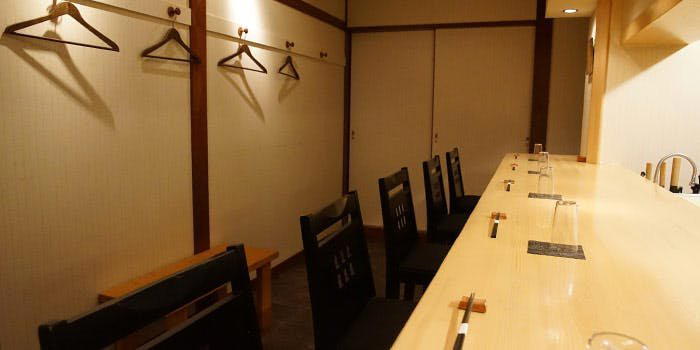
Bars in Kobe
Browse all →





Details
- Elegant
- Sophisticated
- Classic
- Intimate
- Special Occasion
- Business Dinner
- Standalone
- Sake Program
- Local Sourcing
- Set Menu
Current opening hours
- Monday
- 12–3 PM, 5–10 PM
- Tuesday
- 12–3 PM, 5–10 PM
- Wednesday
- 12–3 PM, 5–10 PM
- Thursday
- 12–3 PM, 5–10 PM
- Friday
- 12–3 PM, 5–10 PM
- Saturday
- 12–3 PM, 5–10 PM
- Sunday
- Closed
Hours can change for holidays and private events. Hours as of .
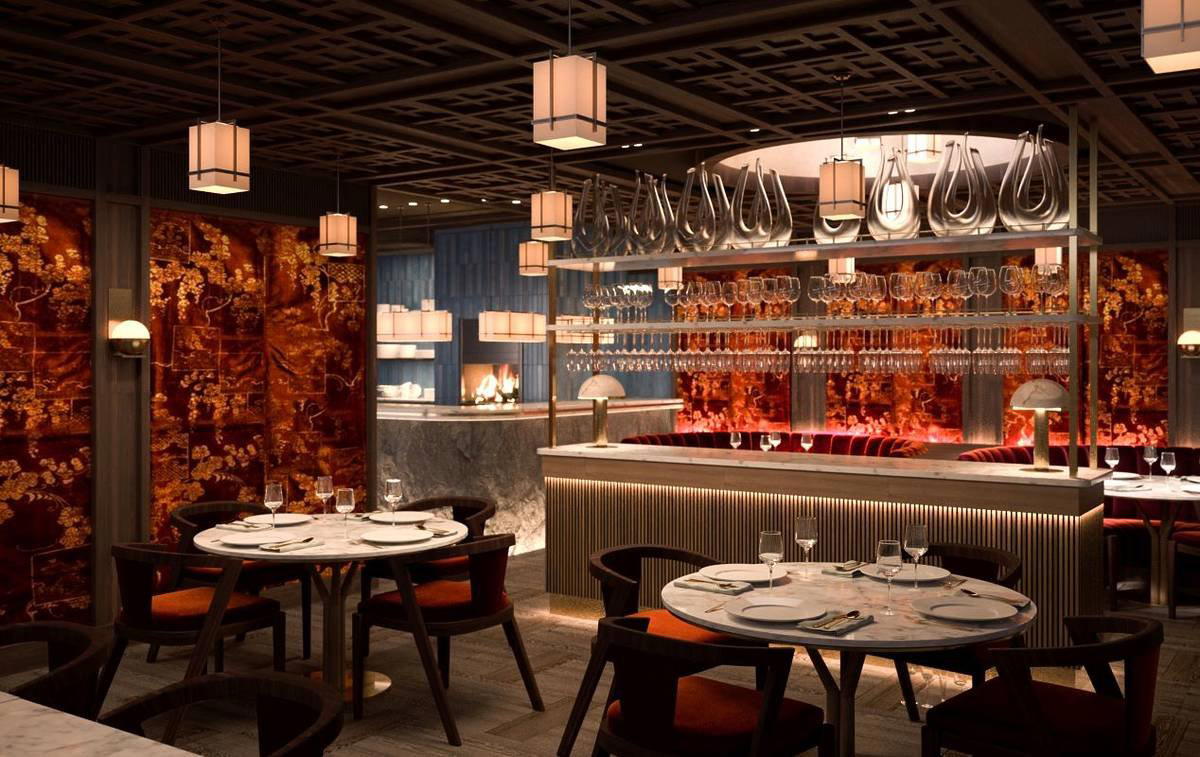
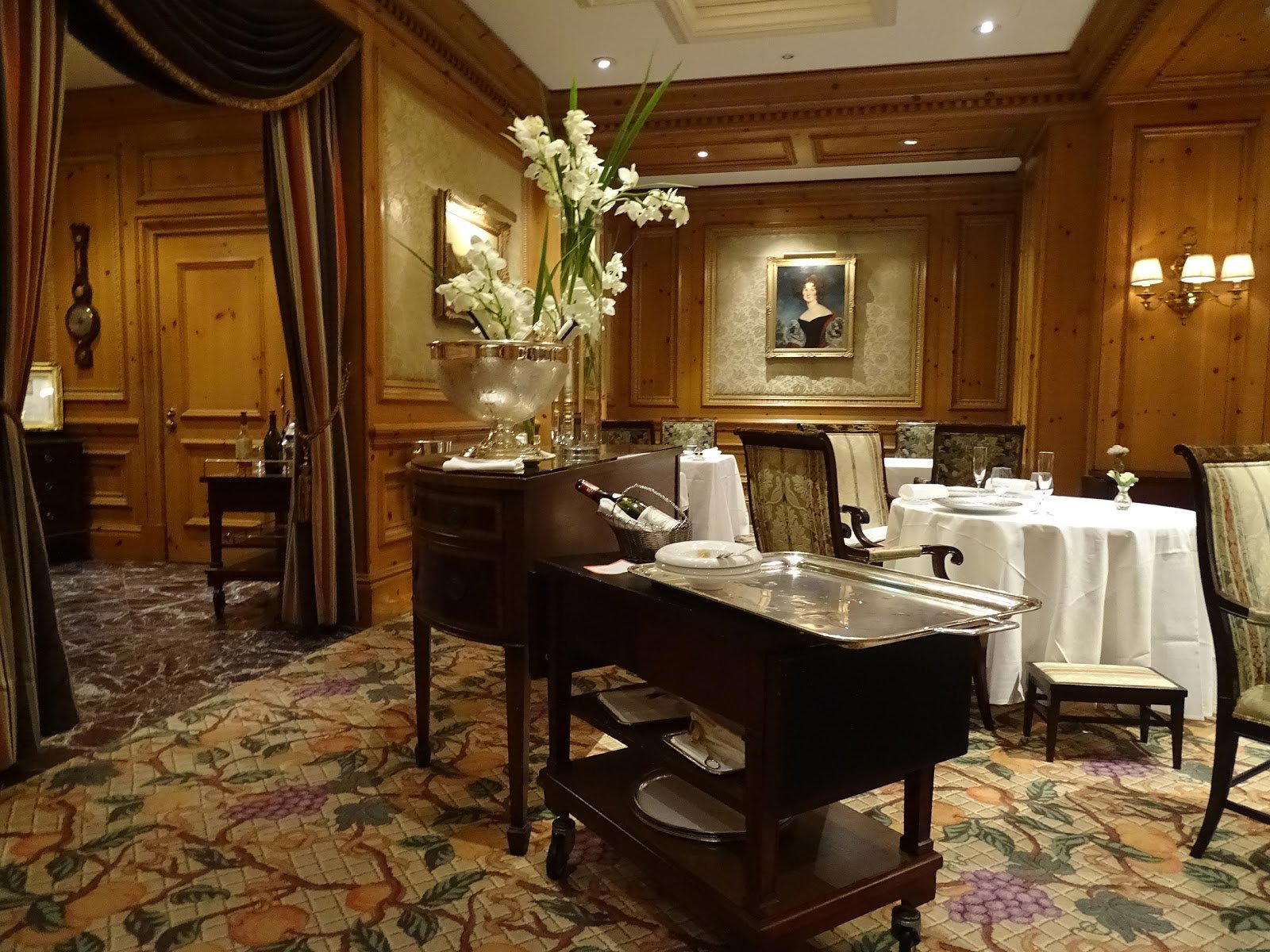
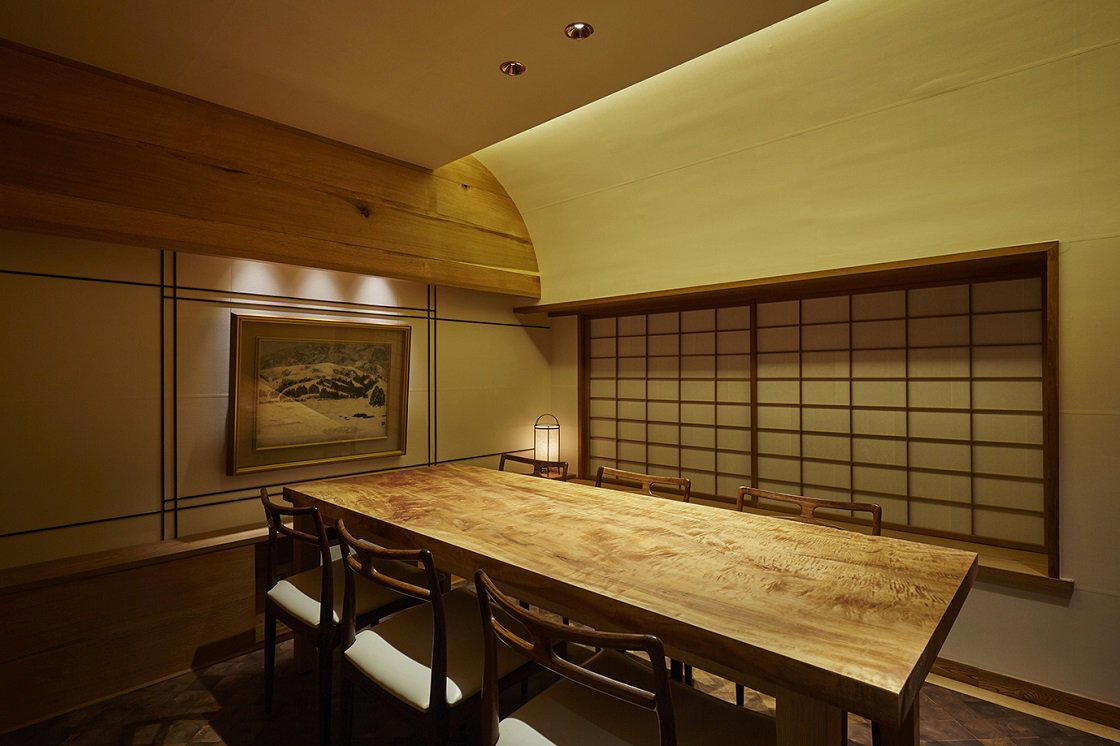
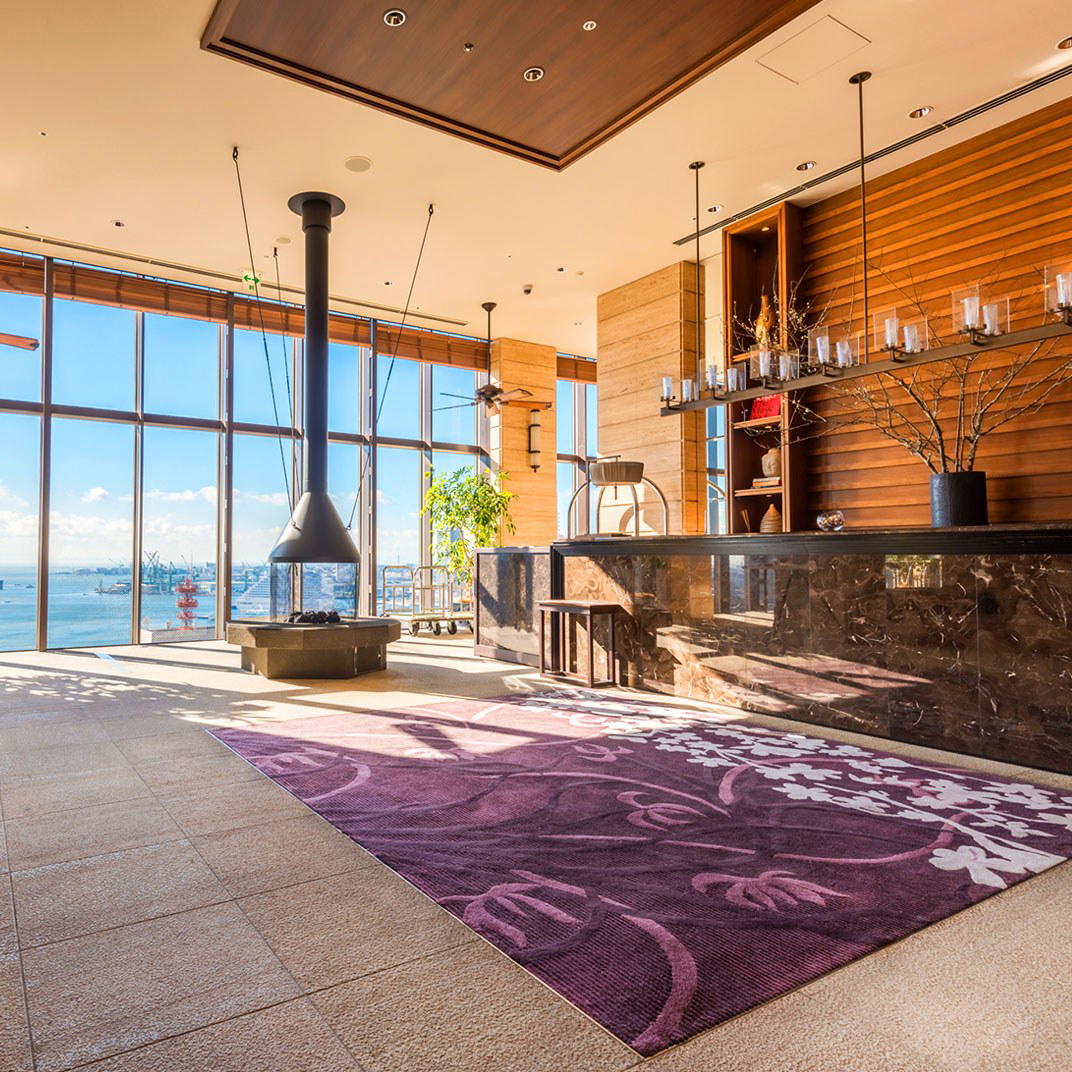
Retro and refined with Nishijin-ori woven wallpaper, cherry-blossom wood chairs, white tablecloths, and a calm, spartan atmosphere focused on the steak.