Our verdict
Read it through the city’s ingredient culture: Roman cooking rewards restraint, seasonality, and the ability to make humble produce, pasta, and market-led plates feel precise without turning the room into a museum piece.

Pearl is the En Primeur Club membership app — saves, bookings, and concierge access live there. Same editors, same standards.
- Address
- Via del Velabro, 16, 00186 Roma RM, Italy
- Phone
- +39 06 9761 9197
- Hours
- Daily 7 AM–10 PM
- Website
- apicio16.it
- Directions
- Get directions
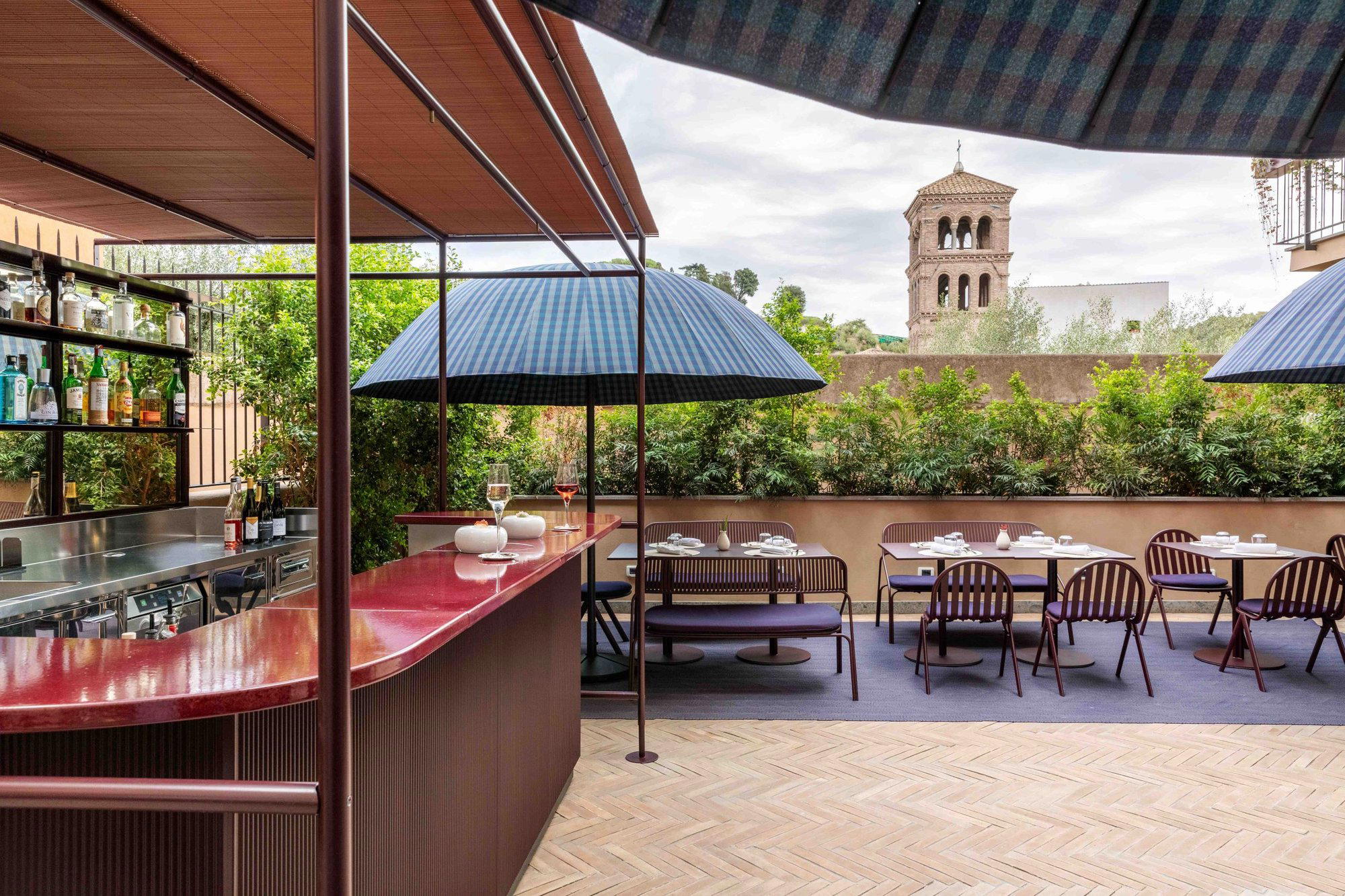
Approaching Apicio 16, Rome changes register: everyday city noise gives way to the slower expectations of a meal in a place where history is never far from the table. Here, a restaurant must satisfy two Roman appetites at once: casual enough for daily rhythm, serious enough within a city of history that needs no staging.
Apicio 16 belongs to that in-between Rome, where the useful meal matters more than performed locality. The question is not whether the room feels Roman, but how the kitchen engages a city whose food identity has always depended on supply: seasonal produce, dairy, bitter greens, pasta, cured meats, and market timing rather than luxury display. Rome punishes fuss quickly. A plate drifting from ingredient logic reads as decoration; restraint can feel current without announcing itself as contemporary.
Rome dining is where history meets the working lunch
Rome’s older food geography, river routes, markets, and daily movement shaped the city’s appetite before modern restaurant categories. Roman cooking is not abundance in the French grand-restaurant sense. It is conversion: humble ingredients into structure, vegetables into season markers, cheese as seasoning as much as garnish. The better casual restaurants reveal themselves through proportion, not spectacle.
That separates this kind of address from the most photographed trattoria circuits and reservation-theatre dining rooms elsewhere in the city. In Rome, a persuasive meal differs from a tourist-facing one by whether local ingredients are treated as grammar or costume. Da Enzo al 29, Sora Lella, Osteria La Gensola, Roma Sparita, and La Reginella d'Italia are familiar reference points for visitors mapping trattoria Rome, but Apicio 16 asks for another read: less chasing a famous room than understanding how Rome feeds people already moving through it.
Apicio 16’s practical appeal is its role in a food day rather than a single ceremonial slot. Rome has many restaurants suited mainly to lunch or after dark; a flexible Rome venue fits the broader habit of eating according to the day’s rhythm, from something light to a more substantial plate. That rhythm changes expectations. Read the menu through ingredients first, then format: what looks seasonal, respects the city’s pantry, and avoids overcomplication.
Ingredient logic matters more than Roman clichés
Rome is often reduced to a handful of famous dishes, but its cooking is wider and more agricultural. The backbone is sourcing and timing. Spring, summer, and cooler months each change the table in different ways, moving from fresher vegetables and lighter preparations toward greens, beans, slow-cooked sauces, and richer comfort. A restaurant here need not shout provenance if the cooking follows the calendar with discipline.
This is where Apicio 16 is clearest editorially. The restaurant sits in Rome, where passing trade can tempt generic menus, yet Roman diners remain highly sensitive to ingredients that feel tired, overhandled, or detached from season. Do not hunt for one signature dish unless the kitchen names it clearly. Order by category: vegetables when the season does the work, pasta where sauce depends on balance rather than volume, and mains when preparation lets the main ingredient carry the plate.
For travellers comparing Rome with other Italian dining cities, this distinction matters. Other Italian regions may foreground meat and bread culture, tomato, frying, seafood, dairy, pasta craft, or cured richness. Rome is more severe. Its pleasure comes from salt, fat, bitterness, starch, and timing held in check. A kitchen that understands that does not need heavy decoration.
That severity makes Rome unforgiving. A polished room can still miss the city’s ingredient code. A plain-looking plate can carry more authority than a composed one if seasoning is restrained, greens keep their bite, and pasta is not a carrier for excess. Judge Apicio 16 by those Roman measures, not the tasting-menu logic that dominates destination dining elsewhere.
How to place it in a Rome itinerary
For a visitor building a food day in Rome, this venue is useful between heavier trattoria meals and bar-led evenings. The Rome location suits a cultural route through the city without forcing the meal into a purely tourist schedule. It also works for travellers wanting a Rome table without the longer, louder rituals of famous Roman dining rooms.
A sharper strategy is to avoid making every Roman meal a greatest-hits checklist. Use one meal for the canonical trattoria experience, another for current Italian cooking, and one for a flexible Rome address where ingredient choices track the day’s appetite. For modern Roman context, other Rome dining rooms point toward the city’s current register, while local pizza specialists cover the thin, crisp Roman pizza conversation. For a different historic frame, unnamed Rome dining rooms can add further reference.
Readers mapping the wider city can use Our full Rome restaurants guide alongside Our full Rome hotels guide, Our full Rome bars guide, Our full Rome wineries guide, and Our full Rome experiences guide.
The editorial case for Apicio 16 is practical, not ceremonial. It belongs to a Roman category where location, timing, and ingredient sense carry the meal. Go looking for the city’s sourcing logic, not theatrical reinvention, and the Rome setting starts to make culinary sense.
Frequently asked questions
Is Apicio 16 child-friendly?
Its Rome location can make it practical for family dining, especially at lunch or an early dinner. For younger children, the earlier part of service is usually the safer bet.
Is Apicio 16 better for a quiet night or a lively one?
Apicio 16 reads as better for a quieter night. It suggests a restaurant built for steady service in Rome rather than a late, high-energy scene.
What are the opening hours for Apicio 16?
Check current opening hours directly with Apicio 16 before visiting, as schedules can change.
How do I find Apicio 16?
Apicio 16 is located in Rome.
Quick Comparison
Comparable venues by cuisine and price in the same metro.
| Venue | Cuisine | Price |
|---|---|---|
| Apicio 16This venue — the venue you are viewing | Modern Roman gourmet restaurant | $50–100 |
| Da Enzo al 29 | Traditional Roman Trattoria | $20–30 |
| Sora Lella | Traditional Roman Trattoria | $50–100 |
| Osteria La Gensola | Traditional Roman & Sicilian Seafood | $50–100 |
| Roma Sparita | Traditional Roman Trattoria | $30–50 |
| La Reginella d'Italia | Roman-Jewish Trattoria | Not listed |
Continue exploring
More in Rome
Restaurants in Rome
Browse all →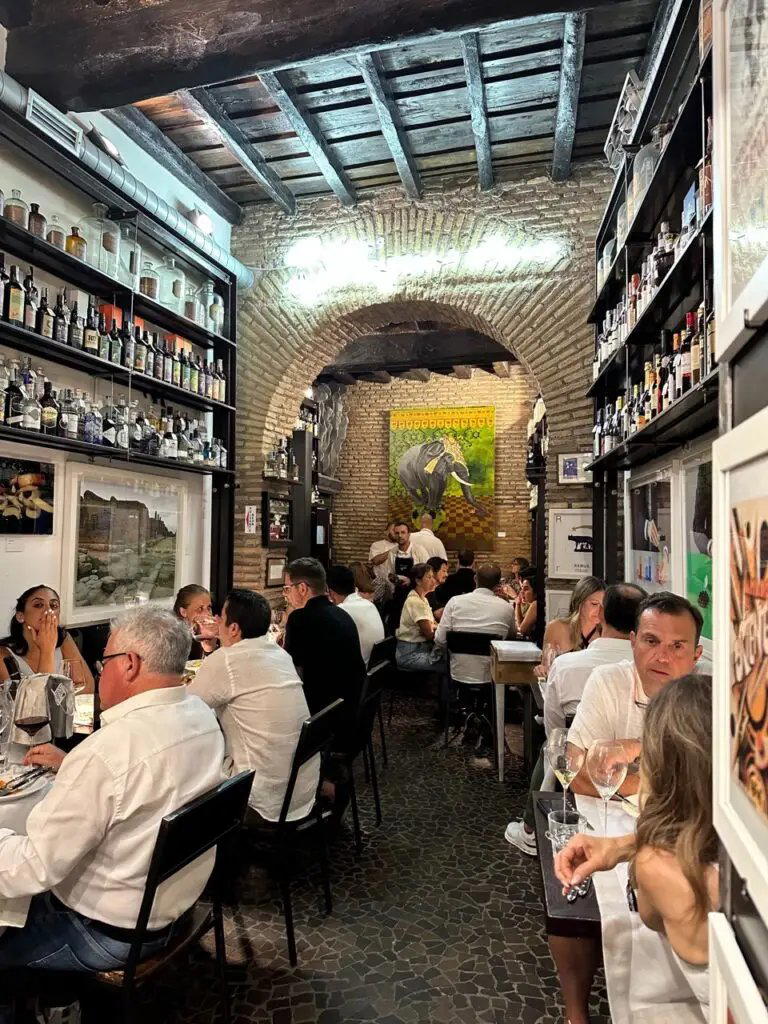
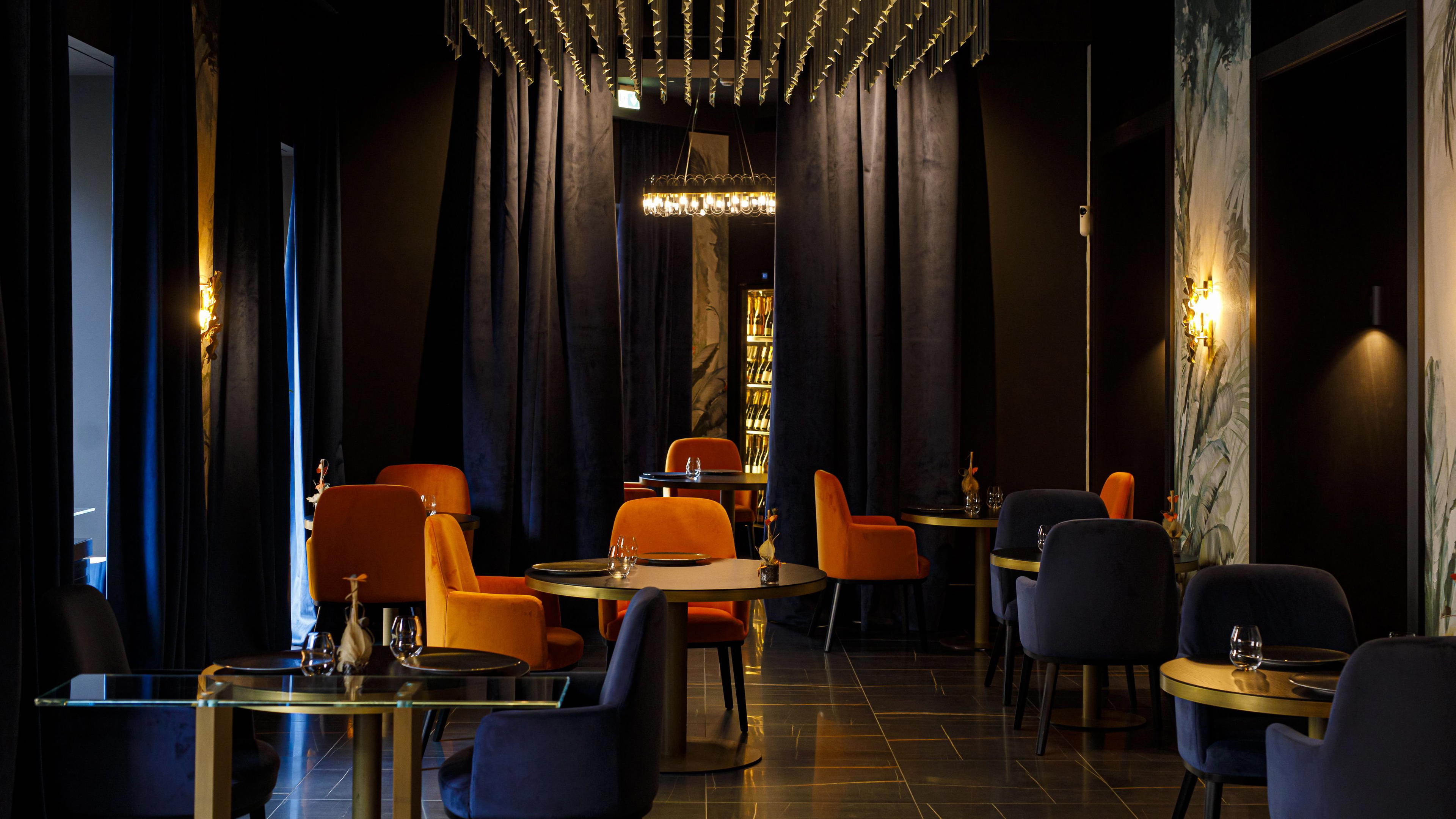
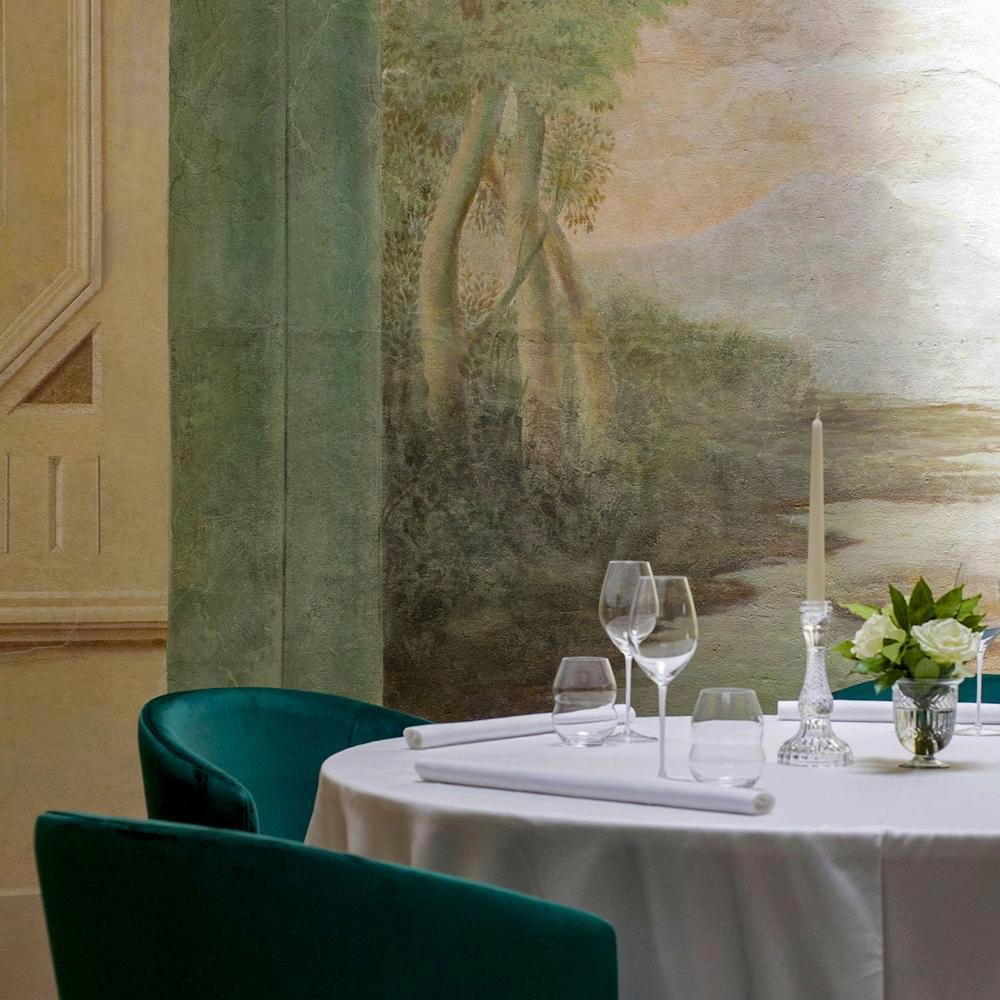
Bars in Rome
Browse all →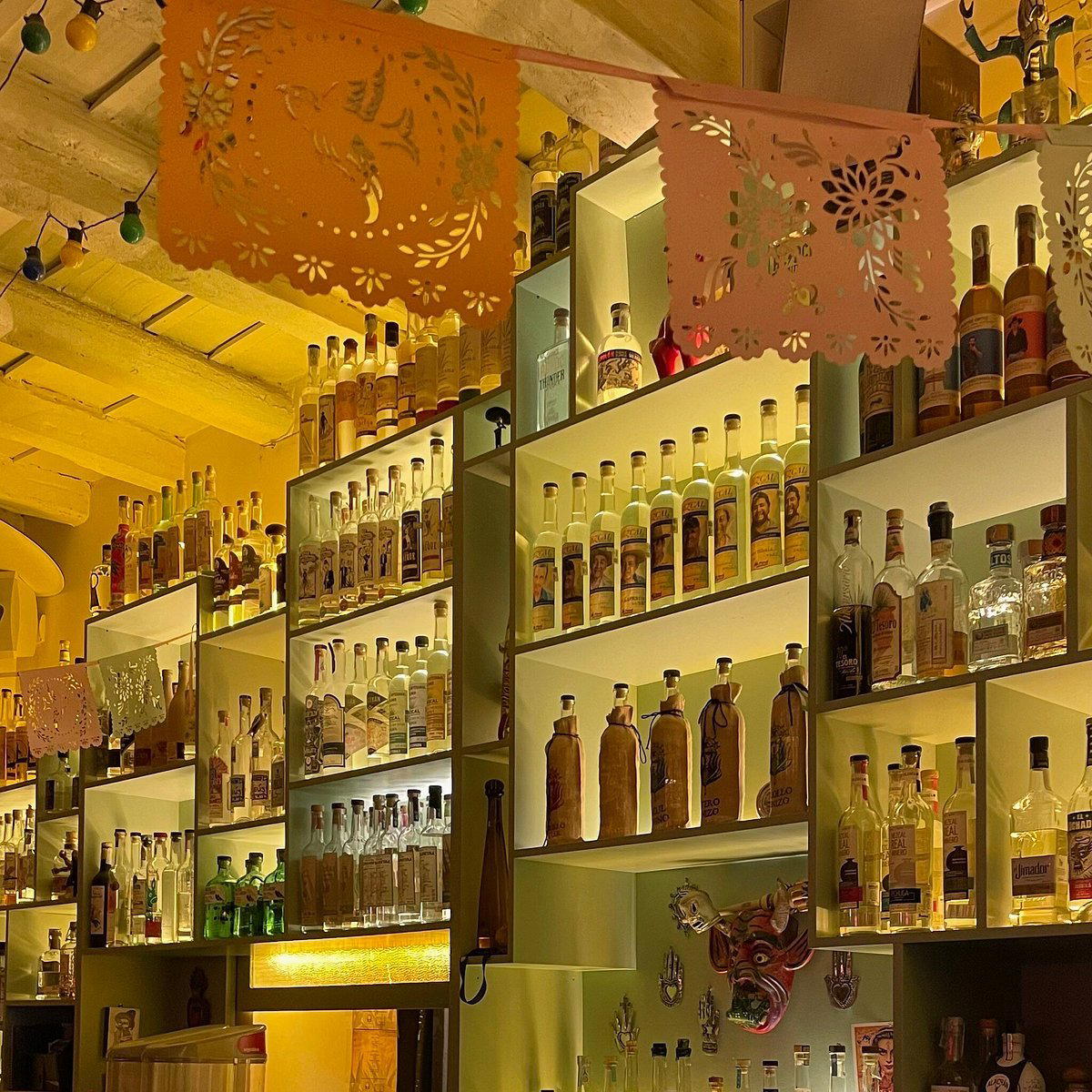
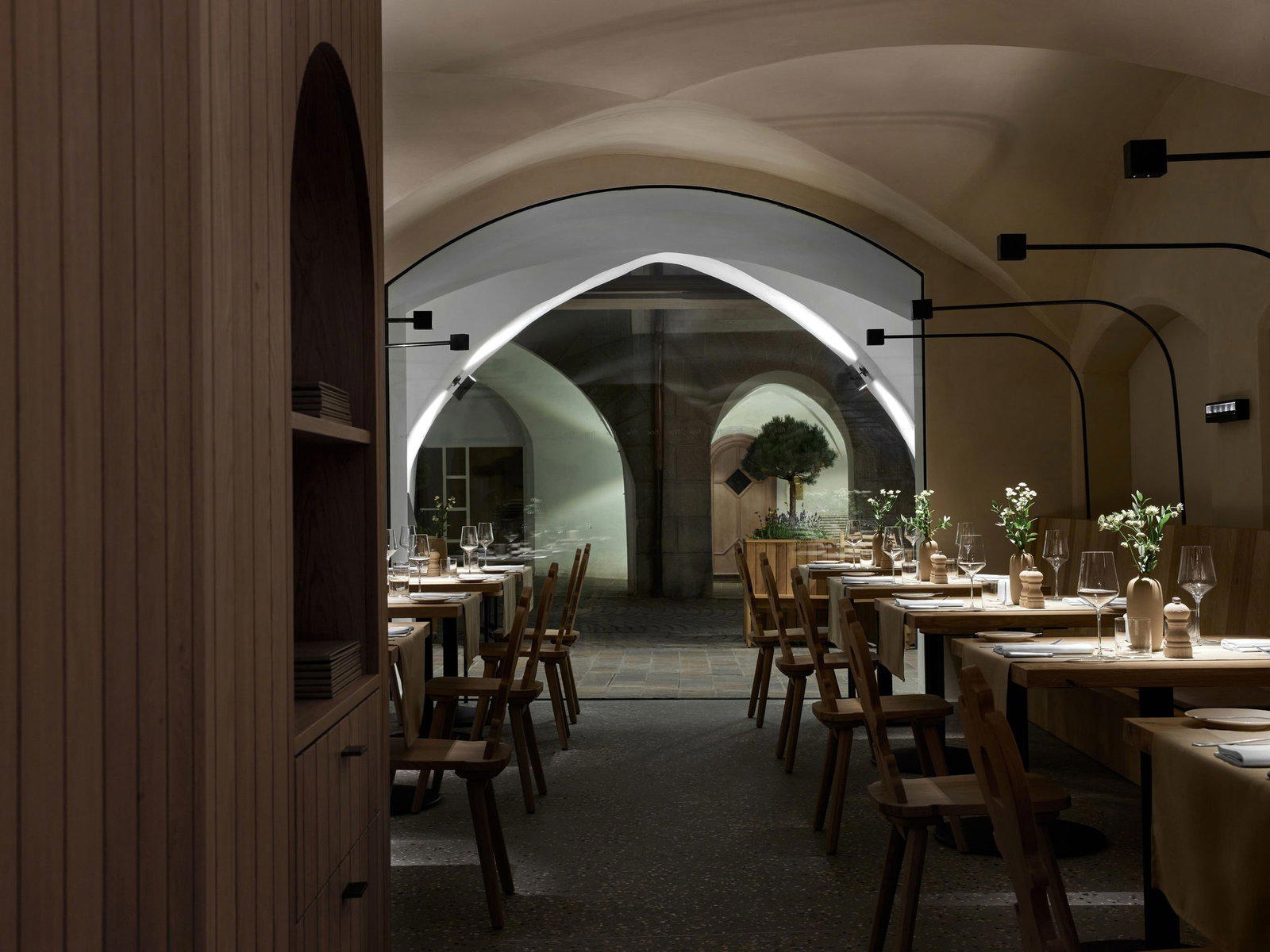
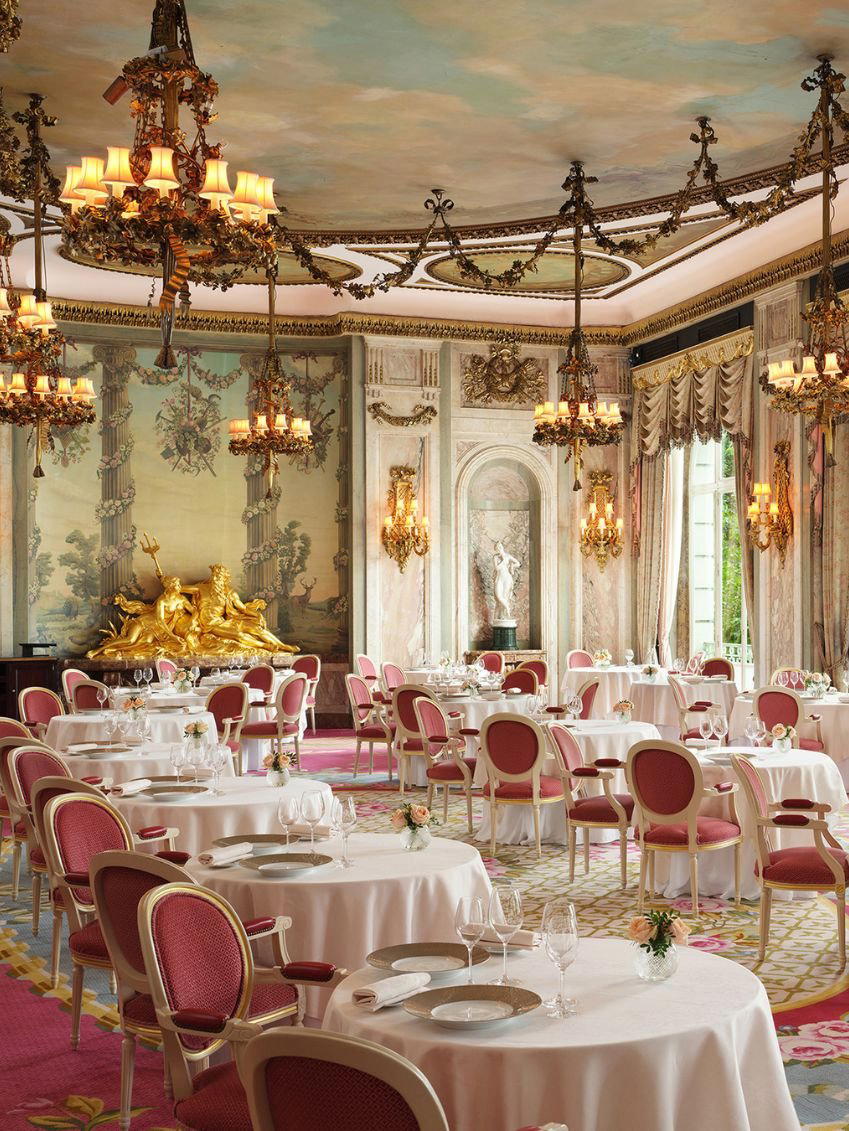
Hotels in Rome
Browse all →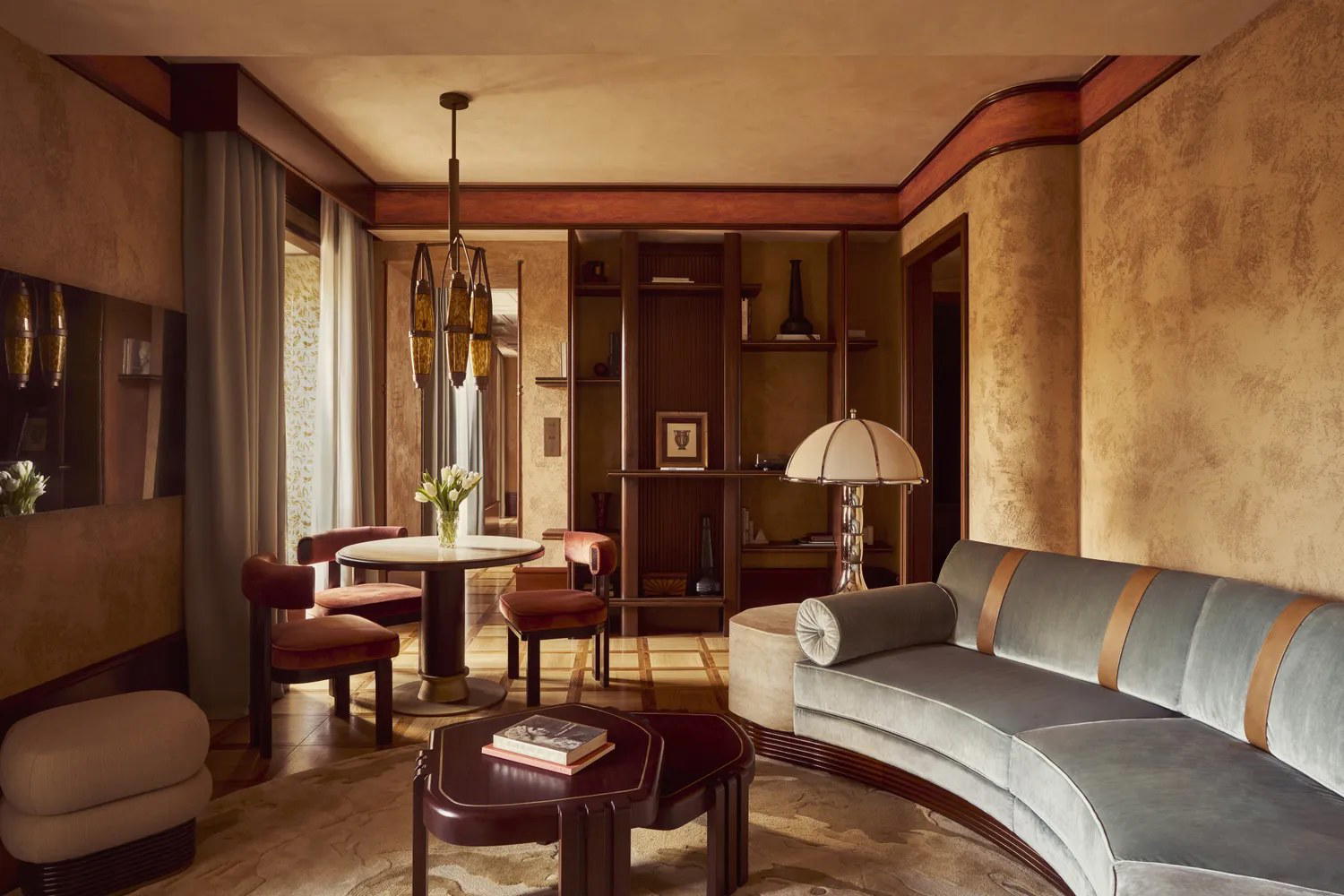


Apicio 16
The wine
- Wine program
- Curated wine list
- Extensive wine list
- Craft cocktails
Details
- Elegant
- Modern
- Sophisticated
- Cozy
- Date Night
- Business Dinner
- Celebration
- Special Occasion
- Group Dining
- Terrace
- Design Destination
- Hotel Restaurant
- Standalone
- Extensive Wine List
- Craft Cocktails
- Street Scene
- A La Carte
- Wine
- Cocktails
Current opening hours
- Monday
- 7 AM–10 PM
- Tuesday
- 7 AM–10 PM
- Wednesday
- 7 AM–10 PM
- Thursday
- 7 AM–10 PM
- Friday
- 7 AM–10 PM
- Saturday
- 7 AM–10 PM
- Sunday
- 7 AM–10 PM
Hours can change for holidays and private events. Last verified .
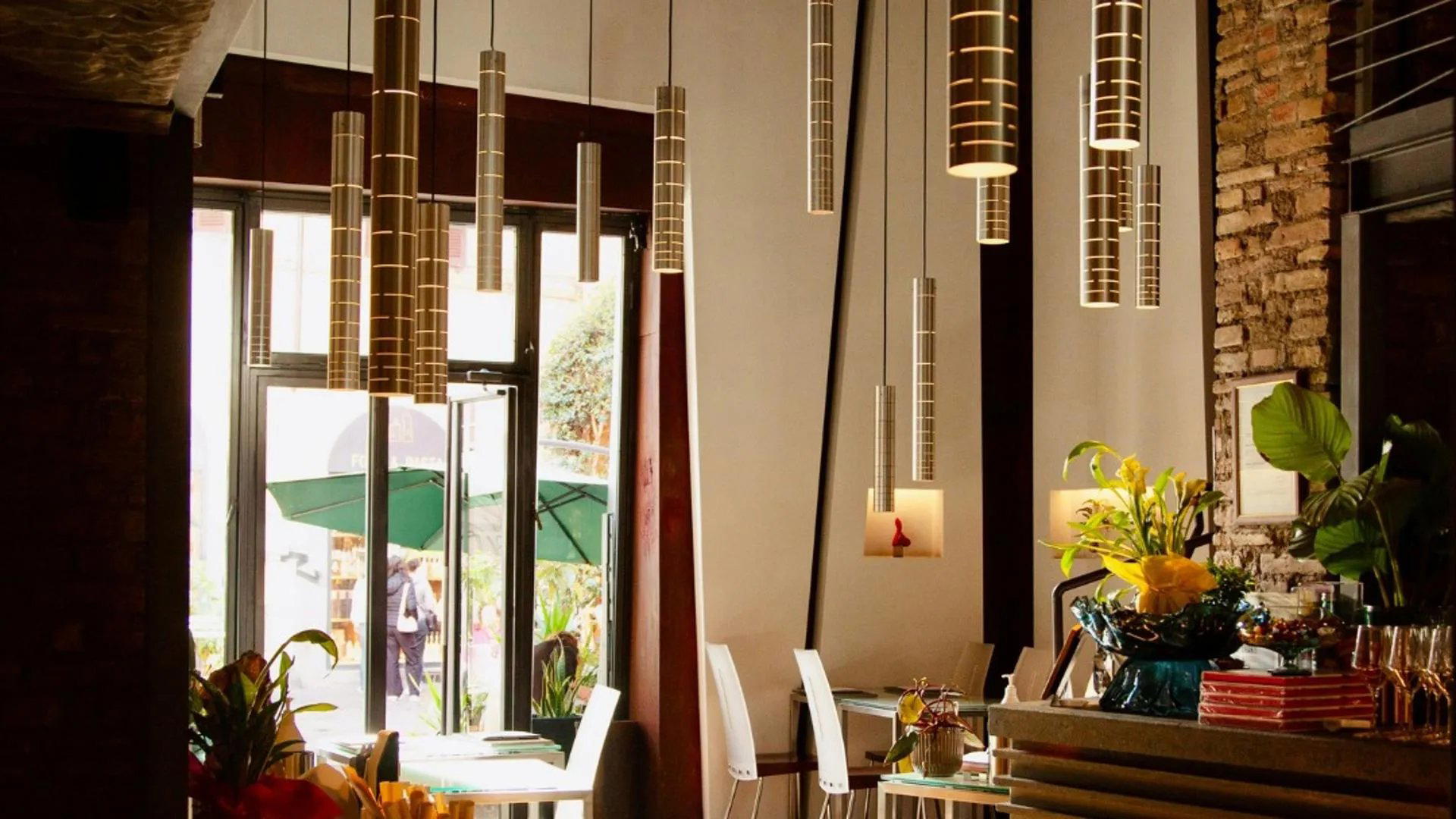
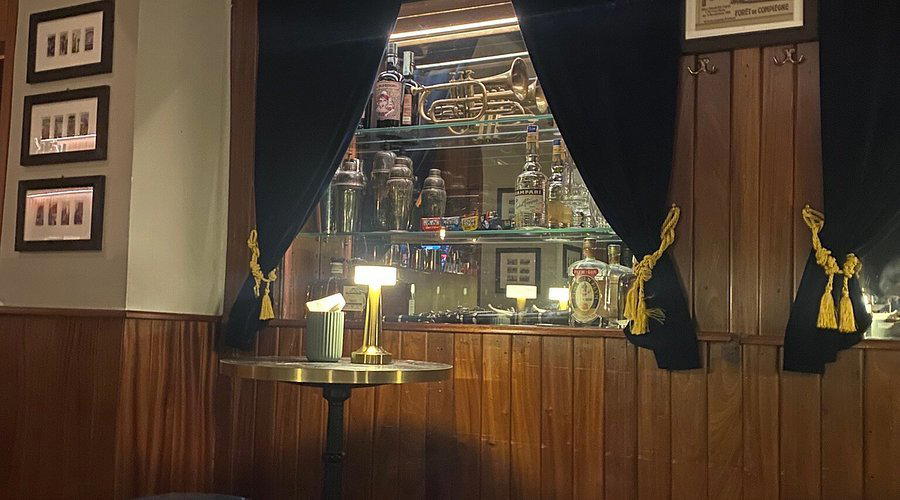
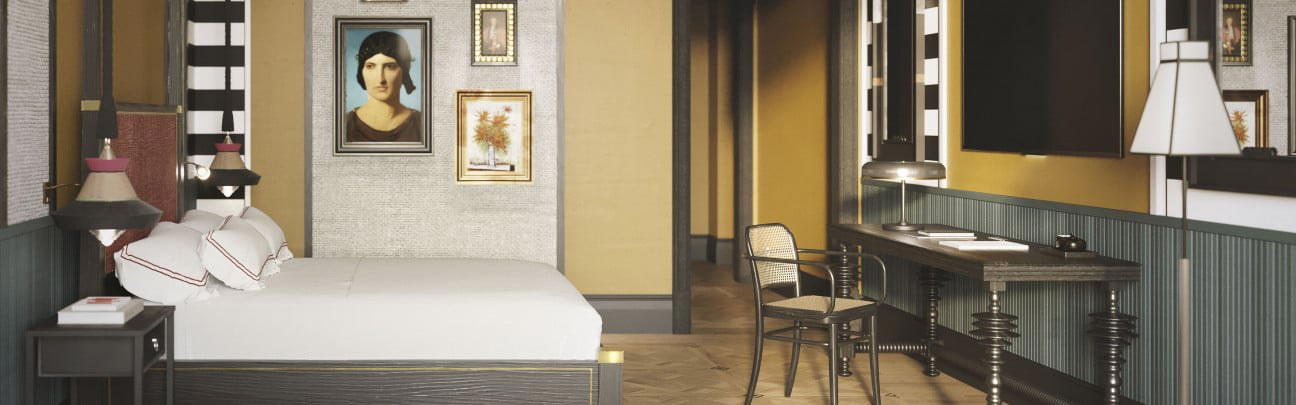
Curated and design‑forward interiors with a cozy, intimate feel; contemporary lighting and polished details create an upscale yet relaxed atmosphere suited to leisurely dining.