Apapika Bowls operates from Invalidenstraße 13 in Vienna's third district, placing it within the city's growing casual-format dining corridor rather than the fine-dining belt around the Ringstraße. The bowl-format concept fits a shift in Viennese eating habits toward ingredient-led, assembly-style meals that sit outside Austria's traditional Gasthausküche. Current booking and menu details are best confirmed directly at the venue.
Pearl is the En Primeur Club membership app — saves, bookings, and concierge access live there. Same editors, same standards.
- Address
- Invalidenstraße 13, 1030 Wien, Austria
- Phone
- +436764080872
- Website
- apapika.at
- Directions
- Get directions
 Saves & bookings on Pearl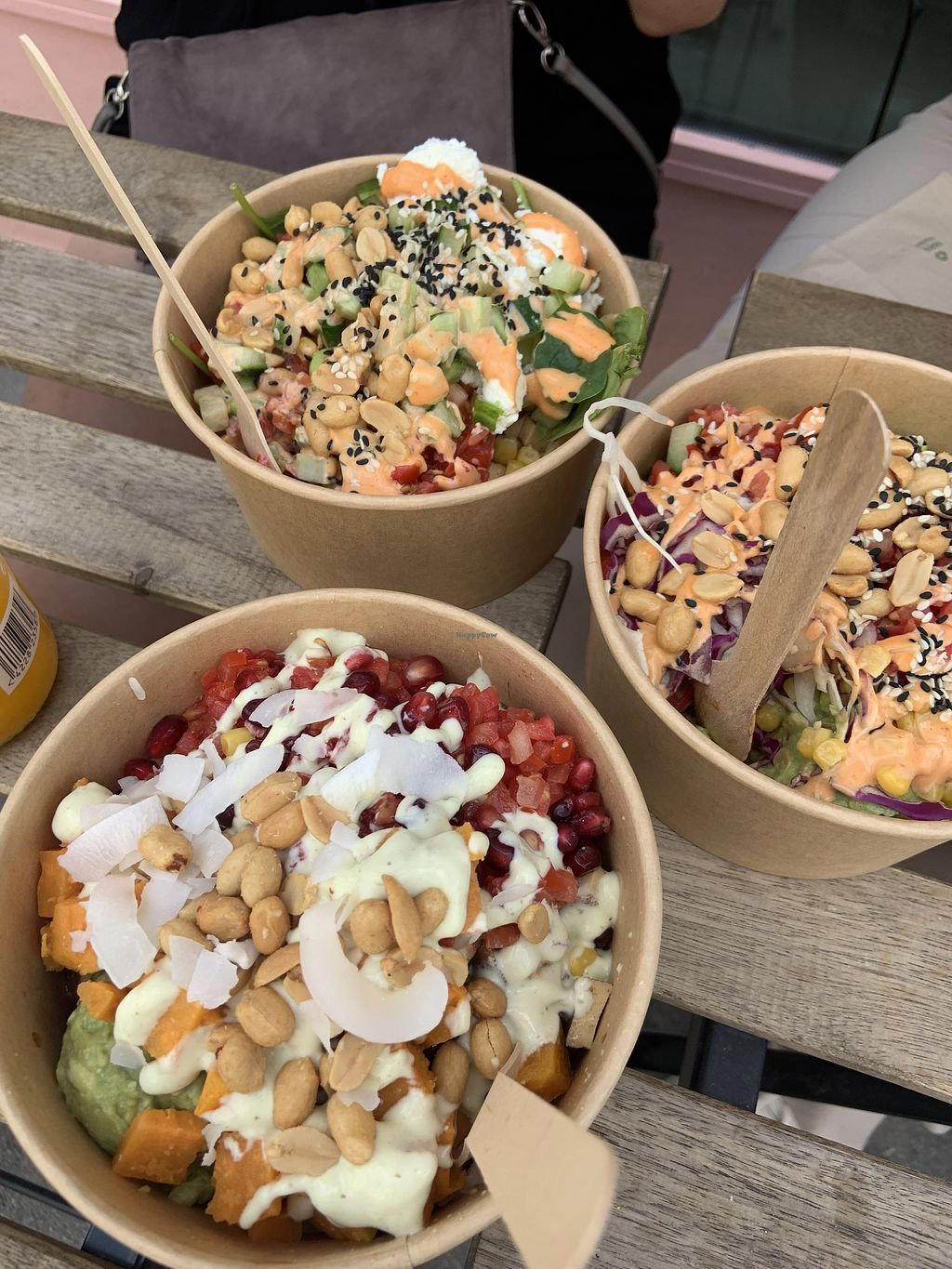
Vienna's Third District and the Rise of the Assembly-Format Restaurant
The third district, Landstraße, has accumulated a quiet density of eating options that sits apart from the tourist-facing Innere Stadt and the fine-dining corridor anchored by venues like Steirereck im Stadtpark and Amador. The area around Invalidenstraße serves a working residential population alongside the diplomatic quarter, which shapes what kind of restaurant can succeed here: fast enough for weekday lunch, considered enough to attract repeat custom from locals who know what they want. Bowl-format concepts have found footing in exactly these kinds of neighbourhoods across European cities, where the geometry of the format, one vessel, assembled components, no cutlery ceremony required, suits both small dining rooms and high turnover equally well.
Apapika Bowls, located at Invalidenstraße 13 in 1030 Wien, sits within that emerging casual tier. The bowl format itself is an architectural idea as much as a culinary one: it collapses the multi-course structure of a traditional meal into a single composed unit, which in turn demands a physical environment that either leans into the speed implied by that format or counteracts it deliberately with space and stillness.
The Physical Logic of Bowl-Format Spaces
The design challenge for any bowl-concept restaurant is significant. The format carries associations, fast-casual, counter service, disposable containers, that run directly against the intention of venues trying to position above the high-street average. European operators who have managed that positioning tend to do one of two things: they build in visible material quality (stone counters, ceramic tableware, acoustic dampening) that signals permanence, or they lean into the utilitarian aesthetic so completely that it becomes a coherent identity rather than an absence of one. The tension between these two directions is where the character of a bowl restaurant's interior is actually decided.
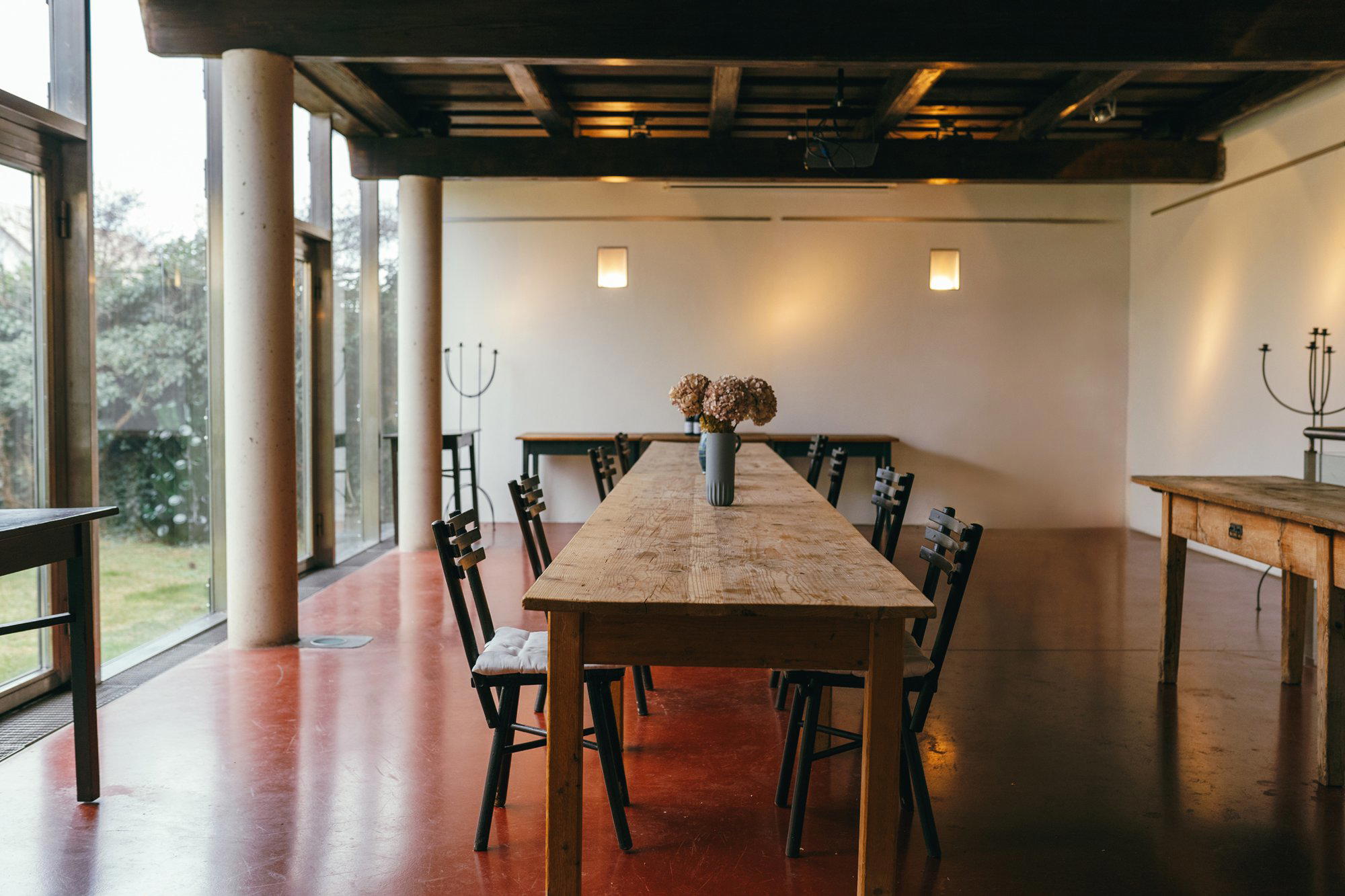
Invalidenstraße is a residential street, which typically constrains a ground-floor venue to a narrow shopfront footprint. In spaces like this, the arrangement of the ordering and seating zones does most of the atmospheric work. Whether the kitchen is visible, whether seating runs along a single wall or clusters around freestanding elements, whether the light source is natural or artificial, each of these choices determines how the space reads at different times of day. The bowl concept concentrates the moment of interest at the point of assembly, which means the assembly counter, however modest, functions as the room's focal point in a way that a conventional pass-through kitchen does not.
Where Apapika Sits in the Vienna Casual Tier
Vienna's restaurant spectrum at the upper end is well-documented: Konstantin Filippou and Mraz & Sohn anchor the creative fine-dining bracket, while Doubek occupies a different register within the city's evolving scene. The casual mid-range is less written about but equally competitive. Bowl-format restaurants occupy a specific sub-tier within it: they tend to price between the fast-food floor and the sit-down bistro ceiling, which in Vienna's current market places them in direct competition with the city's expanding range of international-influenced lunch venues.
What distinguishes the bowl format from a salad bar or a grain bowl chain is the degree of intentionality in the sourcing and composition. The format's credibility in any given city depends almost entirely on whether the ingredients justify the presentation or whether the bowl is simply a container of convenience. Vienna has a strong regional produce network, with Styrian pumpkin oil, Austrian heritage grains, and local dairy forming a pantry that bowl-format operators can draw on in ways that connect the format to Austrian food culture rather than positioning it as purely imported.
For a broader sense of Austria's dining range beyond Vienna, the country's regional restaurant tradition runs deep, from Döllerer in Golling an der Salzach and Obauer in Werfen to alpine specialists like Gourmetrestaurant Tannenhof in Sankt Anton am Arlberg and Stüva in Ischgl. At the other end of the formality range, venues like Ois in Neufelden and Kräuterreich by Vitus Winkler in Sankt Veit im Pongau show how Austrian produce-led cooking operates outside the Michelin framework. The casual urban bowl format draws from the same regional larder but in a compressed, accessible format that has no equivalent in the traditional Gasthausküche.
Beyond Austria, the bowl format has established credibility in markets where ingredient provenance is taken seriously. Comparable shifts toward composed, single-vessel formats have occurred in cities with strong produce cultures, and the format has demonstrated it can sit within premium dining conversations when the sourcing supports it, much as destination restaurants like Lazy Bear in San Francisco have redefined expectations around format and fine dining, or as Le Bernardin in New York City has shown that format discipline and ingredient focus are not mutually exclusive. The comparison is not one of category equivalence, but of the principle: format alone does not determine quality, ingredient commitment does.
Planning a Visit
Apapika Bowls is located at Invalidenstraße 13 in Vienna's third district, accessible from the city centre by tram or a short walk from the Landstraße U-Bahn interchange. The restaurant is open daily from 11 AM to 9 PM and is walk-in friendly.
The third district rewards exploration: the neighbourhood's residential density means a venue either earns its local following or does not survive, which is a more rigorous filter than tourist traffic provides. In that sense, a bowl restaurant that holds a position on Invalidenstraße is demonstrating something about its relevance to the people who live and work around it, which is its own form of credential. Austria's fine-dining ecosystem, from Schwarzer Adler in Hall in Tirol and Landhaus Bacher in Mautern an der Donau to Taubenkobel in Schützen am Gebirge and Restaurant 141 by Joachim Jaud in Mieming, shows that Austrian food culture takes quality seriously across formats and price points. Apapika Bowls operates in a different register, but the expectation that food should be composed with intention is not format-dependent in Vienna.
Pricing, Compared
Comparable venues nearby, for context on price, style, and recognition.
| Venue | Cuisine | Price | Notes |
|---|---|---|---|
| Apapika BowlsThis venue — the venue you are viewing | Landstrasse, Hawaiian Poke Bowls | $$ | Not listed |
| Kenny's | Not listed | $$ | Franz Josefs Bahnhof, Hawaiian Poke Bowls |
| Aloha Bowl | Wahring, Hawaiian Poke Bowls | $ | Not listed |
| Ra'mien | Landstrasse, Asian Noodle Bar | $$ | Not listed |
| Elissar | Staatsoper, Modern Lebanese | $$ | Not listed |
| die Feinkosterei Neuer Markt | Innere Stadt, Austrian Tapas | $$ | Not listed |
Continue exploring
More in Vienna
Restaurants in Vienna
Browse all →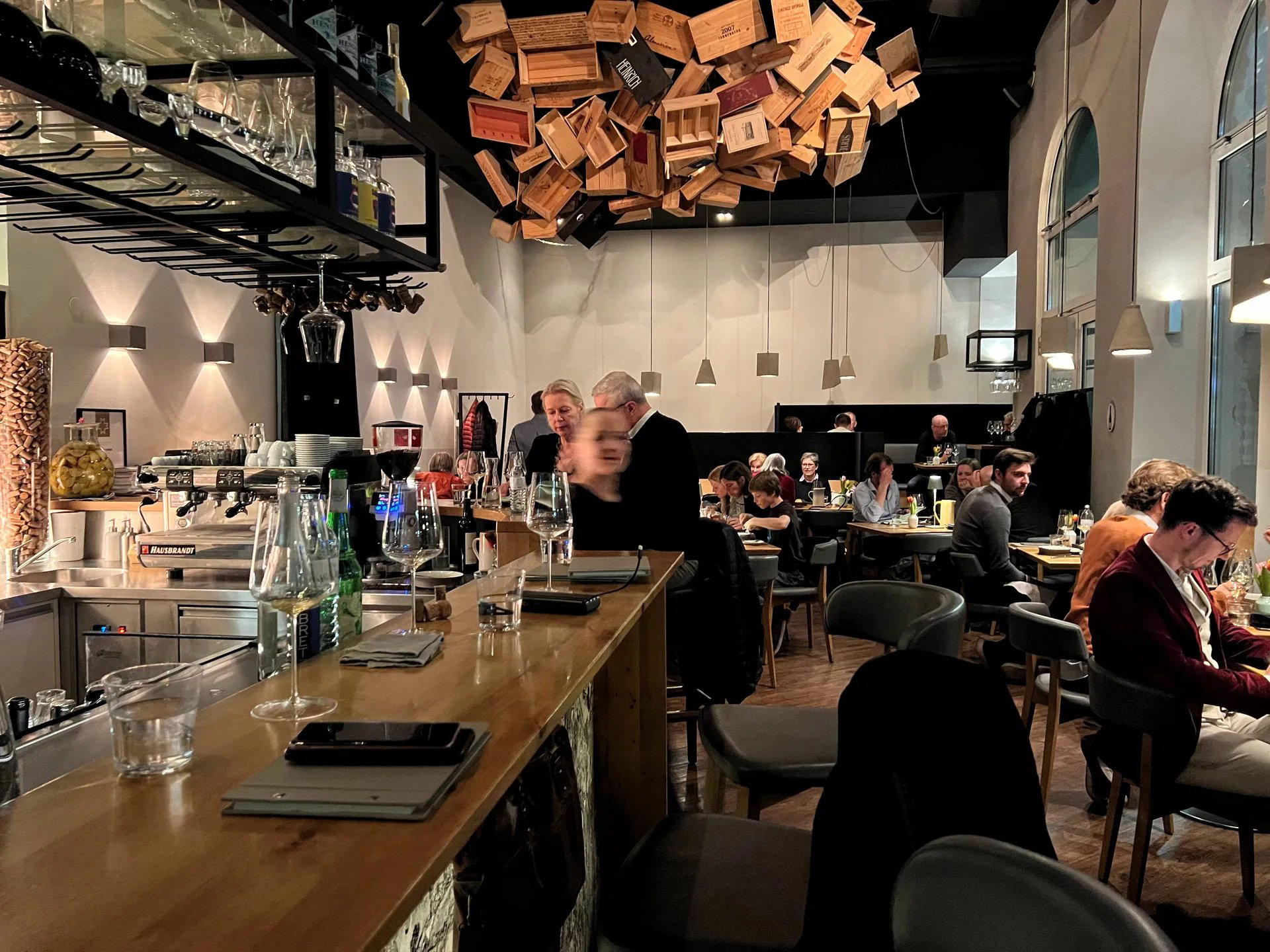
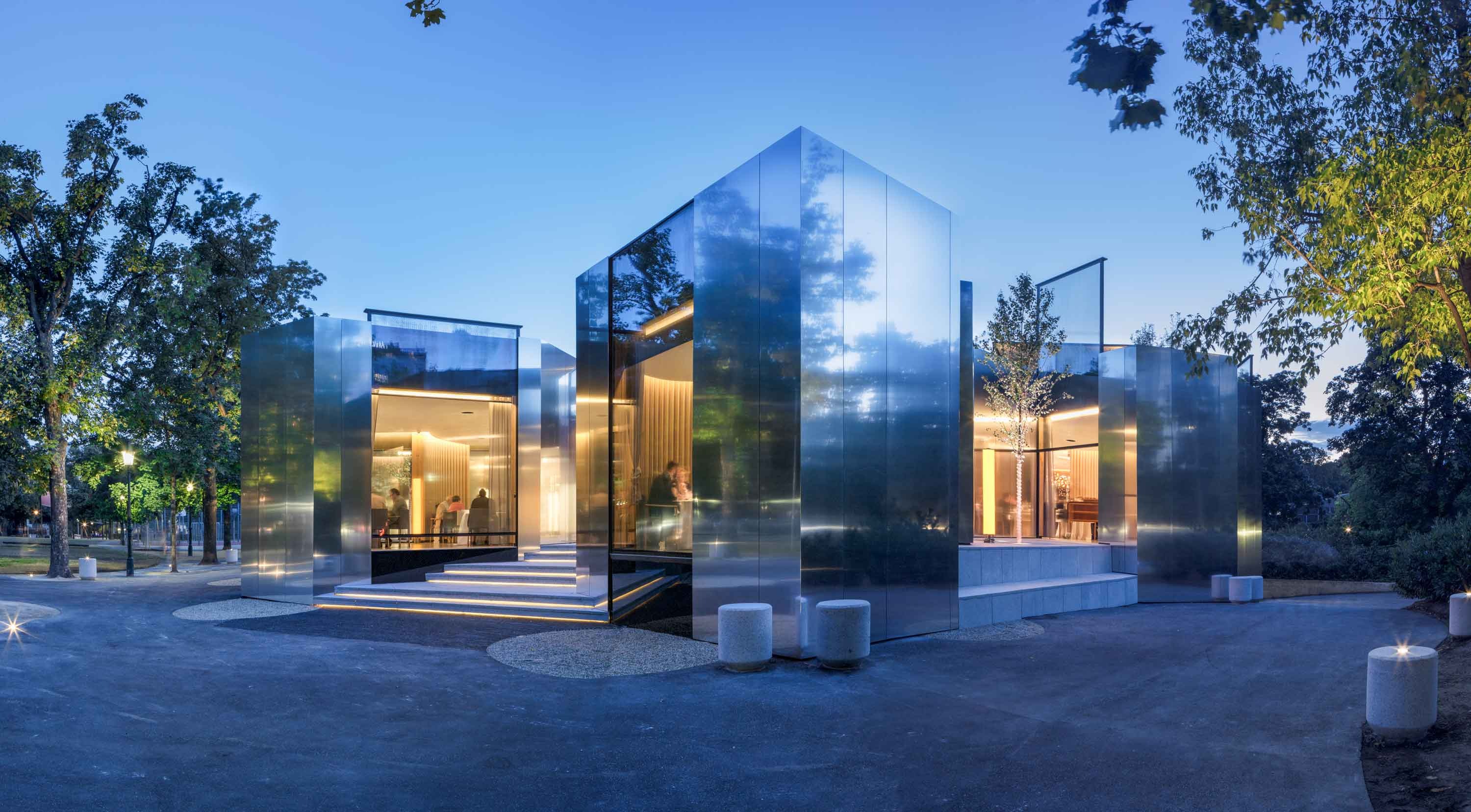
Bars in Vienna
Browse all →
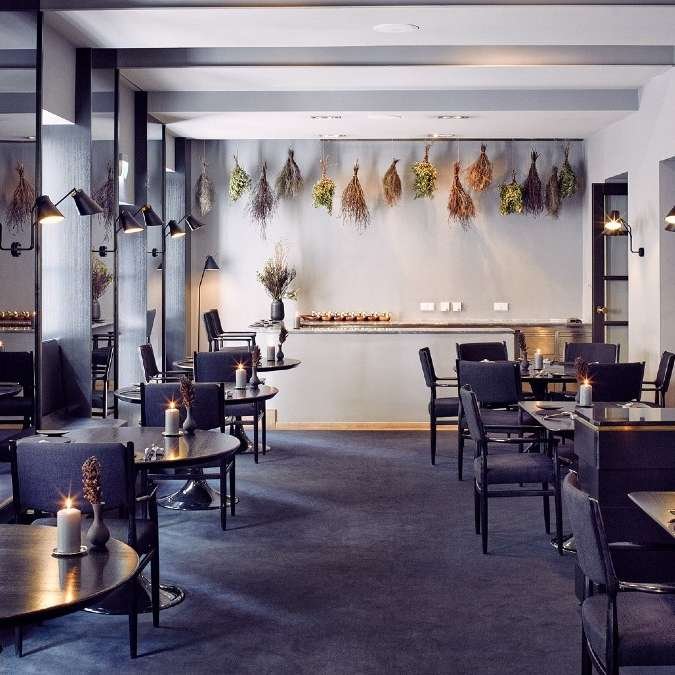
Hotels in Vienna
Browse all →
At a Glance
- Trendy
- Modern
- Casual Hangout
- Standalone
Current opening hours
- Monday
- 11 AM–9 PM
- Tuesday
- 11 AM–9 PM
- Wednesday
- 11 AM–9 PM
- Thursday
- 11 AM–9 PM
- Friday
- 11 AM–9 PM
- Saturday
- 11 AM–9 PM
- Sunday
- 11 AM–9 PM
Hours can change for holidays and private events. Last verified .
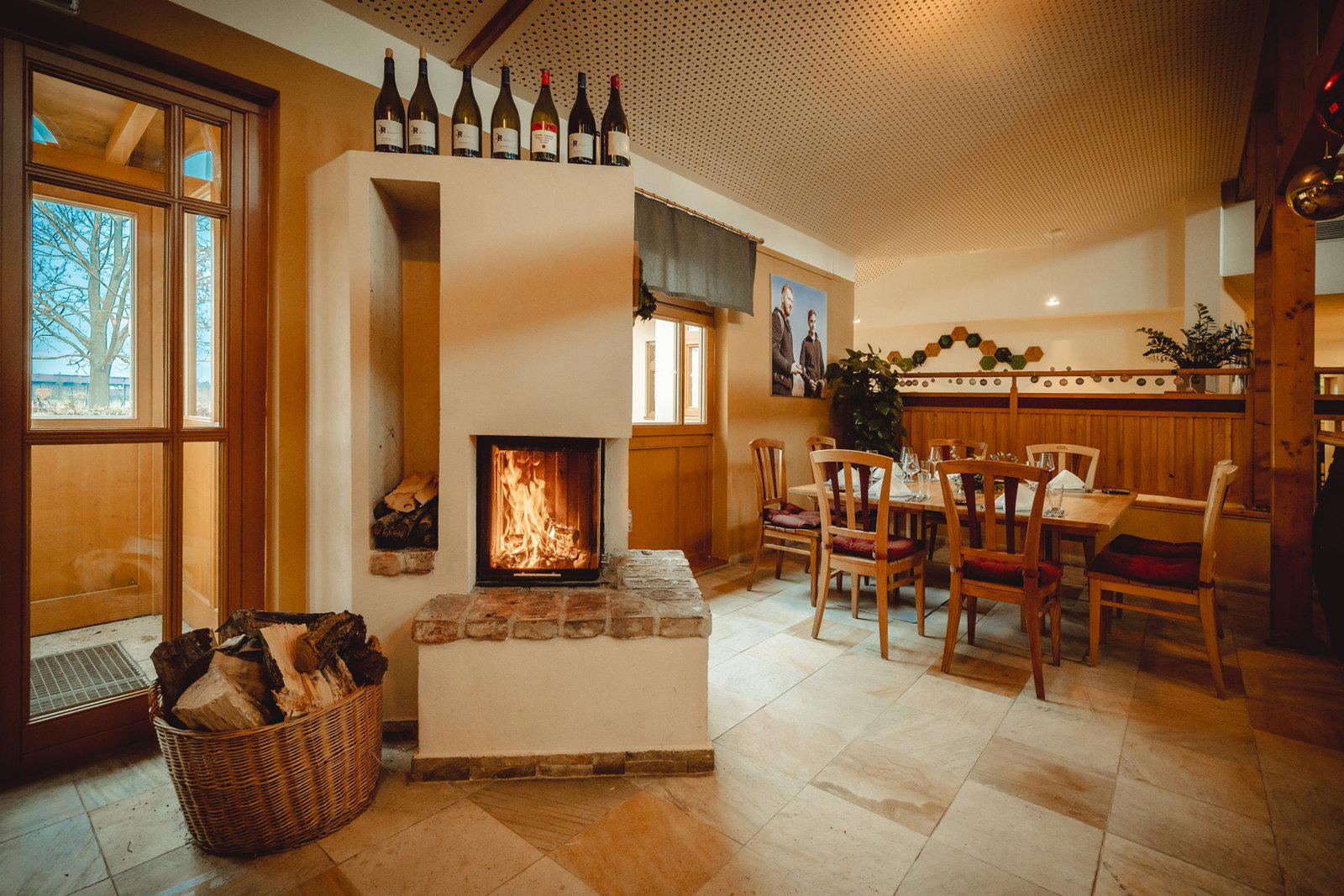
Bright and casual fast-casual atmosphere focused on fresh, colorful bowl presentations.