Skip to Main Content
Hokkaido Fried Chicken (zangi) Specialist
← Collection
Hokkaido (Otaru), Japan

Naruto Main Shop

Price≈$15
Dress CodeCasual
ServiceCasual
NoiseConversational
CapacityMedium

Naruto Main Shop occupies a specific place in Otaru's food culture, where Hokkaido's cold-water sourcing traditions shape what arrives at the table. The shop draws on the port city's proximity to some of Japan's most productive fishing grounds, placing it within a broader conversation about ingredient provenance and regional identity. For visitors tracing Otaru's culinary character, it functions as a reference point alongside spots like <a href="https://www.enprimeurclub.com/restaurants/aotsuka-shokudo-hokkaido-otaru-restaurant">Aotsuka Shokudo</a>.

Pearl is the En Primeur Club membership app — saves, bookings, and concierge access live there. Same editors, same standards.

Naruto Main Shop restaurant in Hokkaido (Otaru), Japan
About

Otaru's Port Logic: Why the Cold Sea Defines What You Eat Here

Arrive in Otaru on a grey morning and the city's culinary grammar becomes immediately legible. The canal district smells of salt and cedar. Fishing vessels move at the edges of the harbour. This is not a port that has been decoratively preserved for tourism; it is a working node in Hokkaido's seafood supply chain, and the restaurants that have earned local longevity here are those that understood that fact and built their menus around it.

Hokkaido accounts for a disproportionate share of Japan's total seafood catch, and the cold waters of the Sea of Japan and the Sea of Okhotsk produce ingredients with specific characteristics: higher fat content in sea urchin, firmer texture in crab, more concentrated sweetness in scallops harvested from slower-growing cold-water environments. When a venue in Otaru has operated long enough to become a reference point in local conversation, it is almost always because its sourcing discipline matches the city's geographic advantage, not because it has applied technique from elsewhere to average ingredients.

Naruto Main Shop sits within that tradition. The name itself signals something about category positioning: a main shop designation in Japanese food culture typically implies a founding address, a lineage of method, and a local following that predates tourist discovery. In Otaru's compact dining scene, those signals carry weight.

What Cold-Water Provenance Actually Means on the Plate

The ingredient sourcing argument for Hokkaido is not abstract. Uni from the waters around Rishiri and Rebun islands is widely cited by Japanese chefs as benchmarking material: the flavour profile is cleaner and the texture firmer than warmer-water equivalents, which is why it commands allocation-style purchasing even from high-end counters in Tokyo. Chefs at places like Harutaka in Tokyo and HAJIME in Osaka treat Hokkaido sourcing as a credential worth naming on the menu.

For a venue in Otaru itself, access to that supply chain is structural rather than aspirational. The crab markets and wholesale fish operations that supply the city's restaurants operate within a geography that Tokyo and Osaka chefs have to negotiate around. Proximity to source doesn't guarantee quality, but it removes several layers of logistical friction that degrade ingredients before they reach the kitchen.

That compression of supply chain matters most for products with short viability windows: live shellfish, day-boat catches, and seasonal items like snow crab during its winter fishing window or hairy crab in autumn. A venue with deep local relationships and a consistent purchasing approach benefits from that geography in ways that are difficult to replicate at distance.

Otaru's Dining Character: Small City, Specific Standards

Otaru is not a large city. Its dining scene operates on a scale that rewards specificity over volume: there are few venues here with the traffic to sustain mediocrity over multiple seasons. The places that persist tend to do so because they serve a function for local residents that no other venue fills at the same price point or with the same consistency of product.

That dynamic produces a different kind of restaurant culture than you find in Sapporo, forty minutes east on the train, where scale and tourism create more competitive pressure across more tiers. In Otaru, the relevant comparison set is narrower. A venue that has maintained a customer base across years in this market has done so against a specific local standard, not a general metropolitan one. For regional context on how Otaru fits into Hokkaido's broader dining picture, our full Hokkaido (Otaru) restaurants guide maps the scene at neighbourhood level.

Within Japan's wider premium dining conversation, venues like Gion Sasaki in Kyoto and Goh in Fukuoka demonstrate how regional ingredient identity can anchor a kitchen's entire proposition. Otaru operates at a different scale, but the underlying logic is the same: the city's food culture is most coherent when it is most literal about geography.

Ordering Logic and What to Prioritise

In a cold-water port city with this sourcing profile, the strongest choices at any credible local venue tend to follow the same hierarchy. Shellfish should come first: scallops, crab (species dependent on season), and sea urchin are the categories where Hokkaido's geographic advantage is most measurable. Fish prepared with minimal intervention, where freshness is the primary argument, rank ahead of anything that requires heavy sauce or long preparation. Processed items or preparations that could exist in any city are the least interesting choices in a place with this much sourcing specificity.

For visitors planning a broader Japan itinerary, Otaru's coastal registers pair interestingly with the more technique-driven work visible at akordu in Nara or the French framework applied to Japanese ingredients at Atomix in New York City. The contrast illuminates how the same raw material quality ceiling gets reached through entirely different methodological routes.

Planning a Visit: Practical Framework

Otaru is accessible from Sapporo in under an hour by rapid train on the JR Hakodate line, making it a realistic day excursion or a two-night base for visitors who want more than a transit stop. The city's peak visitor pressure arrives in summer and during the Otaru Snow Light Path festival in February, when accommodation and popular tables fill quickly. Shoulder periods, particularly early autumn when hairy crab season opens, offer a more direct encounter with the city's food culture without the crowds that summer tourism brings.

For venues without advance booking infrastructure, arrival timing matters more than it would in a city with reservation systems. Lunch services at established local shops in Otaru can see queue formation before opening during peak periods. The practical answer is to prioritise your highest-interest venues for off-peak hours or weekday visits where possible.

Visitors building a Hokkaido itinerary around food will find useful reference points in Aotsuka Shokudo for a different register of local dining. For a wider picture of Japan's regional dining traditions, the work being done at 一本木 石川製 in Nanao, 湖畔荘 in Takashima, and 庄羽屋 in Nishikawa Machi reflects the same ingredient-first logic operating in different prefectures. For contrast with international frameworks built on similar quality sourcing, Le Bernardin in New York City offers a useful point of reference on how cold-water seafood is handled at the other end of the technique spectrum.

Signature Dishes
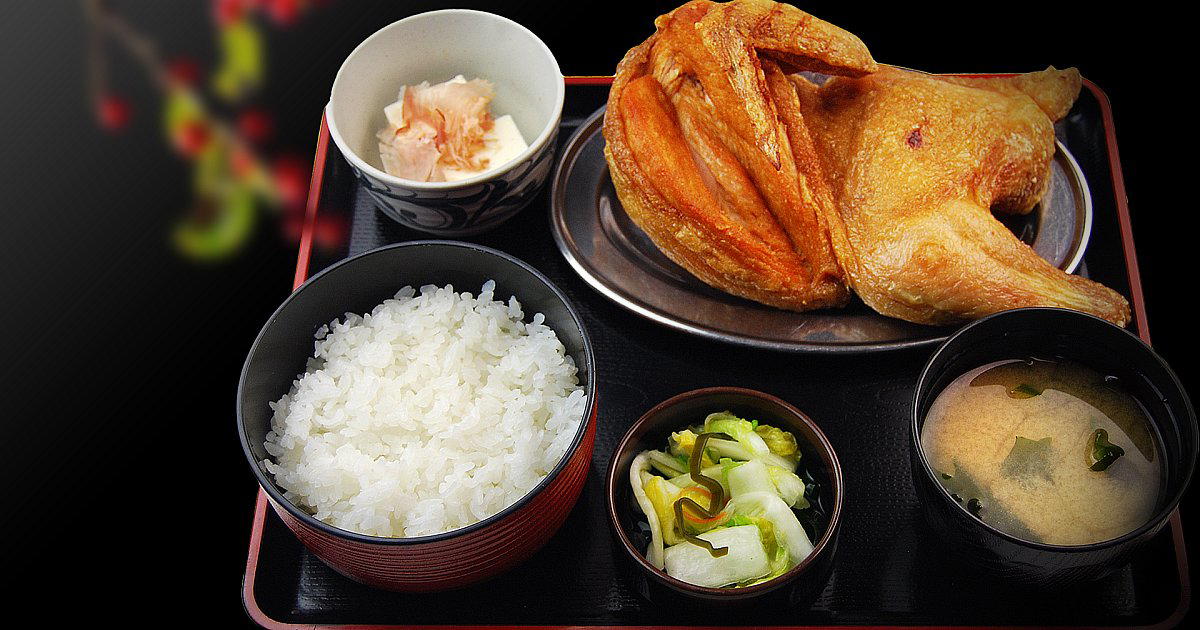
half-fried young chickenzangi setyoung chicken and sushi set
Frequently asked questions

Comparable Spots, Quickly

A fast peer set for context, pulled from similar venues in our database.

Continue exploring

More in Hokkaido (Otaru)

Restaurants in Hokkaido (Otaru)

Browse all →
At a Glance
Vibe
  • Classic
  • Cozy
Best For
  • Casual Hangout
  • Group Dining
Experience
  • Standalone
Drink Program
  • Beer Program
Dress CodeCasual
Noise LevelConversational
CapacityMedium
Service StyleCasual
Meal PacingStandard

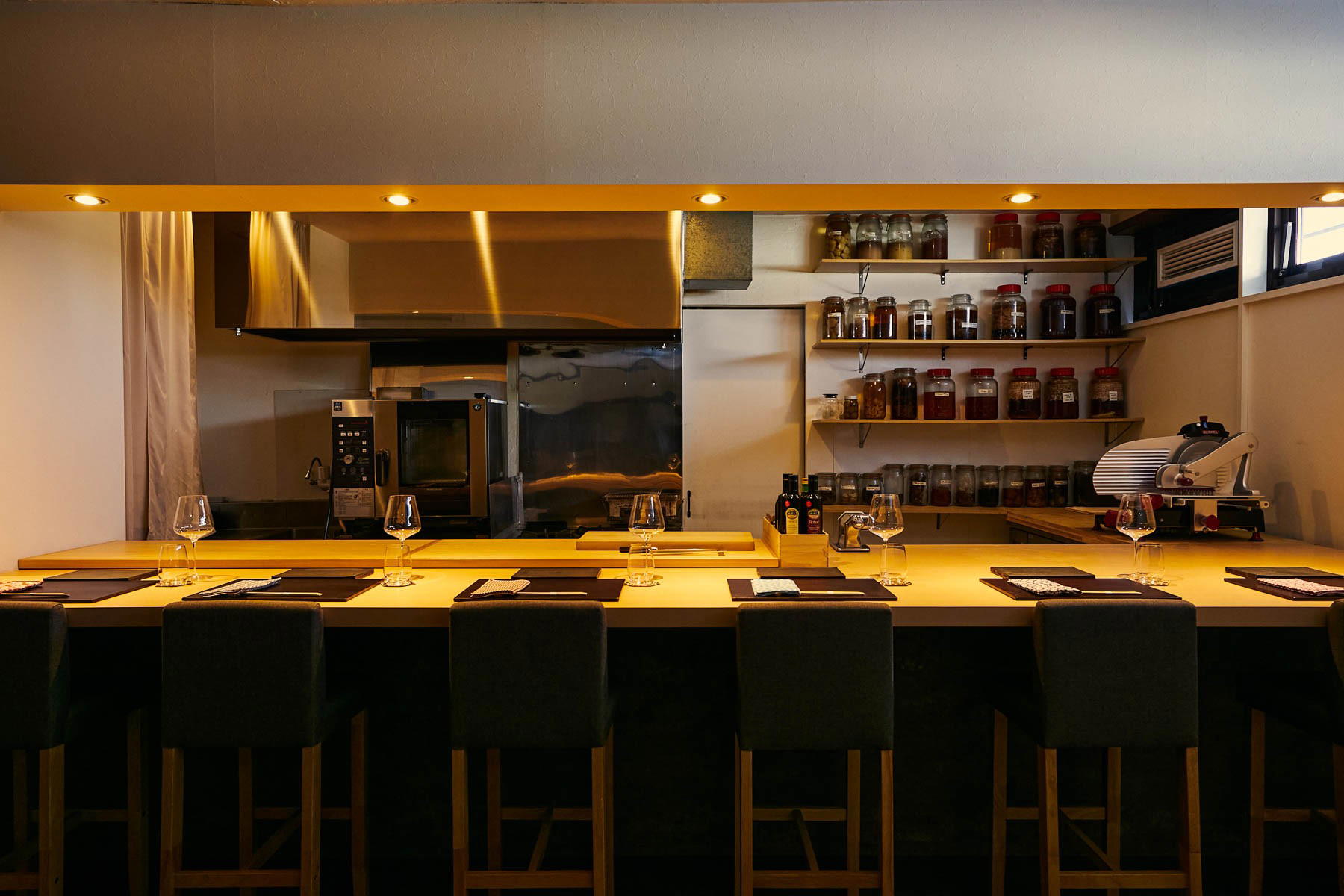
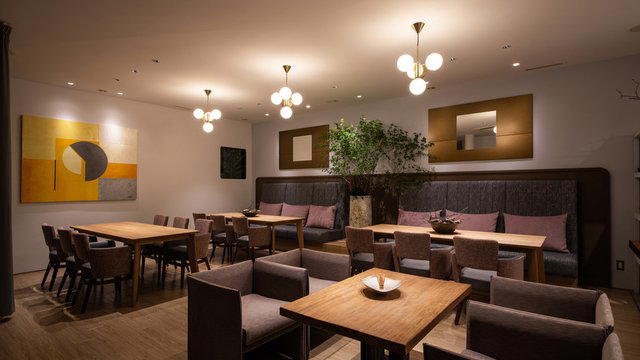
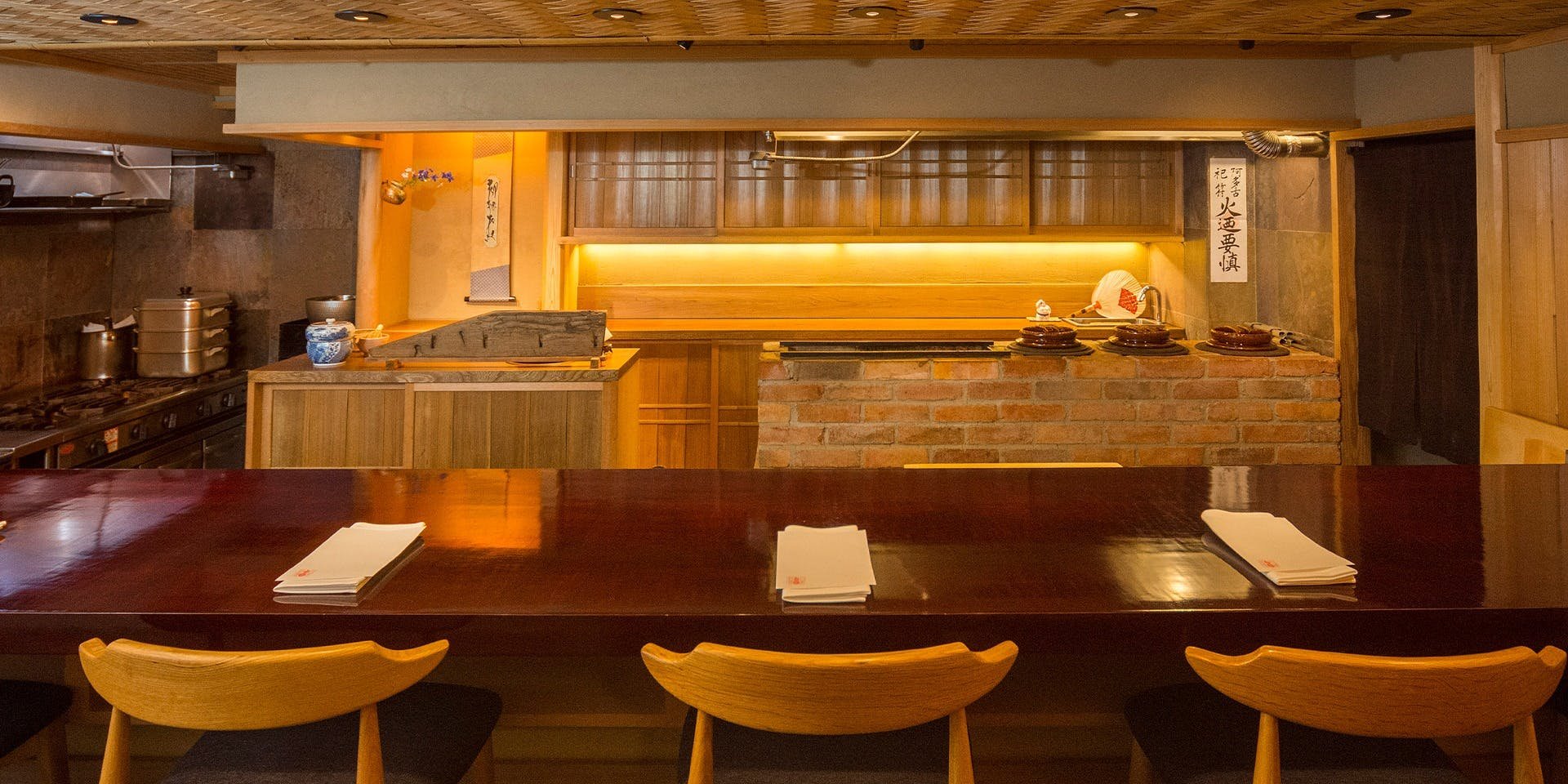
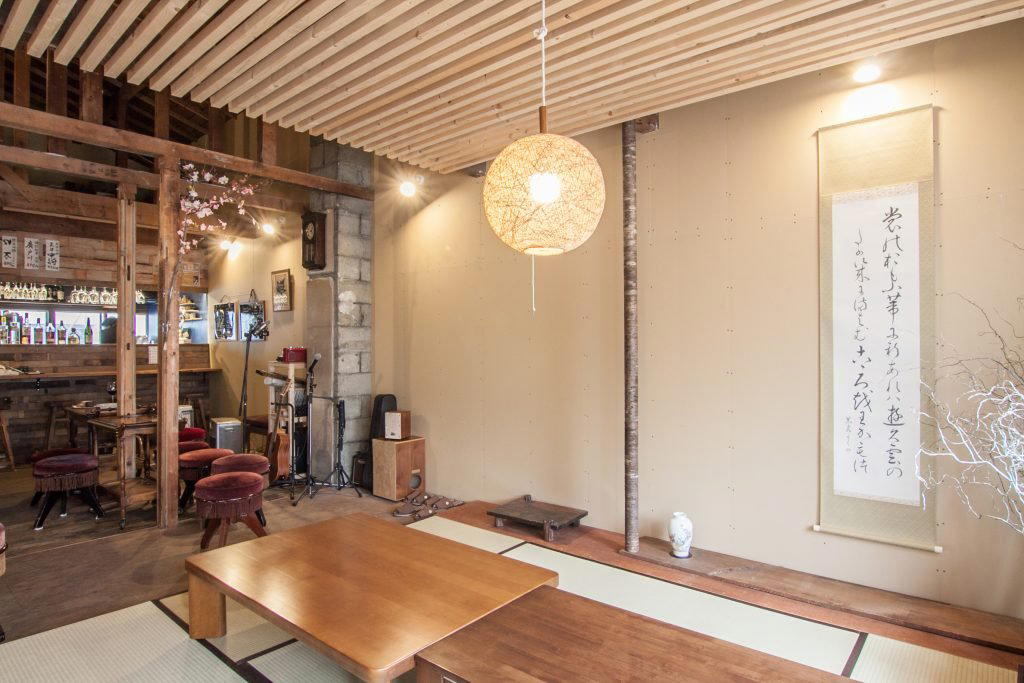
Showa-era nostalgic atmosphere that enhances the casual dining experience.

Signature Dishes
half-fried young chickenzangi setyoung chicken and sushi set