
The menu reads as a reliable survey of Milanese tradition: mondeghili, risotto alla milanese, and the oversized cotoletta that regulars know to share. Price range sits at the €€ mark, making it one of the more accessible addresses for this depth of culinary history in the city.
Pearl is the En Primeur Club membership app — saves, bookings, and concierge access live there. Same editors, same standards.
- Address
- Via Lelio Basso, 9, 20142 Milano MI, Italy
- Phone
- +39 342 564 3955
- Website
- ronchettino.it
- Directions
- Get directions
 Saves & bookings on Pearl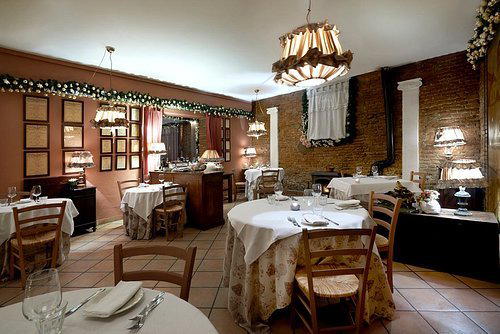
A Southern Outpost That Predates the City Around It
Approaching Via Lelio Basso in Gratosoglio, the geometry shifts abruptly. The residential blocks that define Milan's southern periphery, built rapidly during the 1960s housing expansion, give way to a low-slung structure that carries the proportions and textures of a different era entirely. The neighbourhood grew up around Il Ronchettino, not the other way around, and the building reads that way.
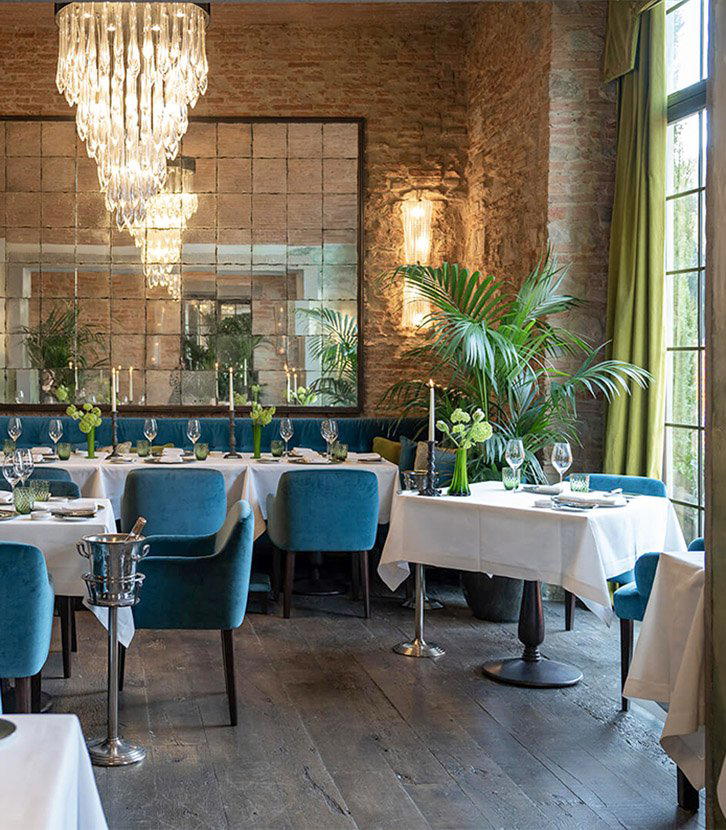
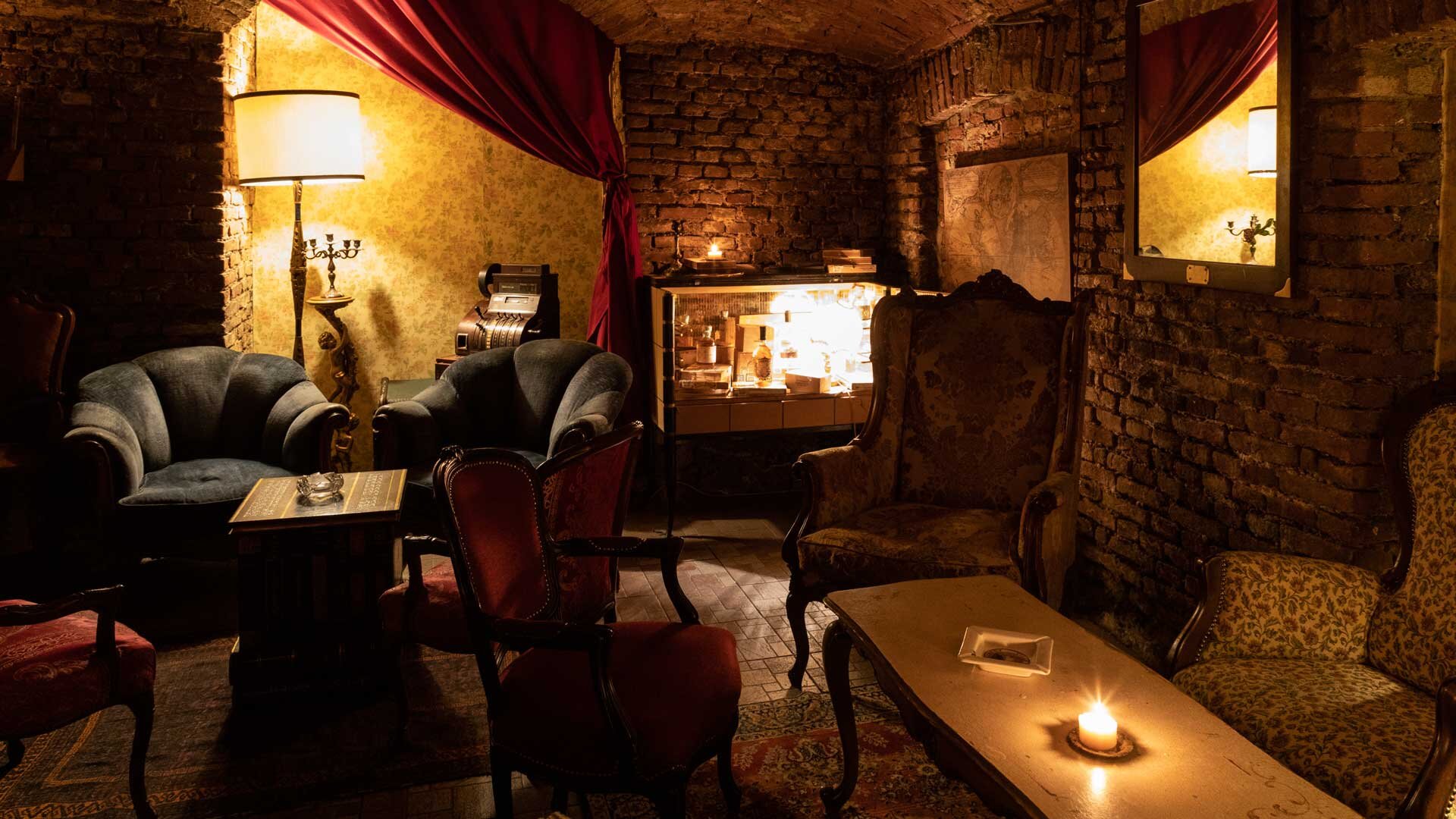
Post stations of the 17th century were functional buildings by necessity: horse traffic, overnight stays, smithing, provisions. This one, which legend connects to Napoleon's overnight stop in 1800, and specifically to a broken horseshoe, a ronchetto, which the name appears to reference, eventually cycled through bakery and butcher uses before settling into its current form as a trattoria. A bowling alley once occupied part of the premises. Today the interior preserves what the record calls rustic elegance: the kind of room that communicates continuity rather than reconstruction.
What the Regulars Already Know
The clearest signal that a traditional trattoria is operating at the level it intends is the composition of its dining room on an ordinary weekday. At Il Ronchettino, the clientele trends toward people who know the menu rather than people who are reading it for the first time. That dynamic shapes the service register and, in turn, the experience of eating there.
Milan's traditional trattoria tier operates on a different logic entirely. Loyalty is local, the menu changes slowly if at all, and reputation moves through direct recommendation rather than through award cycles. Il Ronchettino holds a Michelin Plate (2025), which places it within the Guide's acknowledged orbit without positioning it against the starred creative houses.
The Milanese Menu, Read Closely
Traditional Milanese cooking is more specific than Italian cooking in general, and considerably more specific than the pan-Italian menus that dominate mid-market restaurants in the city centre. At Il Ronchettino, the menu functions as documentation: what the city ate before it began reinterpreting itself. Mondeghili, Milanese fried meatballs made from repurposed boiled meat, a preparation with explicit working-class roots, appear here as a starter course, which is their appropriate place in the traditional sequence. The dish rarely survives translation to modern menus because it requires commitment to frugal origins rather than premium ingredients.
Risotto alla milanese, saffron-coloured and built on bone marrow and beef stock, is available with or without ossobuco. The combination of braised veal shank with the risotto is the canonical pairing in Milanese domestic cooking, the kind of dish that appears at the same table at the same time of year for generations.
Milan's cotoletta debates are old and occasionally heated: bone-in versus boneless, fried in butter versus oil, thickness of the cut. The shared format positions Il Ronchettino's version as a centrepiece. Fried brains also appear, a preparation that has almost entirely disappeared from restaurant menus in most European cities and survives here as evidence that the kitchen is not editing its offer for squeamish preferences.
For context on where this kind of traditional Milanese address sits within a wider Italian restaurant conversation, the country also contains different models: the inventive regional cooking of Osteria Francescana in Modena, the long-established formality of Enoteca Pinchiorri in Florence, or the ingredient-focused precision of Piazza Duomo in Alba. Il Ronchettino answers none of those briefs. It is doing something older and more specific.
Il Ronchettino in the City's Trattoria Picture
Milan's traditional trattoria tier is not large, and the number of genuinely historic examples has declined as central real estate pressure has reoriented dining rooms toward higher-margin formats. Within the city, Latteria and Boeucc occupy different positions in the traditional spectrum, while Bice and Il Cairoli represent other angles on the city's restaurant identity. Further south in the province, Osteria del Ponte in Trezzano sul Naviglio operates in a comparable spatial logic, traditional cooking at a site removed from the city's tourist circuits.
What gives Il Ronchettino its particular position is the combination of verifiable age, physical continuity, and a menu that has not been curated for external audiences. Those three conditions rarely coincide. Post-station buildings from the 17th century are not common in any city. Fewer still have remained in continuous food-service use. The ones that have managed it tend to have done so by staying useful to people who live nearby, which requires a price point and a menu that treats the neighbourhood as the primary audience. At €€€ and around $60 per person, Il Ronchettino remains accessible to that audience.
Planning a Visit
Gratosoglio is in Milan's Zone 5, south of the navigli district and roughly 8 kilometres from the Duomo. The address at Via Lelio Basso, 9 is most practical by car or by public transport toward the southern periphery. Advance booking is recommended.
The €€ price range positions this well below the starred creative addresses and at a level consistent with neighbourhood trattoria eating across northern Italy. The Michelin Plate recognition (2025) confirms a standard of execution worth the journey without placing it in the same booking-pressure category as the city's starred houses.
For Italian regional cooking at a different scale, Dal Pescatore in Runate and Le Calandre in Rubano offer points of comparison, as does the alpine-rooted approach at Atelier Moessmer Norbert Niederkofler in Brunico. And for a point of reference from a different culinary tradition that nonetheless shares the same seriousness of institutional purpose, Le Bernardin in New York City illustrates how long-standing commitments to a single cooking discipline read across decades.
What People Recommend at Antica Osteria il Ronchettino
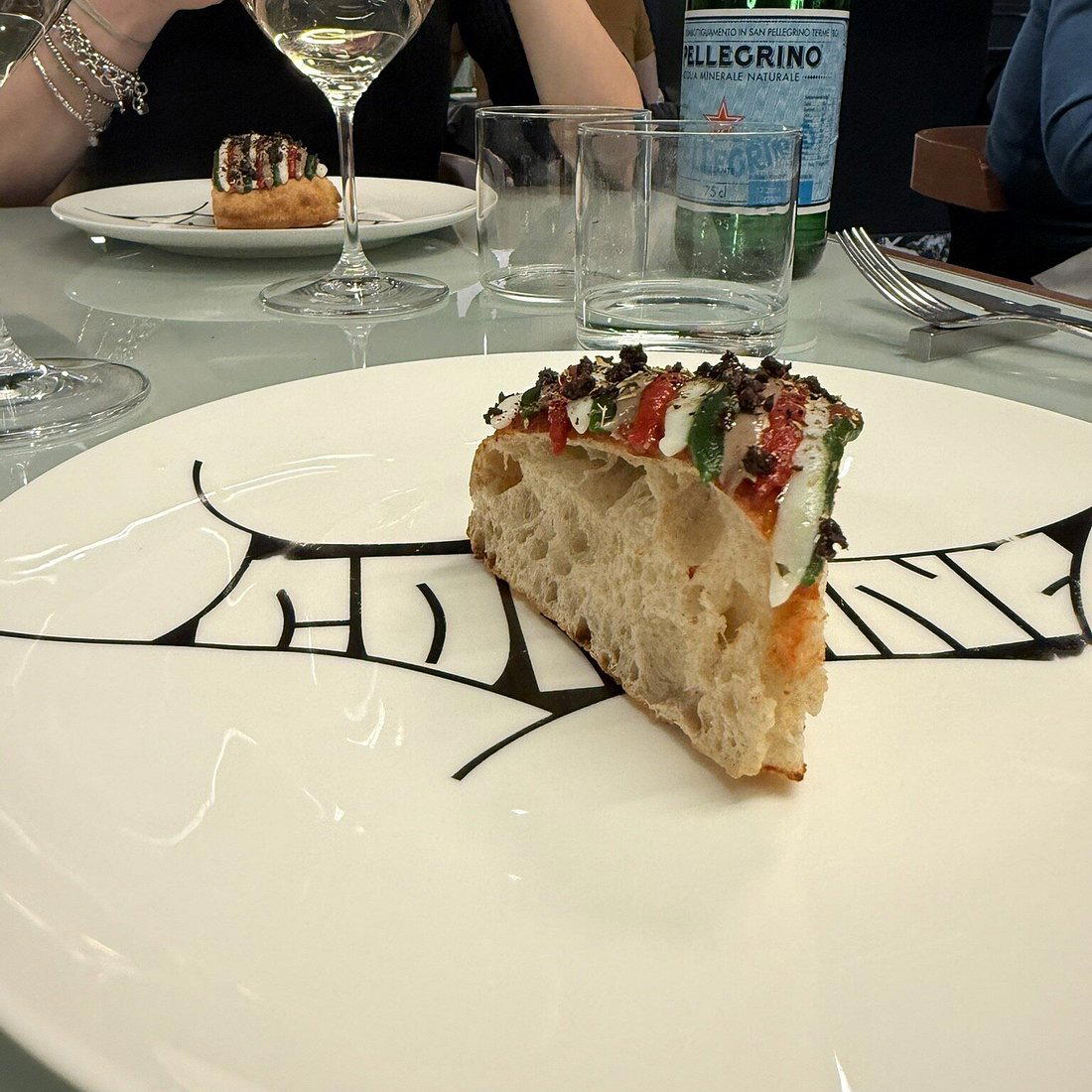
Based on the menu record and the restaurant's documented culinary identity, the dishes most associated with the kitchen are the mondeghili (traditional Milanese fried meatballs), risotto alla milanese paired with ossobuco, and the oversized cotoletta, described as taking an "imperial" format and sized for sharing between two diners. Fried brains also appear as a signature preparation, one of the few remaining examples in Milan's restaurant scene of this once-standard Lombard dish.
Where the Accolades Land
Comparable venues nearby, for context on price, style, and recognition.
| Venue | Cuisine | Price | Awards | Notes |
|---|---|---|---|---|
| Antica Osteria il RonchettinoThis venue — the venue you are viewing | Traditional Milanese Osteria | $$$ | Michelin Plate | Not listed |
| La Società Milano | Modern Italian Fine Dining | $$$ | Michelin Plate | Buenos Aires - Porta Venezia - Porta Monforte |
| Il Marchese - Osteria Mercato Liquori | Roman Trattoria with Art Deco Elegance | $$$ | Michelin Plate | Brera |
| Mater Bistrot | Modern Italian Bistro | $$$ | Michelin Plate | Xxii Marzo |
| Manna | Modern Italian Fine Dining | $$$ | Michelin Plate | Padova - Turro - Crescenzago |
| Remulass | Modern Italian Vegetable-Forward Bistro | $$$ | Michelin Plate | Buenos Aires - Porta Venezia - Porta Monforte |
Recognition history
Dated appearances from independent guides and award organizations, with the underlying list record or original source where available.
Michelin Plate
Michelin
Michelin Plate
Michelin
Michelin Plate
Michelin
At a Glance
- Romantic
- Cozy
- Rustic
- Elegant
- Classic
- Intimate
- Date Night
- Special Occasion
- Historic Building
- Garden
- Extensive Wine List
- Garden
Current opening hours
- Monday
- Closed
- Tuesday
- 7:30 PM–12 AM
- Wednesday
- 7:30 PM–12 AM
- Thursday
- 7:30 PM–12 AM
- Friday
- 7:30 PM–12 AM
- Saturday
- 12:30–4:30 PM, 7:30 PM–12 AM
- Sunday
- 12:30–4:30 PM, 7:30 PM–12 AM
Hours can change for holidays and private events. Last verified .
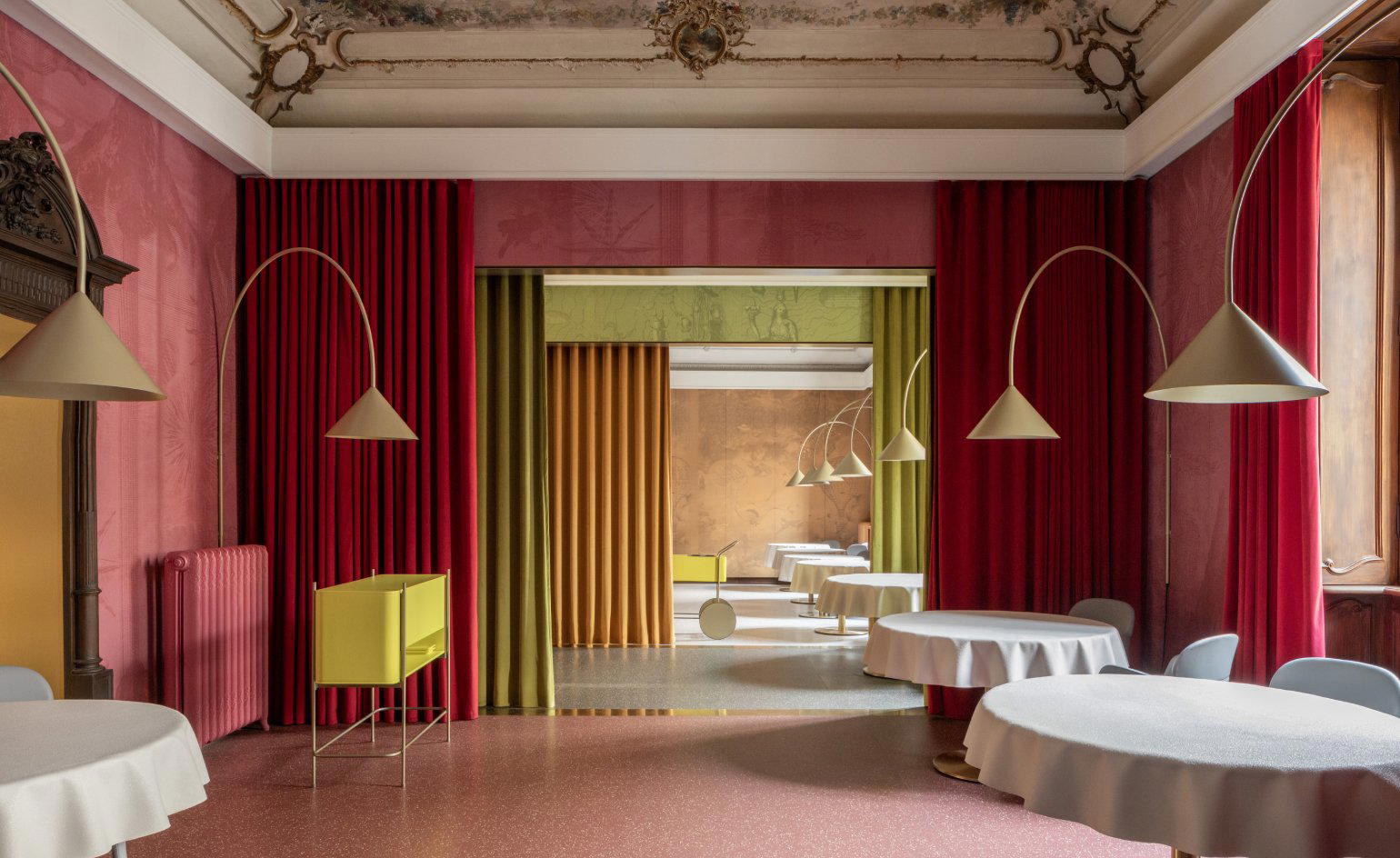
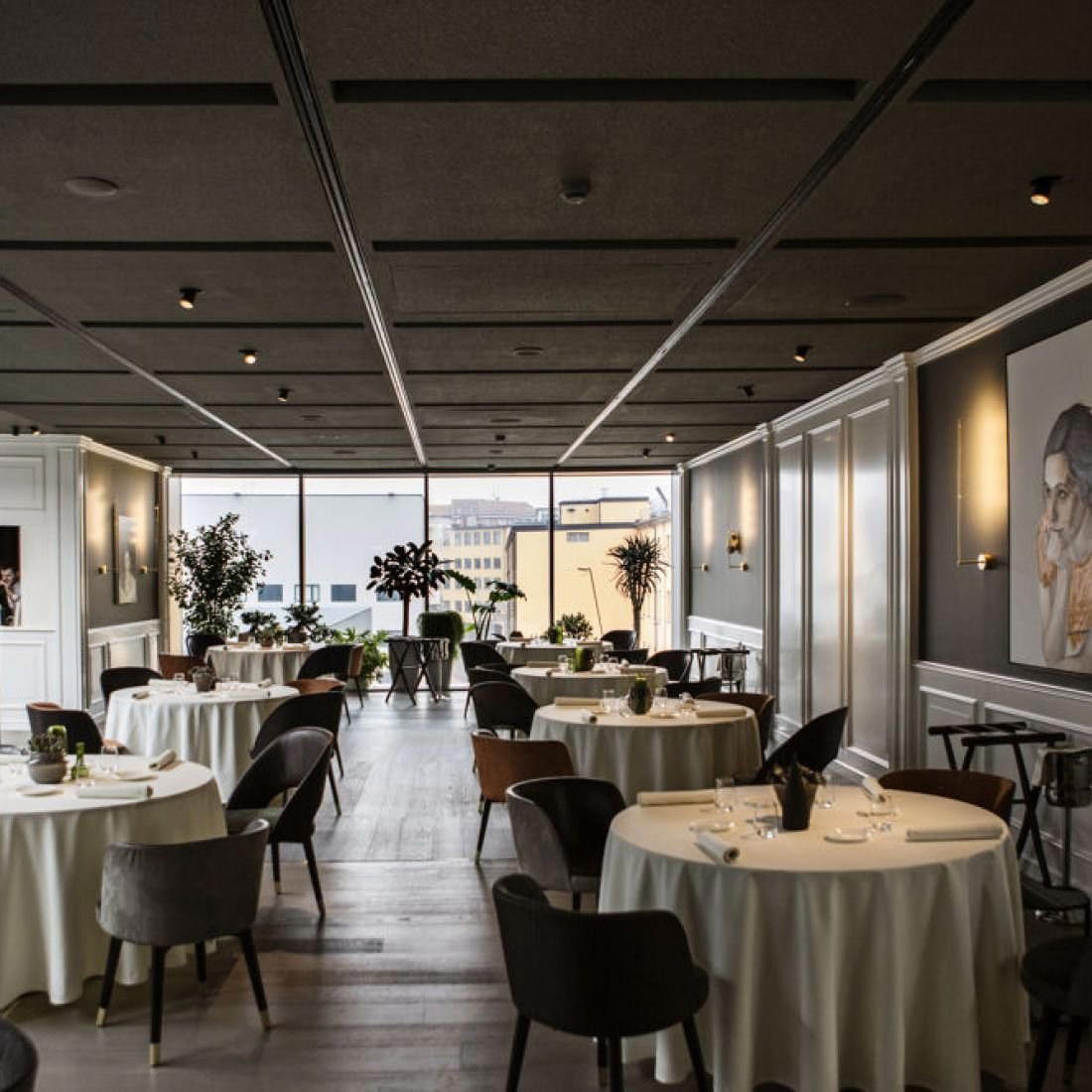
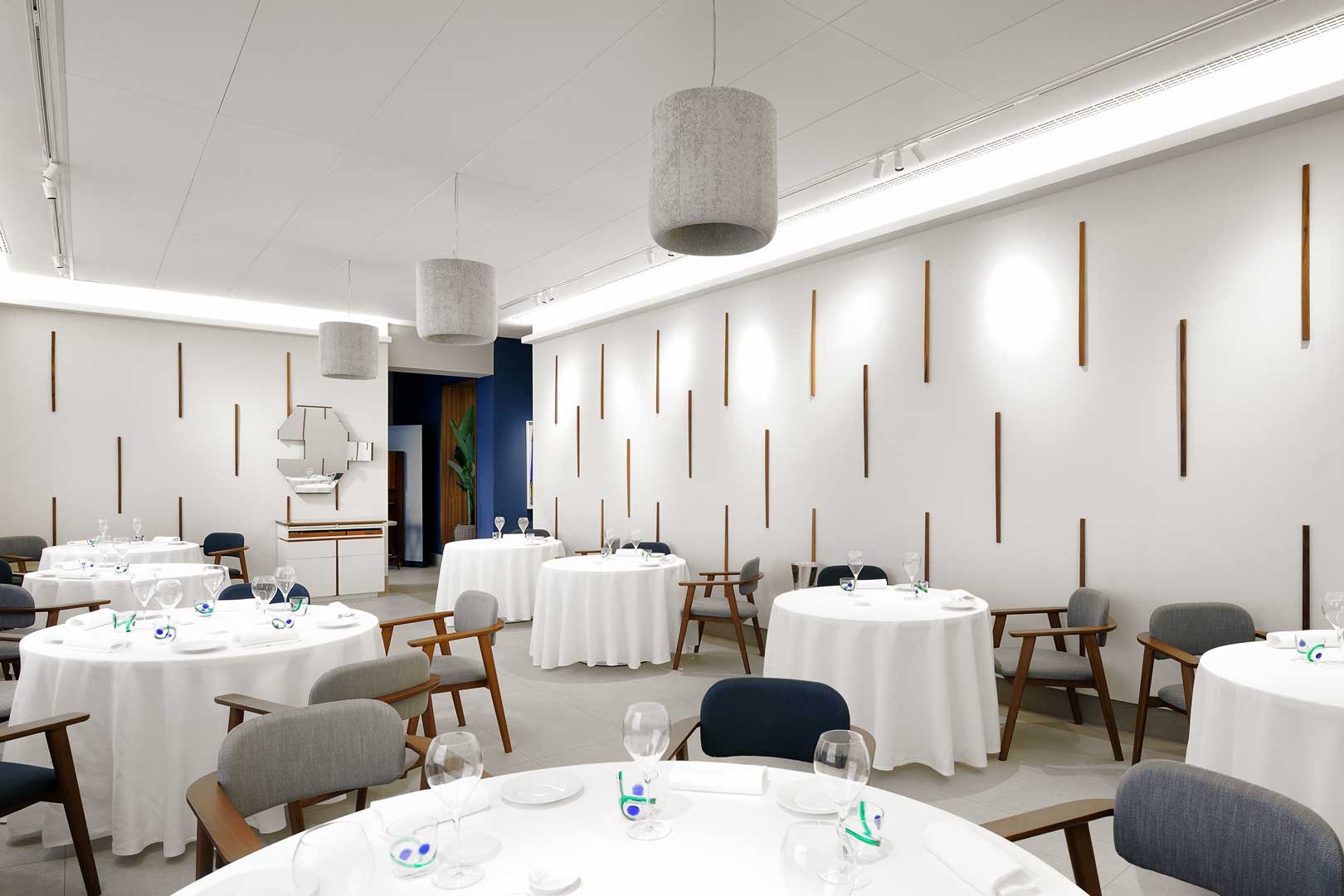
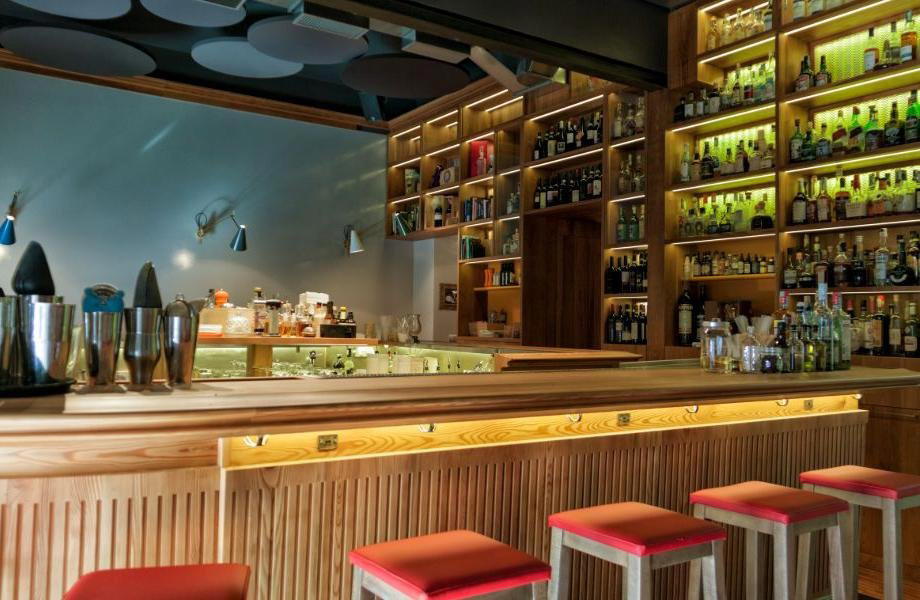
Cozy and romantic with rustic red-brick decor, warm lighting, old Milan photos on walls, and soothing old-farmhouse atmosphere.