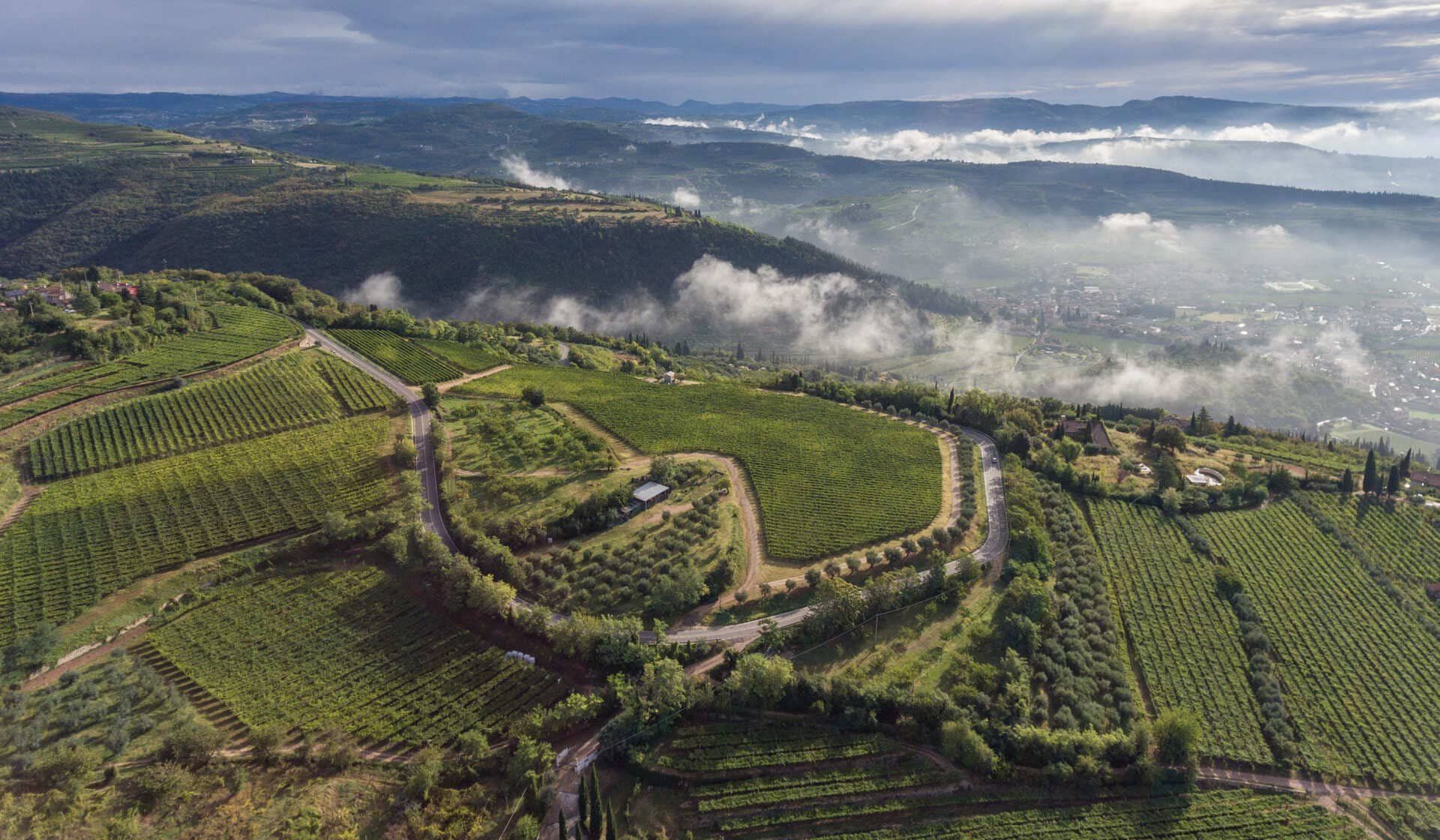
Antica Osteria della Valpolicella sits in the hills above Verona at San Rocco, where the Valpolicella growing zone shapes both what arrives on the plate and what fills the glass. The kitchen draws from one of Italy's most distinctive agricultural corridors, pairing territory-driven cooking with the wines produced on its doorstep. For visitors moving between Verona's fine dining scene and the region's vineyards, this is a practical and substantive stop.
Pearl is the En Primeur Club membership app — saves, bookings, and concierge access live there. Same editors, same standards.
- Address
- Via Monti Lessini, 33, 37020 San Rocco VR, Italy
- Phone
- +39457755010
- Website
- anticaosteriavalpolicella.it
- Directions
- Get directions
 Saves & bookings on Pearl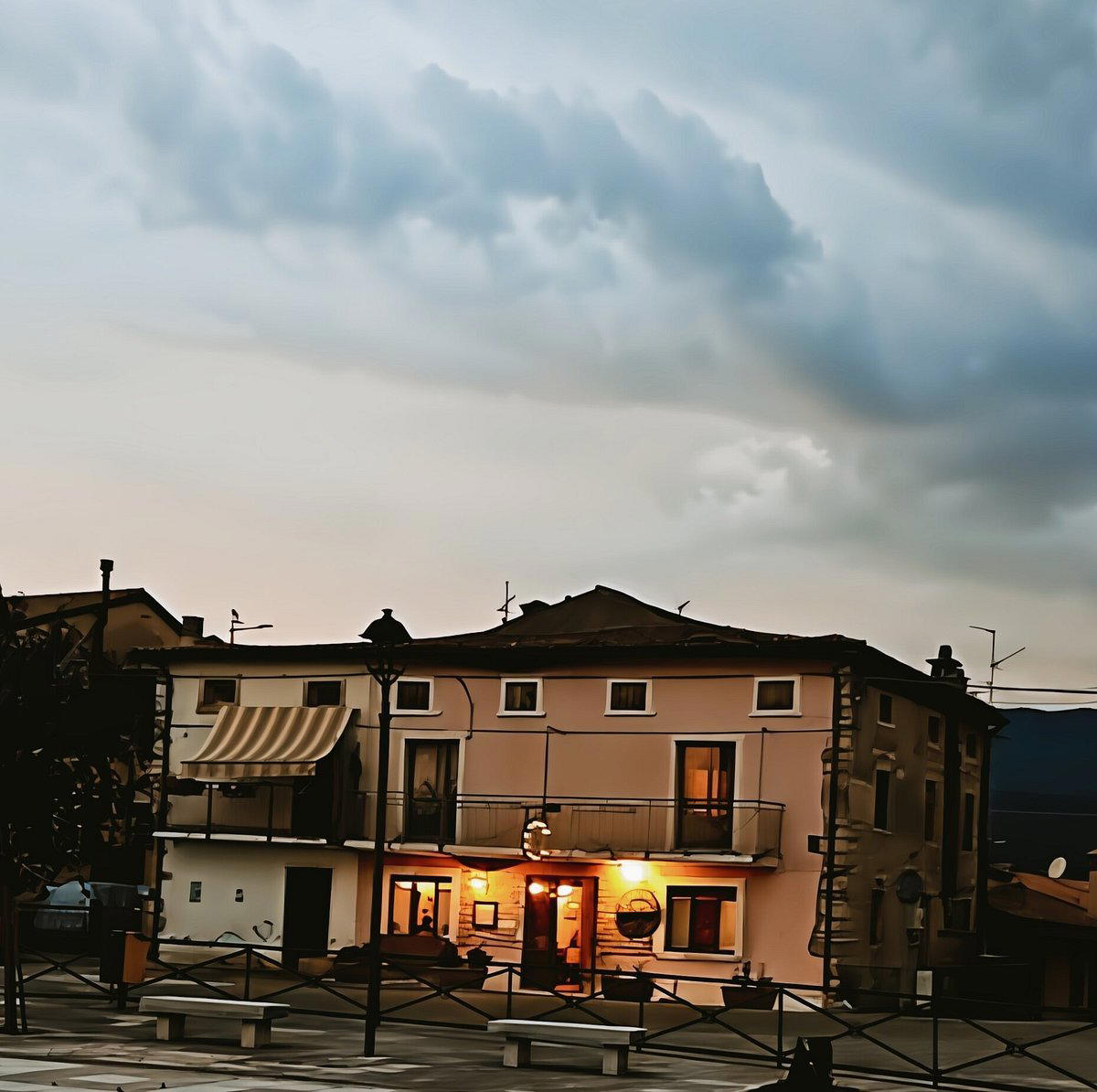
Hill Country Cooking in the Valpolicella Zone
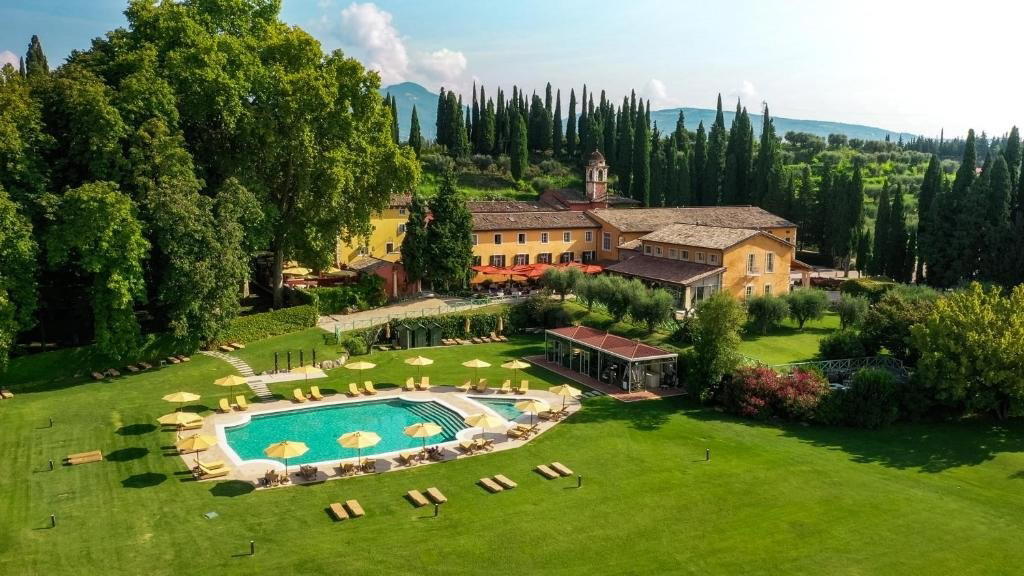
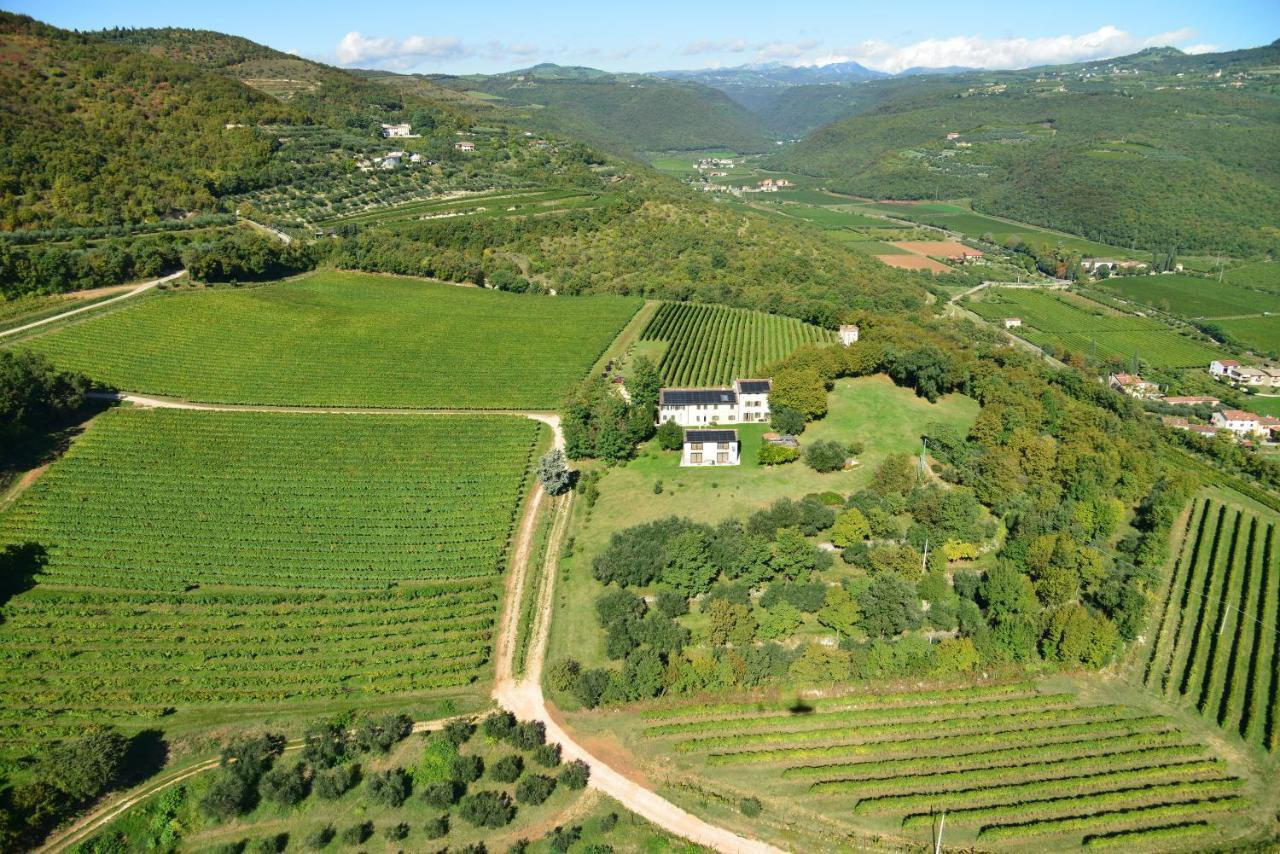
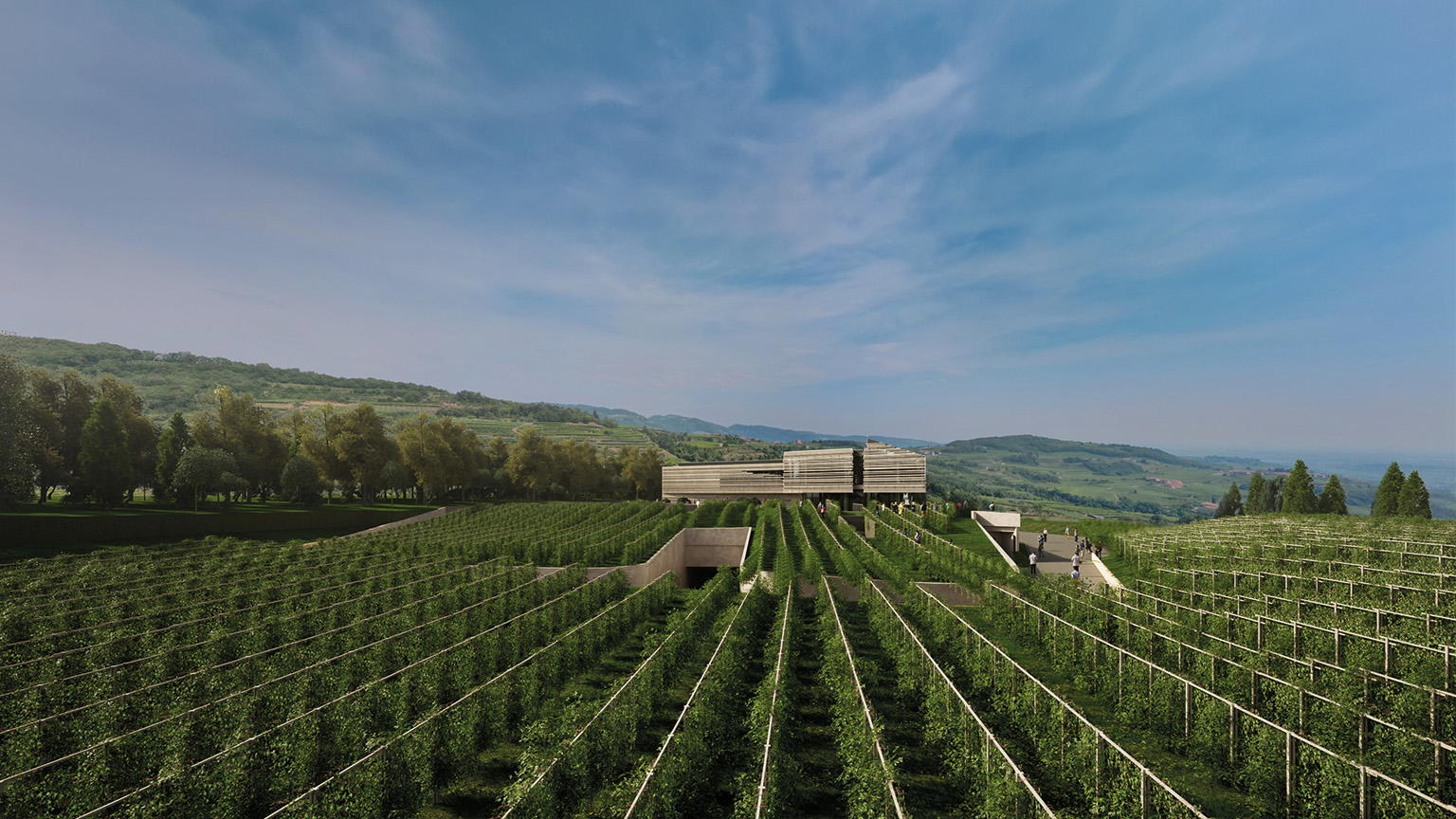
The road up to San Rocco from Verona climbs through a landscape that produces some of Italy's most discussed red wines: Amarone, Ripasso, Valpolicella Classico. Antica Osteria della Valpolicella is a restaurant in San Rocco, Italy, with a price tier of about $45 per person. By the time you arrive at Via Monti Lessini, the agricultural logic of the area is already legible through the window. Corvina and Corvinone vines terrace the hillsides; olive groves fill the gaps between. Antica Osteria della Valpolicella occupies this context deliberately, operating in a zone where the provenance of ingredients is not a selling point but a structural fact of daily supply.
This is the kind of osteria that exists in a narrower Italian tradition than the trattorias of city centres. An osteria in the Veneto hill towns has historically served as both eating place and wine house, with the cellar often preceding the kitchen in importance. The format has evolved, but the geographic grounding has not: the leading of these establishments treat the surrounding agricultural zone as a pantry, sourcing according to what the territory produces rather than what a broader wholesale market makes available year-round.
What the Territory Puts on the Table
Valpolicella's culinary identity is inseparable from its wine production, and not only because Amarone appears on every list. The drying process central to Amarone and Recioto production, the appassimento, generates a secondary ingredient economy: dried grape skins, must reductions, and pomace-influenced preparations that local kitchens have absorbed into their cooking over generations. The result is a cuisine with a specific textural and aromatic vocabulary, savoury depth, a lean toward bitter and dried fruit notes, preparations that mirror the patience built into the wine.
Meat, particularly horse and cured pork products from the Lessini foothills, is a consistent presence in this cooking tradition. Polenta, sourced from local mills, remains the preferred starch accompaniment. Seasonal vegetables from the refined terrain above the lake plain differ meaningfully from what grows in the flatlands further south: the altitude produces firmer legumes, more concentrated flavours in root vegetables, and a herb profile that shifts noticeably through the year. Restaurants in this zone that source seriously make those differences apparent on the plate.
At those addresses, sourcing is formalised, documented, and often central to the menu narrative. At an osteria like this one, the same commitment operates without the performance apparatus, embedded instead in daily purchasing habits shaped by proximity to producers.
The Wine Logic of Eating Here
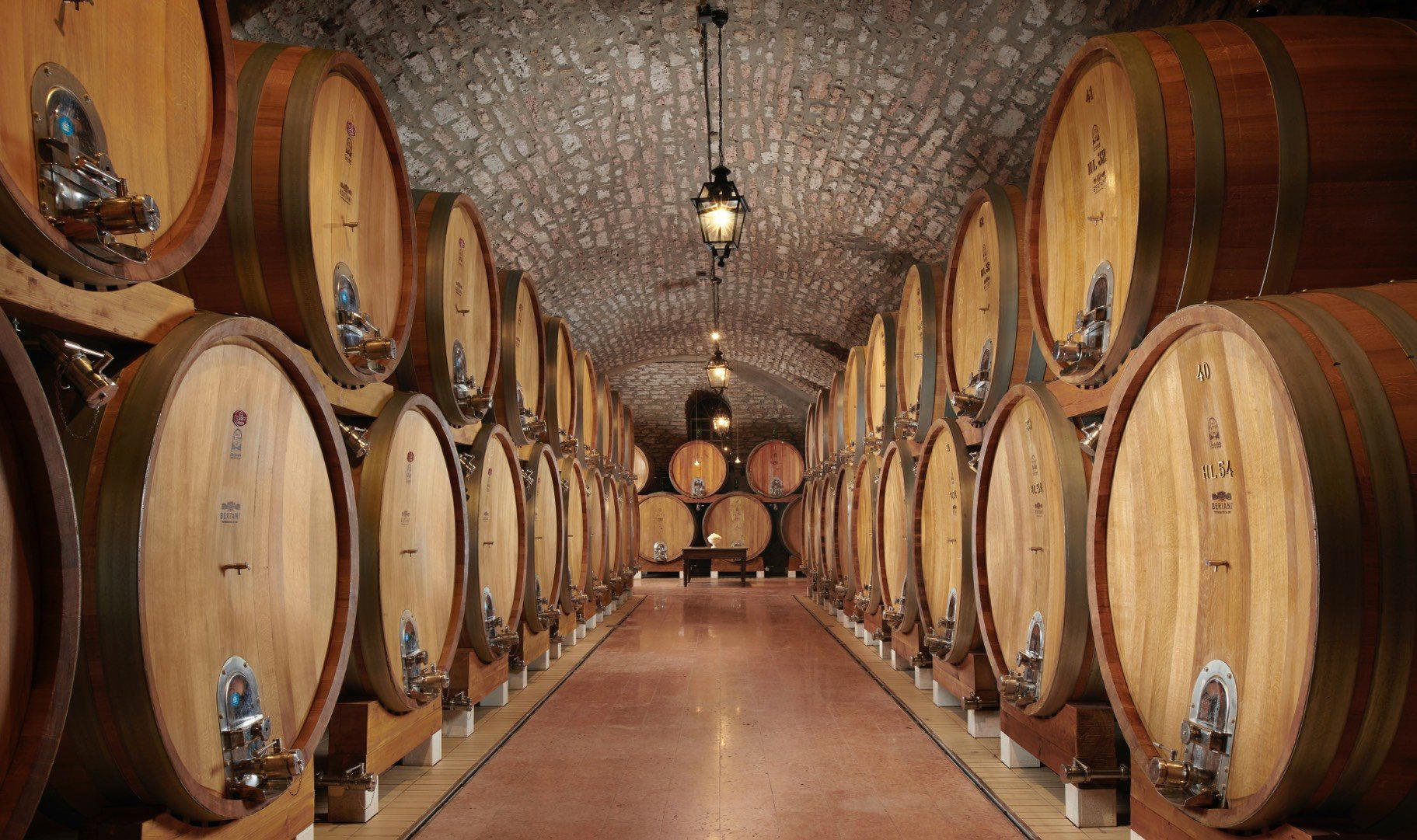
Few restaurant settings in Italy offer this particular alignment between food and wine: you are, quite literally, eating inside the appellation. The Valpolicella Classico zone, defined by the five valleys running north of Verona, produces wine whose character is inseparable from the basalt and limestone soils of the Lessini hills. A list drawn from this zone at an osteria of this type will include producers that do not export widely and may not appear on cellar lists in Verona's city restaurants, let alone those of Enoteca Pinchiorri in Florence or La Pergola in Rome.
The practical argument for drinking Ripasso or Valpolicella Classico here rather than Amarone is partly financial and partly gastronomic. Amarone's weight and alcohol, formed from those long-dried grapes, often overwhelms the lighter preparations a lunch-focused osteria kitchen favours. Ripasso, refermented over Amarone pomace, sits at an intermediate weight that works across the table from cured meats, braised dishes, and polenta-anchored plates. This is the kind of context that serious wine travellers understand when they leave the main road.
Antica Osteria della Valpolicella occupies the less formal, more territory-anchored end of that spectrum.
Placing This in the Wider Italian Osteria Tradition
Italy's osteria category has fragmented over the past two decades. At one extreme, the term now attaches to urban restaurants operating at €€€€ price points with tasting menus and extensive wine programs, their osteria branding a marketing gesture toward authenticity. At the other, traditional osterie in agricultural zones like Valpolicella maintain their function as neighbourhood eating houses where locals outnumber visitors and the kitchen changes with the week's market. Particularly compelling addresses in the second category offer a form of access to regional food culture that purpose-built tourist restaurants cannot replicate, regardless of their technical execution.
Among Italian restaurants operating at the furthest reach of technical ambition, addresses like Osteria Francescana in Modena or Piazza Duomo in Alba have demonstrated that the osteria name can hold serious culinary intent. The difference at a place like Antica Osteria della Valpolicella is that the intent runs in the opposite direction: not toward transforming regional tradition through technique, but toward transmitting it with minimal interference. That is its own form of rigour.
Planning Your Visit
San Rocco sits in the Fumane commune, accessible from Verona by car in under thirty minutes via the SP4 provincial road through the Valpolicella Classico zone. The drive through the valley itself constitutes a useful introduction to the agricultural geography before you arrive at the table. Given the rural location, a car is the practical approach; public transport connections to this part of the Lessini hills are limited. Lunch service is the traditional format for an osteria of this type, and visiting mid-week reduces the weekend wine tourism traffic that flows through the zone from Verona and the Garda lakeside.
Quick Comparison
Comparable venues nearby, for context on price, style, and recognition.
| Venue | Cuisine | Price | Notes |
|---|---|---|---|
| Antica Osteria della ValpolicellaThis venue — the venue you are viewing | Traditional Valpolicella Osteria | $$ | Not listed |
| Café Carducci | Historic Italian Café-Bistro | $$ | Veronetta |
| Ristorante da Cherubino | Traditional Venetian Trattoria | $$ | San Marco |
| Antica Osteria Paverno | Traditional Veneto Trattoria | $$ | Valgatara, Marano di Valpolicella |
| Sofia | Traditional Italian Trattoria | $$ | Ronco all'Adige |
| Corte San Mattia | Italian Farm-to-Table Agriturismo | $$ | Valdonega |
Continue exploring
More in San Rocco
Restaurants in San Rocco
Browse all →
Bars in San Rocco
Browse all →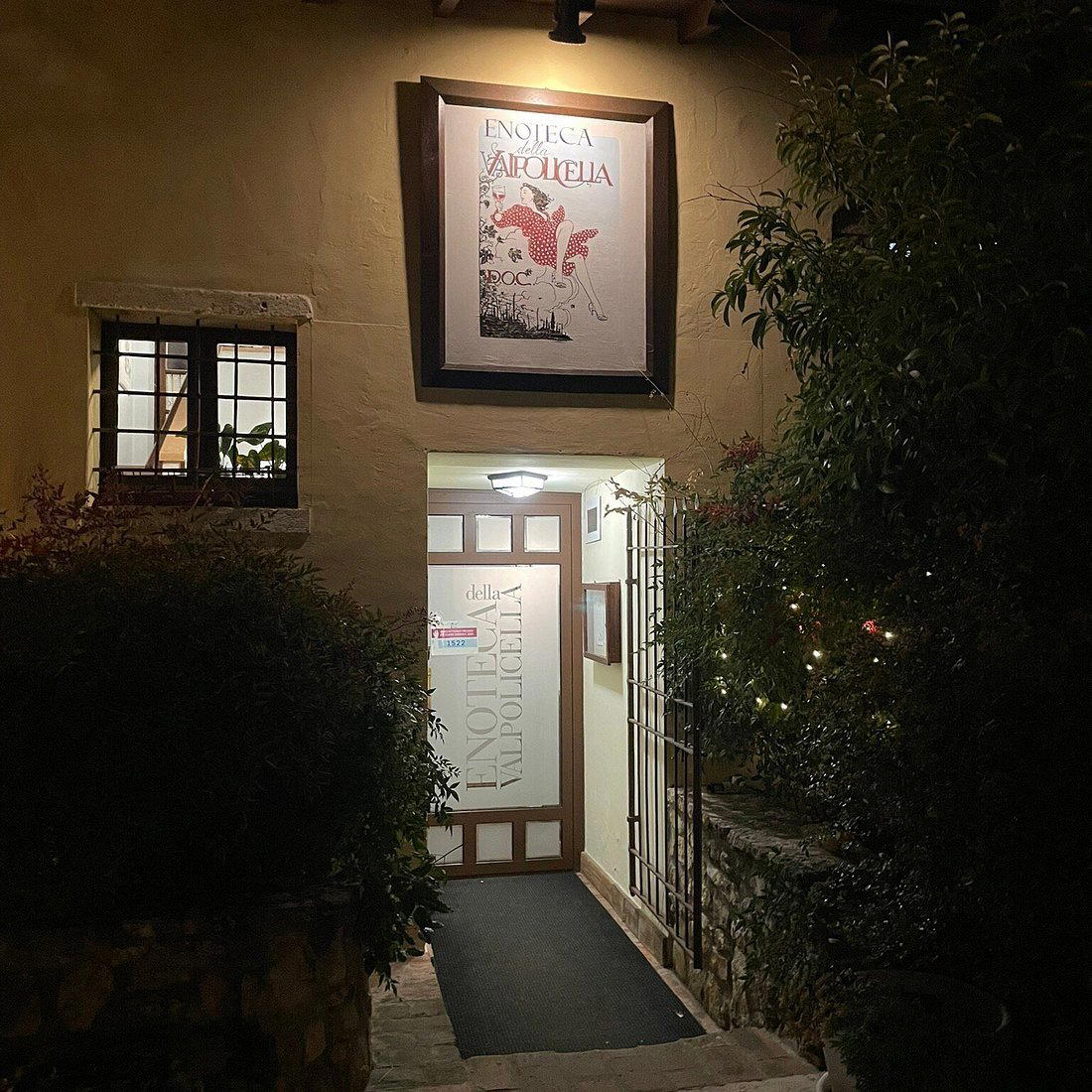
Hotels in San Rocco
Browse all →
At a Glance
- Rustic
- Cozy
- Intimate
- Classic
- Date Night
- Special Occasion
- Group Dining
- Historic Building
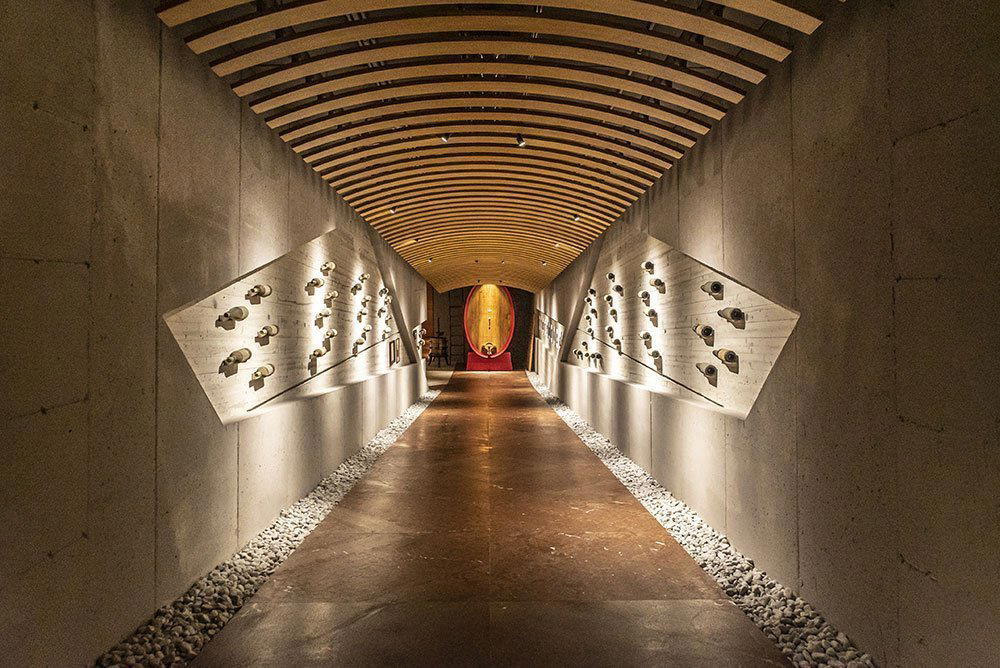
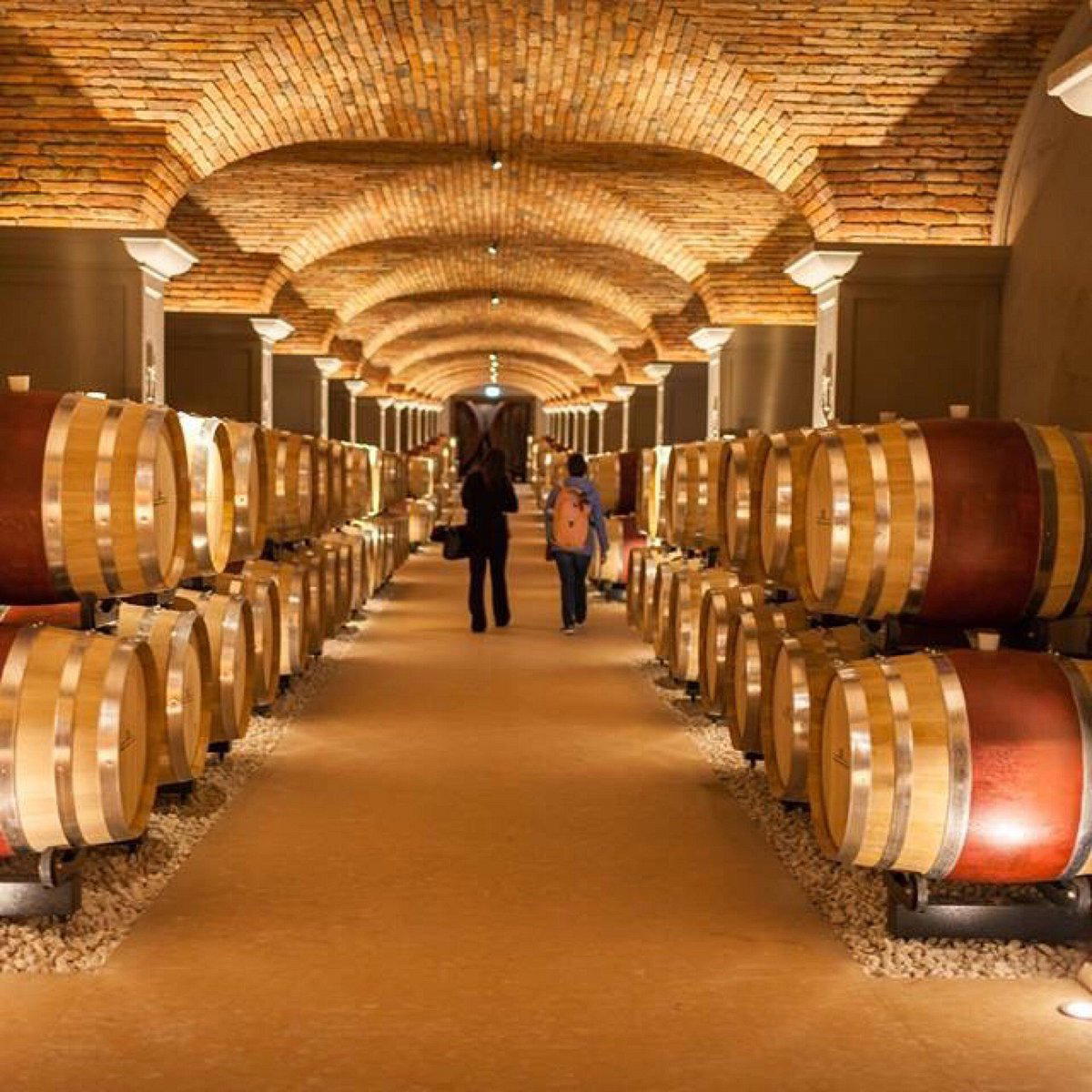
- Wine Cellar
- Extensive Wine List
- Local Sourcing
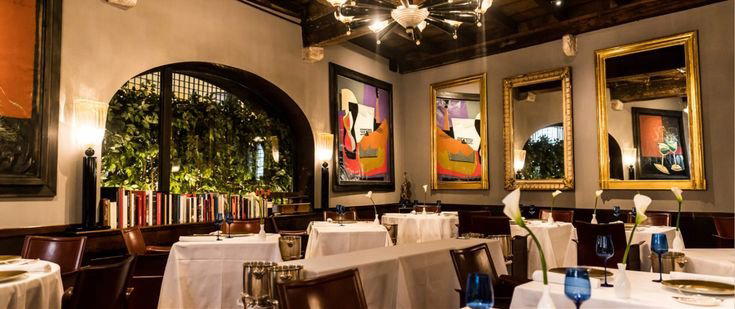
Rustic and welcoming historic setting with warm, home-like atmosphere, attentive hospitality, and cozy dining rooms evoking old-world tavern charm.