Corte San Mattia occupies a quietly residential address in Verona's historic core, placing it outside the tourist-facing trattoria circuit that clusters around the Arena and Piazza Bra. The setting positions it within a tier of Veronese dining where neighbourhood context shapes the experience as much as the plate, a useful counterpoint to the city's more conspicuous fine-dining addresses.
 Discover on Pearl
Pearl is the En Primeur Club membership app — saves, bookings, and concierge access live there. Same editors, same standards.
- Address
- Via Santa Giuliana, 2/a, 37128 Verona VR, Italy
- Phone
- +393945913797
- Website
- sanmattia.it
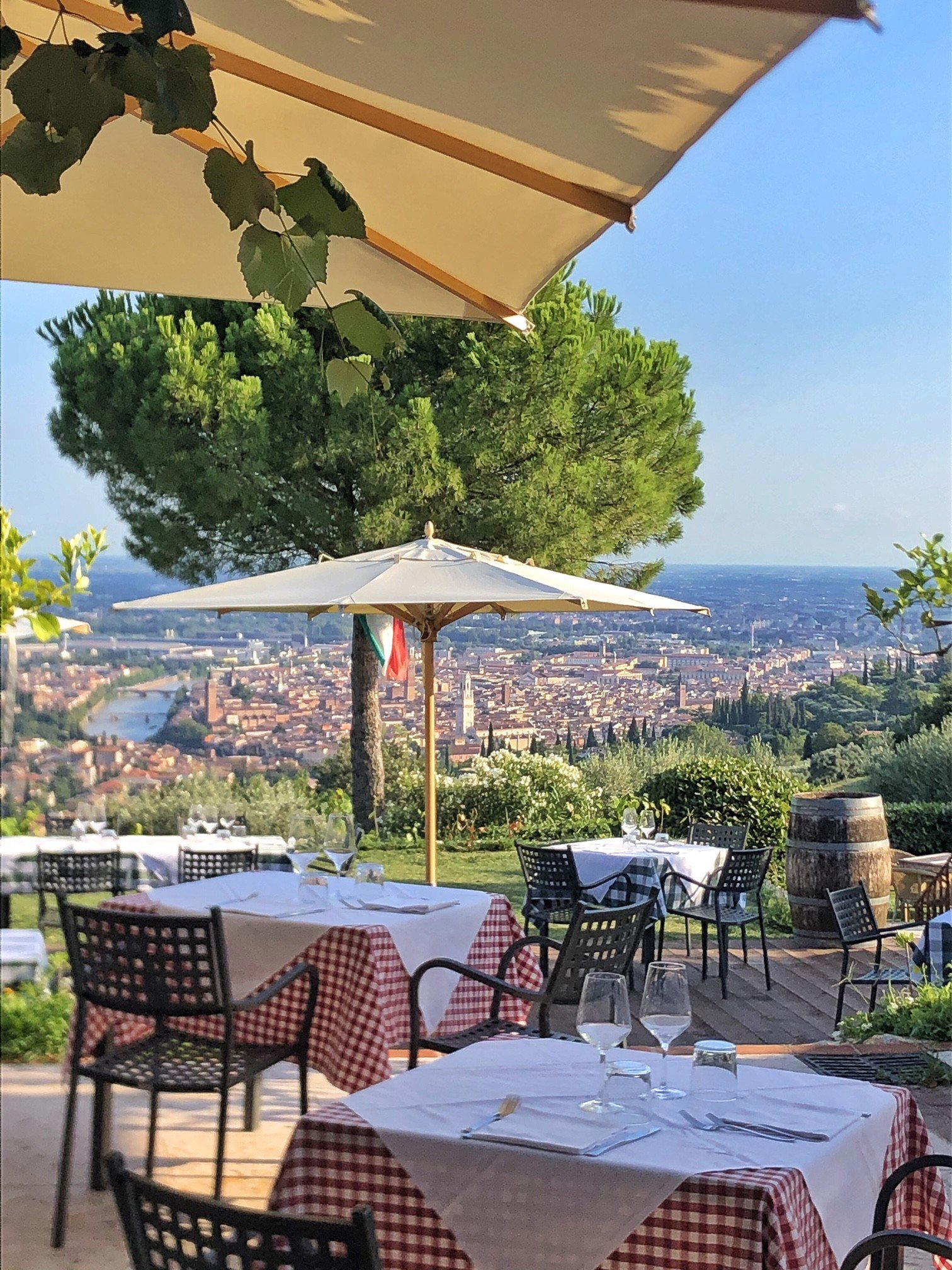
A Street That Doesn't Perform for Tourists
Verona's dining scene divides more sharply than its compact size suggests. Around the Arena and along Via Mazzini, restaurants price against foot traffic and table turnover. Move north and west into the residential quarters, past the Filippini quarter, toward the quieter stretch of Via Santa Giuliana, and a different register of Veronese hospitality becomes visible. This is the part of the city where locals eat without performing for an audience, where the room isn't designed to photograph well for out-of-towners, and where the address itself signals a deliberate choice rather than a convenient one. Corte San Mattia is a restaurant in Verona serving Italian Farm-to-Table Agriturismo, at Via Santa Giuliana, 2/a, 37128 Verona VR, Italy. It sits at Via Santa Giuliana 2/a, which is less a landmark than a coordinate, the kind of address you look up before you leave the hotel, not one you stumble onto.
That geographic positioning matters. In a city as visited as Verona, proximity to the main monuments functions almost as a cuisine category in itself: proximity means tourist pricing, menu translations in four languages, and a pace calibrated to high turnover. Distance from those monuments, even modest distance, tends to correlate with a more considered approach to both cooking and hospitality. Corte San Mattia occupies that secondary geography, and the experience it delivers is shaped accordingly.
Where Verona's Dining Tiers Actually Sit
Understanding where Corte San Mattia sits in Verona's restaurant landscape helps frame its appeal. At the formal end, Casa Perbellini 12 Apostoli and Il Desco represent the city's highest-credentialed tier, with tasting menus, Michelin recognition, and price points that place them in direct comparison with Italian fine-dining counterparts nationally, properties like Le Calandre in Rubano or Piazza Duomo in Alba. Below that, Verona carries a strong tradition of trattoria-format dining rooted in Venetian and Veronese ingredients: horse meat prepared in the Veronese style, bigoli in salsa, salt cod worked into pasta, and the Valpolicella and Soave wines that define the surrounding wine country.
Venues like Al Bersagliere represent the more accessible end of that Venetian tradition, while Iris Ristorante and Al Capitan della Cittadella occupy a contemporary middle ground. Corte San Mattia's address and neighbourhood positioning place it in that mid-tier residential category, the kind of address Veronese residents return to rather than one they bring out-of-town guests to for a landmark occasion.
The Neighbourhood as Context
Via Santa Giuliana runs through a part of Verona that retains a working residential character uncommon in city centres that have been as thoroughly touristed as this one. The streets around it are not museum-ready, they are lived-in, with the particular texture of a northern Italian urban quarter that prioritises function alongside form. Eating in this environment rather than on a candlelit piazza shifts the register: the expectation is cooking that earns its place through quality and consistency rather than atmosphere dressed for consumption.
This matters particularly in Verona because the city's identity is so strongly mediated by its operatic and Roman heritage. The summer opera season at the Arena draws audiences from across Europe and inflates both prices and performance at venues near the centre. Restaurants away from that gravitational pull tend toward a more calibrated version of Veronese hospitality, less theatrical, more sustained. For travellers who arrive outside the July-August peak, or who are willing to walk fifteen minutes from the historic core, this residential tier represents the more honest version of how Verona actually eats.
What the Address Implies About Timing
The address and neighbourhood profile suggest a format more consistent with a traditional Veronese dining room than with the tasting-menu operations at the formal end of the city's scene.
For reference against the broader scene: Verona's formal tier restaurants, including those comparable to the nationally recognised addresses at Osteria Francescana in Modena or Enoteca Pinchiorri in Florence, operate on advance reservation cycles of weeks to months.
Visitors arriving during the opera season, roughly July through early September, should expect that even restaurants well outside the Arena's immediate orbit carry refined demand. The weeks immediately before and after that window, particularly late May through June and mid-September through October, align with the harvest period in Valpolicella and Soave, which adds a seasonal agricultural dimension to what's available on menus across the city. For anyone whose interest in Verona extends to the wine country around it, this timing offers the most coherent alignment between what's on the table and what's happening in the vineyards nearby.
How Corte San Mattia Fits a Broader Verona Visit
A well-structured visit to Verona's dining scene generally benefits from covering multiple tiers rather than concentrating exclusively at the leading. The formal addresses, whether a tasting menu at Casa Perbellini 12 Apostoli or a creative progression at Il Desco, deliver a version of northern Italian cooking in dialogue with international fine-dining conventions, the same ambition visible at Enrico Bartolini in Milan or Uliassi in Senigallia. But the trattoria and neighbourhood restaurant tier is where Veronese cooking in its more direct form lives: the Amarone braising, the local lake fish, the handmade pasta formats that don't appear on tasting menus because they are too plainly regional to carry the architecture of a composed course.
Corte San Mattia, positioned as a neighbourhood address on a non-tourist street, occupies that more direct register. It serves the part of a Verona visit that isn't about performance, it's about eating in a city that has been making this food for a very long time, in a room that isn't asking for your approval. For a full orientation to where it sits relative to other addresses across the city, the Verona restaurants guide maps the scene by tier, neighbourhood, and style.
The Quick Read
Comparable venues nearby, for context on price, style, and recognition.
| Venue | Price | Notes |
|---|---|---|
| Corte San MattiaThis venue — the venue you are viewing | $$ | |
| Borgo Antico | $$$ | Pescantina, Traditional Italian Fine Dining with Local Valpolicella Flavors |
| Du De Cope | $$ | Citta' Antica, Neapolitan Wood-Fired Pizza |
| Antica Bottega Del Vino | $$$ | Citta' Antica, Traditional Veronese Osteria |
| Pane e Vino | $$ | Citta' Antica, Traditional Veronese Trattoria |
| Locanda di Castelvecchio | $$$$ | Citta' Antica, Traditional Veronese Trattoria |
Continue exploring
More in Verona
Restaurants in Verona
Browse all →
Bars in Verona
Browse all →
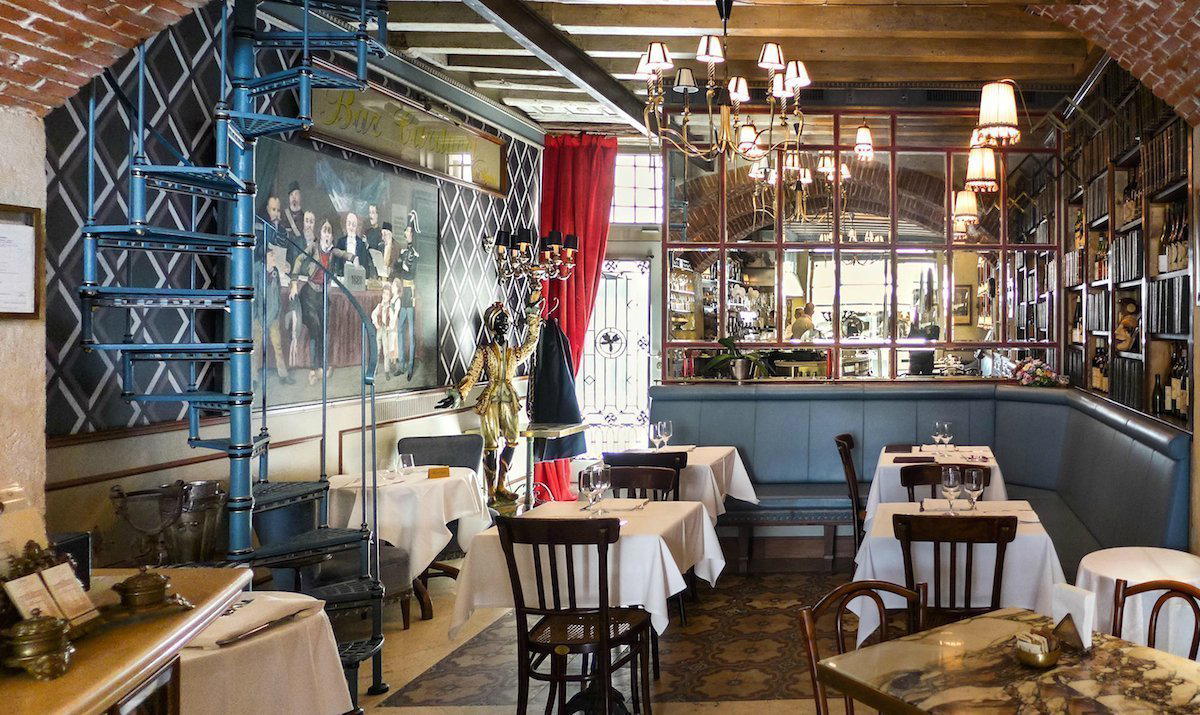
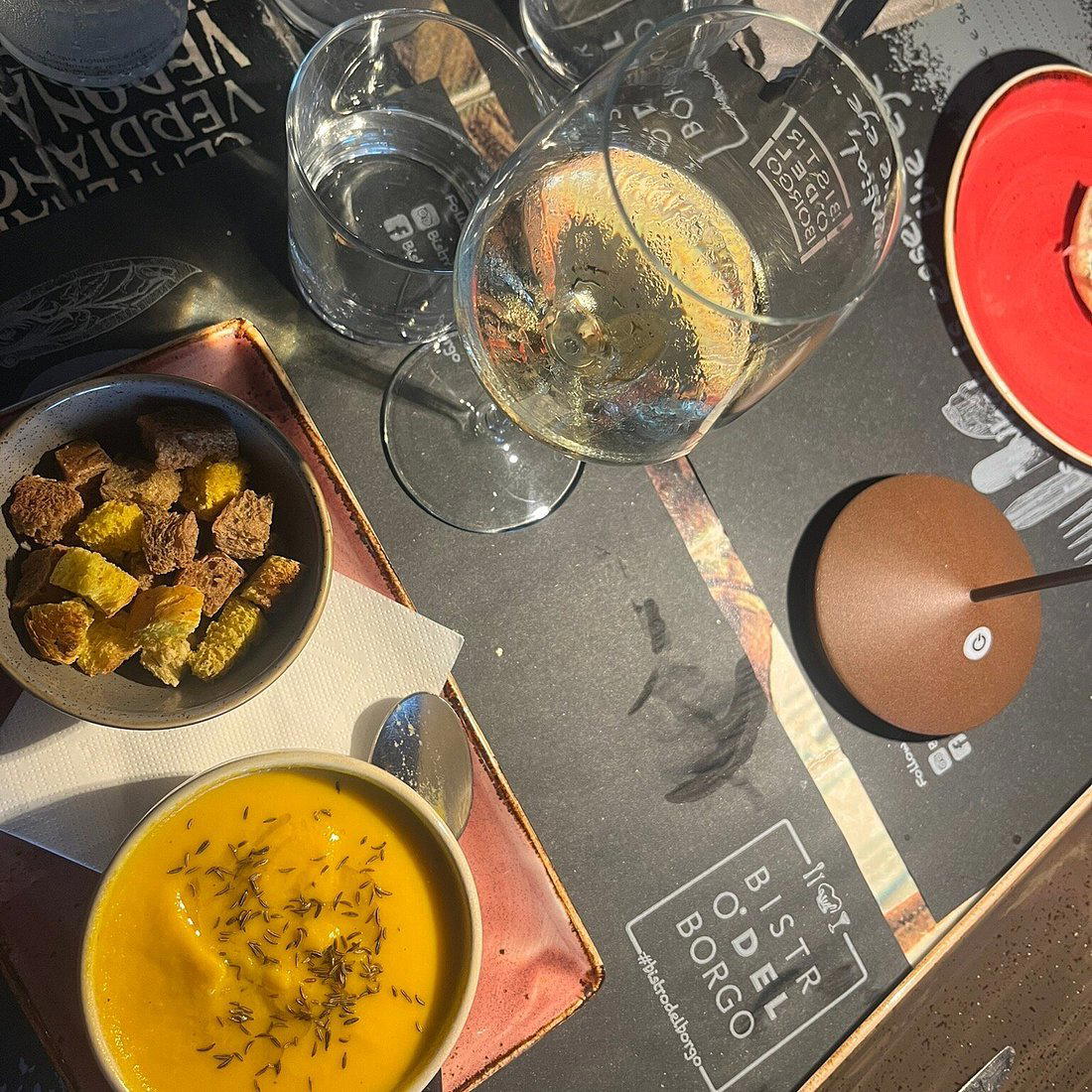
Hotels in Verona
Browse all →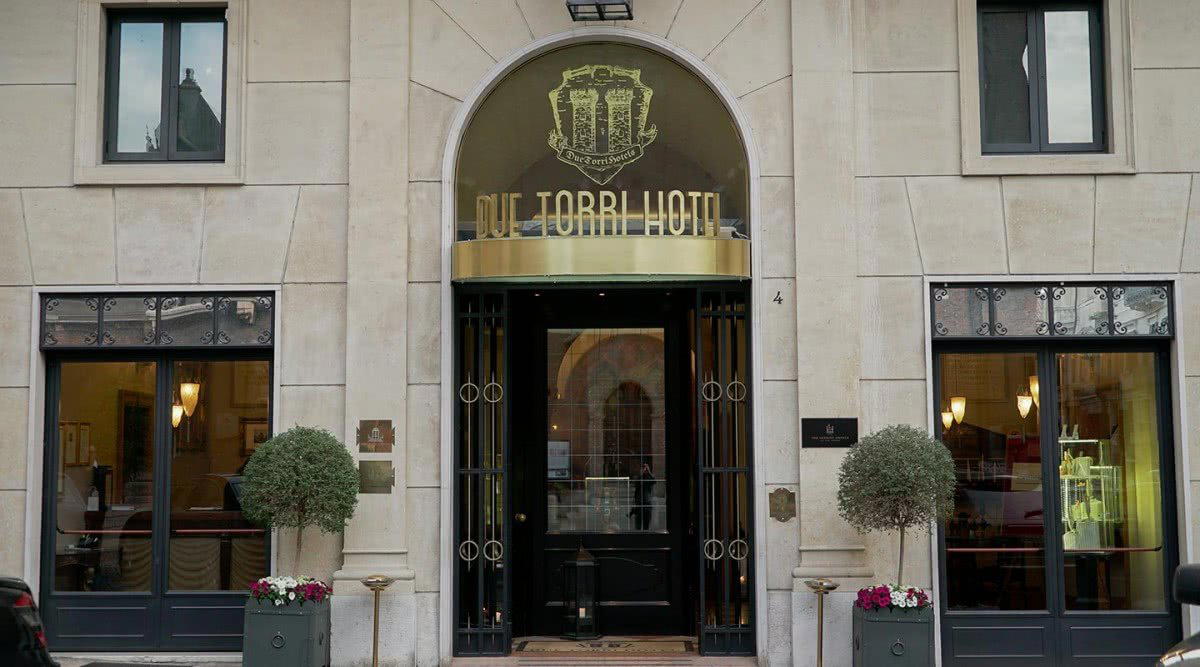
At a Glance
- Scenic
- Rustic
- Cozy
- Date Night
- Family
- Celebration
- Terrace
- Historic Building
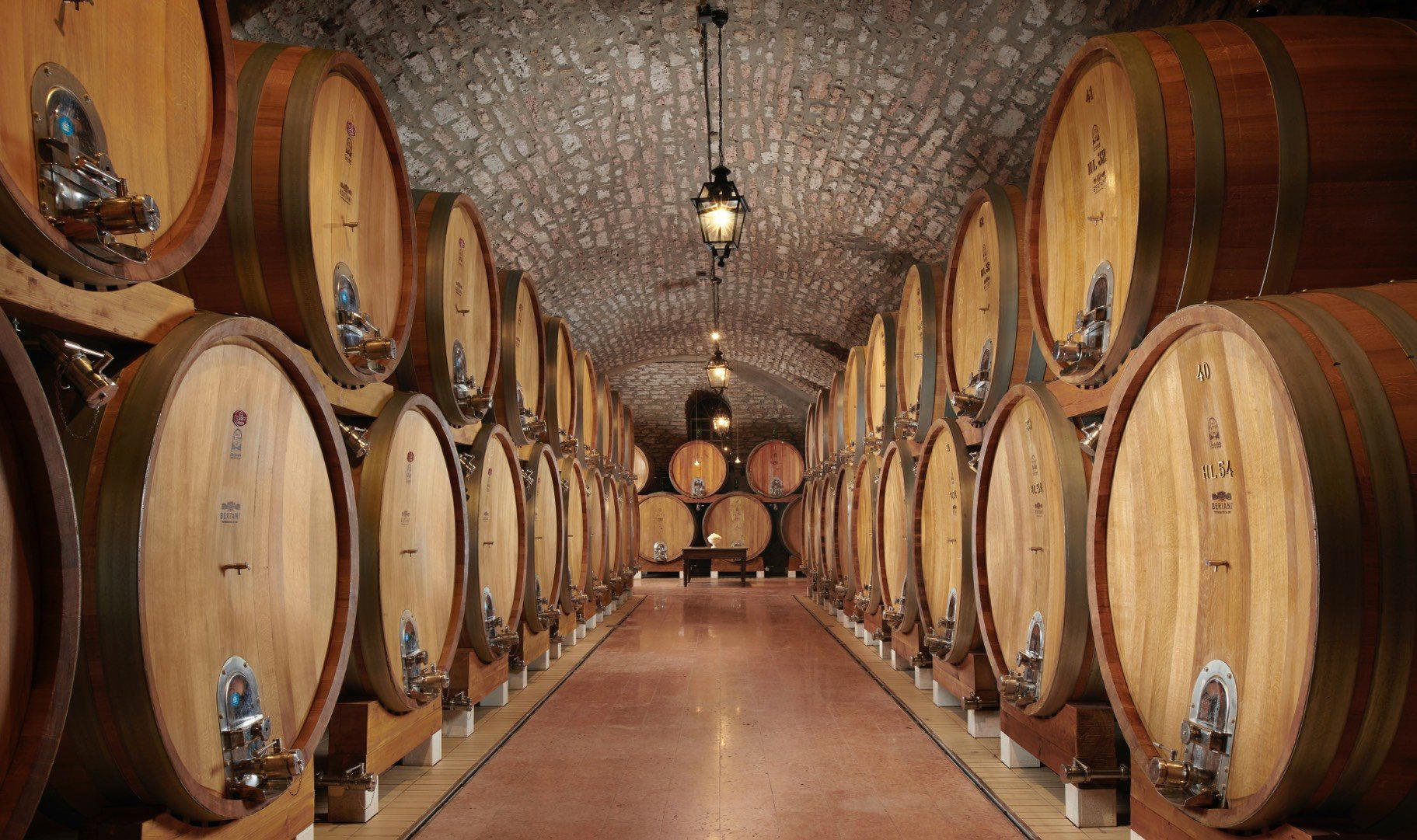
- Wine Cellar
- Extensive Wine List
- Farm To Table
- Local Sourcing
- Skyline
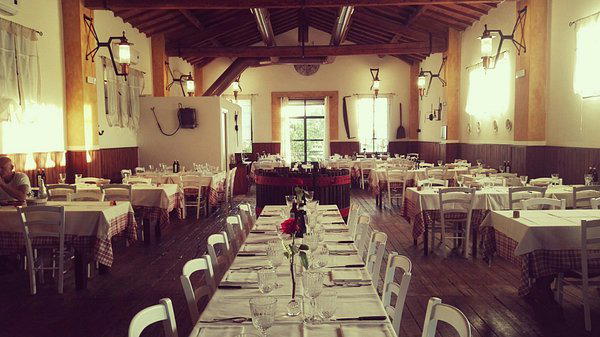
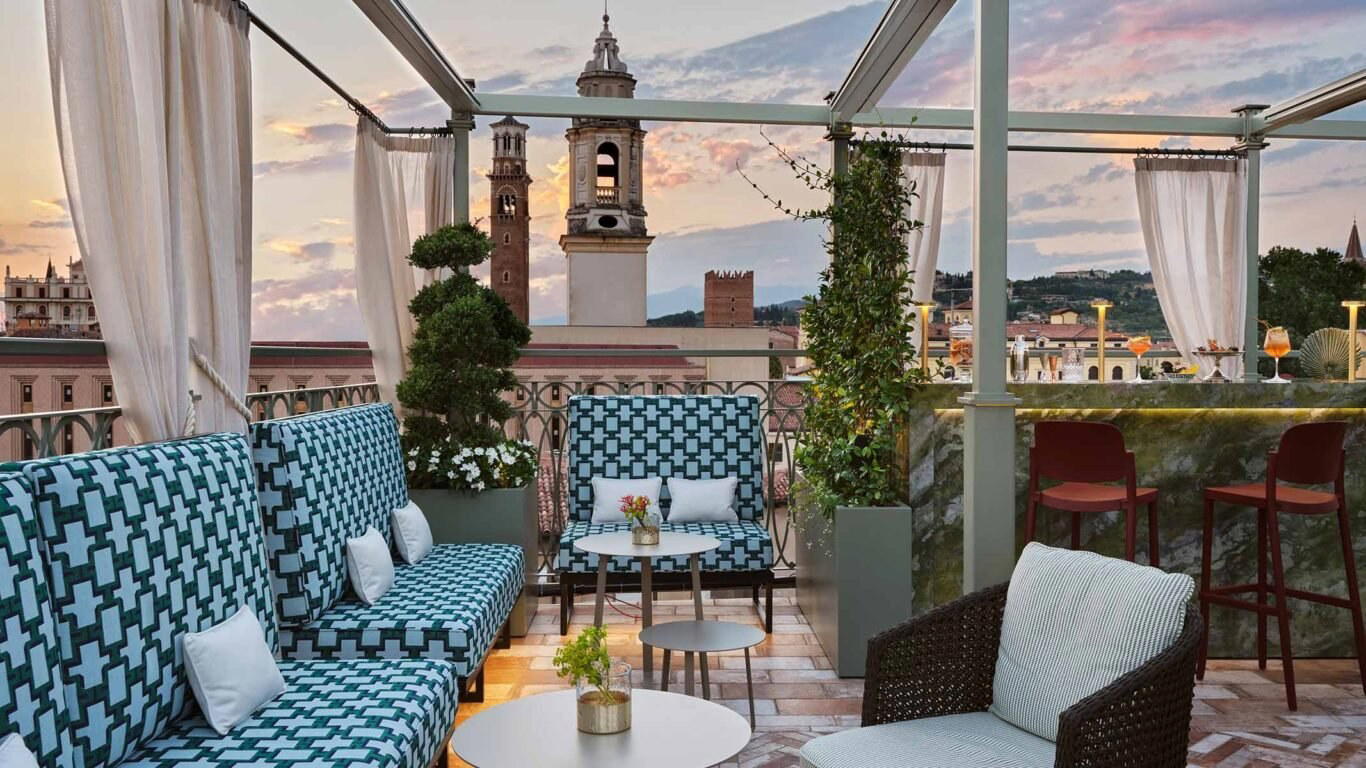
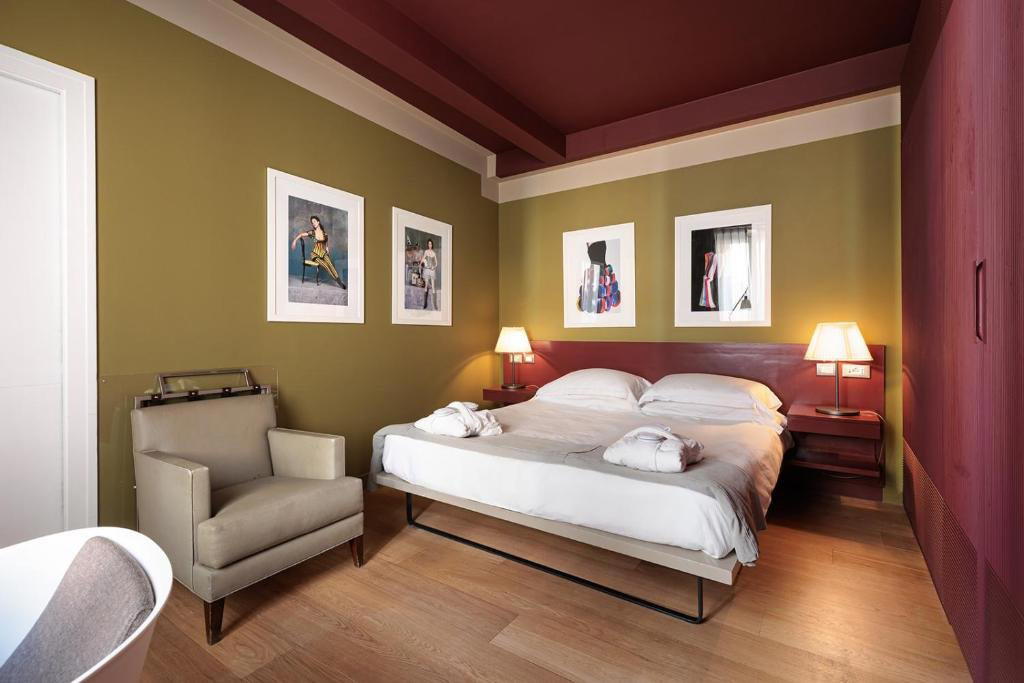
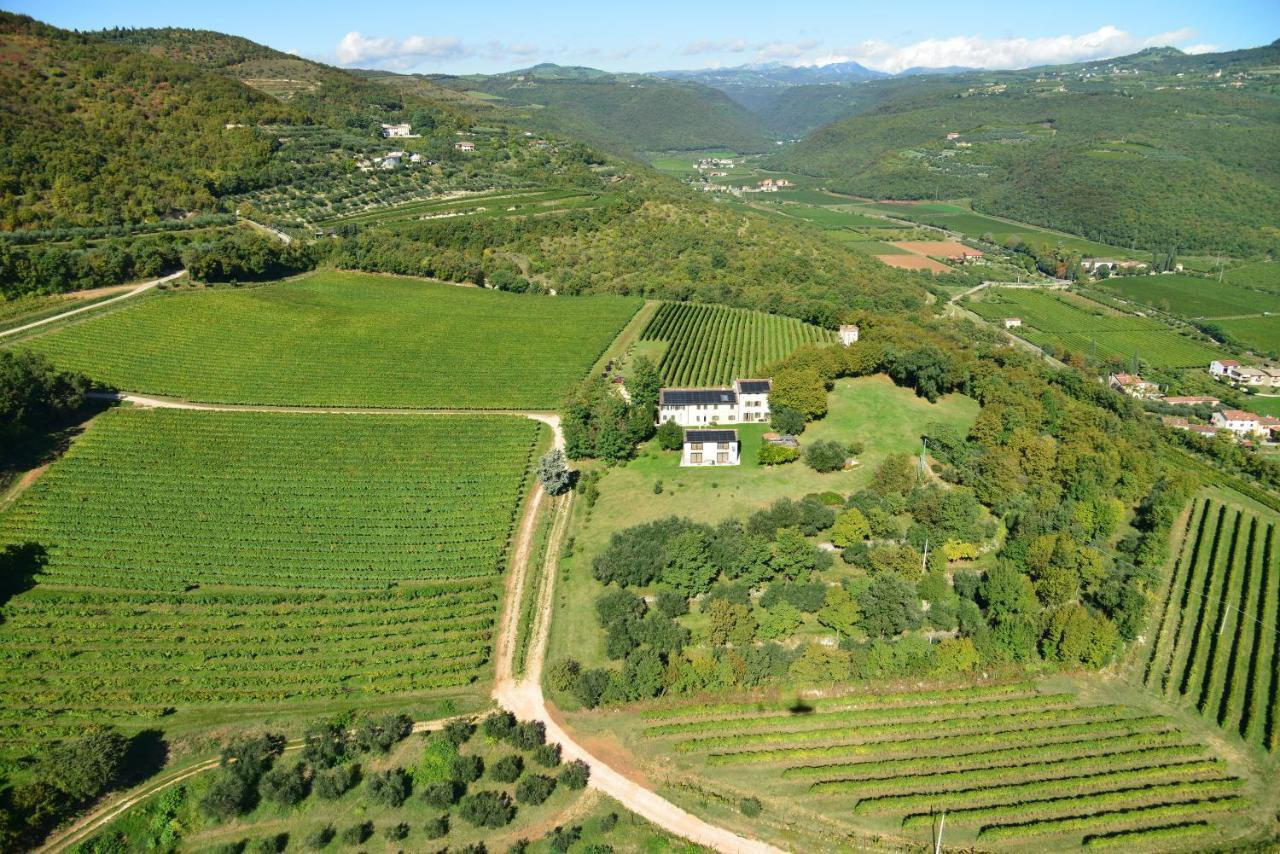
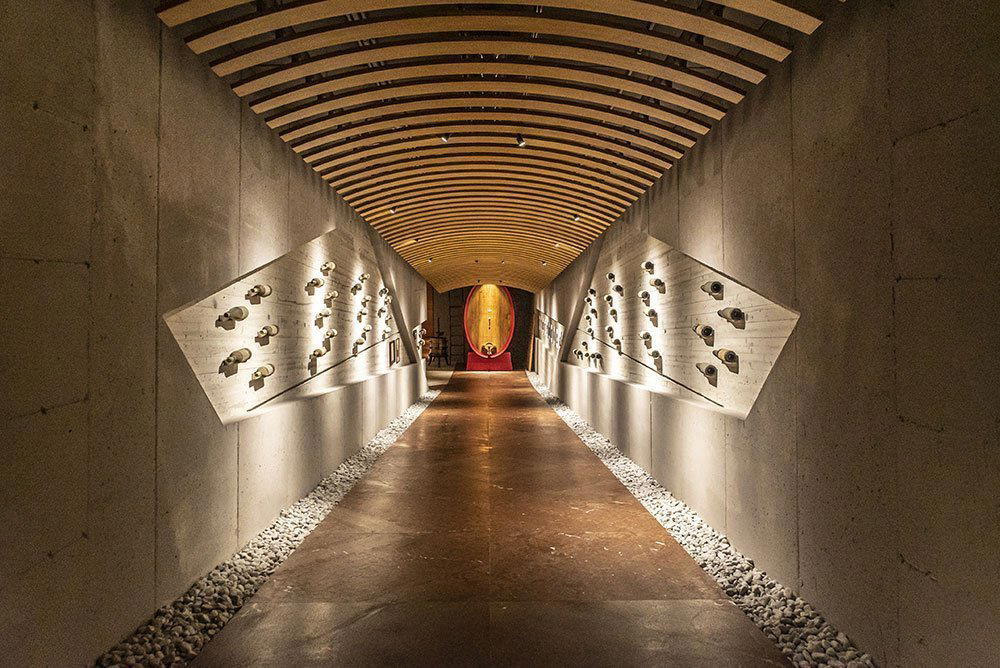
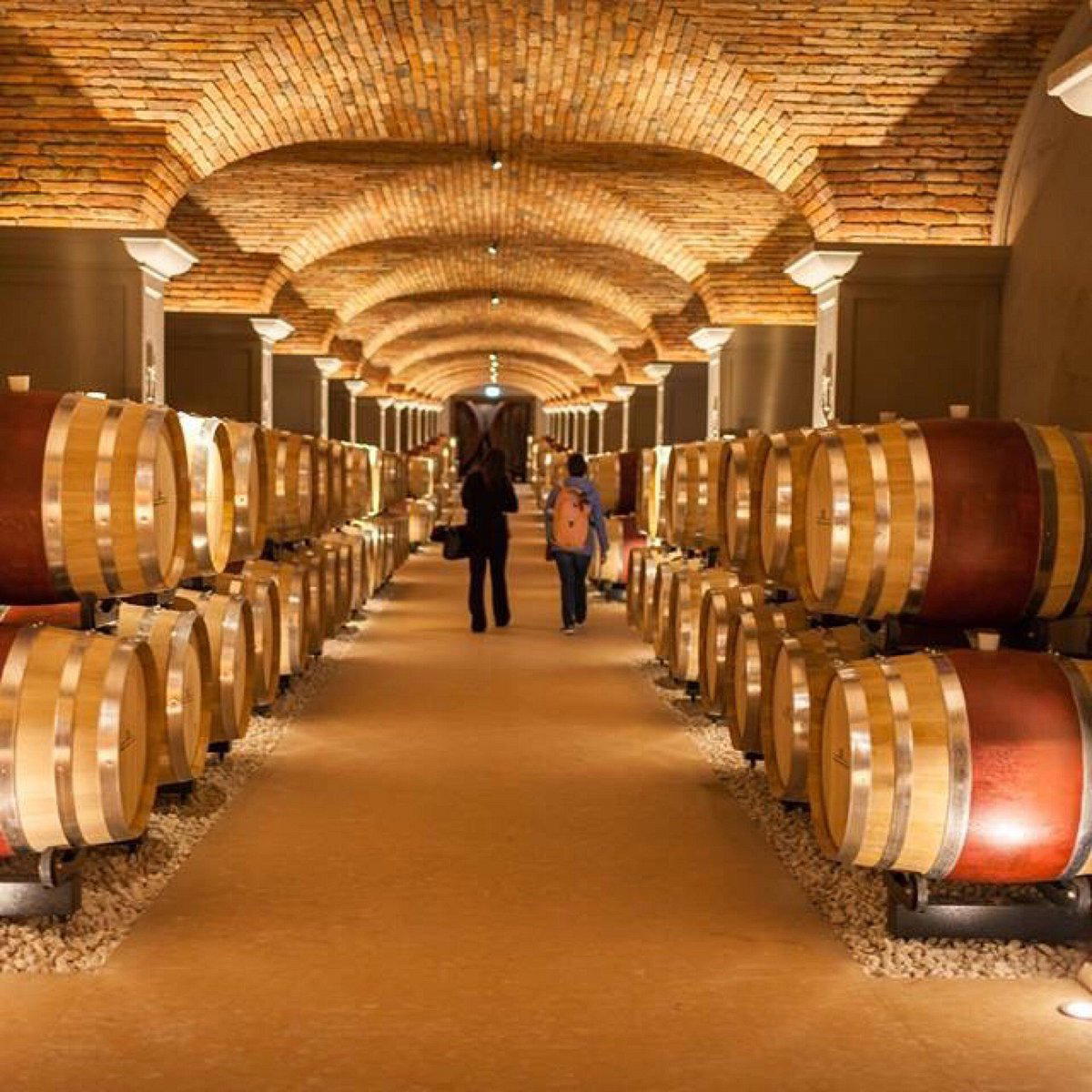
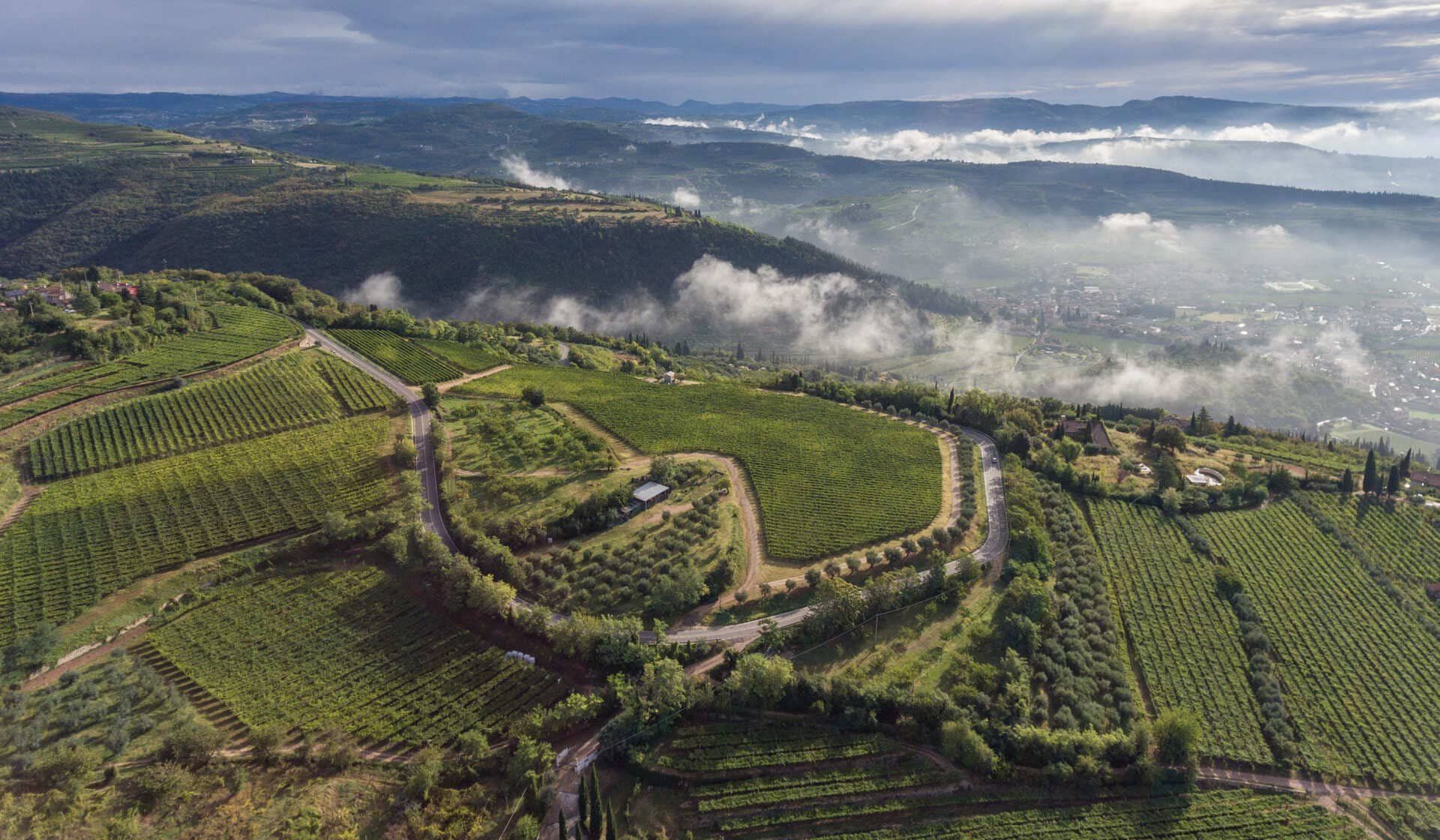
Rustic farmhouse atmosphere with terrace dining overlooking Verona at sunset, creating a scenic and relaxed setting amid vineyards and olive groves.