Sofia
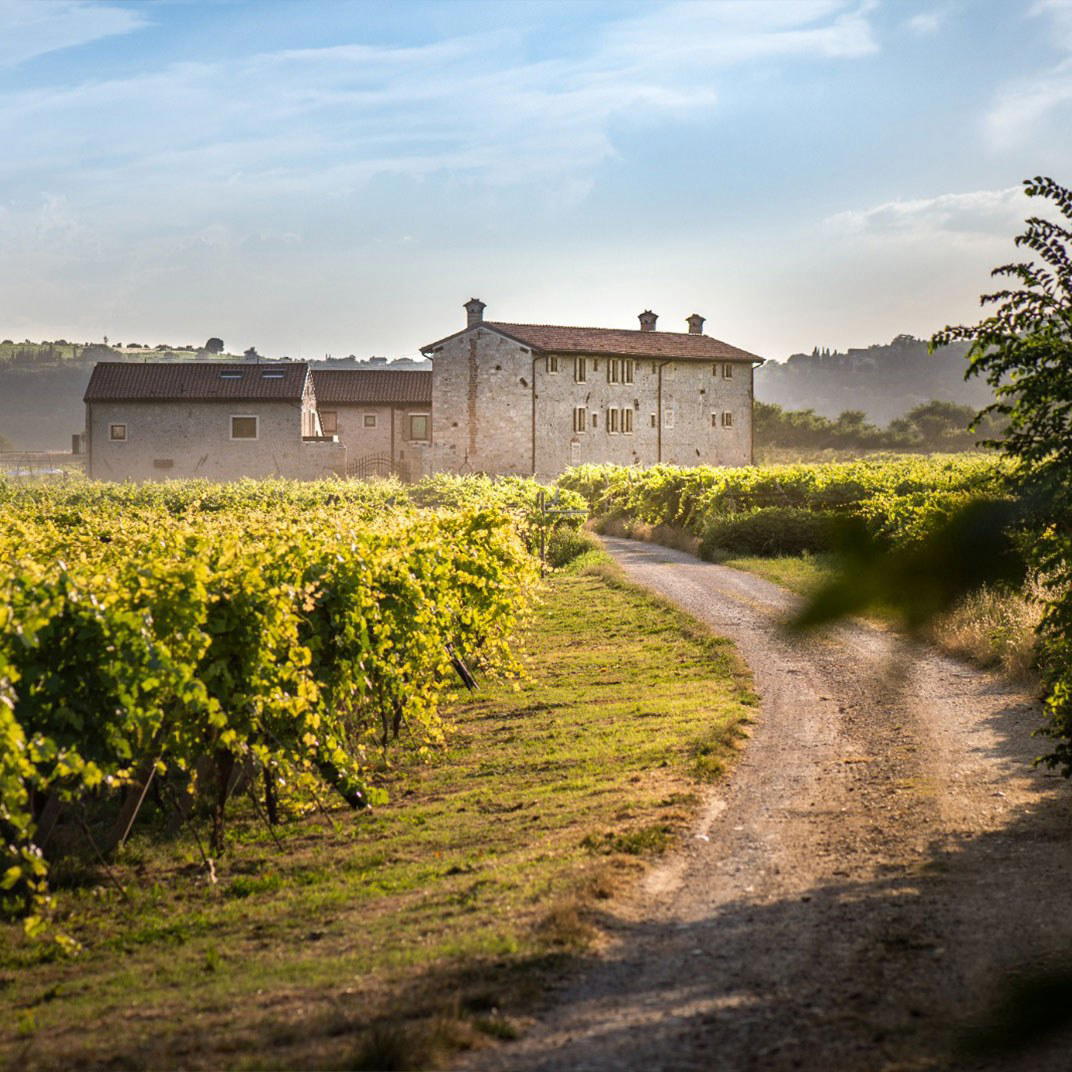
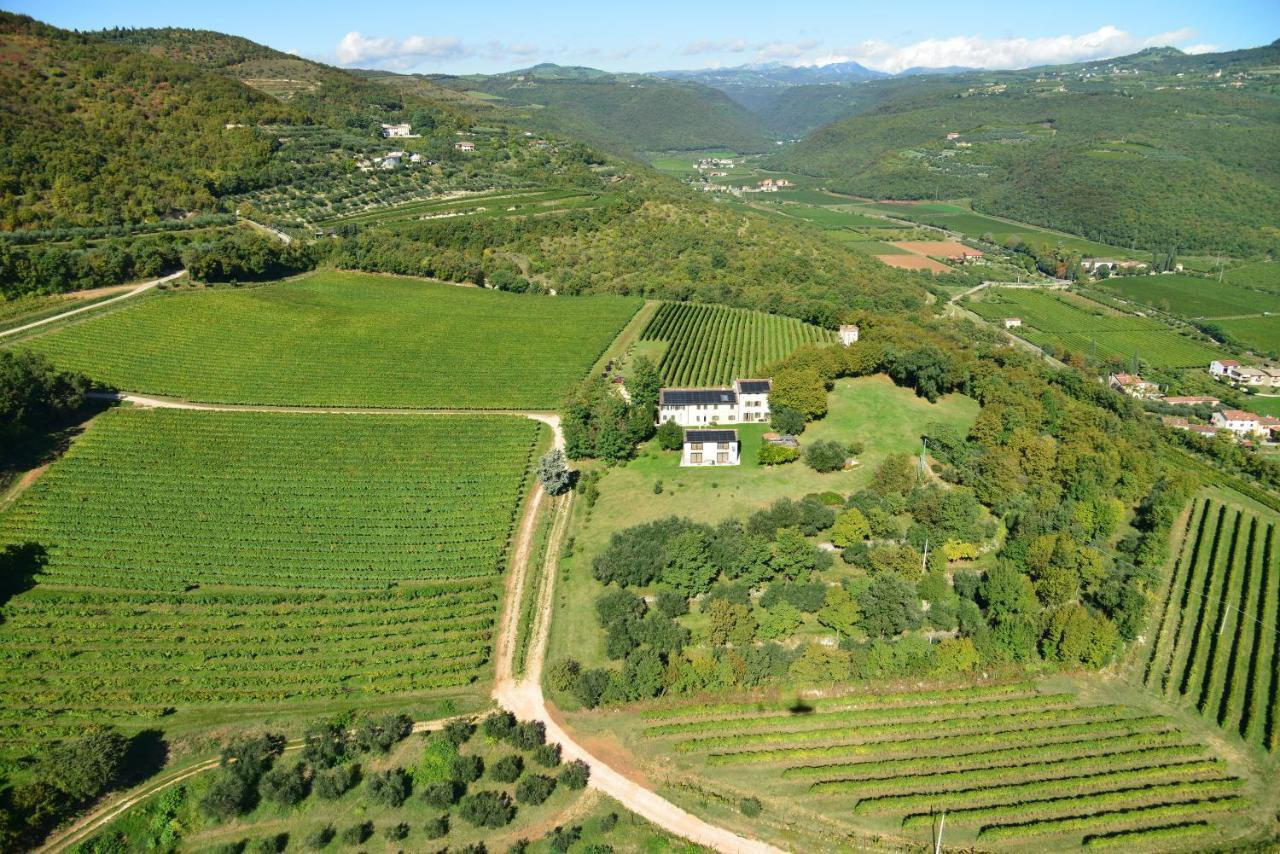
Sofia sits in Ronco all'Adige, a small agricultural comune in the Verona province where the Po plain meets the first gentle folds of the Veneto foothills. The restaurant draws on the produce networks of this quietly fertile corridor, placing it among a category of Italian dining rooms where provenance is the organizing principle rather than the garnish. For the area's full picture, see our full Ronco All Adige restaurants guide.
Pearl is the En Primeur Club membership app — saves, bookings, and concierge access live there. Same editors, same standards.
- Address
- Via Baldo Giuseppe, 12, 37055 Ronco All'Adige VR, Italy
- Phone
- +39456615407
- Website
- facebook.com
- Directions
- Get directions
 Saves & bookings on Pearl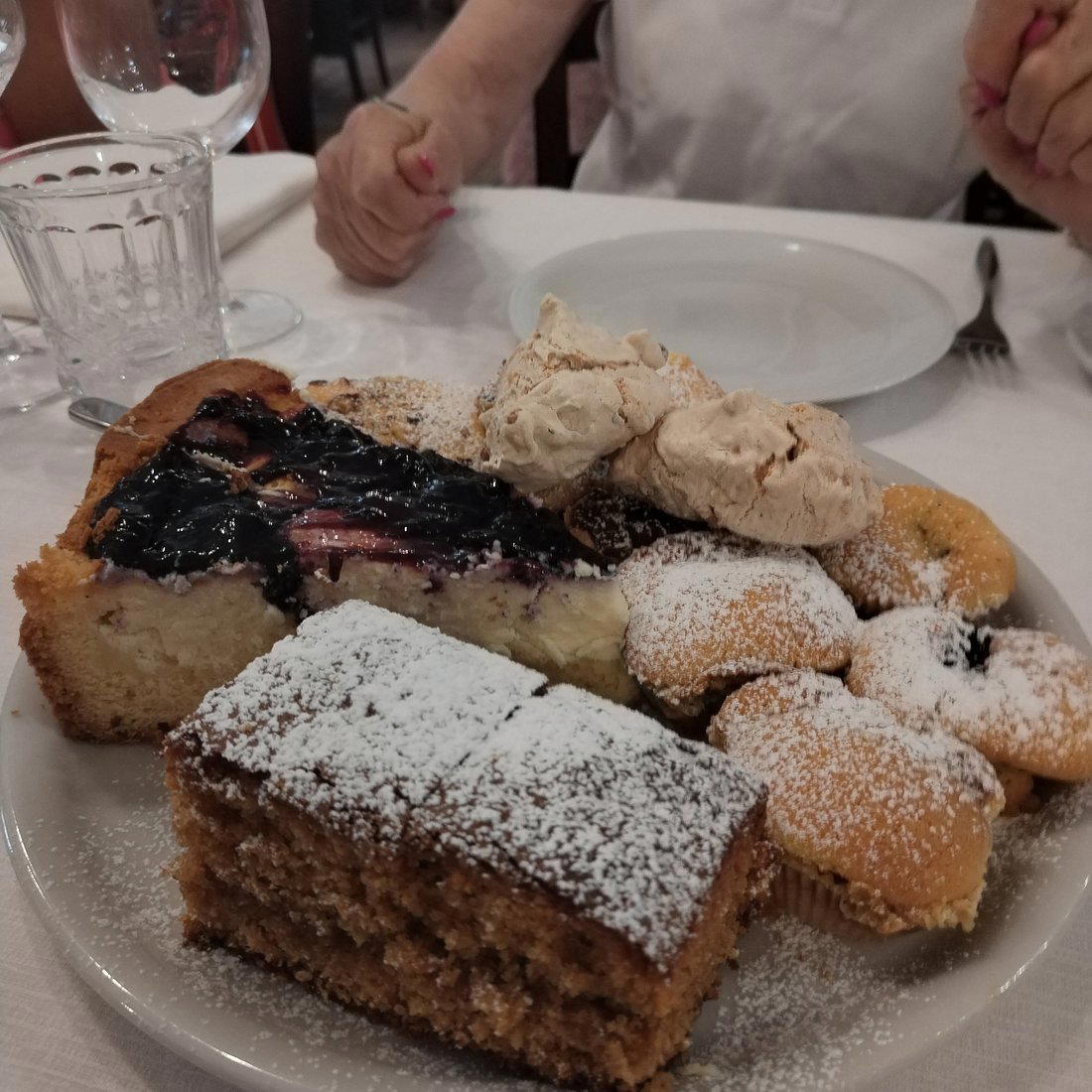
A Farming Corridor That Takes Its Table Seriously
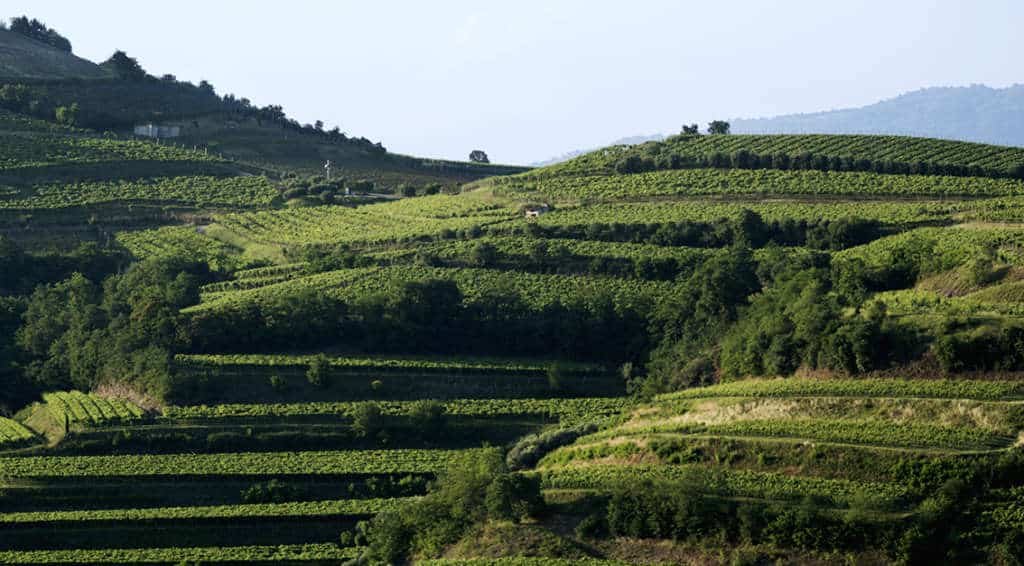
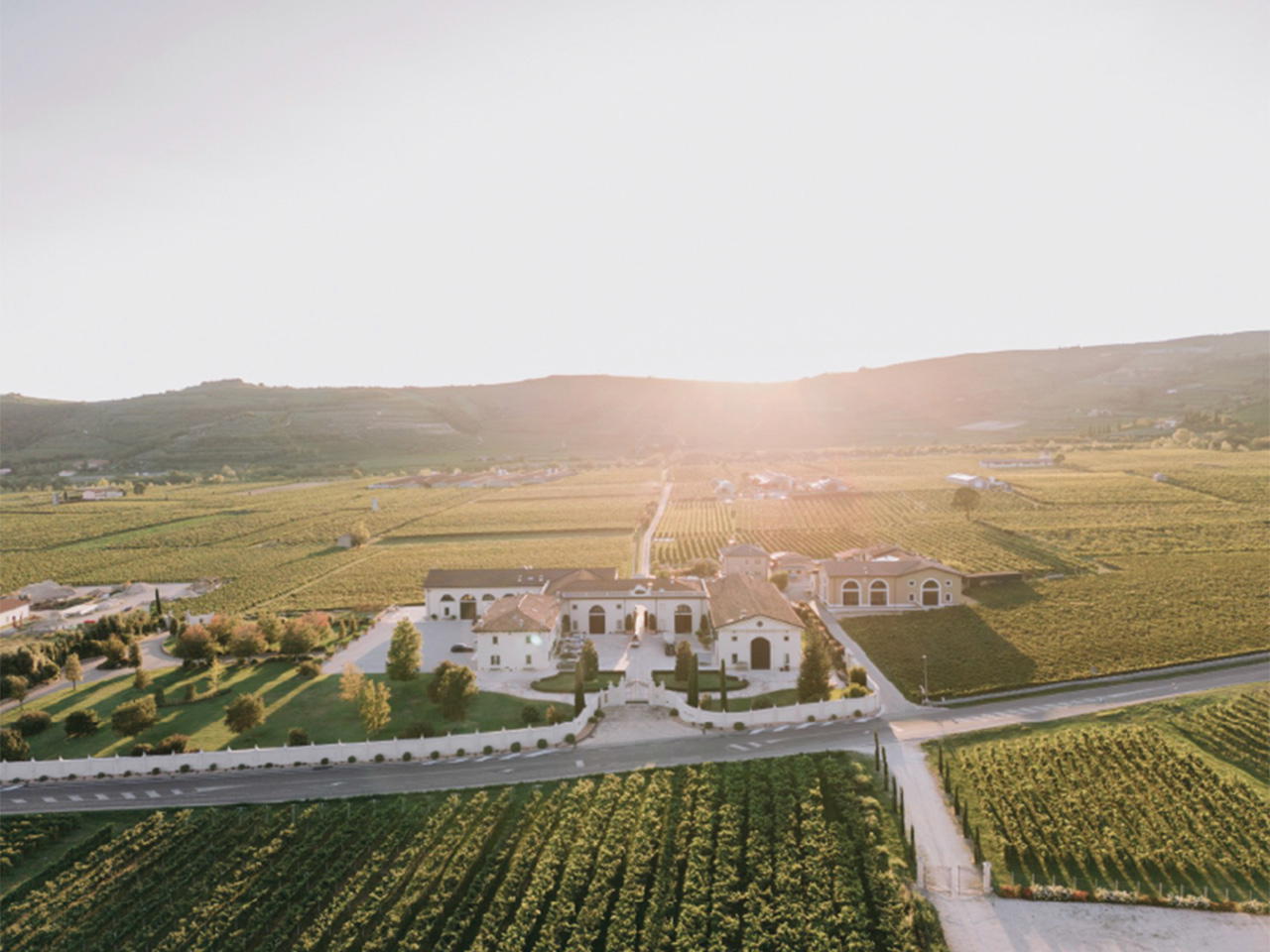
The Verona province is better known internationally for its opera season at the Arena and for the wine appellations pressing against the Valpolicella hills to the northwest. The flatlands to the east, where Ronco all'Adige sits along the river it is named for, receive considerably less editorial attention. That imbalance says more about the limits of food tourism's usual circuits than about the quality of what grows and grazes here. The Po plain's eastern edge produces rice, maize, white asparagus, freshwater fish from the Adige itself, and a dairy and cured-meat tradition that runs quietly but deep. Sofia, a Traditional Italian Trattoria at Via Baldo Giuseppe, 12 in Ronco All'Adige, fits firmly in a village-scale setting rather than in any urban restaurant district.
This matters for how the food should be read. In Italian dining at this register, the distance between field and plate is often the first thing worth measuring. Restaurants in this category across the Veneto and Emilia-Romagna tend to divide between those that import prestige ingredients from elsewhere and those that build their identity around the specificity of their immediate surroundings. The second approach is slower to communicate internationally but tends to produce more coherent cooking over time. Sofia belongs to the tradition of the latter type, rooted in a location where ingredient quality is determined by the season and the kilometer radius rather than by a purchasing relationship with a premium supplier in another region.
Where Sofia Sits in the Italian Fine Dining Map
Italy's leading restaurant tier is well represented in the broader Veneto and northeastern corridor. Le Calandre in Rubano has set the benchmark for progressive Italian cooking in this region for over two decades, with the Alajmo family's approach proving that technical ambition and deep local identity are not mutually exclusive. Further southeast, Dal Pescatore in Runate has maintained its three-star standing across generations by holding to a formula of precision, continuity, and a specific Mantuan agricultural tradition. These are the reference points against which serious Veneto dining gets measured.
Sofia's position is not in that multi-starred tier. What it represents instead is the quieter middle register of Italian regional dining: the kind of restaurant that serves a local clientele as readily as it does destination visitors, and whose authority comes from consistency and sourcing depth rather than from tasting-menu architecture. Across Italy, this category has historically been the foundation on which the decorated restaurants were built. Osteria Francescana in Modena emerged from exactly this kind of regional-identity conversation, even as it subsequently moved into a different competitive tier entirely.
The Veneto's broader dining scene also connects outward. Casa Perbellini 12 Apostoli in Verona, a short drive from Ronco all'Adige, represents the province's most formally decorated address. For travellers building an itinerary that combines Sofia with a city-based anchor, Verona is the practical base, with the restaurant reachable as a day or evening excursion from the centro storico.
The Sourcing Logic of the Adige Plain
The editorial angle that matters most for a restaurant in this location is not the menu format or the room's aesthetics but the ingredient networks that make cooking in this corridor distinctive. The Adige river valley has been an agricultural artery since Roman times, and the diversity of produce it supports is not widely communicated outside specialist Italian food writing. White asparagus from nearby Cologna Veneta has protected status and a harvesting window that runs roughly from late March to early June. The freshwater fish tradition of the river itself, including eel, tench, and pike preparations, belongs to a category of Italian cooking that has largely disappeared from urban restaurant menus but that persists in village-scale dining rooms with long memories.
Restaurants that take this sourcing seriously, and which are embedded in communities where those producers are neighbors rather than suppliers, tend to cook with a different kind of authority than those that source the same ingredients through a wholesale intermediary. The argument for visiting Sofia is partly an argument for visiting this specific agricultural geography, in the same way that the argument for Uliassi in Senigallia is inseparable from the Adriatic catch that defines its menu, or the argument for Quattro Passi in Marina del Cantone is tied to the specific coastal waters of the Amalfi hinterland.
Italy's broader fine dining conversation has shifted in recent years toward exactly this kind of territorial specificity. The international recognition of Piazza Duomo in Alba rests substantially on its argument that Langhe ingredients, prepared with technique but not overwhelmed by it, constitute a complete culinary position. Reale in Castel di Sangro made a similar case for the interior Abruzzo. Sofia's address in Ronco all'Adige places it in that same broader argument, even if its scale and profile are quieter.
Italian Dining Beyond the Decorated Tier
A useful comparison comes from how Italy's most respected decorated restaurants handle the relationship between territory and technique. Enoteca Pinchiorri in Florence built its reputation partly on a wine cellar of extraordinary depth that mirrors the restaurant's commitment to Italian specificity. Villa Crespi in Orta San Giulio works within a lakeside geography not unlike Ronco all'Adige's river setting. Atelier Moessmer Norbert Niederkofler in Brunico has made the alpine sourcing argument so completely that the restaurant's identity is now synonymous with it. Each of these cases demonstrates the same principle: a restaurant's geographic specificity, when it is genuine rather than performed, becomes a form of culinary authority that awards alone cannot confer.
For travellers accustomed to booking their Italian itinerary around the decorated tier, a restaurant like Sofia offers a different kind of return. The room will not deliver the service choreography of La Pergola in Rome or the technical ambition of Enrico Bartolini in Milan. What it offers instead is access to a regional cooking tradition in its natural habitat, at a remove from the circuits that aggregate and amplify the same handful of addresses. That is a different proposition, and for a certain kind of traveller, a more interesting one.
Planning a Visit
Ronco all'Adige sits approximately 20 kilometres southeast of Verona's centro storico, making it accessible by car in under 30 minutes on a clear day. Verona functions as the practical overnight base. The address at Via Baldo Giuseppe 12 is direct to locate by navigation. Reservations are recommended. Plan around these hours: Mon 10 AM to 2:30 PM; Tue closed; Wed through Sat 10 AM to 2:30 PM and 6 PM to 12 AM; Sun 10 AM to 2:30 PM.
At-a-Glance Comparison
Comparable venues nearby, for context on price, style, and recognition.
| Venue | Cuisine | Price | Notes |
|---|---|---|---|
| SofiaThis venue — the venue you are viewing | Traditional Italian Trattoria | $$ | Not listed |
| Du De Cope | Neapolitan Wood-Fired Pizza | $$ | Citta' Antica |
| Corte San Mattia | Italian Farm-to-Table Agriturismo | $$ | Valdonega |
| Monzù Vladì | Creative Regional Italian | $$ | Trastevere |
| Antica Osteria Paverno | Traditional Veneto Trattoria | $$ | Valgatara, Marano di Valpolicella |
| MANCINO | Neapolitan-Style Pizzeria | $$ | Montegalda |
Continue exploring
More in Ronco All Adige
Restaurants in Ronco All Adige
Browse all →
Bars in Ronco All Adige
Browse all →
Hotels in Ronco All Adige
Browse all →
At a Glance
- Rustic
- Cozy
- Classic
- Casual Hangout
- Group Dining
- Family
- Standalone
- Local Sourcing
Current opening hours
- Monday
- 10 AM–2:30 PM
- Tuesday
- Closed
- Wednesday
- 10 AM–2:30 PM, 6 PM–12 AM
- Thursday
- 10 AM–2:30 PM, 6 PM–12 AM
- Friday
- 10 AM–2:30 PM, 6 PM–12 AM
- Saturday
- 10 AM–2:30 PM, 6 PM–12 AM
- Sunday
- 10 AM–2:30 PM
Hours can change for holidays and private events. Last verified .
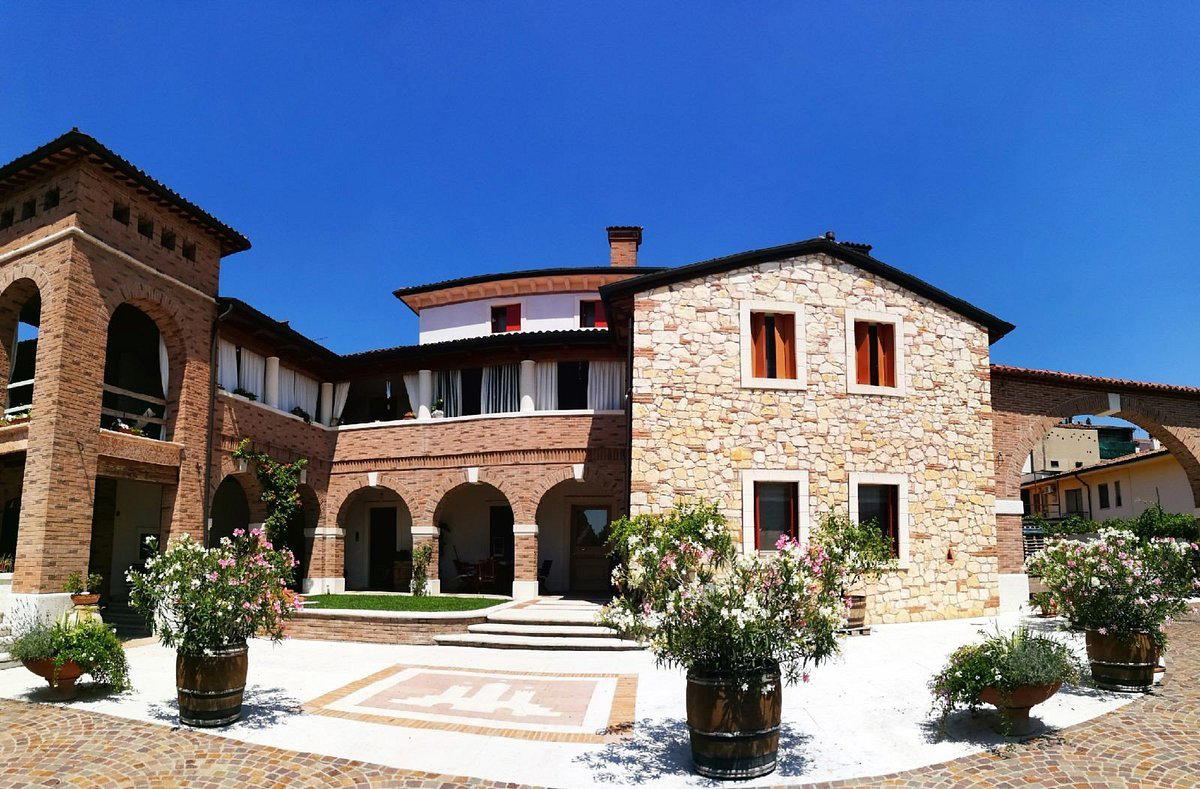
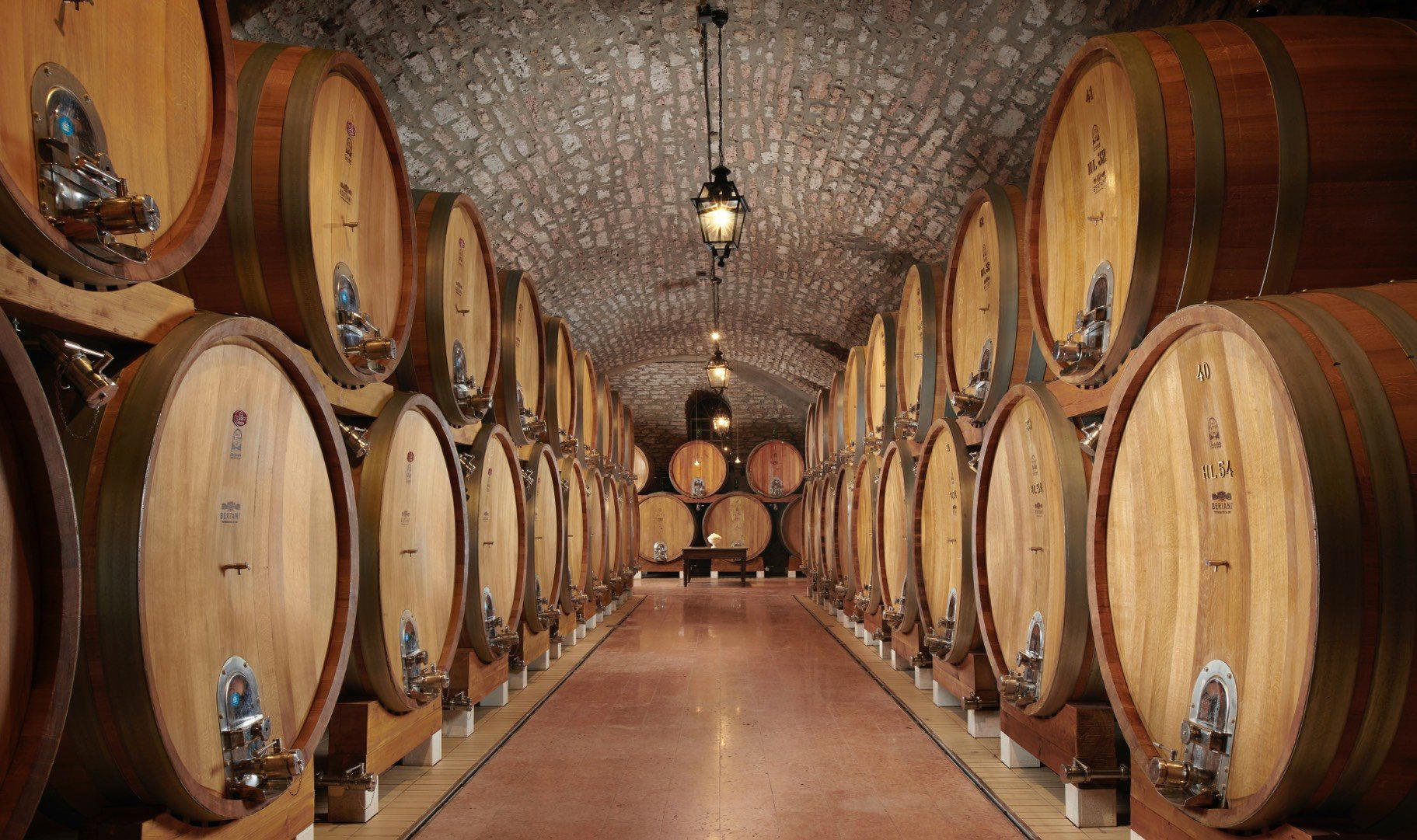
Warm and inviting atmosphere reflecting traditional Italian trattoria character with homemade authenticity.