
Compared to Milan's high-gloss seafood addresses along the centre, Antica Osteria del Mare operates at a quieter register on the Naviglio Grande, where a rustic wood-clad room and a Michelin Plate-recognised menu keep the focus on classic fish cookery: raw plates shared by the table, traditional pasta, and grilled seafood at a mid-range price point that positions it as a serious neighbourhood alternative.
Pearl is the En Primeur Club membership app — saves, bookings, and concierge access live there. Same editors, same standards.
- Address
- Via Ascanio Sforza, 105, 20141 Milano MI, Italy
- Phone
- +39 02 8954 6534
- Website
- anticaosteriadelmare.it
- Directions
- Get directions
 Saves & bookings on Pearl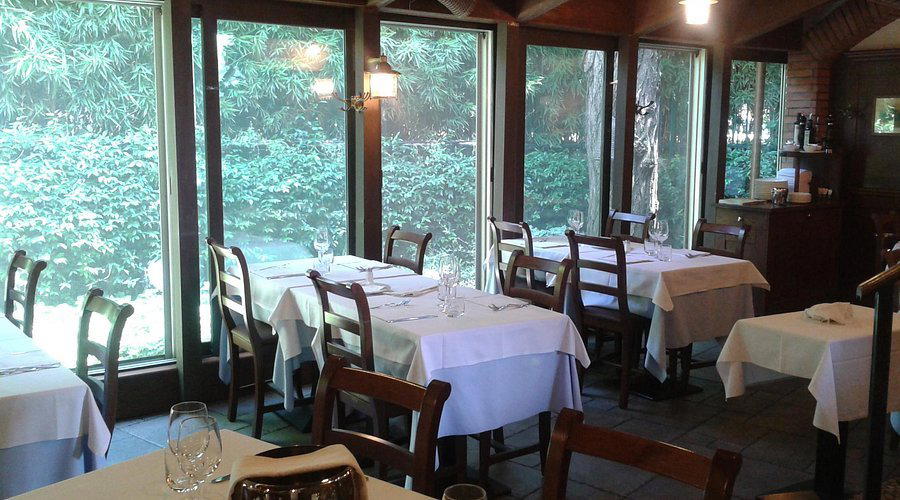
A Naviglio Address That Keeps Things Honest
Milan's relationship with seafood is more complicated than its landlocked geography suggests. The city has long sustained a tier of dedicated fish restaurants that draw on Ligurian, Sicilian, and Adriatic traditions, serving a clientele that treats a well-sourced branzino or a plate of raw scampi as seriously as any osso buco. At the upper end of that market sit addresses like Langosteria and Langosteria Bistrot. Antica Osteria del Mare operates at a different pitch entirely.
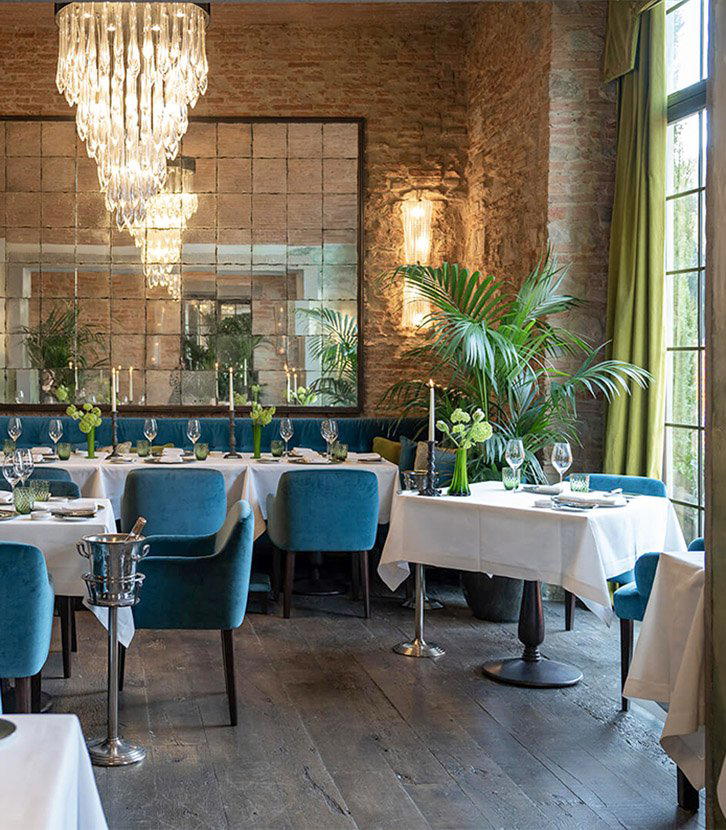
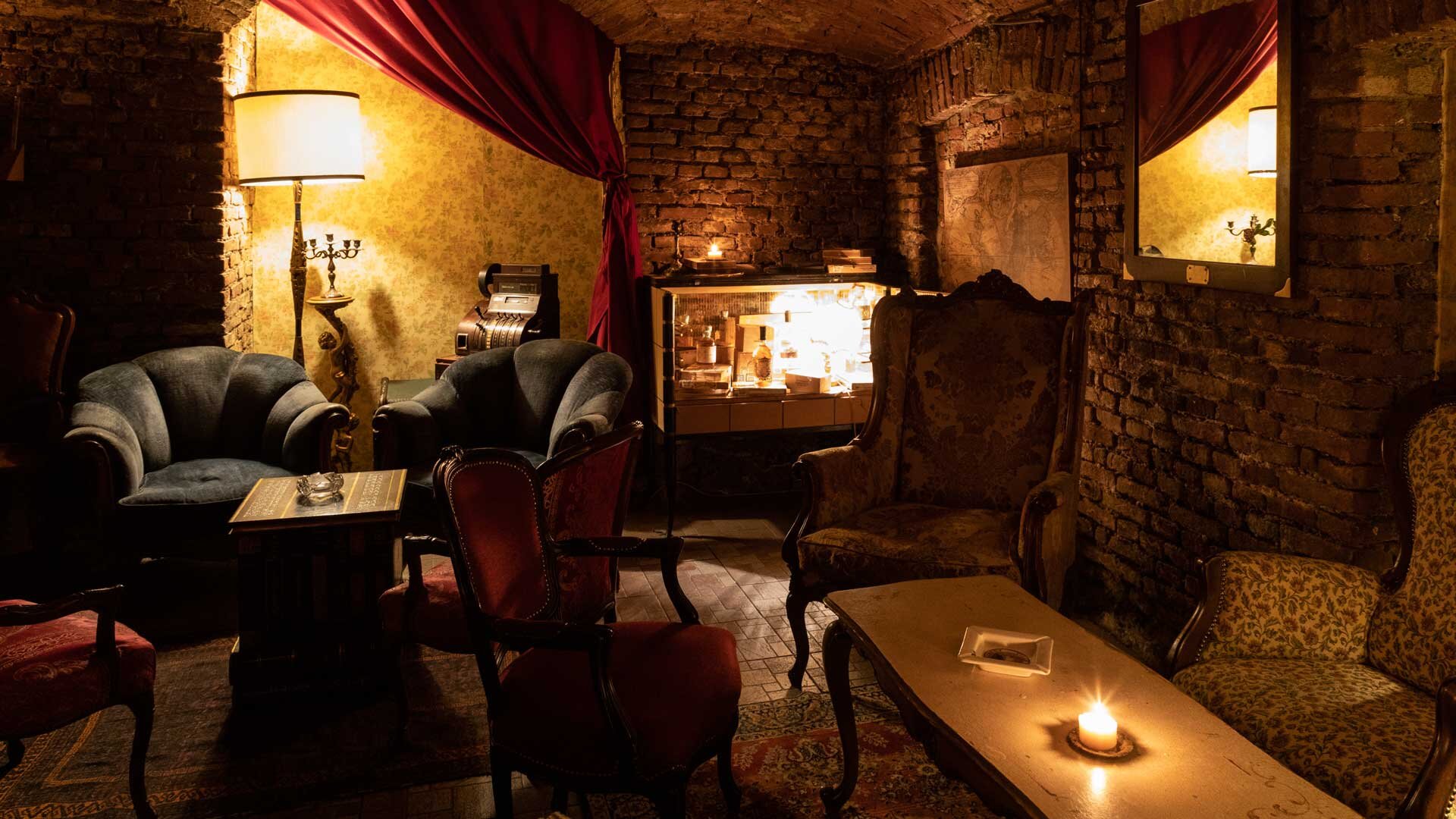
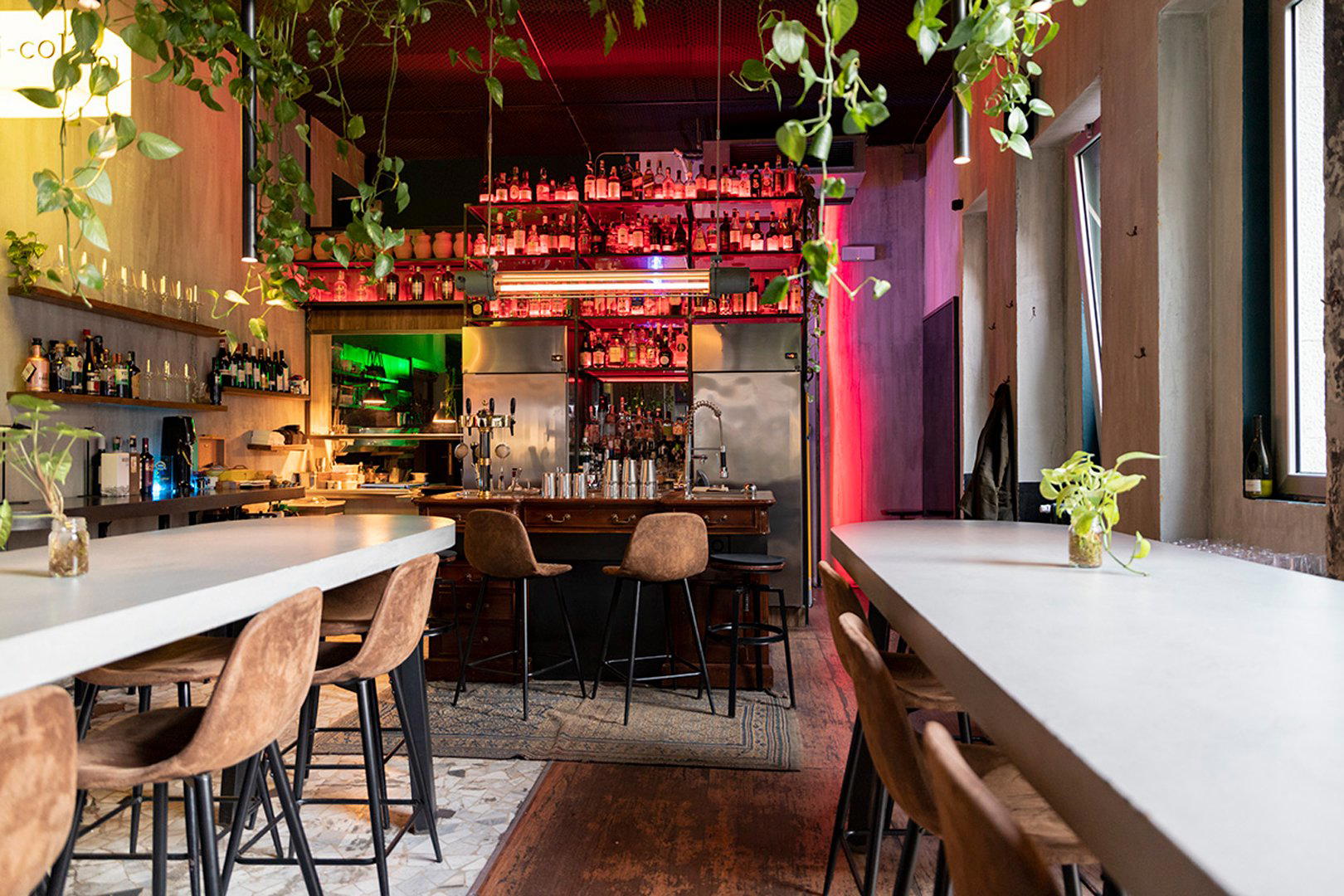
The address is Via Ascanio Sforza, on the southern stretch of the Naviglio Grande away from the aperitivo crowds that fill the canal banks on weekend evenings. Approaching from the street, the restaurant reads immediately as a working osteria rather than a concept space: wood-heavy interiors, a room that prioritises comfort over theatre, and a pace that encourages longer meals. That physical register is not incidental. In a city where the term osteria is often applied loosely to modern rooms chasing a rustic aesthetic, this is a place where the word still carries weight.
How the Menu Is Structured
Italian seafood restaurants of this type tend to follow a format that has remained largely consistent for decades, and for good reason. The meal builds from raw to cooked, cold to warm, delicate to strong, with the antipasto course doing significant work in establishing the kitchen's sourcing credentials before a single flame is lit.
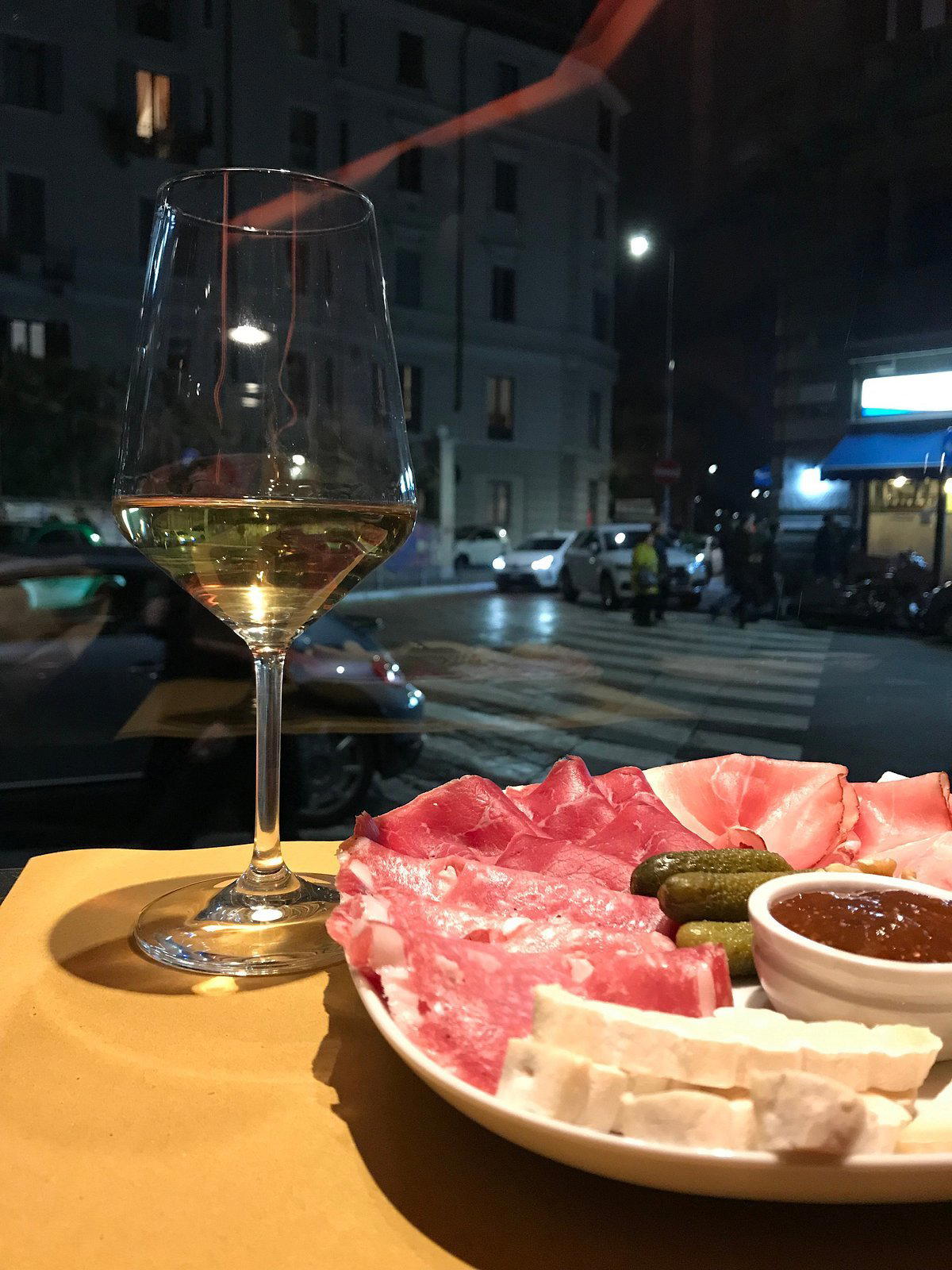
Here, that logic plays out through a selection of antipasti followed by shared trays of raw fish, a format familiar from trattorias on the Ligurian coast and in Palermo's better neighbourhood restaurants. The shared raw plate is a reasonable indicator of a kitchen's confidence in its supply chain: there is nowhere to hide behind technique. From there, the menu moves to traditional pasta and grilled options, a sequence that places this squarely in the trattoria-to-osteria continuum rather than the fine-dining register occupied by addresses like La Risacca Blu or La Rosa dei Venti.
The pasta course in this format typically means something close to home-style production: spaghetti alle vongole, linguine with seafood, or a paccheri built around whatever the day's catch dictates. The grill section follows similar principles: whole fish, simply seasoned, cooked over direct heat. This is a tradition more aligned with the cucina di mare of Italy's coastal south than with the creative seafood preparations appearing at newer Milan addresses, and it is not trying to be anything else.
Tradition Versus Innovation in Milan's Seafood Scene
Milan's seafood market has evolved into a recognisable spectrum. At one end, the Langosteria group (including Langosteria Cafè) has built a premium identity around raw bars, polished interiors, and a price architecture that positions it against European peers rather than local competition. That model borrows from the French écailler tradition and the Japanese approach to raw fish presentation, grafting it onto an Italian menu framework.
At the other end sits the older osteria model, which predates any of this and operates according to different values: seasonal availability, familiar preparations, a bill that reflects the neighbourhood rather than the occasion. Antica Osteria del Mare holds that position in Milan's current seafood scene, drawing consistent custom evidenced by its.
The Michelin Plate recognition in both 2024 and 2025 is a useful quality marker. For context, the broader Italian fine dining circuit includes decorated addresses like Osteria Francescana in Modena, Dal Pescatore in Runate, and Piazza Duomo in Alba, where technique and invention drive the Michelin conversation. Antica Osteria del Mare is not competing in that register, and the Plate designation correctly identifies it as a restaurant of genuine quality within its own category rather than a near-miss at a higher tier.
For those exploring Italy's seafood tradition more broadly, the comparison extends to coastal specialists like Alici Restaurant on the Amalfi Coast and Gambero Rosso in Marina di Gioiosa Ionica, where proximity to the source gives the cooking a different kind of authority. Milan-based seafood restaurants operate at one remove from the coast, and the better ones compensate through supply-chain discipline rather than proximity. The raw fish trays at an address like this are a direct expression of that discipline.
Planning Your Visit
The restaurant sits at Via Ascanio Sforza, 105, in the 20141 postcode, which places it on the southern Naviglio strip in a section that retains more of the working-neighbourhood character that defined the area before the canal banks became a nightlife destination. The mid-range price point (€€) positions this comfortably below the Langosteria tier and makes it accessible for a long midweek lunch or a relaxed dinner without the booking pressure that applies to higher-demand addresses.
Reservations are recommended, and the format of a shared-table raw fish course makes it better suited to groups of three or four than solo dining.
For those interested in the wider Italian fine dining picture, Enoteca Pinchiorri in Florence, Le Calandre in Rubano, and Atelier Moessmer Norbert Niederkofler in Brunico represent further points on that spectrum.
A Tight Comparison
Comparable venues nearby, for context on price, style, and recognition.
| Venue | Cuisine | Price | Notes |
|---|---|---|---|
| Antica Osteria del MareThis venue — the venue you are viewing | Tibaldi, Sardinian Seafood Osteria | $$ | Not listed |
| La Cucina dei Frigoriferi Milanesi | Corsica, Modern Milanese Italian | $$ | Not listed |
| Antica Osteria il Ronchettino | Not listed | $$$ | Gratosoglio - Q. Re Missaglia - Q. Re Terrazze, Traditional Milanese Osteria |
| Un Posto a Milano | Not listed | $$ | Pta Romana, Contemporary Italian Farm-to-Table |
| Da Giannino - L'Angolo d'Abruzzo | Not listed | $$ | Padova - Turro - Crescenzago, Traditional Abruzzese Trattoria |
| Il Liberty | Not listed | $$$ | Porta Garibaldi - Porta Nuova, Modern Italian Mediterranean |
Recognition history
Dated appearances from independent guides and award organizations, with the underlying list record or original source where available.
Michelin Plate
Michelin
Michelin Plate
Michelin
Michelin Plate
Michelin


At a Glance
- Rustic
- Cozy
- Classic
- Intimate
- Date Night
- Family
- Group Dining
- Open Kitchen
- Street Scene
Current opening hours
- Monday
- 7:30–10:30 PM
- Tuesday
- 12:30–2:30 PM, 7:30–10:30 PM
- Wednesday
- 12:30–2:30 PM, 7:30–10:30 PM
- Thursday
- 12:30–2:30 PM, 7:30–10:30 PM
- Friday
- 12:30–2:30 PM, 7:30–10:30 PM
- Saturday
- 12:30–2:30 PM, 7:30–10:30 PM
- Sunday
- Closed
Hours can change for holidays and private events. Last verified .
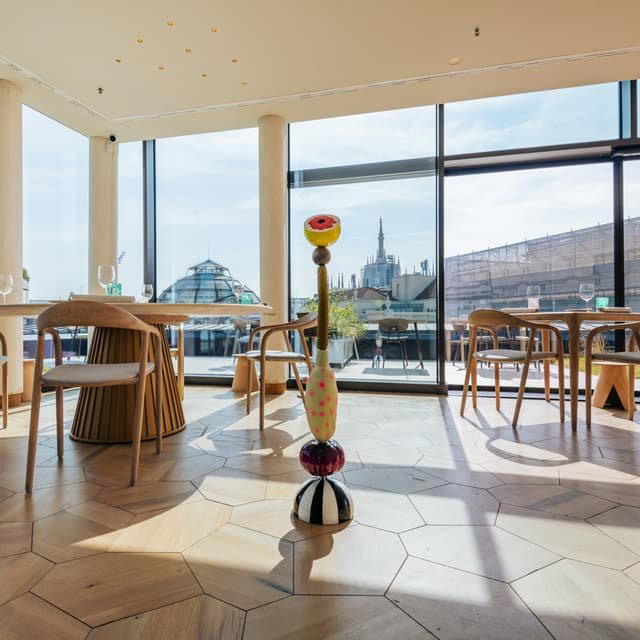
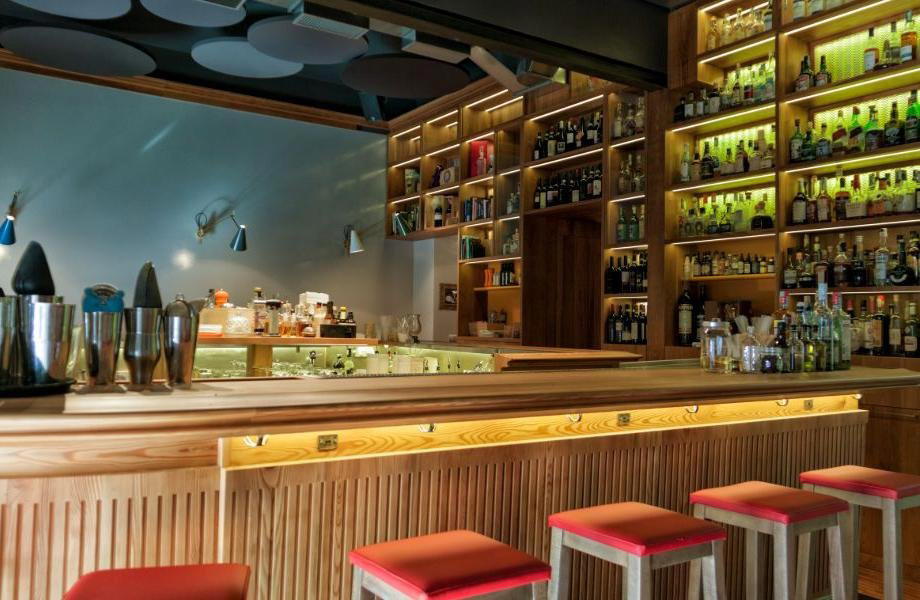
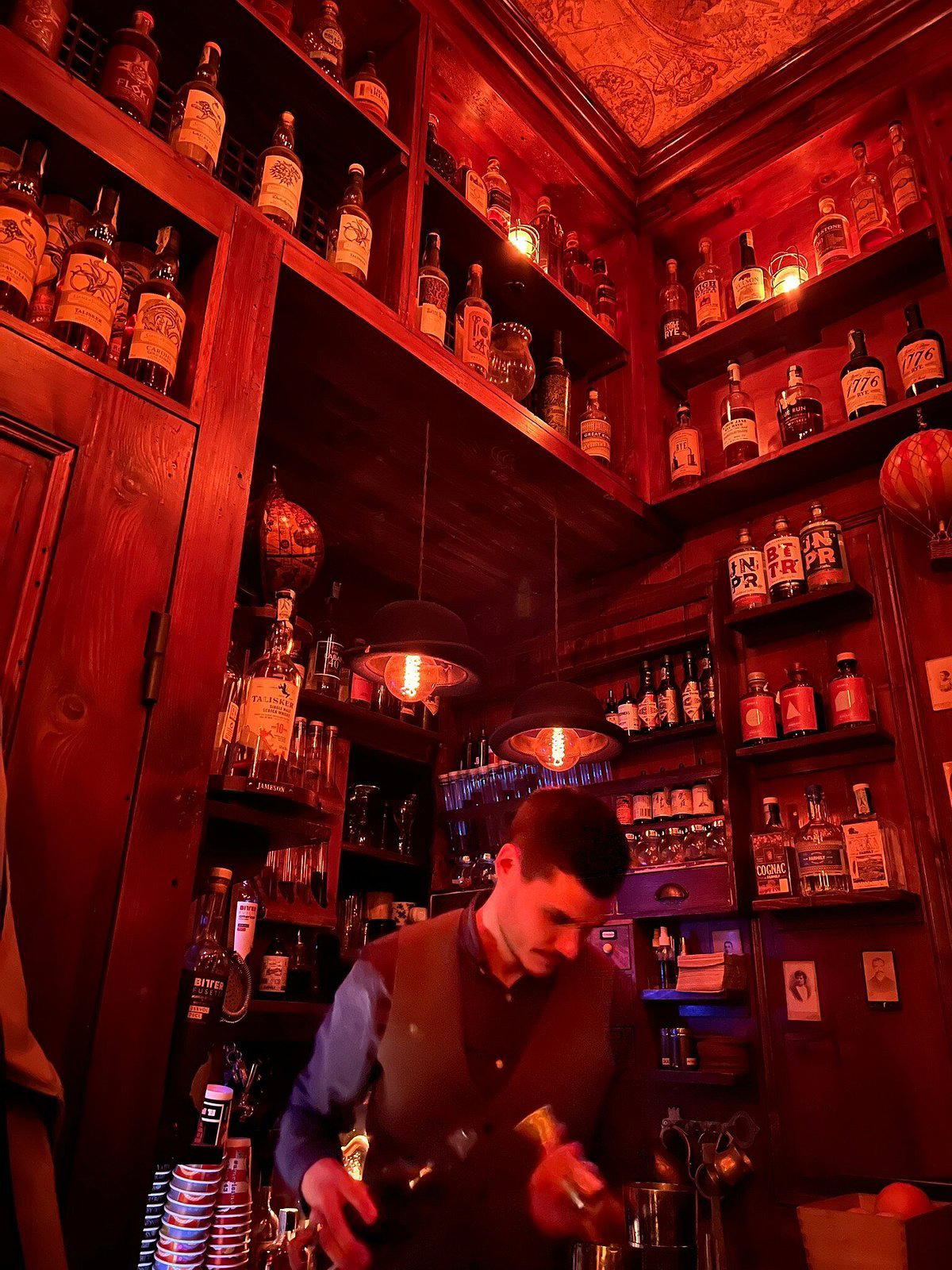
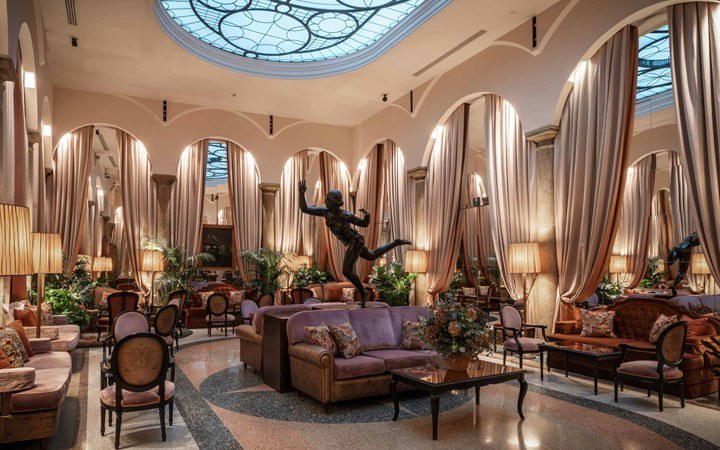
rustic wooden decor with cozy, welcoming atmosphere and garden view, described as elegant yet informal and comfortable.