



Michelin Plate · Star Wine List · Wine Spectator Best of Award of Excellence
Our verdict
Holding a Michelin Plate in 2025 and a wine list of 2,140 selections running deep in Burgundy and Champagne, it occupies a specific tier: Mediterranean-focused, high-spend, and consistently full.

Pearl is the En Primeur Club membership app, where members save venues, book tables and use the concierge.
The menu
What to order
- Red prawn tartare
- Breton blue lobster Catalana
- King crab
- Langoustine tartare
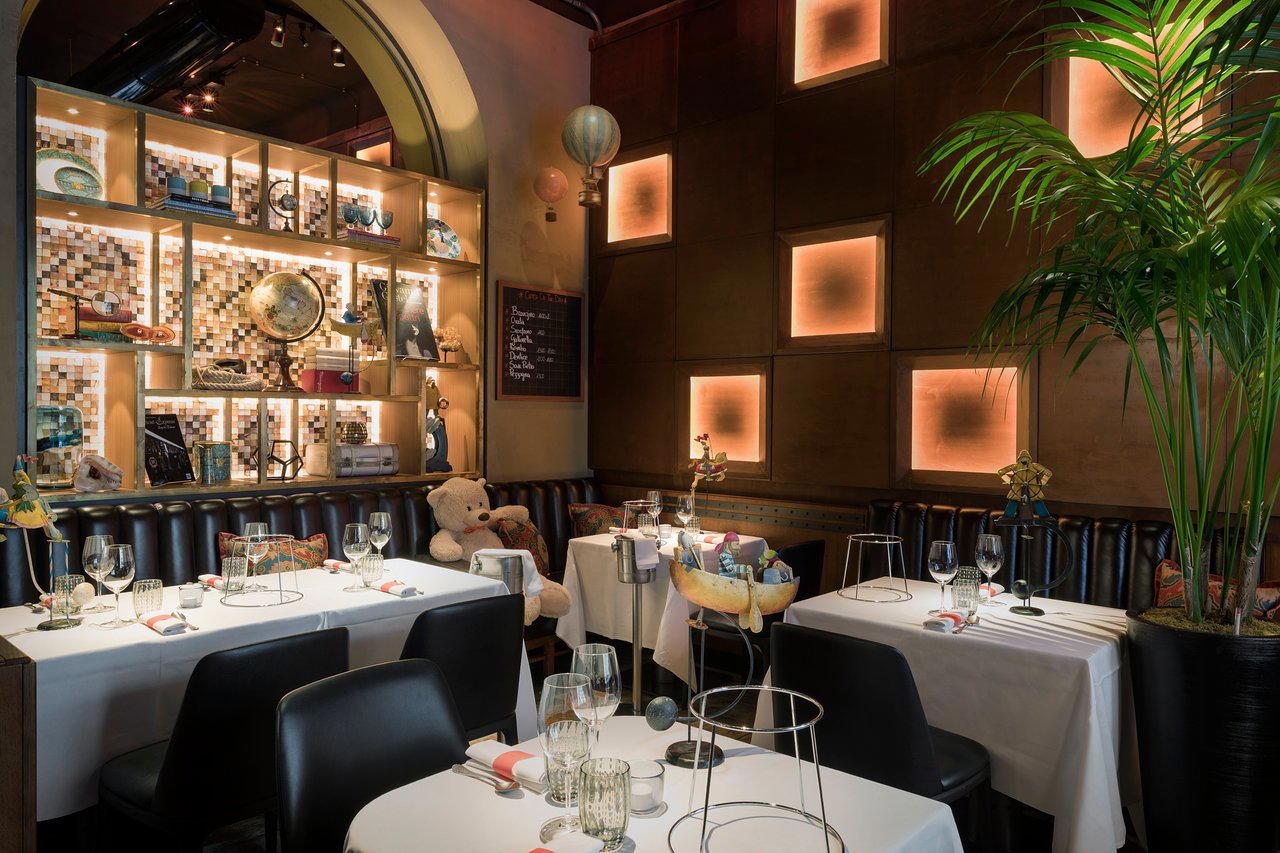
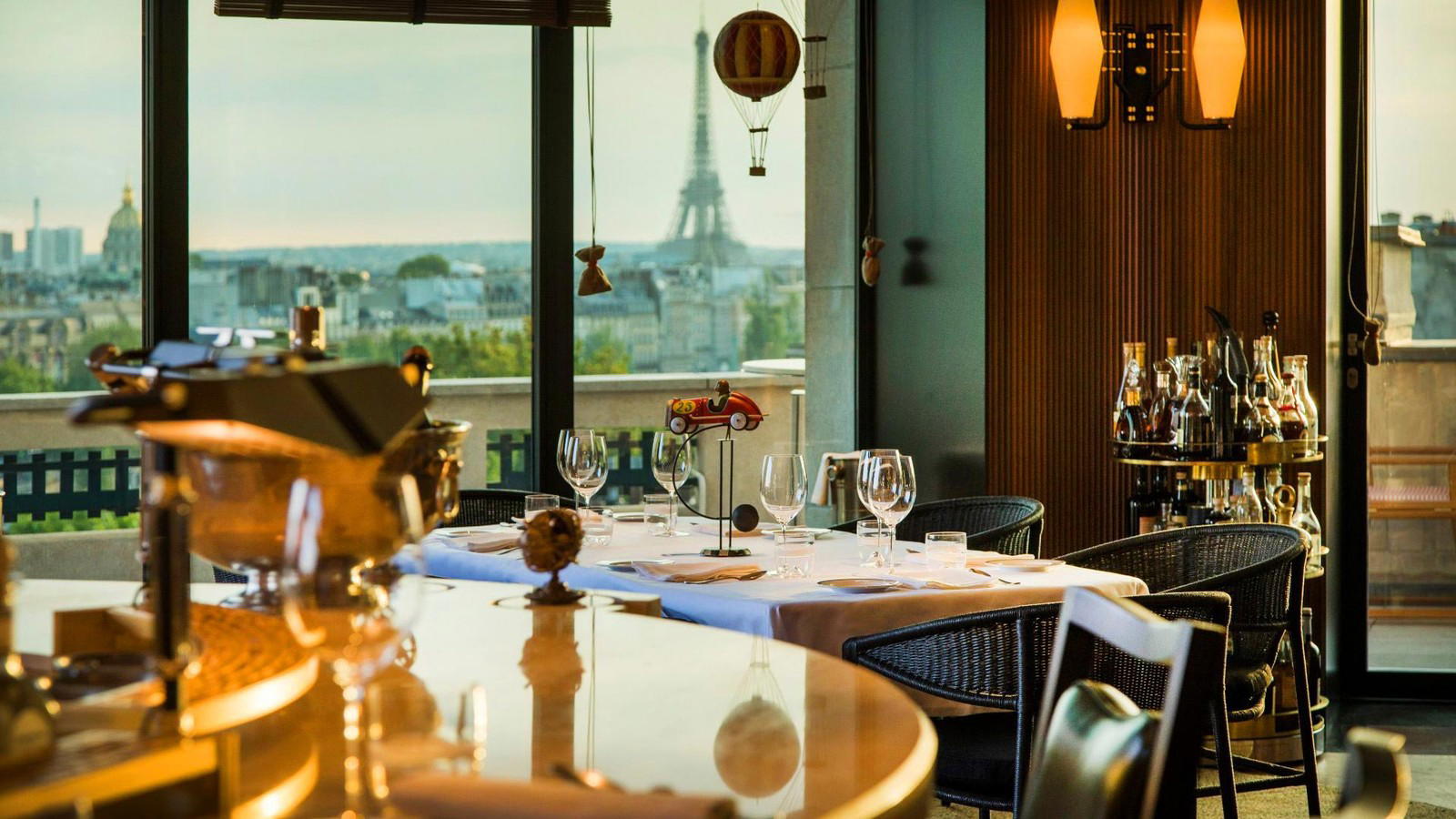
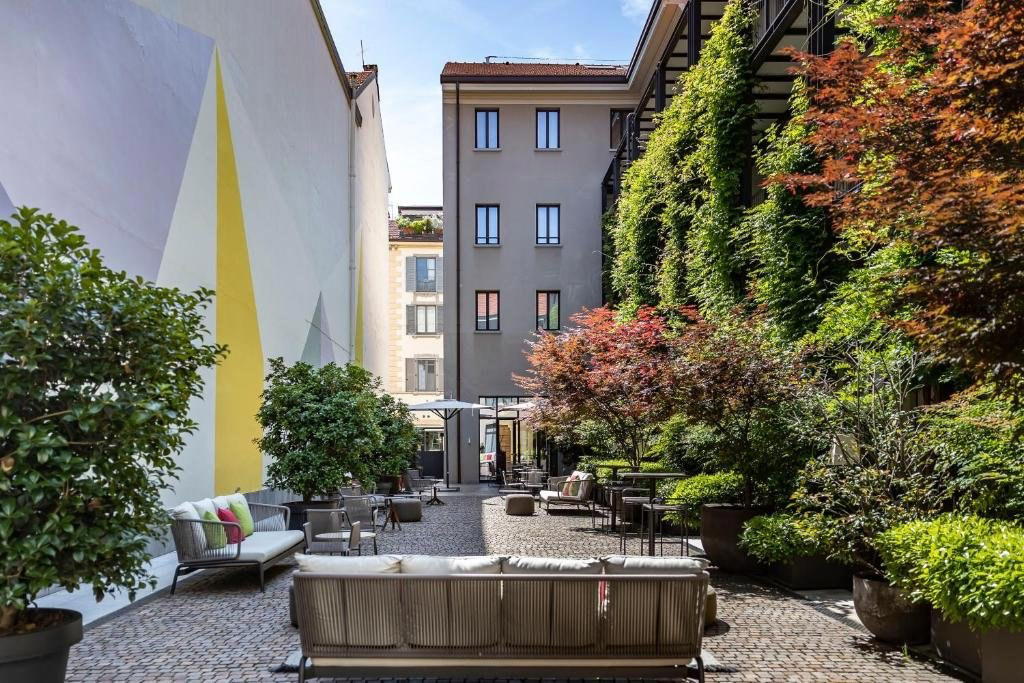
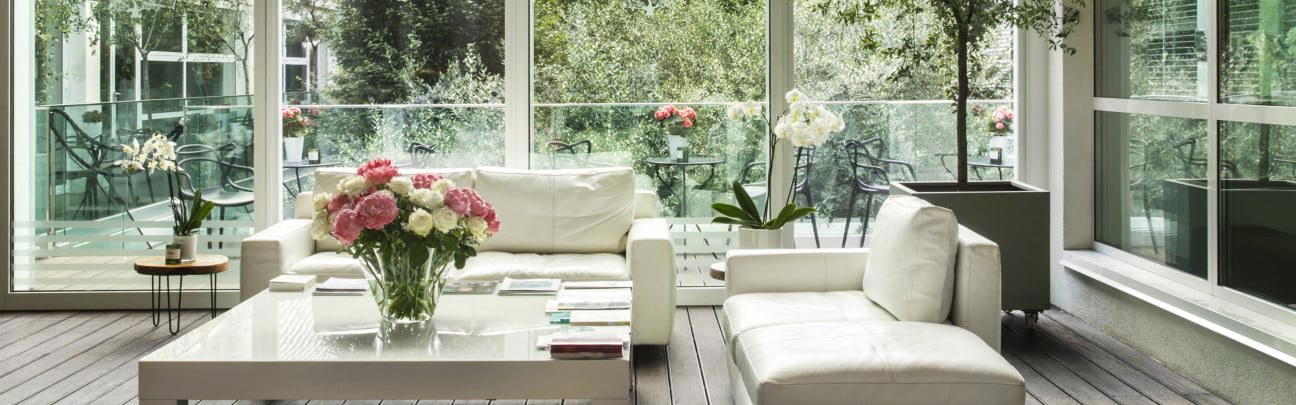
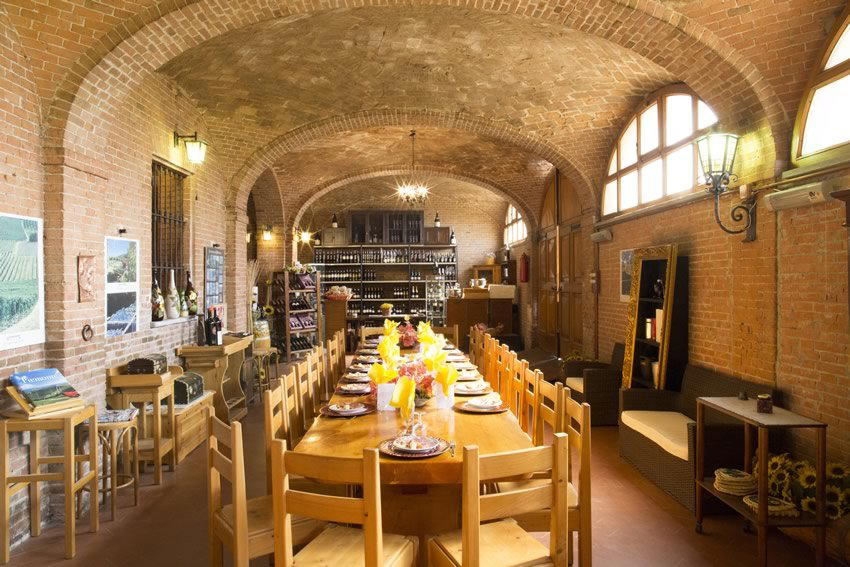
That atmosphere is not incidental. Milan's premium restaurant tier has increasingly split between highly technical tasting-menu formats, represented at the upper end by addresses like Seta, Andrea Aprea, and Enrico Bartolini, and a different category of high-spend restaurant where the format is more flexible, the menu is product-driven, and the room does its own work. Langosteria belongs to the second category. The cooking is Mediterranean, the emphasis falls on raw preparations and seafood, and the physical environment is designed to make the experience feel both refined and approachable within the same visit.
What the Menu Is Actually About
Across the better seafood-focused restaurants in Italy, there is a recurring editorial tension between simplicity of preparation and complexity of sourcing. The strongest addresses, from Dal Pescatore in Runate to more focused fish counters in coastal cities, resolve that tension by letting raw quality speak and restraining the kitchen's impulse to add. Langosteria operates on that same principle, placing raw dishes, oysters, and fresh catch at the centre of the offering rather than treating them as supporting acts.
Raw dishes and crustaceans, which give the restaurant its name, appear prominently across the menu alongside freshly caught fish presented with the kind of directness that depends on procurement rather than elaboration. Wine Director Valentina Bertini and Sommelier Jacopo Tosi manage pairings across a list that runs to 2,140 selections and 17,800 bottles of inventory, with particular depth in Burgundy, Italy broadly, France, and Champagne. The $$$-priced wine list means many bottles move well above the €100 threshold, and the corkage fee for outside bottles is set at $60. For a table working through a longer evening, the Champagne selection provides an obvious pairing axis for raw preparations; Burgundy whites offer a secondary thread for warmer fish courses.
The dining format covers both lunch and dinner, which is significant in Milan's business-dining calendar. The midday service draws the same clientele that populates the better creative-cuisine tables around the city, including Cracco in Galleria and Verso Capitaneo, but the seafood-specific focus gives Langosteria a distinct position on a Milan lunch circuit that leans heavily toward meat-forward or contemporary Italian formats.
Where Langosteria Sits in the Italian Seafood Conversation
Italy's most serious fish-focused tables tend to cluster near coastlines: San Sebastian-adjacent counterparts in the north, Sicilian trattorie for the south, and Adriatic addresses for central Italy. The Lombard interior is not natural seafood country, and Milan's leading fish restaurants have always operated against a geographic logic that requires deliberate supply chains and a customer base willing to pay for produce that has traveled. This is partly why the $$$ cuisine pricing at Langosteria reads as expected rather than surprising; the cost reflects what it takes to present Mediterranean seafood at this level in a landlocked city.
Internationally, the category finds parallels in how Le Bernardin in New York City built a sustained argument for fish-only fine dining in a market not naturally oriented toward it, or how Enoteca Pinchiorri in Florence built its authority partly through wine depth and room presence in a city better known for bistecca. At Langosteria, the Michelin Plate recognition in 2025 positions the restaurant as a quality reference without placing it in the starred-tasting-menu tier occupied by Italian addresses like Osteria Francescana in Modena, Piazza Duomo in Alba, or Le Calandre in Rubano. That is not a criticism; the Plate signals consistent quality and a kitchen worth attention, and the format here is deliberately not a tasting-menu progression.
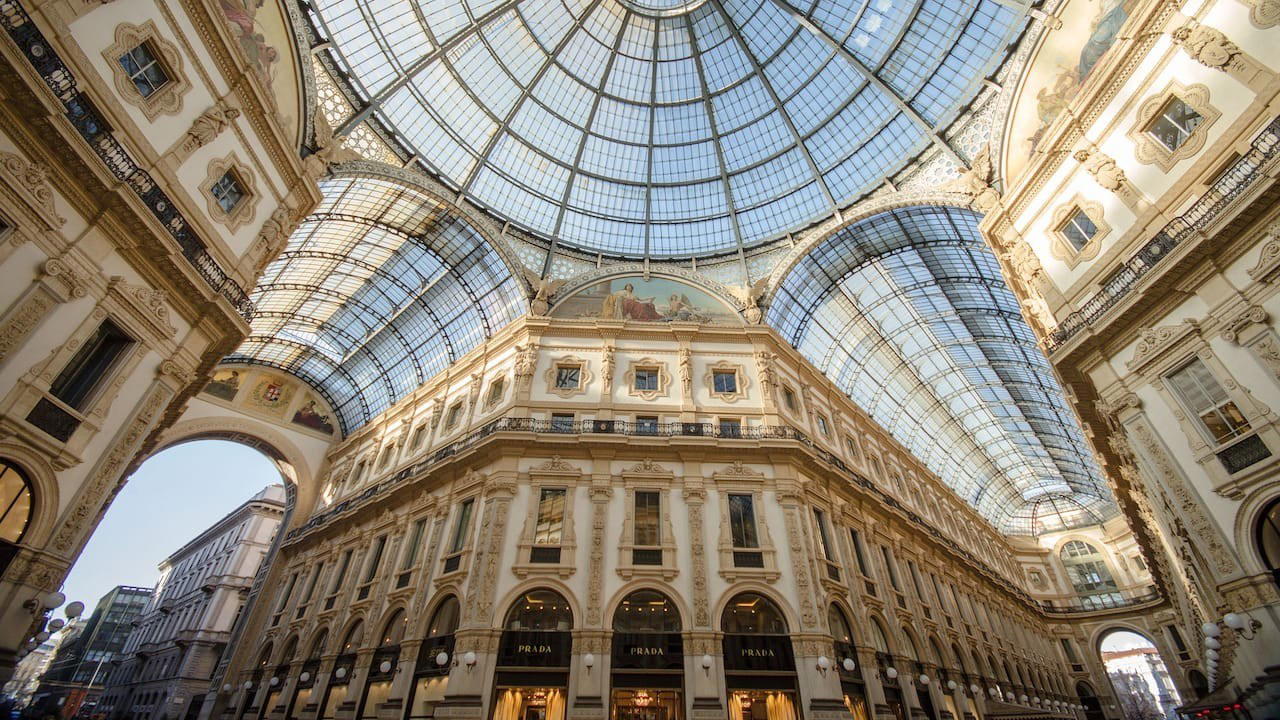
For comparison within the broader Italian creative register, Atelier Moessmer Norbert Niederkofler in Brunico represents what happens when an Italian address builds its entire identity around a single sourcing philosophy at starred intensity. Langosteria's approach is less prescriptive and more commercially fluid, which suits its Milan setting and its mixed business-and-leisure clientele. The neighbourhood has a working residential character that makes arriving on foot from the canal area a reasonable approach; from central Milan, a taxi or rideshare is the more practical option for dinner. The restaurant takes both lunch and dinner bookings, and given the business-lunch demand that characterises this price tier in Milan, advance reservation for midday slots during the working week is advisable. The full scope of Milan's dining options, hotels, and after-dinner possibilities is covered in our full Milan restaurants guide, our full Milan hotels guide, our full Milan bars guide, our full Milan wineries guide, and our full Milan experiences guide.
General Manager Sorin Tanasie oversees the operation, and the front-of-house polish that results is noticeable in a city where service standards at this price point can be inconsistent. The combination of an experienced room management team, a credentialed sommelier team, and a kitchen focused on high-procurement Mediterranean product makes this a table where the supporting structure justifies the cuisine pricing as much as the food itself does.
Frequently asked questions
What's the vibe at Langosteria?
Langosteria operates in a register between formal fine dining and fashion-week glamour: soft lighting, small tables, and a crowd drawn heavily from Milan's business community. The 20144 address near the Navigli canals keeps it slightly removed from tourist traffic, which reinforces the sense that the room belongs to the city's regulars rather than passers-through. The Michelin Plate recognition for 2025 confirms the kitchen's technical standing without pushing the atmosphere into stiff territory.
What awards or recognition does Langosteria have?
Langosteria has received recognition including: Langosteria is one of the fanciest places in Milano. The place has a warm ambience, with soft light and small tables. It’s a mix of refined and trendy-chic atmosphere, frequented by business people an...; If you are looking for fish special….
What do regulars order at Langosteria?
Raw dishes, oysters, and seafood lead the menu, with freshly caught fish forming the backbone of the kitchen's output under chef Denis Pedron. The wine program, overseen by wine director Valentina Bertini and sommelier Jacopo Tosi, runs to 2,140 selections and 17,800 bottles in inventory, with particular depth in Burgundy, Champagne, and Italian labels, making it a destination for wine-focused guests as much as for the food.
What's Langosteria's location?
Langosteria is located at Via Savona, 10, 20144 Milano MI, Italy, Milan.
City Peers
A quick peer reference to anchor this venue in its category.
| Venue | Cuisine | Price | Awards | Notes |
|---|---|---|---|---|
| LangosteriaThis venue (the venue you are viewing) | Modern Italian Seafood Fine Dining | $150–200 | Michelin Plate · Star Wine List | Not listed |
| Enrico Bartolini | Modern Italian Fine Dining | $300–500 | 3 Michelin Stars · World's 50 Best #85 | Creative |
| Cracco in Galleria | Modern Italian Fine Dining | $150–200 | 1 Michelin Star · World's 50 Best #33 | Modern Cuisine |
| Andrea Aprea | Modern Italian Fine Dining | $200–300 | 2 Michelin Stars · La Liste Top Restaurants | Modern Italian, Italian Contemporary |
| Seta | Modern Italian Fine Dining | $150–200 | 2 Michelin Stars · La Liste Top Restaurants | Modern Italian |
| Contraste | Modern Italian Fine Dining | $150–200 | 1 Michelin Star · La Liste Top Restaurants | Progressive Italian, Modern Cuisine |
Recognition history
Dated appearances from independent guides and award organizations, with the underlying list record or original source where available.
Michelin Plate
Michelin
Star Wine List
Star Wine List
Opinionated About Dining Casual in Europe Recommended
Opinionated About Dining
Wine Spectator Best of Award of Excellence
Wine Spectator
Full recognition history (6 entries)
Michelin Plate
Michelin
Wine Spectator Best of Award of Excellence
Wine Spectator
Langosteria
Featured Guides
Continue exploring
More in Milan
Restaurants in Milan
All restaurants in Milan →
Bars in Milan
All bars in Milan →
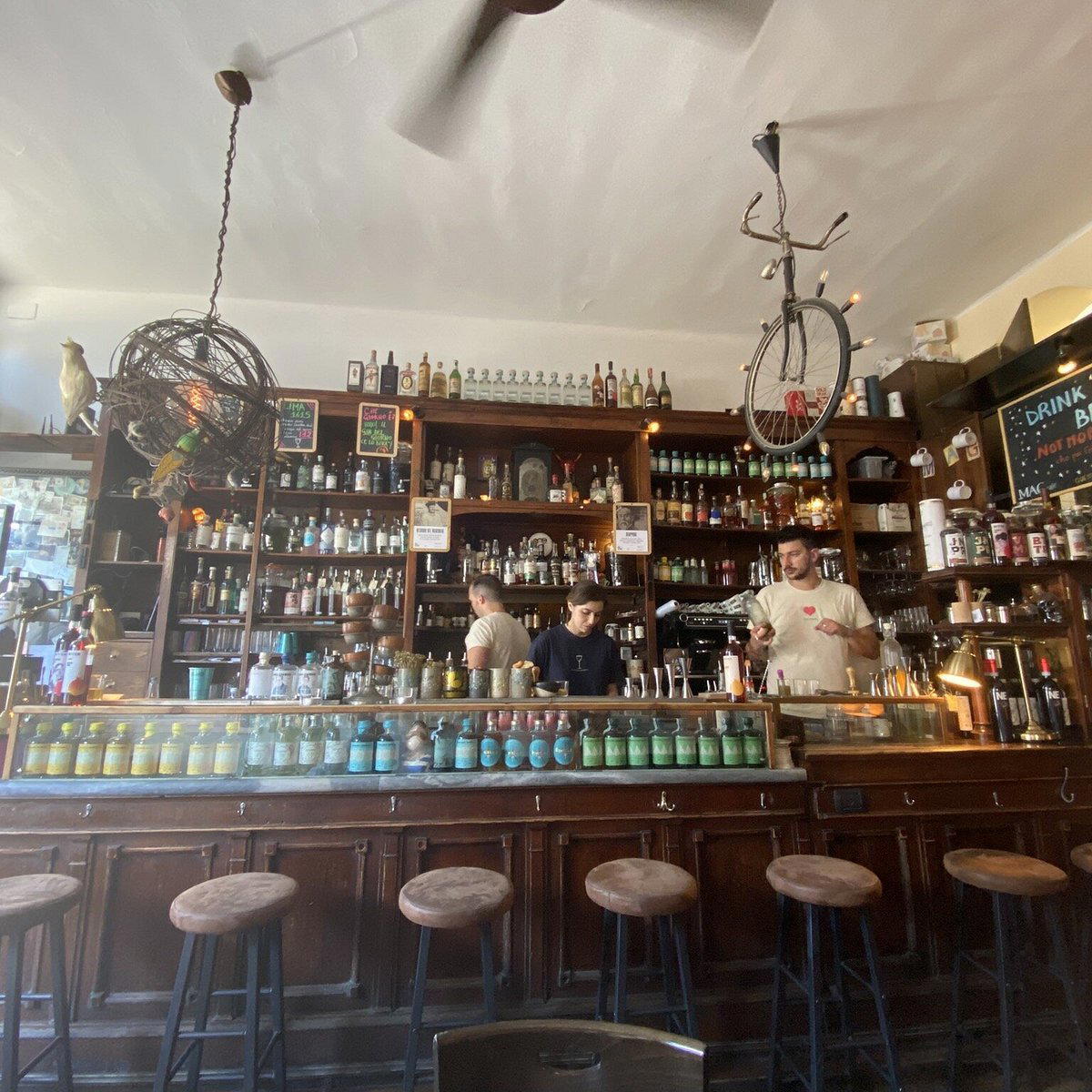
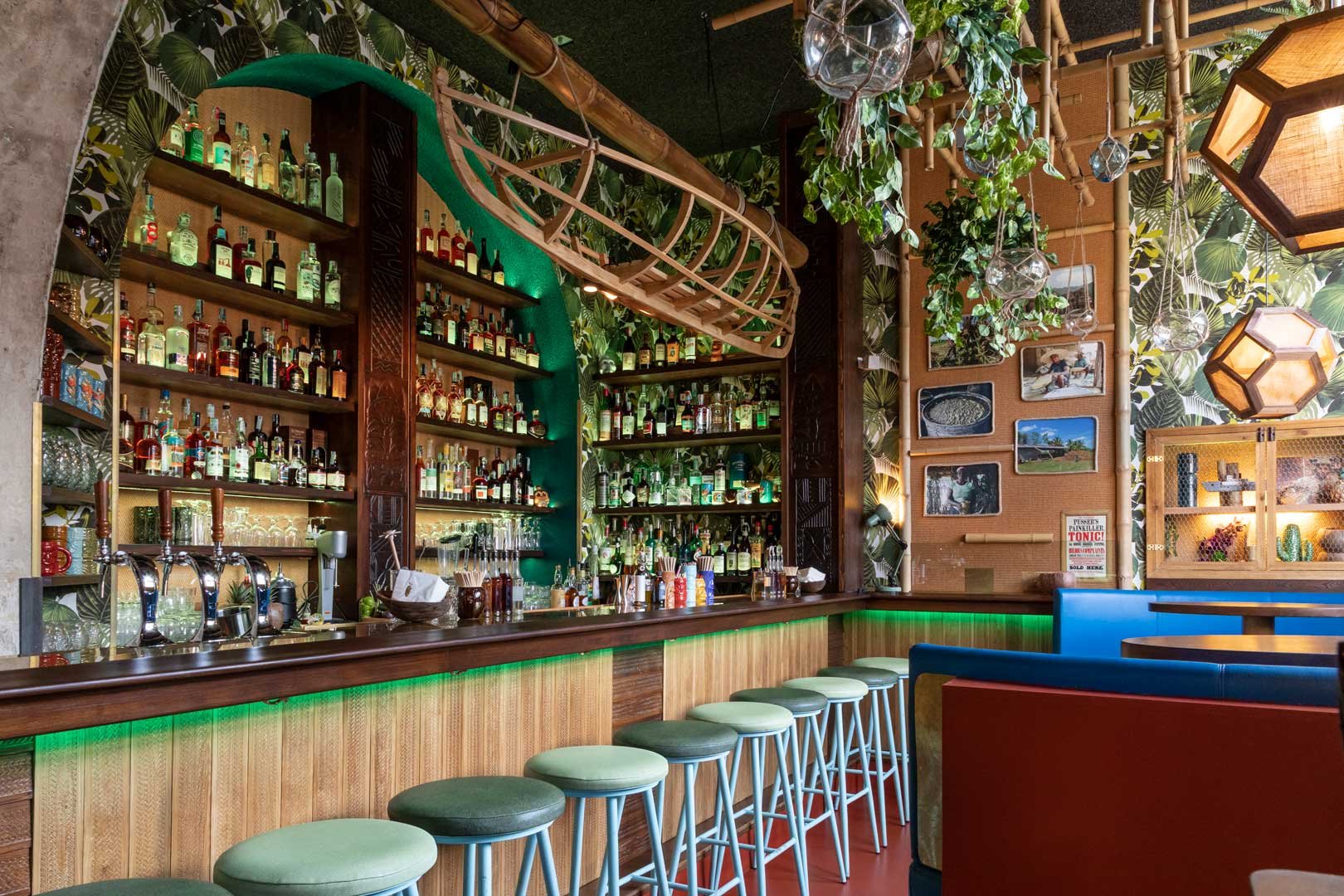
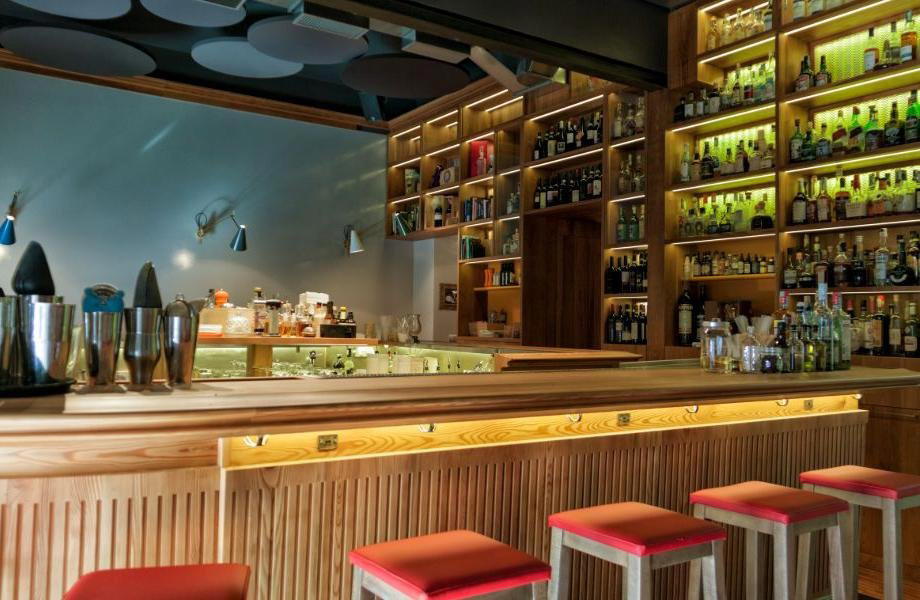
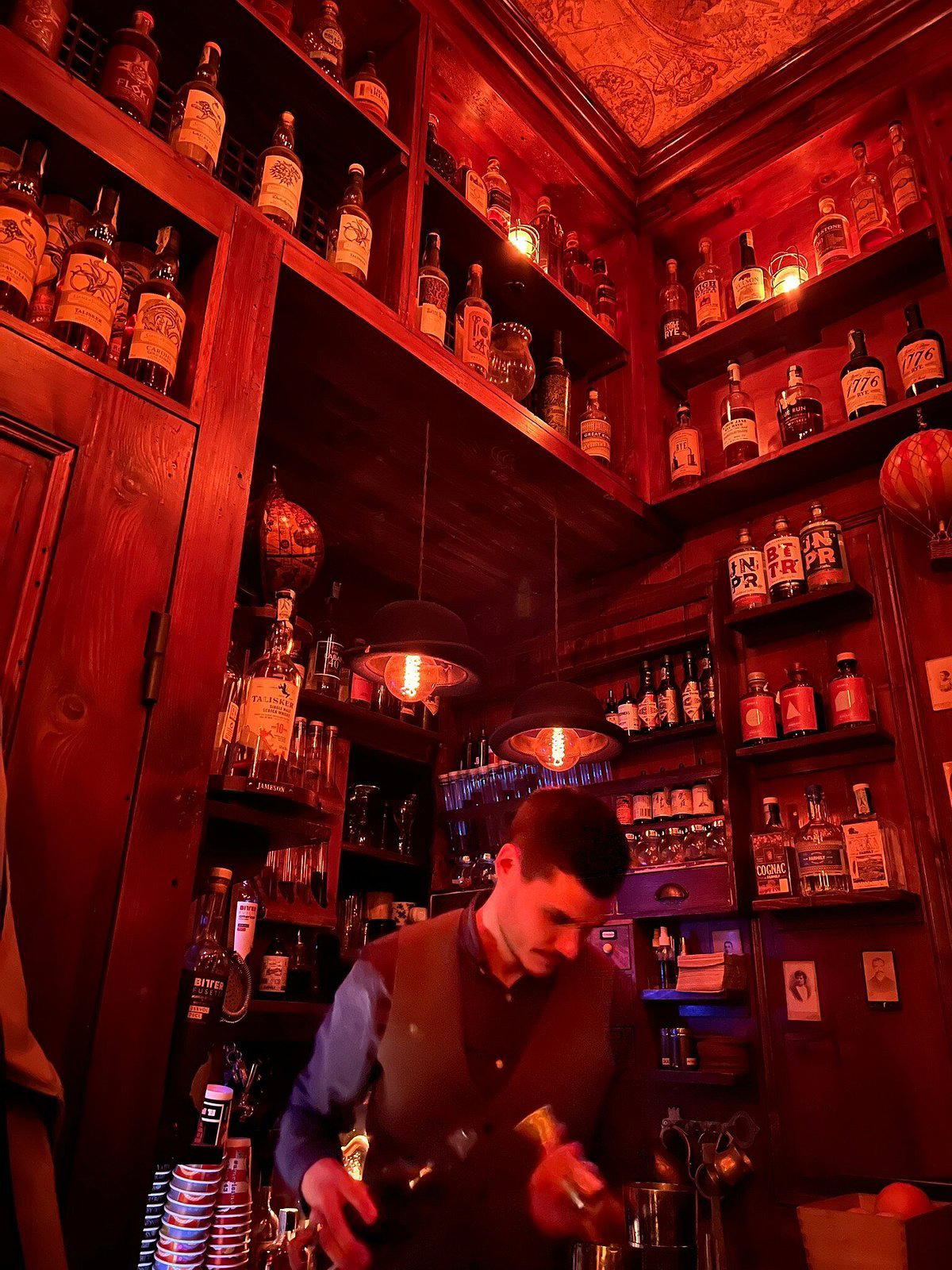
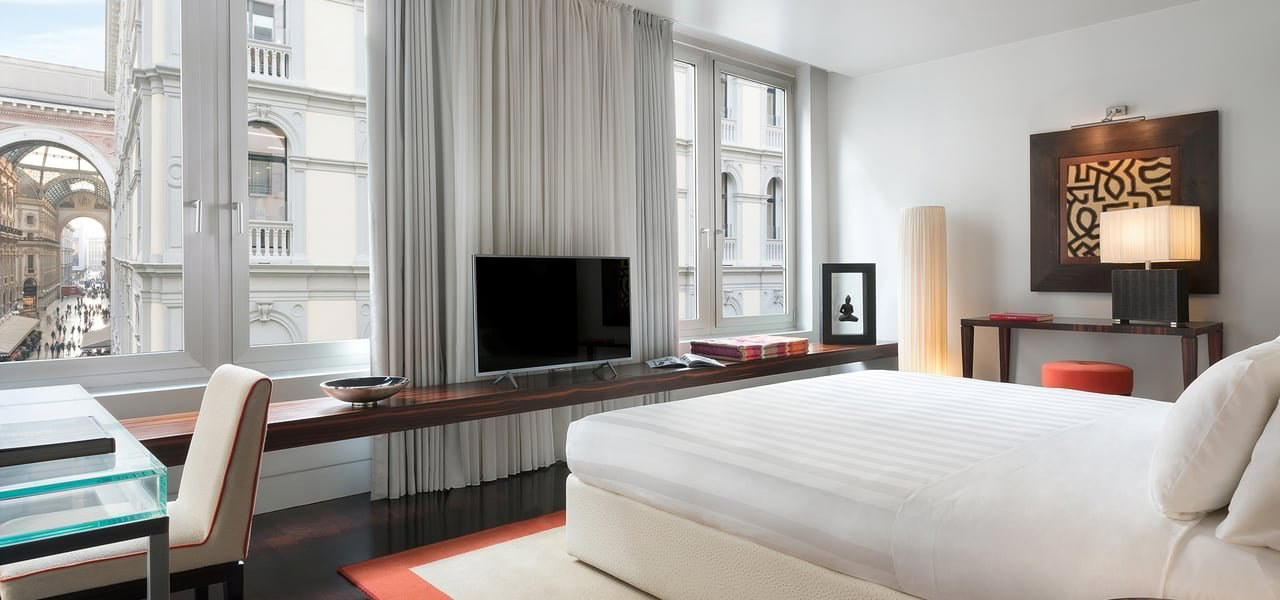
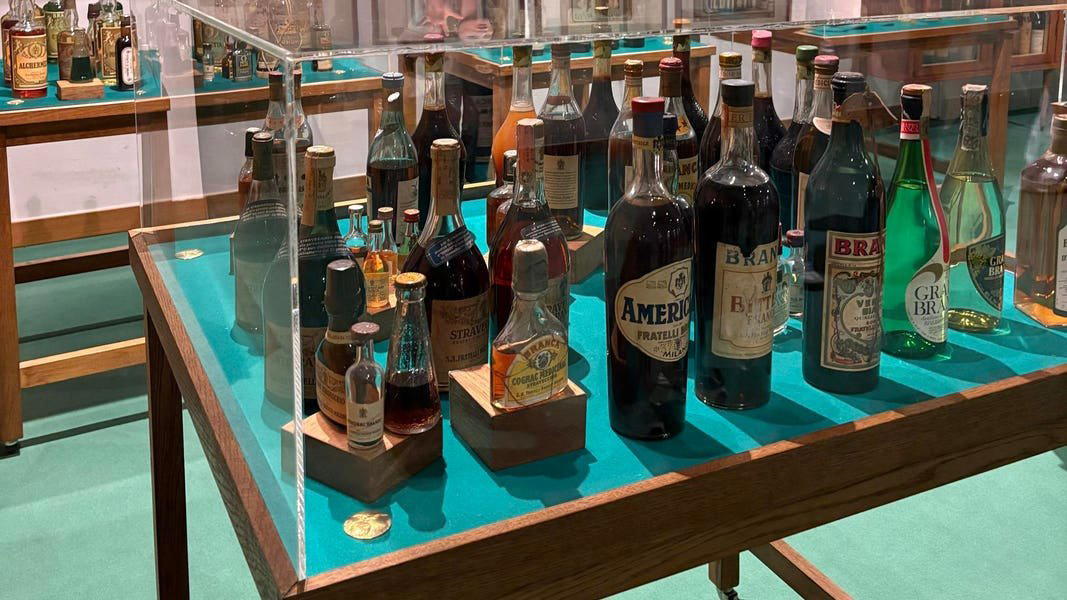
Langosteria
The wine
Langosteria holds the Wine Spectator Best of Award of Excellence, which Wine Spectator gives to lists of usually 350 or more selections.
- Wine program
- Deep wine list
- Wine Spectator
- Wine Spectator Best of Award of Excellence
- Selections
- 2,140
- Bottles in cellar
- 17,800
- List strengths
- Burgundy, Italy, France, Champagne
- Wine director
- Valentina Bertini
- Extensive wine list
Details
- Elegant
- Sophisticated
- Intimate
- Romantic
- Classic
- Date Night
- Special Occasion
- Business Dinner
- Standalone
- Extensive Wine List
Current opening hours
- Monday
- Closed
- Tuesday
- 6 PM–12 AM
- Wednesday
- 6 PM–12 AM
- Thursday
- 6 PM–12 AM
- Friday
- 6 PM–12 AM
- Saturday
- 6 PM–12 AM
- Sunday
- Closed
Hours can change for holidays and private events. Hours as of .
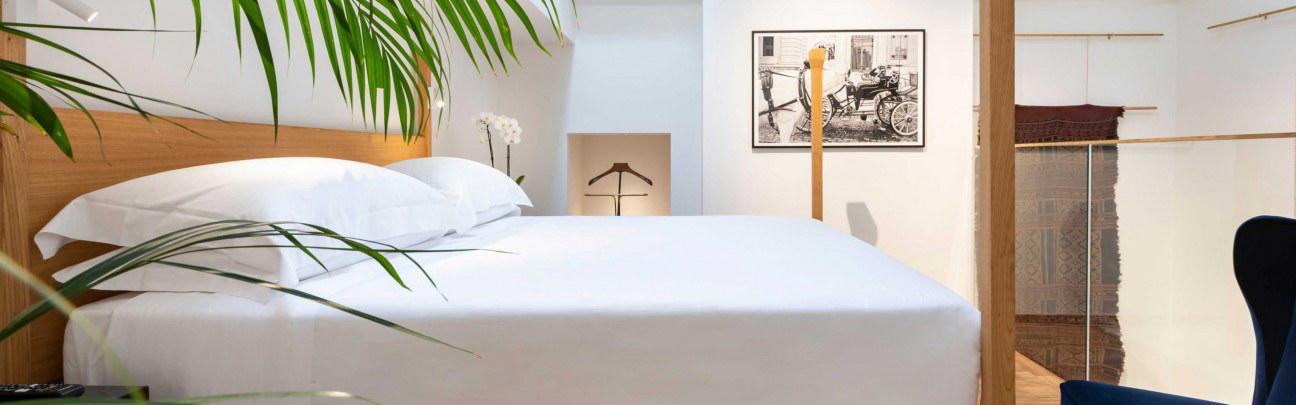
Dim lighting, refined decor, and elegant intimate atmosphere praised for sophistication and romance.