Anna & Paul occupies a Mitte address on Oranienburger Strasse, placing it inside Berlin's most-watched corridor for serious dining. The kitchen operates within a city increasingly defined by ingredient-led cooking, where the question of sourcing has become as editorially significant as technique. For those mapping Berlin's fine dining tier, this is a table worth tracking.
Pearl is the En Primeur Club membership app — saves, bookings, and concierge access live there. Same editors, same standards.
- Address
- Oranienburger Str. 39, 10117 Berlin, Germany
- Phone
- +493025091417
- Website
- anna-paul.berlin
- Directions
- Get directions
 Saves & bookings on Pearl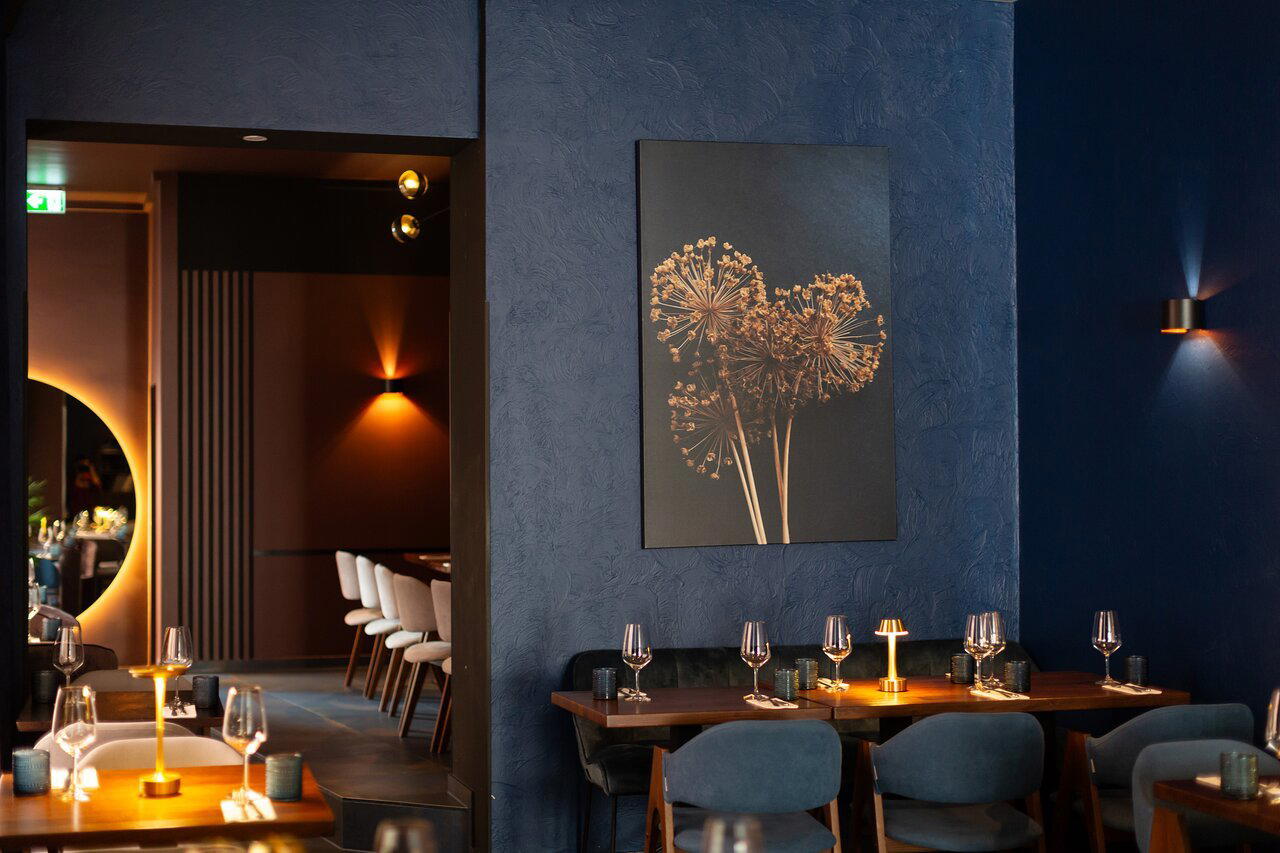
Oranienburger Strasse and the Sourcing Argument
Berlin's fine dining conversation has shifted considerably over the past decade. Where technique and concept once led the editorial narrative, the city's most-discussed kitchens now open with a sourcing argument: where does the food come from, and does the provenance justify the price? That shift places restaurants like Anna & Paul inside a broader German dining movement that treats ingredient origin as primary, not supplementary. Oranienburger Strasse 39, in Mitte, sits at the address on the record, with central Berlin access and steady foot traffic. The challenge, in this part of Berlin, is differentiation inside a dining tier that has grown increasingly precise about what it values.
Mitte carries a particular weight in the Berlin restaurant story. It is neither the freewheeling laboratory of Neukölln nor the neighbourhood-institution territory of Prenzlauer Berg. It is the district where international visitors land first and where Berlin attempts to make its most coherent case for serious dining. Restaurants that operate here are, consciously or not, contributing to that case. Anna & Paul enters that context on Oranienburger Strasse, a street that has cycled through several dining identities and now supports a range of formats from casual to considered.
Where Ingredient Origin Becomes the Menu
Across Germany's higher-end restaurant tier, the sourcing conversation has produced two distinct approaches. The first is declarative: menus that name farms, rivers, and regions as a form of credential-signalling. The second is integrative: kitchens where provenance shapes technique and seasonality rather than appearing as a footnote on the menu card. The integrative approach is harder to execute and harder to read for a first-time visitor, but it produces cooking that changes materially across the calendar year rather than simply swapping one garnish for another.
This distinction matters when positioning Anna & Paul within Berlin's current dining map. The city already has clear reference points at the summit of the ingredient-led register. Nobelhart & Schmutzig, on Friedrichstrasse, has built its entire identity around hyper-regional sourcing, with a menu so committed to Brandenburg producers that it has become a reference point not just in Berlin but in wider European discussions about local-first cooking. Rutz, in Mitte itself, has used its wine programme and seasonal kitchen to establish a reputation that now extends well beyond the city. These are the competitive reference points against which any serious Berlin kitchen is implicitly measured, whether or not the restaurant invites the comparison directly.
Anna & Paul's position within this conversation is, at this stage, still forming. Anna & Paul is a modern European restaurant in Berlin, with a recommended reservation policy and a price point around USD 50 per person. What can be said with confidence is that the address, central Mitte, a neighbourhood where dining credibility is built slowly and lost quickly, demands a kitchen with a clear point of view. In a city where FACIL holds Michelin recognition for its garden-set contemporary European cooking, and where CODA Dessert Dining has reframed the dessert course as a full tasting format worthy of two Michelin stars, the bar for conceptual clarity is set high.
The Berlin Fine Dining Context
Germany's fine dining geography is more distributed than many visitors expect. The country's most-decorated kitchens are not concentrated in Berlin. Schwarzwaldstube in Baiersbronn, Aqua in Wolfsburg, and Vendôme in Bergisch Gladbach sit at the summit of the national award ledger, while Victor's Fine Dining by Christian Bau in Perl and ES:SENZ in Grassau operate at a level that draws international attention despite their non-capital addresses. Even within Bavaria, JAN in Munich has built a following that extends beyond the city's tourist circuit. Berlin punches below its population weight in terms of Michelin accumulation, which is partly a function of the city's self-image, experimental, anti-establishment, sceptical of the kind of formal service culture that tends to attract high inspector scores, and partly a reflection of real economic constraints on what diners there will pay.
That context shapes the environment Anna & Paul enters. Berlin diners at the serious end of the market are not indifferent to quality, but they tend to reward cooking that feels rooted in a genuine point of view over cooking that performs its ambition through formal codes. Restaurant Tim Raue built its two-star reputation on a decisively personal cuisine that sits outside mainstream European fine dining conventions. The restaurants in Berlin that have sustained critical attention across multiple years have, almost without exception, found a way to make their cooking feel specific to the city's character rather than imported from an international template.
For context beyond Germany, the ingredient-sourcing argument that now defines so much of Berlin's serious dining has equivalents in other markets. Lazy Bear in San Francisco operates a communal tasting format where producer relationships are central to the menu's identity. Le Bernardin in New York City has built a decades-long reputation on sourcing discipline in a single protein category. The approaches differ, but the underlying logic, that where food comes from is inseparable from how it tastes, is the same argument that Berlin's most-discussed kitchens are now making in their own register. Other German addresses worth tracking in this context include Restaurant Haerlin in Hamburg, Schanz in Piesport, Waldhotel Sonnora in Dreis, and Bagatelle in Trier.
Planning a Visit
Anna & Paul is located at Oranienburger Strasse 39, 10117 Berlin, in the Mitte district. The address is well-served by S-Bahn connections to Oranienburger Strasse station, and the surrounding area is walkable from most central Berlin accommodation. Anna & Paul is recommended for reservations and is open daily from 5 to 11 PM. For the broader picture of where Anna & Paul sits within Berlin's dining scene,
Awards and Standing
Comparable venues nearby, for context on price, style, and recognition.
| Venue | Cuisine | Price | Notes |
|---|---|---|---|
| Anna & PaulThis venue — the venue you are viewing | Modern European (Italian-French-German) | $$$ | Not listed |
| Nomad | Modern European Bistro | $$$ | Mitte |
| KochRaum Instinct | Modern European Fine Dining | $$$ | Kreuzberg |
| ama Café | Healthy European Café | $$ | Mitte |
| Lu Liba | Mediterranean-Lebanese Fusion | $$$ | Tiergarten |
| Como Berlin | Contemporary Italian inspired by Japanese cuisine | $$$ | Charlottenburg |
Continue exploring
More in Berlin
Restaurants in Berlin
Browse all →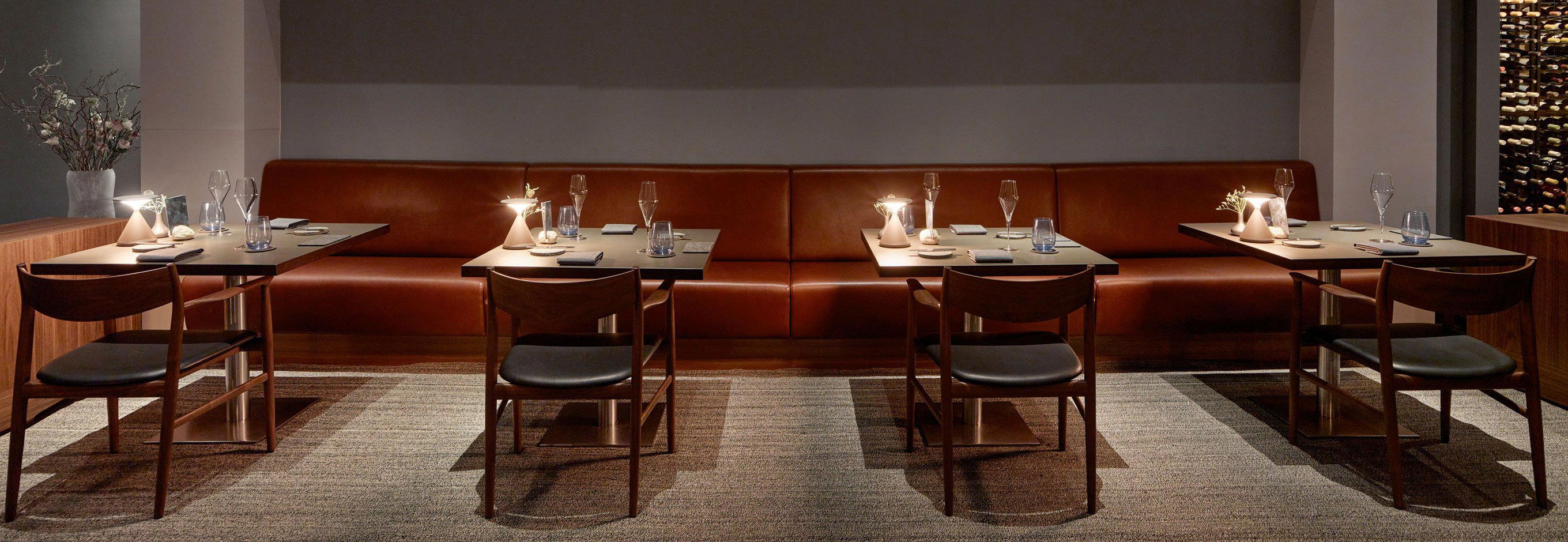
Bars in Berlin
Browse all →
Hotels in Berlin
Browse all →

At a Glance
- Cozy
- Elegant
- Intimate
- Modern
- Date Night
- Special Occasion
- Group Dining
- Open Kitchen
- Terrace
- Extensive Wine List
Current opening hours
- Monday
- 5–11 PM
- Tuesday
- 5–11 PM
- Wednesday
- 5–11 PM
- Thursday
- 5–11 PM
- Friday
- 5–11 PM
- Saturday
- 5–11 PM
- Sunday
- 5–11 PM
Hours can change for holidays and private events. Last verified .
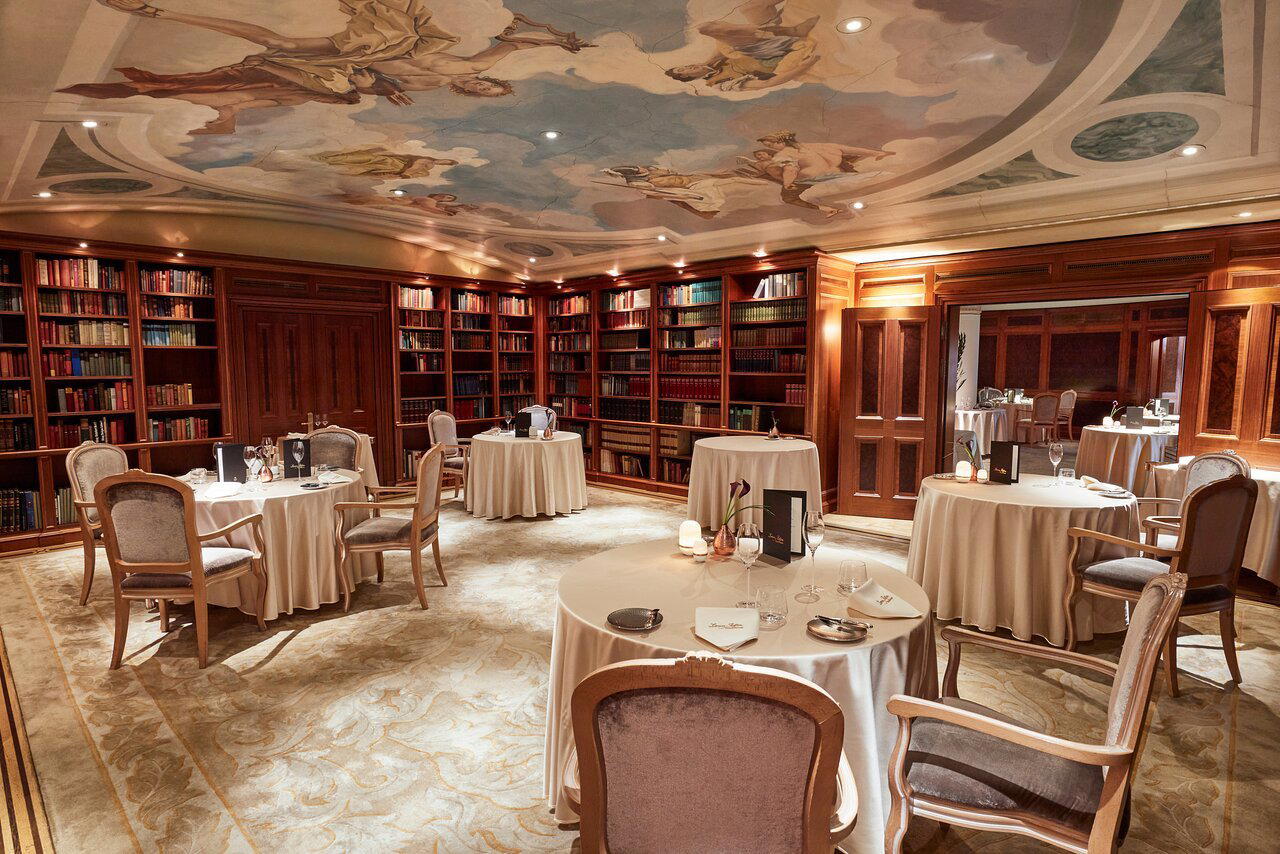
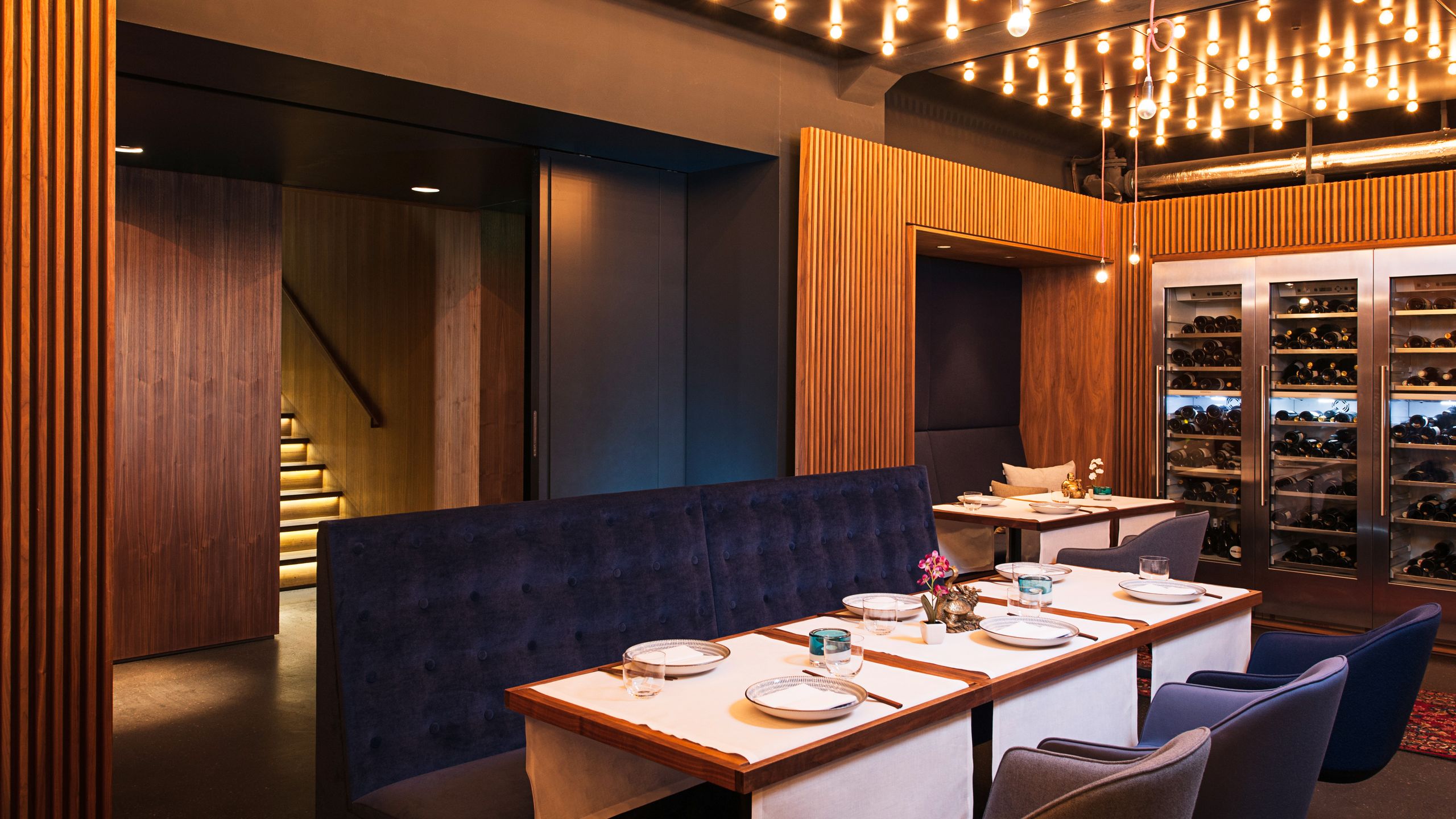
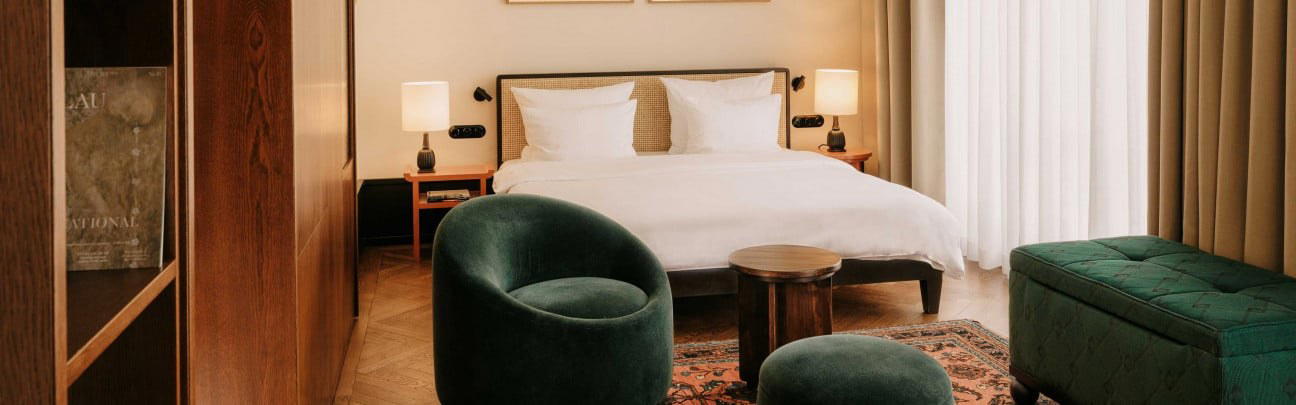
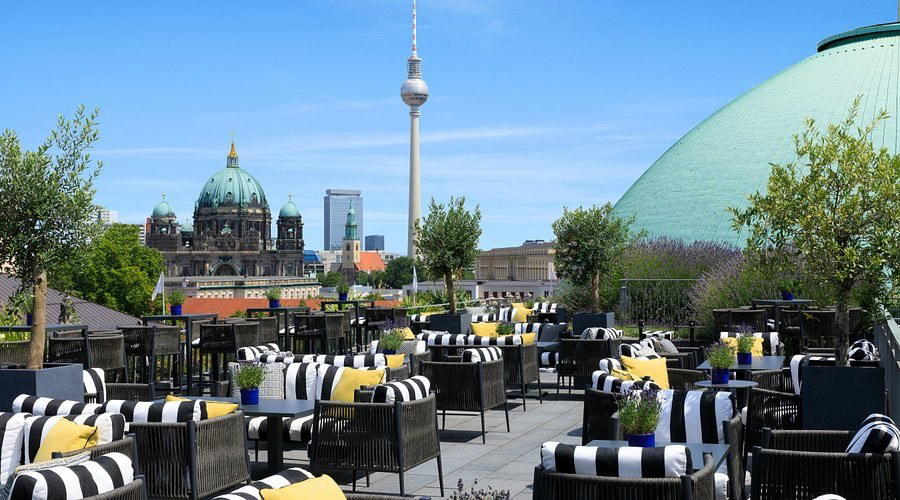
Cozy and stylish with chic interior, relaxed atmosphere, warm lighting, and welcoming vibe ideal for date nights.