Nomad occupies a Mitte address on Borsigstraße 28, placing it inside Berlin's competitive tier of serious modern dining. The restaurant draws comparison with the city's Michelin-recognised creative houses, operating where ingredient provenance and format discipline matter more than spectacle. For visitors working through Berlin's upper dining tier, it belongs on the same shortlist as Nobelhart and Rutz.
Pearl is the En Primeur Club membership app — saves, bookings, and concierge access live there. Same editors, same standards.
- Address
- Borsigstraße 28, 10115 Berlin, Germany
- Phone
- +493023883977
- Website
- nomad-berlin.de
- Directions
- Get directions
 Saves & bookings on Pearl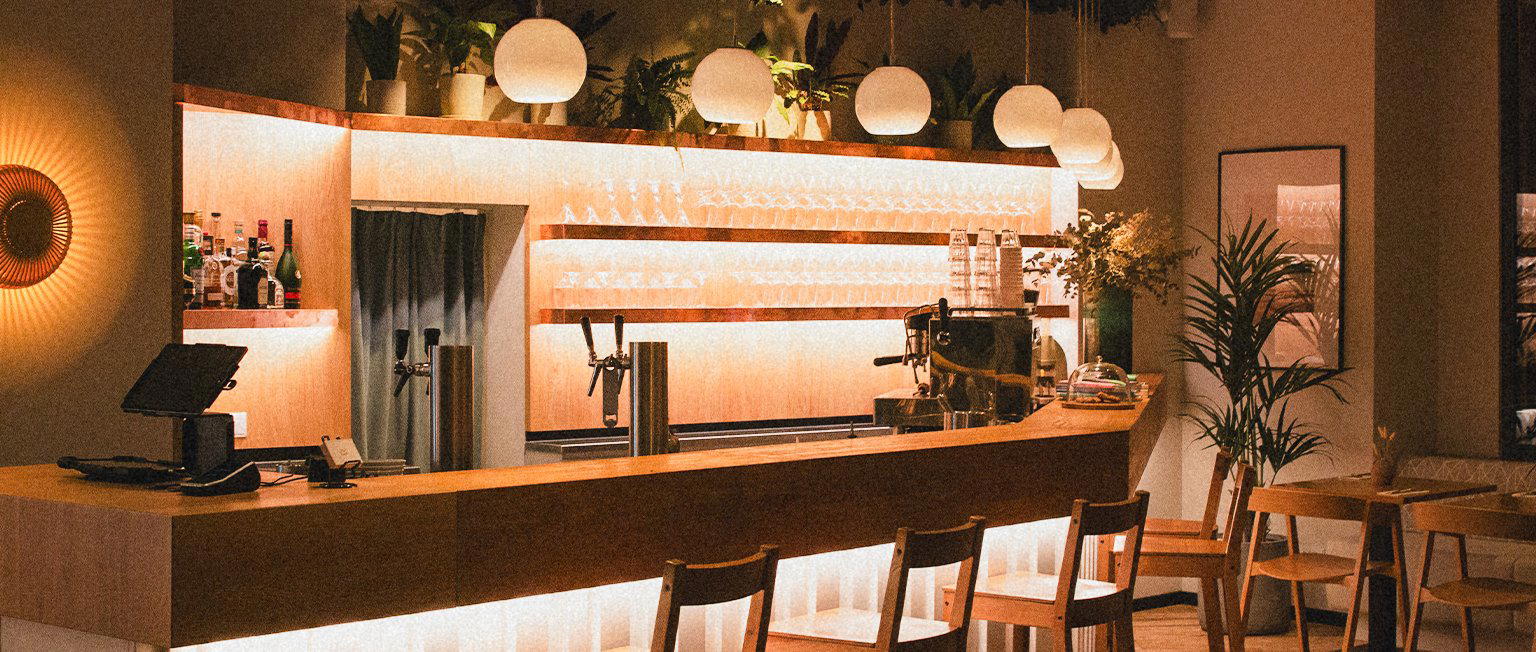
Borsigstraße and the Geography of Berlin's Serious Dining
Berlin's fine dining has never concentrated itself along a single boulevard the way Paris does around the 8th or Tokyo along Ginza's main strip. Instead, it spreads across districts, with Mitte functioning as a kind of gravitational centre for the city's more deliberate, format-conscious restaurants. Borsigstraße 28, where Nomad sits, places it squarely in that orbit: close enough to the neighbourhood's gallery and creative-industry density to draw a cosmopolitan clientele, yet removed from the tourist-facing stretches of the Hackescher Markt corridor. The address signals intent before a guest crosses the threshold.
That geographical positioning matters in a city where the dining tier between ambitious neighbourhood cooking and high recognition has become increasingly populated. Berlin now hosts a small but serious cohort of restaurants operating with precision sourcing programs and structured menus, and Nomad competes for attention in that bracket alongside houses like Nobelhart & Schmutzig, Rutz, and FACIL. Each of those addresses has staked a distinct position on the question of what contemporary German cooking can mean. Nomad enters that conversation from its own angle.
Where the Food Comes From, and Why That Framing Matters
Across Berlin's upper dining tier, ingredient sourcing has shifted from marketing footnote to structural commitment. The restaurants that have built durable reputations in this city, whether Michelin-starred or not, tend to share a common characteristic: their menus are built backwards from producer relationships rather than forwards from technique ambition. This is partly a Berlin specificity. The city's relative lack of inherited fine dining tradition, compared with Hamburg or Munich, created space for a generation of cooks to define the terms themselves, and many chose provenance as their primary vocabulary.
Nobelhart & Schmutzig made the sourcing-first model explicit, building a menu around Brandenburg producers with a rigour that functions almost as manifesto. Rutz operates with a similarly considered supply chain but frames it through a wine-led lens, pairing regional producers with a cellar program that has earned Michelin recognition. CODA Dessert Dining takes the logic further still, building an entire tasting format around the idea that confectionery ingredients, handled with the same scrutiny applied to savoury produce, can carry a full meal's narrative weight. These are restaurants where the question of where something comes from is inseparable from the question of what it tastes like.
Nomad sits inside this tradition. The name itself signals a deliberate relationship with origin and movement, a frame that positions the kitchen as one that draws from sources across geography rather than anchoring to a single regional identity. In a city where the localism-versus-cosmopolitanism debate runs through almost every serious dining room, that framing shapes both sourcing and menu construction.
Berlin's Creative Dining Tier: A comparable set
Understanding where Nomad fits requires a clear-eyed look at the competitive set it shares a city with. Berlin's leading creative houses now cluster in a tier that is internationally recognised but distinct in character from, say, the three-star Michelin concentration found in Germany's smaller fine dining outposts. Houses like Aqua in Wolfsburg, Schwarzwaldstube in Baiersbronn, and Victor's Fine Dining by Christian Bau in Perl operate with a formality and star-density that reflects Germany's broader fine dining infrastructure outside the capital. Berlin plays by different rules: the city rewards conceptual clarity and sourcing seriousness as much as it rewards technical polish, and its dining culture has less tolerance for ceremony for ceremony's sake.
Within Berlin specifically, the relevant comparisons are restaurants like FACIL, which operates a contemporary European format from a Potsdamer Platz hotel context, and Restaurant Tim Raue, which has built one of the city's strongest international profiles around a distinct Asian-inflected identity. Each has carved out a position that is recognisable without being imitative. The more instructive comparison for Nomad, given the sourcing-forward framing implied by its positioning, may be Nobelhart & Schmutzig: a restaurant that made ingredient origin the explicit subject of its dining format and earned critical recognition on those terms.
Internationally, the model of a restaurant that uses geographic mobility and cross-cultural sourcing as its organising principle has produced particularly discussed dining formats of the past decade. Le Bernardin in New York built its reputation on absolute product fidelity applied to seafood; Atomix in New York uses Korean ingredient logic as the lens through which a contemporary tasting format is understood. The point is not direct comparison but that sourcing-led framing, when executed with discipline, generates a specific and legible critical identity.
Format, Tone, and What to Expect
Berlin's serious creative restaurants divide broadly into two tonal registers. The first is formal: structured service, extended tasting menus, wine pairings priced to match. The second is deliberately anti-formal in presentation while remaining precise in execution. Nobelhart & Schmutzig exemplifies the second mode, running a counter format with direct service and no-choice menus. Nomad's address and positioning suggest it operates closer to the considered but accessible end of that spectrum, a restaurant where the cooking is the primary register of seriousness rather than the room or the service architecture.
Where the Accolades Land
Comparable venues nearby, for context on price, style, and recognition.
| Venue | Cuisine | Price | Awards | Notes |
|---|---|---|---|---|
| NomadThis venue — the venue you are viewing | Modern European Bistro | $$$ | Not listed | Not listed |
| Lode & Stijn | Modern European Bistro with Dutch-Scandinavian Influences | $$$ | Not listed | Mitte |
| Café Wintergarten | European Café Classics | $$ | Not listed | Tiergarten |
| Coréen Restaurant Berlin | Modern Korean | $$$ | Not listed | Mitte |
| Byblos Restaurant Berlin | Authentic Lebanese | $$$ | Not listed | Wilmersdorf |
| eins44 | Modern European Seasonal | $$$ | Michelin Plate | Neukolln |
Continue exploring
More in Berlin
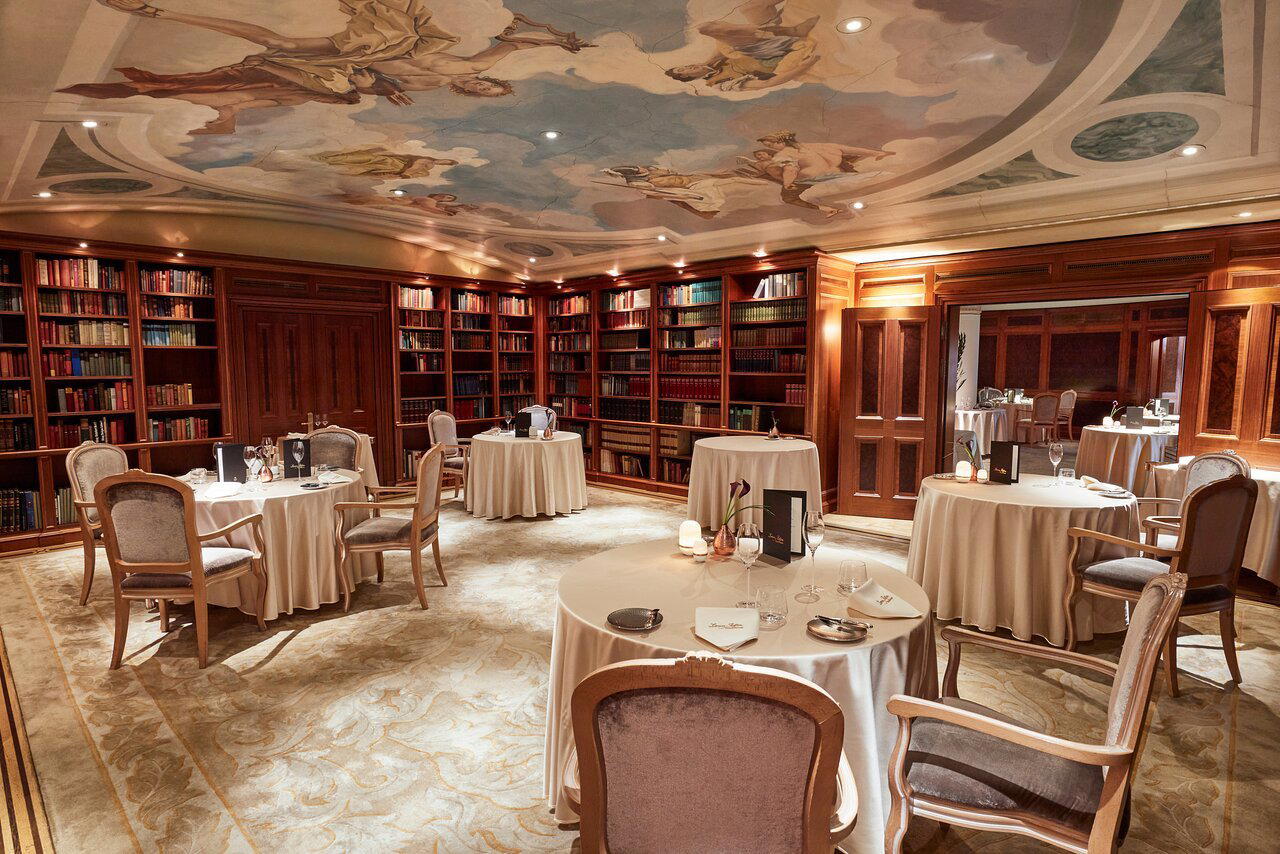
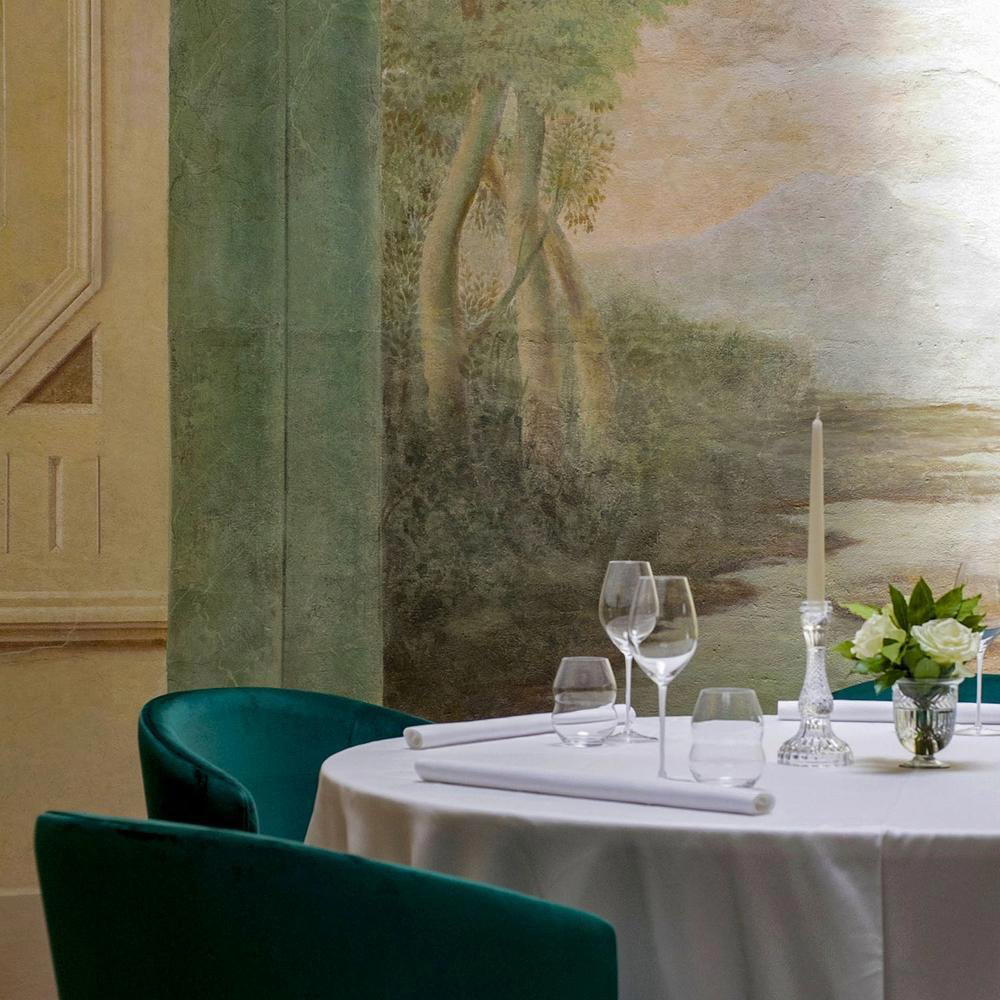
Restaurants in Berlin
Browse all →
Bars in Berlin
Browse all →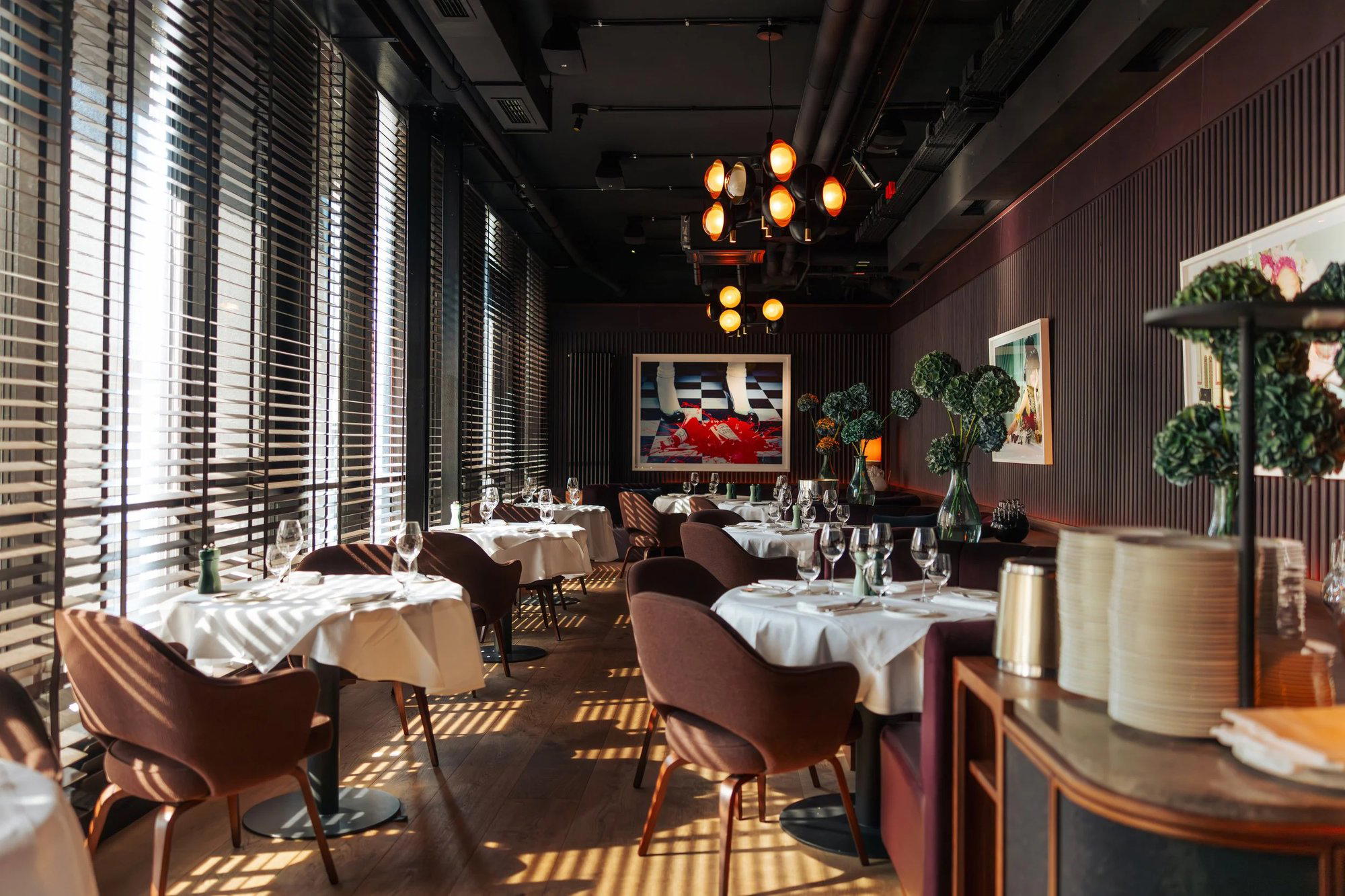
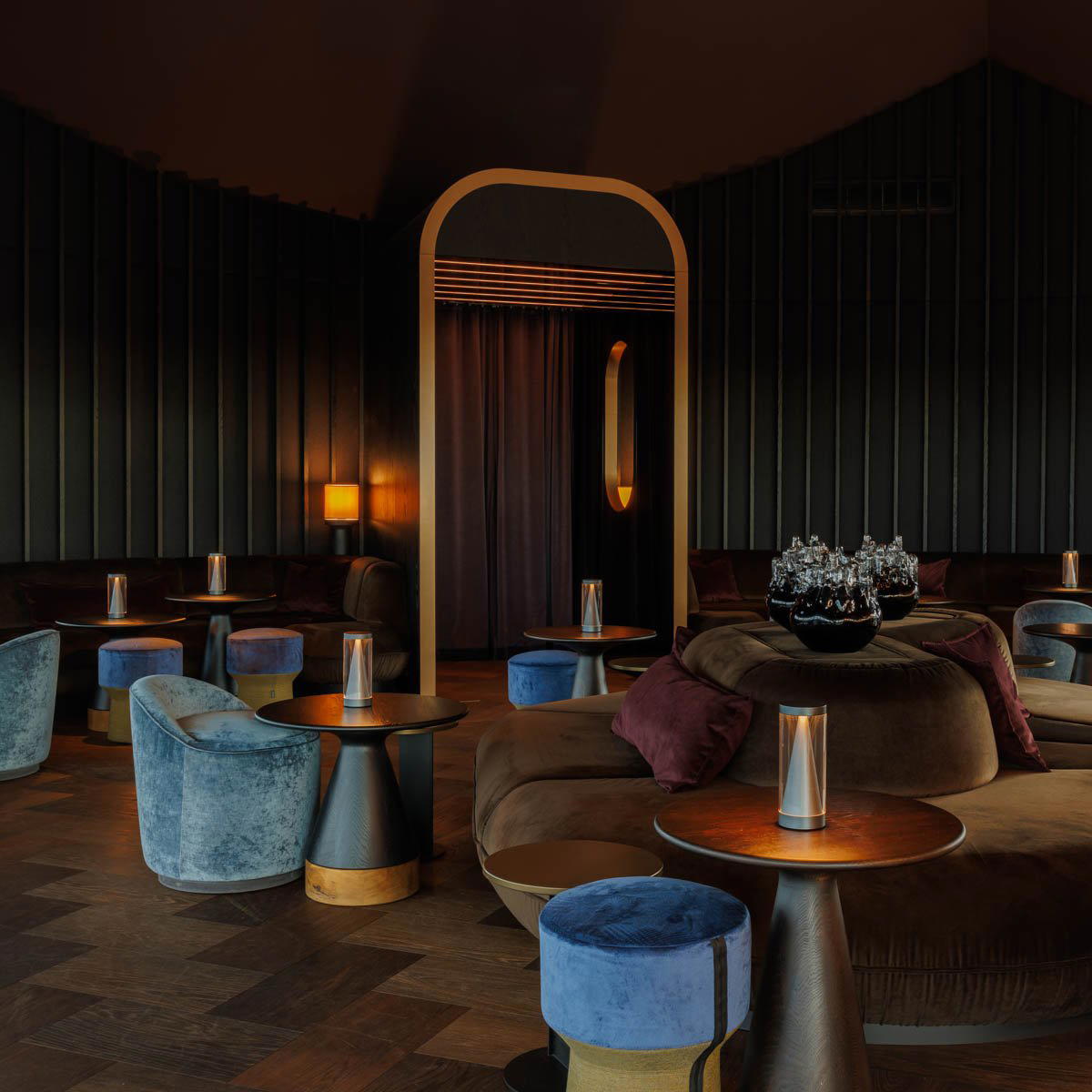
Hotels in Berlin
Browse all →

At a Glance
- Cozy
- Modern
- Elegant
- Brunch
- Date Night
- Group Dining
- Terrace
- Open Kitchen
- Private Dining
- Extensive Wine List
Current opening hours
- Monday
- Closed
- Tuesday
- 9 AM–3 PM, 6:30–10:30 PM
- Wednesday
- 9 AM–3 PM, 6:30–10:30 PM
- Thursday
- 9 AM–3 PM, 6:30–10:30 PM
- Friday
- 9 AM–3 PM, 6:30–10:30 PM
- Saturday
- 9 AM–3 PM, 6:30–10:30 PM
- Sunday
- 9 AM–3 PM
Hours can change for holidays and private events. Last verified .
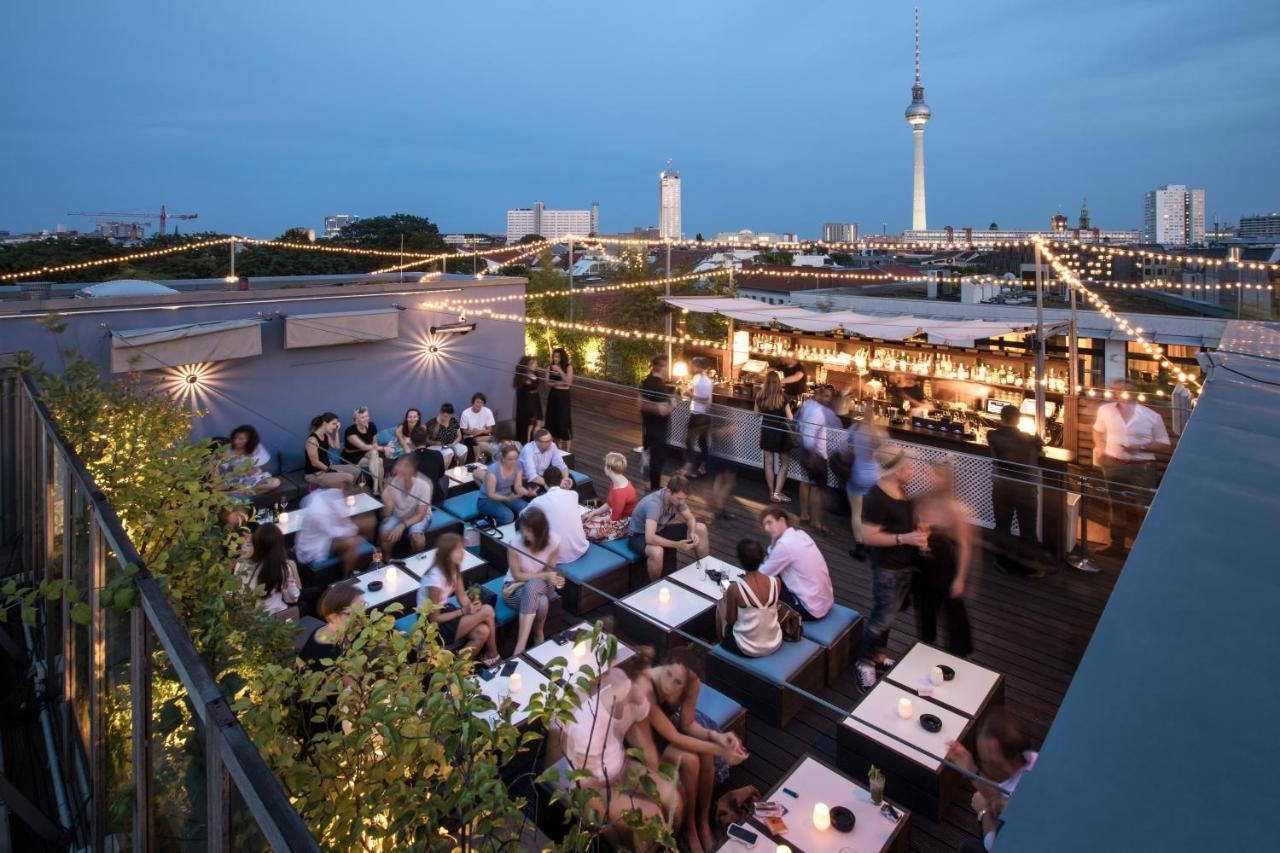
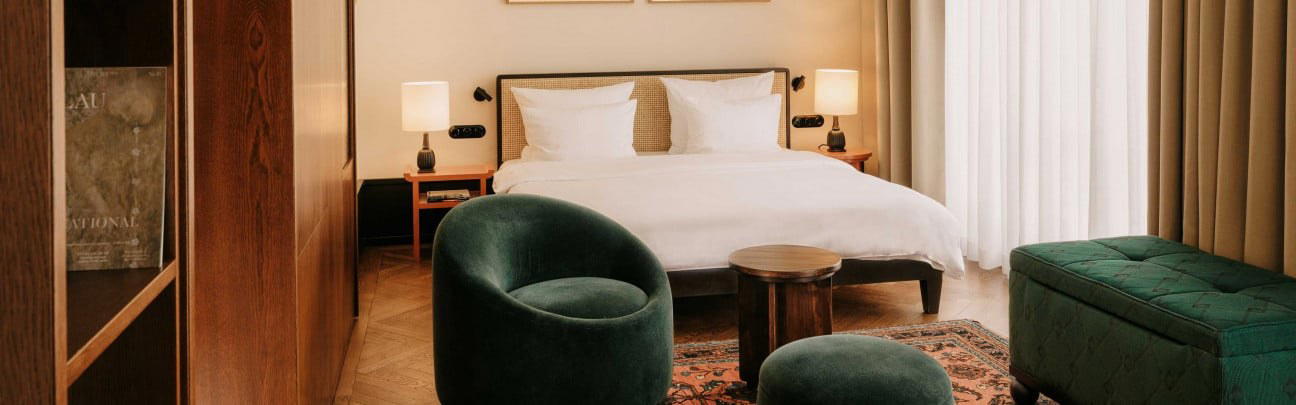
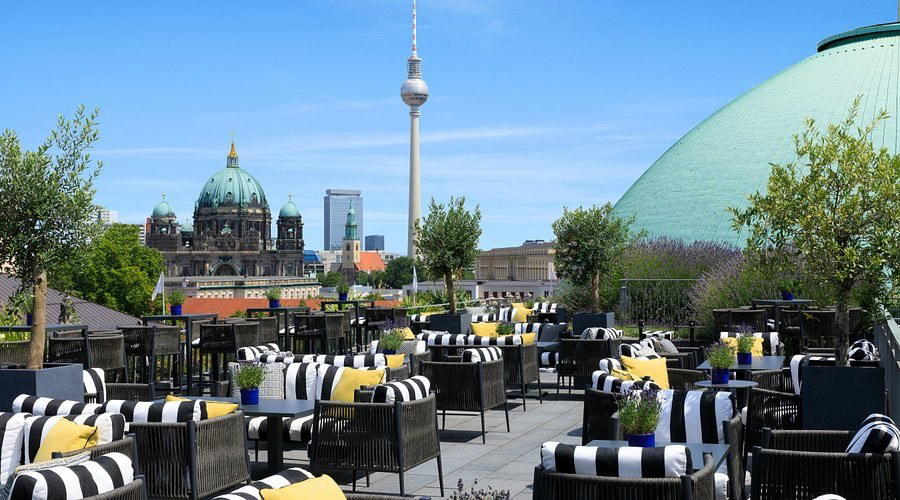
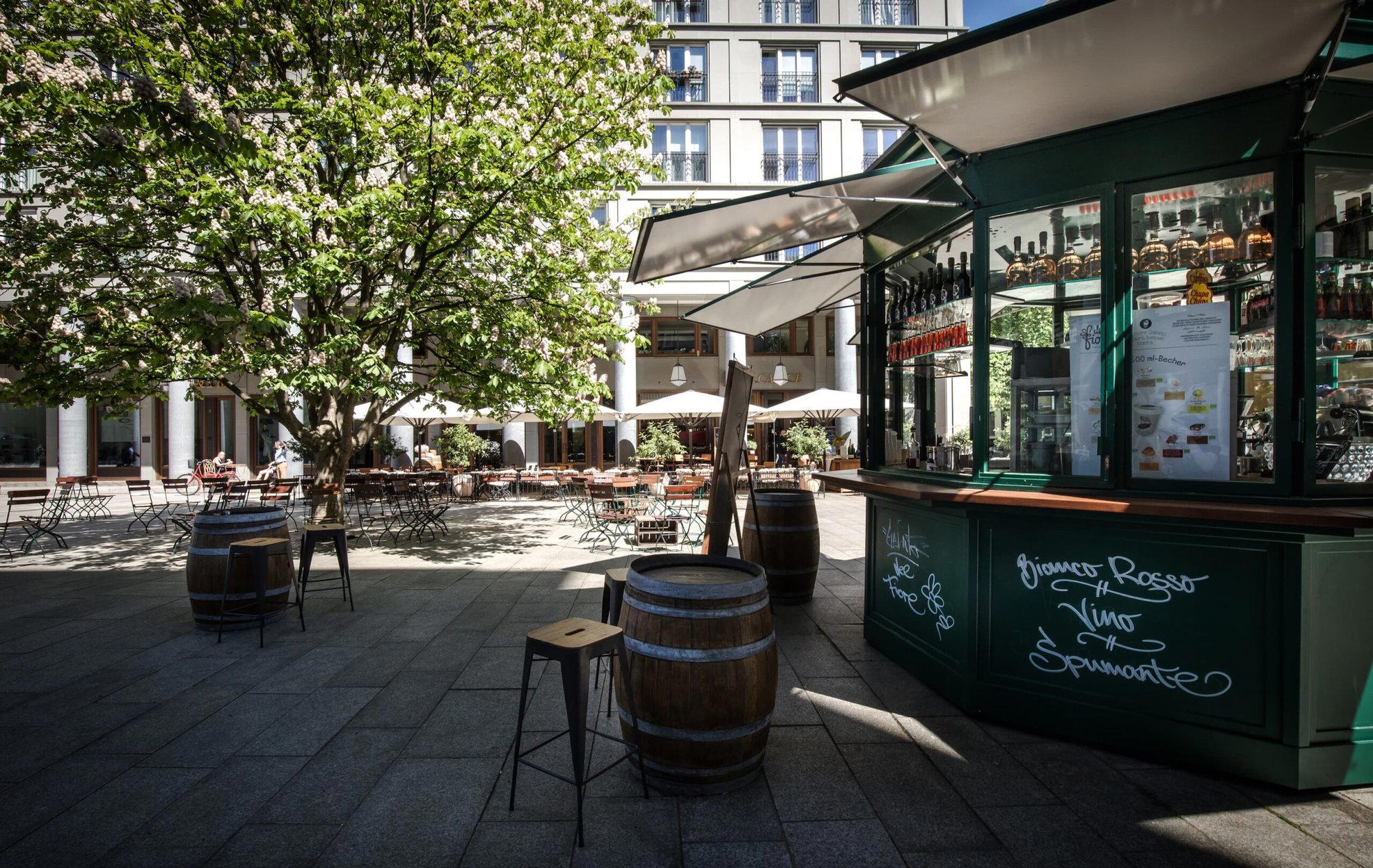
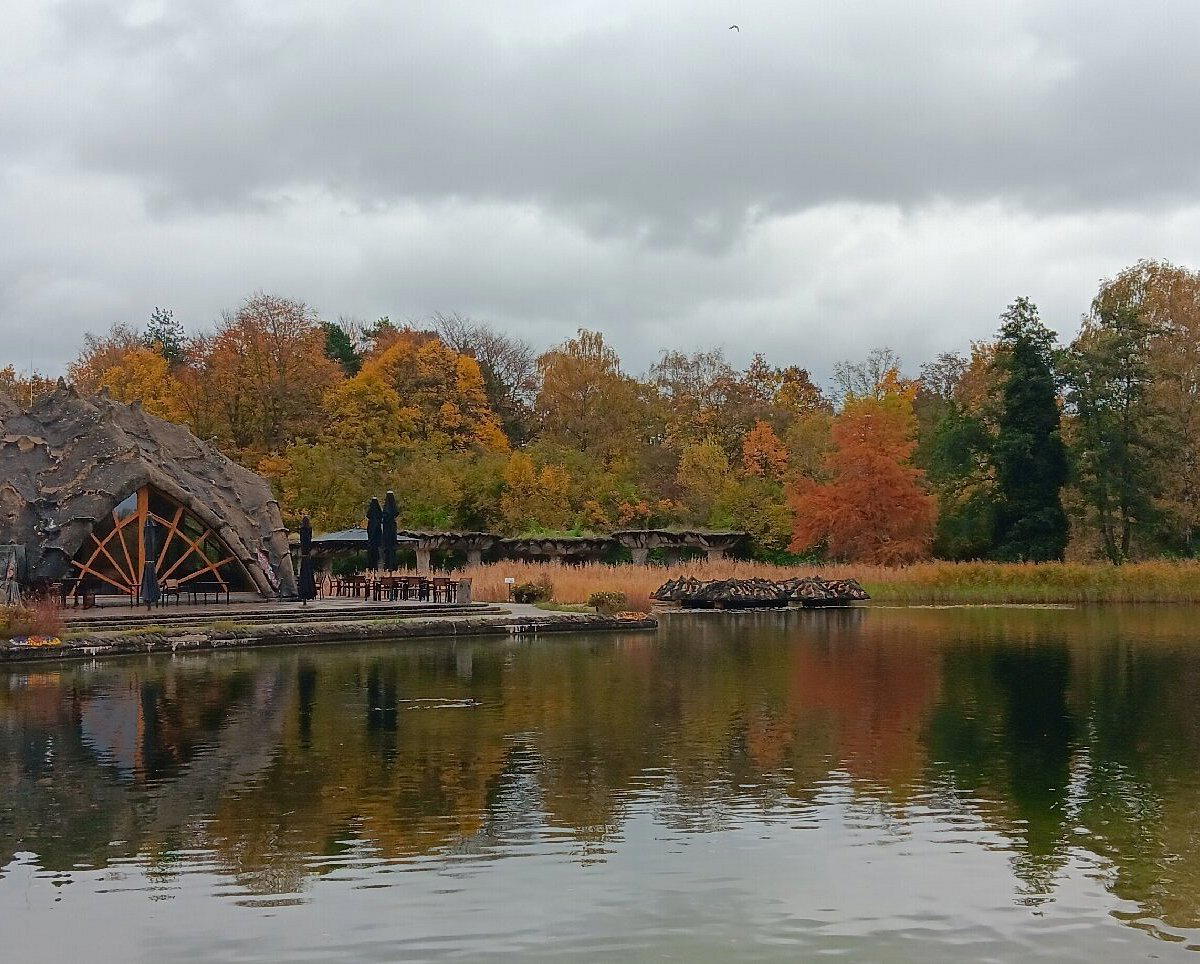
Cozy interior and relaxed terrace atmosphere described as chic, classy, and inviting with lively energy.