Google: 4.4 · 1,380 reviews
.png)


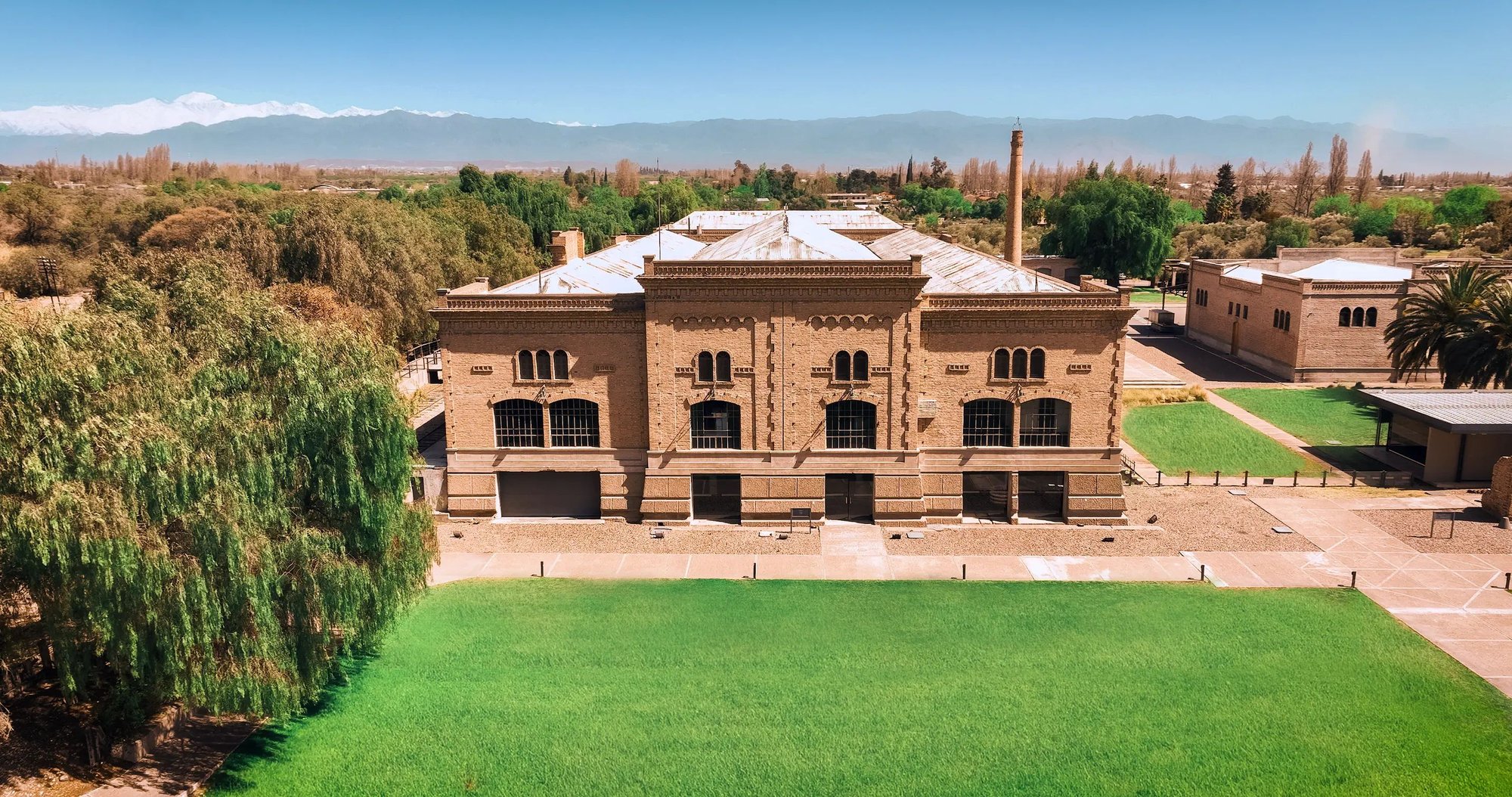
Set inside a 19th-century bodega in Godoy Cruz, 1884 Francis Mallmann is the Mendoza address most directly associated with Argentina's open-fire cooking tradition. Ranked among the World's 50 Best Restaurants in 2002 and 2003, and holding a Michelin Plate in 2024 and 2025, the restaurant operates Tuesday through Saturday for dinner only, placing it squarely in the top tier of the city's fine-dining circuit.
 Discover on Pearl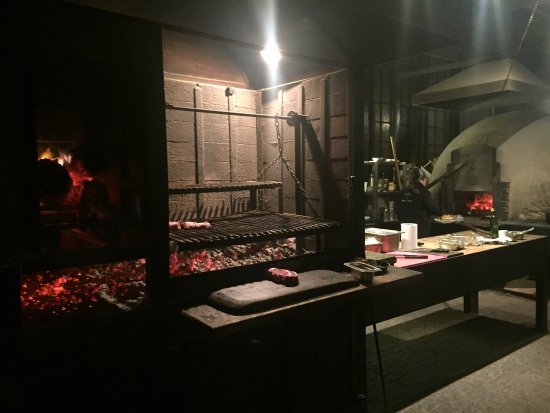
Fire, Stone, and the Mendoza Evening
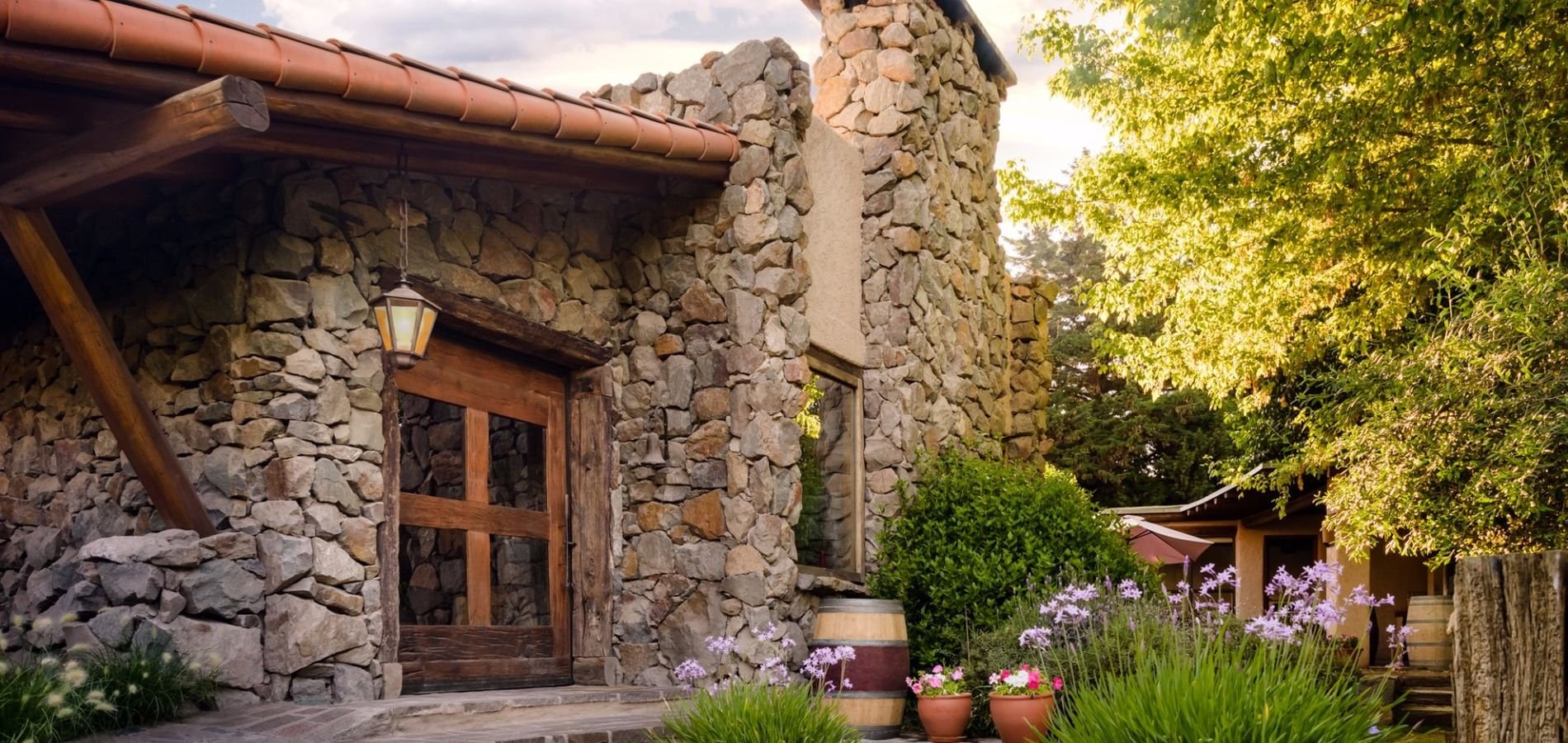
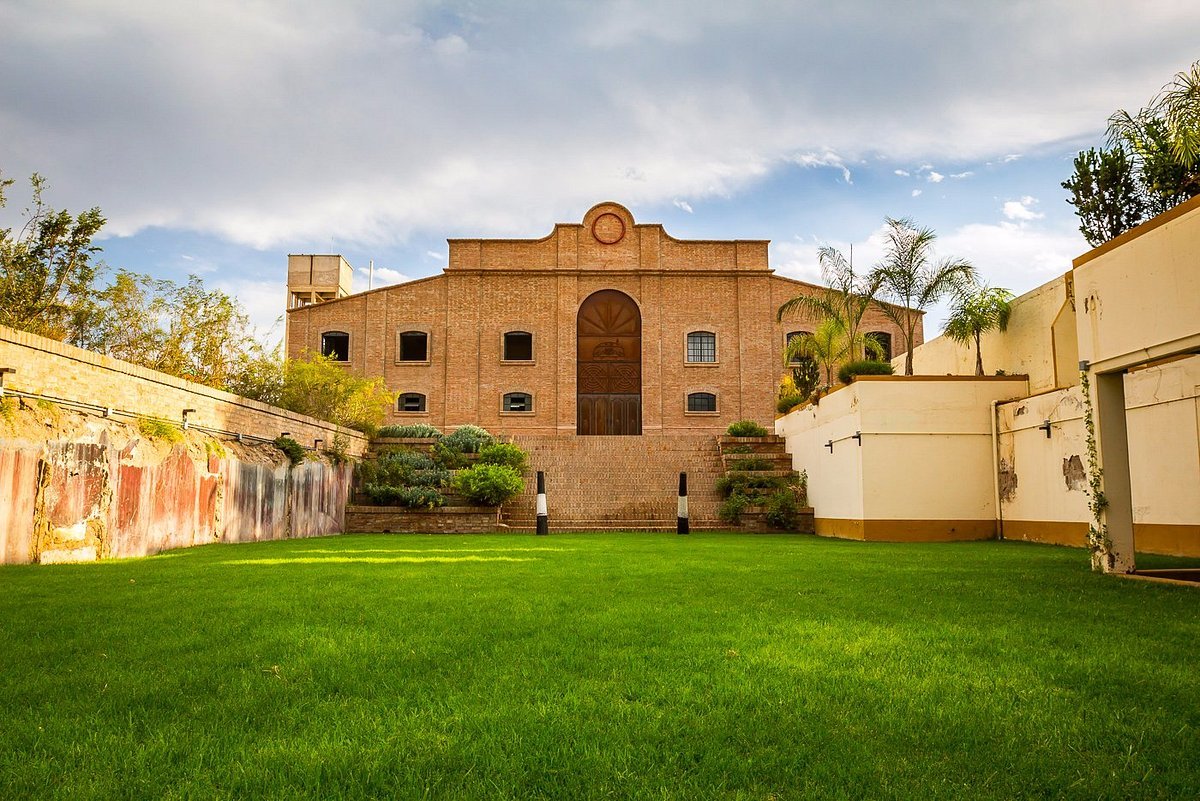
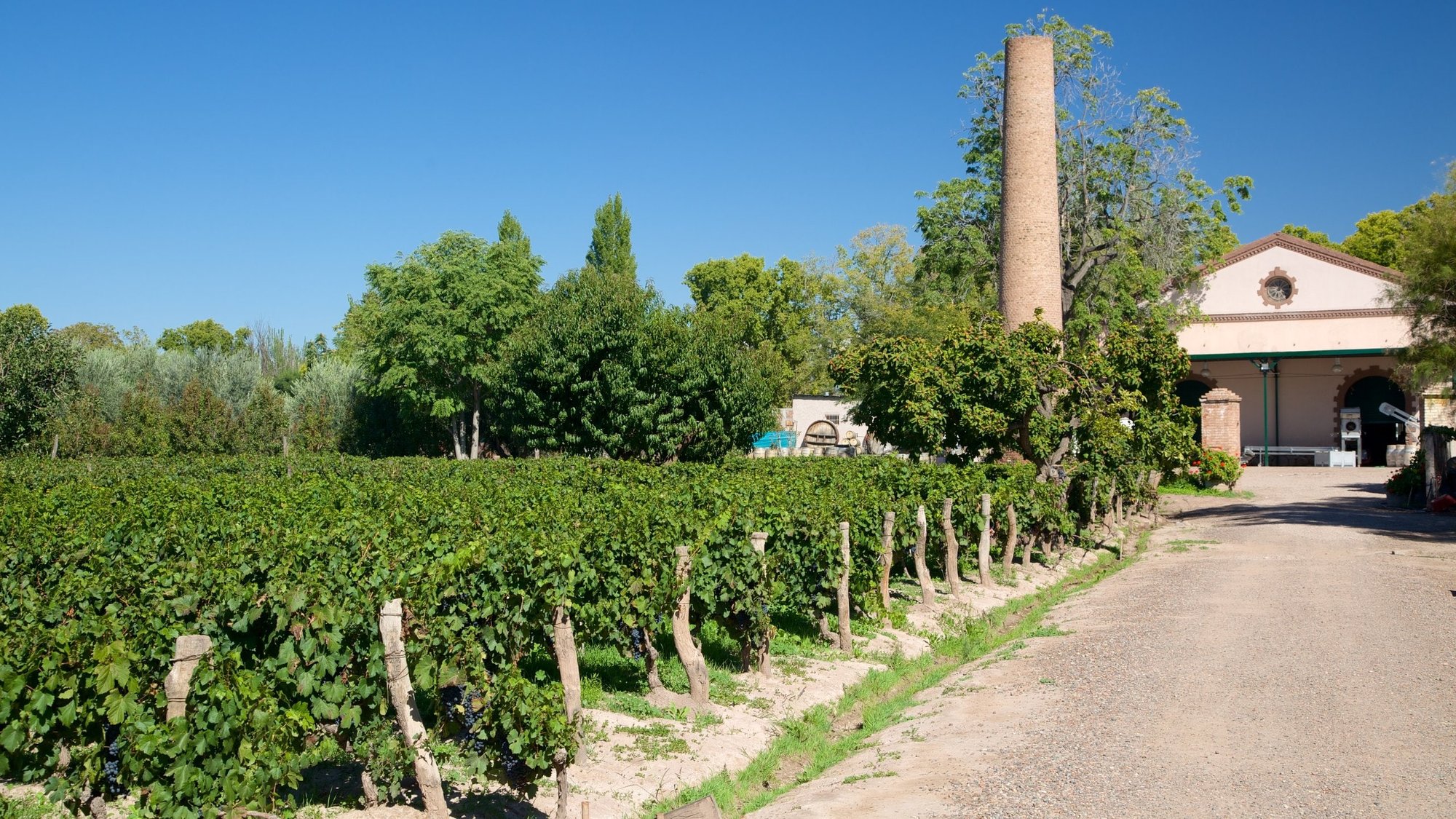
Approach Belgrano 1188 on any given Tuesday evening and the first thing you register is the bodega itself: thick adobe walls, heavy timber, a building that predates the restaurant by over a century. Godoy Cruz sits just south of Mendoza's city centre, and the neighbourhood's wine-country character, where nineteenth-century estancia architecture and modern viticulture coexist on the same block, frames the meal before you've ordered anything. This is a significant detail, because Argentine open-fire cooking at this level is inseparable from its physical setting. The heat of the Andean foothills, the dry desert air, the proximity to vineyards that supply the table: all of it is load-bearing context.
South America's fine-dining scene has reorganised considerably since the early 2000s, with cities like Lima and São Paulo developing distinct culinary identities that now anchor the continent's international reputation. Mendoza, by contrast, has remained primarily a wine-and-steak destination, its leading restaurants positioned to serve that tradition at varying levels of ambition and craft. What distinguishes the upper tier from mid-market options is not the ingredient list, which across Argentine steakhouses overlaps substantially, but the rigour applied to fire, timing, and sourcing. At 1884, that rigour has been externally verified across two decades.
The Tradition This Restaurant Represents
Argentine asado is one of the most codified cooking traditions in the Americas. The protocols around wood selection, ember management, distance from the grate, and resting time represent accumulated knowledge that predates professional kitchens and restaurant culture entirely. What happened at 1884 Francis Mallmann, and more broadly across the restaurants Francis Mallmann has operated in Argentina, Uruguay, and internationally, is that this vernacular tradition was translated into a fine-dining idiom without stripping it of its essential character. That translation is harder than it sounds. Many attempts at "refined" Argentine cooking produce something that satisfies neither the asado purist nor the international diner looking for precision. The version here sits in a different register: the fire remains central, not decorative.
The editorial angle that matters when considering 1884 is not corn or masa, as one might apply to Mexican or Andean cooking traditions, but rather the analogous foundational question: what does respect for a primary cooking method look like when applied at the highest professional level? In Argentina, that method is live fire, and the relevant craft is the management of embers, the reading of meat temperature without instrumentation, and the patience required to cook at the speed of wood rather than the speed of a gas burner. These are skills that take years to develop and are genuinely rare at the level of execution this restaurant requires of its kitchen.
Recognition and Competitive Position
The awards record here is worth reading carefully. A ranking of #7 on the World's 50 Best Restaurants list in 2002 placed 1884 in genuinely rarefied company at a moment when that list was establishing its authority as the primary global benchmark for fine dining. The 2003 ranking at #45 represents a consolidation rather than a decline. More than two decades later, the restaurant holds a Michelin Plate in both 2024 and 2025, and sits at #47 on the Opinionated About Dining Leading Restaurants in South America list for 2025. Google reviews across 1,382 ratings land at 4.4, which at that volume is a reliable signal rather than a statistical outlier.
In Mendoza's current fine-dining tier, the restaurant's peer set includes several Michelin Star holders: Azafrán and Angélica Cocina Maestra at the $$$$ price tier, and Brindillas and Riccitelli Bistró at $$$. Casa Vigil represents the closest stylistic parallel in the contemporary tier. What 1884 brings to that competitive set is the longest continuous international reputation and the most direct lineage to Argentina's open-fire cooking tradition at a professional level. The Michelin Plate designation indicates quality without reaching the Star threshold, which places the restaurant in an interesting middle position: recognised by the guide's formal criteria, but assessed differently from the city's starred addresses.
For international context, the trajectory from a top-ten World's 50 Best ranking to a Michelin Plate two decades later is not unusual for restaurants that built their reputation before the global fine-dining conversation shifted toward tasting-menu formats and hyper-local ingredient narratives. Restaurants like Le Bernardin in New York City or Atomix operate in a different tradition entirely, where the tasting-menu format and ingredient storytelling are central to the experience. 1884 has never moved in that direction, which is itself an editorial position.
Argentina's Fire-Cooking Circuit
Mendoza does not exist in isolation as an Argentine dining destination. The broader circuit that serious visitors construct typically includes Buenos Aires, where Don Julio represents the capital's approach to the parrilla tradition at the highest current recognition level. Beyond that, the country's regional dining options span from EOLO in Patagonia to estancia-format experiences like La Bamba de Areco and wine-country properties including Cavas Wine Lodge in Alto Agrelo and El Colibri in Santa Catalina. The regional Andean framing also connects to northern Argentina and properties like Awasi Iguazu, where landscape and cooking tradition are similarly intertwined.
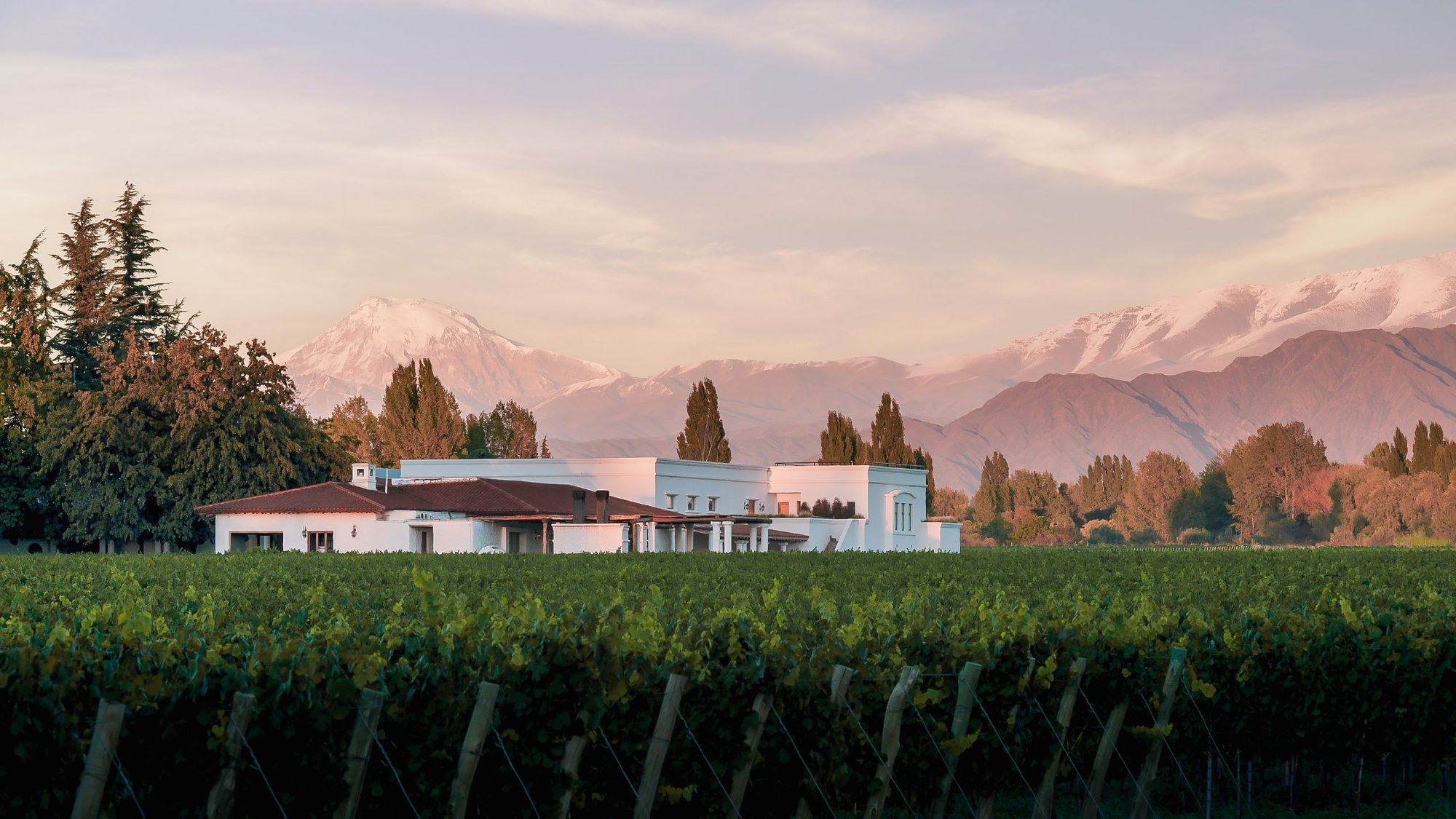
Within Mendoza specifically, the wine-pairing question is unavoidable. The restaurant sits in Argentina's primary Malbec-producing region, and the Andean foothills that produce Mendoza's benchmark bottles also shape the cooking in indirect ways: the altitude, the dry heat, the particular character of wood smoke at elevation. Whether you're planning the wine side of a Mendoza visit through our full Mendoza wineries guide or constructing a broader itinerary through our full Mendoza restaurants guide, 1884 functions as an anchor point rather than an add-on.
Planning Your Visit
The restaurant operates Tuesday through Saturday, with sittings from 7pm to 9:30pm. Monday and Sunday are closed. At the $$$$ price tier, it positions itself alongside the city's other top-end addresses rather than the mid-market steakhouses that dominate Mendoza's tourist centre. The Godoy Cruz address at Belgrano 1188 places it a short distance from the city centre, accessible by taxi or remis in under ten minutes from most central hotels. Booking ahead is advisable, particularly for Friday and Saturday evenings during the harvest season, roughly March through May, when international wine-tourism traffic peaks. For accommodation options in the city, see our full Mendoza hotels guide. Bars and the broader after-dinner circuit are covered in our full Mendoza bars guide, and the wider experience programme across the wine country is catalogued in our full Mendoza experiences guide.
What to Eat at 1884 Francis Mallmann
The kitchen's identity is built around live-fire technique applied to Argentine proteins and seasonal produce, with Mallmann's cooking methods, including the infiernillo (two fires above and below), the rescoldo (cooking directly in embers), and the parrilla, forming the structural framework of the menu. No specific dishes or current menu items appear in the verified record available to us, and we won't speculate. What the cuisine type classification as Argentinian Steakhouse and Traditional Cuisine signals is a menu organised around fire-cooked meat and vegetables rather than the tasting-menu formats that characterise the city's Michelin-starred addresses. The experience belongs to the tradition of the great South American parrilla, executed at the professional level that a two-decade international awards record implies. Diners seeking the more experimental end of Mendoza's dining range should also consider Angélica Cocina Maestra or Azafrán, both of which hold Michelin Stars and operate at the same price tier with different stylistic orientations.
Fast Comparison
A small comparison set for context, based on the venues we track.
| Venue | Cuisine | Price | Awards | Notes |
|---|---|---|---|---|
| 1884 Francis Mallmann | Argentinian Steakhouse, Traditional Cuisine | $$$$ | Michelin Plate (2025); Opinionated About Dining Top Restaurants in South America… | This venue |
| Azafrán | Modern Cuisine | $$$$ | Michelin 1 Star | Modern Cuisine, $$$$ |
| Angélica Cocina Maestra | Creative | $$$$ | Michelin 1 Star | Creative, $$$$ |
| Brindillas | Modern Cuisine | $$$ | Michelin 1 Star | Modern Cuisine, $$$ |
| Casa Vigil | Contemporary | $$$$ | Michelin 1 Star | Contemporary, $$$$ |
| Riccitelli Bistró | Seasonal Cuisine | $$$ | Michelin 1 Star | Seasonal Cuisine, $$$ |
Continue exploring
More in Mendoza
Restaurants in Mendoza
Browse all →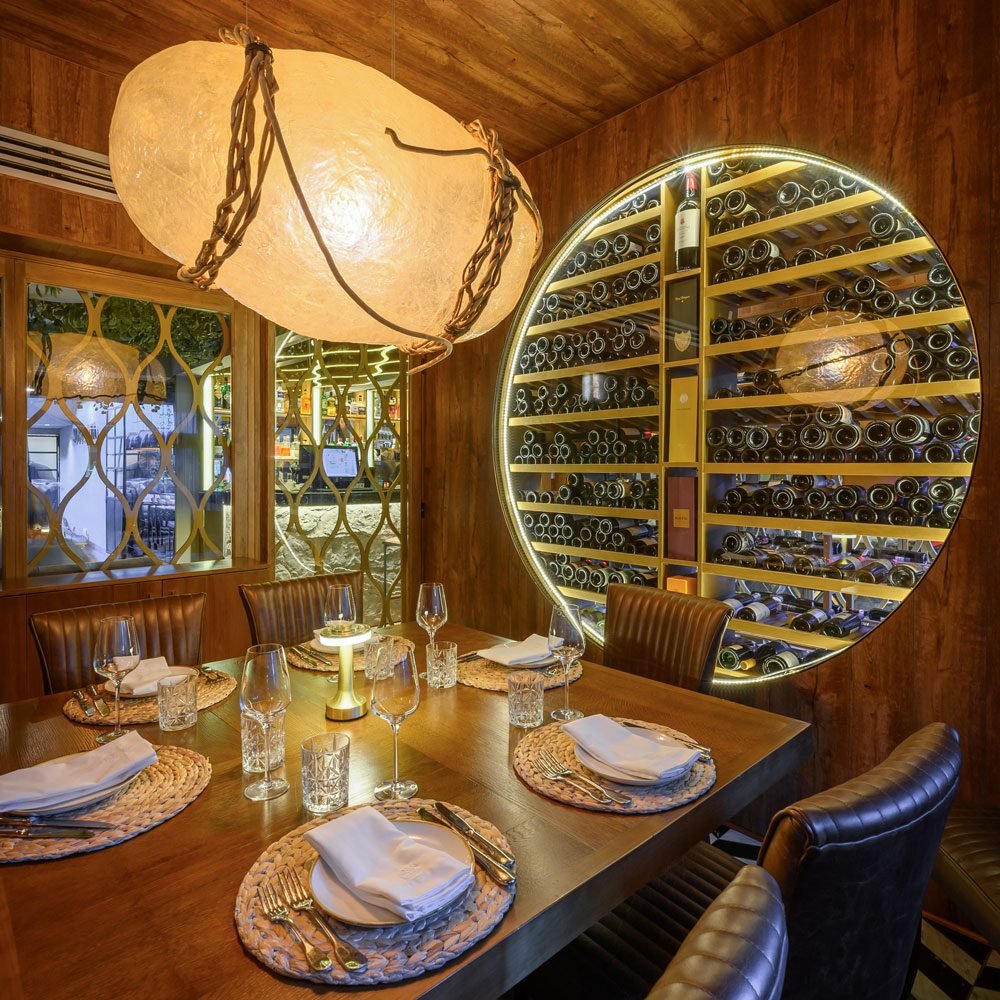
Bars in Mendoza
Browse all →

Hotels in Mendoza
Browse all →
At a Glance
- Romantic
- Elegant
- Intimate
- Classic
- Scenic
- Date Night
- Special Occasion
- Celebration
- Open Kitchen
- Courtyard
- Garden
- Wine Cellar
- Historic Building
- Terrace
- Extensive Wine List
- Sommelier Led
- Local Sourcing
- Garden
- Vineyard
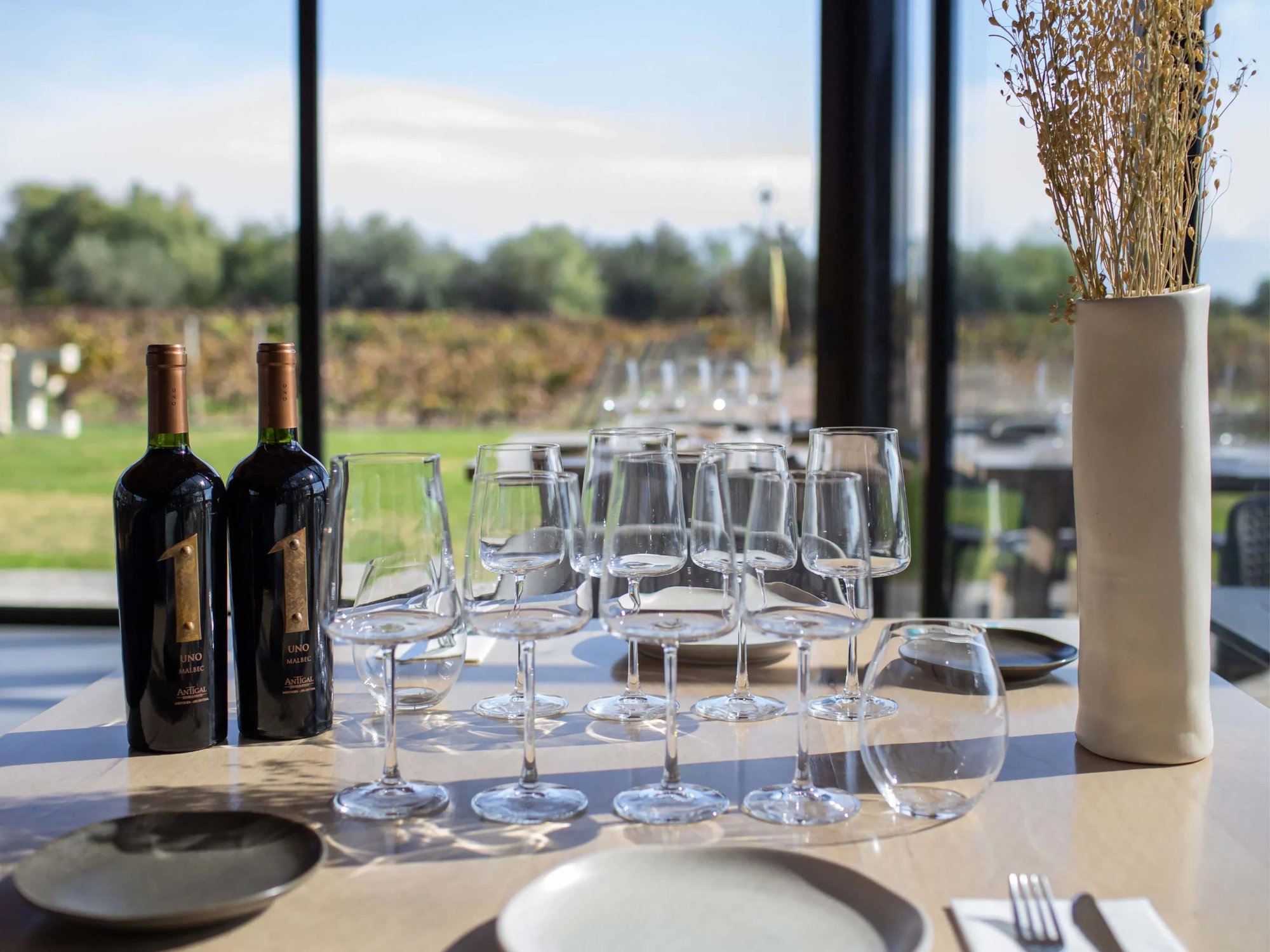
Elegant and romantic with classic decor, antique furniture, intimate lighting, and a beautifully lit garden; the outdoor courtyard allows diners to watch chefs work over open flames.