Google: 4.3 · 39 reviews


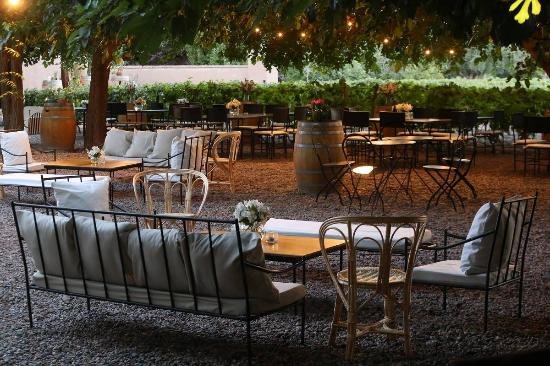
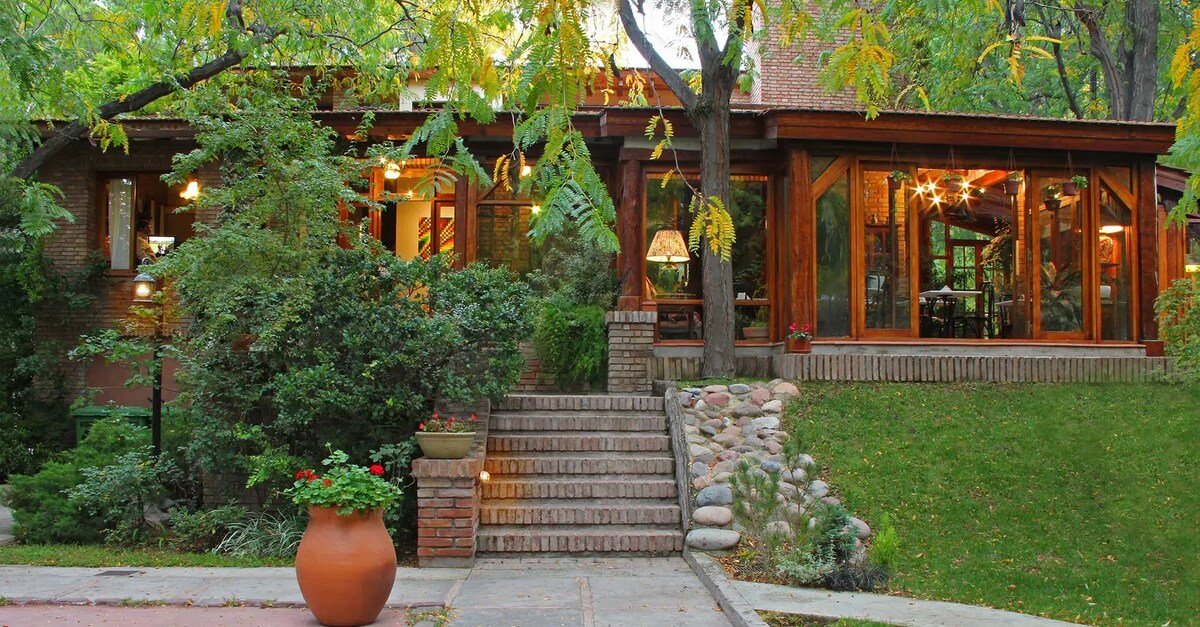
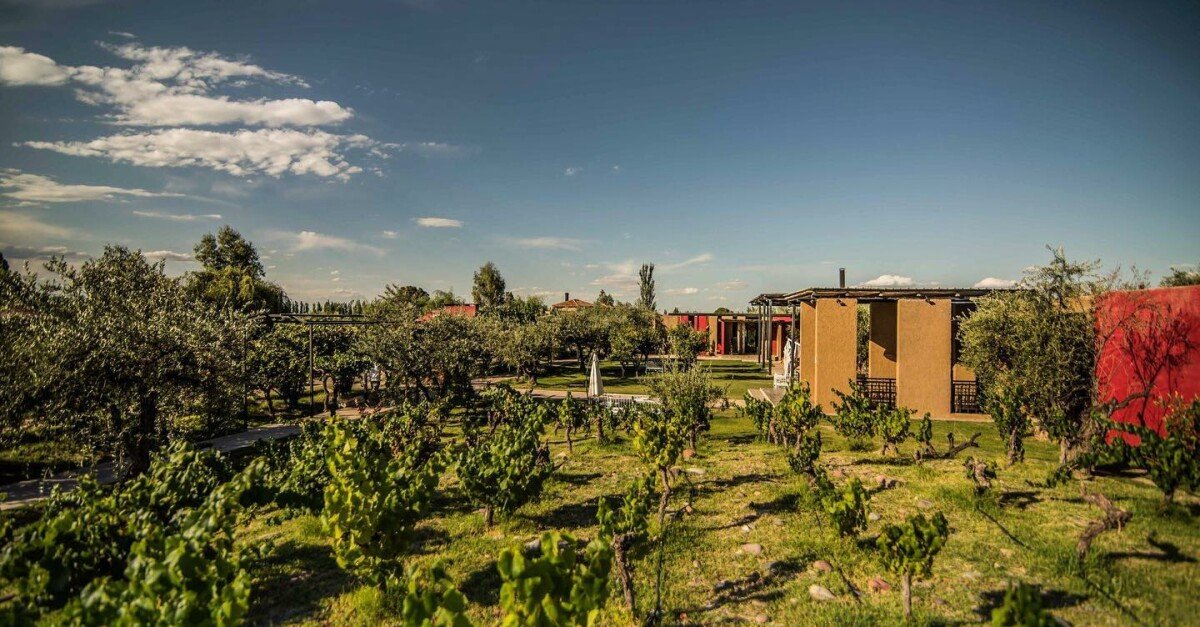
Tucked amid storybook vineyards at the foothills of the Andes, Casa Vigil distills the soul of Mendoza’s terroir into a quietly opulent dining experience. The kitchen composes seasonal, vineyard-driven menus that echo the cadence of the cellar—each course a dialogue with rare pours and coveted labels curated by Argentina’s most lauded winemaking talent. Sunlight filters through olive trees onto stone patios, the scent of wild herbs and warm earth perfuming the air as sommelier-led pairings trace the contours of altitude, soil, and time. For guests seeking an intimate immersion into the art of food and wine, Casa Vigil offers an atmosphere of understated elegance and impeccable hospitality where every detail—crystalline glassware, hand-fired ceramics, a whisper of smoke from the asador—has been tuned to elevate the senses.
 Discover on Pearl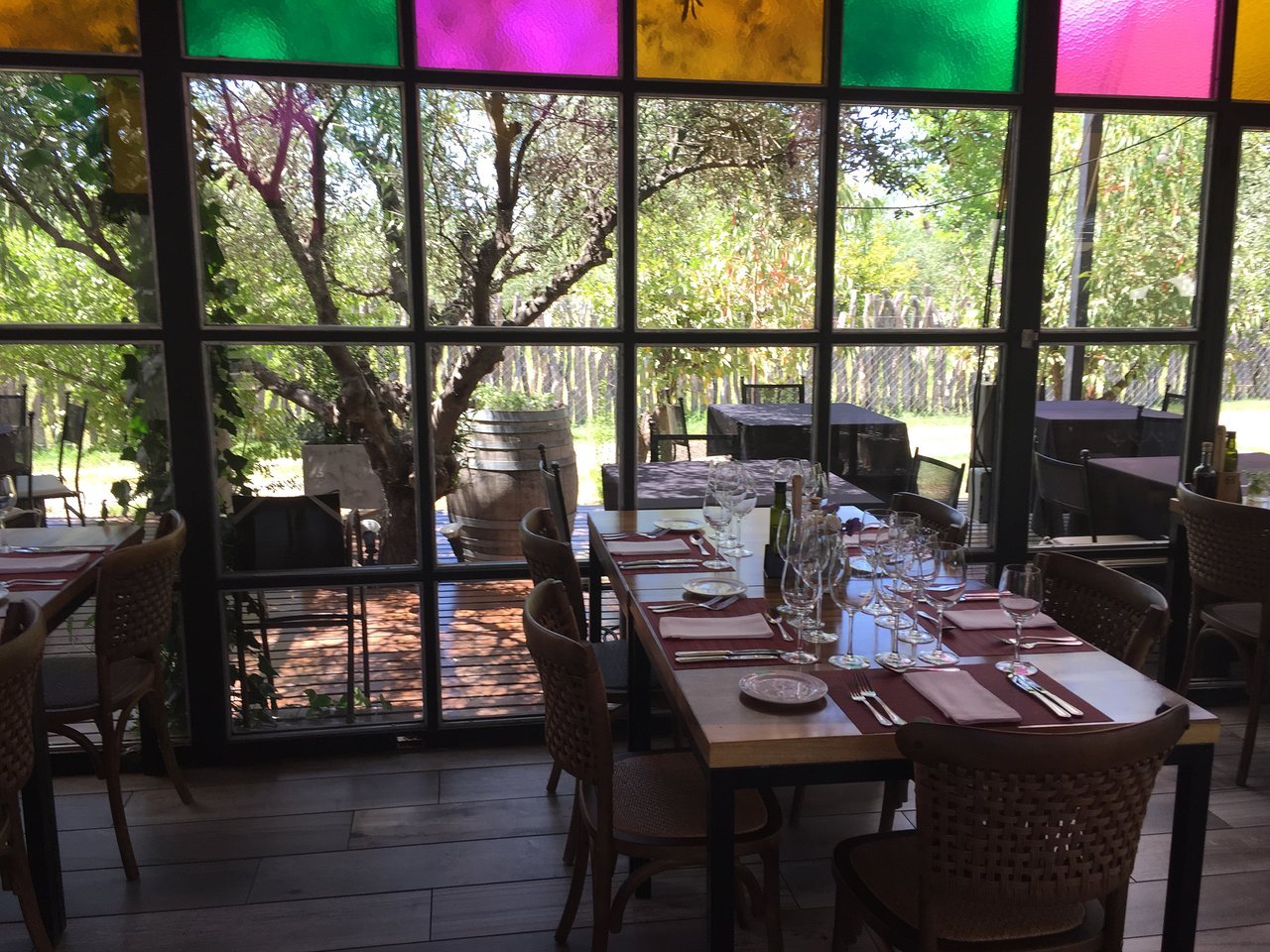
Arriving at Maipú: The Winery-Restaurant Format in Its Natural Setting
The drive out to Maipú from central Mendoza sets the tone before you reach the door. The flat, irrigated grid of the department—vines on both sides, the Andes gaining definition to the west as the afternoon light shifts—makes clear that this is wine country first, city second. Casa Vigil sits within that geography at Videla Aranda 7008, its address placing it among the working estates rather than in the restaurant corridors of Mendoza’s urban centre. Arriving here is not like arriving at a downtown dining room; it is a deliberate act of scheduling that begins with knowing where you are going and why.
That context matters because the winery-anchored restaurant format has become one of the defining structures of Mendoza dining. Several of the region’s most-discussed tables now exist inside wine estates, where the production environment and the kitchen work in close proximity. Espacio Trapiche operates within a similar logic, as does Cavas Wine Lodge in Alto Agrelo. Casa Vigil’s address places it in that company, and its Michelin recognition, a star in both 2024 and 2025, confirms it as a serious participant in that format rather than a secondary amenity of the estate.
Where Michelin Recognition Has Landed in Mendoza
Michelin’s arrival in Argentina as an active rating system has concentrated its attention on a handful of Mendoza kitchens. Casa Vigil, under chef Ivan Azar, holds one of the city’s current Michelin stars, placing it in a group that includes Osadía de Crear, Piedra Infinita Cocina, Azafrán, Angélica Cocina Maestra, and Brindillas. The group’s existence is itself a signal: Mendoza now has a critical mass of formally recognised contemporary restaurants, which means diners arriving from Buenos Aires, from Europe, or from other South American cities are making specific comparative choices rather than defaulting to the one or two restaurants they have heard of.
Within that peer set, the $$$$ price bracket that Casa Vigil occupies is consistent with the upper tier of the city’s contemporary dining, matching Azafrán and Angélica rather than the mid-range bracket where Brindillas and Riccitelli Bistró operate. That positioning tells you something practical: this is a destination dinner rather than a casual evening out, and it prices accordingly. For comparison, Don Julio in Buenos Aires sits at a comparable tier but in a very different format, beef-centric and urban rather than contemporary and wine-estate-rooted. The frame of reference at Casa Vigil is closer to what you find at Awasi Iguazu in Puerto Iguazu or EOLO in El Calafate, a kitchen working within a specific Argentine landscape and treating that landscape as a primary material.
Contemporary Cuisine in a Vineyard Context
The cuisine category at Casa Vigil is listed as contemporary, which in Mendoza’s current moment means something fairly specific: locally sourced ingredients, technique that reflects international training rather than traditional Argentine comfort cooking, and a menu structure that aligns with the tasting format common across the city’s starred kitchens. Across this tier, the kitchen’s role is to articulate the region through a modern lens rather than reproduce it literally. You are not eating a parrilla; you are eating a chef’s interpretation of what the Cuyo produces and what that production can become under disciplined technique.
Ivan Azar leads that kitchen. His name is consistent with the Michelin citations across both award years, which positions him as the stable creative force behind the recognition. Contemporary restaurants at this level in Argentina often draw their creative orientation from European training backgrounds, particularly French and Spanish, but the most distinctive kitchens in the current Mendoza scene are those that have found a way to make international technique feel rooted rather than imported. Where that balance lands at Casa Vigil is leading assessed on the ground, but the Michelin consistency across two consecutive years suggests the kitchen has maintained a clear identity rather than chasing variation for its own sake.
For context on how contemporary cuisine reads across comparable Argentine settings, El Colibri in Santa Catalina and La Bamba de Areco in San Antonio de Areco represent the same impulse in different regions. Internationally, César in New York City and Jungsik in Seoul show how the contemporary format operates at comparable price and award tiers in urban settings, which helps frame what a wine-estate contemporary kitchen in Mendoza is doing differently: the terroir is structural, not decorative.
Planning the Visit: What the Booking Experience Requires
Getting to Casa Vigil takes more planning than the city’s downtown restaurants, and that planning should start earlier than most visitors expect. The address in Maipú means a car or hired transfer is the practical transport option; the restaurant is not walkable from central Mendoza or from the bus corridor. Build the logistics into your day rather than treating them as an afterthought, particularly if you are combining the visit with winery appointments in the same department.
Reservation access at a Michelin-starred restaurant in a wine region with growing international attention is not a last-minute operation. Mendoza’s starred tables have become part of the planning conversation for visitors arriving from South American capitals and from Europe and North America, and the pool of available covers at a property of this type is smaller than at a large urban restaurant. Book as far in advance as your travel schedule allows, several weeks minimum, and further out if you are travelling during the Southern Hemisphere summer (December through February) or during the harvest period (March into April), when the Mendoza region sees its highest volume of wine-focused tourism.
The $$$$ price bracket signals a format that rewards commitment: arrive with time, not a schedule that requires you to be somewhere else in ninety minutes. Wine-estate contemporary dining at this level is a several-hour experience, and the setting in Maipú makes it difficult to treat as a quick stop between appointments. For diners combining Casa Vigil with other Mendoza tables, Centauro and La Vida operate in the city’s more central corridor and suit the earlier or later slots in a multi-day itinerary.
Google reviews sit at 4.5 from 26 ratings, a small sample that reflects the restaurant’s relatively limited-seat model rather than a high-volume dining room. That number is consistent with the profile of a property that generates strong opinions among a selective audience rather than broad casual traffic. It does not contradict the Michelin evidence; it contextualises who the restaurant is actually serving.
Casa Vigil in the Broader Mendoza Context
Mendoza’s dining scene has matured significantly over the past decade, moving from a wine-tourism support structure into a destination with its own culinary identity. The concentration of Michelin stars across the city now gives it a critical mass that justifies a dedicated food-focused visit rather than treating the kitchen as secondary to the cellar door. Our full Mendoza restaurants guide maps the complete scene, from the starred contemporary kitchens to the traditional parrilla format that still defines how most Mendozans eat. If you are building a broader trip, our Mendoza hotels guide, bars guide, wineries guide, and experiences guide cover the rest of the infrastructure.
Casa Vigil’s two consecutive Michelin stars position it as one of the addresses that has helped make Mendoza a serious dining destination on the South American map, alongside properties like 1884 Francis Mallmann, which occupies the traditional end of the $$$$ bracket with a very different register. The estate’s Maipú location reinforces that the restaurant is part of the vineyard world rather than a standalone urban room, which is either an argument for visiting or a logistical consideration depending on how your itinerary is structured. Either way, it is the kind of table that rewards planning.
The Short List
These are the closest comparables we have in our database for quick context.
| Venue | Notes | Price |
|---|---|---|
| Casa Vigil | This venue | $$$$ |
| 1884 Francis Mallmann | Argentinian Steakhouse, Traditional Cuisine, $$$$ | $$$$ |
| Azafrán | Modern Cuisine, $$$$ | $$$$ |
| Angélica Cocina Maestra | Creative, $$$$ | $$$$ |
| Brindillas | Modern Cuisine, $$$ | $$$ |
| Riccitelli Bistró | Seasonal Cuisine, $$$ | $$$ |
Continue exploring
More in Mendoza
Restaurants in Mendoza
Browse all →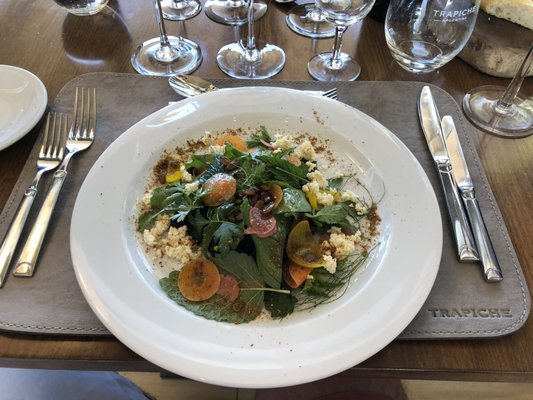
Bars in Mendoza
Browse all →

Hotels in Mendoza
Browse all →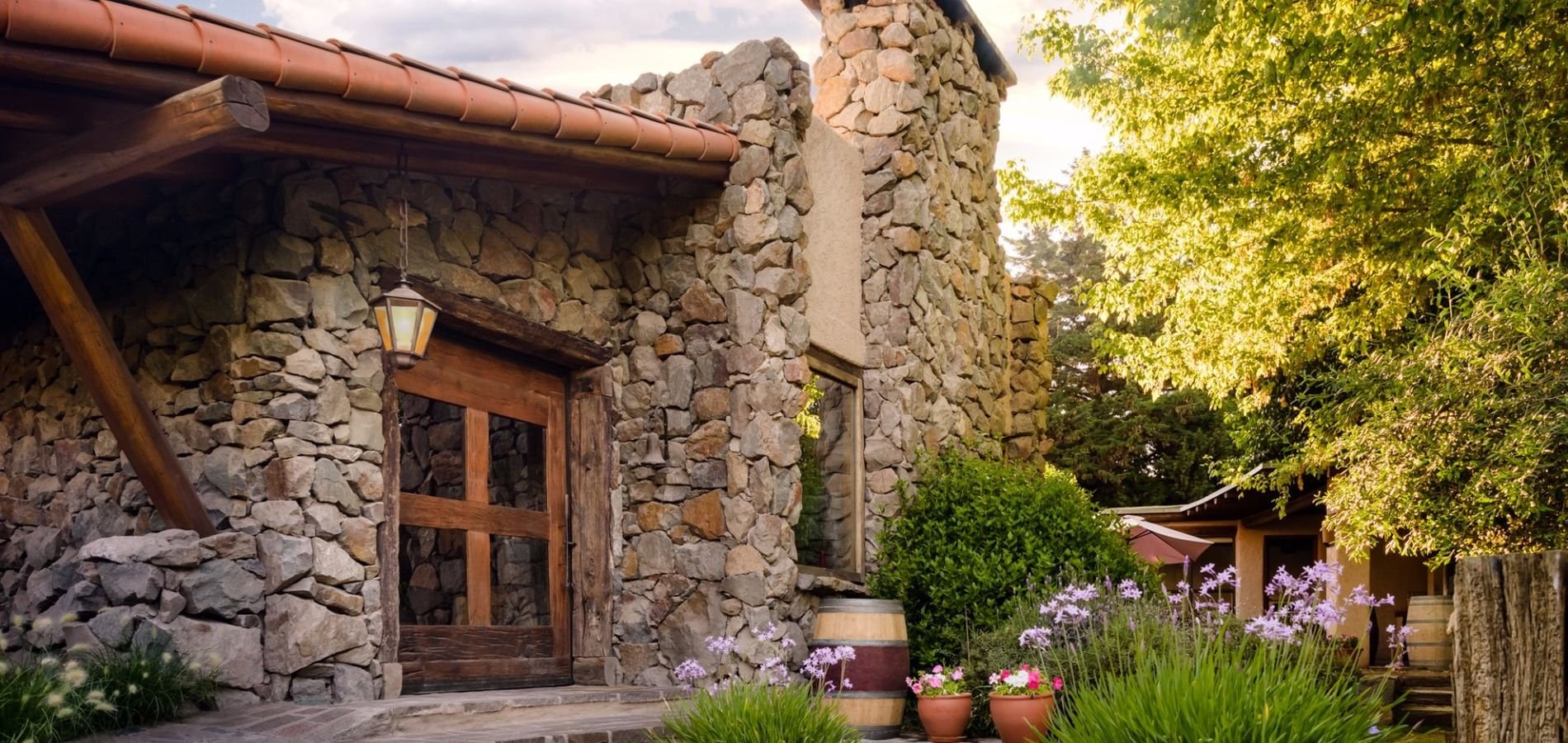
At a Glance
- Elegant
- Rustic
- Scenic
- Sophisticated
- Special Occasion
- Date Night
- Wine Cellar
- Open Kitchen
- Private Dining
- Extensive Wine List
- Sommelier Led
- Local Sourcing
- Vineyard
- Mountain
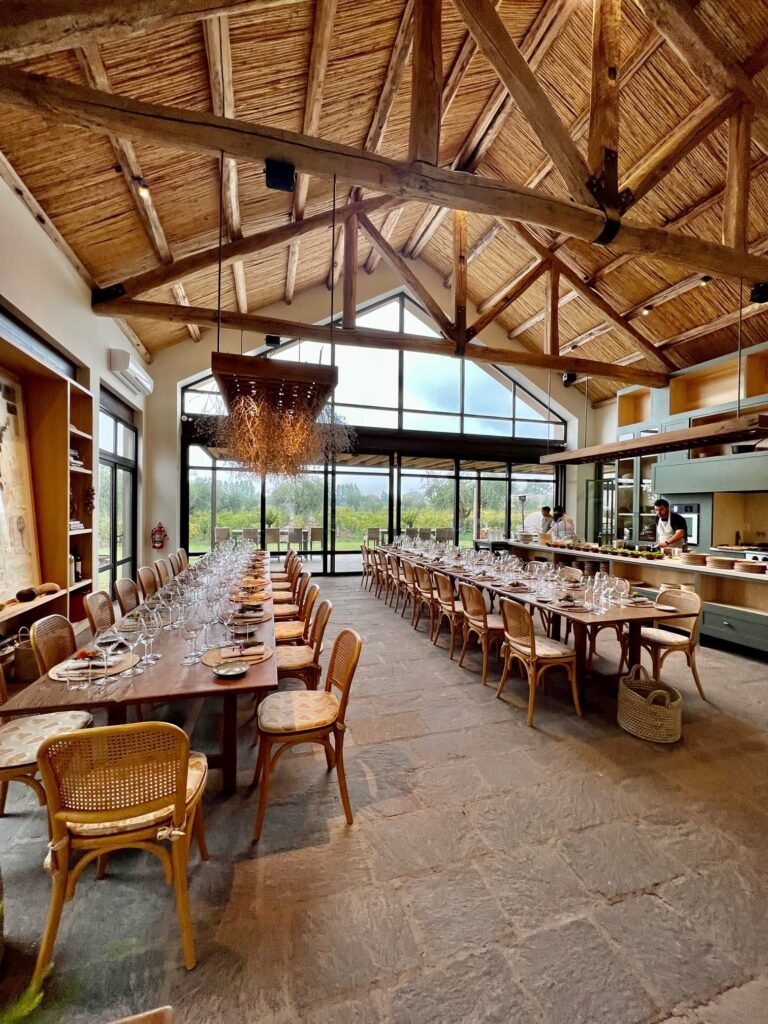
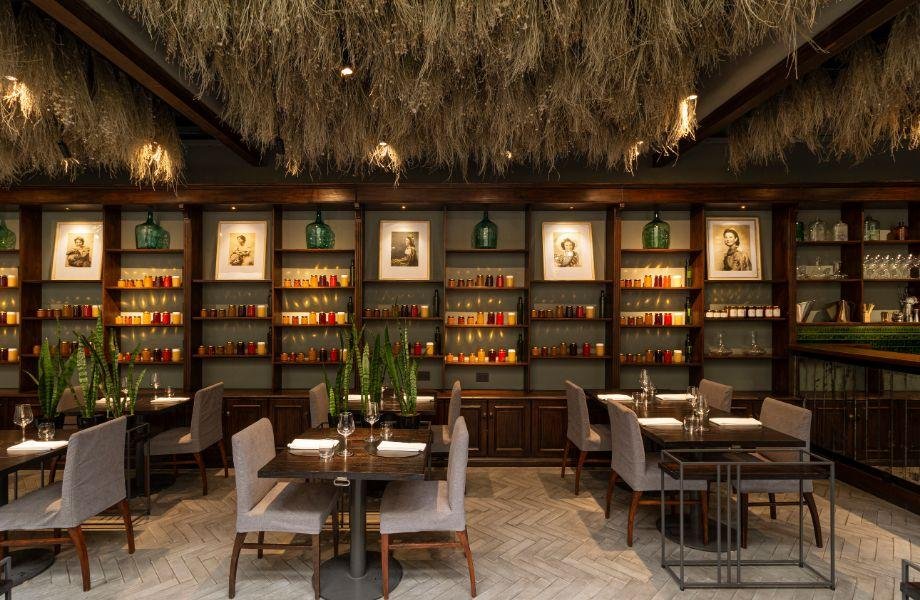
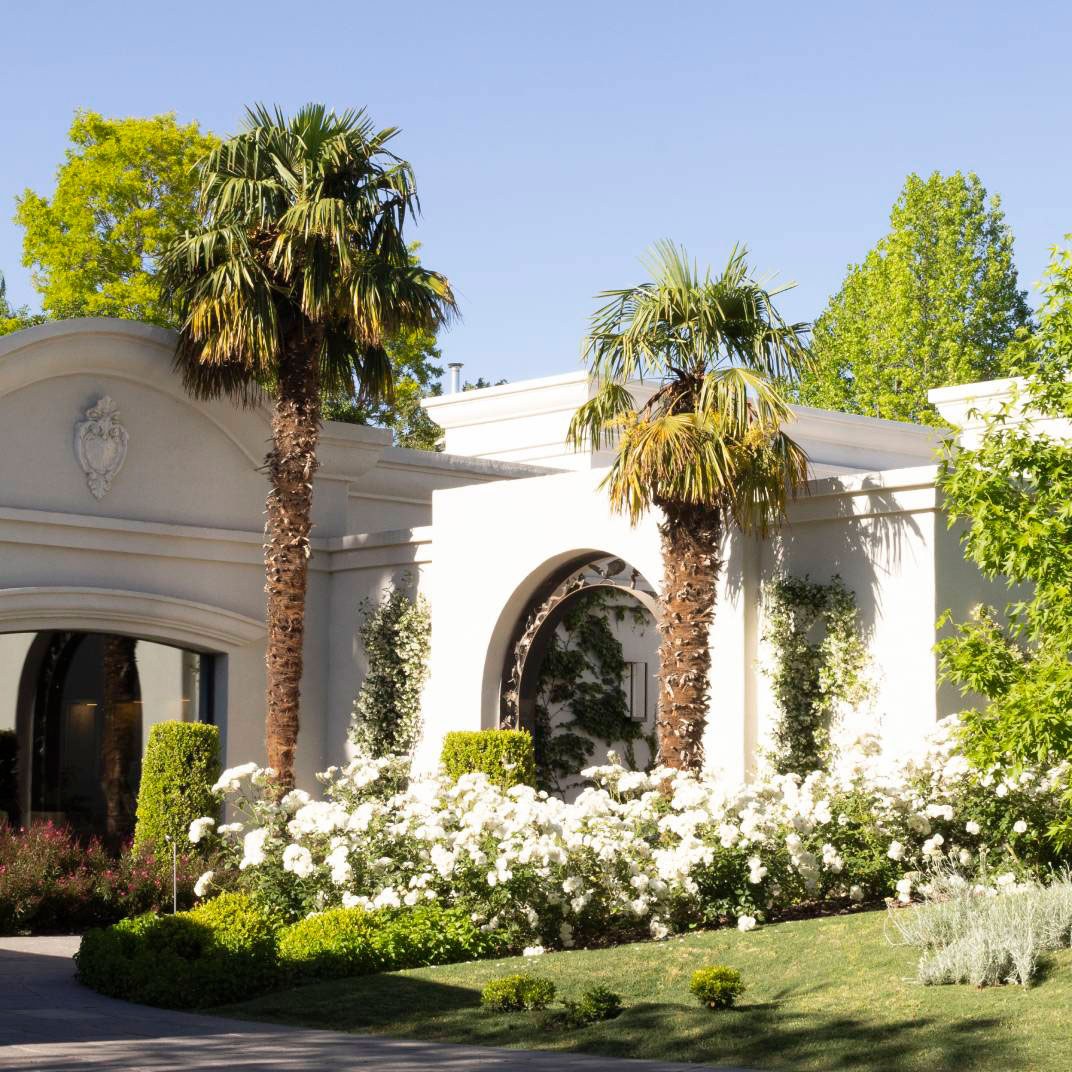
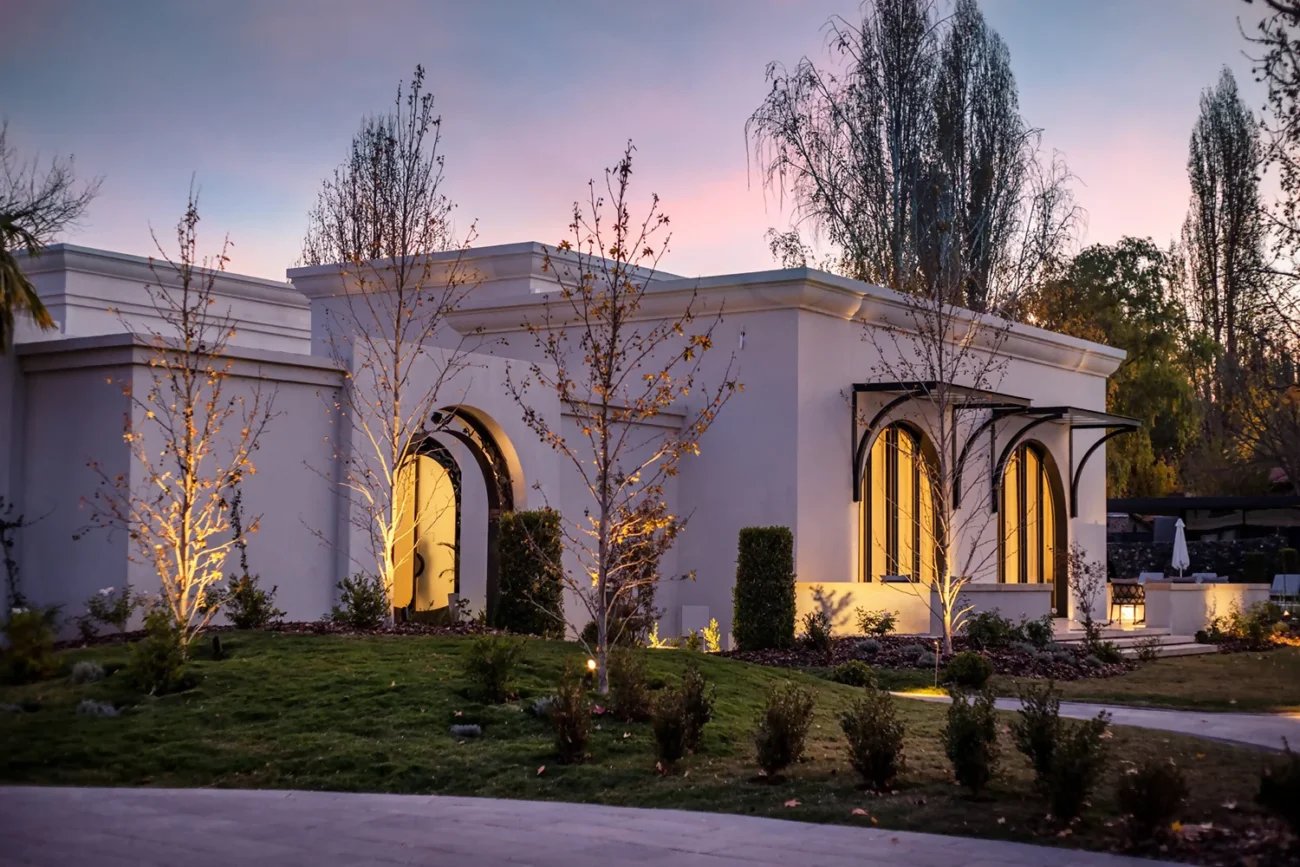
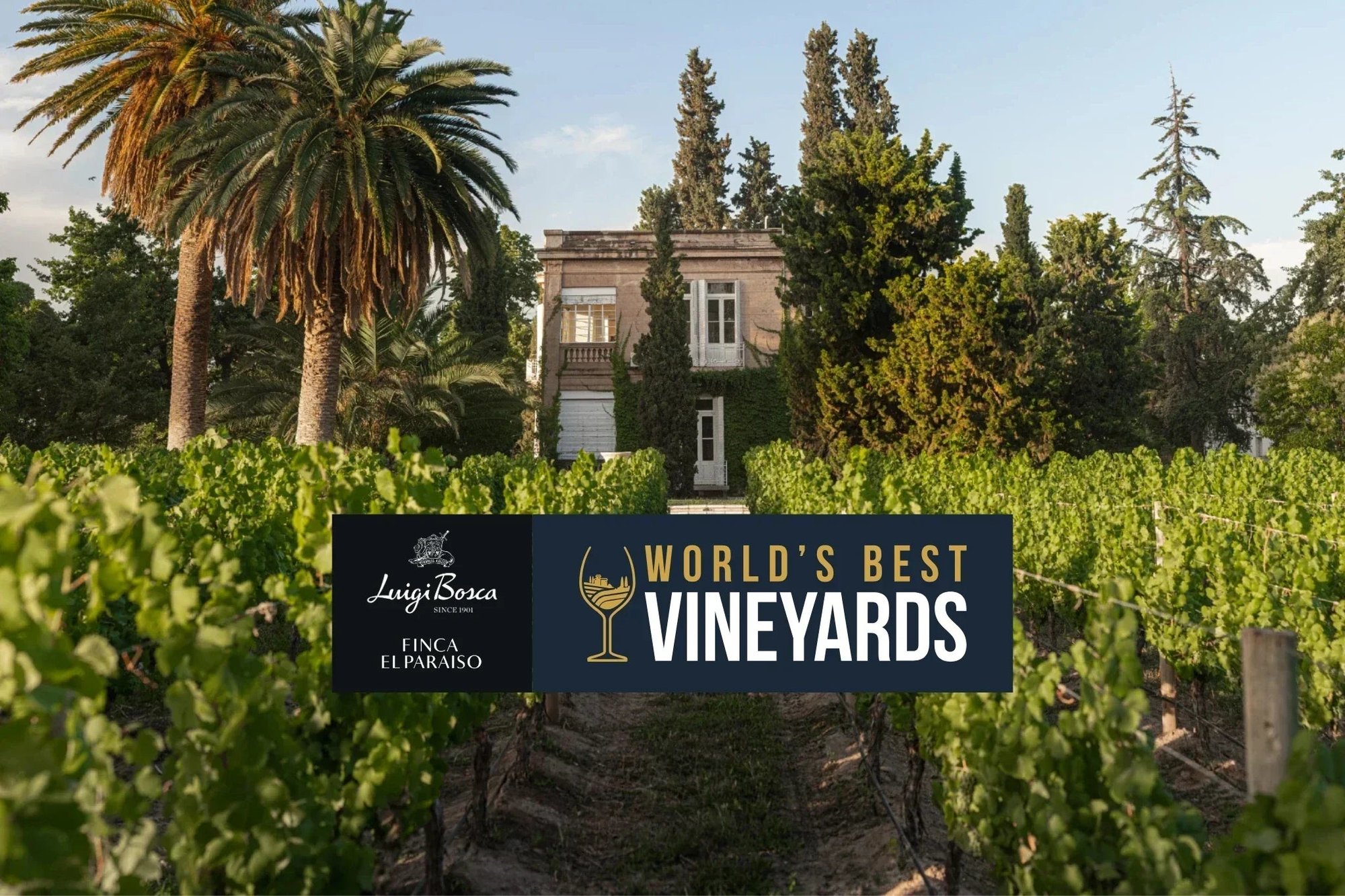
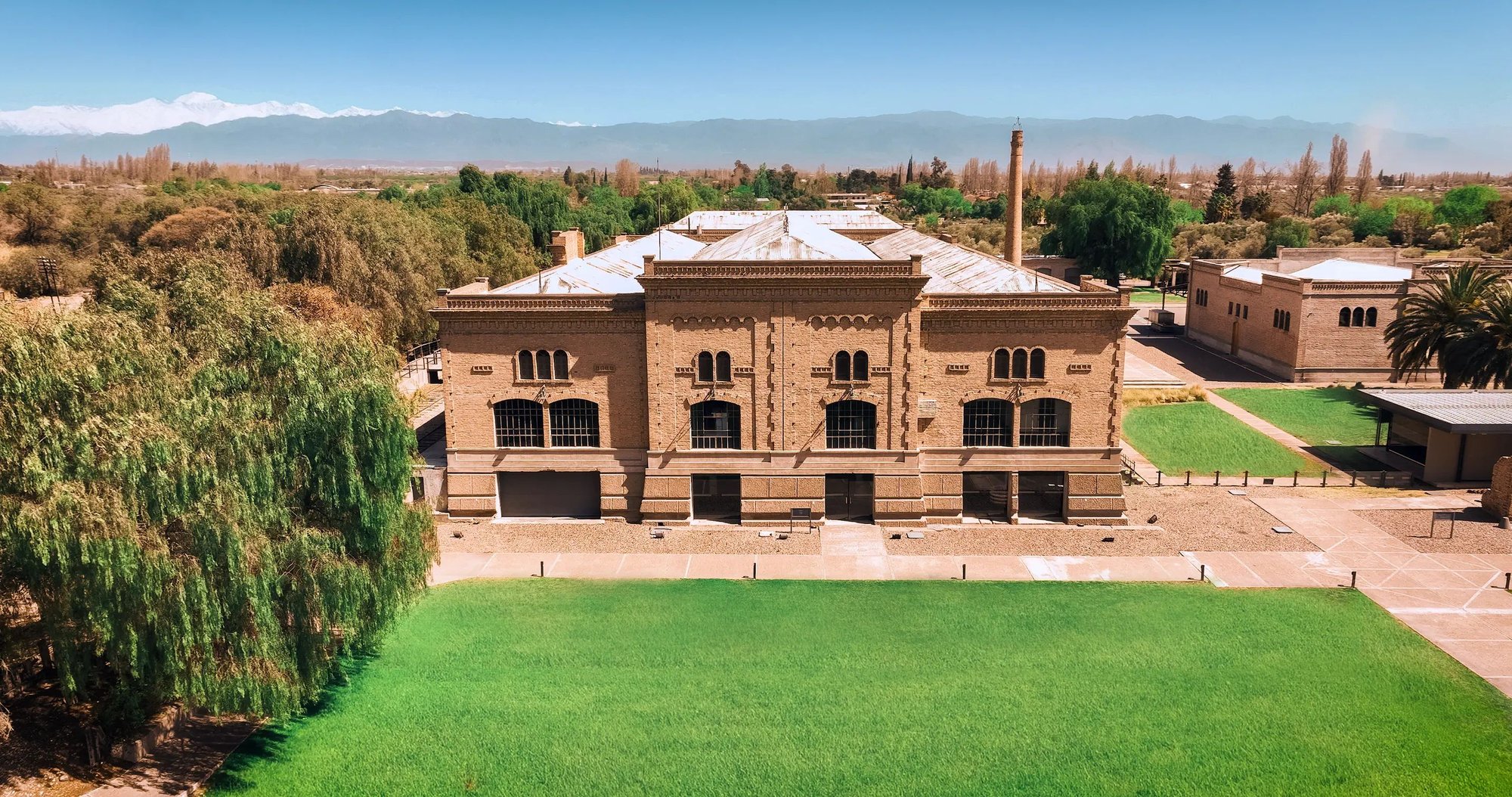
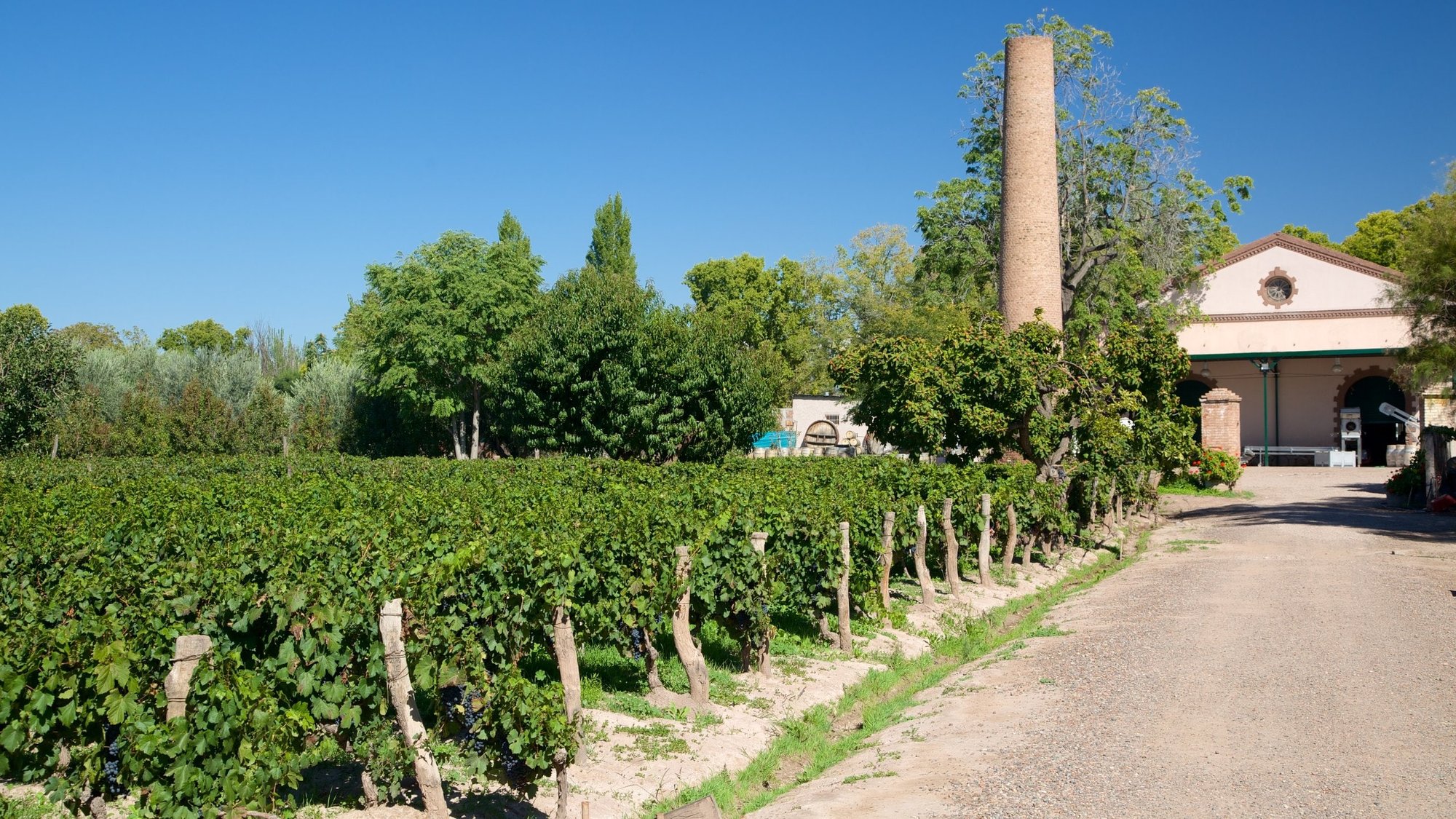
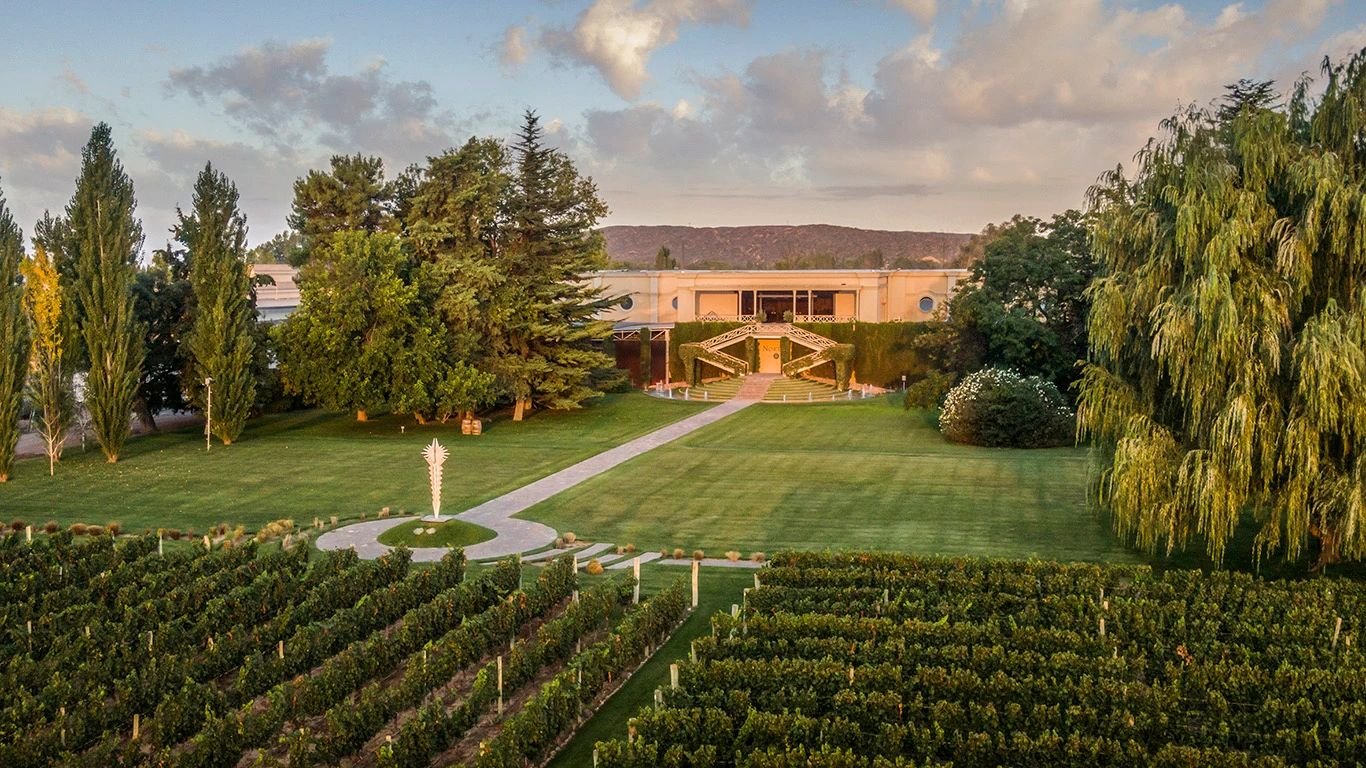
Contemporary yet rustically appointed dining rooms with impeccable service, set in verdant vineyard surroundings with vineyard and Andes mountain views.