
Tabelog 100 #66
Our verdict
Andhra Kitchen places regional South Indian cooking in the everyday churn of Ueno and Okachimachi rather than Tokyo’s luxury dining circuit. Its Tabelog 100 selections for Asian and ethnic cuisine in Tokyo, plus earlier curry-category recognition, make it a useful address for understanding how serious Indian cooking has moved beyond generic curry-house shorthand in the city.

Pearl is the En Primeur Club membership app, where members save venues, book tables and use the concierge.
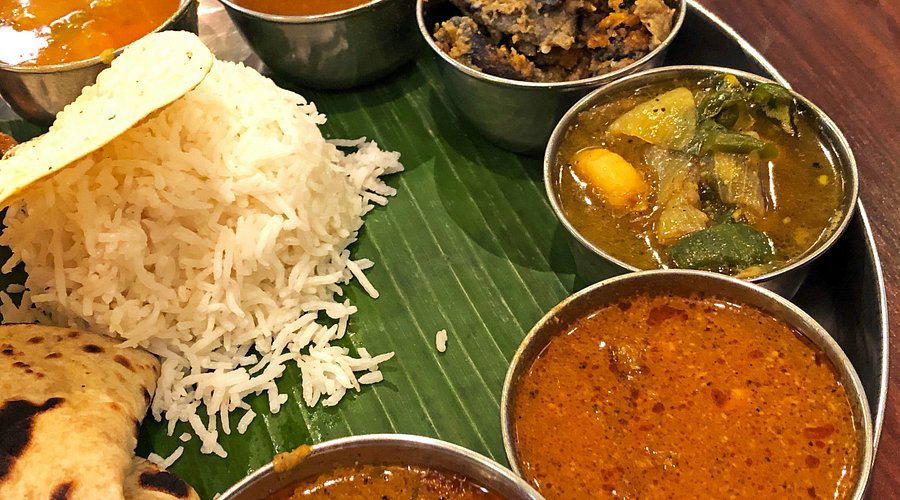
Below street level in Ueno, station noise, shopping-street traffic, and Okachimachi’s pace give way to a compact basement dining room built for curry, conversation, and quick table turnover. Tokyo’s Indian dining scene is often flattened into curry sets and naan lunches, but stronger addresses have become more regionally literate. Andhra Kitchen belongs in that conversation because it points specifically toward Andhra Pradesh and Hyderabadi cooking rather than using “Indian” as a catch-all label.
The distinction matters. North Indian formats have long been familiar across Tokyo, helped by tandoor cooking, butter-rich gravies, and office-worker lunch pricing. South Indian cooking works differently: rice-led meals, sharper spice structures, vegetable-forward dishes, and a lighter relationship with oil and dairy. The food is not austere; its pacing changes, with acidity, heat, and texture doing more work than cream or smoke.
Regional Indian cooking in a city that often says "curry" too broadly
The useful way to read Andhra Kitchen is not as an outlier, but as part of Tokyo’s correction of a lazy category. “Curry” remains powerful in Japan, covering home-style roux to specialist spice counters. Yet the Tabelog 100 lists have helped separate serious regional cooking from generic comfort-food traffic. Andhra Kitchen was selected for Tabelog 100 Asian cuisine / Ethnic cuisine Tokyo in 2024, with previous selections in 2022 and 2023, and earlier Tabelog 100 Curry recognition from 2017 through 2020. That run is a trust signal because it tracks consistency across more than one category cycle.
In Ueno and Okachimachi, this cooking has practical urban logic. The area pulls office workers, museum visitors, market shoppers, train transfers, and students into the same grid, so restaurants cannot rely only on ceremony. They need clarity. The room has 25 seats, take-out is available, and the format feels accessible rather than hushed, closer to Tokyo’s everyday specialist addresses than to appointment-only dining culture.
Comparison helps. Ponta Honke represents older Tokyo yoshoku grammar, while Tori Tsune Shizen Do occupies a higher-spend chicken-and-egg tradition; Kuriya Kurogi and Usagiya speak to sweets and tea-time patterns, and 81 sits in a conceptual progressive lane. Against that range, Andhra Kitchen is valuable because it is not chasing French technique, kaiseki codes, or luxury performance. It shows how a non-Japanese regional kitchen can earn repeat critical recognition in Tokyo while remaining tied to lunch, weeknight dinner, and neighborhood utility.
The experience is informal, but the category work is serious
The sensory appeal comes from contrast rather than theatre: an urban, functional basement near the rail flow, then a room where spice, rice, vegetables, and curry form the center of gravity. No chef mythology is needed. The more interesting story is how Tokyo diners have become fluent enough in regional Indian distinctions for a 25-seat restaurant in Taito to register within a citywide Asian and ethnic cuisine selection.
That fluency fits a larger dining shift. Tokyo has long been obsessive about specialization: soba houses refine flour ratios, sushi counters argue temperature, and ramen shops build identities around broth and noodle texture. Regional Indian restaurants benefit from the same appetite for precision. A kitchen identified with Andhra and Hyderabadi cooking gives diners a more specific frame than “Indian curry,” and the vegetarian-friendly notes attached to the restaurant align with South India’s wider strength in vegetable and pulse-based cooking.
For travelers, the value is both the meal and the recalibration. Tokyo’s luxury restaurants can make the city feel reservation-driven and ceremonious; its strongest casual specialists often explain more about daily eating. A Tabelog score of 3.66, repeated Hyakumeiten selections, and operating history since 2009 place Andhra Kitchen in a credible middle zone: not a trophy table, not an anonymous curry shop, but a recognized neighborhood specialist with a clear regional claim.
How to place it within a Tokyo dining day
This is a sensible counterweight to an itinerary heavy on sushi counters, tempura rooms, and hotel dining. Ueno’s museums, Ameyoko’s market energy, and the Okachimachi retail grid make the area an easy dining stop without crossing the city for a single reservation. The casual format also helps when a day has already demanded too much choreography.
Its strongest audience wants specificity without ceremony: regional Indian cooking, curry as a serious category, and a room that fits Taito’s pace rather than Ginza’s polish. Families are not out of place, and the venue is marked as children-welcome. Credit cards are accepted, private rooms are not part of the setup, and the experience is compact, direct, and food-led.
Readers mapping a wider Tokyo stay can place it alongside other city addresses by browsing Our full Tokyo restaurants guide, then balancing the trip with Our full Tokyo hotels guide, Our full Tokyo bars guide, Our full Tokyo wineries guide, and Our full Tokyo experiences guide. Nearby and cross-city contrasts sharpen the picture: 鮪と炭火焼き うお炭 秋葉原店 for tuna and charcoal, 12/10 Shinjuku ten for Shinjuku dining context, 124. KAGURAZAKA (Yakitori) for skewered chicken precision, 2D Cafe for visual café culture, and 3 Chome no Curry Ya San for another reading of Tokyo curry.
Beyond the capital, the same question of specialization runs through Japan and farther afield: -Grilled beef Sukiyaki- KAMAKURA TANUKIAN 鎌倉 たぬき庵 in Kamakura.cafe in Osaka.know in Kumamoto, (Shoku) Vietnam in Kawasaki, [Curry Senmon Ten] Maruyama Kyoju. in Sapporo, [ki:] in Kyoto, Jōdo Saké Bar in Los Angeles, and Onigiri Time in Pasadena. Andhra Kitchen’s place in that broader map is clear: a modestly scaled Tokyo restaurant whose significance comes from regional definition, repeated third-party recognition, and the everyday confidence of a room that needs no luxury signals to make its point.
Style and Standing
Nearby venues at a similar price tier for orientation.
| Venue | Cuisine | Price | Awards | Notes |
|---|---|---|---|---|
| Andhra KitchenThis venue (the venue you are viewing) | Andhra / South Indian Indian | $10–20 | Tabelog 100 #66 | Not listed |
| AROMAS of INDIA | Traditional North Indian Curry House | $20–30 | Tabelog 100 #51 | Chiyoda |
| Rahi Punjabi Kitchen | Traditional Pakistani & North Indian Curry House | $20–30 | Tabelog 100 #59 | Suginami |
| ERICK SOUTH KOENJI CURRY&BIRYANI CENTRE Kouenji karē&biriyani sentā | South Indian Curry & Hyderabadi Biryani | $10–20 | Tabelog 100 #29 | Suginami |
| GURGAON | Traditional North Indian Curry House | $20–30 | Tabelog 100 #3 | Chūō |
| Eric South Toukyou gaaden terasu ten | South Indian Curry & Biryani | $20–30 | Tabelog 100 #67 | Chiyoda |
Recognition history
Dated appearances from independent guides and award organizations, with the underlying list record or original source where available.
Tabelog 100 #66 · No. 66
Tabelog · Tabelog 100 - Asian cuisine / Ethnic cuisine - TOKYO - 2024
Continue exploring
More in Tokyo
Restaurants in Tokyo
All restaurants in Tokyo →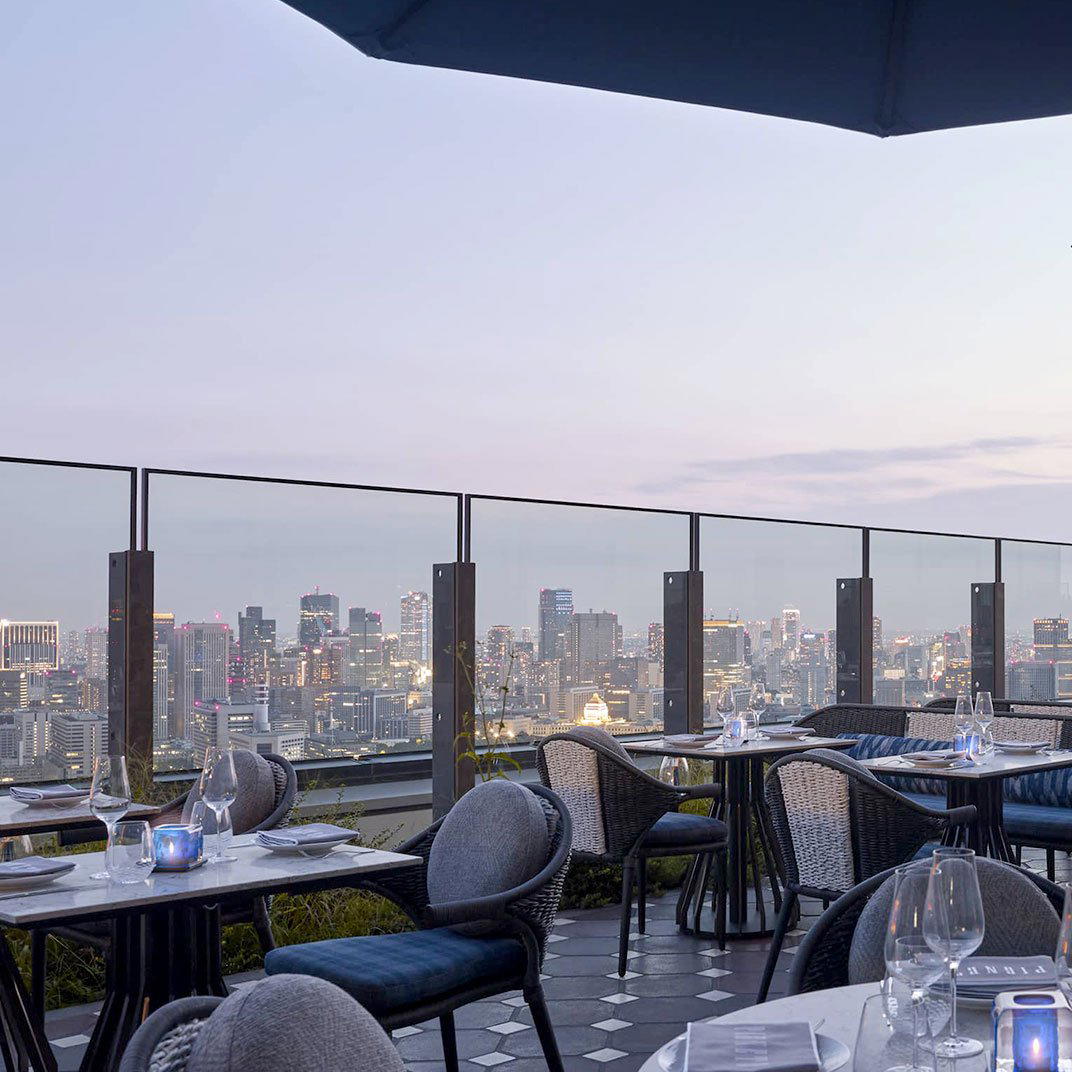
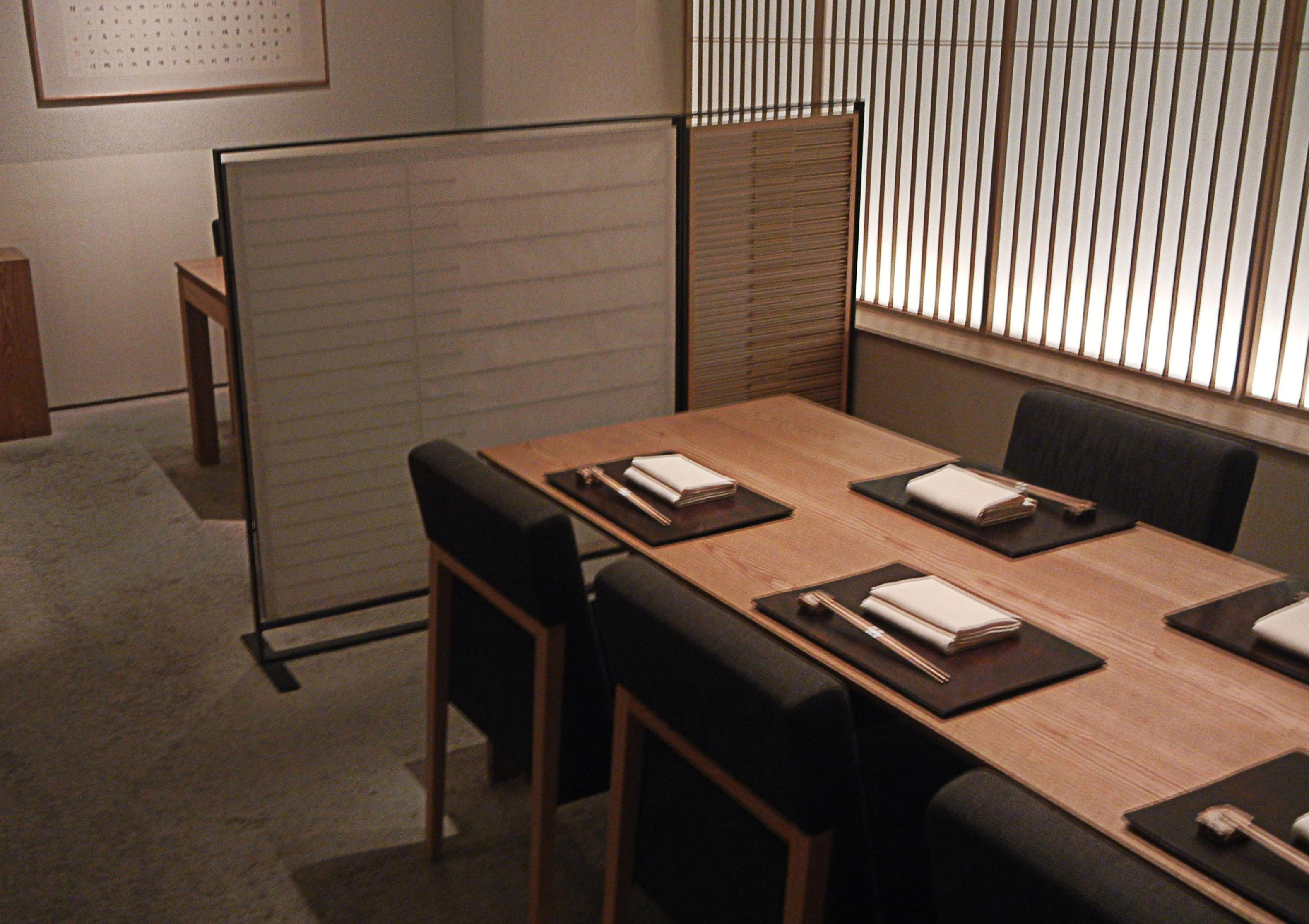



Bars in Tokyo
All bars in Tokyo →



Details
- Cozy
- Classic
- Casual Hangout
- Group Dining
- Standalone
- Beer Program
- Local Sourcing
- A La Carte
- Set Menu
- Beer
- Vegetarian Friendly
Current opening hours
- Monday
- 11:15 AM–2:30 PM, 5–10 PM
- Tuesday
- 11:15 AM–2:30 PM, 5–10 PM
- Wednesday
- 11:15 AM–2:30 PM, 5–10 PM
- Thursday
- 11:15 AM–2:30 PM, 5–10 PM
- Friday
- 11:15 AM–2:30 PM, 5–10 PM
- Saturday
- 11:30 AM–2:30 PM, 5–9 PM
- Sunday
- 11:30 AM–2:30 PM, 5–9 PM
Hours can change for holidays and private events. Hours as of .
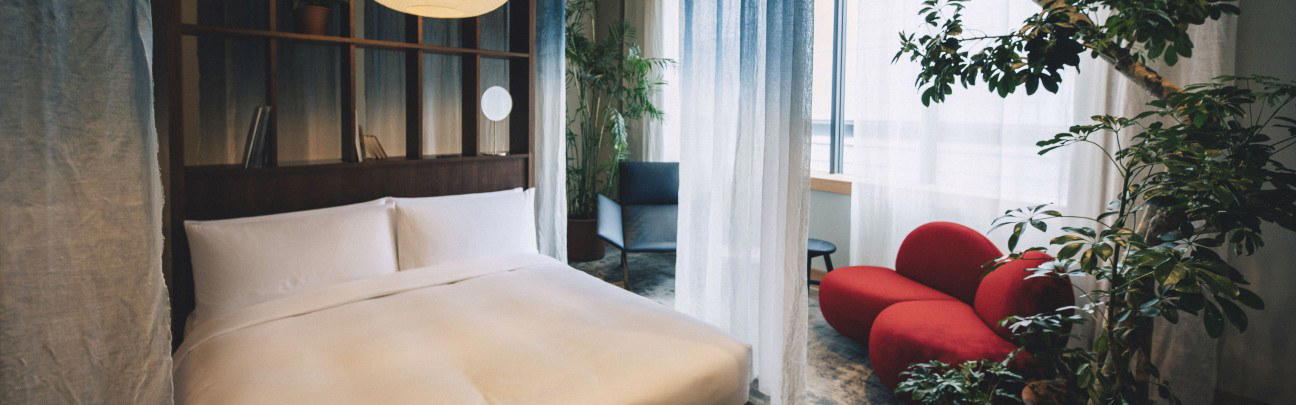
Simple, casual, and neighborhood-oriented, with a low-key dining-room feel rather than a formal or destination-led atmosphere.