
Tabelog 100 #3
Our verdict
GURGAON places Indian curry and vegetable-led cooking inside Ginza’s practical lunch-and-dinner rhythm rather than its luxury theatre. The draw is its menu structure: Indian and Indian curry categories, vegetarian options, take-out, wine and cocktails, plus repeated Tabelog 100 recognition for curry and Asian-ethnic dining in Tokyo.

Pearl is the En Primeur Club membership app, where members save venues, book tables and use the concierge.
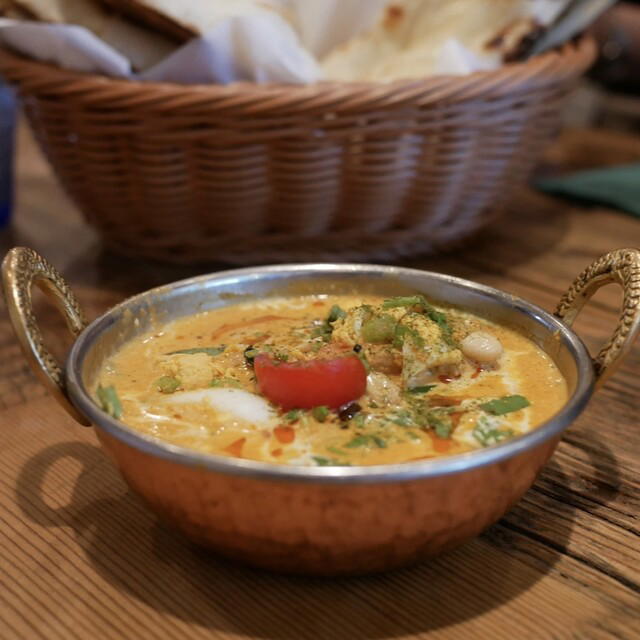
The menu
What to order
- Butter chicken
- Tandoori chicken
- Naan
- Samosas
Tokyo’s compact restaurants have their own grammar: street-level polish, then smaller rooms where office workers, shoppers, and destination diners compress the day into a tighter meal. GURGAON fits that city rhythm in Tokyo, with a format that reads as practical rather than theatrical. The room matters less as spectacle than as context, because Indian dining in Tokyo serves more than one audience: weekday diners seeking a focused curry meal, and evening tables treating spice, bread, rice, and shared ordering as a fuller restaurant experience.
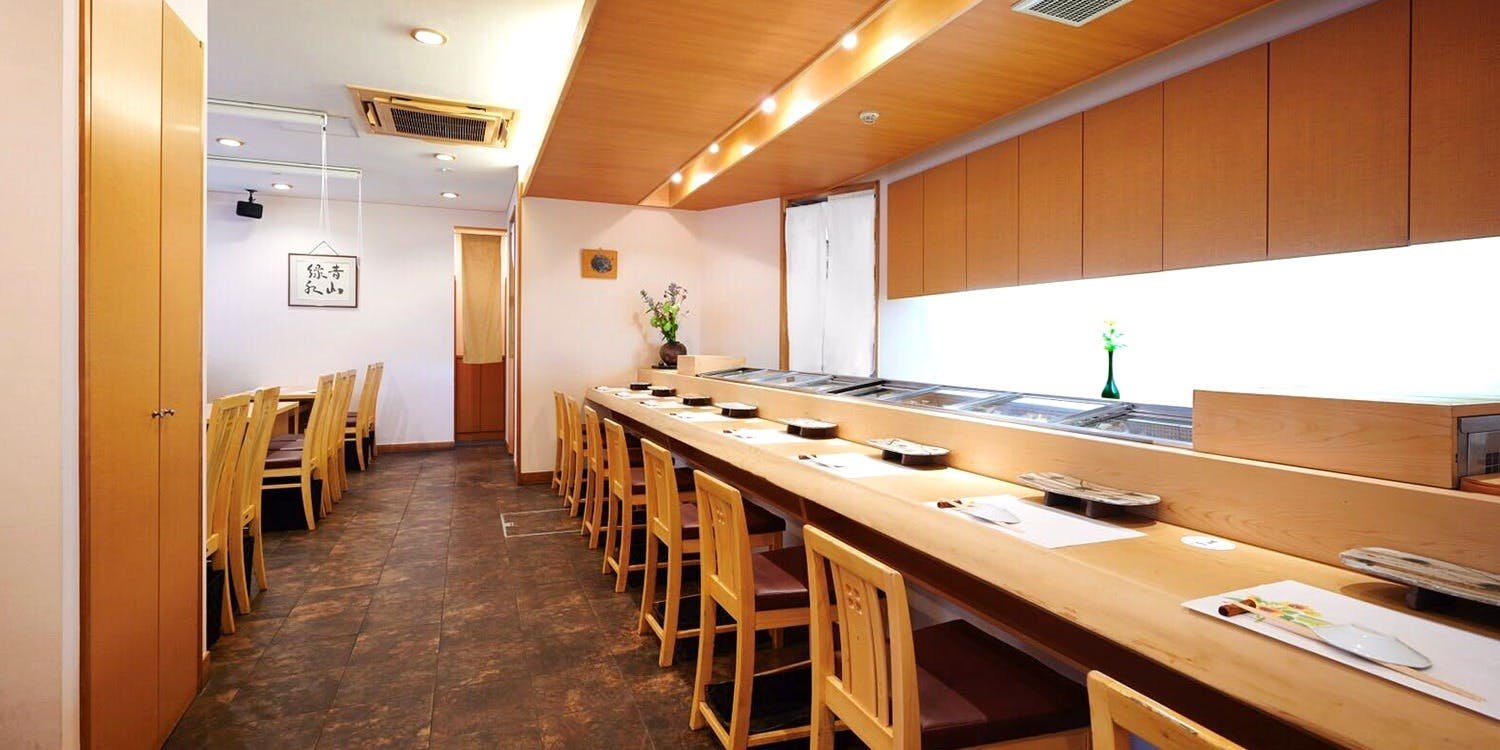
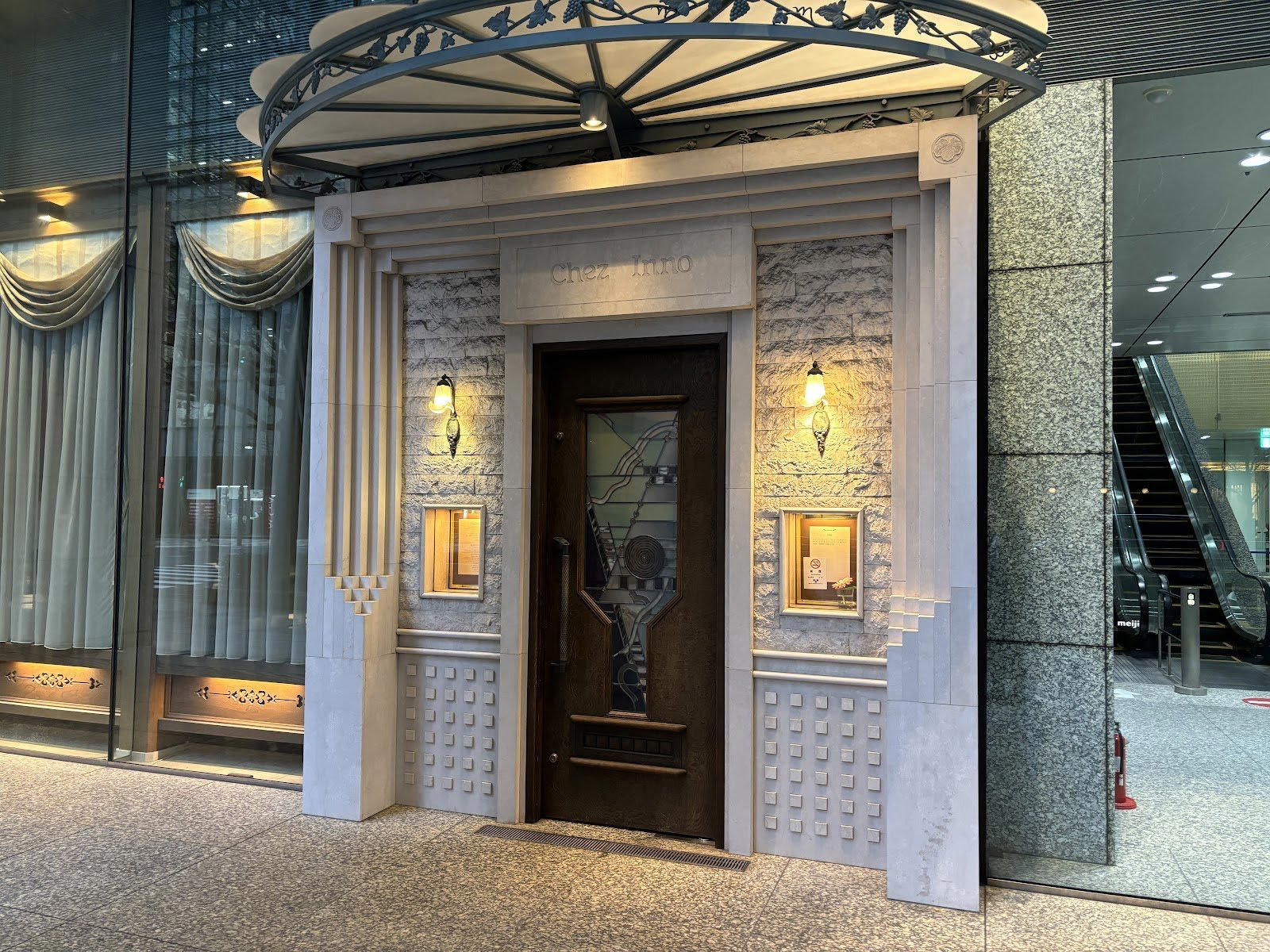
That dual role makes the restaurant useful to read. High-profile Tokyo dining is often framed through sushi counters, French rooms, and cocktail bars; nearby points such as Ginza Sushi Ichidai Yugo, Dominique Bouchet Tokyo, Sushiya Ichiyanagi, STAR BAR GINZA, and 月花 MoonFlower Sagaya Ginza, Art by teamLab sit in that broader economy of reservations, special occasions, and polished service. Indian curry works differently: more democratic, repeatable, and revealing of everyday taste than formal rooms. Here, the stated category does the talking: Indian and Indian curry form the spine, placing GURGAON in a part of Tokyo dining where regular use matters as much as destination appeal.
Indian curry in Tokyo, built for repeat meals rather than ceremony
Tokyo takes curry seriously in several registers: Japanese curry shops, South Asian restaurants, spice-curry specialists, and hybrid menus shaped by local lunch habits. The point is structure, not authenticity as slogan. This category succeeds when the menu is legible for quick lunch and broad enough for dinner groups with different tolerances for heat, meat, bread, and rice. GURGAON’s Indian and Indian curry listings place it in that middle lane, neither a single-dish counter nor a grand, ceremony-led dining room.
Tabelog recognition gives context. The venue is listed with Tabelog Hyakumeiten recognition for 2024, which is the kind of local signal that matters in a city where diners often read category lists closely. A Tabelog score of 3.71 is another useful marker, especially where user ratings cluster tightly and small differences can shape repeat decisions. The listed budget also keeps the restaurant in an accessible zone: dinner at JPY 2,000 - JPY 2,999 and lunch at JPY 1,000 - JPY 1,999.
Menu identity separates it from a generic stop. The useful point is not to overstate a single dish, chef, or backstory, but to read the restaurant through its stated categories. In Tokyo, that matters: many meals are planned by format as much as by fame, and Indian curry can function as lunch, group dinner, or a reset between more formal bookings. GURGAON’s appeal sits in that repeatable, category-driven space.
What the format says about Tokyo's non-Japanese dining culture
Tokyo is exacting with imported cuisines, though not always as visitors expect. The city rewards repeatability, clean service rhythm, and menus understood quickly. Curry, ramen, soba, tonkatsu, yakitori, sushi, and cafés can sit together in a serious itinerary without the same spend or ceremony. For readers mapping Tokyo by category, GURGAON belongs beside curry and casual-specialist addresses, not only in the formal tasting-menu conversation.
That distinction avoids a common Tokyo mistake: treating every strong city restaurant as a special-occasion booking. Some meals are valuable because they keep a dining day functional. An Indian curry restaurant in Tokyo serves a different need from a sushi counter or French dining room: spice-led, category-clear, recognized enough to justify attention, without the rigid choreography of many higher-priced rooms.
The practical texture supports that reading without needing mythology. The listing gives a clear phone contact, +81-3-3563-0623, and a budget range that makes planning straightforward. Those details are part of the restaurant’s usefulness: it can be considered for lunch or dinner without requiring the same mental commitment as a long-form luxury meal. These are working-restaurant signals, not stage-set details.
For broader Tokyo planning, it pairs with a day around the city’s shopping, hotel, bar, and restaurant circuits. It can sit before a cocktail-focused evening, after shopping, or between formal meals. Readers comparing categories can use Our full Tokyo restaurants guide, Our full Tokyo bars guide, Our full Tokyo hotels guide, Our full Tokyo wineries guide, and Our full Tokyo experiences guide to place it within the city’s wider food-and-travel circuit.
How to read it against curry counters, cafés, and destination dining
The useful comparison is not luxury versus casual, but function versus format. Curry specialists and other casual dining rooms in Japan show how diners treat curry as its own serious category, not a fallback. GURGAON adds the Tokyo layer: a Tokyo Indian and Indian curry address with enough recognition and price clarity to be useful for visitors who plan meals by category.
Tokyo’s dining map rewards cross-category thinking. A visitor might move from a counter meal to a café, then to grilled cooking or a more formal dinner elsewhere in the city. In that sequence, Indian curry is not an outlier; it is part of the city’s appetite for focused formats executed with discipline. GURGAON works best when read in that ecosystem rather than forced into a luxury-only frame.
The logic extends beyond Tokyo in a broader sense. Across Japan and in international cities, diners often take narrow formats seriously: a single category, a clear price band, a repeatable reason to return. GURGAON belongs to that way of eating. It does not need an inflated origin story or a list of invented signatures; the category, score, budget, and recognition already provide enough editorial footing.
The editorial read is clear: GURGAON is strongest as a Tokyo restaurant for diners who care about menu category and practical fit more than ceremony. The appeal is not a single named dish or chef mythology; it is how Indian curry, accessible pricing, and 2024 Tabelog Hyakumeiten recognition combine into a restaurant fitted to Tokyo’s day-to-night eating habits.
Price Lens
Comparable options at the same price tier.
| Venue | Cuisine | Price | Awards | Notes |
|---|---|---|---|---|
| GURGAONThis venue (the venue you are viewing) | Traditional North Indian Curry House | $20–30 | Tabelog 100 #3 | Not listed |
| Ooiwa Shokudo | South Indian curry & Sri Lankan-style spice dishes | $20–30 | Tabelog 100 #79 | Suginami, South Indian curry & Sri Lankan-style spice dishes |
| Indian Restaurant Aarti | Indian Curry | $10–20 | Tabelog 100 #7 | Chiyoda, Indian Curry |
| Suna no Misaki | Indian curry & meels restaurant | $20–30 | Tabelog 100 #91 | Setagaya, Indian curry & meels restaurant |
| Indian Street Food & Bar GOND | Indian Street Food & Curry | $20–30 | Tabelog 100 #55 | Chiyoda, Indian Street Food & Curry |
| raffles curry | Indian Curry | $10–20 | Tabelog 100 #37 | Taitō, Indian Curry |
Recognition history
Dated appearances from independent guides and award organizations, with the underlying list record or original source where available.
Tabelog 100 #3 · No. 3
Tabelog · Tabelog 100 - Asian cuisine / Ethnic cuisine - TOKYO - 2024
Continue exploring
More in Tokyo
Restaurants in Tokyo
All restaurants in Tokyo →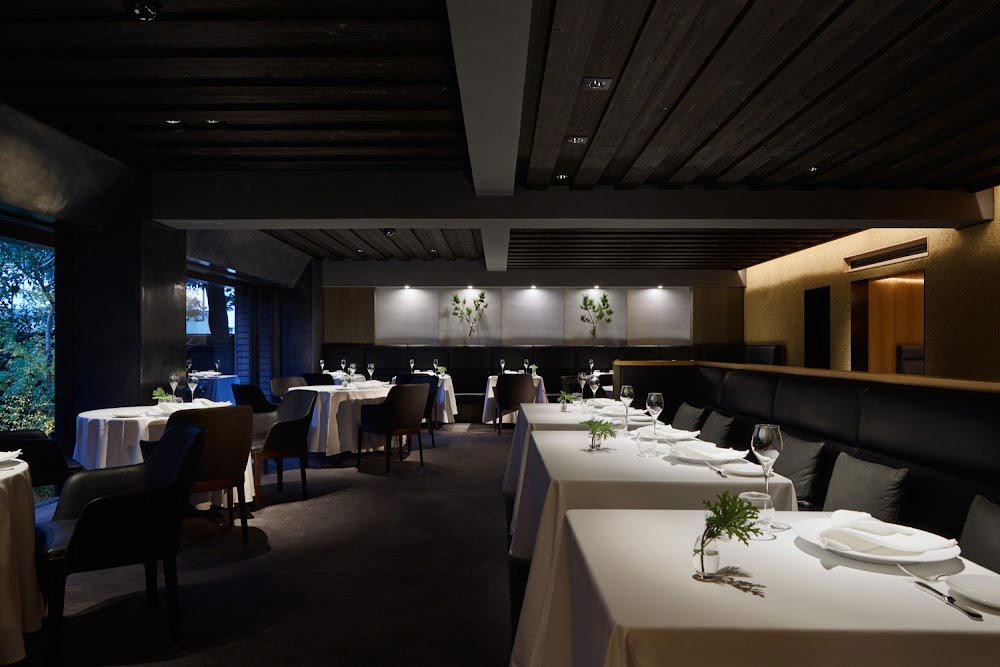








Details
- Cozy
- Lively
- Casual Hangout
- Group Dining
- After Work
- Solo
- Standalone
- A La Carte
- Vegetarian Friendly
Current opening hours
- Monday
- 11:30 AM–3 PM, 5–10 PM
- Tuesday
- 11:30 AM–3 PM, 5–10 PM
- Wednesday
- 11:30 AM–3 PM, 5–10 PM
- Thursday
- 11:30 AM–3 PM, 5–10 PM
- Friday
- 11:30 AM–3 PM, 5–10 PM
- Saturday
- 11:30 AM–4 PM, 5–9:30 PM
- Sunday
- 11:30 AM–4 PM, 5–9:30 PM
Hours can change for holidays and private events. Hours as of .
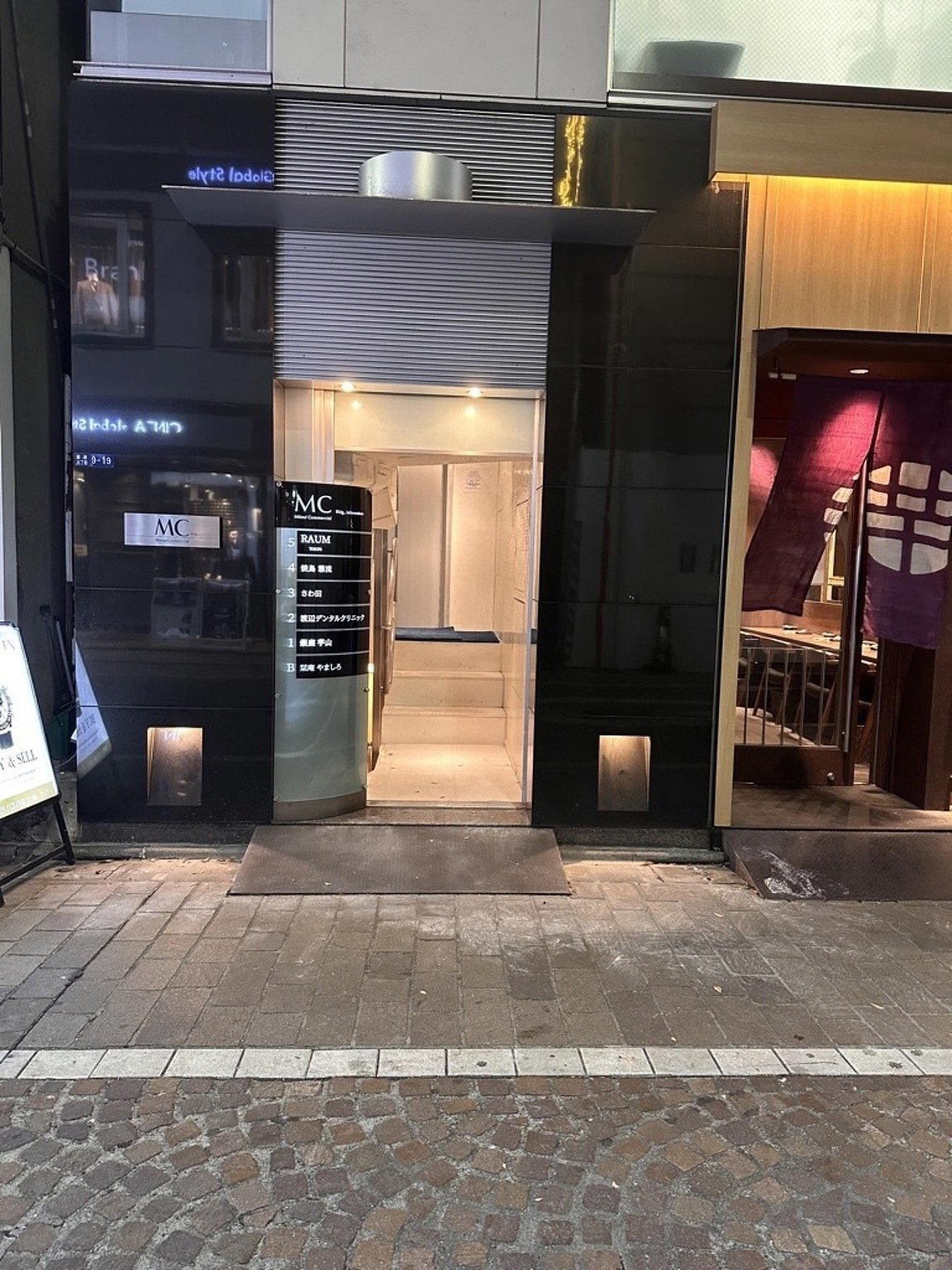
Warm, compact basement dining room with simple decor, closely spaced tables and the buzz of a busy curry house; lighting is modest rather than dramatic, giving it a casual, lived‑in feel rather than a polished fine‑dining atmosphere.