ALvis occupies a discreet address on Albrechtstraße in Berlin's Mitte district, placing it within reach of the city's denser concentration of Michelin-recognised tables. The venue sits inside a Berlin fine dining scene that has diversified considerably over the past decade, with creative European formats now competing alongside established destination restaurants for the same reservation windows.
Pearl is the En Primeur Club membership app — saves, bookings, and concierge access live there. Same editors, same standards.
- Address
- Albrechtstraße 8, 10117 Berlin, Germany
- Phone
- +493030886560
- Website
- alvis-restaurant.de
- Directions
- Get directions
 Saves & bookings on Pearl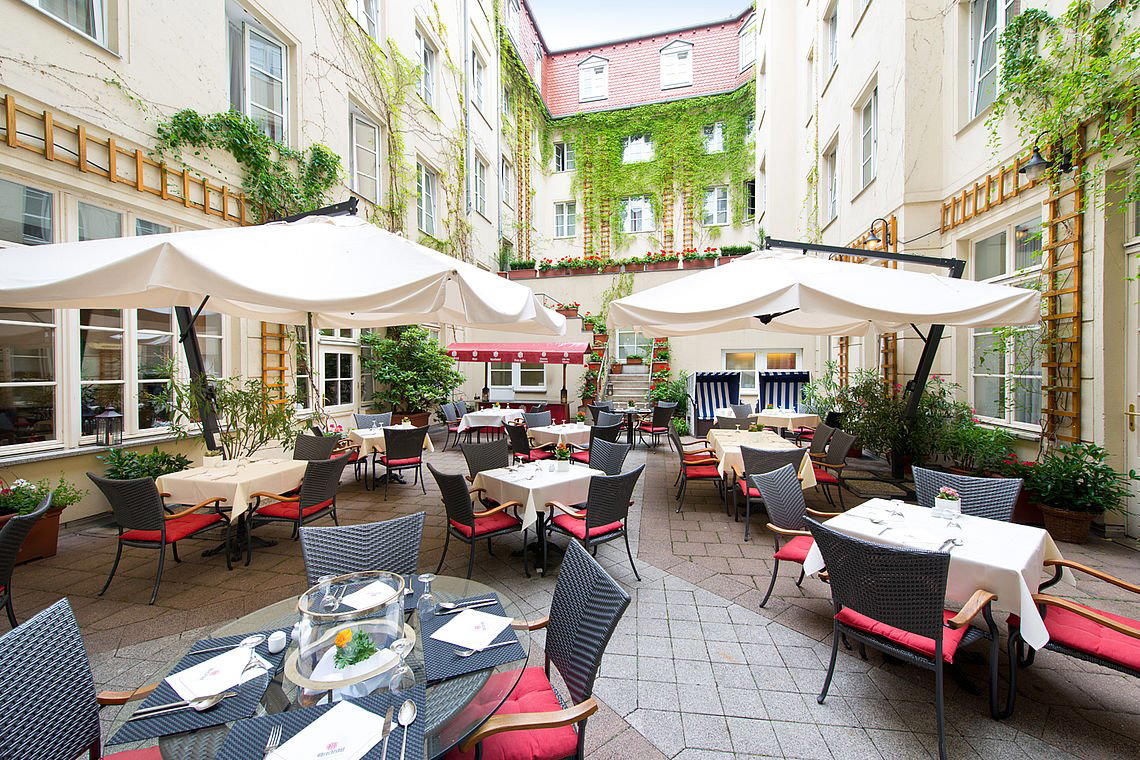
Where Albrechtstraße Fits in Berlin's Fine Dining Geography
Berlin's premium restaurant tier has reorganised itself around a handful of postal codes in the last decade. Mitte remains the gravitational centre: close enough to government and hotel districts to sustain both business-lunch traffic and evening destination dining, and dense enough with creative-European operators that a single street can anchor several distinct dining propositions. Albrechtstraße 8 puts ALvis inside that cluster, a short walk from the Spree and from the concentration of notable tables that define the neighbourhood's dining reputation.
That geography matters because it shapes the competitive context. Berlin's €€€€-tier restaurants, among them Rutz, FACIL, and Nobelhart & Schmutzig, have collectively moved the city's fine dining conversation toward produce-led, format-conscious menus that prioritise regional sourcing and structural restraint over classical French elaboration. A venue on Albrechtstraße sits within walking distance of those reference points and prices against them, which means guests arrive with calibrated expectations.
The Lunch and Dinner Divide in Berlin Fine Dining
One of the more instructive fault lines running through Berlin's premium restaurant tier is the difference between midday and evening service, not just in menu length, but in the entire register of the meal. Across the city's recognised tables, lunch has quietly become the sharper proposition for a specific type of diner: shorter menus, compressed formats, often a meaningfully lower price-to-quality ratio, and a room that runs at a different energy than the same space at 8pm.
At the summit of the market, this pattern holds consistently. Tables like FACIL in Tiergarten and Rutz in Mitte both offer daytime formats that allow access to kitchen-level cooking at a lower barrier to entry than their full evening menus. The trade-off is fewer courses and a tighter wine program, but the fundamental cooking, the sourcing decisions, the technique, the mise en place, remains the same kitchen at work.
For a Mitte address like ALvis, the lunch-versus-dinner dynamic carries additional weight. The neighbourhood draws a weekday business clientele during the day and a more intentional, often tourist-heavy dining crowd in the evening. Those two audiences want different things: the former values efficiency and clarity, the latter rewards a longer arc and a more exploratory wine list. How a restaurant on Albrechtstraße navigates that divide, whether it runs distinct menus or adapts a single format to the hour, determines a large part of its positioning relative to the area's other serious operators.
Germany's regional fine dining circuit offers a useful comparison set here. Properties like Schwarzwaldstube in Baiersbronn and Waldhotel Sonnora in Dreis operate in destination formats where lunch is often a slower, more ceremonial affair than the city equivalent, the opposite logic from urban Berlin, where daytime service tends toward the compressed. Understanding that contrast helps clarify what makes a Berlin fine dining lunch worth prioritising over an evening booking when the goal is value density rather than occasion.
ALvis in the Context of Berlin's Creative European Tier
Berlin's creative-European category has matured into a defined comparable set. CODA Dessert Dining occupies an entirely distinct structural niche, a dessert-led tasting format with no direct equivalent in the city, while Nobelhart & Schmutzig has built its identity around a strict Berlin-regional sourcing mandate that functions almost as a philosophical constraint. Restaurant Tim Raue operates in a different register altogether, with a Chinese-inflected framework that sits outside the European modernist mainstream.
What these established operators share is a legible editorial identity, a reason to exist that goes beyond competent execution of a familiar format. The more interesting question for any newer Mitte address is where its own point of difference sits within that field. Albrechtstraße 8 occupies a central position physically; the culinary and atmospheric identity that fills that address determines whether ALvis reads as a destination or as a neighbourhood convenience for guests already staying nearby.
For comparison, Germany's wider three-star circuit, Aqua in Wolfsburg, Vendôme in Bergisch Gladbach, Victor's Fine Dining in Perl, demonstrates that Germany's highest-recognition tables are predominantly found outside its major cities, in destination or hotel formats where the journey is part of the proposition. Berlin's Michelin-tracked scene is competitive but operates in a different register: urban, accessible, and in direct daily competition with each other for the same pool of bookings. Tables like JAN in Munich, Restaurant Haerlin in Hamburg, and ES:SENZ in Grassau each anchor their regional scenes in ways Berlin's multi-venue Mitte cluster does collectively rather than individually.
Planning a Visit to ALvis
Albrechtstraße 8 is in central Mitte, within direct reach of S-Bahn and U-Bahn connections at Friedrichstraße, making it one of the more accessible fine dining addresses in the city for guests arriving from hotels across the central districts. For travellers comparing Berlin's serious tables against broader European reference points, Le Bernardin in New York or Lazy Bear in San Francisco represent the kind of format-conscious, chef-driven dining that defines the upper tier internationally, Berlin's Mitte cluster offers genuine density within a compact area.
The practical guidance is to check directly and to consider timing carefully. If the lunch-versus-dinner calculus matters to you, and at Berlin's better tables, it usually should, midweek lunch reservations in this part of Mitte tend to carry shorter lead times than weekend evening slots at the same addresses. For the full picture of what Berlin's fine dining scene offers across price tiers and neighbourhoods, the Berlin restaurants guide maps the city's options with editorial context. Regional comparisons further afield include Schanz in Piesport and Bagatelle in Trier for those building a wider Germany itinerary around fine dining.
Price and Positioning
Comparable venues nearby, for context on price, style, and recognition.
| Venue | Cuisine | Price | Notes |
|---|---|---|---|
| ALvisThis venue — the venue you are viewing | Mitte, Modern German Regional | $$$ | Not listed |
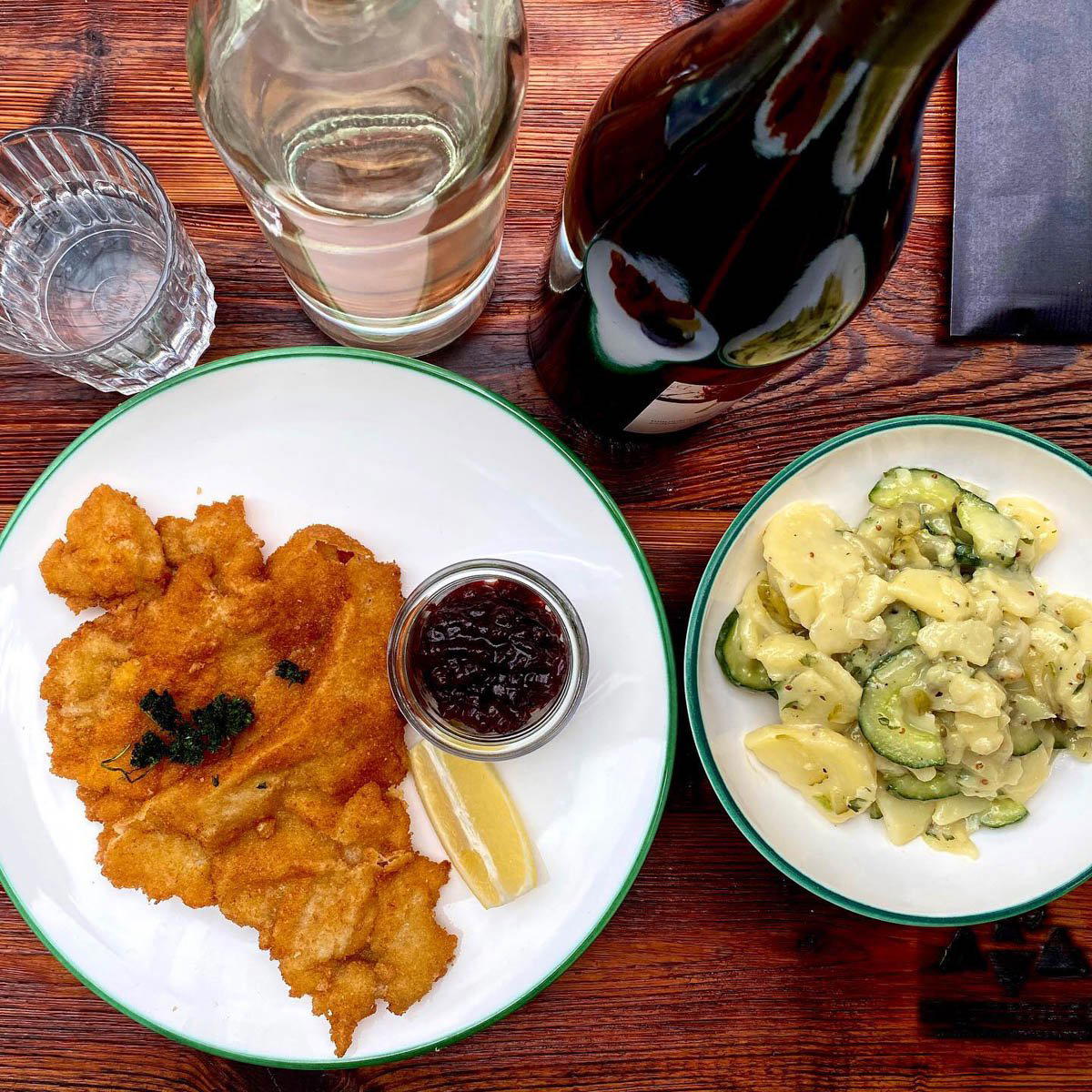
| Jasper's Mitte | Not listed | $$$ | Scheunenviertel, Austrian & Bavarian Schnitzel House |
| Fleischerei | Not listed | $$$ | Prenzlauer Berg, Modern German Meat Cuisine |
| Restaurant HessenWinkel | Not listed | $$$ | Rahnsdorf, Regional German with Seasonal Specialties |
| Hopfingerbräu am Brandenburger Tor | Mitte, Bavarian Brauhaus | $$ | Not listed |
| Flemming´s | Not listed | $$ | Kreuzberg, German Steakhouse with Mediterranean Influences |
Continue exploring
More in Berlin
Restaurants in Berlin
Browse all →
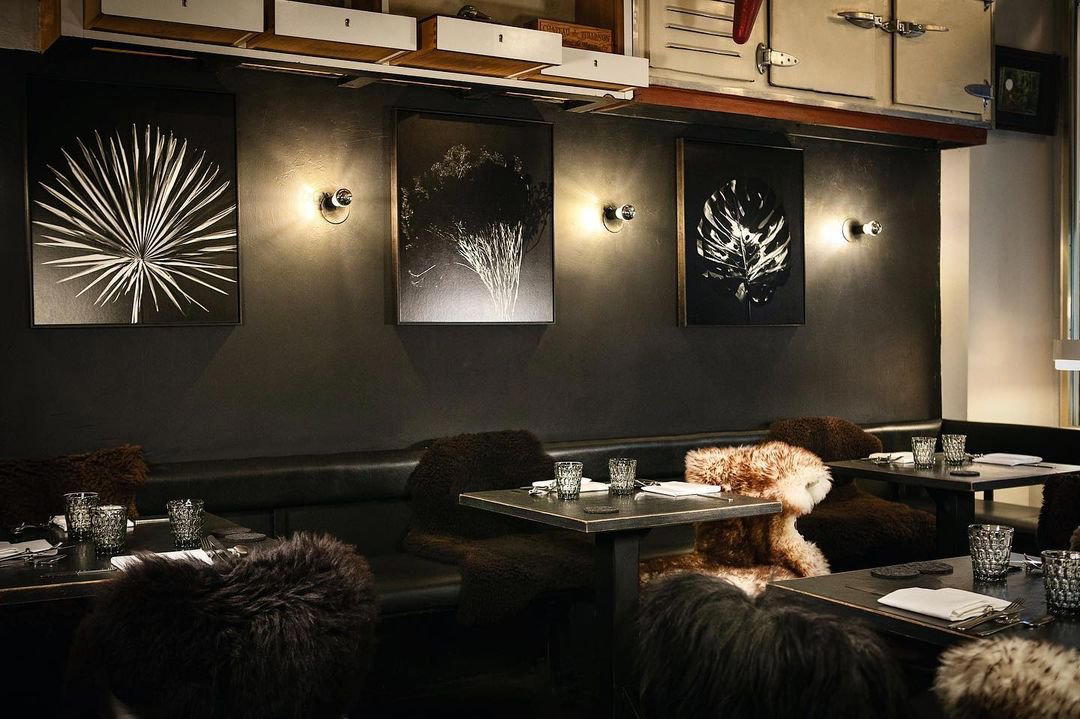
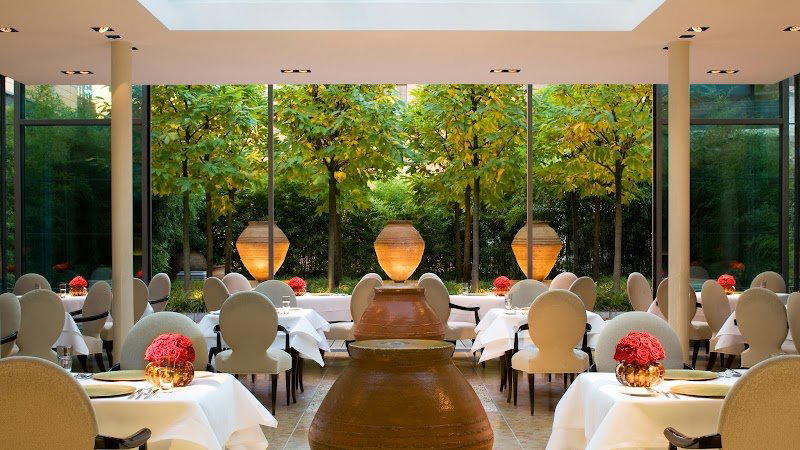
Bars in Berlin
Browse all →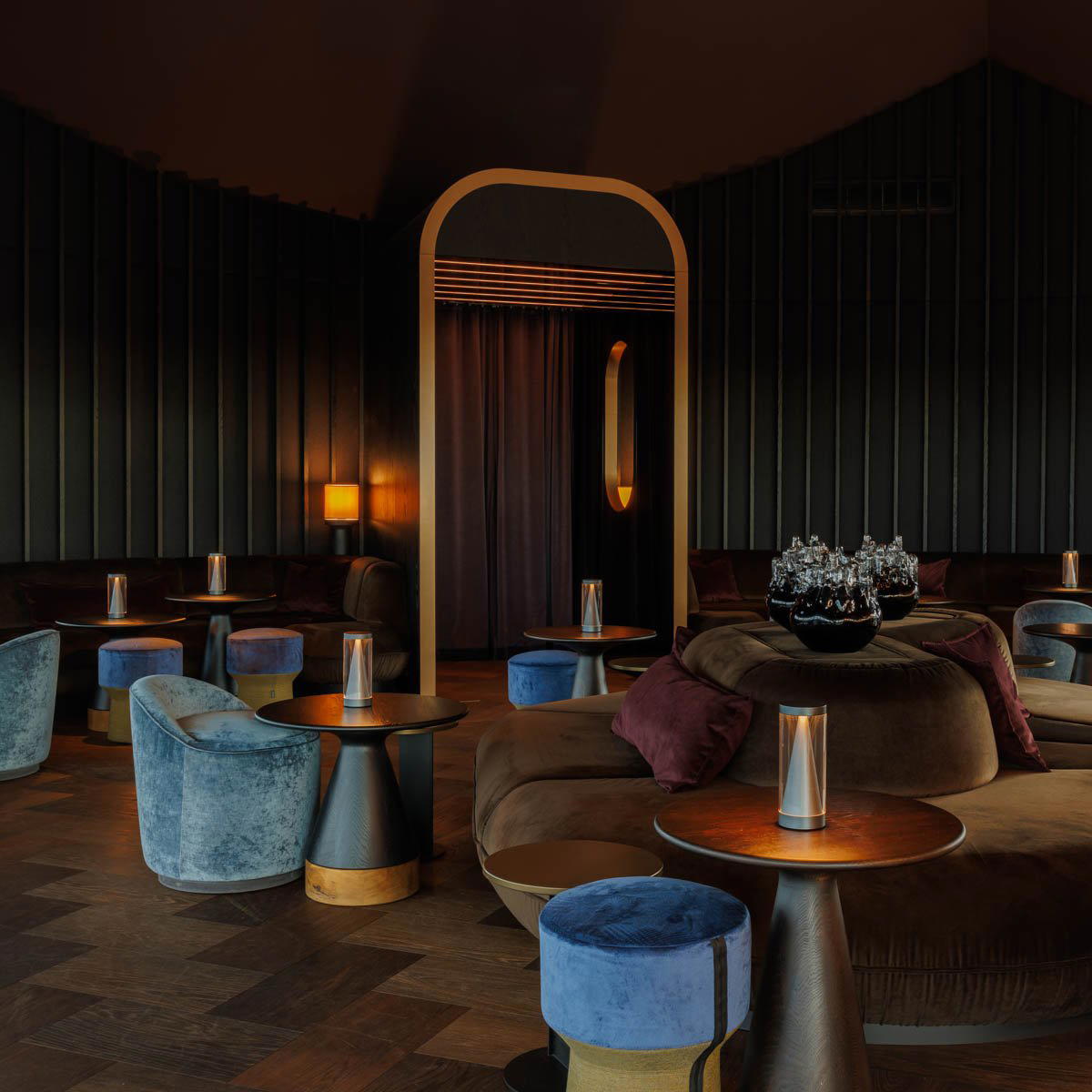
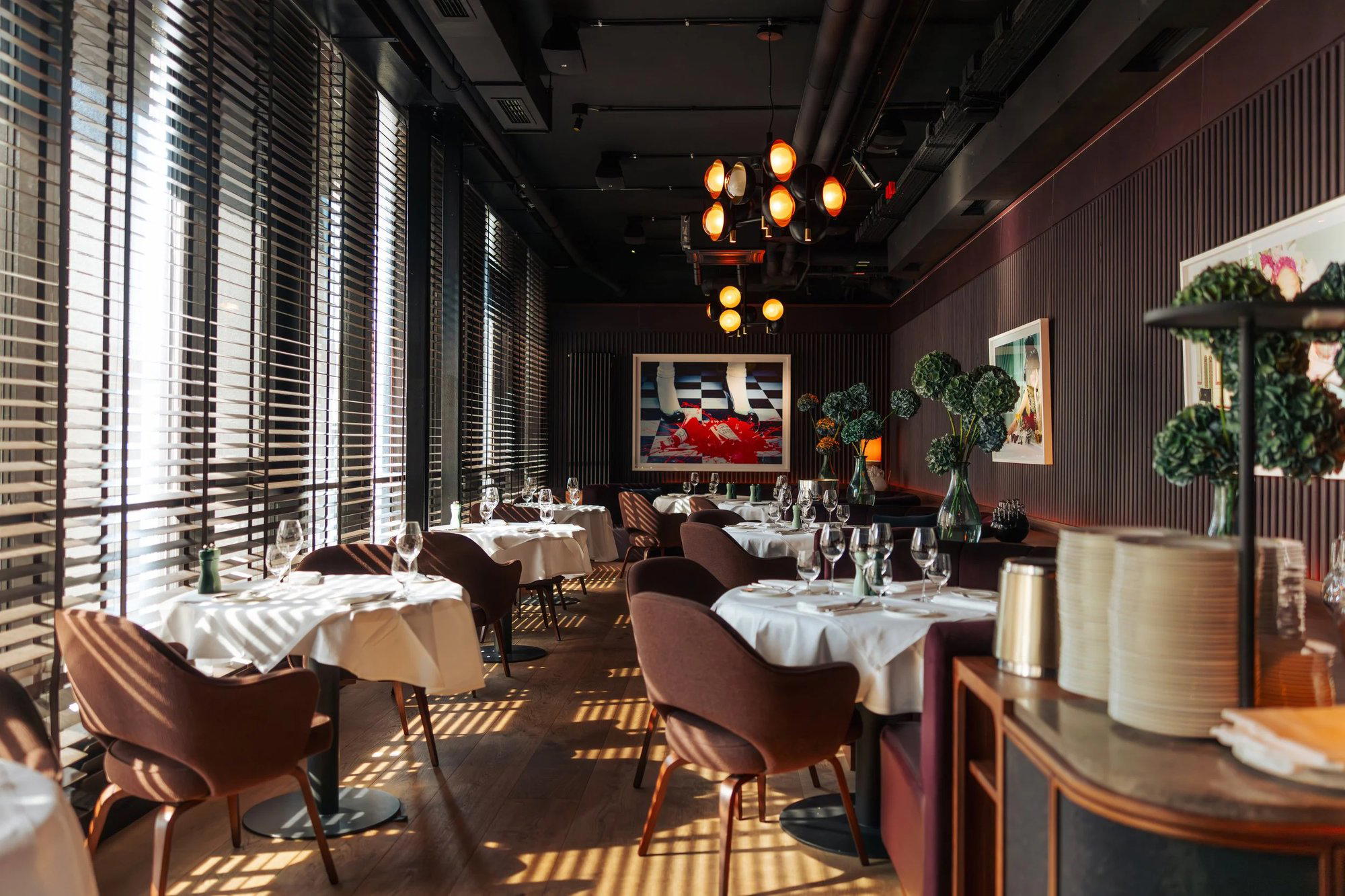
Hotels in Berlin
Browse all →

At a Glance
- Modern
- Cozy
- Brunch
- Business Dinner
- Courtyard
- Craft Cocktails
- Local Sourcing
Current opening hours
- Monday
- 6 AM–10 PM
- Tuesday
- 6 AM–10 PM
- Wednesday
- 6 AM–10 PM
- Thursday
- 6 AM–10 PM
- Friday
- 6 AM–10 PM
- Saturday
- 6:30 AM–10 PM
- Sunday
- 6:30 AM–3 PM
Hours can change for holidays and private events. Last verified .
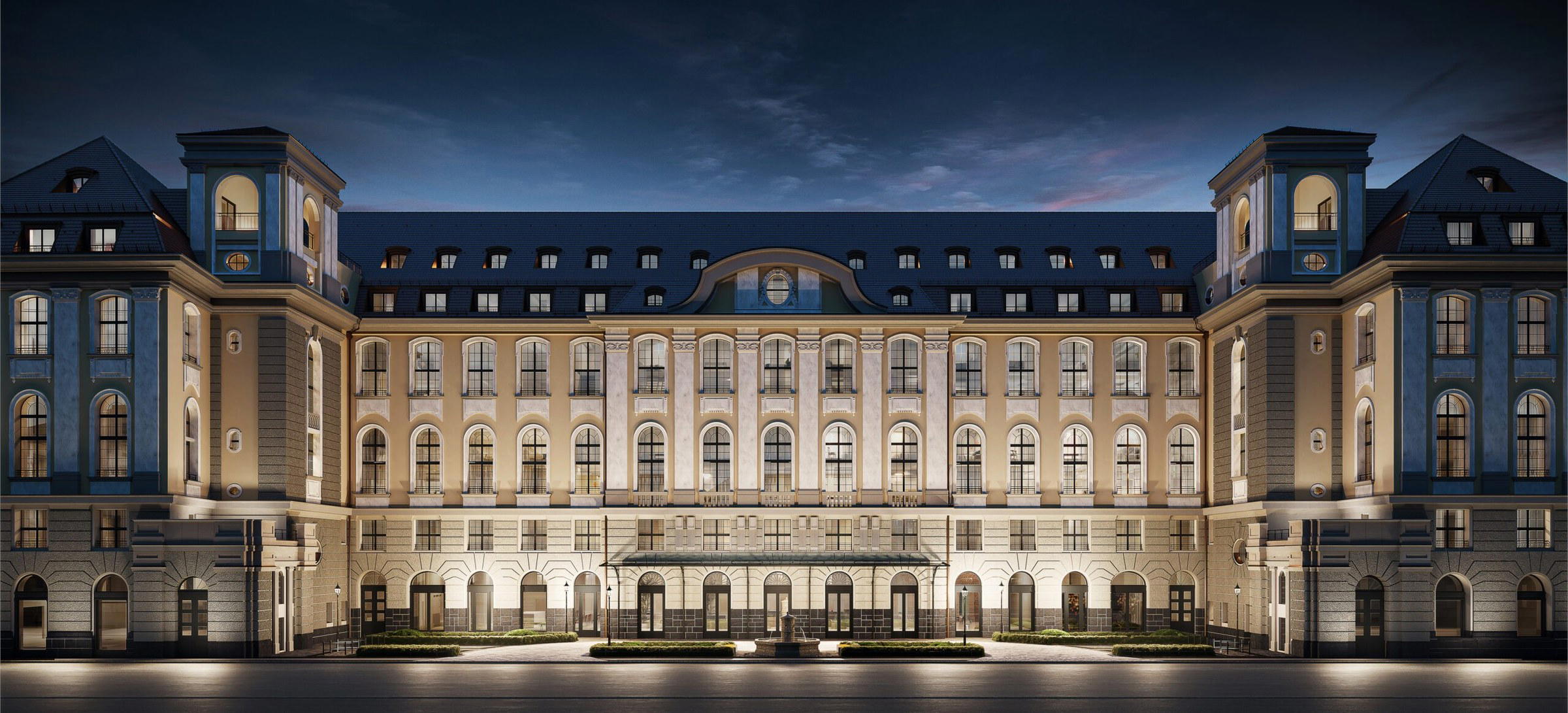
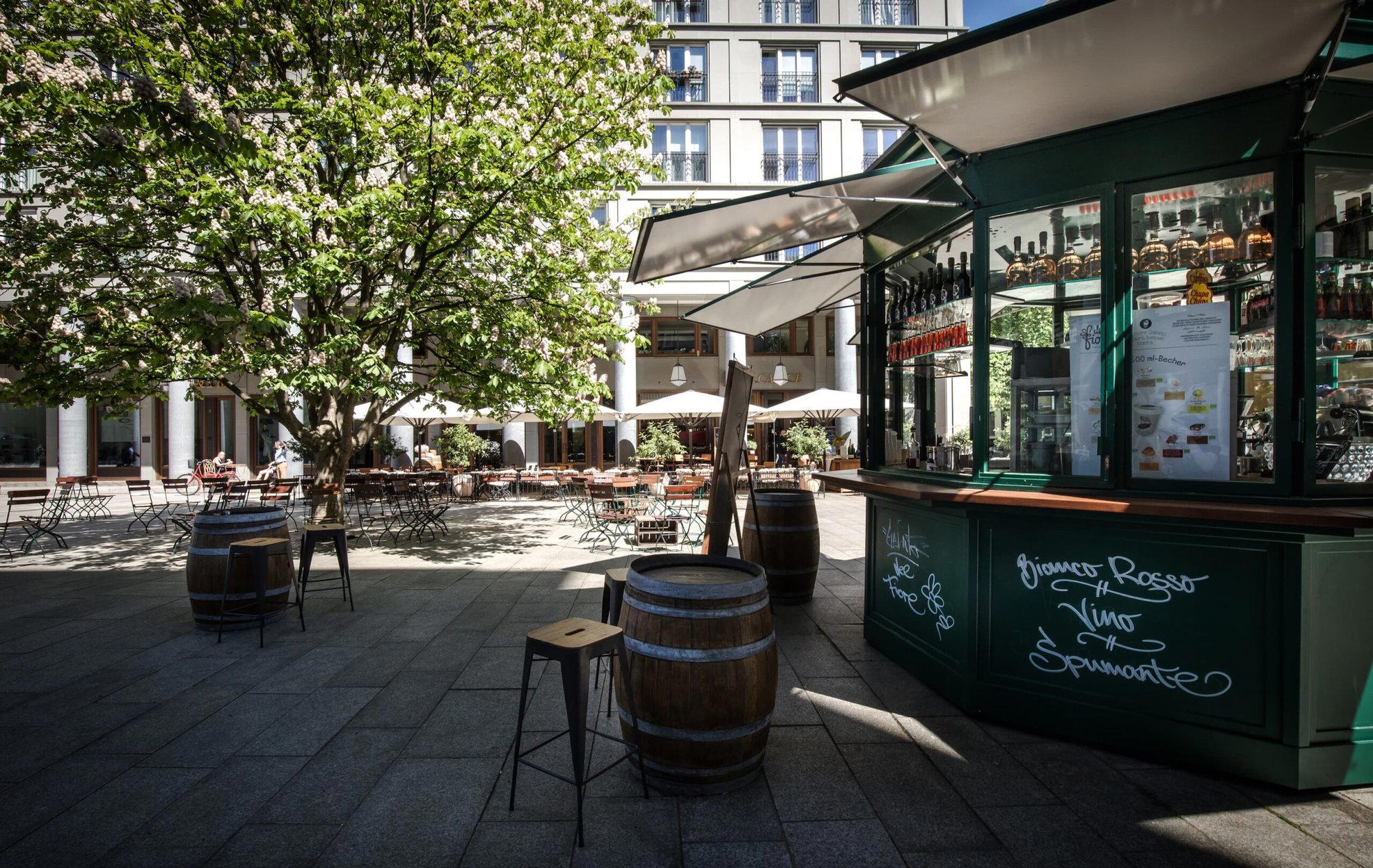
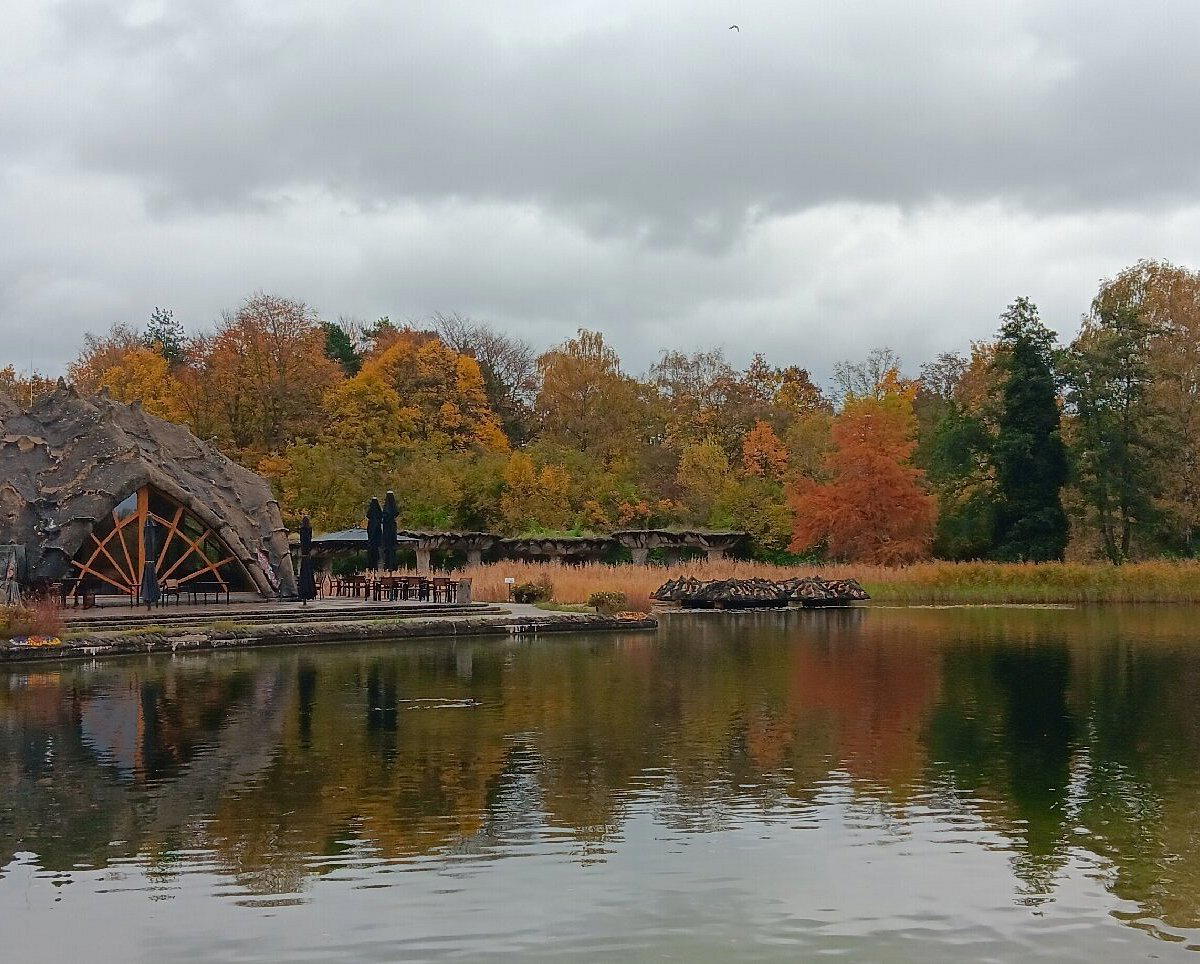
Stylish and sartorial ambience with modern open-plan decor and relaxing courtyard garden atmosphere.