


Michelin Plate · Macarfi 8.1 Food Rating · Guía Repsol 1 Sol
Our verdict
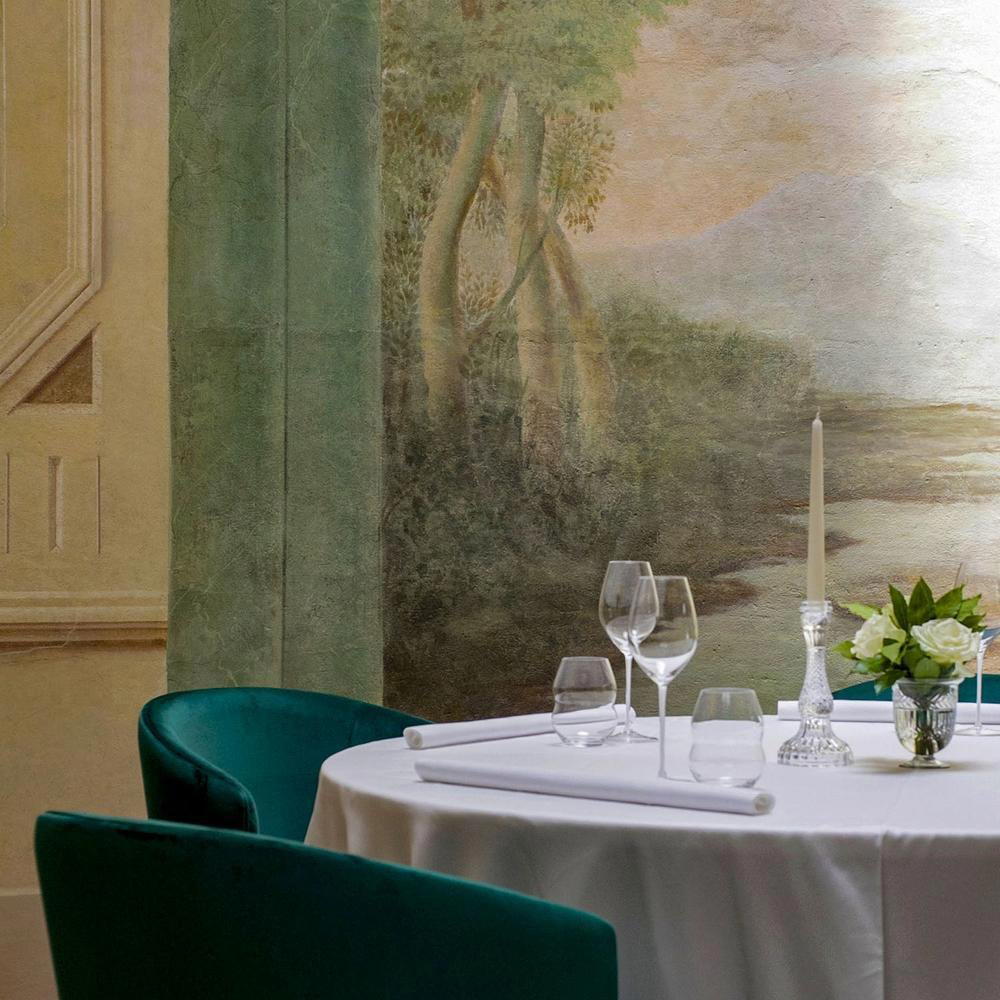
Taúlla occupies a converted paprika mill in Murcia's Espinardo district, where a basement museum of antique spice containers sets the scene for Head Chef Rodi Fernández's modern Murcian cooking. The kitchen works an à la carte alongside two tasting menus, Molino and Taúlla, rooted in regional tradition but shaped by technical ambition. Michelin Plate recognition in 2024 confirms its place in Murcia's growing serious-dining conversation.

Pearl is the En Primeur Club membership app, where members save venues, book tables and use the concierge.
A Mill, a Museum, and the Architecture of a Meal
Murcia's Espinardo district is not where most visitors begin a search for ambitious modern cooking. That mismatch is precisely what makes Taúlla worth understanding. The restaurant occupies a converted paprika mill, a building whose industrial past is not merely decorative backdrop but active context for everything that follows at the table. Arriving at the address on Calle Antonio Flores Guillamón, the shift from residential street to atmospheric dining space is immediate, and the descent into the basement private dining room underlines that this venue is designed around the idea of discovery.
The basement houses a themed museum dedicated to paprika, and the collection of antique containers, varied in colour, era, and origin, functions as a kind of prologue to the meal. Spain's southeastern region has a deep relationship with pimentón, and Murcia sits at its agricultural heart. Displaying that history before a single dish arrives is a deliberate editorial choice by the house, signalling that the food will draw from something specific rather than from abstract modernist ambition. For a visitor arriving from Madrid or further afield, it is a useful orientation: this kitchen is arguing for a place, not just a cuisine.
How the Meal Builds: Sequence, Structure, and the Logic of Two Menus
The kitchen at Taúlla structures its offer around three formats: an à la carte and two tasting menus named Molino and Taúlla. That dual-menu architecture is characteristic of a restaurant making a statement about progression. The Molino menu functions as the shorter, more accessible sequence, while the Taúlla menu represents the fuller commitment, a format that has become standard among Spanish restaurants serious enough to earn Michelin attention, where the house argument is made most completely over the longer arc.
Within that arc, the kitchen's approach is rooted in regional tradition but worked through a technical and imaginative lens. A dish like the "panigiri" of red tuna and guacamole with citrus cream, presented on an hourglass of sand, illustrates the register well: the flavour logic is familiar (tuna, citrus, avocado richness), but the presentation introduces surprise and theatre without abandoning coherence. That balance, local ingredient logic, modern technique, moments of playfulness, is consistent with the direction Spanish creative kitchens have moved in since the early 2000s, following the groundwork laid by restaurants like El Celler de Can Roca in Girona and Arzak in San Sebastián.
Head Chef Rodi Fernández works at the point where regional identity and technique intersect. That positioning is more specific than generic "modern Spanish" and more commercially sustainable than pure avant-garde, which tends to require the kind of infrastructure and name recognition that only a handful of Spanish kitchens, DiverXO in Madrid, Aponiente in El Puerto de Santa María, Quique Dacosta in Dénia, or Azurmendi in Larrabetzu, have built over decades.
Where Taúlla Sits in Murcia's Dining Scene
Murcia's restaurant scene has been developing a serious tier over the past decade, still largely beneath the radar of international food media but increasingly coherent. The €€ price tier here is shared by several of the city's more notable addresses: Almo de Juan Guillamón and Frases (Contemporary) operate at the same price point, while Magoga (Contemporary) sits a tier higher at €€€. Alborada (Traditional Cuisine) anchors the more classically rooted end of the local offer, and Keki rounds out a diverse mid-range cohort. Taúlla's Michelin Plate recognition in 2024 places it in a defined quality bracket within that peer group, acknowledged by the guide as a kitchen worth attention, without the starred pressure that reshapes a restaurant's operational model.
The Michelin Plate is sometimes misread as a consolation category, but within secondary Spanish cities it carries real editorial weight. It signals that the cooking meets the guide's threshold for food quality across a consistent visit, which for a restaurant operating in a district not historically associated with destination dining is a meaningful credential.
The Cheese Course and the Rhythm of the Final Act
The option to order a cheese course at additional cost before dessert reflects a particular philosophy about how a long meal should end. Many Spanish tasting menus of this type move directly from savoury to sweet, but the optional cheese position creates a structural pause, a moment that extends the savoury register and resets the palate before the dessert sequence. For a table that has committed to the longer Taúlla menu, that decision, whether to take the cheese or move directly to dessert, is one of the few points where the guest shapes the arc of their own experience. It is a format detail worth deciding in advance rather than improvising mid-meal.
Planning a Visit
Taúlla's Espinardo location puts it a short drive or taxi ride from central Murcia; it is accessible without requiring a full itinerary reorganisation, but it rewards treating the meal as the anchor of an evening rather than one stop among several. The two-tiered tasting menu format means that arrival with time to spare matters: neither menu is designed for a rapid exit. The €€ price bracket keeps the financial commitment in a reasonable range by the standards of Spanish tasting-menu dining, and the combination of Michelin Plate recognition and strong public ratings suggests that booking in advance is prudent, particularly for the private basement dining space, which will be in higher demand than standard tables. For anyone building a broader picture of what Murcia offers at table and beyond, the our full Murcia restaurants guide provides context across the city's full dining range, alongside our full Murcia hotels guide, our full Murcia bars guide, our full Murcia wineries guide, and our full Murcia experiences guide.
For international visitors curious about how the modern European tasting-menu format travels across contexts, restaurants like Frantzén in Stockholm and FZN by Björn Frantzén in Dubai offer useful comparison points for understanding what the format looks like when applied at the highest tier, which makes Taúlla's Murcian interpretation of the same structural logic all the more interesting to read against.
Frequently asked questions
How far ahead should I plan for Taúlla?
Taúlla holds a Michelin Plate (2024) and sits in a Murcia dining scene that draws more domestic than international traffic, so booking pressure is lower than at starred destinations in Madrid or San Sebastián. A week or two of lead time is typically enough for most dates, though weekend slots during regional holidays may fill earlier. Checking availability closer to your travel dates is reasonable at this tier.
How It Stacks Up
| Venue | Cuisine | Price | Awards | Notes |
|---|---|---|---|---|
| TaúllaThis venue (the venue you are viewing) | Modern Spanish with Murcian Roots | $50–100 | Michelin Plate · Macarfi 8.1 Food Rating | Not listed |
| Almo de Juan Guillamón | Modern Mediterranean | $50–100 | 1 Michelin Star · Guía Repsol 2 Soles | Modern Cuisine |
| Frases | Modern Murcian Fine Dining | Not listed | 1 Michelin Star · Guía Repsol 1 Sol | Contemporary |
| Magoga | Contemporary Mediterranean with Murcian Roots | $100–150 | 1 Michelin Star · Macarfi 8.7 Food Rating | Contemporary |
| Alborada | Traditional Spanish Mediterranean | $50–100 | Michelin Plate · Macarfi 7.6 Food Rating | Not listed |
| Demo | Contemporary Spanish Mediterranean | $50–100 | Michelin Plate · Macarfi 7.7 Food Rating | Not listed |
Recognition history
Dated appearances from independent guides and award organizations, with the underlying list record or original source where available.
Michelin Plate
Michelin
Guía Repsol 1 Sol
Guía Repsol
Macarfi 8.1 Food Rating
Macarfi
Full recognition history (5 entries)
Michelin Plate
Michelin
Michelin Plate
Michelin
Continue exploring
More in Murcia
Restaurants in Murcia
All restaurants in Murcia →
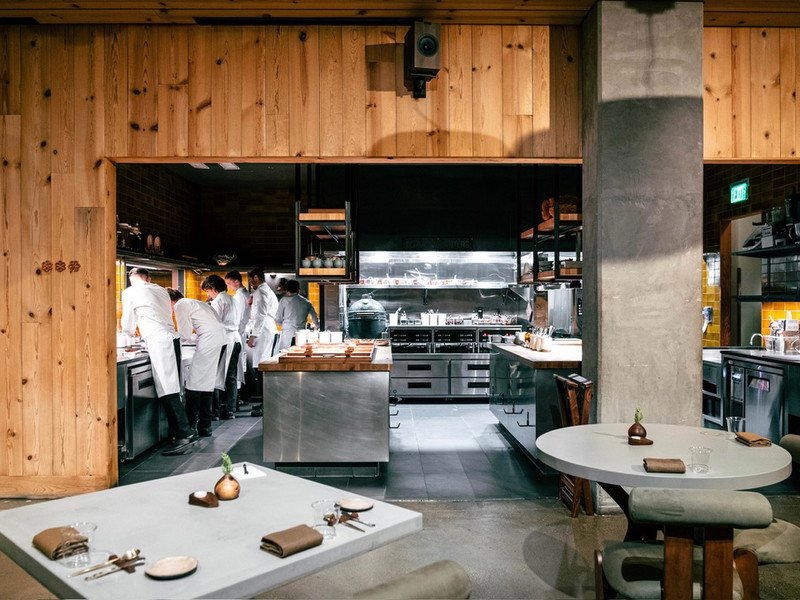
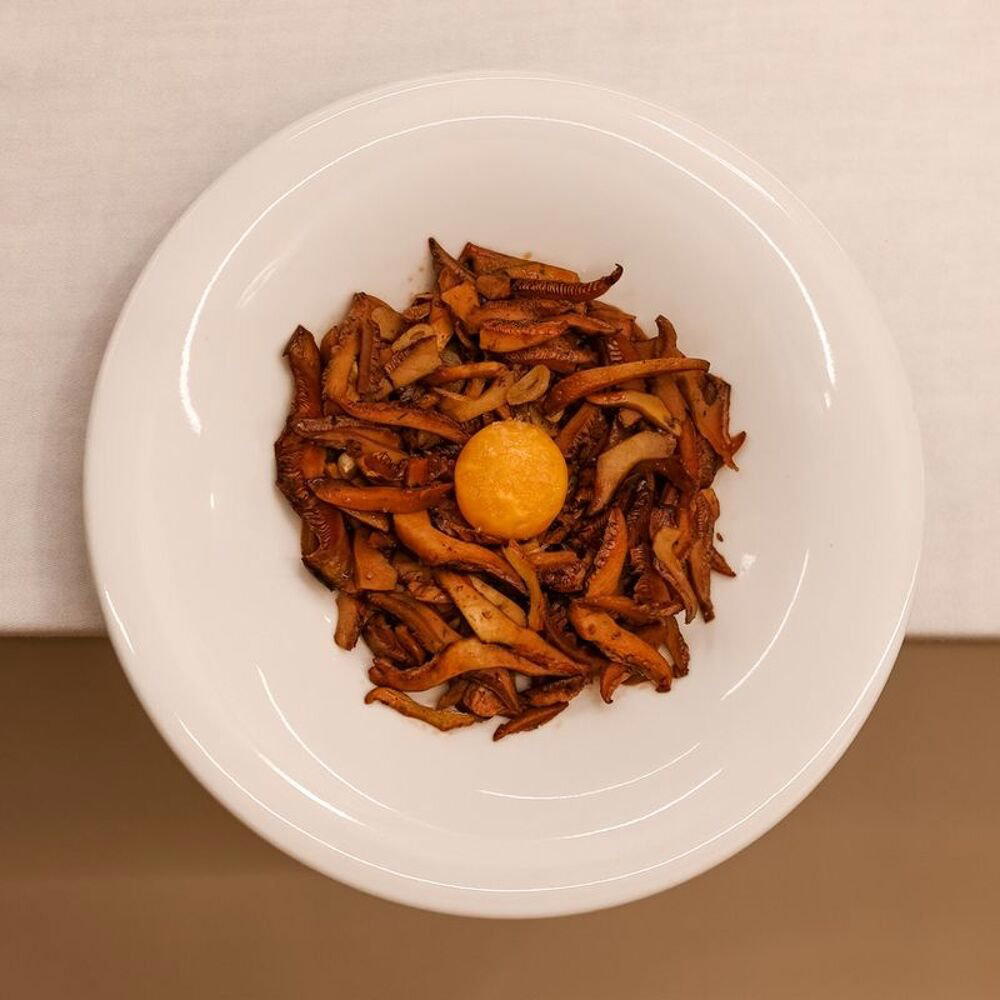
Bars in Murcia
All bars in Murcia →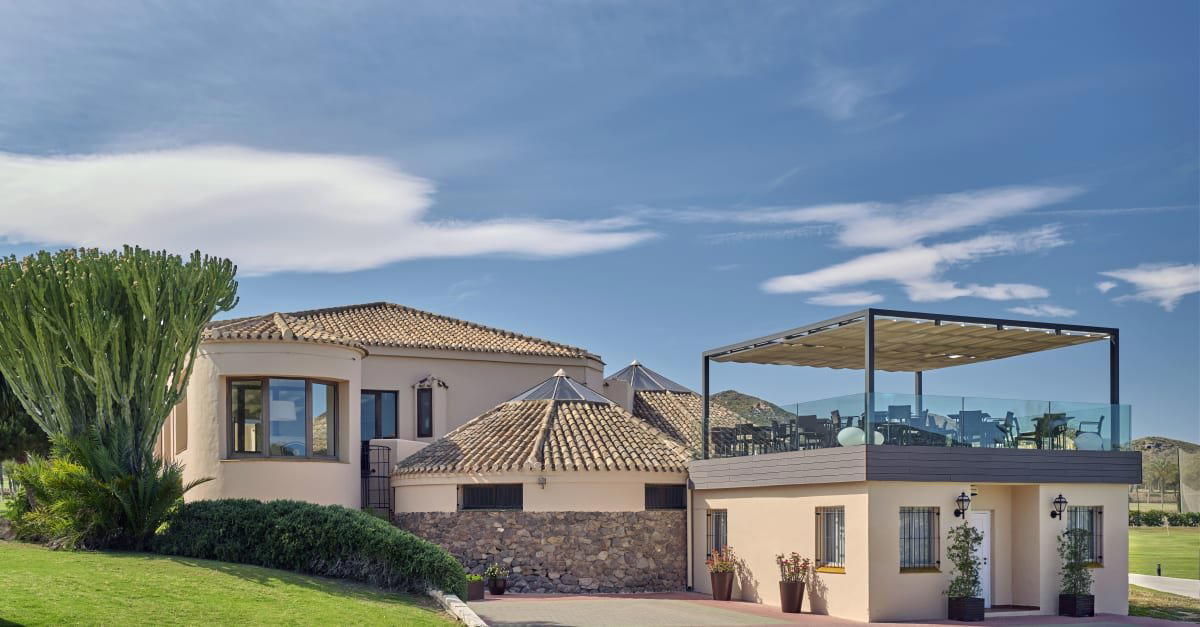
Hotels in Murcia
All hotels in Murcia →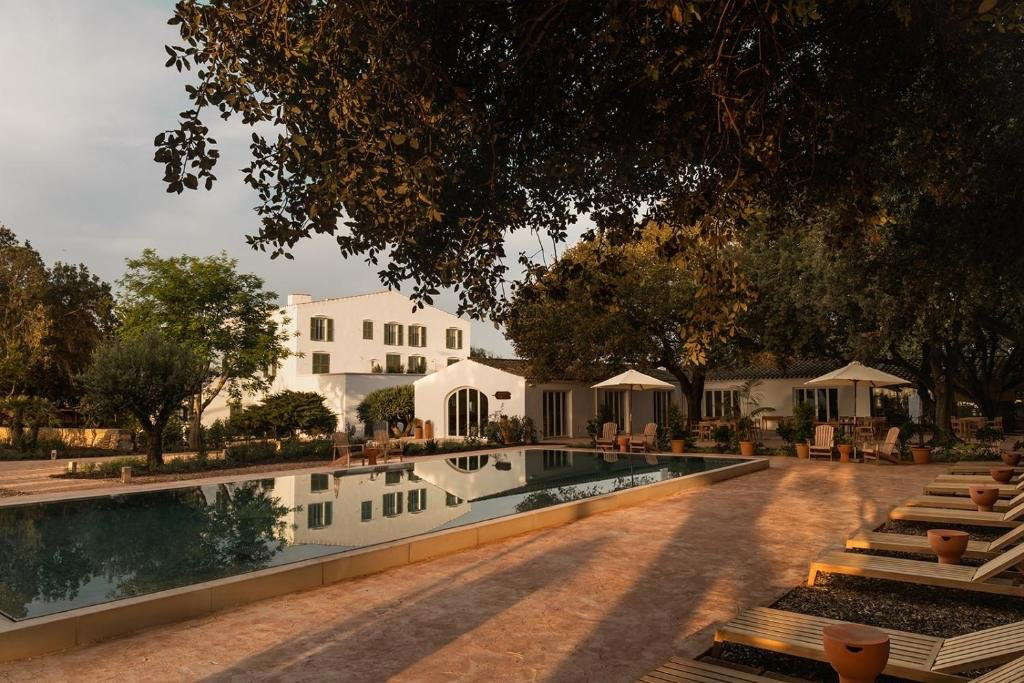

Details
- Rustic
- Elegant
- Intimate
- Trendy
- Date Night
- Special Occasion
- Historic Building
- Private Dining
- Extensive Wine List
- Local Sourcing
- Tasting Menu
- A La Carte
- Vegetarian Friendly
- Vegan Options
Current opening hours
- Monday
- 1:30–3:30 PM
- Tuesday
- 1:30–3:30 PM
- Wednesday
- 1:30–3:30 PM
- Thursday
- 1:30–3:30 PM
- Friday
- 1:30–3:30 PM, 8:30–10:30 PM
- Saturday
- 1:30–3:30 PM, 8:30–10:30 PM
- Sunday
- Closed
Hours can change for holidays and private events. Hours as of .
Relaxed and tastefully decorated historic atmosphere in an old pepper mill, creating a notable and comfortable setting.