

1 Michelin Star · Guía Repsol 1 Sol
Our verdict
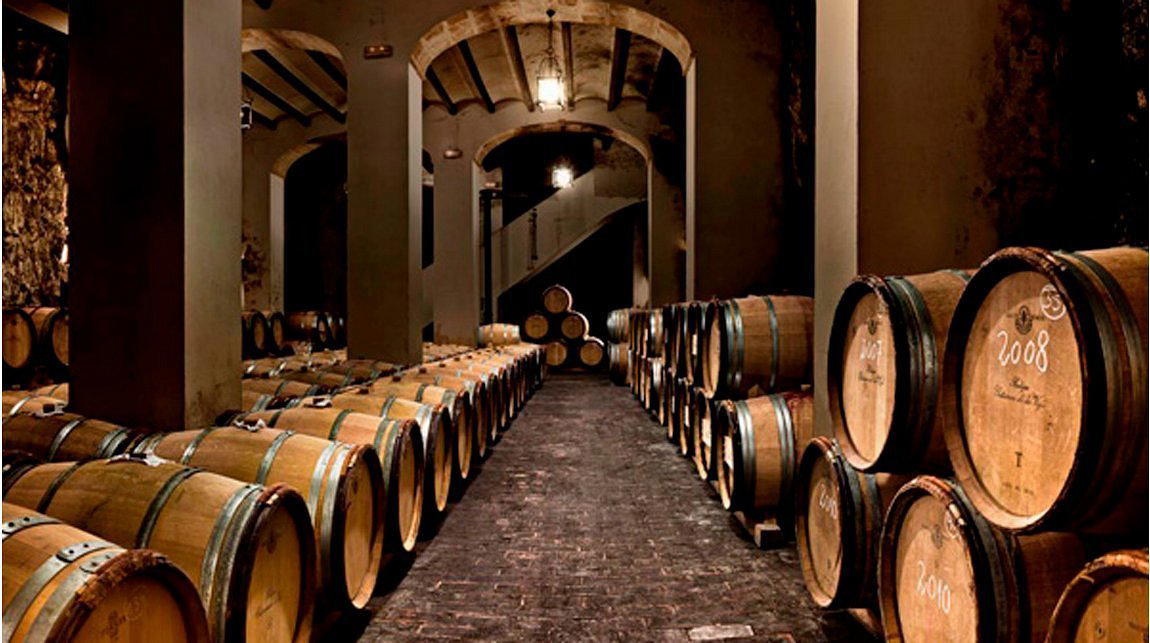
A Michelin-starred address in the Marina Baixa hills, El Xato has operated from the same spot in La Nucía since 1915, evolving from a wine cellar into a fourth-generation creative kitchen where Alicante's coastal and inland larder drives two structured tasting menus.

Pearl is the En Primeur Club membership app — saves, bookings, and concierge access live there. Same editors, same standards.
- Address
- Av. l'Església, 3, 03530 La Nucia, Alicante, Spain
- Phone
- +34 965 87 09 31
- Hours
- Mon–Tue ClosedWed 1:30–2:45 PM, 8–9:30 PMThu–Sat 1:30–2:30 PM, 8–9:30 PMSun 1:30–2:45 PM
- Website
- elxato.com
- Directions
- Get directions
- Booking
- Book on the venue's website
Where a Century of Alicante Cooking Meets a Michelin Star
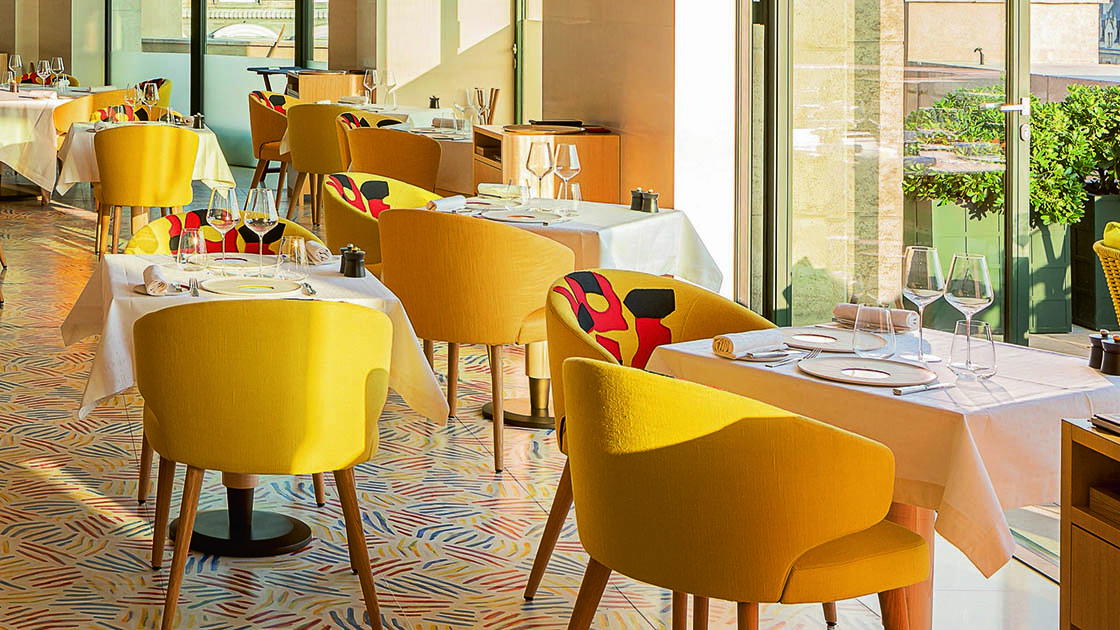
Approach La Nucía from the coast road and the village reveals itself as something the tourist belt of the Marina Baixa rarely shows you: an interior Alicante town with its own rhythms, its own market calendar, and — on the Avinguda de l'Església — a family restaurant that has been feeding the area since 1915. El Xato does not announce itself with theatrical design or destination-hotel adjacency. What you find instead is a room that carries the weight of four generations, where the transition from wine cellar to tapas bar to Michelin-starred creative kitchen happened gradually, driven by the ingredients the region has always produced rather than by imported ambition.
That arc from simple bodega to starred table is not just a sentimental story. It reflects a broader pattern in Spanish regional cooking, where the most coherent creative restaurants are often the ones that began as something humbler and accumulated technique and identity over decades rather than arriving fully formed. El Xato's 2024 Michelin Star positions it in a national context where Valencian cooking has earned significant recognition, from Quique Dacosta in Dénia and Ricard Camarena in València through to the broader Spanish canon that includes El Celler de Can Roca in Girona and Arzak in San Sebastián, but El Xato does so from a village address rather than a city stage, which is its own kind of declaration.
The Sourcing Logic Behind the Menus
The Marina Baixa sits between the Serra d'Aitana mountains and the Mediterranean, and that geography creates a sourcing range that few coastal restaurants enjoy. The sea at Altea and Calpe provides langoustine, sea urchin, and the cephalopods that anchor Alicante's traditional rice and stew cooking. The mountain interior brings wild herbs, game, and the citrus groves that define the Valencian agricultural calendar. A kitchen working seriously with this territory does not need to reach far for ingredient authority; the argument is already made by the land and water within a short radius.
This is the framework within which El Xato's creative approach makes its strongest case. Creative cuisine in Spain, represented at the three-star tier by restaurants like Aponiente in El Puerto de Santa María, Azurmendi in Larrabetzu, and Cocina Hermanos Torres in Barcelona, tends to operate on a logic of deep regional specificity expressed through contemporary technique. At El Xato, that specificity is Alicante: the langoustine tartare that appears in the Michelin citation is not a demonstration of classical French refinement but a signal about how the kitchen treats a locally sourced crustacean with a preparation that retains its character while adding structural precision. That is the creative-Alicantine register the restaurant operates in, and it is a different project from the progressive-Asian invention of DiverXO in Madrid or the technical maximalism of Mugaritz in Errenteria.
The wine pairing component of both menus, focused on Valencian producers, extends the sourcing argument into the glass. The Marina Alta and El Comtat denominations, along with the broader Valencia DO, have been producing wines of growing seriousness for two decades. A menu that pairs food with these wines rather than with the more internationally legible regions is an editorial choice: it asks diners to assess the full regional picture, not just the kitchen.
Four Generations, One Address
The transfer of knowledge across generations in restaurant families tends to produce either stagnation or a compounding of identity. El Xato has followed the second path. The fourth-generation kitchen, led by chef Cristina Figueira and supported by her husband Francisco Cano managing the dining room and wine cellar, represents a lineage that began under the restaurant's earlier custodians. Figueira's training took place within El Xato's own kitchen, working alongside her mother-in-law Esperanza Fuster, which means the accumulated institutional knowledge of the place is embedded in the current cooking. This is a different model from the external-training-then-return arc common in Spanish starred restaurants, and it produces a continuity of house character that is difficult to manufacture through recruitment.
Cano's dual responsibility for the dining room and the wine selection is characteristic of smaller family operations where front-of-house roles are not subdivided. In a restaurant of this scale, that concentration means the wine conversation and the table experience share a consistent sensibility. The front-of-house philosophy, summarised in the restaurant's own description as ensuring diners "arrive as guests but leave as friends," is the kind of service register that Spanish village restaurants have long maintained as a point of distinction from more formal urban dining.
The Two Menus and How to Choose
El Xato structures its gastronomic offer around two menus: Tentaciones and Centenario. Both include a wine pairing option centred on Valencian producers. The Centenario menu, whose name references the restaurant's century of operation, presumably represents the fuller, more composed expression of the kitchen's range. The Tentaciones menu offers a point of entry into the same creative register at a different depth. For visitors whose primary purpose is understanding what this kitchen does with Alicante's larder, the Centenario pairing builds the most complete argument; for those combining El Xato with other meals in the area, Tentaciones represents a considered alternative.
At the €€€ price tier, both menus sit below the €€€€ bracket occupied by Spain's three-star addresses. This positioning is relevant: El Xato offers Michelin-starred creative cooking from a terroir-specific kitchen at a price point that reflects its village address rather than its competitive standing in the regional creative-cuisine conversation. For comparison, the tasting menus at Martin Berasategui in Lasarte-Oria or Atrio in Cáceres operate at substantially higher price levels. El Xato's value argument is structural, not promotional.
El Xato in the Wider Valencian Context
The Marina Baixa has historically sat in the shadow of the Marina Alta when it comes to serious gastronomy. Dénia, forty kilometres northeast, carries the weight of Quique Dacosta's international profile and has attracted significant culinary attention. La Nucía, inland and quieter, does not draw the same food-destination traffic. El Xato's Michelin recognition reframes this geography: the starred restaurant in this area is not in the coastal resort strip but in a village square, operating on a schedule that closes Monday and Tuesday and runs service windows tightly structured around lunch and dinner sessions. That operating model is characteristic of restaurants that have built their clientele from local and regional repeat visitors rather than international transient trade.
For visitors to the Costa Blanca, this means El Xato rewards planning. The drive from Benidorm takes under twenty minutes; from Alicante city, roughly forty-five.
Planning a Visit
Service runs Wednesday to Sunday, with lunch sessions beginning at 1:30 PM and dinner from 7:30 PM Wednesday and Sunday, shifting slightly to 8:00 PM Thursday through Saturday. The restaurant closes Monday and Tuesday. Both tasting menus offer wine pairing, and selecting the pairing at the time of booking rather than on arrival is generally advisable at restaurants operating this format, as it allows the kitchen and floor to prepare matched quantities. El Xato sits at Av. l'Església, 3 in La Nucía, a village address that is direct to reach by car from anywhere along the Marina Baixa coast.
For a fuller picture of the area, see our full La Nucía restaurants guide, our La Nucía hotels guide, our La Nucía bars guide, our La Nucía wineries guide, and our La Nucía experiences guide. For reference points in the European creative-cooking conversation, Alléno Paris au Pavillon Ledoyen and Arpège in Paris represent how the creative tier operates in a different national context.
Frequently asked questions
Is El Xato expensive?
Pricing at El Xato is listed as €€€.
How It Stacks Up
| Venue | Cuisine | Price | Awards |
|---|---|---|---|
| El XatoThis venue — the venue you are viewing | Modern Alicante Mediterranean | $100–150 | 1 Michelin Star · Guía Repsol 1 Sol |
| Aponiente | Progressive - Seafood, Creative | Not listed | Michelin 3 Star |
| Arzak | Modern Basque, Creative | Not listed | Michelin 3 Star |
| DiverXO | Progressive - Asian, Creative | Not listed | Michelin 3 Star |
| El Celler de Can Roca | Progressive Spanish, Creative | Not listed | Michelin 3 Star |
| Quique Dacosta | Creative | Not listed | Michelin 3 Star |
Recognition history
Dated appearances from independent guides and award organizations, with the underlying list record or original source where available.
Michelin 1 Star
Michelin
Guía Repsol 1 Sol
Guía Repsol
Full recognition history (4 entries)
Michelin 1 Star
Michelin
Michelin 1 Star
Michelin
Continue exploring
More in la Nucía
Restaurants in la Nucía
Browse all →
Bars in la Nucía
Browse all →
Hotels in la Nucía
Browse all →
Details
- Romantic
- Elegant
- Cozy
- Intimate
- Sophisticated
- Date Night
- Special Occasion
- Celebration
- Terrace
- Private Dining
- Extensive Wine List
- Local Sourcing
- Street Scene
- Tasting Menu
- Small Plates
- Regional Wines
- Vegetarian Friendly
- Vegan Options
- Gluten Free Options
Current opening hours
- Monday
- Closed
- Tuesday
- Closed
- Wednesday
- 1:30–2:45 PM, 8–9:30 PM
- Thursday
- 1:30–2:30 PM, 8–9:30 PM
- Friday
- 1:30–2:30 PM, 8–9:30 PM
- Saturday
- 1:30–2:30 PM, 8–9:30 PM
- Sunday
- 1:30–2:45 PM
Hours can change for holidays and private events. Last verified .
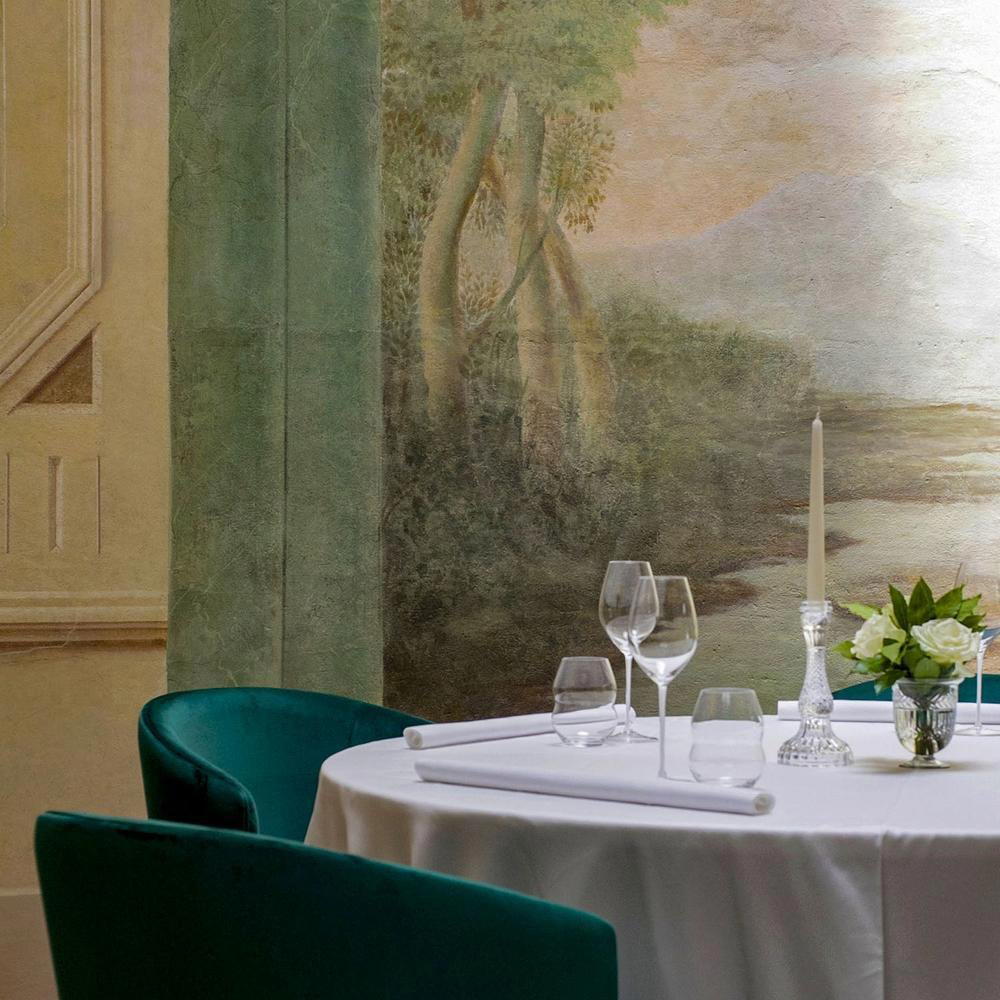
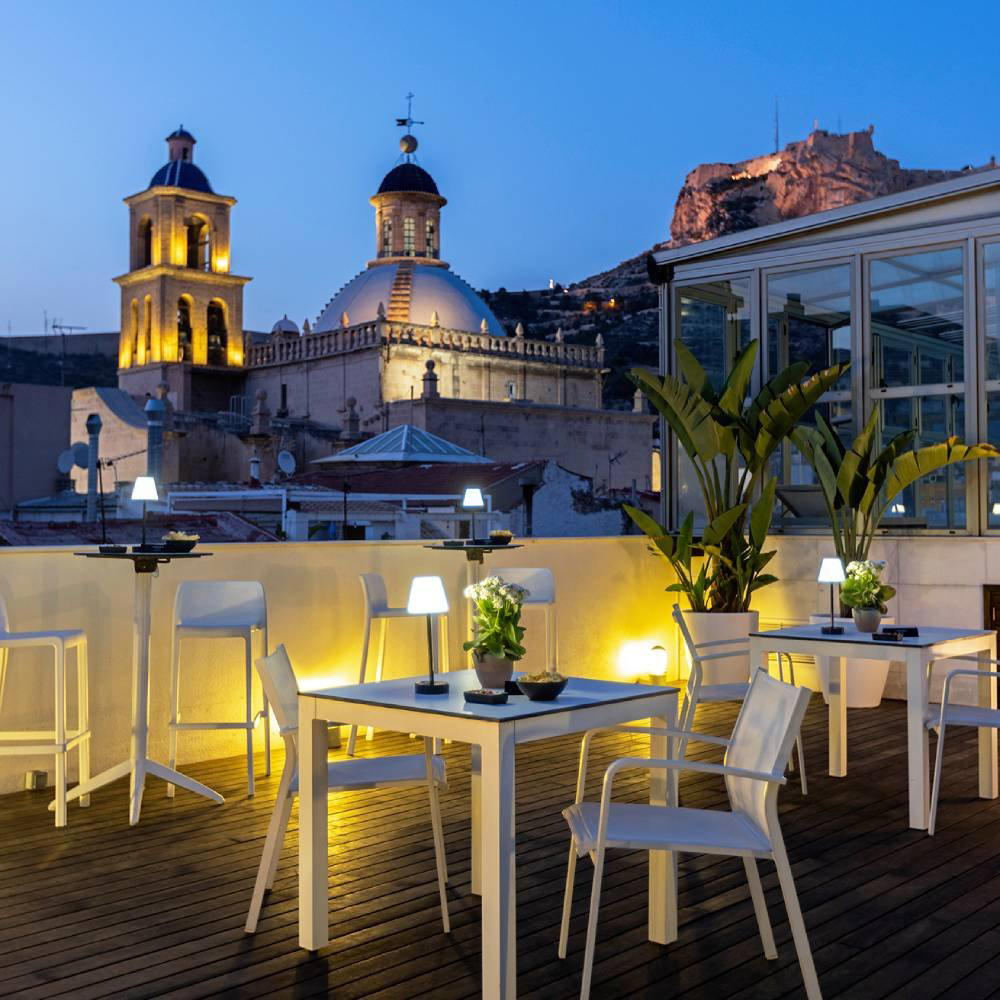
Pleasant indoor dining room with warm, welcoming family atmosphere; outdoor terrace on quiet street enhances the serene, convivial experience.