
In Rome's residential Prati district, Almatò makes a deliberate departure from Lazio tradition, putting contemporary creative cuisine inside a modern, minimalist room that reads more northern European than Roman. For diners who want serious cooking without the theatrical formality of the city's starred rooms, this is a considered choice.
Pearl is the En Primeur Club membership app — saves, bookings, and concierge access live there. Same editors, same standards.
- Address
- 1701 N Charles St, Baltimore, MD 21201
- Phone
- +1 667-212-4273
- Website
- almacocinalatina.com
- Directions
- Get directions
 Saves & bookings on Pearl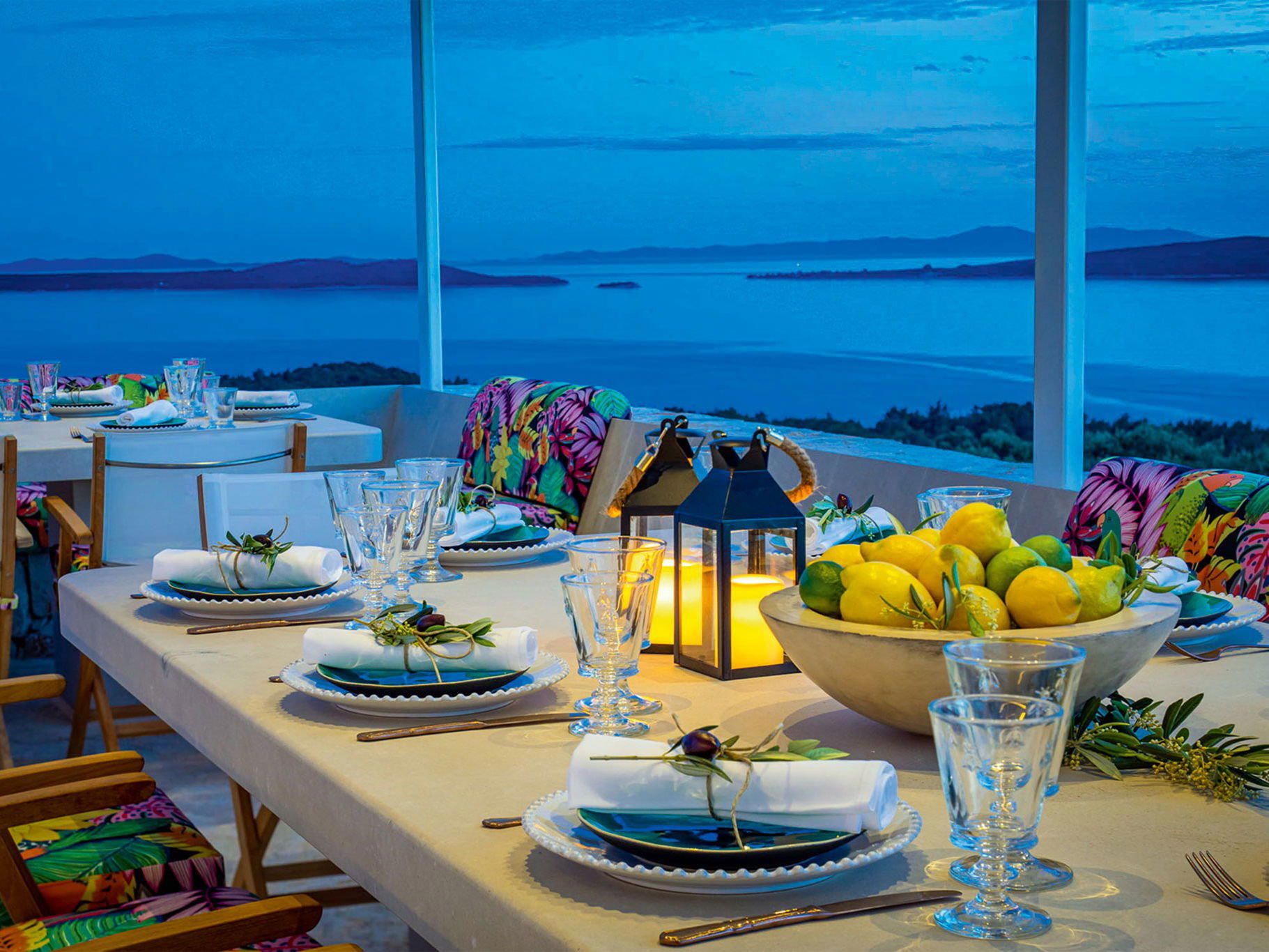
Prati's Quiet Argument Against Roman Convention
Rome's dining identity is built on tradition so entrenched it can feel geological. Cacio e pepe, coda alla vaccinara, supplì — the city's culinary grammar is fixed, and most kitchens treat deviation as bad manners. That makes the Prati district's quieter dining rooms interesting territory. Away from the Centro Storico's tourist-dense trattorie and the competitive theatre of the Michelin-starred rooms clustered around Rome's historic centre, Prati has developed a small but reliable cohort of restaurants that treat the Roman canon as a starting point rather than a constraint. Almatò, on the elegant residential streets of this neighbourhood, belongs firmly to that cohort.
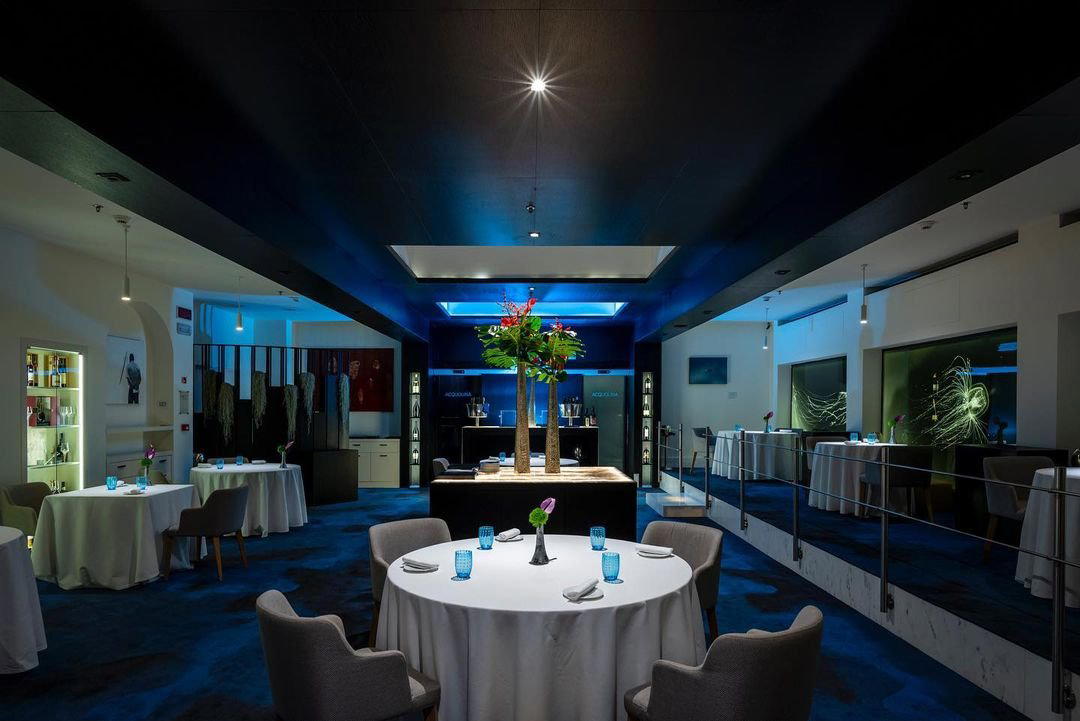
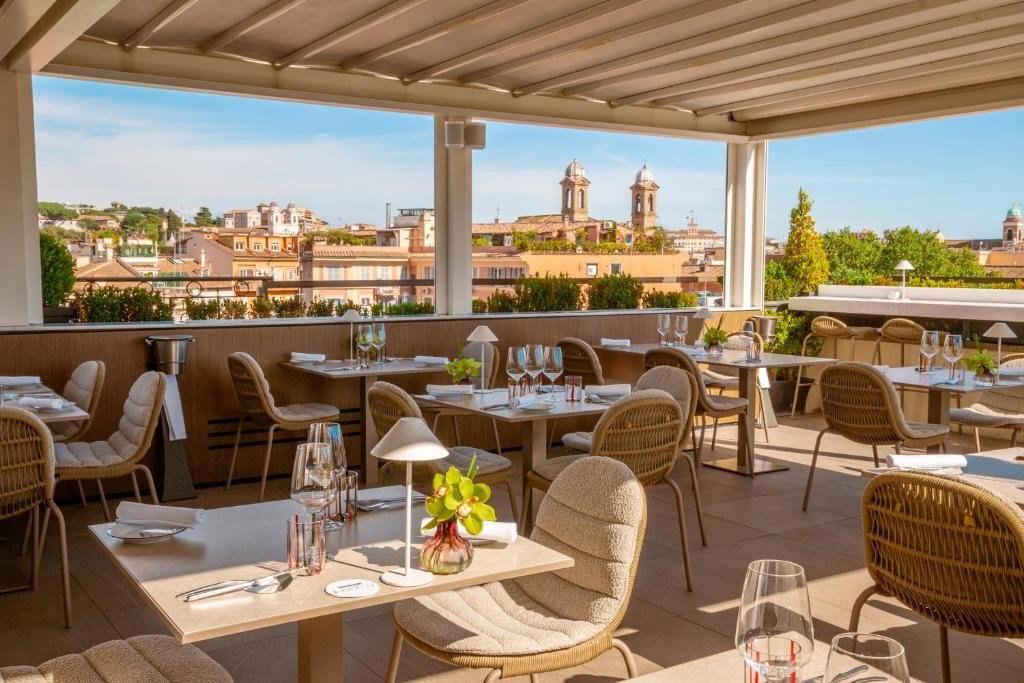
The room itself announces the intent before a menu arrives. Minimalist in design, contemporary in finish, the space reads closer to the kind of spare, considered interiors that define northern European tasting-menu destinations than anything in the Roman tradition of terracotta and exposed brick. That's not a criticism — it's a positioning statement. The physical container signals what the kitchen is doing: setting aside the heavy stone weight of Lazio culinary orthodoxy in favour of something lighter, more technically oriented, and more attuned to contemporary European cooking at large. When a restaurant's architecture and its menu share the same argument, the experience tends to cohere. At Almatò, they do.
What the Space Is Actually Doing
Minimalist restaurant interiors in Rome operate in a specific way. They tend to attract a clientele already suspicious of the city's nostalgia trap, the well-travelled local professional, the visitor who has already done the canonical trattoria circuit and wants a different register. A room stripped of decorative tradition places full pressure on the food and the service to supply the warmth and character that ornament would otherwise provide. That's a harder ask than it sounds in a city where the room itself often does much of the hospitality work.
Almatò's modern, residential-street setting in Prati reinforces this. The neighbourhood lacks the theatrical backdrop of Trastevere or the self-conscious cool of Testaccio. What it offers instead is a kind of functional seriousness, apartment buildings, professional offices, the Vatican's proximity lending the area a particular civic quiet. Restaurants here don't benefit from footfall or spectacle.
Where Almatò Sits in Rome's Creative Tier
Rome's contemporary creative scene operates across a wide price and ambition range. At the leading end, rooms like Il Convivio Troiani and the two-Michelin-star kitchens around the historic centre set a standard defined by technical precision and significant investment in produce and service. Below that, at the €€€ tier where Almatò prices, the competitive field is smaller and more interesting, restaurants making a genuinely creative argument without the full ceremony and cost of the starred rooms.
The Michelin Plate recognition Almatò holds for 2024 sits below star level but is not a minor credential. In Michelin's current framework, the Plate signals food quality that inspires inspectors without the full constellation of criteria required for star classification. In Rome's competitive contemporary tier, that places Almatò alongside a number of kitchens working at similar ambition and price, distinct from the €€€€ bracket occupied by Aroma, Idylio by Apreda, and the two-star rooms. For context on what the starred tier looks like in practice, Enrico Bartolini in Milan or Le Calandre in Rubano represent what full star recognition at the creative Italian level demands in terms of format and investment. Almatò operates at a different scale, which is part of its appeal.
Chef Tommaso Venuti leads the kitchen. The menu's deliberate distance from Lazio tradition, described explicitly in Michelin's own entry for the restaurant, is the central creative decision. That move is less common than it sounds in Rome, where even ostensibly creative kitchens tend to anchor dishes in regional reference points. Choosing to step clear of that framework entirely requires a kitchen confident enough in its own technical language to not need the safety of local familiarity. It also makes Almatò a more coherent recommendation for visitors who have already covered the Roman culinary bases and want to eat something that isn't making a nostalgia argument.
Prati in the Wider Rome Context
Prati doesn't generate the dining press that Trastevere or the Testaccio market zone does, but it functions as one of Rome's more reliable residential neighbourhoods for serious, non-performative eating. The restaurants here tend to serve a local clientele with real expectations, which disciplines kitchens in a way that tourist-heavy zones don't always encourage. For visitors using the area as a base, the neighbourhood sits close to the Vatican and within comfortable distance of the historic centre, the dining options reward exploration beyond the obvious circuits. Carter Oblio and San Baylon represent different registers of the area's dining offer, while Diana's Place and Novo Osteria extend the neighbourhood's range further.
For the contemporary creative format in a broader Italian context, comparisons extend well beyond Rome. Osteria Francescana in Modena and Enoteca Pinchiorri in Florence define what the Italian creative tradition looks like at its most celebrated. Atelier Moessmer Norbert Niederkofler in Brunico and Dal Pescatore in Runate illustrate how regional Italian creative cooking can diverge sharply in approach. Internationally, César, Contemporary in New York City and Jungsik, Contemporary in Seoul show how the contemporary format translates outside Europe. Almatò's position within all of this is modest in scale but editorially clear: a focused creative room operating at €€€ pricing in a city that usually demands either deep tradition or deep pockets for serious cooking.
Planning a Visit
Almatò sits in Prati, Rome's residential district west of the Tiber, accessible by metro and a short walk from several major landmarks. The €€€ price point places it in mid-to-upper Rome dining territory, meaningfully less than the starred rooms, but not a casual drop-in. For fuller Rome planning, [our complete Rome restaurants guide]() covers the city's range across price tiers, while [our Rome hotels guide](), [bars guide](), [wineries guide](), and experiences guide map the wider city offer.
Comparison Snapshot
| Venue | Cuisine | Price | Awards |
|---|---|---|---|
| AlmatòThis venue — the venue you are viewing | Contemporary | €€€ | Not listed |
| La Pergola | Italian, Mediterranean Cuisine | €€€€ | Michelin 3 Star |
| Enoteca La Torre | Creative | €€€€ | Michelin 2 Star |
| Il Pagliaccio | Contemporary Italian, Creative | €€€€ | Michelin 2 Star |
| Aroma | Modern Cuisine | €€€€ | Michelin 1 Star |
| Idylio by Apreda | Modern Italian, Italian Contemporary | €€€€ | Michelin 1 Star |
Recognition history
Dated appearances from independent guides and award organizations, with the underlying list record or original source where available.
Michelin Plate
Michelin
Michelin Plate
Michelin
Continue exploring
More in Rome
Restaurants in Rome
Browse all →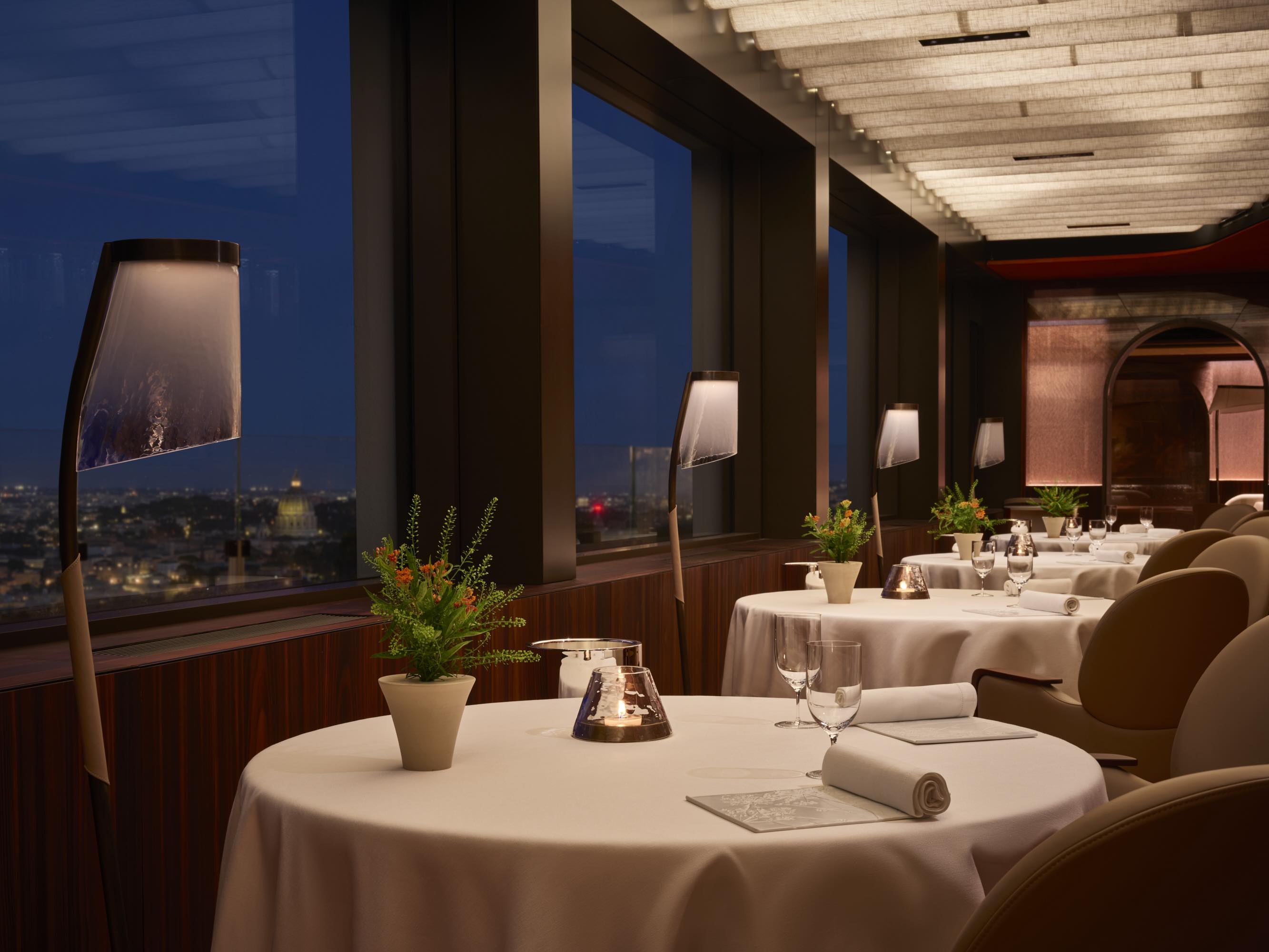
Bars in Rome
Browse all →
Hotels in Rome
Browse all →

At a Glance
- Intimate
- Elegant
- Cozy
- Modern
- Date Night
- Special Occasion
- Open Kitchen
Understated and attractive dining room with warm, rustic elements like exposed bricks and wooden decor, calm atmosphere with soft lighting.
Know Before You Go
- Getting there
- 1701 N Charles St, Baltimore, MD 21201