
Housed in an 11th-century monastery-turned-inn in Borgonovo Val Tidone, Novo Osteria holds consecutive Michelin Plate recognition (2024 and 2025) for its contemporary take on Piacenza-area traditions. The adjoining Locanda Borgo Impero adds seven guestrooms, making this a rare find for those combining serious regional dining with an overnight stay in the Po Valley hinterland.
Pearl is the En Primeur Club membership app — saves, bookings, and concierge access live there. Same editors, same standards.
- Address
- Piazza De Cristoforis, 30, 29011 Borgonovo Val Tidone PC, Italy
- Phone
- +39 0523 340175
- Website
- novo-osteria.it
- Directions
- Get directions
 Saves & bookings on Pearl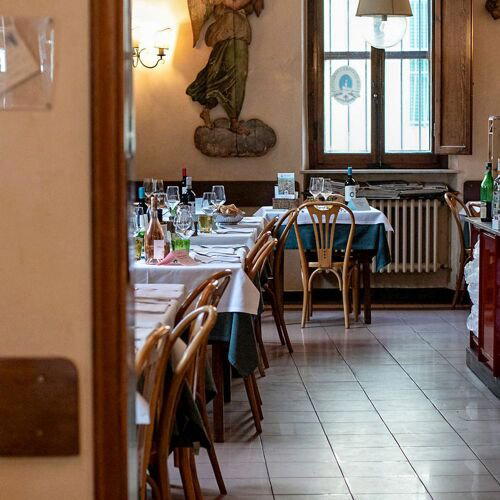
A Medieval Structure, a Modern Table
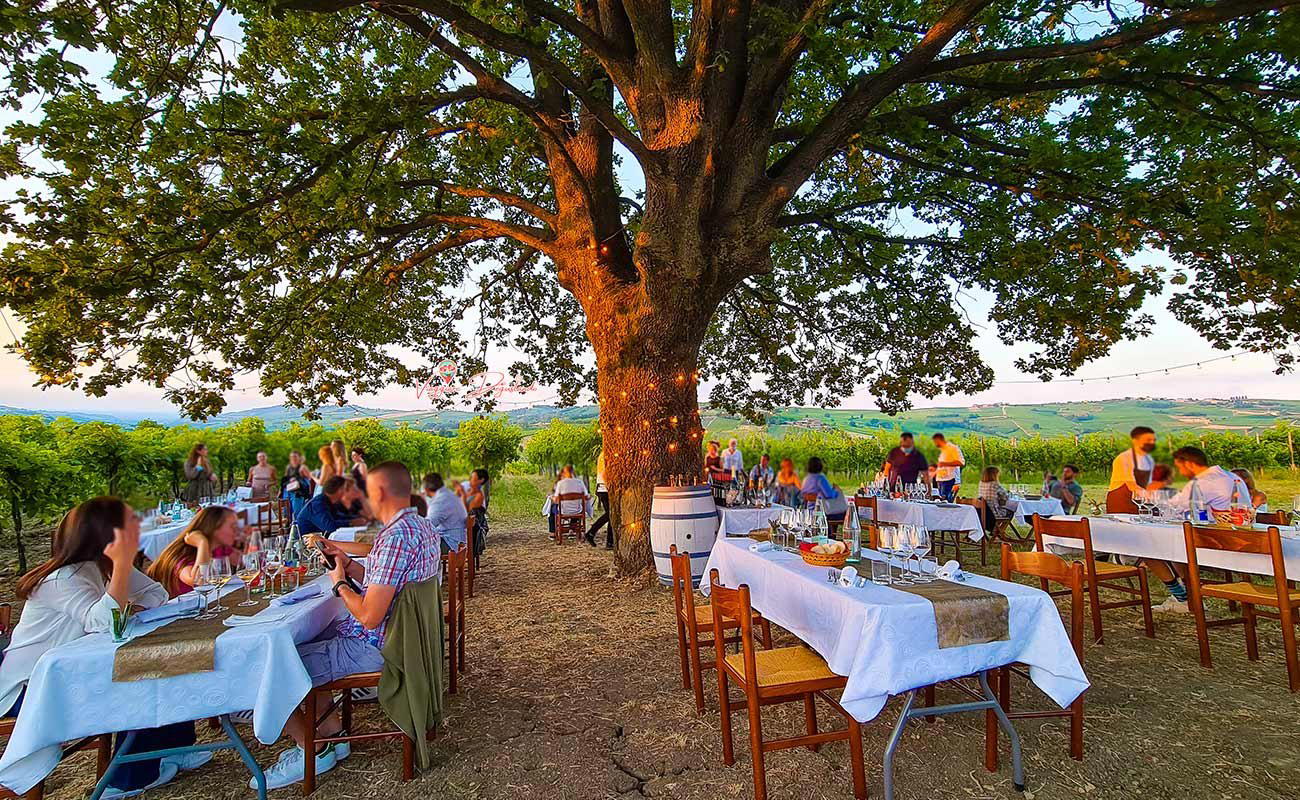
The villages of the Val Tidone, tucked into the Apennine foothills south of Piacenza, have long operated at a remove from the restaurant circuits that drive coverage of Italian cuisine. That distance has preserved something: a kitchen culture rooted in the specific larder of the Po Valley and the hills above it, where porcini, Jerusalem artichokes, and the kind of slow-developing flavours that require proximity to the source remain the dominant vocabulary. Novo Osteria operates inside that tradition, but approaches it with a contemporary sensibility rather than a museum-piece reverence.
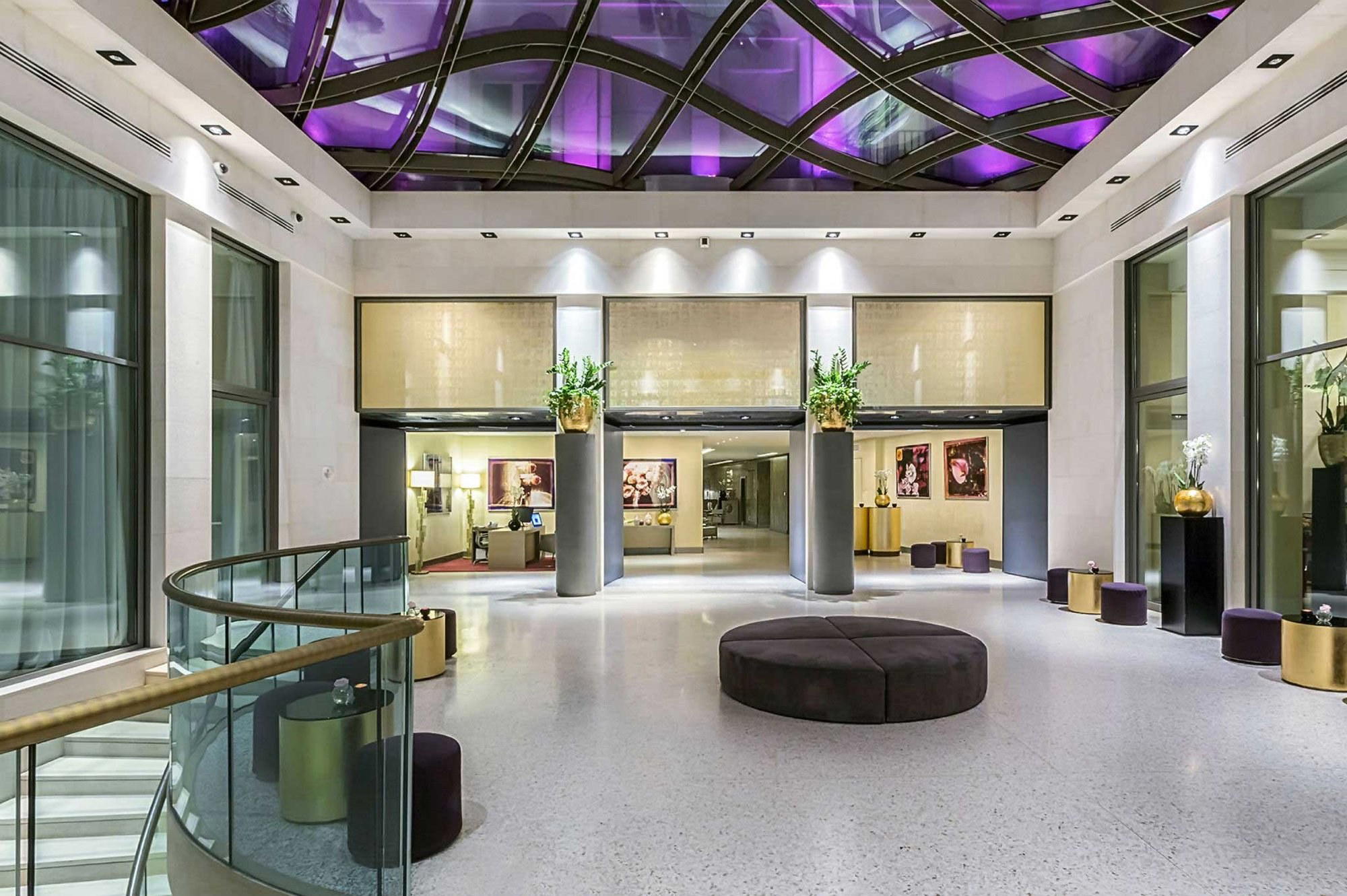
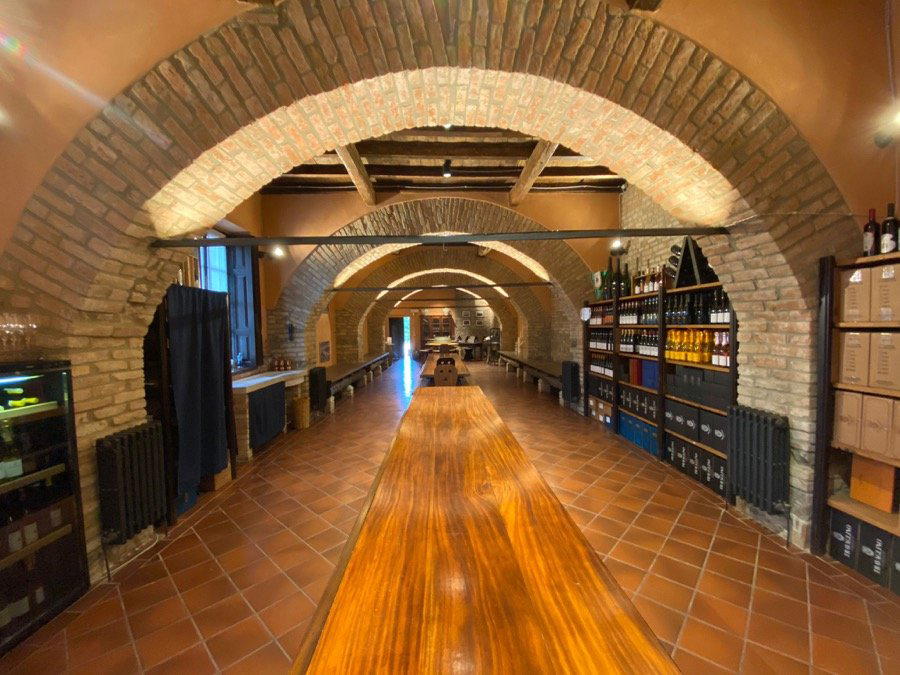
The building frames everything that follows. Originally a monastery dating to the 11th century, it was later adapted as an inn before falling dormant at the start of this century. Its full renovation returned the structure to active hospitality use while preserving substantial original architecture: stone, proportion, and the particular quality of silence that thick medieval walls tend to produce. Arriving at Piazza De Cristoforis, the effect is of a space that has been through several iterations of purpose and has found a coherent one. The adjoining Locanda Borgo Impero adds seven guestrooms, positioning the property inside a small but durable category of Italian hospitality: the historic building that functions as both serious restaurant and place to sleep, where the logic of the overnight stay is tied directly to the dining experience rather than bolted on as an afterthought.
Where the Kitchen Meets the Room
Contemporary restaurants in smaller Italian cities and towns increasingly define themselves through the relationship between kitchen, floor, and cellar rather than through the singular authority of a named chef. This is partly a reaction to the cult-of-personality model that dominated coverage of Italian fine dining for a generation, and partly a practical reality: in a region like Piacenza, the front-of-house team and the wine program carry as much weight as the cooking in shaping the experience. At Novo Osteria, the Michelin Plate awarded consecutively in 2024 and 2025 reflects a consistent standard across service as well as food, the kind of recognition that depends on cohesion rather than any single point of brilliance.
The cuisine described in Michelin's own assessment is traditional local cooking with a modern focus and, notably, plenty of flavour, a phrase that signals something specific in the context of Italian regional dining: this is not the stripped-back minimalism that defines some contemporary Italian kitchens, but a style that uses modern technique to intensify and clarify the flavours already present in local ingredients. The savoury zabaglione gnocchi with porcini mushrooms, Jerusalem artichokes, and currants that Michelin cited is instructive in this regard. Zabaglione, traditionally a sweet preparation, repurposed as a savoury vehicle for earthy autumn ingredients is a formal move, but the logic is entirely regional. Porcini and Jerusalem artichokes are both deeply characteristic of Apennine hill-country cooking; the currants introduce an acidity that lifts what would otherwise be a very dense plate. The technique serves the ingredient rather than the other way around.
The Val Tidone in Context
Piacenza sits at the western edge of Emilia-Romagna, a province that tends to be overshadowed in food coverage by its neighbours: Parma and its cured meats, Modena and its aceto tradizionale, Bologna and its ragu. The Val Tidone, extending south from Piacenza into the hills, has its own distinct culinary signature built around charcuterie, freshwater fish, mushrooms, and the kind of pasta formats that differ in small but meaningful ways from those of the more famous provinces. Restaurants that work seriously within this specific tradition, rather than gesturing at a generalised Emilian identity, occupy a relatively small category.
Novo Osteria's positioning within that category connects it to a broader pattern visible elsewhere in Italian regional dining. Properties like Dal Pescatore in Runate have demonstrated over decades that serious regional cooking, pursued with consistency in a non-urban setting, can build a reputation that outlasts trends. Further afield, Atelier Moessmer Norbert Niederkofler in Brunico has made hyperlocal Alpine ingredients the entire premise of a destination-dining experience. Novo Osteria operates at a different scale and recognition level, but the underlying logic is comparable: the specificity of place is the point.
Within Rome and Italy's more prominent dining cities, the contemporary restaurant conversation tends to centre on venues like Il Convivio Troiani, Almatò, or Carter Oblio. Those addresses operate in a different competitive set and at different price points. For travellers already planning a Rome visit, the Val Tidone is a half-day's drive north, which places Novo Osteria in realistic day-trip or overnight-extension territory rather than primary destination territory. The Locanda Borgo Impero's seven rooms make the overnight calculus direct. Explore also Diana's Place and San Baylon for Rome-based alternatives before or after a Val Tidone excursion.
Italy's contemporary restaurant tier, from Osteria Francescana in Modena to Enoteca Pinchiorri in Florence and Enrico Bartolini in Milan, is well documented. Venues like Quattro Passi in Marina del Cantone show that serious cooking in off-circuit Italian locations can sustain significant recognition. Novo Osteria sits in a smaller and less-covered tier, but its Michelin Plate consistency and the building's own character give it a case that is independent of the major-city frame. Internationally, the format of technically grounded contemporary cooking in a historic building with rooms has parallels at César in New York and Jungsik in Seoul, though the Italian regional-heritage dimension is specific to this context.
Practical Intelligence
Know Before You Go
- Address: Piazza De Cristoforis, 30, Borgonovo Val Tidone (PC), Italy
- Price range: €€€
- Recognition: Michelin Plate 2024 and 2025
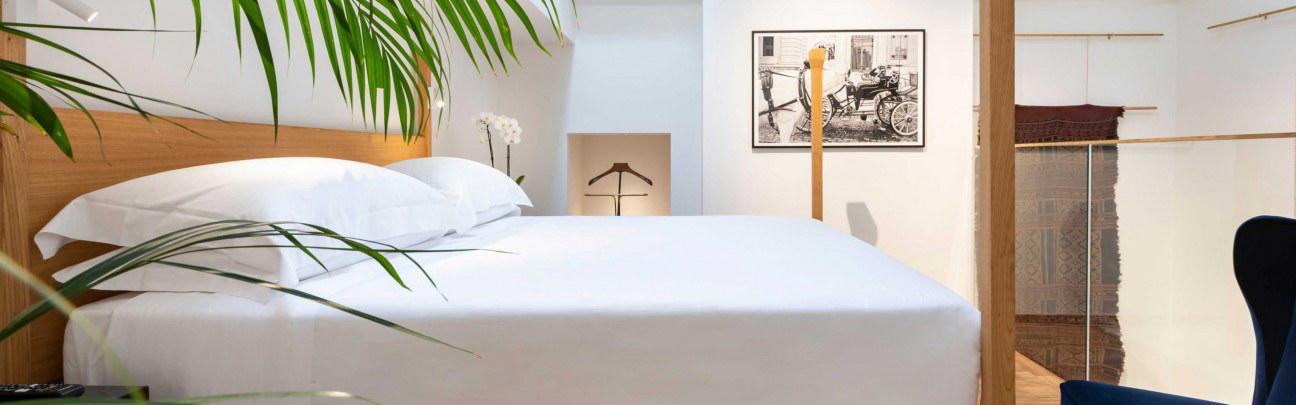
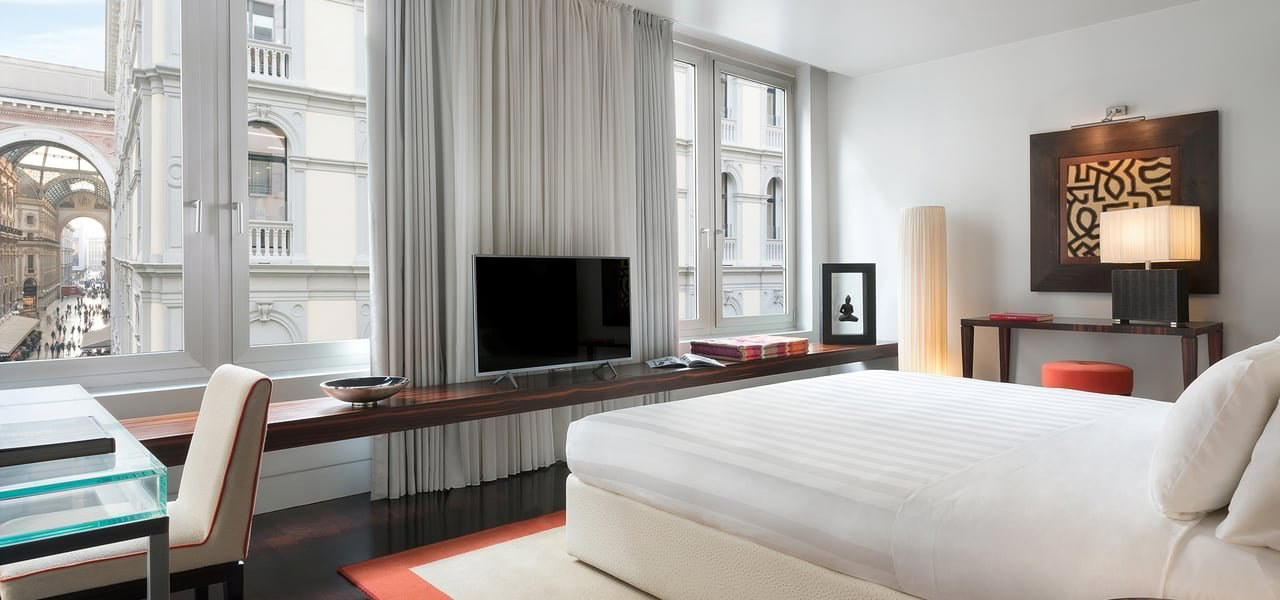
- Rooms: Seven guestrooms available at the adjoining Locanda Borgo Impero
- Setting: Restored 11th-century monastery; original architecture retained throughout
- Cuisine: Contemporary, with a foundation in traditional Val Tidone and Piacenza-area ingredients
- Getting there: Borgonovo Val Tidone is approximately 30km southwest of Piacenza; accessible by car from Milan (roughly 80km) or as a detour from the A21 motorway corridor
- Booking: Contact details not publicly listed; check current availability through the venue directly or via aggregator platforms
For broader trip planning, see our full Rome restaurants guide, our full Rome hotels guide, our full Rome bars guide, our full Rome wineries guide, and our full Rome experiences guide.
Budget Reality Check
| Venue | Cuisine | Price | Awards |
|---|---|---|---|
| Novo OsteriaThis venue — the venue you are viewing | Contemporary | €€€ | Not listed |
| La Pergola | Italian, Mediterranean Cuisine | €€€€ | Michelin 3 Star |
| Enoteca La Torre | Creative | €€€€ | Michelin 2 Star |
| Il Pagliaccio | Contemporary Italian, Creative | €€€€ | Michelin 2 Star |
| Aroma | Modern Cuisine | €€€€ | Michelin 1 Star |
| Idylio by Apreda | Modern Italian, Italian Contemporary | €€€€ | Michelin 1 Star |
Recognition history
Dated appearances from independent guides and award organizations, with the underlying list record or original source where available.
Michelin Plate
Michelin
Michelin Plate
Michelin
Michelin Plate
Michelin
Continue exploring
More in Rome
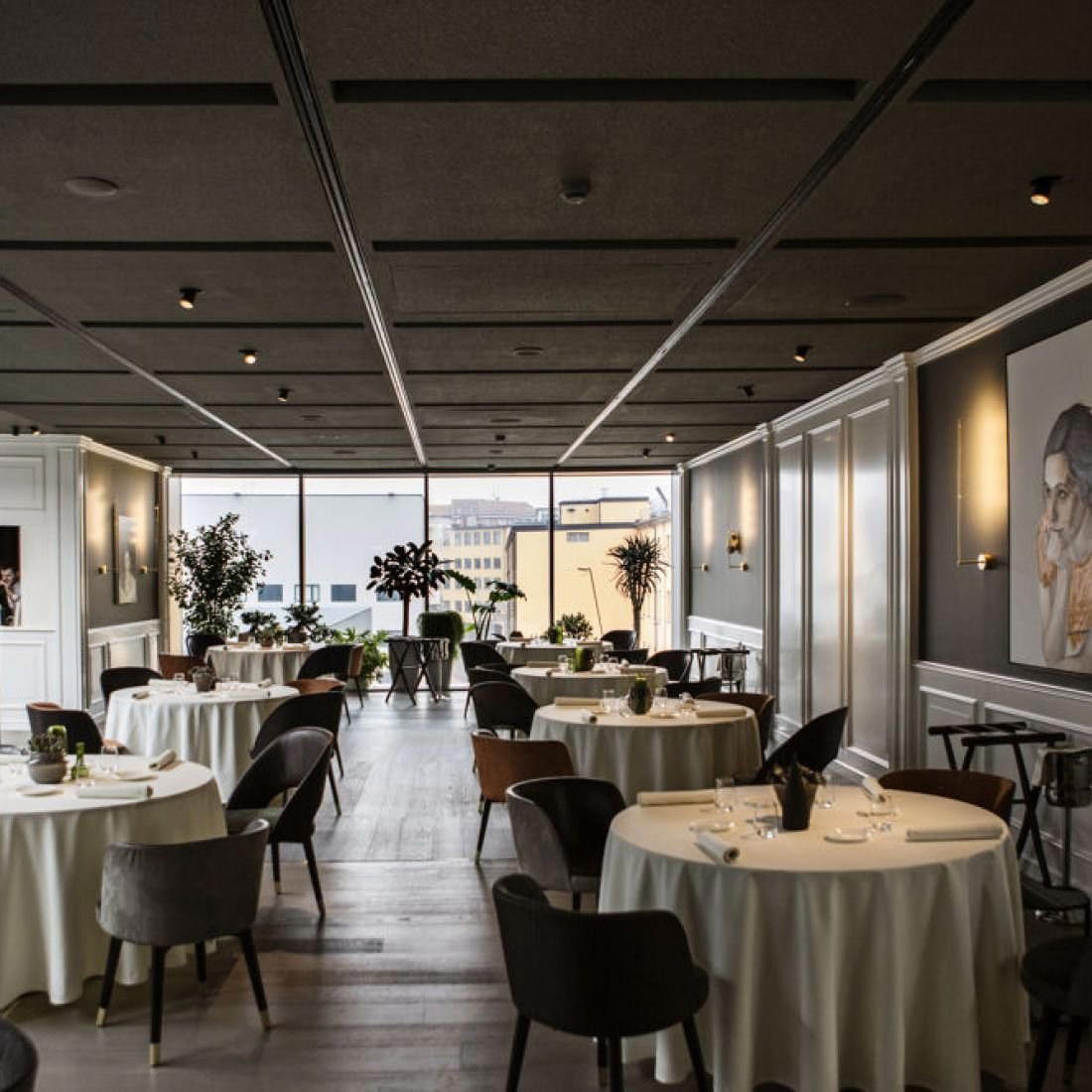
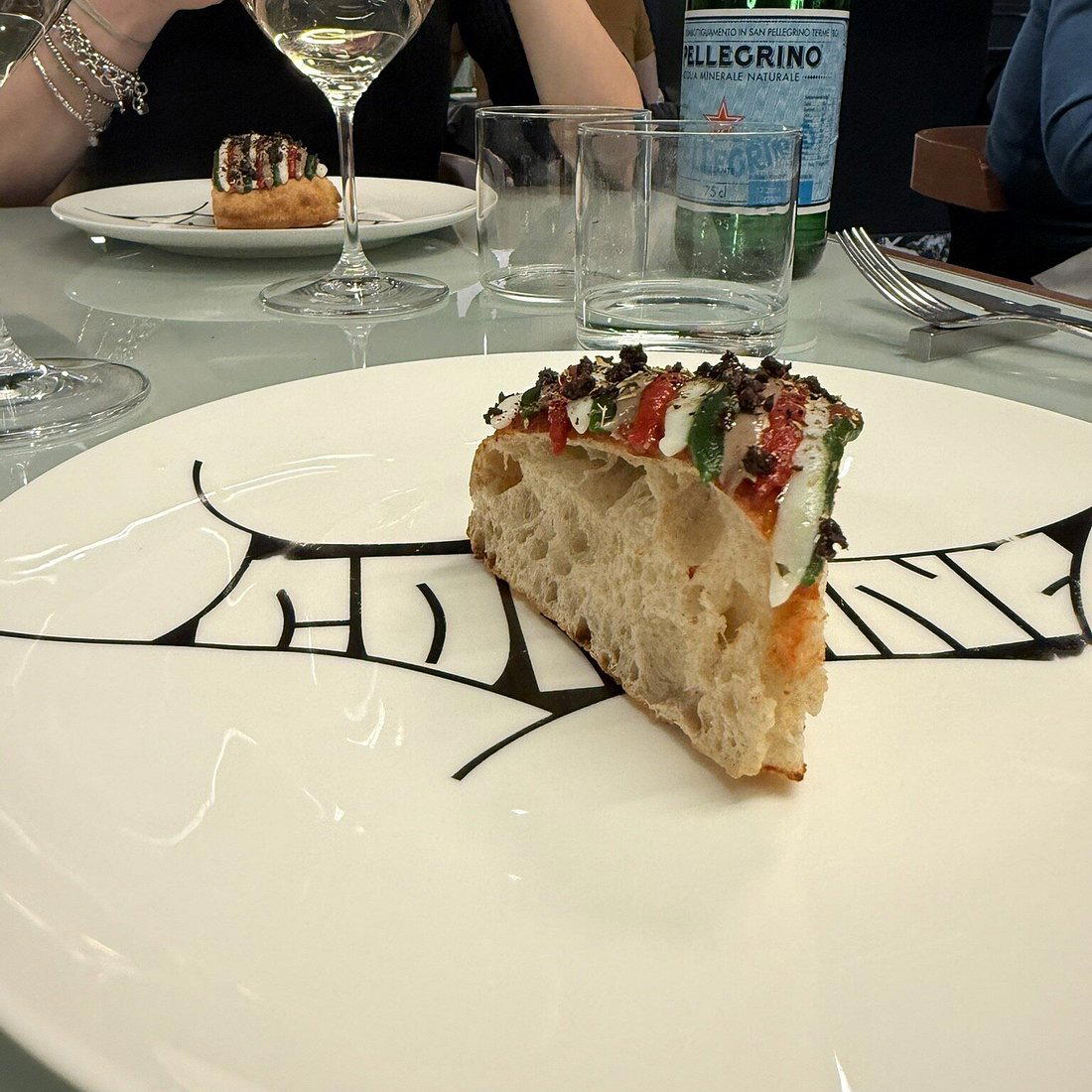
Restaurants in Rome
Browse all →
Bars in Rome
Browse all →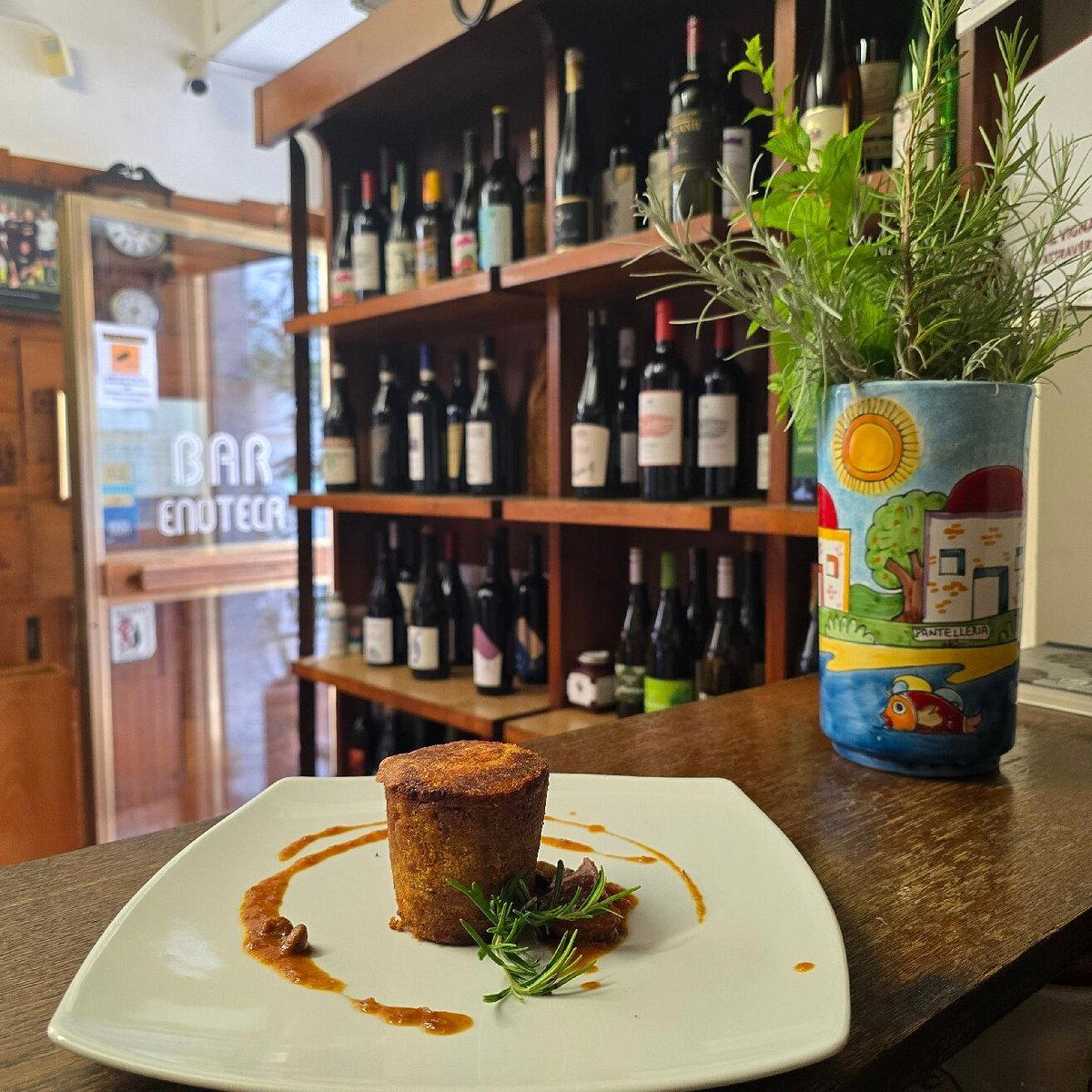
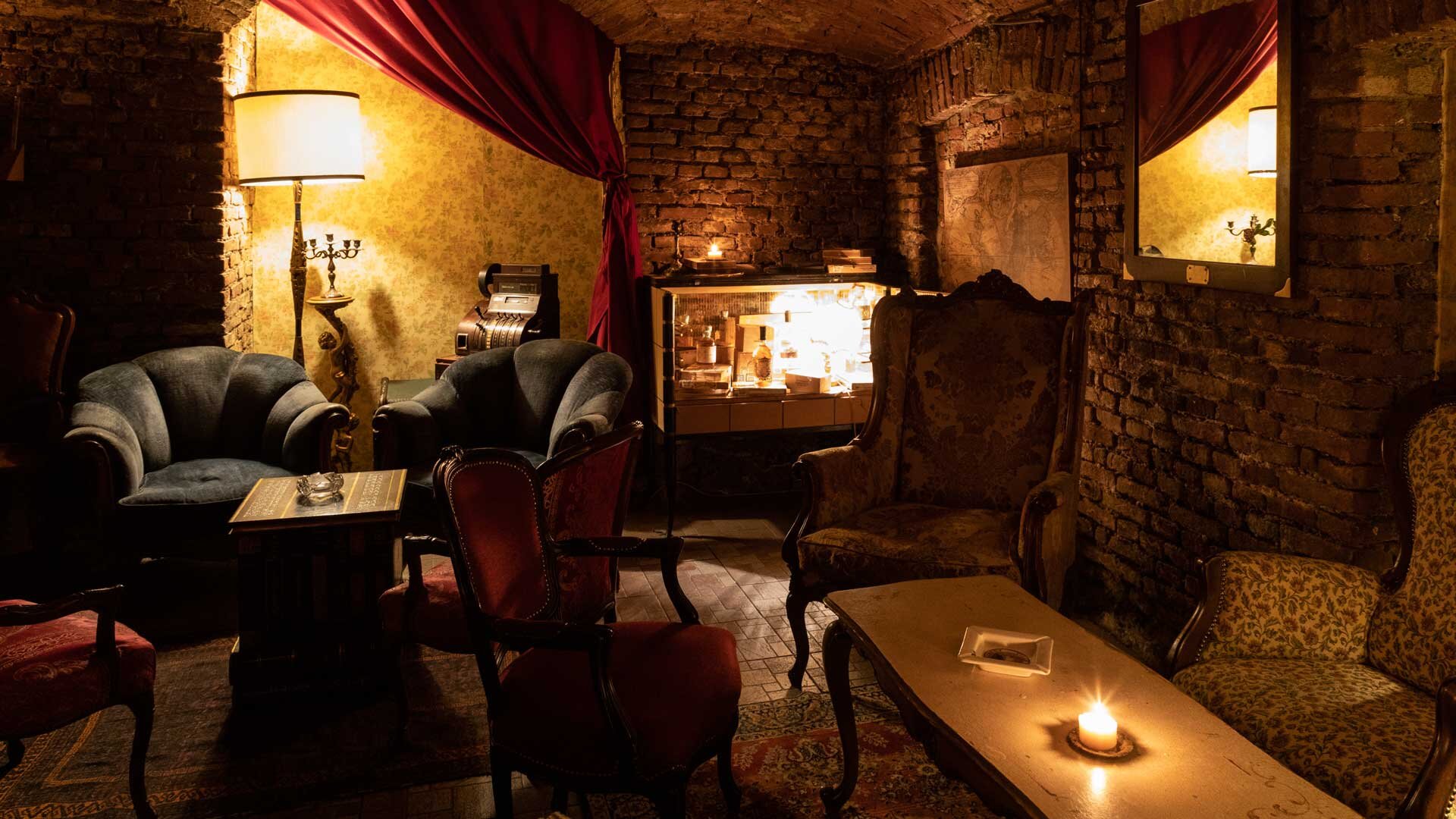
Hotels in Rome
Browse all →
At a Glance
- Classic
- Elegant
- Special Occasion
- Historic Building
Current opening hours
- Monday
- Closed
- Tuesday
- Closed
- Wednesday
- 12:30–2 PM, 7:30–10 PM
- Thursday
- 12:30–2 PM, 7:30–10 PM
- Friday
- 12:30–2 PM, 7:30–10 PM
- Saturday
- 12:30–2 PM, 7:30–10 PM
- Sunday
- 12:30–2 PM, 7:30–10 PM
Hours can change for holidays and private events. Last verified .
Retains original historic architecture with a modern focus, creating an elegant and atmospheric dining space.
Know Before You Go
- Getting there
- Piazza De Cristoforis, 30, 29011 Borgonovo Val Tidone PC, Italy