
Michelin Plate
Our verdict
The kitchen works within the mole-centred tradition of the Central Valleys, at a price point that puts serious regional cooking within reach of most travellers. It belongs to a small group of village restaurants quietly repositioning Oaxacan food culture away from the city centre.

Pearl is the En Primeur Club membership app, where members save venues, book tables and use the concierge.
The menu
What to order
- Tlayudas
- Mixed mole platter
- Flor de calabaza quesadilla
A Village Table in the Mole Heartland
The road into San Martín Tilcajete runs south from Oaxaca city through flat agave country, past roadside alebrijes workshops and corn plots that look much the same as they did a generation ago. The village is known internationally for its painted wooden figures, but the cooking that happens here follows a different kind of craft logic: slow, ingredient-driven, and anchored to the mole tradition that defines the Central Valleys more than any other preparation. Almú sits inside that tradition, operating at a price point, a single dollar sign, placing it among Oaxaca's most accessible serious kitchens, that makes the 2025 Michelin Plate recognition feel like an argument rather than a formality.
Arriving in San Martín Tilcajete, you feel the shift from the city almost immediately. The ambient noise drops. The scale compresses. Restaurants here do not compete on design theatrics or wine programme depth; they compete on whether the mole has been made that morning, whether the chiles were sourced from producers the kitchen knows by name, and whether the tortillas are pressed and cooked to order.
The Mole Tradition: What Makes This Cooking Hard
Oaxaca's claim to mole complexity is not rhetorical. The state produces seven broadly recognised mole styles, negro, rojo, coloradito, amarillo, verde, chichilo, and manchamanteles, each with a distinct chile base, spice profile, and appropriate protein pairing. Negro, the most labour-intensive, can require upward of thirty individual ingredients, a long toasting sequence, and multiple hours of reduction before it reaches the table. In a city context like Levadura de Olla Restaurante or Los Danzantes Oaxaca, mole appears alongside a broader menu architecture that includes mezcal programmes and international technique. In a village setting, mole is often the menu architecture, the thing around which everything else is organised.
That framing matters for understanding what a kitchen like Almú is actually doing. The craft is not in plating innovation or tableside theatre. It is in managing chile selection, fermentation timing, fat content, and the specific balance between bitter, sweet, and earthy that separates a competent mole from a memorable one. The Michelin Guide's 2025 Plate recognition signals that Almú is meeting a technical standard, not merely a hospitality one. A Plate acknowledges cooking worth a detour; at the dollar-sign price tier, that assessment carries additional weight.
Across Oaxaca's recognised restaurant scene, this combination of award acknowledgement and accessible pricing is relatively rare. Alfonsina and Ancestral Cocina Tradicional occupy adjacent territory in the traditional-technique conversation, while Levadura de Olla holds a full Michelin star at the two-dollar-sign tier. Almú operates below that price bracket, which positions it as an entry point into Oaxacan mole culture that does not require a reservation budget to match.
San Martín Tilcajete as a Culinary Destination
The broader movement reshaping Oaxacan food culture involves kitchens moving away from the city's tourist centre and into the villages that actually produce the ingredients. San Martín Tilcajete is not a culinary destination in the way that Oaxaca's Jalatlaco neighbourhood has become, with its dense concentration of bars and modern Mexican restaurants. The village functions more like a working community that happens to have a restaurant serious enough for the Michelin Guide to notice. That distinction is meaningful for travellers calibrating what kind of experience they are planning.
The practicalities of visiting reinforce this character. San Martín Tilcajete sits approximately 30 kilometres south of Oaxaca city on the road toward Ocotlán, reachable by colectivo from the second-class bus terminal or by private vehicle in under an hour. There are no dedicated booking platforms listed for Almú, and the absence of a published website or phone number in current travel databases suggests walk-in or locally-arranged visits remain the primary access method. Early lunch timing, when mole preparations are freshest, is the standard recommendation for village kitchens of this type. Combining the visit with the artisan workshops that San Martín Tilcajete is known for makes geographic sense, since both activities occupy the same few blocks.
For travellers building a broader Oaxacan itinerary, Asador Bacanora Oaxaca provides a counterpoint in the city itself, where the focus shifts to open-fire technique and mezcal pairing rather than mole depth. The two restaurants together cover a reasonable range of what Oaxacan cooking does well at the accessible price tier.
Where Almú Sits in the Mexican Fine-Casual Conversation
Mexico's Michelin-recognised scene now spans well beyond Mexico City. The 2025 guide expanded its Oaxaca coverage meaningfully, and Almú's Plate sits alongside other village and regional kitchens that the guide has begun to treat as seriously as urban counterparts. Nationally, restaurants like Pujol in Mexico City and KOLI Cocina de Origen in Monterrey represent the high-ticket end of the indigenous-technique revival, while Animalón in Valle de Guadalupe and Lunario in El Porvenir show how destination cooking can function outside major cities. Almú belongs to a different tier of that conversation, one defined by accessibility and community embeddedness rather than tasting-menu architecture, but it is now formally part of the same critical framework.
For readers exploring Mexican cooking outside the Oaxacan state, HA' in Playa del Carmen and Le Chique in Puerto Morelos represent the Yucatecan and coastal end of the regional spectrum. In North America, Alma Fonda Fina in Denver and Cariño in Chicago show how mole-tradition cooking translates into diaspora contexts, though the ingredient sourcing and production conditions of a Central Valleys village kitchen are not easily replicated at distance.
Planning Your Visit
Almú is located at Progreso s/n in San Martín Tilcajete, Oaxaca, roughly 30 kilometres south of the city centre.
For a complete picture of what Oaxaca's food and travel scene offers, see our full Oaxaca restaurants guide, our full Oaxaca hotels guide, our full Oaxaca bars guide, our full Oaxaca wineries guide, and our full Oaxaca experiences guide.
Frequently asked questions
Is Almú good for families?
At the dollar-sign price tier, Almú is among the most financially accessible Michelin Plate restaurants in Oaxaca, which removes the cost barrier that rules out many recognised kitchens for family groups. The village setting in San Martín Tilcajete also means the pace is relaxed rather than ceremonial. The drive from Oaxaca city runs about 30 kilometres, so it pairs well with a half-day trip that includes the alebrije workshops the town is known for.
What should I expect atmosphere-wise at Almú?
San Martín Tilcajete is a working craft village, not a dining precinct, and Almú sits within that context rather than apart from it. The environment is community-facing and functional, oriented around the cooking rather than a designed dining experience. Visitors coming from Oaxaca city's restaurant corridor should recalibrate expectations: the draw here is the food's Michelin Plate credential and its village provenance, not a polished interior.
What awards or recognition does Almú have?
Almú has received recognition including: Michelin Plate (2025).
What's the must-try dish at Almú?
What the 2025 Michelin Plate recognition does signal is a kitchen working within Oaxaca's mole tradition, a canon that spans seven recognised styles including negro, coloradito, and amarillo. Arriving with that framework in mind, and ordering based on what's available that day, is the more reliable approach.
Cuisine and Awards Snapshot
Comparable venues nearby, for context on price, style, and recognition.
| Venue | Cuisine | Price | Awards | Notes |
|---|---|---|---|---|
| AlmúThis venue (the venue you are viewing) | Traditional Wood-Fired Oaxacan | $10–20 | Michelin Plate | Not listed |
| Ancestral Cocina Tradicional | Traditional Oaxacan | $30–50 | Michelin Plate | 2006700010878 |
| Brio | Modern Oaxacan with Mediterranean Influences | $30–50 | Michelin Plate | 2006700010204 |
| Los Pacos Centro (cambiamos el nombre a Chichilo, ¡búscanos en Google o redes!) | Traditional Oaxacan Mole | Not listed | Not listed | 2006700010897 |
| Tacos Del Carmen | Traditional Oaxacan Street Tacos | $1–10 | Not listed | 2006700010929 |
| Casa Mook | Authentic Oaxacan Mexican | Not listed | Not listed | 2006700010204 |
Recognition history
Dated appearances from independent guides and award organizations, with the underlying list record or original source where available.
Michelin Plate
Michelin
Full recognition history (2 entries)
Michelin Plate
Michelin
Continue exploring
More in Oaxaca
Restaurants in Oaxaca
All restaurants in Oaxaca →
Bars in Oaxaca
All bars in Oaxaca →
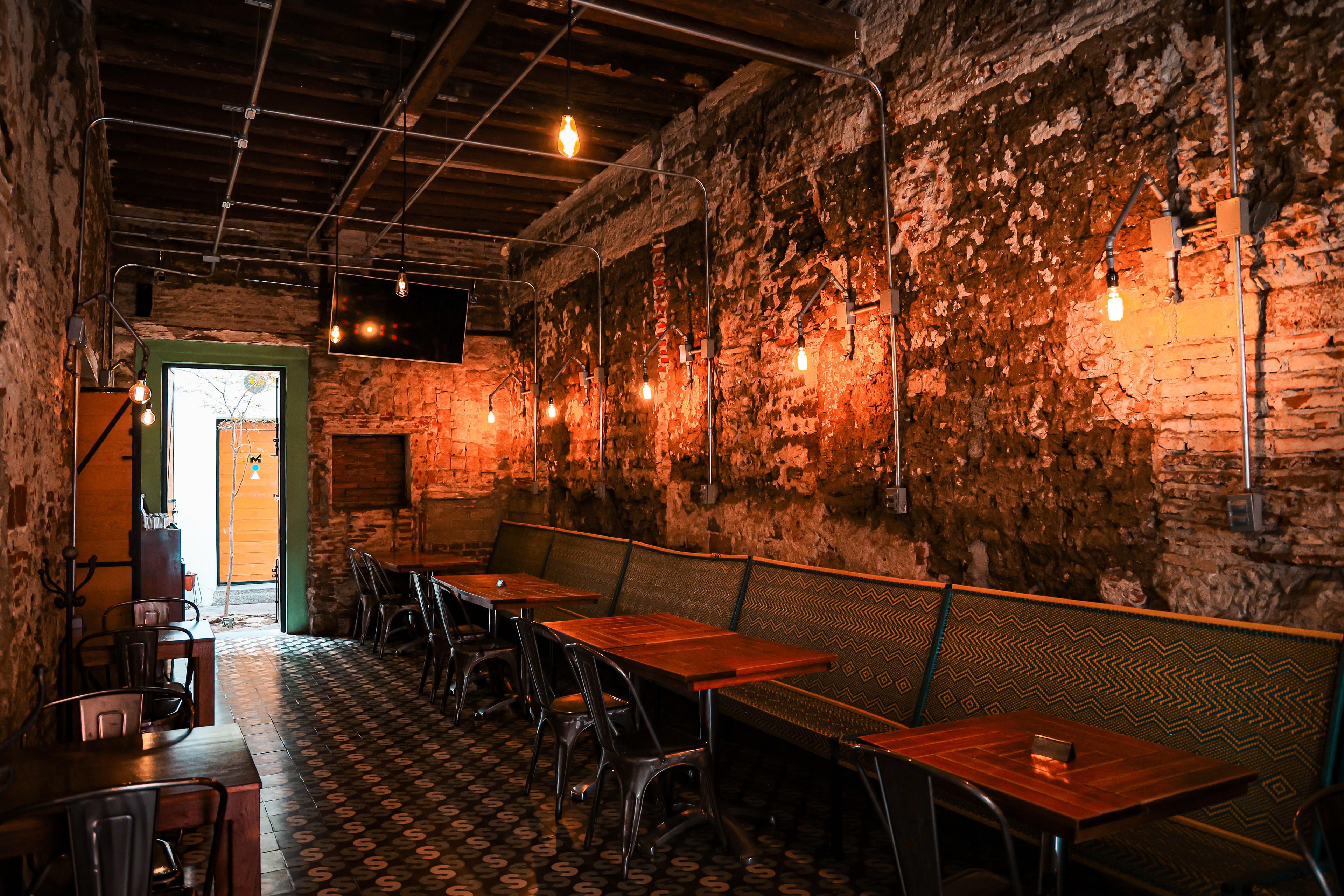
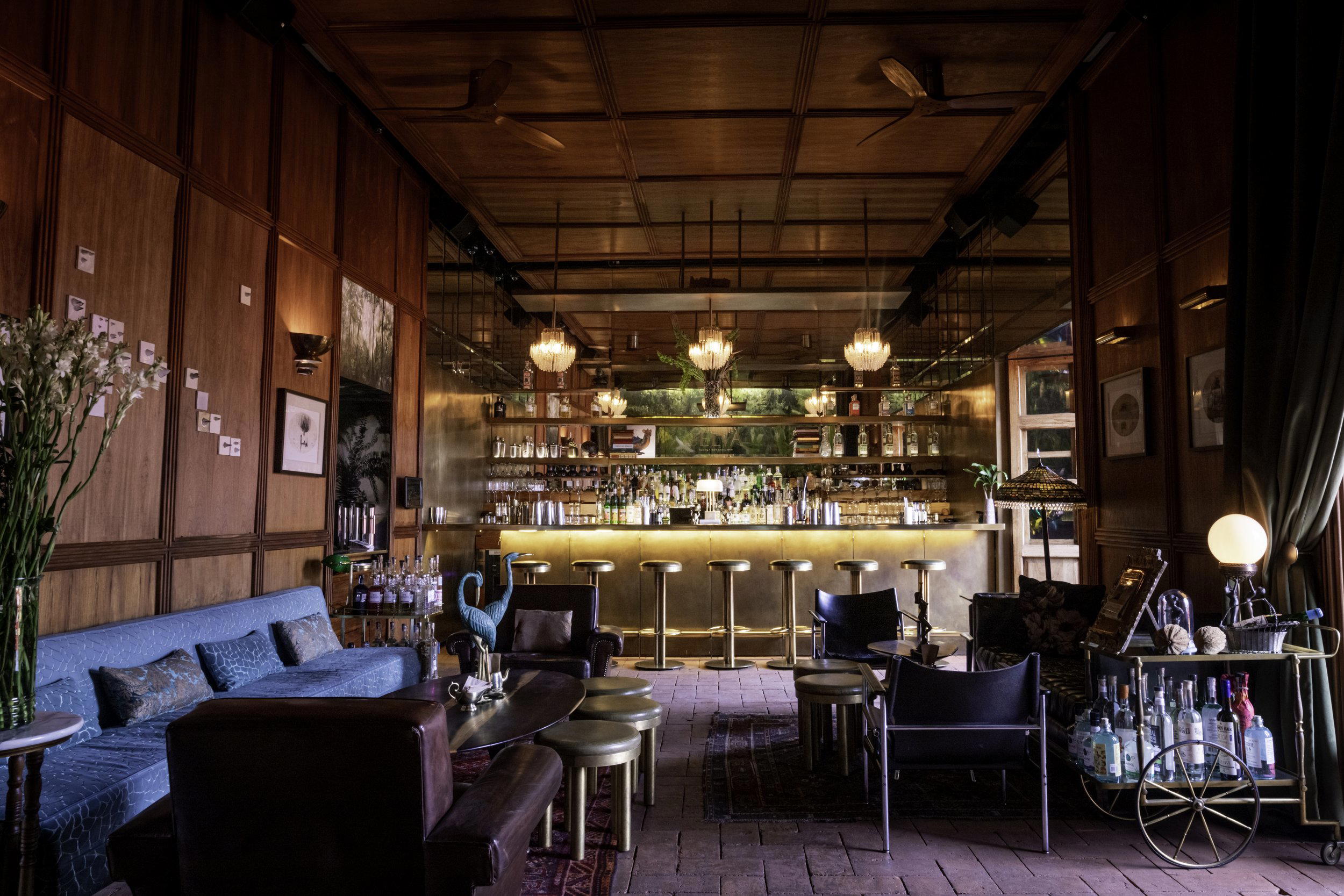
Hotels in Oaxaca
All hotels in Oaxaca →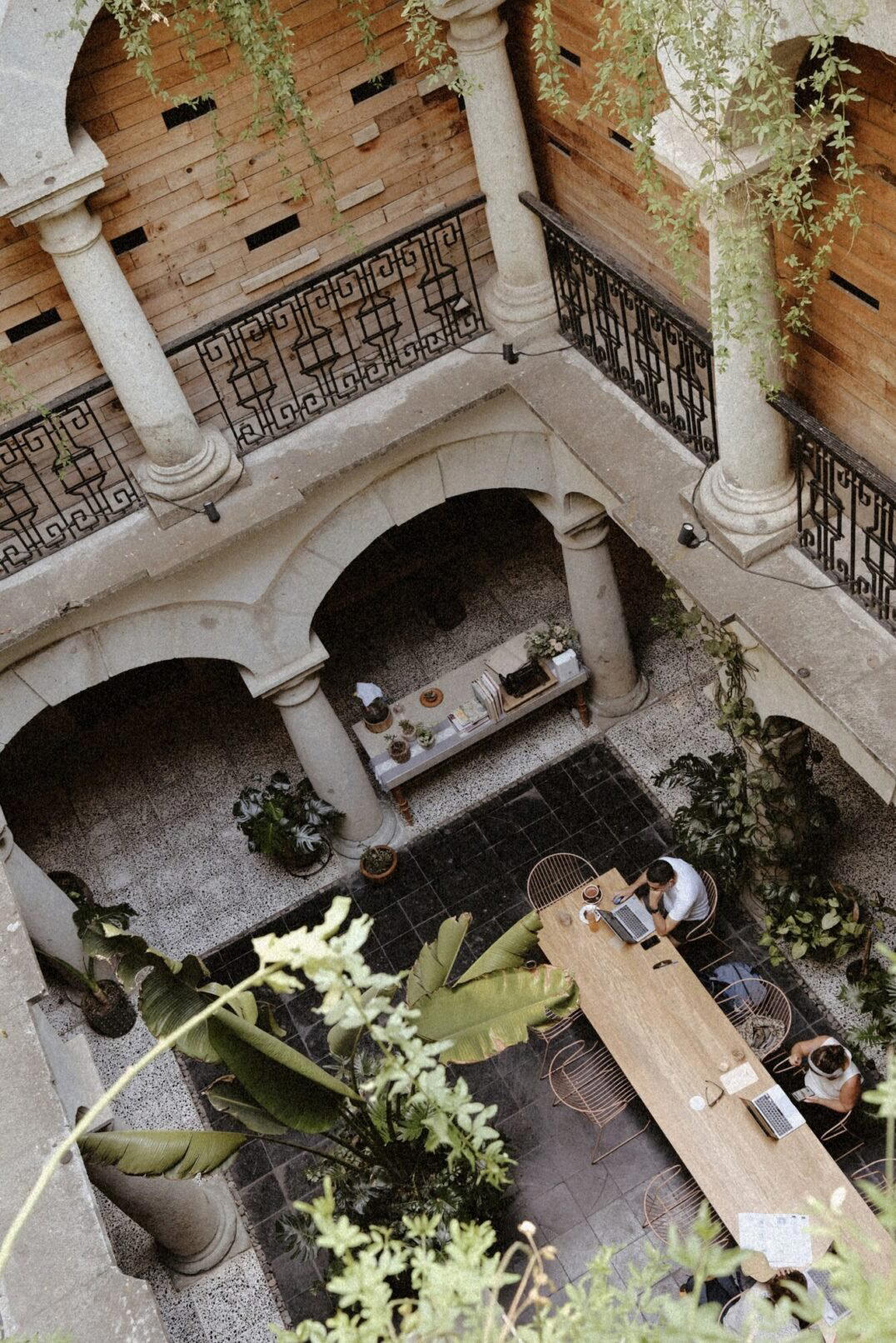
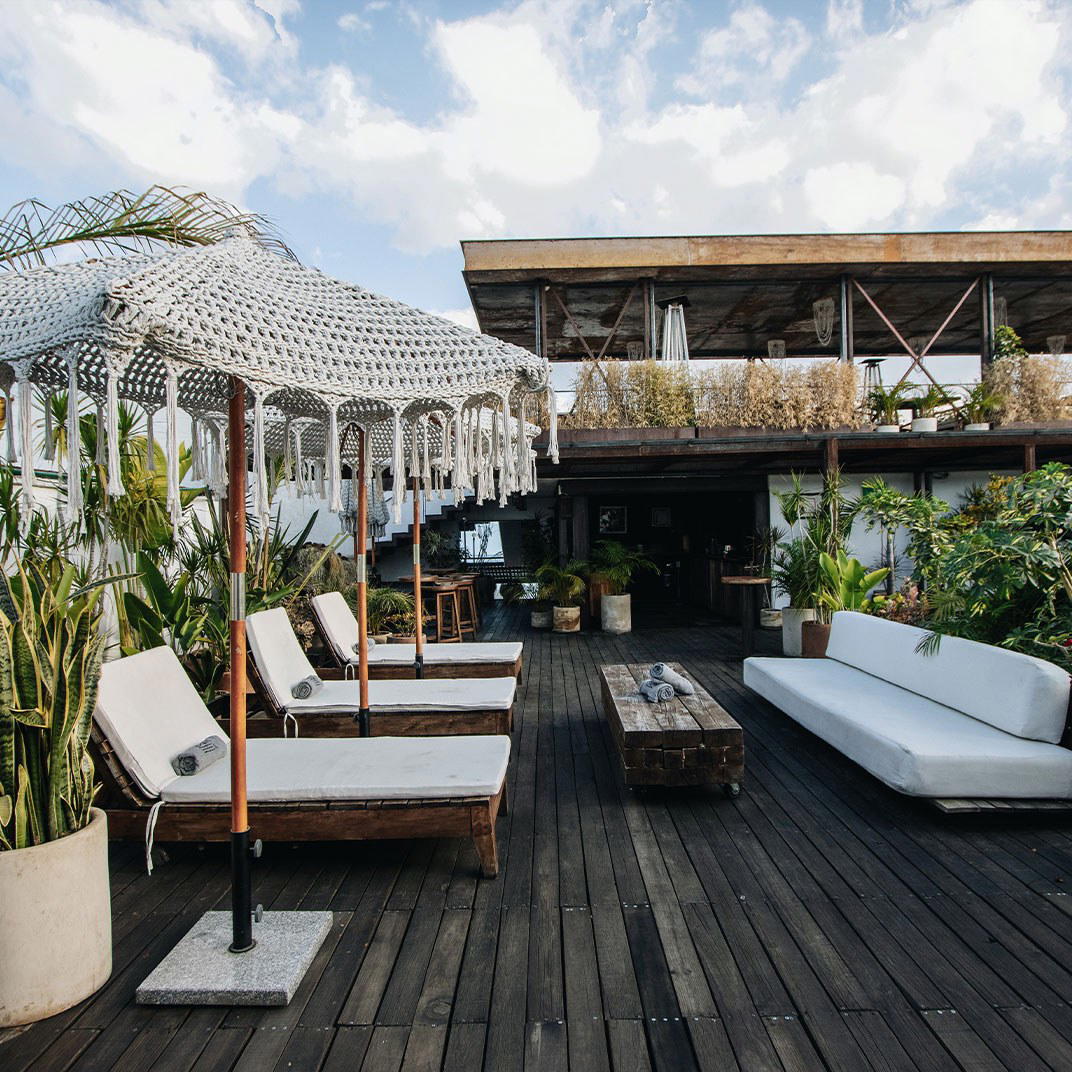
Details
- Rustic
- Cozy
- Scenic
- Group Dining
- Special Occasion
- Open Kitchen
- Courtyard
- Local Sourcing
- Garden
- A La Carte
- Small Plates
- Vegetarian Friendly
Current opening hours
- Monday
- Closed
- Tuesday
- 9 AM–6 PM
- Wednesday
- 9 AM–6 PM
- Thursday
- 9 AM–6 PM
- Friday
- 9 AM–6 PM
- Saturday
- 9 AM–6 PM
- Sunday
- 9 AM–6 PM
Hours can change for holidays and private events. Hours as of .
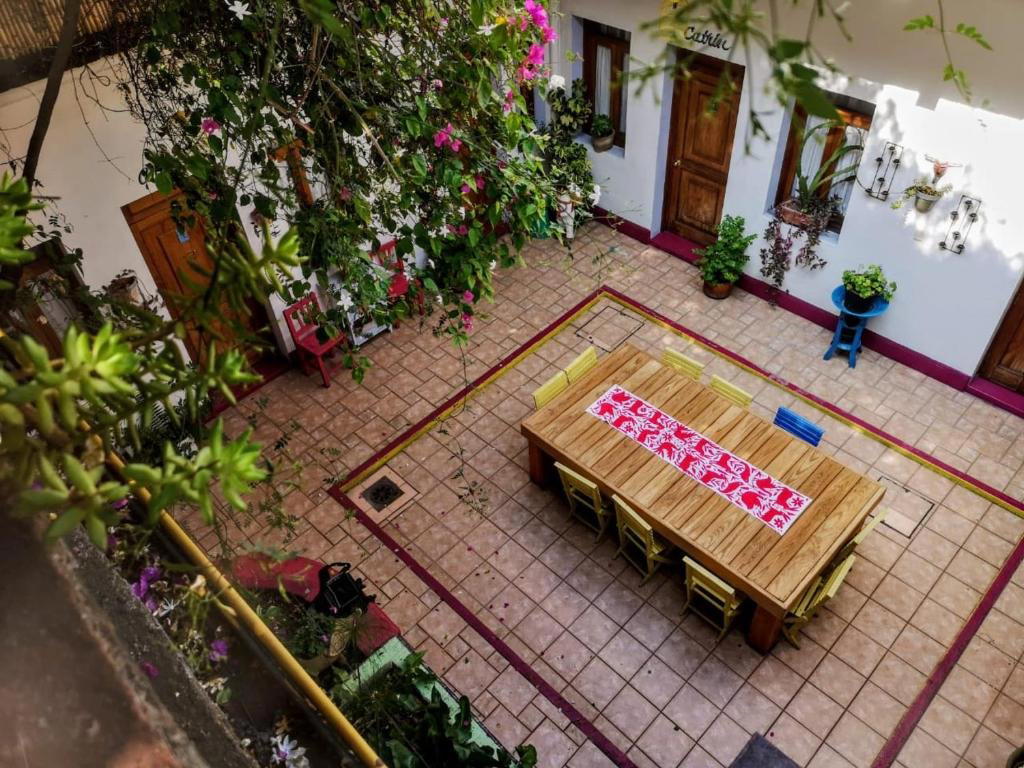
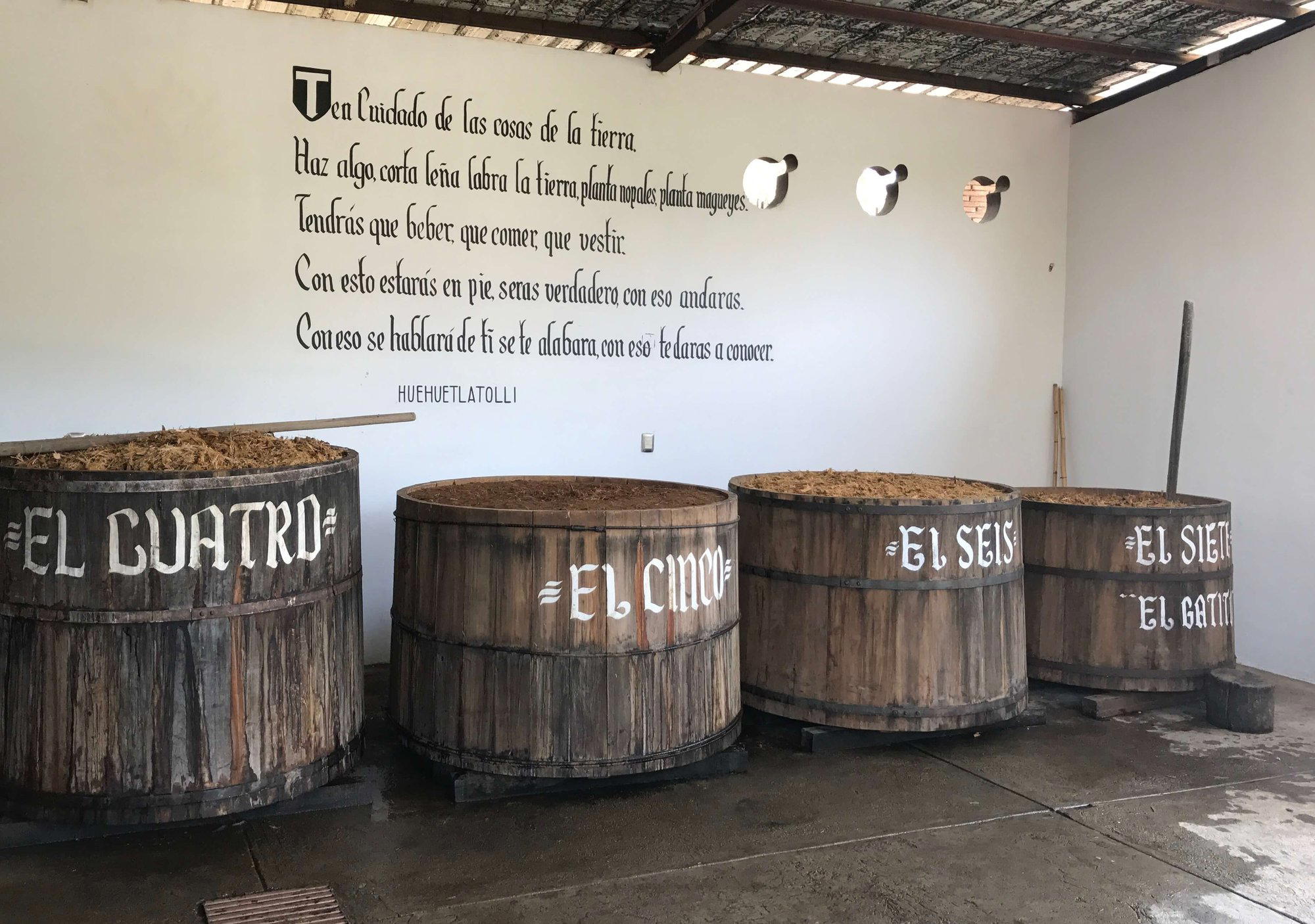
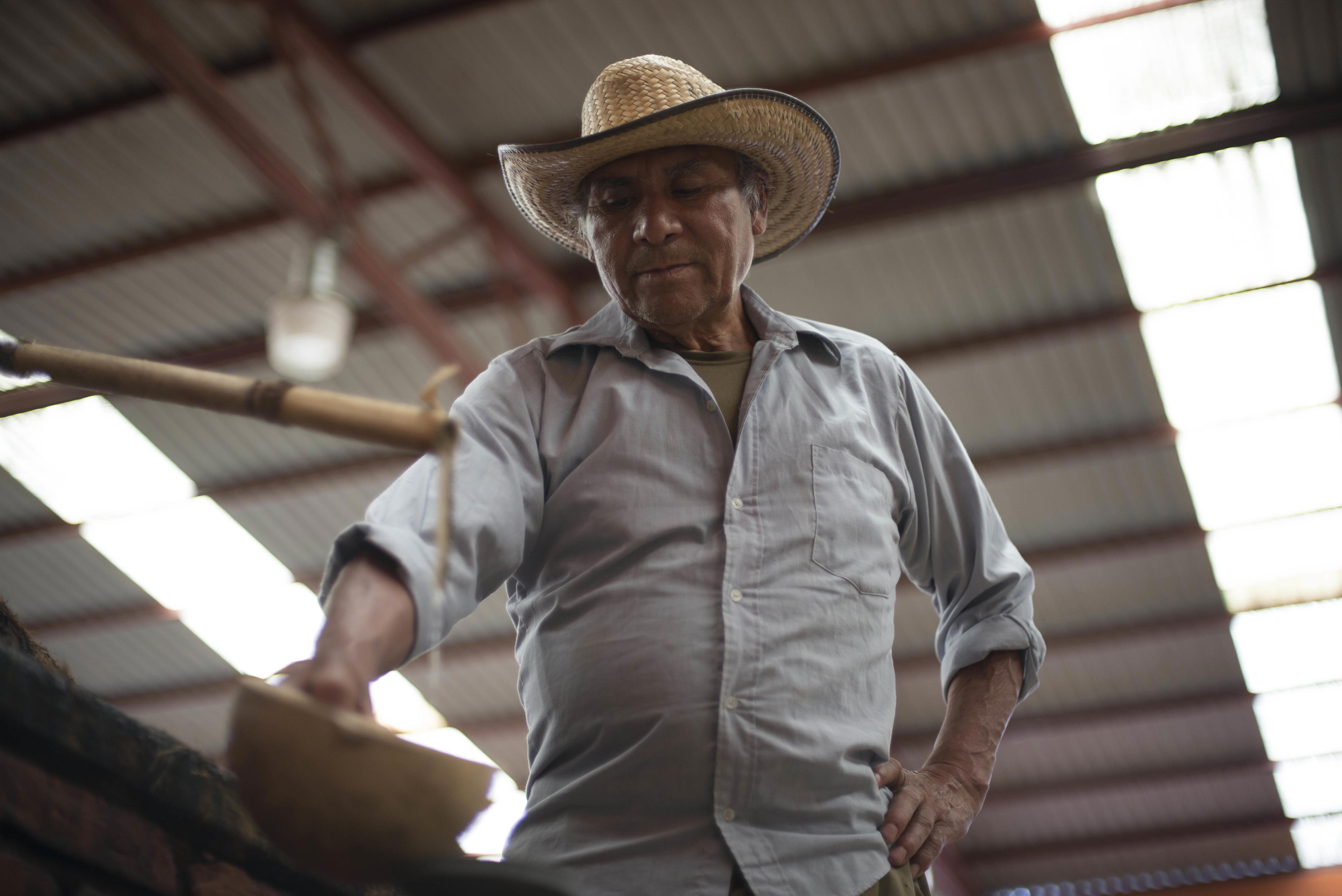
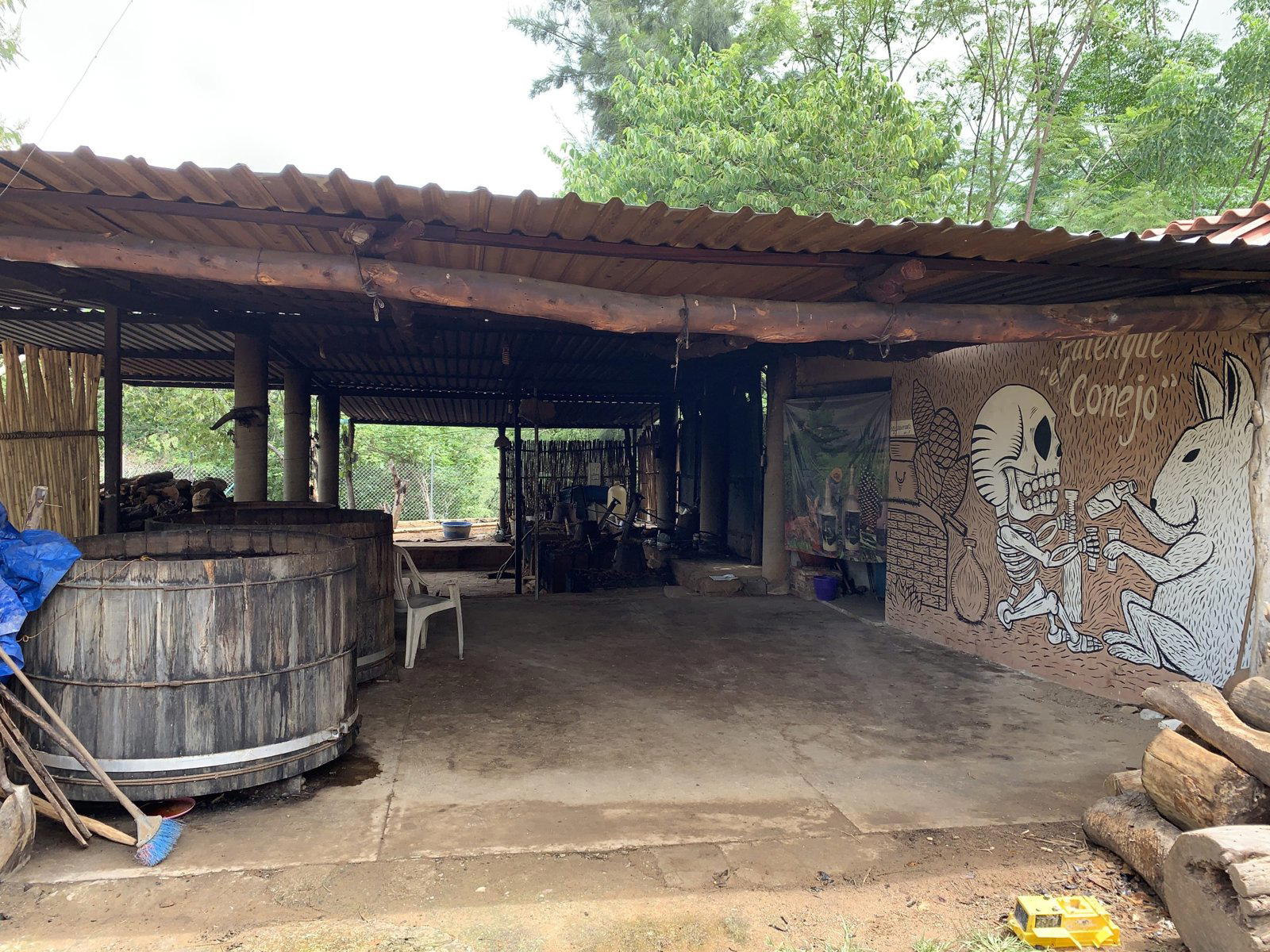
Rustic open-air pavilion with woodsmoke aroma, shaded trees, earthen pots, and a serene countryside breeze.