Google: 4.7 · 663 reviews
.png)
A Michelin Plate-recognised restaurant in Páganos, Álava, run by a married couple whose tasting menu draws on the Basque Country's seasonal larder. Traditional technique meets contemporary thinking across dishes rooted in local ingredients — black pudding, piparra peppers, Idiazábal cheese — at mid-range prices that make this one of the Rioja Alavesa's more accessible serious tables.
 Discover on Pearl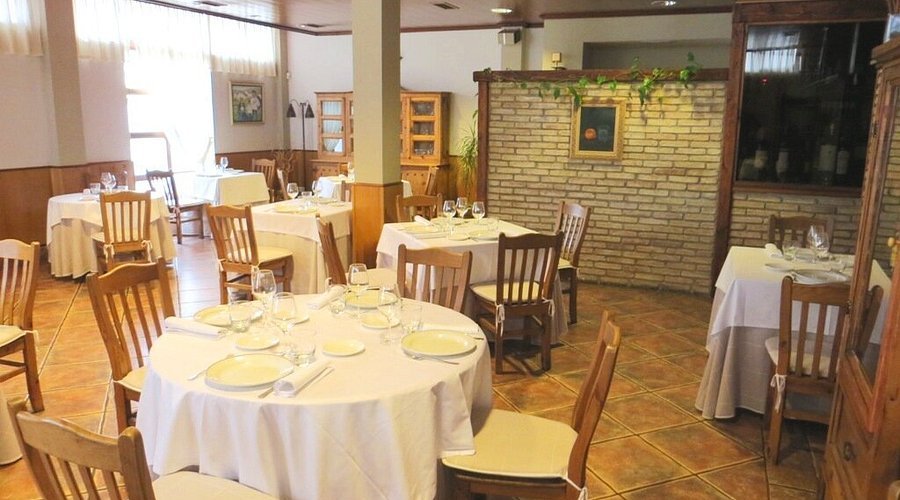
A Village Address in a Region That Takes Food Seriously
The Basque Country and its borderlands have long operated on the understanding that serious cooking does not require a city postcode. The Rioja Alavesa sub-region, tucked between the Cantabrian mountains and the Ebro river, is better known internationally for its wines than its restaurants, but that imbalance is partly a visibility problem rather than a quality one. The villages along the wine route carry a density of careful, ingredient-driven kitchens that would surprise anyone arriving with only a cellar tour in mind. Páganos is one such village, and Héctor Oribe, on Gasteiz Kalea, sits within that tradition of rural Basque seriousness — a Michelin Plate recognition in 2025 confirming what local diners have evidently known for some time, given the 4.7 rating across 651 Google reviews.
For context on where this sits in the broader Spanish fine dining picture, the country's top tier runs from three-star institutions like Arzak in San Sebastián, Azurmendi in Larrabetzu, and Mugaritz in Errenteria down through a wide mid-tier of regionally rooted restaurants where the cooking is disciplined, the ingredients are hyperlocal, and the format is tasting menu. Héctor Oribe belongs to that mid-tier, priced at €€ — a meaningful contrast to the €€€€ world of DiverXO in Madrid or El Celler de Can Roca in Girona , and it competes on the terms that matter most in this price band: sourcing discipline, technique, and a clear point of view about what the region tastes like.
The Cultural Logic of Basque Seasonal Cooking
The Basque culinary tradition is not a single register. At its apex, it has produced some of the most technically ambitious restaurants in Europe. But the tradition runs deep enough that it sustains a parallel current of cooking that is quieter, less theatrical, and more concerned with fidelity to product than with formal innovation. This is the register in which Héctor Oribe operates: traditional cuisine with a contemporary touch, built around seasonal ingredients. That phrase, easy to say and difficult to execute consistently, describes a kitchen that treats the Basque larder as the primary text rather than as raw material for abstraction.
The ingredients that appear in the Michelin record are worth reading carefully as a map of that larder. Black pudding (morcilla) and pine nuts speak to an interior Basque tradition quite different from the coastal idiom. Piparra peppers , the long, mild green peppers grown in the Basque Country and Navarra , are a regional marker, their brine and gentle heat appearing across the region's cooking from pintxos bars to serious tasting menus. Alubia beans, particularly the red alubias de Tolosa, carry near-totemic status in Basque food culture. Idiazábal cheese, smoked or natural, made from Latxa sheep's milk in the Basque highlands, is one of Spain's most geographically specific cheeses. When these ingredients appear together in a tasting menu format, they are not being used as local colour: they are the point.
Cod, too, is a constant reference in Basque cooking, and the kitchen's approach here , a cod taco with chickpea hummus, piquillo peppers, and a spinach pil-pil , layers a traditional preparation (pil-pil, the emulsified sauce made from cod gelatin and olive oil) against a format borrowed from elsewhere. That kind of considered borrowing, where the technique or the vessel shifts but the product and the flavour logic remain Basque, is characteristic of the contemporary touch the restaurant applies without abandoning its roots. It is not fusion in the diluted sense: it is an argument that traditional ingredients can carry new weight without losing their identity.
Format and the Tasting Menu Question
The single tasting menu format, with a shorter version available, is the norm at this level of ambition in the Basque Country and across northern Spain. It concentrates the kitchen's focus and allows seasonal sourcing to drive the menu rather than the reverse. The availability of a shorter version is a practical concession that many comparable restaurants in the region have adopted , it widens access without compromising the kitchen's editorial logic, and it makes a serious meal here manageable at lunch or for guests who want the experience without a full multi-course commitment.
Spain's most cited tasting menu restaurants , Martin Berasategui in Lasarte-Oria, Quique Dacosta in Dénia, Aponiente in El Puerto de Santa María, Cocina Hermanos Torres in Barcelona, Ricard Camarena in València , operate at price points and scales that place them in a separate tier entirely. The value proposition at Héctor Oribe is different: a kitchen working with the same seasonal discipline and tasting menu logic, but priced and sized for the village it occupies. That combination is less common than it sounds, and it is what earns a Michelin Plate rather than a Michelin star: the inspectors are noting quality and consistency without yet placing it in the starred tier, but the notation itself carries weight in a region this competitive.
For the Páganos setting specifically, the restaurant sits alongside El Puntido as part of a small cluster of reasons to linger in the village beyond the wine estates. The Rioja Alavesa as a whole rewards that kind of attentive travel , see also our full Páganos hotels guide, our full Páganos bars guide, our full Páganos wineries guide, and our full Páganos experiences guide for a fuller picture of what the area offers.
For comparison at the international level, the tasting menu discipline here connects to the same seriousness found at Frantzén in Stockholm or FZN by Björn Frantzén in Dubai , different regions, different registers, but a shared understanding that a single-menu kitchen committed to seasonal sourcing can sustain a coherent culinary position across years.
Planning a Visit
Héctor Oribe is at Gasteiz Kalea, 8, in Páganos, in the Álava province of the Basque Country. The €€ price range makes it accessible relative to the region's starred restaurants, and the tasting menu format means visits benefit from advance planning rather than turning up on spec , in a village this size, capacity is limited and the kitchen works to a structured service rhythm. Páganos sits in the heart of the Rioja Alavesa wine route, making a meal here a natural pairing with a day spent at the area's bodegas. See our full Páganos restaurants guide for the broader dining picture across the village and surrounding area.
What Regulars Order
What do regulars order at Héctor Oribe?
The Michelin record points to three dishes that have drawn particular attention: the canutillos (pastry tubes) filled with black pudding and pine nuts, served with a red alubia and piparra pepper cream; the cod taco with chickpea hummus, piquillo peppers, and a spinach pil-pil; and the fresh Idiazábal cheesecake with quince and walnuts. Each anchors a different part of the Basque ingredient canon , cured and smoked traditions, the salt cod heritage, and the Latxa sheep cheese culture of the highlands , which suggests the full tasting menu is designed to move through those traditions in sequence rather than repeating a single register.
Price and Recognition
A fast peer set for context, pulled from similar venues in our database.
| Venue | Price | Awards | Notes |
|---|---|---|---|
| Héctor Oribe | €€ | This restaurant run by a pleasant married couple is one of those places that you… | This venue |
| Aponiente | €€€€ | Michelin 3 Star | Progressive - Seafood, Creative, €€€€ |
| Arzak | €€€€ | Michelin 3 Star | Modern Basque, Creative, €€€€ |
| DiverXO | €€€€ | Michelin 3 Star | Progressive - Asian, Creative, €€€€ |
| El Celler de Can Roca | €€€€ | Michelin 3 Star | Progressive Spanish, Creative, €€€€ |
| Quique Dacosta | €€€€ | Michelin 3 Star | Creative, €€€€ |
Continue exploring
More in Páganos
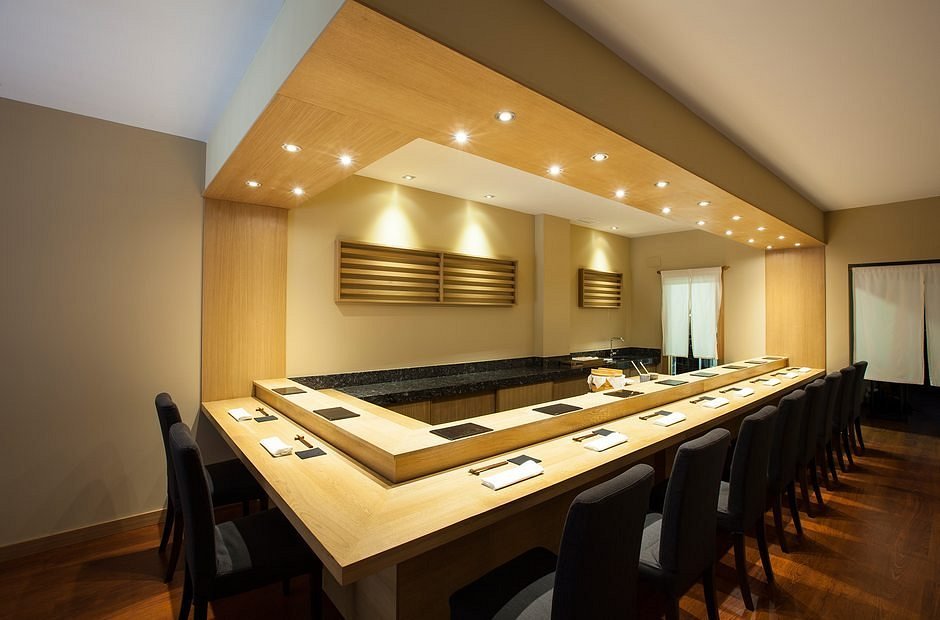
Restaurants in Páganos
Browse all →
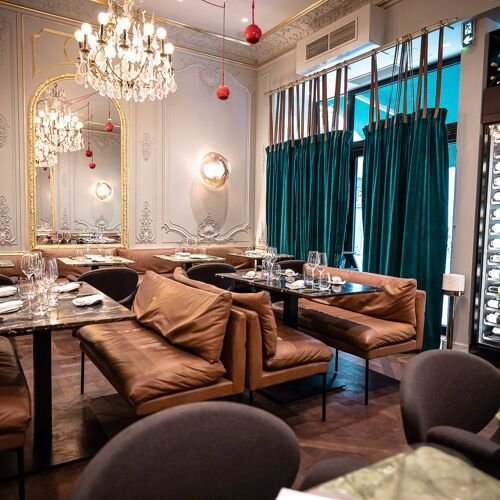
Bars in Páganos
Browse all →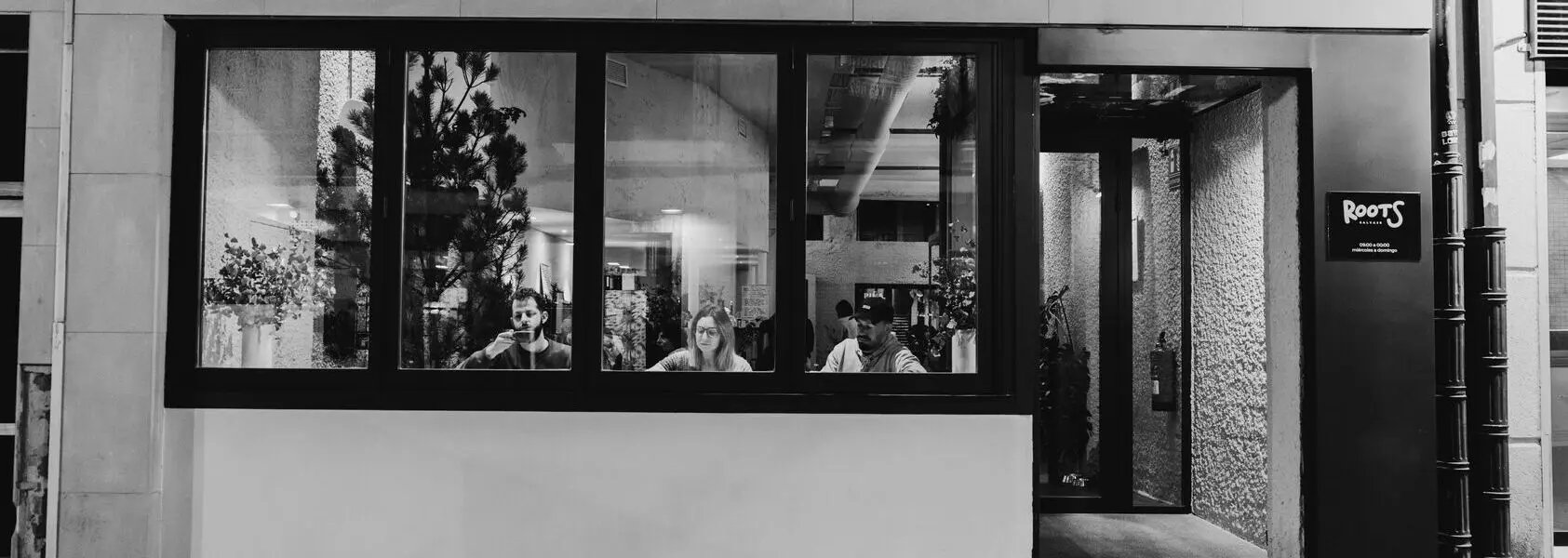
Hotels in Páganos
Browse all →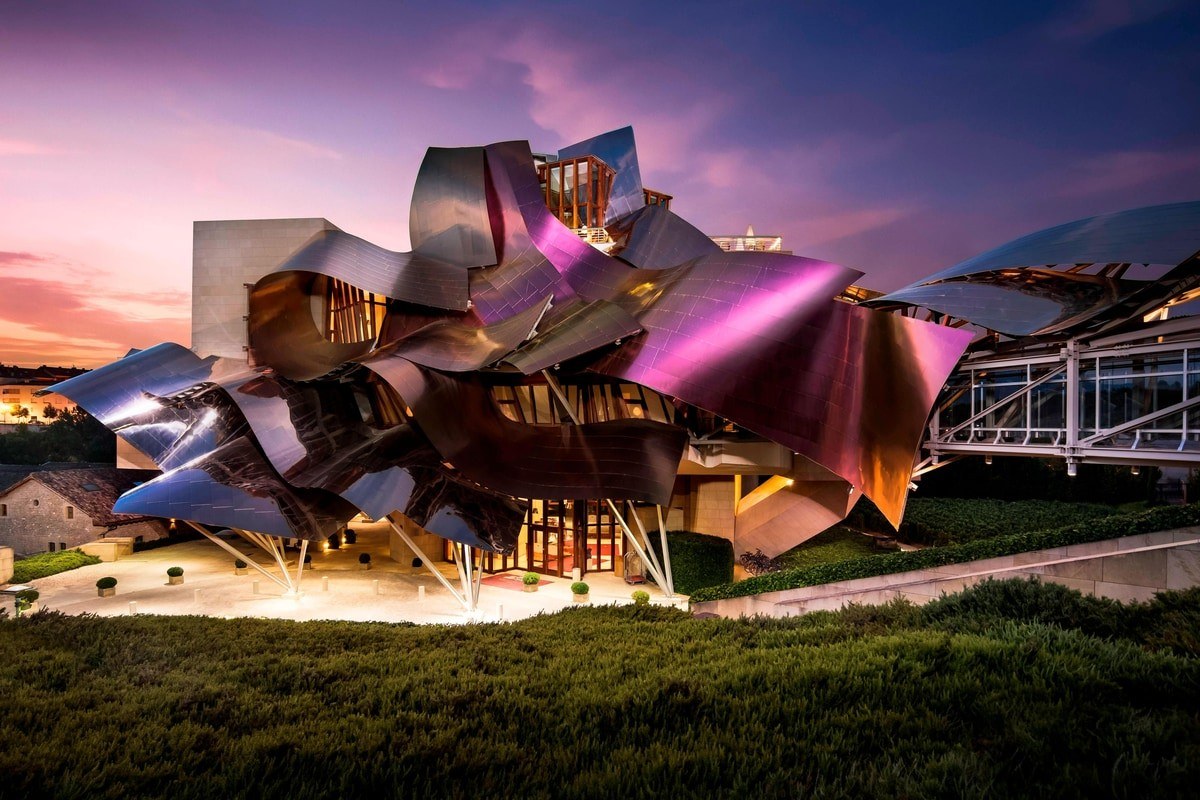

At a Glance
- Intimate
- Rustic
- Cozy
- Elegant
- Date Night
- Business Dinner
- Special Occasion
- Celebration
- Wine Cellar
- Private Dining
- Extensive Wine List
- Sommelier Led
- Local Sourcing
- Farm To Table
- Vineyard
Luminous rustic-style dining room with warm, cozy atmosphere; intimate setting with well-arranged tables and visible wine cellar; charming village ambiance with refined, welcoming service from husband-and-wife team.