Al Borgo sits at An der Hülben 1 in Vienna's first district, placing it within walking distance of the Innere Stadt's most concentrated dining tier. The address alone signals a particular kind of ambition: this is a neighbourhood where Italian-rooted kitchens must argue their case against Austria's most decorated creative tables. What Al Borgo builds its case on is worth examining closely.
Pearl is the En Primeur Club membership app — saves, bookings, and concierge access live there. Same editors, same standards.
- Address
- An der Hülben 1, 1010 Wien, Austria
- Phone
- +434315128559
- Website
- alborgo.at
- Directions
- Get directions
 Saves & bookings on Pearl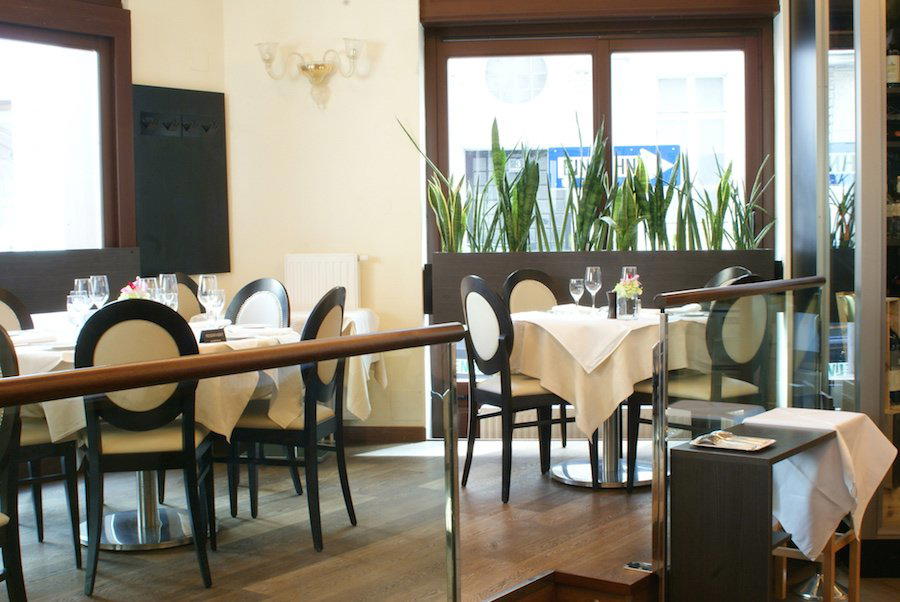
An Address That Sets Expectations
The first district of Vienna operates by its own logic. Streets like An der Hülben sit a short walk from the Stadtpark corridor where Steirereck im Stadtpark defines the upper register of Austrian creative cooking, and where competitors such as Amador and Konstantin Filippou draw the kind of diner who cross-references reservation windows with award cycles. Choosing to operate in this district is not a passive decision. It is a positioning statement. Al Borgo makes that statement from a street address in Vienna's first district.
The neighbourhood character matters here because Vienna's dining scene has consolidated rather than expanded at the leading. The city's most recognised tables, including Mraz & Sohn, have spent years anchoring a relatively small peer group, and newer entrants anywhere in the first and neighbouring districts must locate themselves relative to that existing hierarchy. Al Borgo's positioning within this compressed geography places it in conversation with that group, whether or not it seeks the comparison.
The Italian Kitchen in a Central European Capital
Italian restaurants operating in Vienna occupy an interesting structural position. Austria's own fine-dining tradition, grounded in regional produce, Alpine sourcing disciplines, and a long history of proximity to Hungary and the former crown lands, has shaped local palates in ways that do not simply mirror the expectations of Rome or Milan. Kitchens drawing on Italian culinary logic must therefore make an argument that goes beyond provenance: they need to demonstrate that the approach holds in a city with its own deeply established food culture.
Across Europe, particularly credible Italian-rooted kitchens outside Italy have tended to resolve this tension through one of two strategies. Some lean into the transplant narrative, emphasising imported ingredients and regional Italian specificity. Others operate more synthetically, treating Italian technique as a grammar rather than a costume and sourcing with the rigour of the host country's leading producers. The latter approach increasingly aligns with the sustainability and traceability movements that have reshaped what premium dining means across the continent. Restaurants in Austria that have built serious reputations, from Döllerer in Golling an der Salzach to Landhaus Bacher in Mautern an der Donau, have done so partly by grounding their menus in the ecosystems immediately around them. That pressure does not disappear simply because a kitchen takes its culinary reference points from south of the Brenner Pass.
Sustainability as a Structural Question, Not a Marketing Gesture
The conversation around environmental responsibility in European fine dining has matured considerably since it was primarily a branding exercise. Across Austria, kitchens have engaged with these questions at different levels of seriousness. Ois in Neufelden and Kräuterreich by Vitus Winkler in Sankt Veit im Pongau represent a strand of Austrian cooking where the distance between kitchen and field is almost literal, with producers and preparation methods chosen partly for their ecological coherence. In urban settings, the challenge is different but no less real: city kitchens must build supply relationships that can sustain low-waste, ethically grounded procurement without the geographic advantages that rural restaurants possess.
For a restaurant operating in Vienna's first district, these decisions translate into sourcing choices, portion discipline, and a considered approach to how ingredients are used across a service. Italian culinary tradition is not inherently at odds with low-waste cooking; quite the opposite. Nose-to-tail thinking in meat preparation, the treatment of vegetable offcuts, and the structural role of preserved and fermented ingredients are all embedded in regional Italian kitchens from Piedmont to Campania. The question for any Italian-rooted restaurant in a northern European capital is whether those traditions are treated as living practice or merely as aesthetic touchstones.
This distinction matters more now than it did a decade ago. Diners who choose restaurants in the upper tiers of European cities, whether at Taubenkobel in Schützen am Gebirge in the Burgenland or at a destination table like Le Bernardin in New York City, are increasingly attentive to whether a kitchen's environmental commitments function as operational principles or decorative claims. The standard has shifted from disclosure to demonstration.
Reading Al Borgo in Context
The restaurant's contemporary Northern Italian cooking places it within the patterns that govern its competitive set. The first district address places it among Vienna's most scrutinised dining addresses. The Italian reference point places it in a category that has historically needed to work harder in Vienna than in cities with larger Italian diaspora communities or more established Italian fine-dining traditions. And the general movement in Austrian fine dining toward regional integrity and ethical sourcing creates a context in which any serious kitchen must take a position.
Across Austria's broader fine-dining circuit, from the Alpine formalism of Gourmetrestaurant Tannenhof in Sankt Anton am Arlberg and Stüva in Ischgl to the precision-focused work at Obauer in Werfen, the restaurants that maintain sustained relevance are those that have resolved the tension between culinary identity and local rootedness. Schwarzer Adler in Hall in Tirol and Restaurant 141 by Joachim Jaud in Mieming operate in different registers but share a commitment to specificity over genericism. Doubek, within Vienna itself, represents the kind of focused, deliberately scaled approach that has come to define the more credible end of the city's mid-to-upper dining tier.
In San Francisco, where the farm-to-table model has been stress-tested for two decades, restaurants like Lazy Bear have demonstrated that ethical sourcing and seasonal discipline can anchor a distinctive dining identity without sacrificing technical ambition. The trajectory for serious urban kitchens across Europe and North America points in a similar direction: provenance and ecological responsibility are increasingly load-bearing elements of a restaurant's identity, not supplementary features.
Planning a Visit
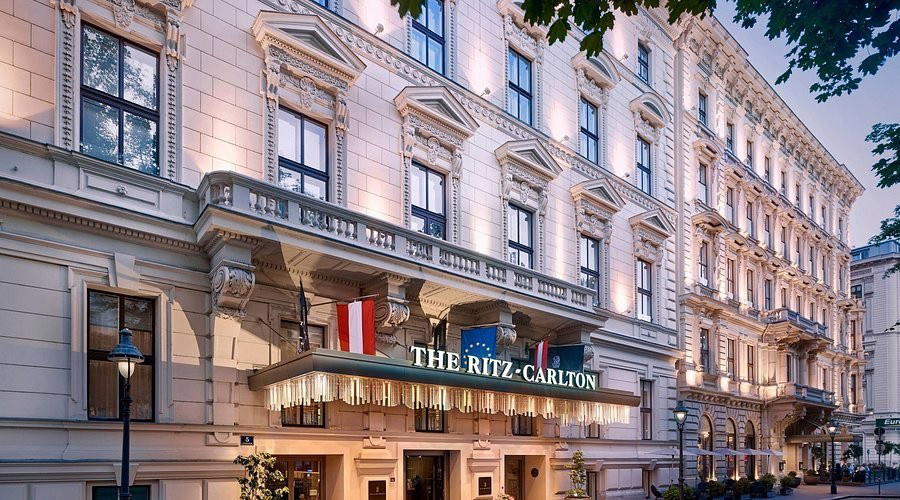
The restaurant is located at An der Hülben 1, 1010 Wien, in Vienna's first district. The address is walkable from the Stadtpark and within easy reach of the U4 line at Stadtpark station, as well as tram connections along the Ringstrasse. Given the concentration of restaurants in the first district, booking ahead is advisable.
Category Peers
Comparable venues nearby, for context on price, style, and recognition.
| Venue | Cuisine | Price | Notes |
|---|---|---|---|
| Al BorgoThis venue — the venue you are viewing | Contemporary Northern Italian | $$$ | Not listed |
| Terrae | Tuscan Kitchen | $$$ | Innere Stadt |
| Sebastiano | Fine Italian Cucina | $$$ | Wieden |
| Bistrot Bertarelli 1894 at Hotel Das Triest | Modern Northern Italian & Viennese Bistro | $$$ | Wieden (4th district) |
| Mangia e Ridi | Italian Seafood Osteria | $$$ | Stephansdom |
| Dal Toscano | Authentic Tuscan Trattoria | $$ | Josefstadt |
Continue exploring
More in Vienna
Restaurants in Vienna
Browse all →
Bars in Vienna
Browse all →
Hotels in Vienna
Browse all →
At a Glance
- Elegant
- Cozy
- Romantic
- Sophisticated
- Date Night
- Special Occasion
- Celebration
- Business Dinner
- Standalone
- Open Kitchen
- Extensive Wine List
- Sommelier Led
- Local Sourcing
Current opening hours
- Monday
- 11:30 AM–3 PM, 6–11 PM
- Tuesday
- 11:30 AM–3 PM, 6–11 PM
- Wednesday
- 11:30 AM–3 PM, 6–11 PM
- Thursday
- 11:30 AM–3 PM, 6–11 PM
- Friday
- 11:30 AM–3 PM, 6–11 PM
- Saturday
- 6–11 PM
- Sunday
- Closed
Hours can change for holidays and private events. Last verified .
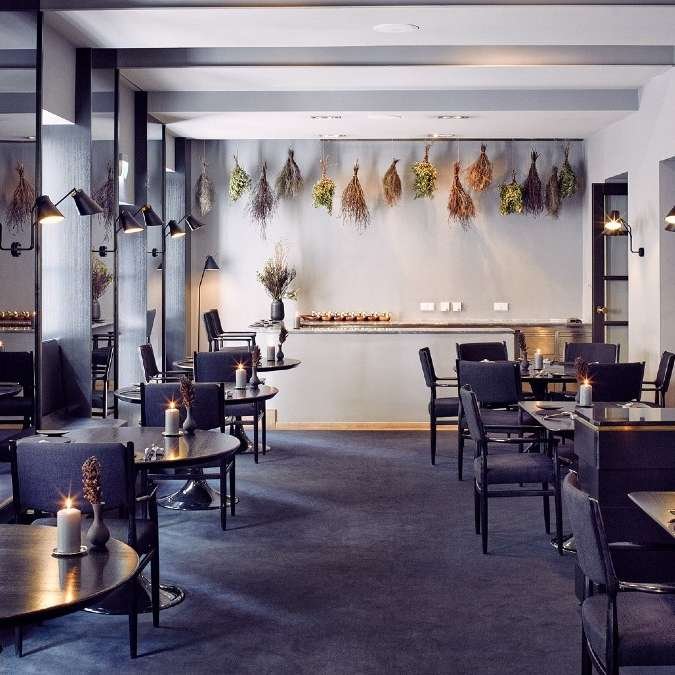
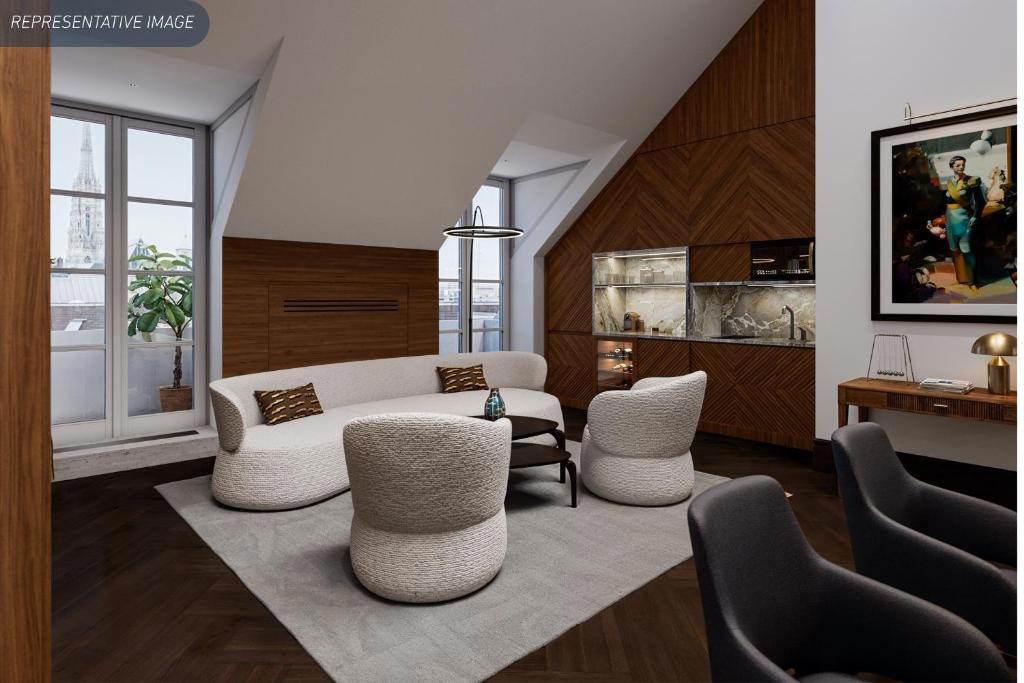
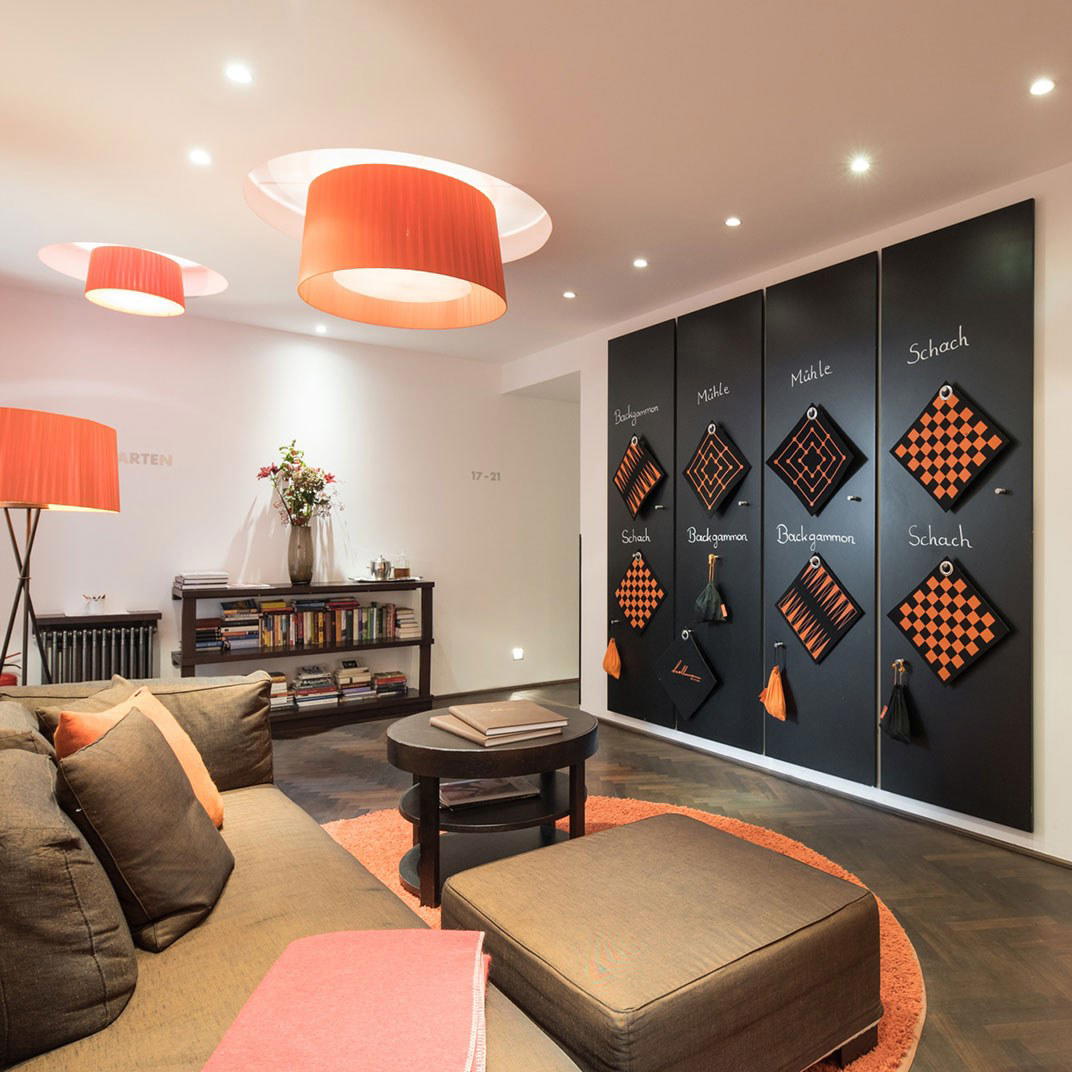
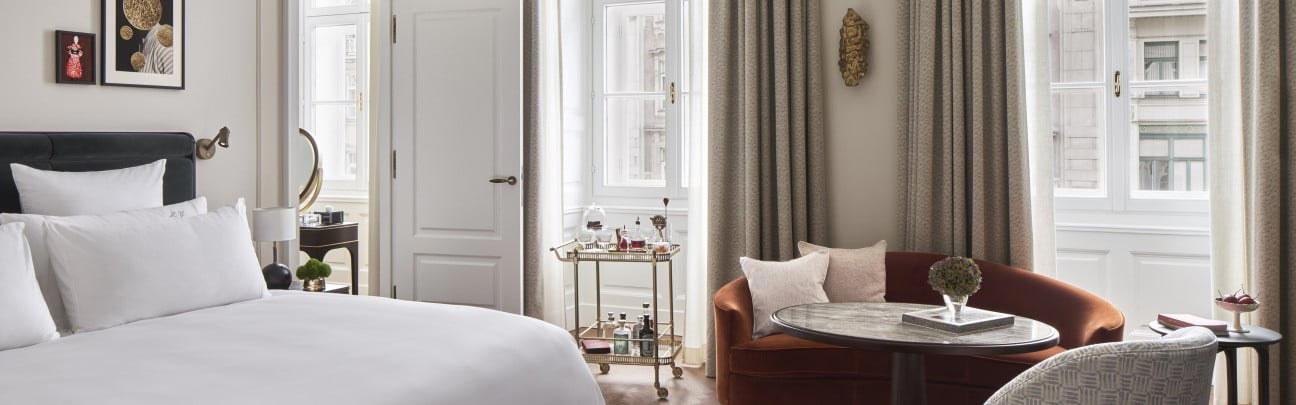
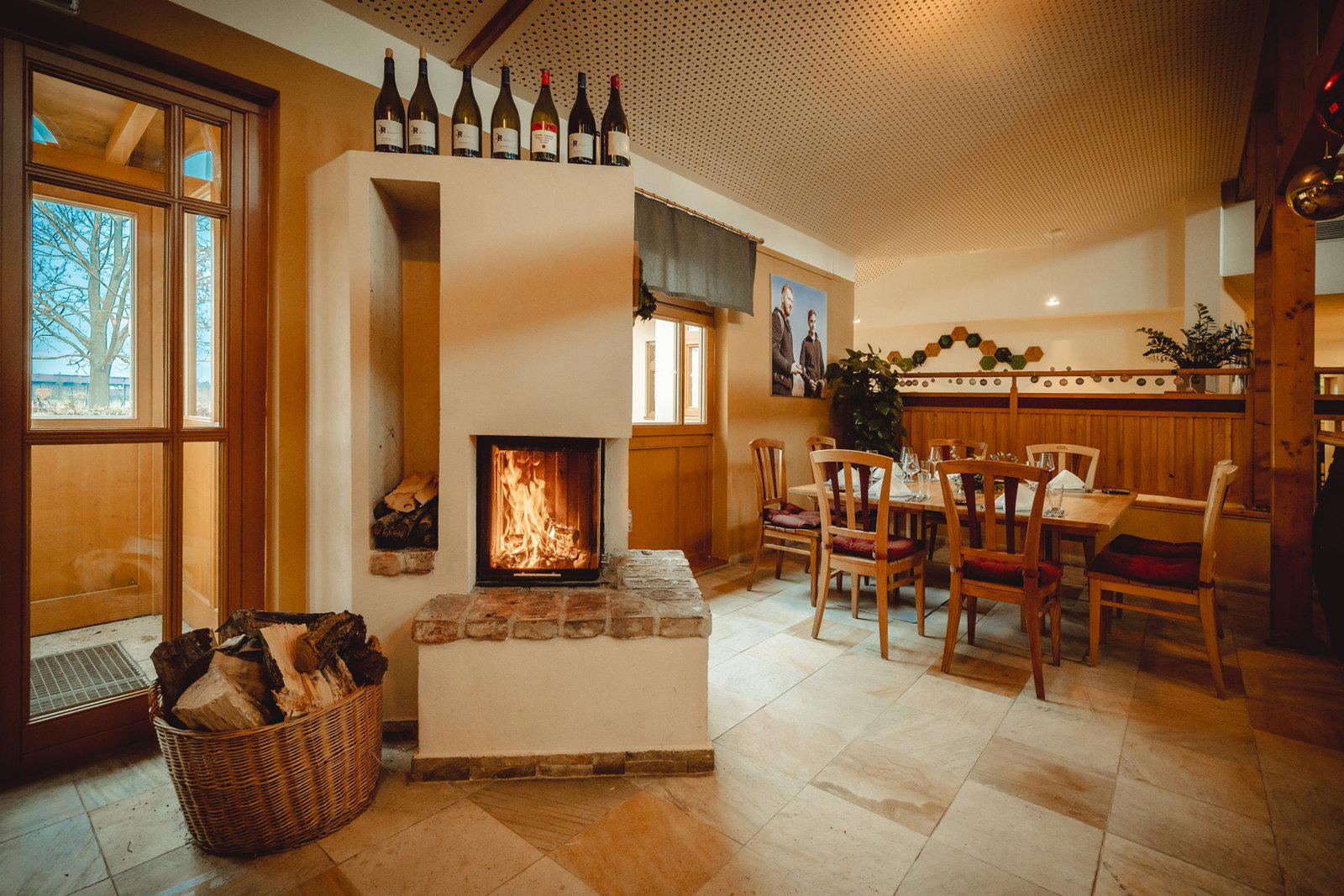
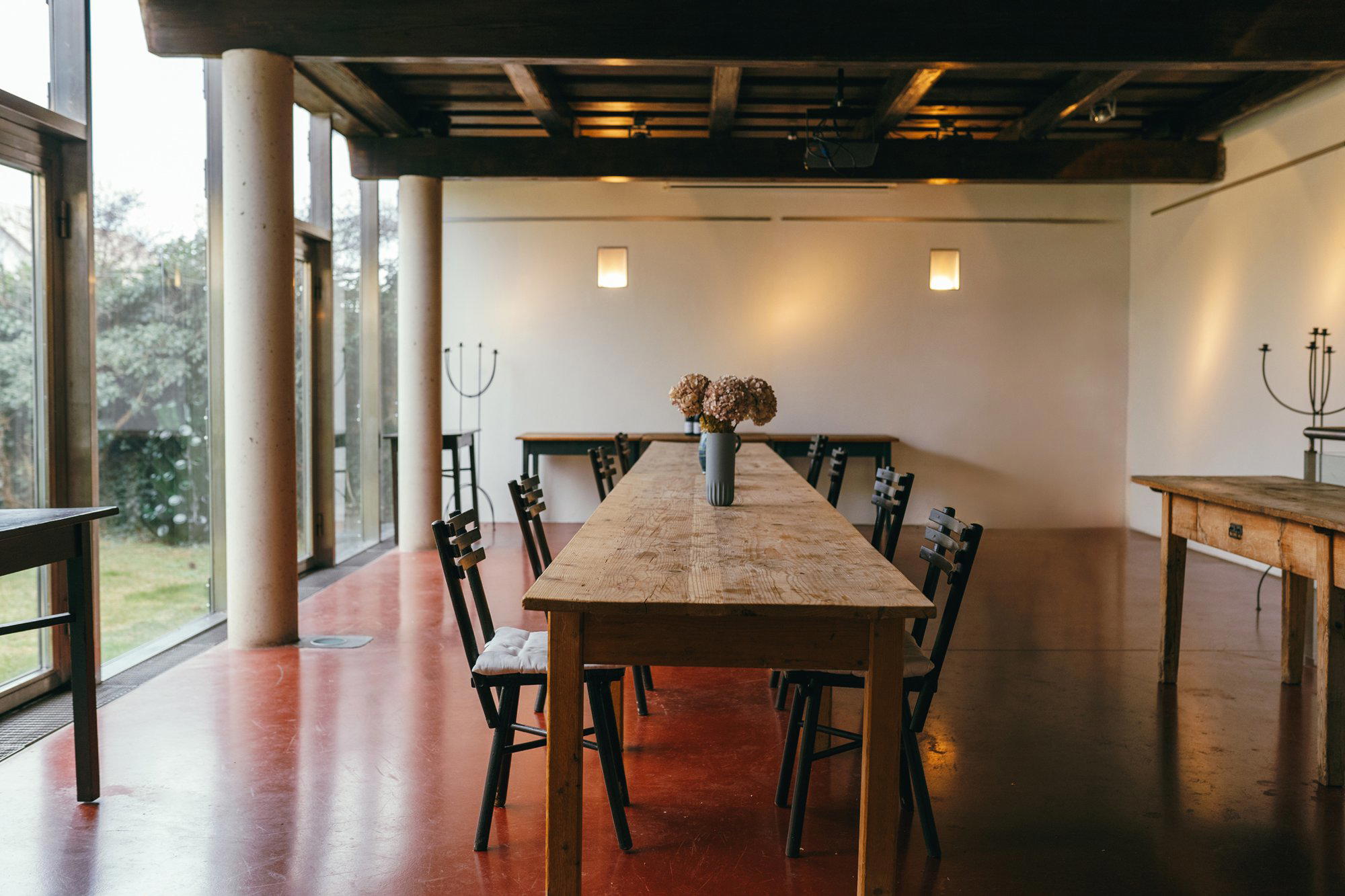
Elegant yet cozy interior with candlelit evening dining and natural daylight during lunch service; sophisticated and comfortable atmosphere that makes guests feel welcomed and special.