Alma Cocina Latina
On North Charles Street in Baltimore, Alma Cocina Latina brings the cooking traditions of Latin America into a dining room that reads as both neighborhood anchor and serious culinary address. The kitchen draws on regional Latin cuisines rather than a single national tradition, making the meal a study in contrast and continuity. For Baltimore diners seeking something outside the city's seafood-and-steakhouse defaults, it represents a distinct alternative.
Pearl is the En Primeur Club membership app — saves, bookings, and concierge access live there. Same editors, same standards.
- Address
- 1701 N Charles St, Baltimore, MD 21201
- Phone
- +16672124273
- Website
- almacocinalatina.com
- Directions
- Get directions
 Saves & bookings on Pearl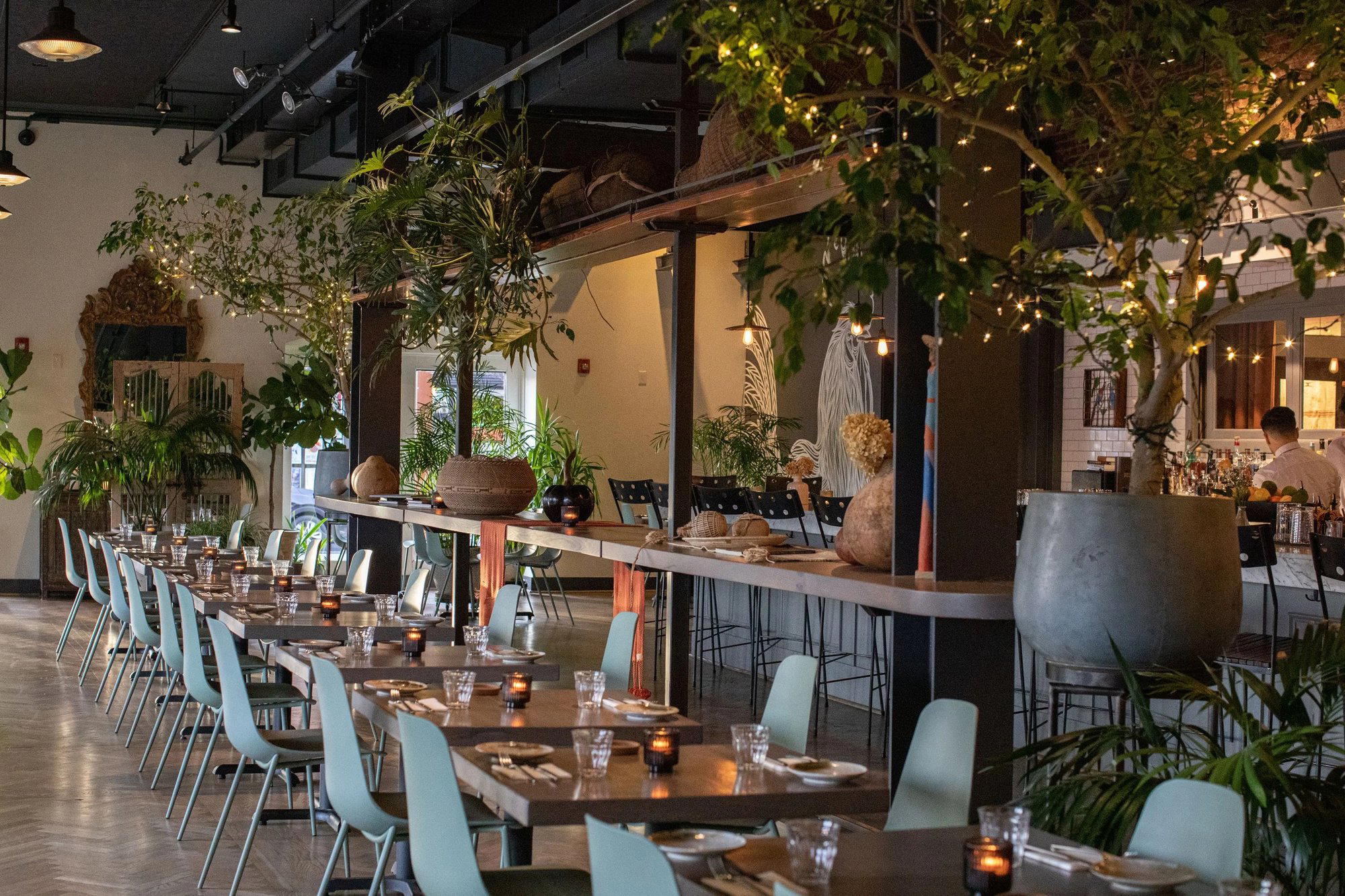
North Charles Street and What It Signals
Baltimore's dining map has long been defined by its harbor perimeter and the Inner Harbor adjacency that shapes so many restaurant decisions. North Charles Street operates on a different logic. The corridor through Charles Village and Station North runs closer to the city's arts and university infrastructure, and the restaurants that take root here tend to reflect that: less tourist-facing, more settled into the neighborhood's rhythm. Alma Cocina Latina, at 1701 N Charles St, sits in that context — a Latin-focused kitchen in a part of the city where the dining culture rewards regularity over occasion dining.
That address matters because it shapes the pace of the experience before you walk in. This is not a restaurant built around a waterfront view or a festival-weekend surge. The atmosphere signals commitment to the neighborhood rather than the visitor economy, and that distinction tends to show up in how the room is run and how the kitchen is staffed over time.
The Ritual of a Latin Table
Latin American dining traditions are rarely organized around the single-protein-with-sides model that dominates much of American restaurant culture. At their most expressive, they work through accumulation: small plates that arrive at intervals, dishes designed to be shared rather than parceled out, and a meal structure where the boundary between a first and second course is negotiated at the table rather than predetermined by the kitchen. The ritual is inherently social and paced differently from a European tasting menu or a quick-service Latin fast-casual operation.
What distinguishes the serious Latin kitchens in American cities from their more casual counterparts is how deliberately they hold that structure. The better rooms understand that arepas, ceviches, and braised proteins are not interchangeable components of a pan-Latin greatest-hits menu but carry distinct regional identities: Venezuelan versus Colombian versus coastal Peruvian versus Mexican interior. A kitchen that treats those distinctions seriously produces a different kind of meal than one that flattens them into a single aesthetic. Baltimore's Latin dining options have historically skewed toward the casual end of that spectrum — places like Clavel operate at a taqueria register, which makes a more composed Latin offering on North Charles Street occupy a distinct position in the city's dining order.
How the Meal is Likely to Move
In Latin restaurant formats that operate above the casual tier, the meal tends to open with cold preparations, ceviches, tiraditos, or pickled vegetable dishes that function as a palate-setting course, before moving toward heartier, braised, or roasted items. Drinks are integrated into the meal structure rather than treated as a pre-dinner preamble: whether that means aguardiente, pisco, or a well-built rum program, the beverage list in a serious Latin room is not an afterthought.
The etiquette of sharing, in these spaces, is assumed rather than explained. A table that orders individually, parsing each plate as a personal portion, will move through a Latin menu less fluidly than one that orders for the center of the table and negotiates pacing as the meal progresses. For diners accustomed to more structured European or Japanese tasting formats, the kind of experience you find at Atomix in New York City or Atelier Moessmer Norbert Niederkofler in Brunico, the relative informality of a Latin sharing table can feel like a relief: fewer rules, more conversation, the meal as an ongoing negotiation rather than a choreographed sequence.
Baltimore's Wider Restaurant Context
Baltimore punches at a particular weight in American dining conversations. It is not a city with the density of recognized fine-dining institutions that you find in Chicago (where Smyth anchors a deep serious-dining tier) or in coastal California (where The French Laundry in Napa, Single Thread Farm in Healdsburg, and Providence in Los Angeles set a particular register). Nor does it have the institutional weight of The Inn at Little Washington two hours to the southwest. What it does have is a cluster of independently operated kitchens with strong neighborhood roots and genuine culinary points of view.
On that map, Cindy Wolf's Charleston holds the formal fine-dining position. dede (Turkish) and Akbar anchor the city's international-cuisine tier. Angeli's Pizzeria and 16 On The Park serve different neighborhood registers. Alma Cocina Latina occupies the Latin-focused slot in that mix, and given how thin that category runs in Baltimore's more serious dining tier, its position is fairly uncontested at the top of that particular column. See our full Baltimore restaurants guide for the broader picture.
By comparison, cities with deeper Latin fine-dining traditions, think New Orleans, where Emeril's helped establish a template for regional American cooking that absorbs Latin influence, or New York, where Venezuelan, Peruvian, and Colombian kitchens have built serious institutional reputations, present a different competitive field. Le Bernardin and Blue Hill at Stone Barns in Tarrytown operate in a different category entirely, but they illustrate how the top tier of American dining has gradually absorbed non-European regional traditions into serious restaurant formats. Addison in San Diego and Lazy Bear in San Francisco each demonstrate how a strong regional identity, pursued consistently, builds long-term dining credibility. Alma Cocina Latina is working toward a version of that in Baltimore.
Planning Your Visit
Alma Cocina Latina is located at 1701 N Charles St in Baltimore's Charles Village neighborhood, accessible by the Light Rail's Mount Royal station and walkable from several of the city's university campuses. For a kitchen operating in this format, calling ahead or checking availability before arrival is advisable, Latin-focused restaurants at this tier tend to draw a loyal regular base that fills midweek tables more reliably than the dining public sometimes assumes. Current hours, reservation availability, and any updated menu information are best confirmed directly with the restaurant, as specific operational details were not available at the time of publication.
How Alma Cocina Latina Baltimore compares with similar nearby venues.
| Venue | Cuisine |
|---|---|
| LE COMPTOIR DU VIN | Wine Bar |
Continue exploring
More in Baltimore
Restaurants in Baltimore
Browse all →
Bars in Baltimore
Browse all →
At a Glance
- Cozy
- Elegant
- Trendy
- Date Night
- Business Dinner
- Special Occasion
- Open Kitchen
- Craft Cocktails
- Extensive Wine List
- Beer Program
Current opening hours
- Monday
- Closed
- Tuesday
- Closed
- Wednesday
- 5–9 PM
- Thursday
- 5–9 PM
- Friday
- 5–9:30 PM
- Saturday
- 5–9:30 PM
- Sunday
- 5–9 PM
Hours can change for holidays and private events. Last verified .
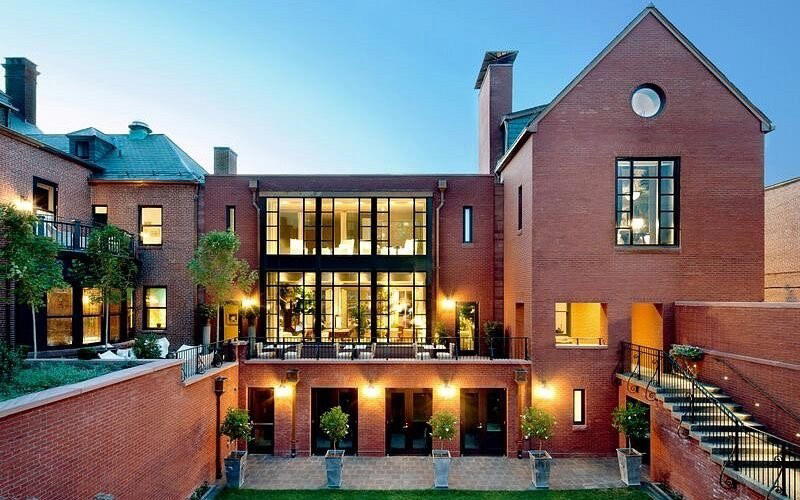
Tropical sophistication with lush plants, high ceilings, airy dining room, and garden-like atmosphere.
Know Before You Go
- Getting there
- 1701 N Charles St, Baltimore, MD 21201