Tabelog 100 #12
Our verdict
Akasaka Ichiryu Bekkan belongs to Tokyo’s late-night Korean dining tradition rather than the city’s tasting-menu economy. Its Tabelog 100 selection for Asian and ethnic cuisine in Tokyo in 2024, compact 26-seat room, and Akasaka setting make it a useful counterpoint to higher-priced yakiniku and Korean tables across the city.

Pearl is the En Primeur Club membership app, where members save venues, book tables and use the concierge.
The menu
What to order
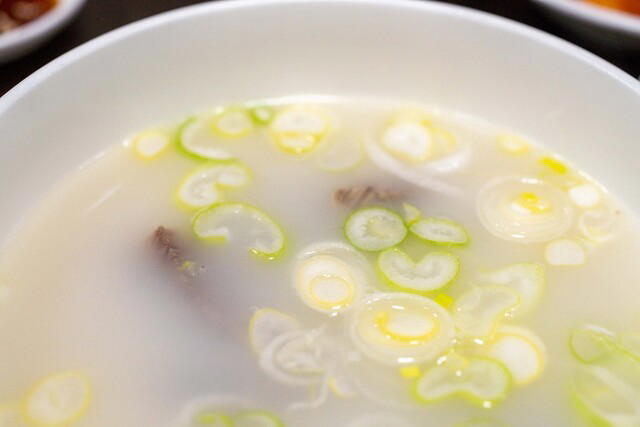
- Seolleongtang (ox bone soup)
- Korean soups
- Banchan set
Akasaka after dark has a particular rhythm: office towers empty, side streets tighten, and the dining mood shifts from client dinners to bowls, grills, shochu, and conversations that run later than planned. Korean restaurants have long had a place in that after-hours Tokyo grammar, especially in districts where business, media, politics, and nightlife overlap. Akasaka Ichiryu Bekkan sits in that register, closer to everyday Korean comfort than ceremony, with a room scaled for proximity rather than spectacle.
The useful way to read this address is not as a chef-led destination in the modern Tokyo sense, but as part of a durable urban category: small Korean houses that serve the city when rigid meal times have dissolved. Tokyo’s prestige dining conversation often concentrates on sushi counters, kaiseki rooms, French tasting menus, and reservation systems. Akasaka’s Korean dining culture works differently. It rewards recurrence, practical hours, compact rooms, and food that can anchor a late meeting, a second dinner, or a meal between trains.
Akasaka's Korean tables serve a different Tokyo clock
Korean food in Tokyo carries several identities at once. Shin-Okubo supplies scale and youth culture; high-end yakiniku rooms compete on beef sourcing and private-room polish; business districts depend on Korean kitchens for stews, rice, grilled meat, and drinking food that does not require a formal arc. Akasaka belongs to the third camp. The neighbourhood’s political and corporate traffic gives restaurants a practical brief: feed regulars, suit small groups, and keep the room intelligible to diners who may be arriving before or after the conventional dinner rush.
That context matters because Akasaka Ichiryu Bekkan is priced and formatted outside the luxury Korean bracket represented by comparison venues such as Yakiniku Horumon Kinju and Yakiniku Horumon Kinju Hanare, both listed at JPY 6,000 to JPY 7,999. Cheongsol also occupies a higher dinner band at JPY 5,000 to JPY 5,999. This address works in a lower everyday tier, while still carrying a 2024 Tabelog 100 selection for Asian and ethnic cuisine in Tokyo and a Tabelog score of 3.65. The combination is the point: recognition without the theatre, accessibility without anonymity.
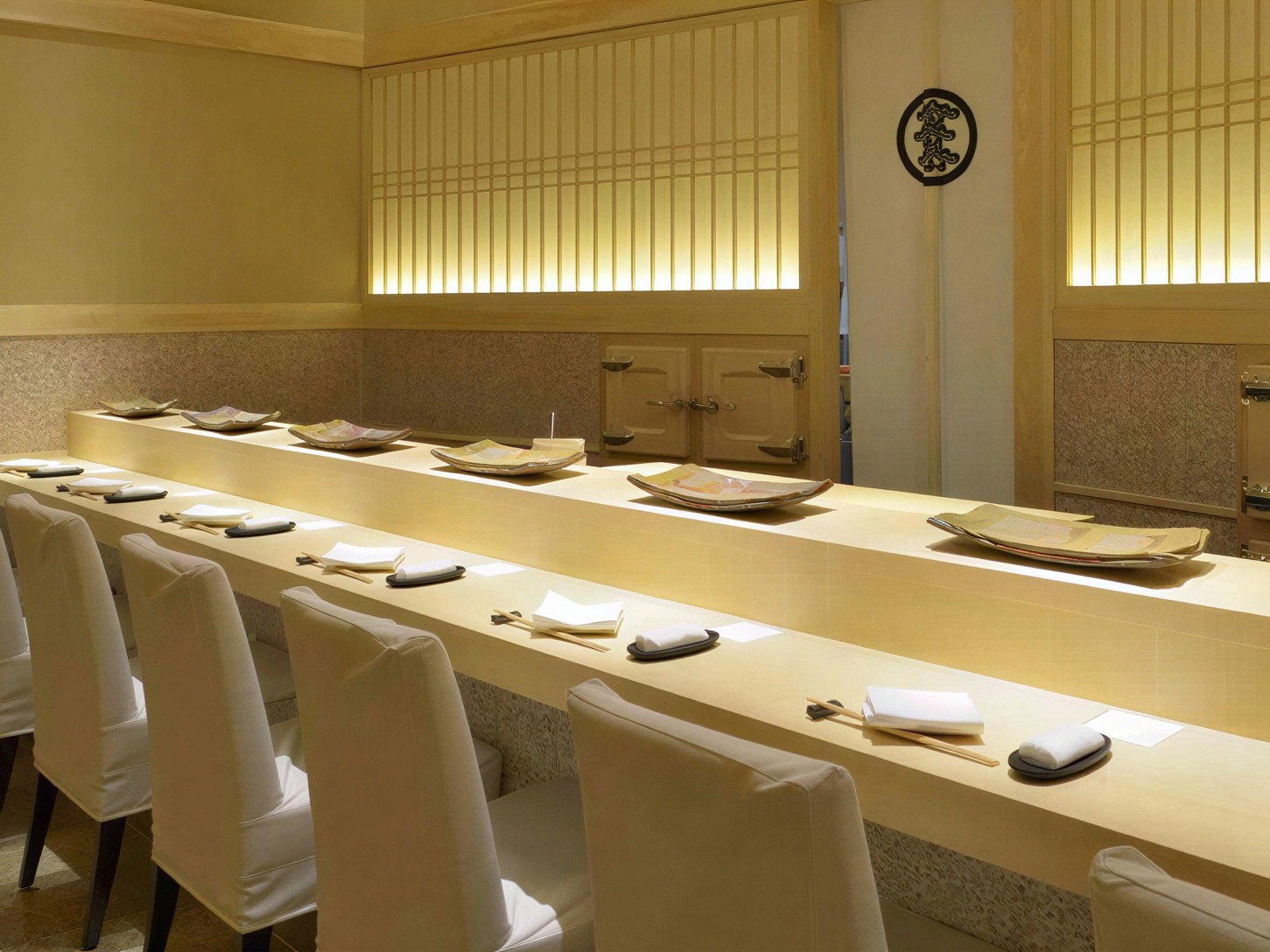
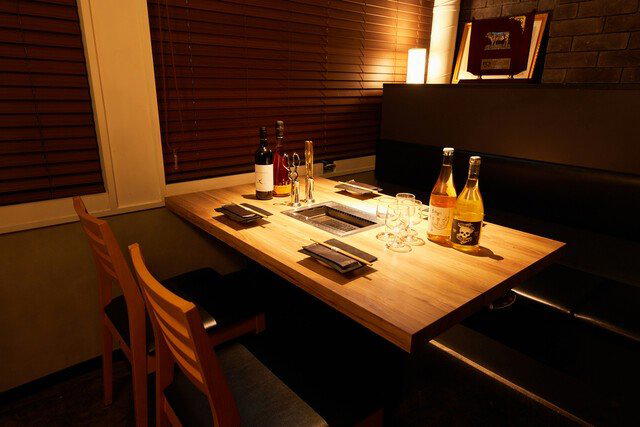
The room reinforces that reading. With 26 seats split between tables and raised-platform seating, it is built for small parties rather than banquet scale. Counter seating and tatami-style space change the social texture: some meals can feel transactional and quick, others more settled, depending on where a party lands. Private rooms and full private use are not part of the format, so the experience belongs to the shared-room tradition that defines much of Tokyo’s stronger casual dining.
Recognition without tasting-menu codes
Tabelog’s Hyakumeiten lists are especially useful in categories that Michelin and international rankings cover unevenly. Asian and ethnic cuisine in Tokyo includes restaurants that rarely fit the Western fine-dining frame but are central to how the city eats. A 2024 selection places Akasaka Ichiryu Bekkan inside that conversation, not as a luxury signal, but as evidence of local traction within a crowded field.
That distinction is important for travellers who arrive in Tokyo with a reservation-led itinerary. The city can make every serious meal feel like a procurement exercise. Korean comfort dining in Akasaka offers another model: less choreography, more utility, and a stronger link to neighbourhood use. The drinking note also points in that direction. Shochu appears as a listed drink category, aligning the meal with Japan’s casual dining and izakaya-adjacent habits rather than a wine-pairing structure.
Compared with French restaurant La Gloire, listed in a higher-price French category, the appeal here is not refinement through courses. Compared with Shiono, which appears in a similar lower budget range, the distinction is cuisine and occasion: Korean food in Akasaka has a different late-night social role than a Japanese sweets or meal stop might have elsewhere in the city. These comparisons help frame the decision. Choose this kind of room when the priority is a recognized, compact Korean table in central Tokyo, not when the evening calls for a long-form tasting menu or a private-room business dinner.
How to place it in a Tokyo itinerary
Akasaka is practical rather than picturesque, and that is part of its value. It connects easily to Roppongi, Nagatacho, Toranomon, and central hotel zones, so a Korean meal here can sit between meetings, bars, or a later cross-town plan. The nearest-station context also suits diners who prefer to build evenings by rail rather than taxis. This is a Tokyo pattern worth understanding: some of the city’s more useful restaurants are not in neighbourhoods marketed for leisure, but in districts that feed people who work late and move quickly.
For a broader dining map, start with Our full Tokyo restaurants guide, then use nearby contrasts to sharpen the choice. Casual and genre-specific Tokyo addresses such as . 鮪と炭火焼き うお炭 秋葉原店, 12/10 Shinjuku ten, 124. KAGURAZAKA (Yakitori), 2D Cafe, and 3 Chome no Curry Ya San show how wide the city’s non-tasting-menu spectrum runs. Travellers building a fuller stay can pair that with Our full Tokyo hotels guide, Our full Tokyo bars guide, Our full Tokyo wineries guide, and Our full Tokyo experiences guide.
The wider Japan map matters too, because regional expectations shift sharply outside Tokyo. Compare this Akasaka format with -Grilled beef Sukiyaki- KAMAKURA TANUKIAN 鎌倉 たぬき庵 in Kamakura.cafe in Osaka.know in Kumamoto, (Shoku) Vietnam in Kawasaki, [Curry Senmon Ten] Maruyama Kyoju. in Sapporo, and [ki:] in Kyoto. For Japanese food culture interpreted abroad, Jōdo Saké Bar in Los Angeles and Onigiri Time in Pasadena sit in a different diaspora context. Akasaka Ichiryu Bekkan is more local in function: small, central, recognized, and tied to the city’s working-night appetite.
Frequently asked questions
How do I find Akasaka Ichiryu Bekkan?
Akasaka Ichiryu Bekkan is located in Tokyo.
What are Akasaka Ichiryu Bekkan's hours?
Hours at Akasaka Ichiryu Bekkan: Mon: Open 24 hours; Tue: Open 24 hours; Wed: Open 24 hours; Thu: Open 24 hours; Fri: Open 24 hours; Sat: Open 24 hours; Sun: Open 24 hours.
How much does it cost to eat at Akasaka Ichiryu Bekkan?
Pricing at Akasaka Ichiryu Bekkan is listed as JPY 1,000 - JPY 1,999 JPY 1,000 - JPY 1,999 View spending breakdown.
What makes Akasaka Ichiryu Bekkan worth seeking out?
It was selected for Tabelog 100 2024 in the Asian cuisine / Ethnic cuisine Tokyo category, which gives it clear editorial weight. The Akasaka address, 26-seat room, and 24-hour schedule make it a practical Korean option in central Tokyo rather than a special-occasion room.
Can Akasaka Ichiryu Bekkan adjust for dietary needs?
Those details are not published. For any restriction, the address is Japan, 〒107-0052 Tokyo, Minato City, Akasaka, 2 Chome−13−17 シントミ赤坂第2ビル 1F, which is the point of contact for in-person checks. Check the venue's official channels for the latest details.
Is Akasaka Ichiryu Bekkan good for families?
The room has 26 seats, including tables and a raised platform, and the venue is marked non-smoking, which helps with mixed-age groups. It is also open 24 hours every day in Akasaka, so families can fit it around arrivals, errands, or late schedules.
Booking and Cost Snapshot
Comparable venues by cuisine and price in the same metro.
| Venue | Cuisine | Price | Awards | Notes |
|---|---|---|---|---|
| Akasaka Ichiryu BekkanThis venue (the venue you are viewing) | 24-hour Korean seolleongtang & soup house | $20–30 | Tabelog 100 #12 | Not listed |
| Simon | Korean Home-Style Restaurant | $30–50 | Tabelog 100 #81 | Minato, Korean Home-Style Restaurant |
| Korean Dun | Homestyle Korean & Yakiniku | Not listed | Tabelog 100 #5 | Chūō, Homestyle Korean & Yakiniku |
| 泉州屋台 | Thai Street Food | $10–20 | Not listed | Shibakoen, Thai Street Food |
| Mr Cheesecake | Cheesecake Specialty Café | $10–20 | Not listed | Ginza, Cheesecake Specialty Café |
| SAVOY Classic (SAVOY クラシック) | Neapolitan Pizza | $20–30 | Not listed | Azabu Juban, Neapolitan Pizza |
Recognition history
Dated appearances from independent guides and award organizations, with the underlying list record or original source where available.
Tabelog 100 #12 · No. 12
Tabelog · Tabelog 100 - Asian cuisine / Ethnic cuisine - TOKYO - 2024