Ajisan Ramen
Our verdict
Ajisan Ramen sits on Coolsingel at the commercial centre of Rotterdam, where the city's instinct for imported technique meets a dining culture shaped by decades of global migration. The bowl format positions it well below the city's €€€€ fine-dining tier occupied by Parkheuvel and FG, offering a sharply different entry point into Rotterdam's food scene for those who want depth without a tasting-menu commitment.

Pearl is the En Primeur Club membership app — saves, bookings, and concierge access live there. Same editors, same standards.
The menu
What to order
- Tokyo Classic Ramen
- Spicy Yokohama Tonkotsu
- Creamy Chicken Ramen
Rotterdam's Ramen Position: Between Port Tradition and Japanese Craft
Rotterdam has always absorbed technique from elsewhere. The port that rebuilt itself after 1945 with modernist ambition rather than heritage pastiche is also a city where global culinary methods arrived early and stayed. Japanese ramen, in that context, is not a novelty import in Rotterdam — it sits inside a broader pattern of the city treating outside traditions with the same seriousness it brings to Dutch produce. Ajisan Ramen, addressed on Coolsingel at the commercial spine of the centre, occupies that intersection: a format defined in Japan, planted in a Dutch city that has been reprocessing foreign culinary ideas for generations.
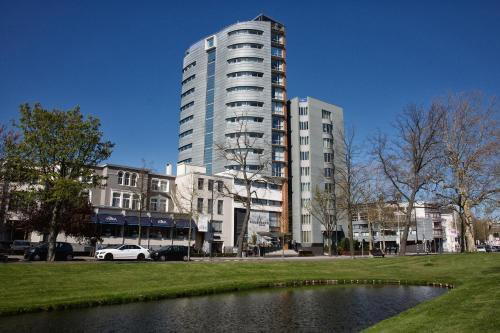
The Coolsingel address matters more than it might first appear. This is not a side-street ramen counter tucked near a university. It sits on one of Rotterdam's main arteries, a boulevard that connects the Stadhuis end of the centre toward the rebuilt postwar grid. The surrounding area draws office workers at lunch, shoppers through the afternoon, and a dinner crowd that has easy access from Rotterdam Centraal, roughly ten minutes on foot. That position means Ajisan Ramen operates in a genuinely mixed-use traffic zone rather than a destination-only location, which tends to shape both the pace of service and the composition of the room.
Where Ramen Fits in Rotterdam's Dining Tier
Rotterdam's fine-dining tier is anchored by a cluster of €€€€ addresses — Parkheuvel, FG - François Geurds, Fred, and Amarone, all operating multi-course formats with significant per-head spend. The Fitzgerald occupies similar territory with a Modern French approach. Ajisan Ramen sits in an entirely different bracket. Ramen, even when executed with serious intent, prices far below tasting-menu territory, which means it is competing on a different axis: bowl craft, broth depth, and throughput rather than course progression and wine pairing.
That separation is useful for the reader making a Rotterdam itinerary decision. If you are already planning a night at one of the €€€€ addresses, Ajisan Ramen answers a different question, a weekday lunch, a low-commitment dinner after a museum afternoon, or a calibration meal to understand what the city's mid-range food culture actually looks like from the inside.
The Netherlands has developed a genuine ramen culture over the past decade, concentrated in Amsterdam but present in Rotterdam and other port cities. The driving logic is not simple nostalgia for Japanese expatriates, it is a broader hospitality shift where European cities have treated ramen the way an earlier generation treated sushi: first as novelty, then as a format serious enough to support craft ambition. Dutch operators in this space have increasingly sourced Dutch-grown aromatics and proteins while retaining the broth-construction logic imported from Japan, creating a local-ingredients-global-technique dynamic that mirrors what the Michelin-level Dutch restaurants do at the high end. De Nieuwe Winkel in Nijmegen and De Lindehof in Nuenen represent the fine-dining expression of Dutch produce taken seriously; ramen counters like Ajisan work in a different register but engage with the same fundamental question of what happens when Japanese method meets Dutch ingredients.
The Format and What It Signals
Ramen as a format rewards the kitchen that treats broth as a long project. A shoyu, tonkotsu, or shio base requires hours of reduction and precise fat management, processes that are invisible to the diner but immediately legible in the bowl. The distinction between a ramen counter running serious stock work and one relying on concentrate is apparent within the first few spoonfuls, in the way the broth coats the noodle and builds rather than flattens across the palate. Rotterdam diners who have tracked the city's ramen options over time have developed expectations that match what more established markets in Amsterdam and abroad have set.
Internationally, the reference point for ramen as serious craft has moved well beyond Japan's own geographic borders. Lazy Bear in San Francisco and the broader American chef-driven bowl movement demonstrated that Japanese formats could sustain genuine culinary ambition outside their home market. In Europe, the same logic has played out in London, Paris, and increasingly in Dutch cities. The question for any ramen operation in Rotterdam is where it sits on the craft spectrum, which is harder to assess from public data alone than it is for a Michelin-flagged address like De Librije in Zwolle or Inter Scaldes in Kruiningen, where credentialling is explicit.
The Netherlands' Broader Ramen and Asian Dining Context
The Netherlands has a longer relationship with Asian cuisine than most Western European nations, a function of its colonial history with Indonesia and the subsequent migration patterns that shaped Dutch food culture from the postwar period onward. That history gave Dutch diners an earlier and more calibrated exposure to umami-forward cooking than their French or German counterparts. Ramen, arriving later, landed in a market that already understood fermented depth and broth complexity in ways that made adoption faster than the novelty arc might suggest.
Rotterdam specifically has a higher proportion of residents with Asian heritage than the national average, which creates a more demanding baseline audience for Asian food formats. A ramen counter on Coolsingel is not operating for tourists alone, it is operating in a city where a portion of the room will have eaten ramen in Japan or in more established ramen cities, and will notice the difference between a careful and a careless bowl. That context shapes the competitive pressure even for a mid-range format. Dutch venues at the fine-dining end, Brut172 in Reijmerstok and De Bokkedoorns in Overveen among them, have built reputations around exactness and ingredient sourcing. The same standard, applied informally, shapes how Rotterdam eaters assess a ramen bowl.
Planning a Visit
Ajisan Ramen is located at Coolsingel 123, 3012 AG Rotterdam, making it walkable from Rotterdam Centraal in under fifteen minutes through the rebuilt city centre. The Coolsingel location is well-served by tram and sits near the main shopping district, which means access is direct without a car. As with most mid-range ramen operations, peak lunch hours on weekdays are the highest-volume window; arriving slightly before or after the noon-to-one rush typically means a shorter wait. For readers building a wider Rotterdam itinerary, our full Rotterdam restaurants guide maps the city's dining options from the €€€€ fine-dining tier through the neighbourhood mid-range, including options in the Tribeca in Heeze price bracket for regional day-trip comparisons, and fine-dining reference points further afield such as De Groene Lantaarn in Staphorst, De Lindenhof in Giethoorn, and De Treeswijkhoeve in Waalre. For a global calibration of what seafood-focused craft cooking looks like at its most disciplined, Le Bernardin in New York City sets the international benchmark against which European mid-range ambition is often measured.
Frequently asked questions
Would Ajisan Ramen be comfortable with kids?
Ramen shops in general tend to suit families better than formal multi-course restaurants — bowls arrive relatively quickly, portions are adaptable, and the format is casual. Ajisan Ramen sits at Coolsingel 123 in central Rotterdam, a commercial strip with the kind of foot traffic that suggests a relaxed, inclusive atmosphere rather than a hushed dining room.
What's the vibe at Ajisan Ramen?
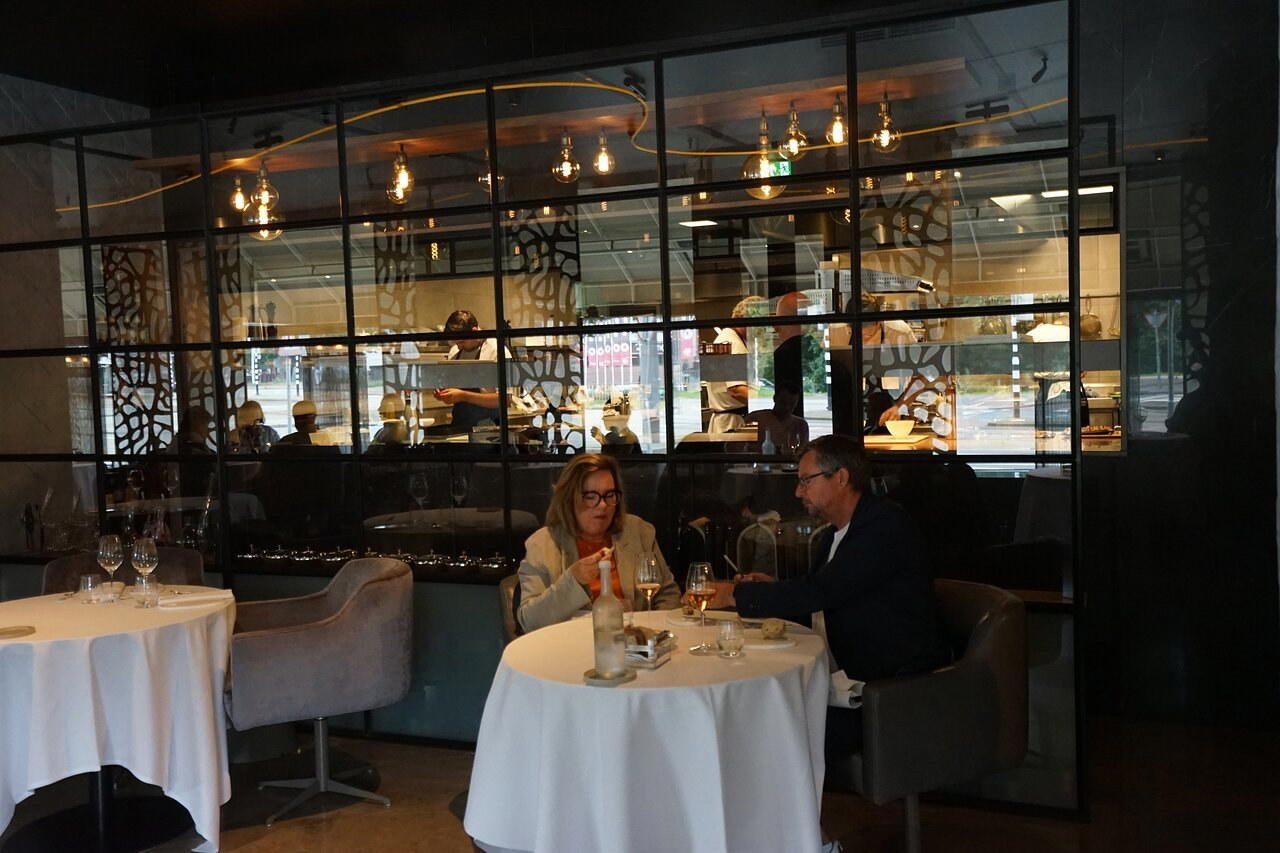
The address on Coolsingel puts Ajisan Ramen in one of Rotterdam's busiest central corridors, a rebuilt postwar street with a mix of retail and hospitality. Ramen as a format typically produces a counter-oriented, relatively informal setting where the focus is the bowl rather than the occasion.
Is Ajisan Ramen a good option for a meal near Rotterdam Centraal station?
Ajisan Ramen's address at Coolsingel 123, 3012 AG Rotterdam places it within a walkable distance of Rotterdam Centraal, making it a practical stop before or after train travel. Rotterdam's city centre dining options range from Michelin-level tasting menus to casual formats, and a ramen shop at this address fills the middle ground between quick street food and formal dining. No travel time is confirmed to the minute, but Coolsingel is one of the city's main arteries connecting the station district to the waterfront.
What dish is Ajisan Ramen famous for?
The name 'Ajisan' references the Japanese word for flavour or taste, which in ramen contexts often signals an orientation toward broth quality. Rotterdam's ramen scene sits within the Netherlands' broader Asian dining tradition, shaped in part by the country's long culinary relationship with Japan and Southeast Asia, but specific menu details for Ajisan require confirmation directly with the venue.
What's the address for Ajisan Ramen?
Ajisan Ramen is located at Coolsingel 123, 3012 AG Rotterdam, Netherlands, Rotterdam.
How hard is it to get a table at Ajisan Ramen?
No booking policy or reservation system is documented for Ajisan Ramen. Ramen shops on busy city-centre streets like Coolsingel typically operate on a walk-in basis rather than weeks-ahead reservations, though peak lunch and dinner hours on weekends can produce queues at well-regarded spots. Checking current availability directly is advisable before a special trip.
Recognition Snapshot
| Venue | Cuisine | Price | Awards | Notes |
|---|---|---|---|---|
| Ajisan RamenThis venue — the venue you are viewing | Authentic Japanese Ramen | $10–20 | Not listed | Not listed |
| FG - François Geurds | Modern French Molecular Gastronomy | $100–150 | 2 Michelin Stars · La Liste Top Restaurants | Creative |
| Fred | Modern French Fine Dining | $200–300 | 2 Michelin Stars · La Liste Top Restaurants | Creative French |
| Parkheuvel | Modern French Fine Dining | $200–300 | 2 Michelin Stars · La Liste Top Restaurants | Modern Cuisine |
| Joelia | Modern French Fine Dining | Not listed | 1 Michelin Star | Modern French |
| Tres | Progressive Dutch Fine Dining | $200–300 | Michelin Plate · The Best Chef One Knife | Country cooking |