

Tabelog Silver #3
Our verdict
Ajiman is Roppongi's referral-only fugu counter, holding a Tabelog Silver Award in 2026 with a score of 4.27 and ranked among Japan's top 200 restaurants by Opinionated About Dining across three consecutive years. Twelve seats, cash only, closed through the summer months, and accessible only through an introducer, this is fugu dining at its most deliberately restricted.

Pearl is the En Primeur Club membership app, where members save venues, book tables and use the concierge.
The menu
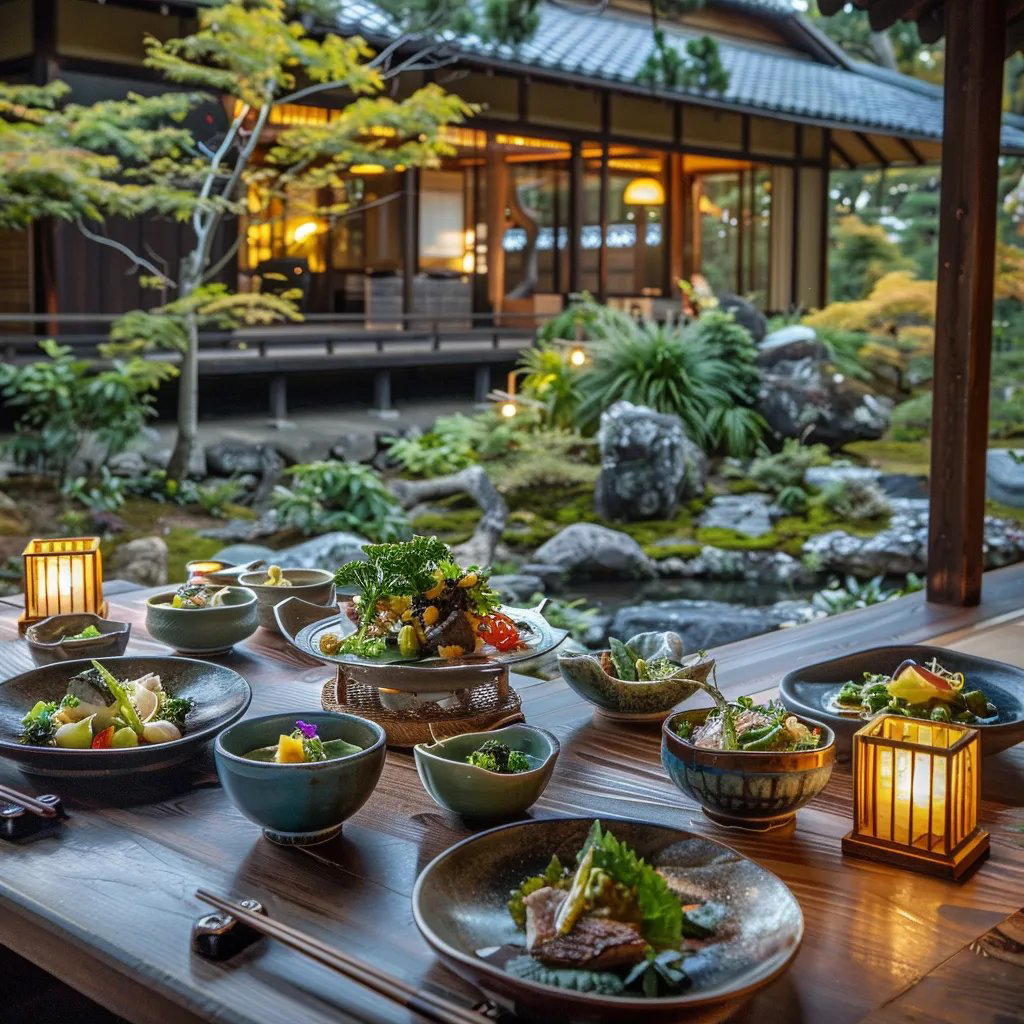
What to order
- Fugu sashimi
- Fugu shirako
- Fried fugu
- Tecchiri
Fugu in Roppongi: A Tradition Built on Restriction
Tokyo's fugu restaurants occupy a narrower tier than its sushi or kaiseki scene, shaped by licensing requirements, seasonality, and a culture of access that has never fully opened to casual walk-ins. At the upper end of that tier, a handful of counters operate on referral systems, limited seat counts, and price points that push into the JPY 80,000–99,999 range per dinner. Ajiman, on the ground floor of the WOO Building in Roppongi's 3-chome district, sits firmly in that bracket, 12 seats, counter and tatami room configurations, open only from 18:00, and reachable only if someone already known to the house makes the introduction.
That access structure is not unusual for this tier of Tokyo dining. What distinguishes Ajiman within it is the consistency of recognition over time. The Tabelog Award, Japan's most widely referenced peer-reviewed restaurant honour, has listed Ajiman as a Silver or Bronze winner in every year from 2019 through 2026, with Silver awarded in 2019, 2020, 2022, and again in 2026. The current Tabelog score of 4.27, combined with Opinionated About Dining rankings placing Ajiman at #139 in Japan in 2023, #207 in 2024, and #184 in 2025, describes a restaurant that has held a consistent position across different evaluative frameworks over several years. That kind of longitudinal recognition, across both crowd-sourced and editorially curated systems, signals something more durable than a single strong season.
The Arc of a Fugu Meal
Fugu's culinary logic is inseparable from its regulatory one. In Japan, only licensed chefs may prepare torafugu (tiger pufferfish), and the preparation sequence is governed as much by safety protocol as by culinary tradition. The multi-course structure of a high-end fugu dinner, typically moving from sashimi (tessa) through hot pot (tecchiri) and on to rice porridge (zosui) made from the remaining broth, follows a progression that has remained largely stable for generations. At a 12-seat counter operating in the JPY 80,000–99,999 range, each stage of that arc receives the level of attention that the price point implies.
Tessa, the fugu sashimi course, defines the opening register of the meal. The fish is sliced thin enough to allow the pattern of the plate beneath it to show through, arranged in a circular composition known as kiku-mori, and eaten with ponzu and condiments rather than soy sauce. The texture is firm and clean, with none of the fatty richness of tuna or the assertive iodine of shellfish, fugu's restraint at the table mirrors the restraint required to prepare it. The progression toward tecchiri shifts the register entirely: the hot pot introduces depth and warmth, drawing out the collagen from the fish's skin and bones into a broth that becomes the base for the meal's final act. Zosui, the rice course, closes the sequence by absorbing that accumulated broth, transforming the residue of the meal into its conclusion. It is a structure designed to use the ingredient completely and leave nothing unresolved.
This arc, from cold precision through communal warmth to a closing bowl, is one of the more coherent narrative structures in Japanese dining, and it rewards the kind of unhurried pace that a 12-seat room from 18:00 onwards is built to support. Ajiman's counter and tatami configurations accommodate both the solitary diner and small groups, with private rooms available for parties of two through to twenty.
Where Ajiman Sits in Tokyo's Premium Dining Tier
Tokyo's highest-rated restaurants are not a monolith. The city's leading dining tier includes three-Michelin-star sushi counters like Harutaka, French kitchens like L'Effervescence, and kaiseki houses like RyuGin, each operating within a different culinary tradition and competitive set. Fugu specialists occupy their own distinct corner of that map, where the category credential (the license, the ingredient, the tradition) carries as much weight as the individual kitchen's technique. Within the fugu-specialist tier, Ajiman's direct peers include counters like Fugu Fukuji and Usukifugu Yamadaya, both of which operate at comparable price points and recognition levels.
Compared to those peers, Ajiman's Roppongi address is worth noting. Roppongi has long functioned as one of Tokyo's more internationally frequented districts, drawing a mix of business diners, long-term expatriates, and hotel-based visitors alongside local regulars. A fugu counter at this price point in this neighbourhood serves a clientele that likely includes people for whom the referral condition is already familiar, the kind of access structure common across Tokyo's most restricted dining rooms.
For context on how premium Japanese dining at this level compares across cities, Opinionated About Dining's broader Japan rankings place kitchens like HAJIME in Osaka, Gion Sasaki in Kyoto, and Goh in Fukuoka in the same evaluative universe, a useful reminder that Tokyo's premium tier, while deep, sits within a national conversation about what Japanese fine dining means at its most committed level.
Planning a Visit: What to Know Before You Go
The practical requirements at Ajiman are specific enough to warrant careful preparation. The restaurant is reservation-only, and reservations require an introducer, someone already known to the house who can vouch for a new guest. This is a condition of access, not merely a suggestion, and visitors who arrive without an established connection will not be able to book through conventional channels. The address, WOO Building, 1F, Roppongi 3-8-8, Minato City, places Ajiman roughly ten minutes on foot from Roppongi Station, accessible via both the Tokyo Metro Hibiya Line and the Toei Oedo Line.
The kitchen operates on a sharply seasonal calendar. July and August see the restaurant closed entirely; September through March the full schedule runs seven days a week from 18:00 to midnight; April through June the restaurant closes on Sundays. The seasonal contraction reflects fugu's own culinary logic, the fish is at its most prized in the colder months, when lower water temperatures produce firmer, more concentrated flesh. Visiting outside the peak season (roughly October through February) means encountering the ingredient at something other than its natural apex.
Payment is cash only, credit cards, electronic money, and QR code payments are all declined. At a per-dinner spend of JPY 80,000 to JPY 99,999, arriving unprepared for that condition is a material problem. The room is non-smoking throughout, parking is unavailable, and the drink list runs to sake (nihonshu) and shochu, which suits the food's flavour register better than wine would.
Those planning broader itineraries in Tokyo can find further coverage in our full Tokyo restaurants guide, alongside our Tokyo hotels guide, Tokyo bars guide, Tokyo wineries guide, and Tokyo experiences guide. For those extending beyond the capital, comparable dining commitments can be found at akordu in Nara, 1000 in Yokohama, and 6 in Okinawa. For international comparison points where a highly structured, ingredient-driven tasting progression defines the entire dining proposition, Le Bernardin in New York City and Atomix in New York City occupy adjacent territory in their respective markets.
Frequently asked questions
What kind of recognition has Ajiman received?
Ajiman has received recognition including:
What dish is Ajiman famous for?
Ajiman is a dedicated torafugu (tiger pufferfish) specialist: every course on the menu is built around this single, tightly regulated ingredient. Preparation requires a government-issued fugu-handling licence, which limits where this style of cooking appears even within Tokyo's premium dining tier. The restaurant holds a Tabelog Silver Award for 2026 with a score of 4.27, placing it among the most consistently recognised fugu destinations in the city. Dinner is priced at JPY 80,000–99,999 per person, in line with what the classical multi-course fugu format commands at this level.
What time does Ajiman open and close?
Hours at Ajiman: Hours: Monday 6–10:30 pm Tuesday 6–10:30 pm Wednesday 6–10:30 pm Thursday 6–10:30 pm Friday 6–10:30 pm Saturday 6–10:30 pm Sunday 6–10:30 pm.
Where is Ajiman in Tokyo?
Ajiman is located at Japan, 〒106-0032 Tokyo, Minato City, Roppongi, 3 Chome−8−8 六本木WOOビル 六本木WOOビル 1 階, Tokyo.
Fast Comparison
Comparable venues nearby, for context on price, style, and recognition.
| Venue | Cuisine | Price | Awards | Notes |
|---|---|---|---|---|
| AjimanThis venue (the venue you are viewing) | Fugu Specialist | $300–500 | Tabelog Silver #3 | Not listed |
| Kaiseki Ohara | Traditional Kaiseki | $100–150 | Michelin Plate | Shinjuku |
| Vesta | Luxury Japanese Kobe Beef Steakhouse | $500+ | Tabelog Bronze #504 | Chūō |
| Obana | Traditional Edo-mae Unagi | $50–100 | Tabelog Silver #95 | Arakawa |
| Sushi Sugaya | Edomae Omakase Sushi | $300–500 | Tabelog Bronze #426 | Minato |
| Minami Aoyama Nanachome | Premium Yakitori | $200–300 | Tabelog Bronze #309 | Minato |
Recognition history
Dated appearances from independent guides and award organizations, with the underlying list record or original source where available.
Opinionated About Dining Top Restaurants in Japan Highly Recommended
Opinionated About Dining
Tabelog Silver #3
Tabelog
Full recognition history (6 entries)
Opinionated About Dining Top Restaurants in Japan Ranked #184
Opinionated About Dining
Tabelog Bronze
Tabelog
Opinionated About Dining Top Restaurants in Japan Ranked #207
Opinionated About Dining
Opinionated About Dining Top Restaurants in Japan Ranked #139
Opinionated About Dining
Continue exploring
More in Tokyo
More from Chef Various
Browse all →
Restaurants in Tokyo
All restaurants in Tokyo →

Bars in Tokyo
All bars in Tokyo →





Details
- Intimate
- Elegant
- Classic
- Special Occasion
- Business Dinner
- Chefs Counter
- Private Dining
- Sake Program
- Set Menu
- A La Carte
- Counter Dining
- Sake Program
Current opening hours
- Monday
- 6–10:30 PM
- Tuesday
- 6–10:30 PM
- Wednesday
- 6–10:30 PM
- Thursday
- 6–10:30 PM
- Friday
- 6–10:30 PM
- Saturday
- 6–10:30 PM
- Sunday
- 6–10:30 PM
Hours can change for holidays and private events. Last verified .
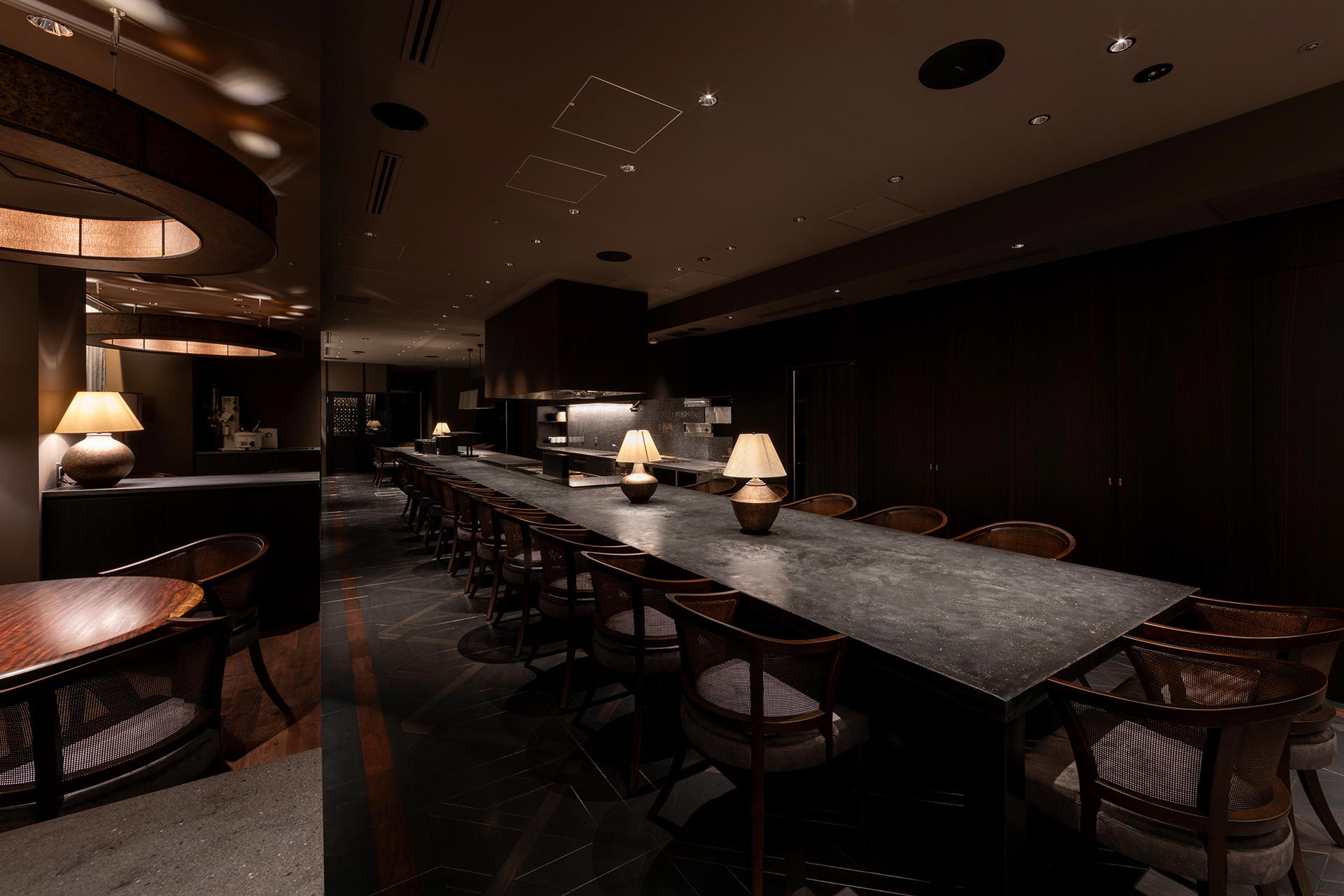
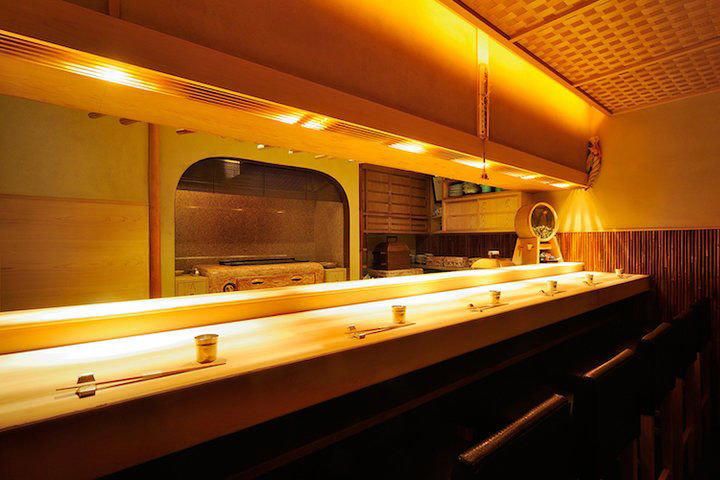
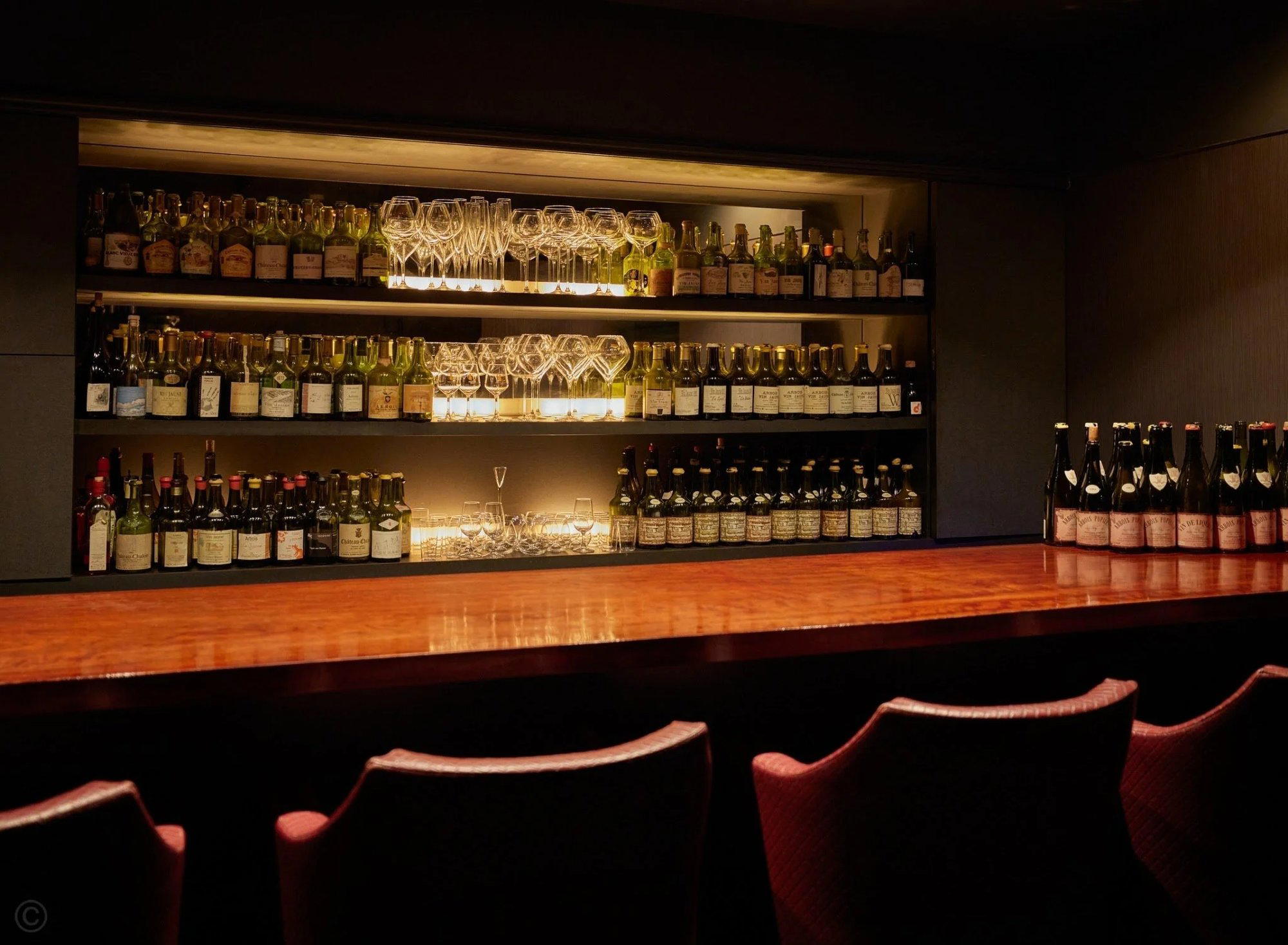
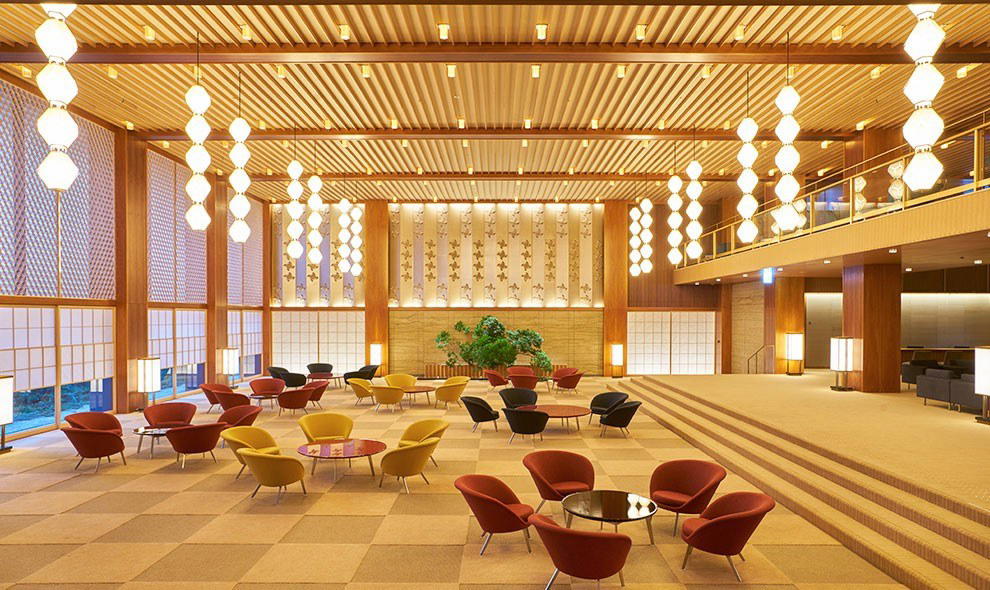
Simple-chic with Showa-era retro interior, intimate counter and tatami private rooms providing a refined, hideout atmosphere.