
On Corso Torino in central Pinerolo, Acaja holds a Michelin Plate for cooking that moves between two distinct registers: the deep larder of Piedmont, anchored by ravioli del plin, cardi gobbi, and local veal, and a fish programme that brings coastal contemporaneity to a firmly landlocked province. The mid-range price point makes it one of the more accessible entries into serious Piedmontese dining in the greater Turin orbit.
Pearl is the En Primeur Club membership app — saves, bookings, and concierge access live there. Same editors, same standards.
- Address
- Corso Torino, 106, 10064 Pinerolo TO, Italy
- Phone
- +39 0121 794727
- Website
- acajaristorante.it
- Directions
- Get directions
 Saves & bookings on Pearl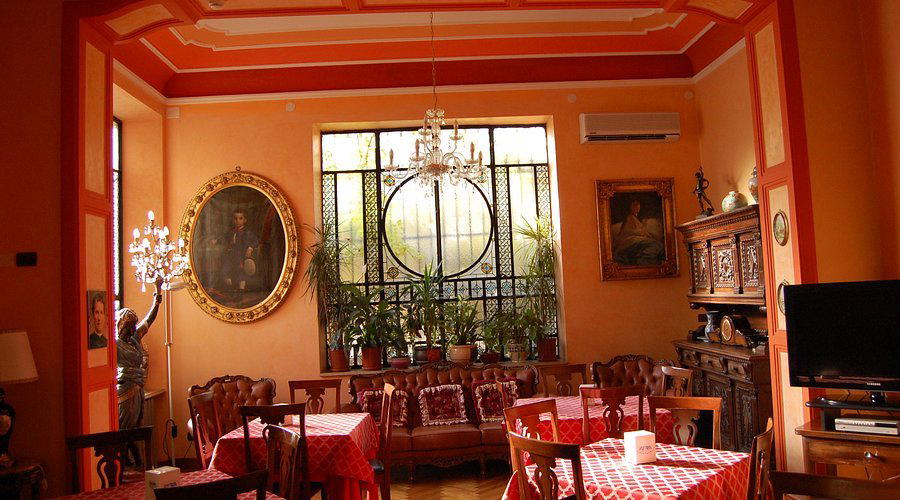
Piedmont at the Table: What Pinerolo's Dining Scene Tells You
Pinerolo sits roughly 40 kilometres south-west of Turin, tucked against the lower Alpine foothills at the edge of the Po plain. It is the kind of mid-sized Piedmontese town where the regional food culture runs deep and relatively undisturbed by the international attention that has reshaped dining in Alba, Barolo, or the Langhe. The restaurants here are not competing for the same tourist euros as Piazza Duomo in Alba or the three-star circuit represented by houses like Dal Pescatore in Runate and Le Calandre in Rubano. That relative remove has preserved something: a more local, less performative relationship with the Piedmontese canon.
Across northern Italy, regional cuisine tends to express itself in one of two ways. There is the museum approach, where tradition is preserved almost archaeologically, and there is the editorial approach, where classic technique and local ingredients are reframed through a contemporary lens. Acaja, on Corso Torino in the centre of Pinerolo, occupies the second position, and its 2025 Michelin Plate recognition marks consistent, recognisable quality rather than experimental ambition.
Two Registers, One Kitchen
The cooking at Acaja moves along two distinct lines. The first is Piedmontese tradition: ravioli del plin, the tiny pinched pasta synonymous with Langhe kitchens; cardi gobbi, the curved cardoon variety cultivated near Nizza Monferrato and eaten fried or baked in the regional style; Fassona or Piedmont veal, which carries its own DOP designation; and hazelnuts from the Cuneo province, the Tonda Gentile variety that supplies the region's confectionery and pastry traditions.
These are not generic Italian ingredients. They are specifically Piedmontese, and their presence on a menu signals a kitchen that is sourcing within a defined geography rather than importing from a national wholesale catalogue. That specificity matters in a region where the food identity is as layered as the wine map. The same agricultural logic that produces Barolo and Barbaresco also produces a larder, white truffles, aged cheeses, game, and the particular fat richness of northern Italian cooking, that is unlike anything on a Neapolitan or Florentine table.
The second line is fish, which is an interesting choice for a restaurant this far from the coast. Landlocked Piedmont has historically compensated for its distance from the sea with preserved fish traditions, bagna caôda uses anchovies, vitello tonnato pairs veal with tuna sauce, but fresh fish cookery is a more recent addition to the regional repertoire. Acaja's fish dishes bring a contemporary touch, grounded in good raw materials rather than elaborate technique. For comparison, coastal Italian restaurants that have made a signature of fish at this level include Uliassi in Senigallia and Quattro Passi in Marina del Cantone, both working at higher price and ambition levels. Acaja sits well below that tier, but the intent, quality sourcing, modern presentation, shares the same orientation.
The Room and the Setting
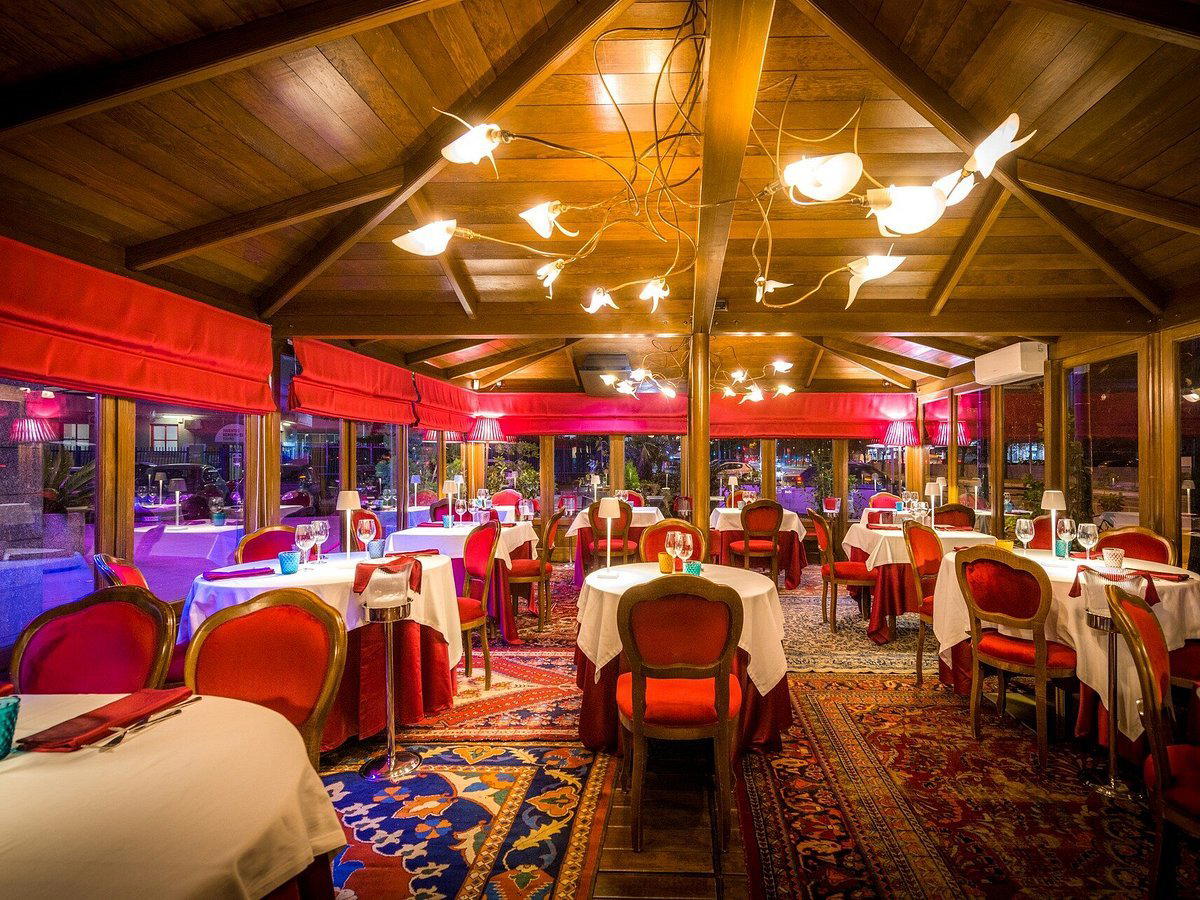
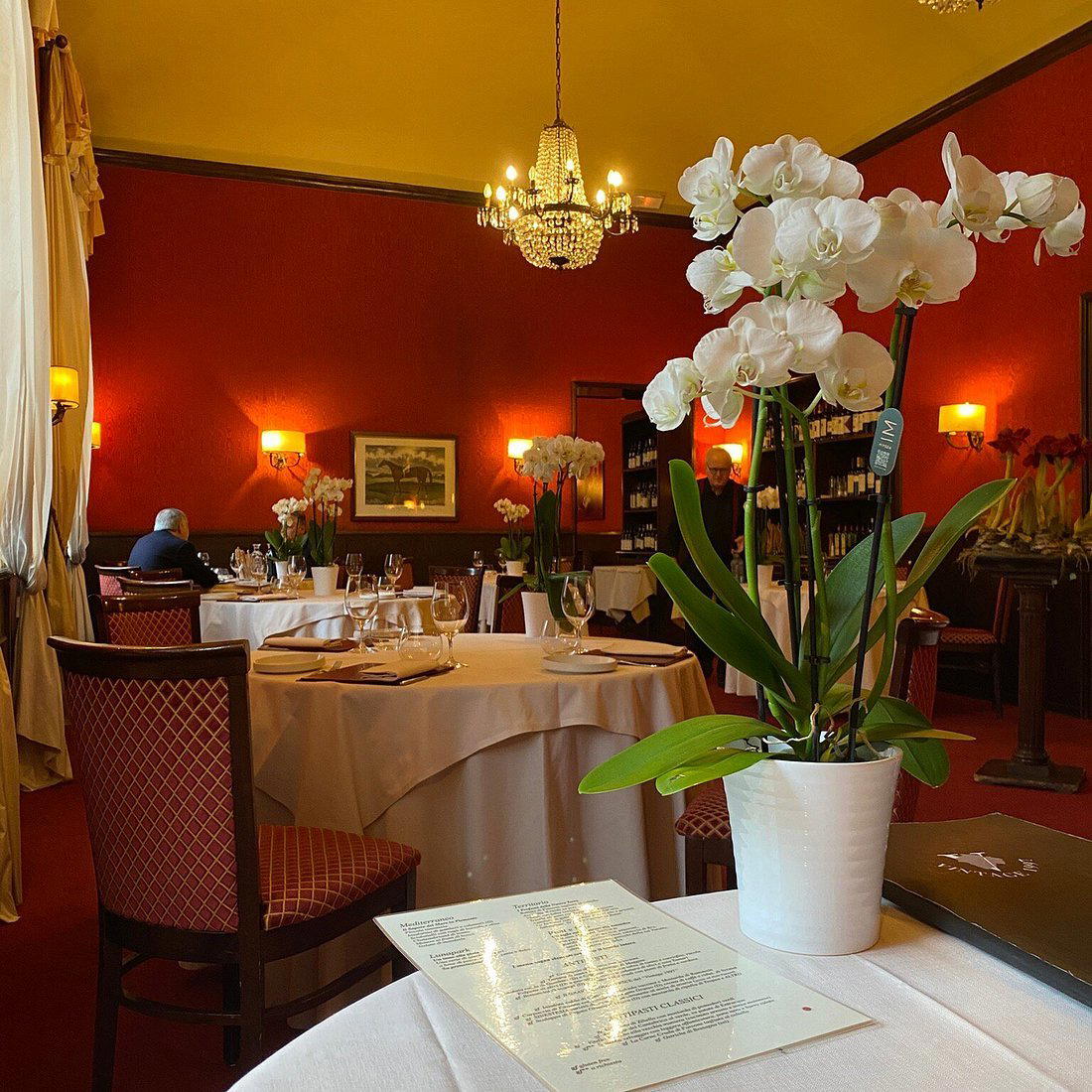
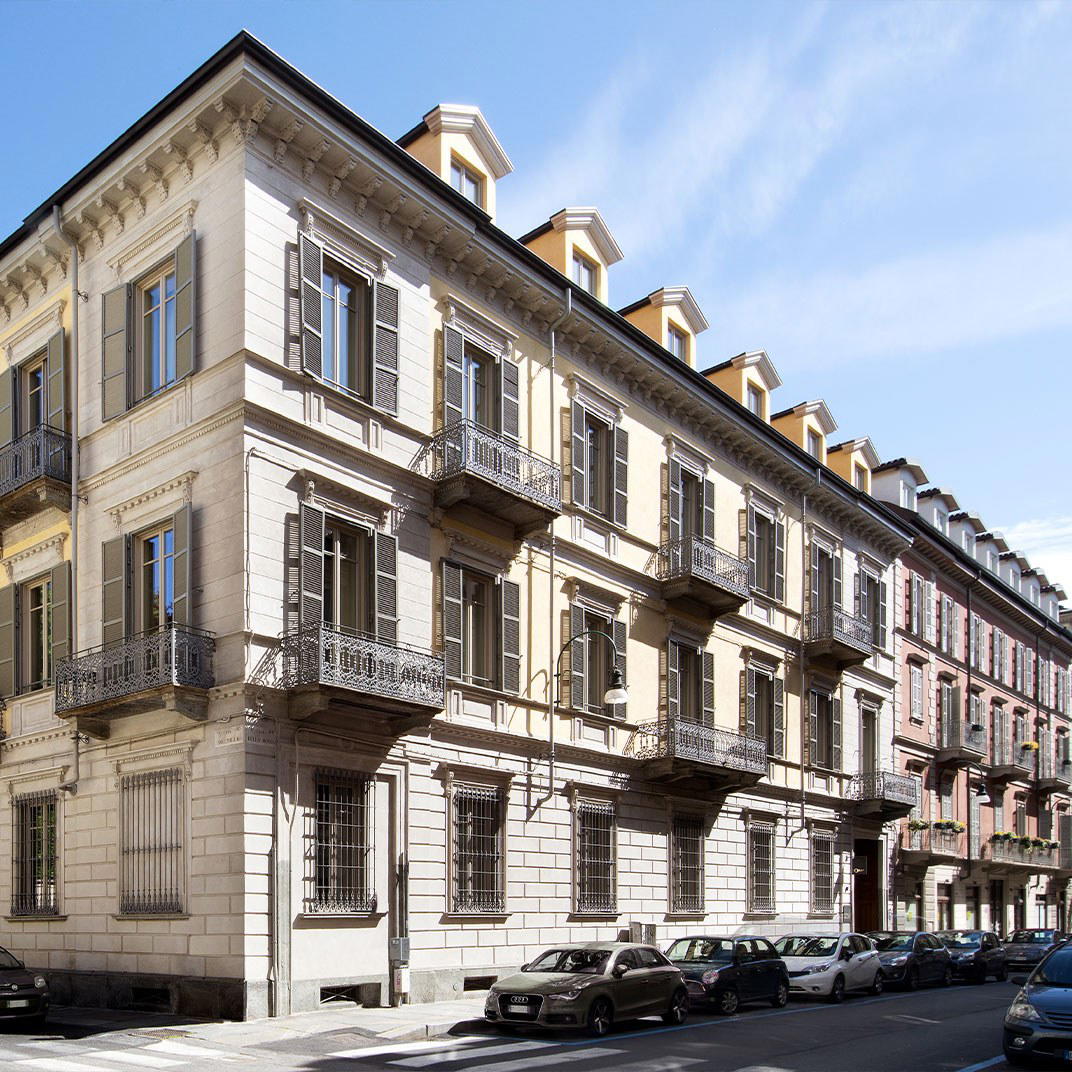
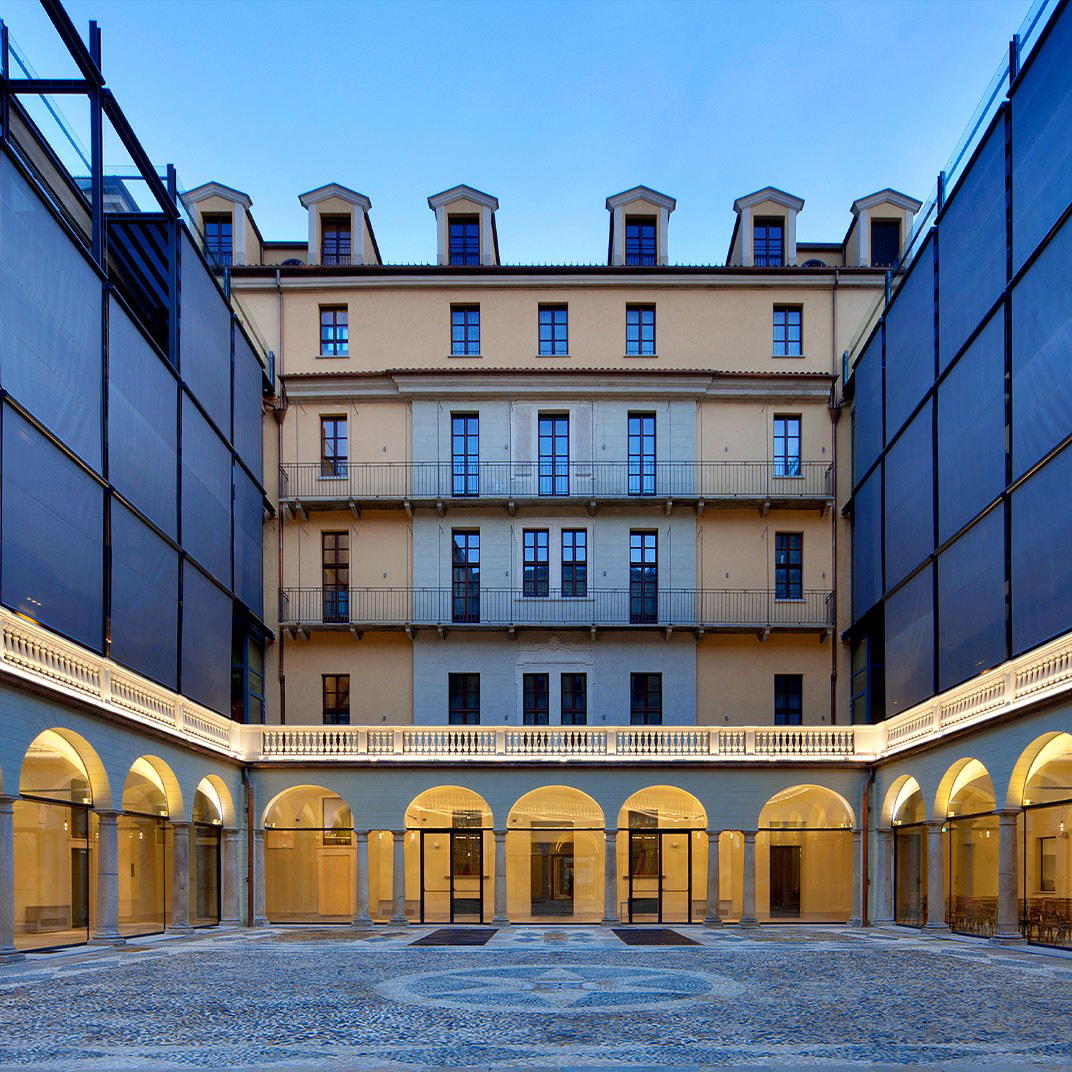
In a town like Pinerolo, that combination places it clearly in the formal end of the local dining spectrum, the kind of space that suits a long lunch over Piedmontese wine as much as a dinner occasion. Corso Torino is one of the main arteries through the historic centre, which means the setting is accessible on foot from most of the town and carries the low-key civic energy of a working provincial street rather than a tourist-facing piazza.
Price range sits at €€, which in Italian restaurant terms typically indicates a per-head spend that remains well inside the cost of comparable cooking in Turin's smarter trattorie. That positioning makes Acaja a practical entry point for visitors to the area who want to engage with the Piedmontese canon without the price structure of the fine-dining circuit. Those seeking a higher-ambition benchmark in the region might look toward Trattoria Zappatori, Pinerolo's other notable address for modern cuisine.
The Regional Context: What Piedmont Does at Table
Understanding Acaja requires understanding the Piedmontese approach to eating, which differs from the Italian regions that tend to dominate international perception. Where Neapolitan or Roman cooking is built around simplicity and speed, Piedmont has historically favoured abundance, ceremony, and layering. A traditional Piedmontese meal can run to multiple courses: antipasti, tajarin, a braised secondo, cheese, dessert. The food culture is shaped by proximity to France, historically a Savoyard borderland, and by the wealth of the agricultural plain. It is a rich, serious table.
That seriousness expresses itself in the specific produce. Ravioli del plin are not simply small ravioli; the pinching technique creates a different texture and the fillings (typically a roast meat mixture) are specific to kitchen and season. Cardi gobbi require blanching, pressing, and long preparation. These are dishes that ask something of a kitchen and reward a diner who is paying attention. At the level represented by a Michelin Plate, the expectation is that the basics are executed reliably: good pasta, properly sourced meat, attentive seasoning.
Osteria Francescana in Modena reinterprets northern Italian tradition through a conceptual lens, while Enoteca Pinchiorri in Florence and Enrico Bartolini in Milan operate at the upper edge of Italian fine dining with price points and production values to match. The export model of Italian cooking, represented by addresses like 8 1/2 Otto e Mezzo Bombana in Hong Kong or cenci in Kyoto, translates the cuisine to different cultural contexts entirely. Acaja does none of that. It cooks Piedmontese food in Piedmont, for a Piedmontese audience, at a price that does not require international expense-account support.
There is also an interesting Alpine counterpoint elsewhere in Italy's north: Atelier Moessmer Norbert Niederkofler in Brunico operates from a strict mountain-larder philosophy at three-star level, and Reale in Castel di Sangro anchors itself deep in central Italian territory. Both illustrate that serious regional specificity exists across the peninsula at varying price points. Acaja occupies the accessible end of that spectrum in its own sub-region.
Planning a Visit
Acaja is on Corso Torino 106 in central Pinerolo. The €€ price range makes it a reasonable choice for either lunch or dinner when passing through the area between Turin and the Cottian Alps. Pinerolo has no major rail hub, so most visitors arrive by road from Turin, a drive of around 45 minutes depending on traffic. Given the, booking ahead is advisable, particularly for weekend evenings when local demand is strongest. Reservations are recommended.
What's the leading thing to order at Acaja?
The Michelin recognition specifically calls out the traditional Piedmontese line as the kitchen's foundation, with ravioli del plin, cardi gobbi, and Piedmont veal named as dishes that should not be missed. The fish dishes are noted as a secondary strength, brought with a contemporary approach and quality sourcing. Given that the restaurant's regional identity is rooted in Piedmont's land-based larder, the pasta and meat courses represent the clearest expression of what the kitchen is built around.
Quick Comparison
Comparable venues nearby, for context on price, style, and recognition.
| Venue | Cuisine | Price | Awards | Notes |
|---|---|---|---|---|
| AcajaThis venue — the venue you are viewing | Modern Piedmontese Italian | $$ | Michelin Plate | Not listed |
| Trattoria Zappatori | Modern Piedmontese Trattoria | $$$ | Michelin 1 Star | Pinerolo |
| Osteria Cascina dei Fiori | Traditional Piedmontese Osteria | $$ | Michelin Plate | Borgo Vercelli |
| Le Cicale | Traditional Italian with Regional Specialties | $$ | Michelin Plate | Spinetta Marengo |
| Bar à Fromage | Traditional Aosta Valley Cheese-Focused | $$ | Michelin Plate | Cogne |
| Giardinetto | Modern Italian Mediterranean | $$ | Michelin Plate | Pettenasco |
Recognition history
Dated appearances from independent guides and award organizations, with the underlying list record or original source where available.
Michelin Plate
Michelin
Michelin Plate
Michelin
Michelin Plate
Michelin
Continue exploring
More in Pinerolo
Restaurants in Pinerolo
Browse all →
Bars in Pinerolo
Browse all →
Hotels in Pinerolo
Browse all →

At a Glance
- Elegant
- Modern
- Cozy
- Sophisticated
- Date Night
- Special Occasion
- Business Dinner
- Open Kitchen
- Local Sourcing
Current opening hours
- Monday
- 7:45–10 PM
- Tuesday
- 12:30–2 PM, 7:45–10 PM
- Wednesday
- 12:30–2 PM, 7:45–10 PM
- Thursday
- 12:30–2 PM, 7:45–10 PM
- Friday
- 12:30–2 PM, 7:45–10 PM
- Saturday
- 12:30–2 PM, 7:45–10 PM
- Sunday
- Closed
Hours can change for holidays and private events. Last verified .
Central, elegant, modern atmosphere with a curated and welcoming feel.