Aba


Wine Spectator Award of Excellence
Our verdict
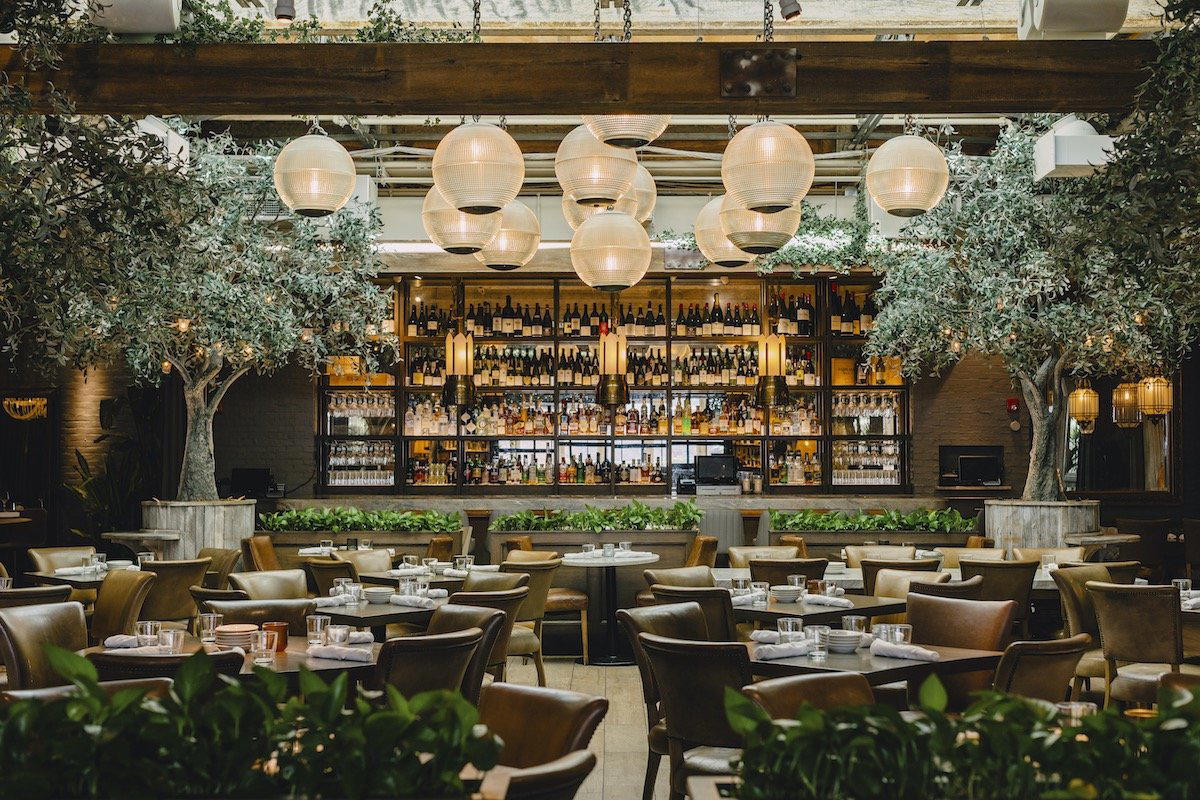
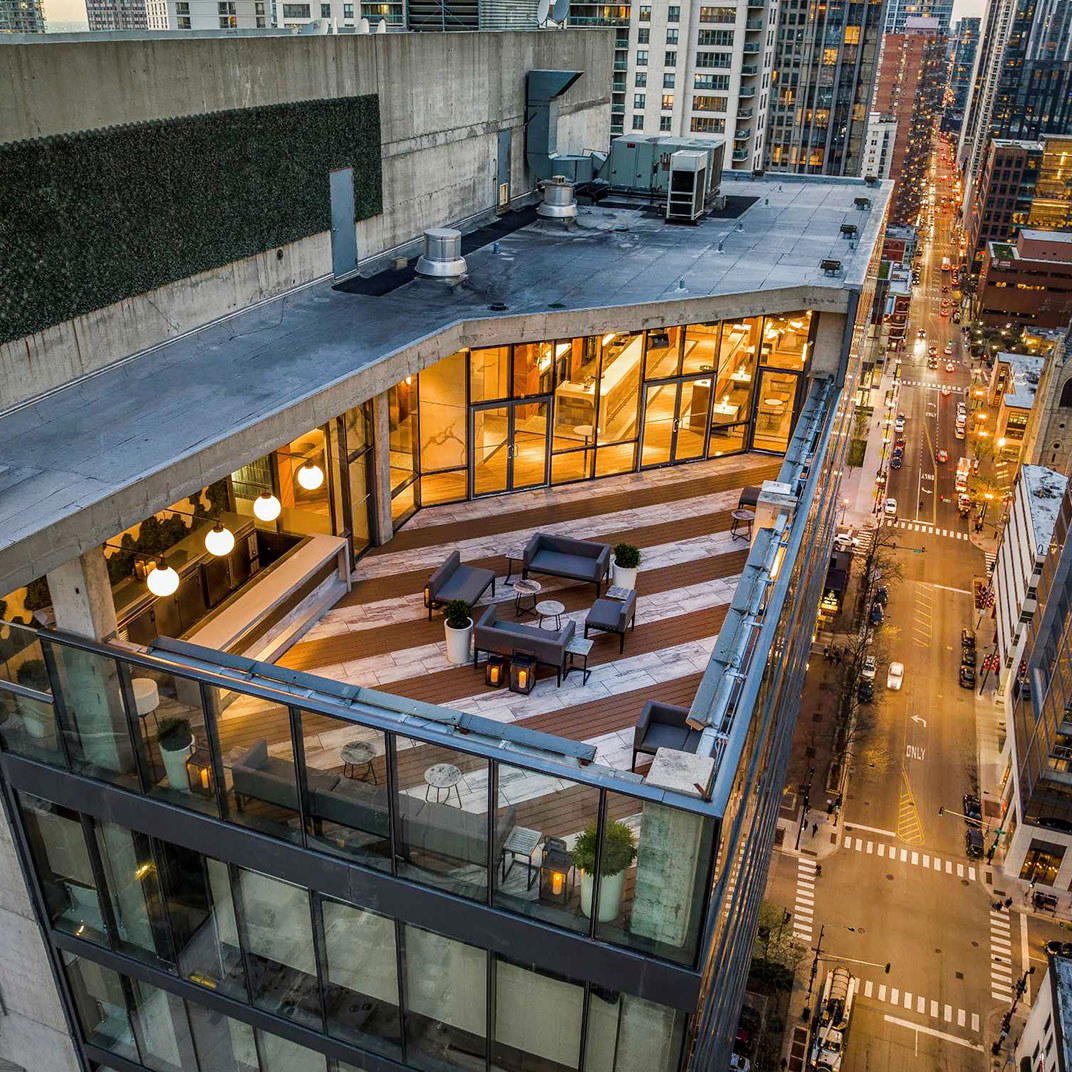
Aba occupies a third-floor perch above Fulton Market, bringing Eastern Mediterranean cooking to one of Chicago's most densely competitive dining corridors. The rooftop setting shifts the experience from pure cuisine to something more atmospheric, with the neighborhood's industrial-to-hospitality arc providing a backdrop that few indoor rooms can replicate. For visitors tracking the city's Mediterranean dining scene, this address sits at the more polished end of the spectrum.

Pearl is the En Primeur Club membership app, where members save venues, book tables and use the concierge.
The menu
What to order
- Smoky Garlic Hummus
- Whipped Feta Spread
- Hamachi
- Shawarma-Spiced Skirt Steak
- Crème Brûlée Pie
Fulton Market and the Architecture of a Dining Scene
Chicago's Fulton Market district has completed a transformation that most American food cities attempt but rarely pull off with this much density. Within a few blocks of the old meatpacking corridor on the city's Near West Side, the neighborhood now holds some of the most consequential restaurant real estate in the Midwest. The same stretch that once hosted Smyth and draws comparisons to the ambition of Alinea in Lincoln Park now accommodates a range of formats, from austere tasting-counter experiences to the kind of large-format, rooftop-anchored dining that Aba represents. What makes Aba's location at 302 N Green Street worth understanding is not just the address but the floor: the third. The approach to the dining room, moving up through the building before emerging into an open-air or glass-enclosed terrace depending on the season, already frames the meal differently from street-level rooms. In a neighborhood where the physical experience of arrival has become part of the product, that vertical orientation matters.
Eastern Mediterranean cooking has proven durable in American cities precisely because it resists reduction to a single national cuisine. The broad category, which draws from Lebanese, Israeli, Turkish, and Greek traditions, allows kitchens to compose menus that feel cohesive without being ethnically prescriptive. In Chicago, that category occupies a middle register between the tightly defined tasting-menu format dominating the upper tier, represented by venues like Next Restaurant and Kasama, and the more casual Mediterranean-adjacent spots scattered across Lincoln Park and River North. Aba sits deliberately in that middle ground, with a level of refinement and setting that positions it above neighborhood casual but with a menu structure built for sharing rather than sequential progression.
What the Rooftop Setting Actually Changes
The case for refined dining rooms in cities like Chicago is partly atmospheric and partly strategic. A third-floor perch removes a venue from street noise and foot traffic without the geographic isolation of a suburban destination. In Fulton Market specifically, where the streetscape is still mid-evolution, height provides a cleaner visual frame than ground-level rooms can offer during peak construction periods. The rooftop or terrace format also extends the social logic of the meal: the table becomes a place to linger rather than process through a set menu, which aligns with how Eastern Mediterranean food is meant to be eaten, in waves of shared plates with drinks that pace rather than punctuate.
This format has parallels in other American cities where the combination of rooftop access and Mediterranean-leaning menus has built loyal repeat audiences. The pattern across venues like Lazy Bear in San Francisco or Providence in Los Angeles shows that environment and menu structure together determine the rhythm of a visit more than any single dish. Aba's setting is designed to slow that rhythm down, which is a specific editorial choice in a city and neighborhood where the default dining pace runs faster.
Mediterranean Cooking in Chicago's Competitive Context
Chicago's Mediterranean dining category has grown more competitive as the Fulton Market and West Loop areas have matured. The venues that have held their footing tend to combine strong beverage programs with kitchens that can execute shareable formats at scale without the cooking feeling industrial. The shared-plate format is more technically demanding than it appears from the table: timing, temperature, and sequencing across a large menu require coordination that tasting-counter formats, by design, avoid. Restaurants operating at this scale nationally, from Le Bernardin in New York City to Addison in San Diego, each solve the problem of format and ambition differently. Aba's answer is the terrace-anchored, social-dining model, which bets on atmosphere carrying part of the weight that tighter menu structures handle elsewhere.
It is the category of polished, environment-forward restaurants where the evening's value is distributed across setting, drinks, and food rather than concentrated in the cuisine alone. In that context, Aba competes on the strength of its location and format as much as the cooking itself, which is a commercially coherent position for Fulton Market at this stage of its maturation.
Visitors building a broader Chicago itinerary should note that the neighborhood's concentration of serious restaurants allows for strategic sequencing: Oriole and Smyth occupy the upper end of commitment and price, while Aba and its peers offer a more accessible point of entry into the district's dining character. For those tracking the wider American fine dining circuit, comparisons to Blue Hill at Stone Barns in Tarrytown, The Inn at Little Washington, or Bacchanalia in Atlanta illustrate how differently American restaurants have solved the question of environment and dining format at similar price points. Single Thread Farm in Healdsburg, The French Laundry in Napa, Emeril's in New Orleans, and Atomix in New York City each show how specific a room's logic can be when format, cuisine, and setting align. Internationally, venues like 8 1/2 Otto e Mezzo Bombana in Hong Kong illustrate the same pattern in a different register: environment as argument. See our full Chicago restaurants guide for the broader picture of how these venues sit relative to each other.
Know Before You Go
Address: 302 N Green St, 3rd Floor, Chicago, IL 60607
Neighbourhood: Fulton Market, Near West Side
Format: Shared-plate Eastern Mediterranean; rooftop and terrace seating available seasonally
Getting there: Accessible from the Morgan CTA Green/Pink Line stop, approximately a short walk west along Lake Street and north to Green Street
Frequently asked questions
What part of town is Aba in?
Aba is located at 302 N Green St 3rd Floor, Chicago, IL 60607, Chicago.
Does Aba's rooftop stay open year-round in Chicago?
Chicago's climate makes year-round rooftop service a significant operational variable, and third-floor venues in the city typically adjust outdoor seating capacity through autumn and suspend it during winter months. Aba is located at 302 N Green St in Fulton Market, and contacting the restaurant directly will confirm current seasonal access to the outdoor terrace.
What do regulars order at Aba?
Aba's menu draws from Mediterranean and Levantine cooking traditions, so repeat visitors tend to anchor meals around shared plates rather than a single centerpiece dish. The rooftop setting at 302 N Green St in Fulton Market suits a longer, multi-course format.
How far ahead should I plan for Aba?
Fulton Market has become one of Chicago's most active dining corridors, and third-floor venues with outdoor components tend to fill quickly during warmer months. Booking at least two to three weeks ahead is a reasonable baseline for weekend evenings. For prime summer rooftop dates, earlier is safer.
What has Aba built its reputation on?
Aba has positioned itself within Chicago's Fulton Market district as a Mediterranean dining room with a rooftop presence that separates it physically from the street-level density of the neighborhood. The restaurant sits in a part of the city where competition among serious dining rooms is high, and its third-floor format has been part of its identity since opening. It draws a clientele that comes for both the food and the setting.
Is Aba allergy-friendly?
Mediterranean menus at this level typically accommodate common dietary restrictions, including gluten-free and vegetarian requirements, given the cuisine's structural reliance on vegetables, legumes, and shared plates. Specific allergy protocols at Aba's Chicago location should be confirmed directly with the restaurant before dining, as menu compositions change seasonally.
In Context: Similar Options
Comparable venues nearby, for context on price, style, and recognition.
| Venue | Cuisine | Price | Awards | Notes |
|---|---|---|---|---|
| AbaThis venue (the venue you are viewing) | Modern Mediterranean with California Influence | $50–100 | Wine Spectator Award of Excellence | Not listed |
| Alma | Modern Mediterranean | Not listed | Not listed | Wrigleyville |
| Seville Chicago | Rustically Refined Mediterranean | $50–100 | Not listed | The Loop |
| Avec River North | Modern Mediterranean with French-Inspired Influences | $50–100 | Star Wine List | River North |
| Avec | Rustic Mediterranean Small Plates & Wine Bar | $50–100 | James Beard Award Best Chefs | West Loop |
| Macello | Pugliese Italian | $30–50 | Not listed | West Loop |
Recognition history
Dated appearances from independent guides and award organizations, with the underlying list record or original source where available.
Opinionated About Dining Casual in North America Recommended
Opinionated About Dining
Wine Spectator Award of Excellence
Wine Spectator
Continue exploring
More in Chicago
Restaurants in Chicago
All restaurants in Chicago →
Bars in Chicago
All bars in Chicago →
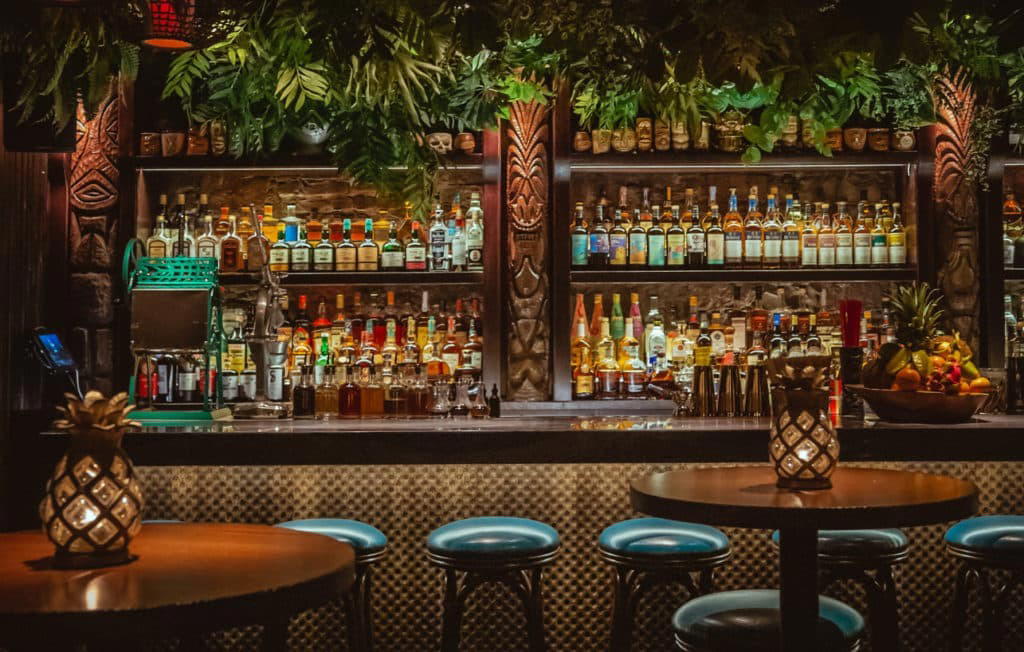
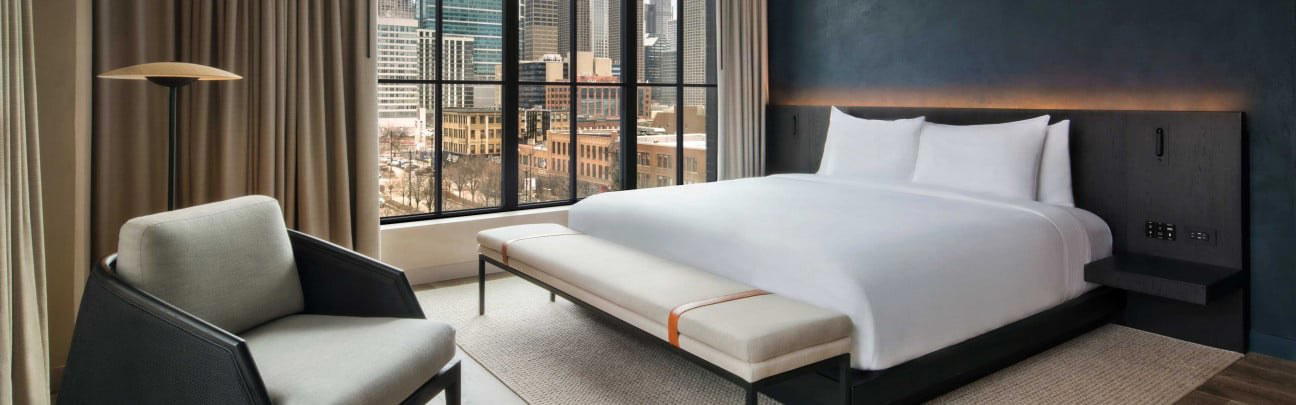

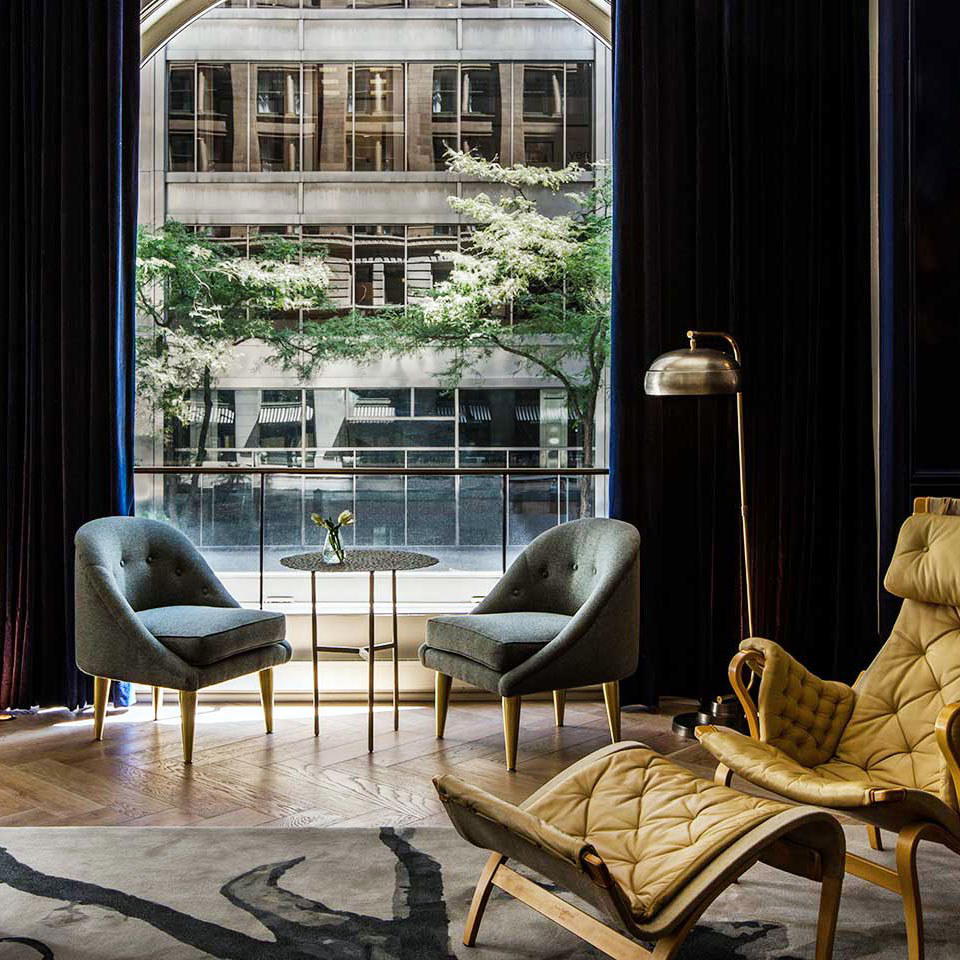
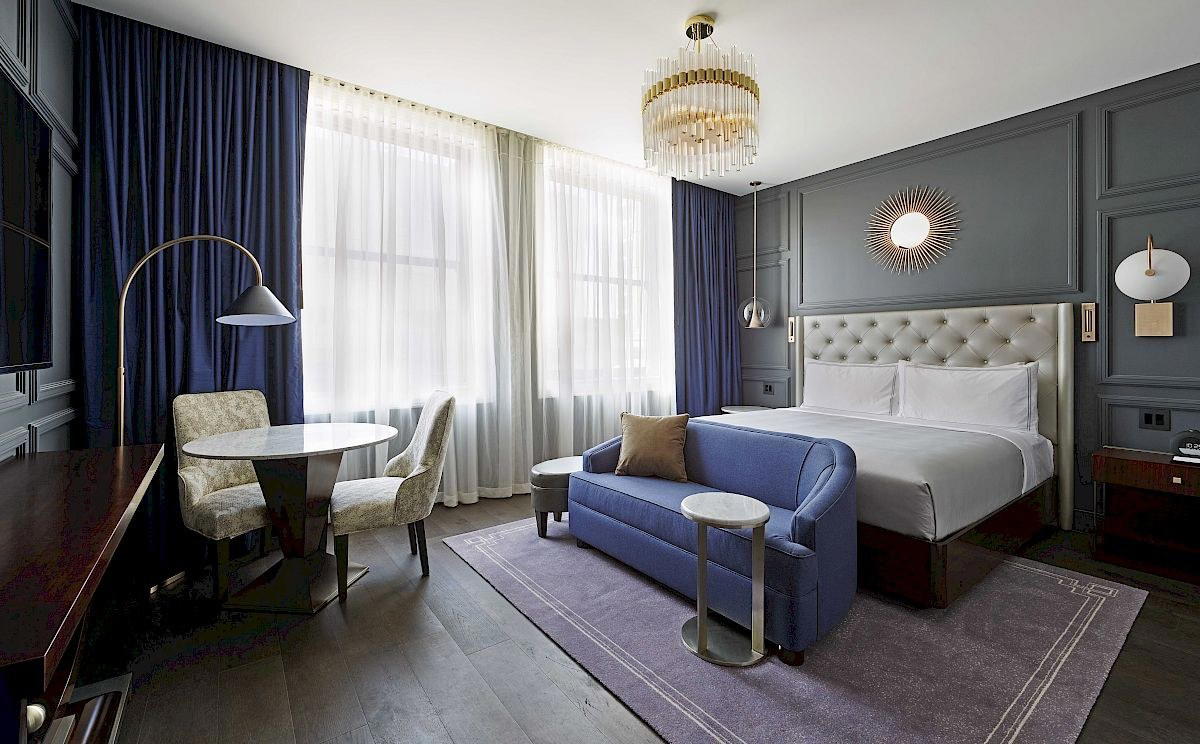
Aba
The wine
Aba holds the Wine Spectator Award of Excellence, which Wine Spectator gives to lists of usually 90 or more selections.
- Wine Spectator
- Wine Spectator Award of Excellence
- Extensive wine list
Details
- Trendy
- Lively
- Modern
- Elegant
- Date Night
- Group Dining
- Special Occasion
- Brunch
- Rooftop
- Terrace
- Open Kitchen
- Extensive Wine List
- Street Scene
- Small Plates
- A La Carte
- Rare Mediterranean Wines
- Vegetarian Friendly
Current opening hours
- Monday
- 4–10 PM
- Tuesday
- 4–10 PM
- Wednesday
- 4–10 PM
- Thursday
- 4–10 PM
- Friday
- 4–11 PM
- Saturday
- 10 AM–11 PM
- Sunday
- 10 AM–10 PM
Hours can change for holidays and private events. Hours as of .
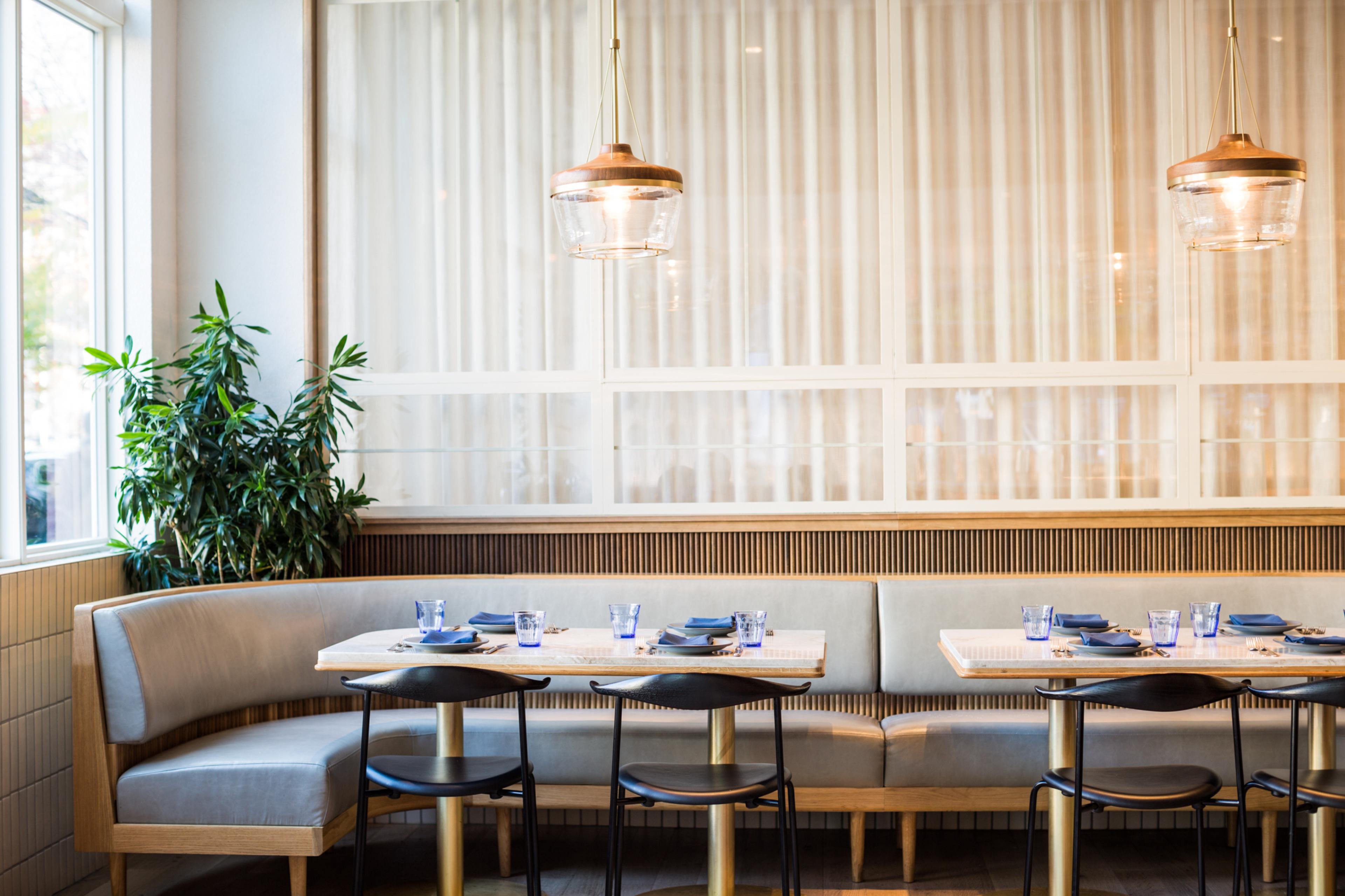
Lively and trendy atmosphere with lively rooftop patio dining and modern Mediterranean decor.