Alma
Alma occupies a stretch of North Clark Street in Chicago's Lakeview neighborhood, where the dining conversation increasingly centers on what happens when classical European and American technique meets the specificity of Midwestern produce. The restaurant sits in the mid-to-upper tier of Chicago's progressive dining scene, drawing comparisons to peers working similar territory across the city's broader fine-casual corridor.
Pearl is the En Primeur Club membership app — saves, bookings, and concierge access live there. Same editors, same standards.
- Address
- 3630 N Clark St, Chicago, IL 60613
- Phone
- +17733022326
- Website
- almahotelzachary.com
- Directions
- Get directions
 Saves & bookings on Pearl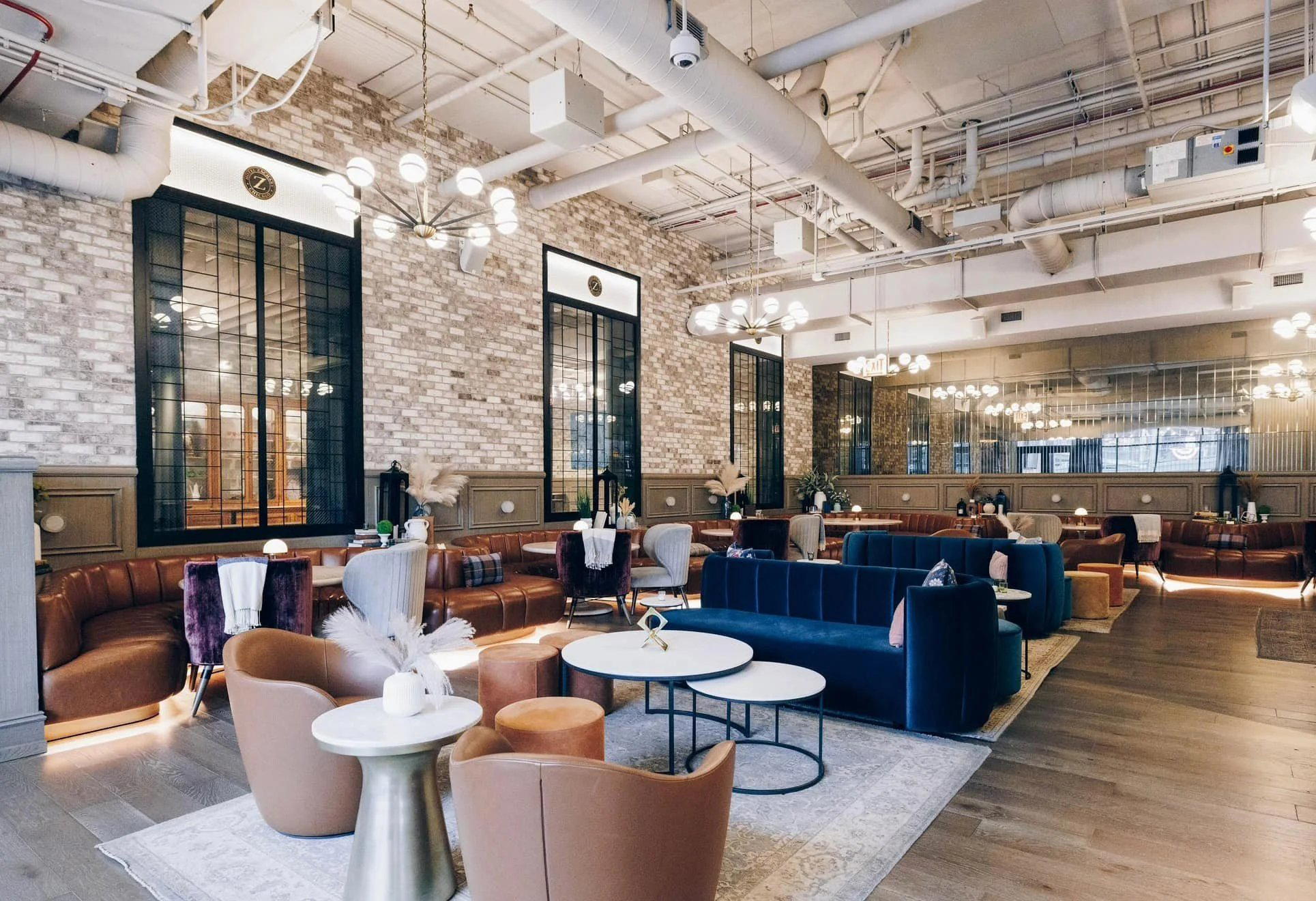
North Clark Street and the Lakeview Dining Shift
Alma is a restaurant in Chicago's Lakeview neighborhood at 3630 N Clark St, serving Modern Mediterranean cuisine. That distinction has historically belonged to the West Loop, River North, and the stretches of the Near North Side where reservation lists run months deep. But the neighborhood along North Clark Street has been changing in the way that matters most to food-focused travelers: incrementally, without announcement, and driven by kitchens rather than developers. Alma, at 3630 N Clark St, is part of that shift. It sits in a section of the city where the dining offer has matured past neighborhood-casual without fully crossing into the formal tasting-menu territory occupied by Alinea or Oriole. That middle position is harder to hold than either extreme, and the restaurants that manage it tend to develop loyal followings rather than viral moments.
Chicago's broader progressive dining scene has bifurcated sharply over the past decade. On one end sit the multi-course monuments: Smyth, Next Restaurant, and the handful of rooms where the evening runs three hours and the bill approaches triple digits per head before wine. On the other end, a new generation of chef-driven spots has been closing that gap with technically ambitious cooking served in formats that don't require a formal commitment. Alma reads as part of the latter current.
Technique Imported, Ingredients Local
The broader question is what happens when globally trained technique meets the particularity of a specific agricultural region. The American Midwest is a more textured ingredient source than its reputation suggests. Illinois, Wisconsin, and Michigan collectively produce heritage grains, cold-climate dairy, preserved goods, and freshwater species that carry genuine regional character. The challenge for any kitchen working this territory is to apply classical or contemporary methods without dissolving the ingredient's identity in the process.
This is the tension that defines a specific tier of American fine dining, from Blue Hill at Stone Barns in Tarrytown to SingleThread Farm in Healdsburg and The French Laundry in Napa, where the sourcing is as much a statement as the technique. In Chicago specifically, Kasama has demonstrated how imported culinary grammar, in that case, Filipino, can be used to reframe familiar Midwestern ingredients without erasing either tradition. Alma operates on adjacent logic: the cooking draws on classical frameworks while keeping the sourcing geographically anchored. Whether that balance holds across seasons is what matters most.
Nationally, the restaurants doing this most rigorously tend to share certain structural commitments: tight menus, short supply chains, and a cooking style that communicates restraint rather than accumulation. Addison in San Diego and Providence in Los Angeles have built sustained reputations on similar foundations in their own regional contexts. Frasca Food and Wine in Boulder has made the case that imported European technique and specific regional produce can coexist without one cannibalizing the other. Alma belongs in that broader conversation, even if it hasn't yet accumulated the recognition infrastructure of those longer-established rooms.
Where Alma Sits in the Chicago Field
Chicago's serious dining tier is competitive. The city supports a larger concentration of ambitious kitchens per capita than most American cities outside New York, and the dining public here has the experience to calibrate value against quality with some precision. That creates a demanding environment for any restaurant attempting to hold a mid-to-upper position without Michelin recognition or 50 Best placement to anchor its reputation. The comparison set for Alma isn't the monument rooms, it's the layer just below: technically accomplished, independently operated, neighborhood-anchored kitchens that succeed or fail on repeat business and word of mouth rather than destination tourism.
In that peer group, the parallels worth drawing run outside Chicago as much as within it. Lazy Bear in San Francisco built its reputation in a similar register before award recognition consolidated its position. Atomix in New York spent time in the same pre-recognition tier before Michelin stars shifted the conversation. Le Bernardin in New York and The Inn at Little Washington represent the fully institutionalized endpoint of that trajectory, restaurants where the reputation has become durable enough to function independently of any single season's menu. Alma is not at that stage, which means the reader visiting now is engaging with the restaurant at a point where the kitchen's direction is still being established and the experience carries the variability that comes with that.
For travelers building a Chicago itinerary around serious eating, the practical question is how Alma fits into a sequence that might already include Emeril's in New Orleans or Atelier Moessmer Norbert Niederkofler in Brunico as reference points for what locally rooted, technically sophisticated cooking looks like at its most realized. Against those benchmarks, Alma is a kitchen worth watching rather than a finished institution, which, for a certain kind of traveler, is precisely the more interesting proposition.
Planning a Visit
Lakeview is accessible from Chicago's downtown core via the Red Line to Addison, placing the address within reasonable reach of most hotel clusters near the Loop or River North. The neighborhood character is residential rather than high-traffic, which means the dining experience is lower-pressure than the West Loop's more compressed restaurant rows. Reservations are recommended, especially for weekend dining.
A Minimal comparable set
Comparable venues nearby, for context on price, style, and recognition.
| Venue | Cuisine | Price | Notes |
|---|---|---|---|
| AlmaThis venue — the venue you are viewing | Wrigleyville, Modern Mediterranean | $$$ | Not listed |
| Ema | Not listed | $$$ | River North, California-Style Mediterranean Mezze |
| Apolonia | South Loop, Contemporary Mediterranean | $$$ | Not listed |
| Deliz | Not listed | $$$ | Bucktown / Wicker Park, Italian Steakhouse |
| Avec | Not listed | $$$ | West Loop, Rustic Mediterranean Small Plates & Wine Bar |
| The Bristol | Not listed | $$$ | Bucktown, Contemporary American Gastropub |
At a Glance
- Lively
- Modern
- Cozy
- Trendy
- Intimate
- Sophisticated
- Date Night
- Casual Hangout
- After Work
- Group Dining
- Hotel Restaurant
- Open Kitchen
- Extensive Wine List
- Craft Cocktails
- Street Scene
Current opening hours
- Monday
- 3–11 PM
- Tuesday
- 3–11 PM
- Wednesday
- 3–11 PM
- Thursday
- 3 PM–12 AM
- Friday
- 3 PM–1 AM
- Saturday
- 3 PM–1 AM
- Sunday
- 3–11 PM
Hours can change for holidays and private events. Last verified .
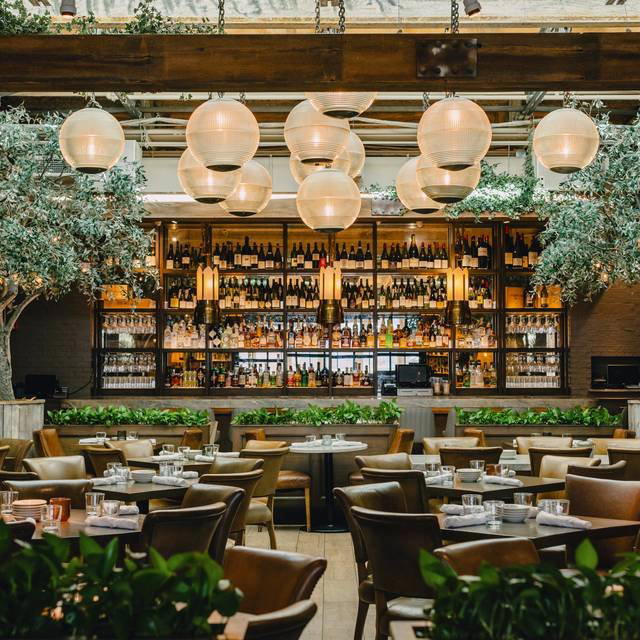
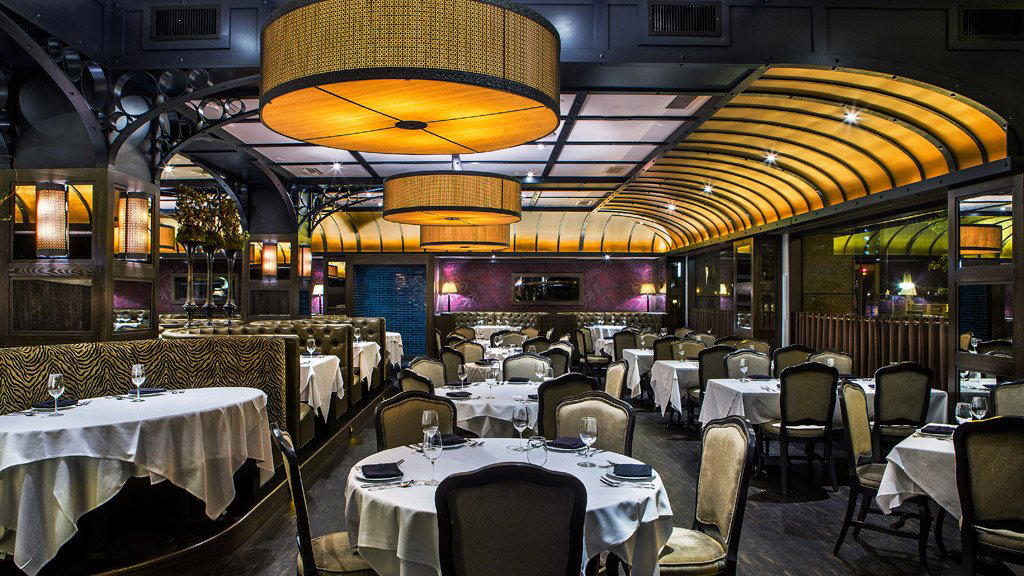
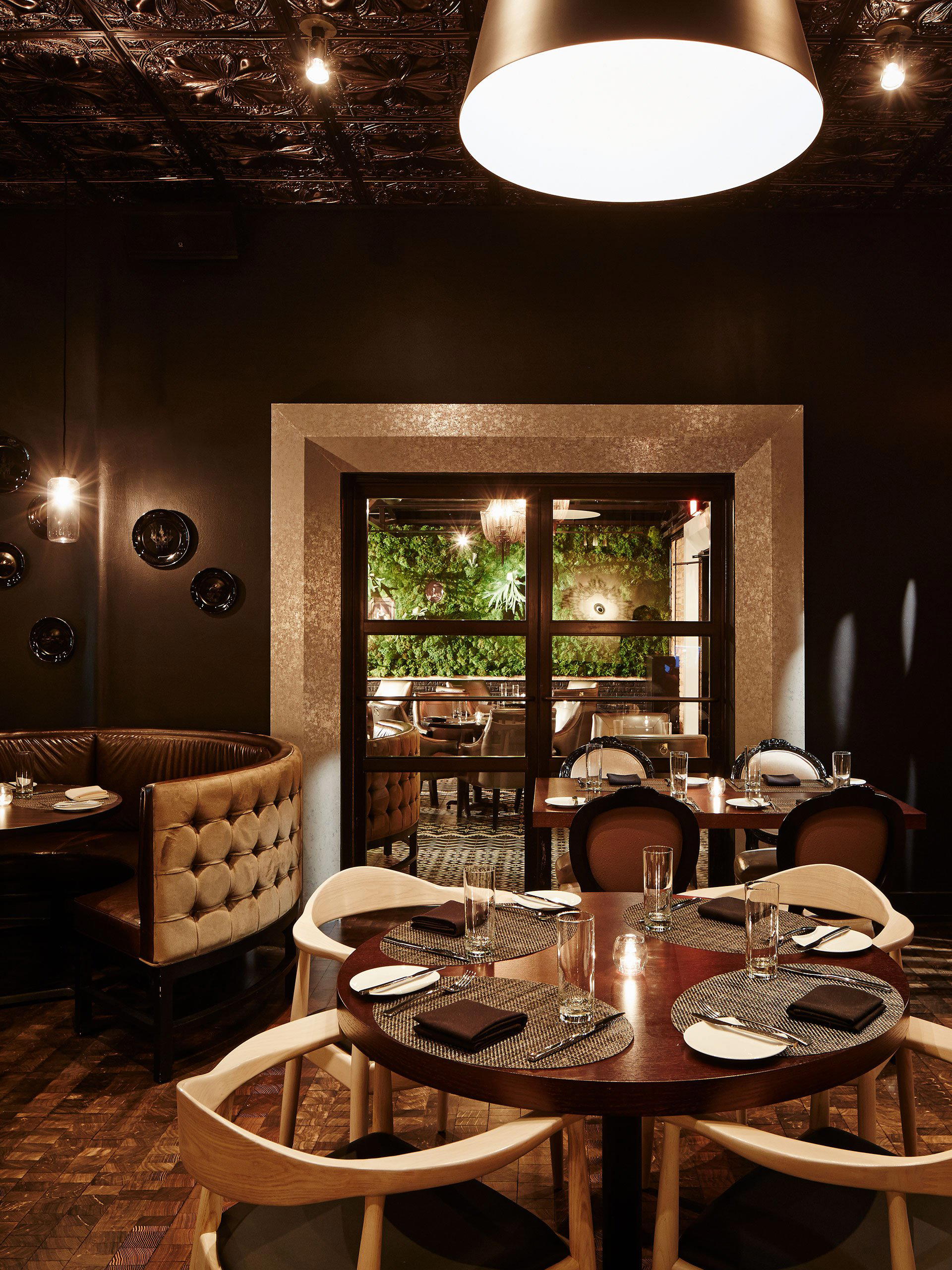
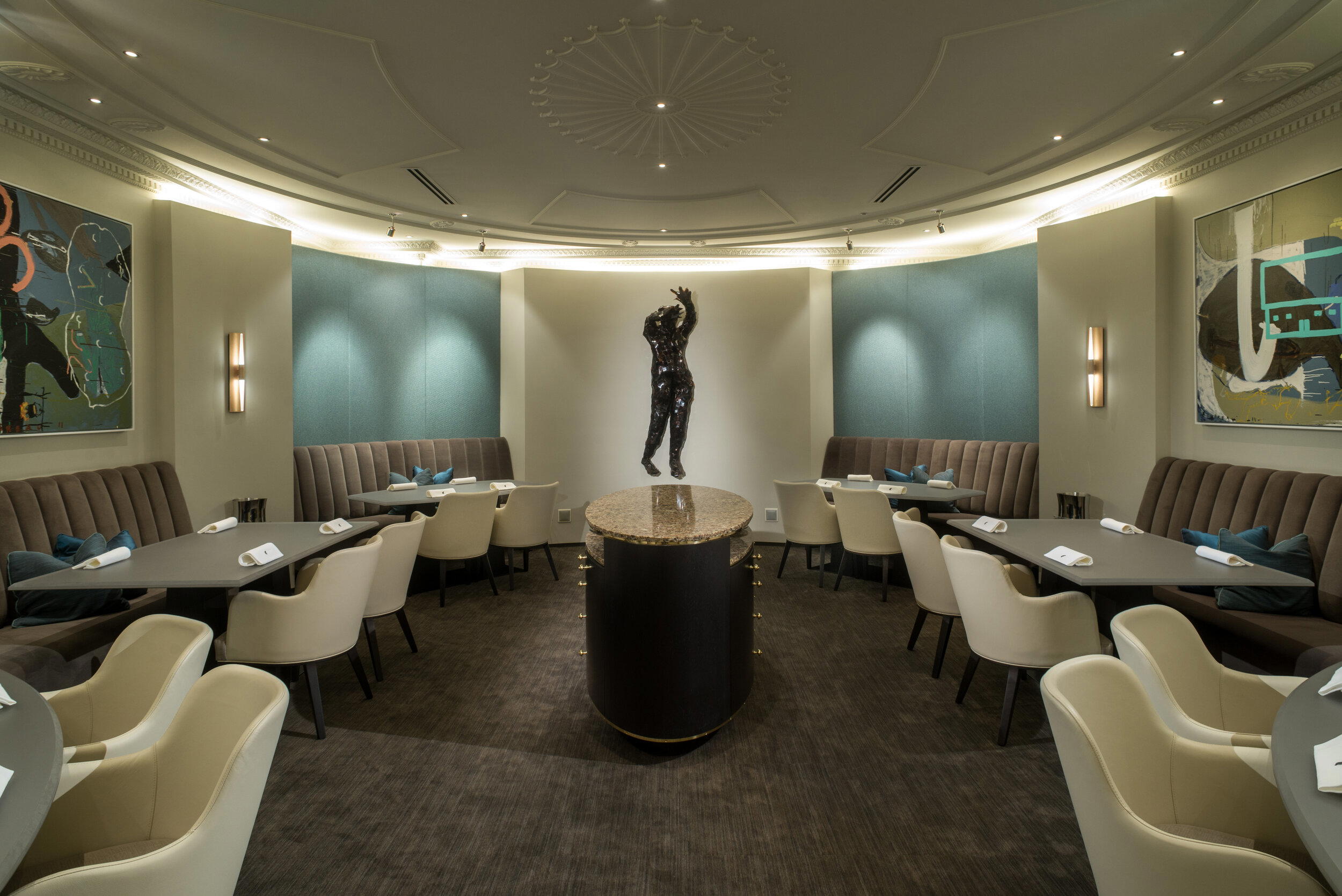
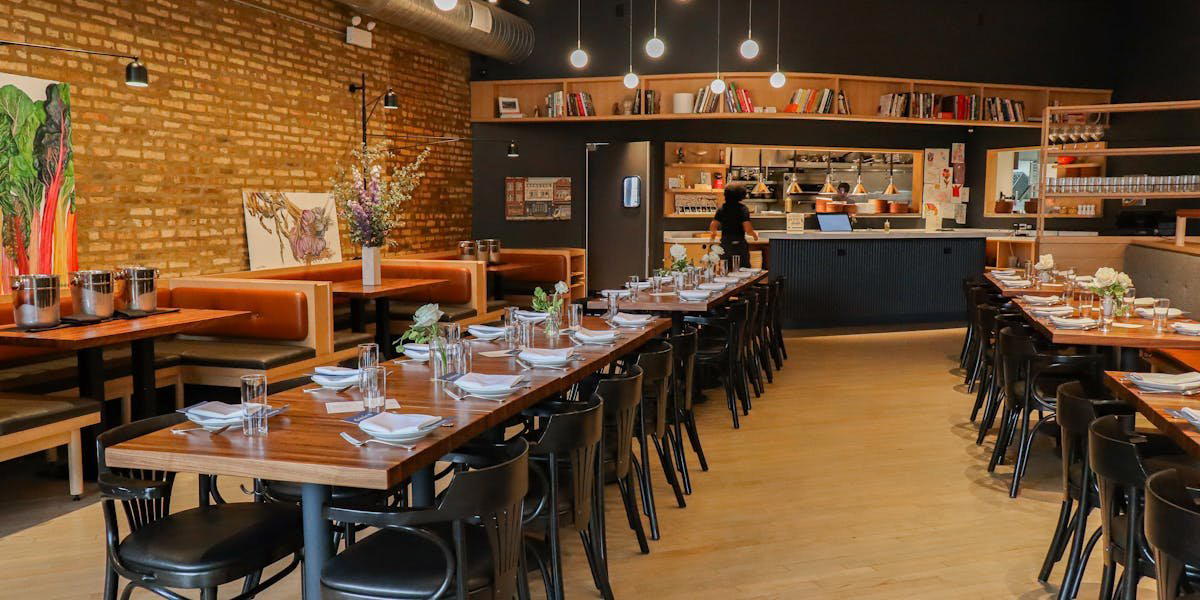
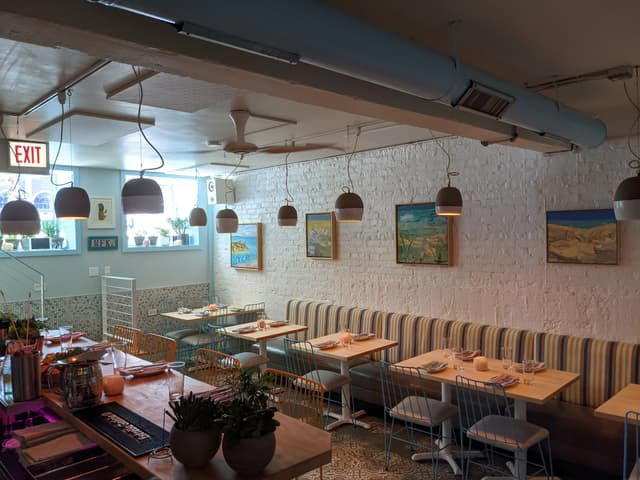
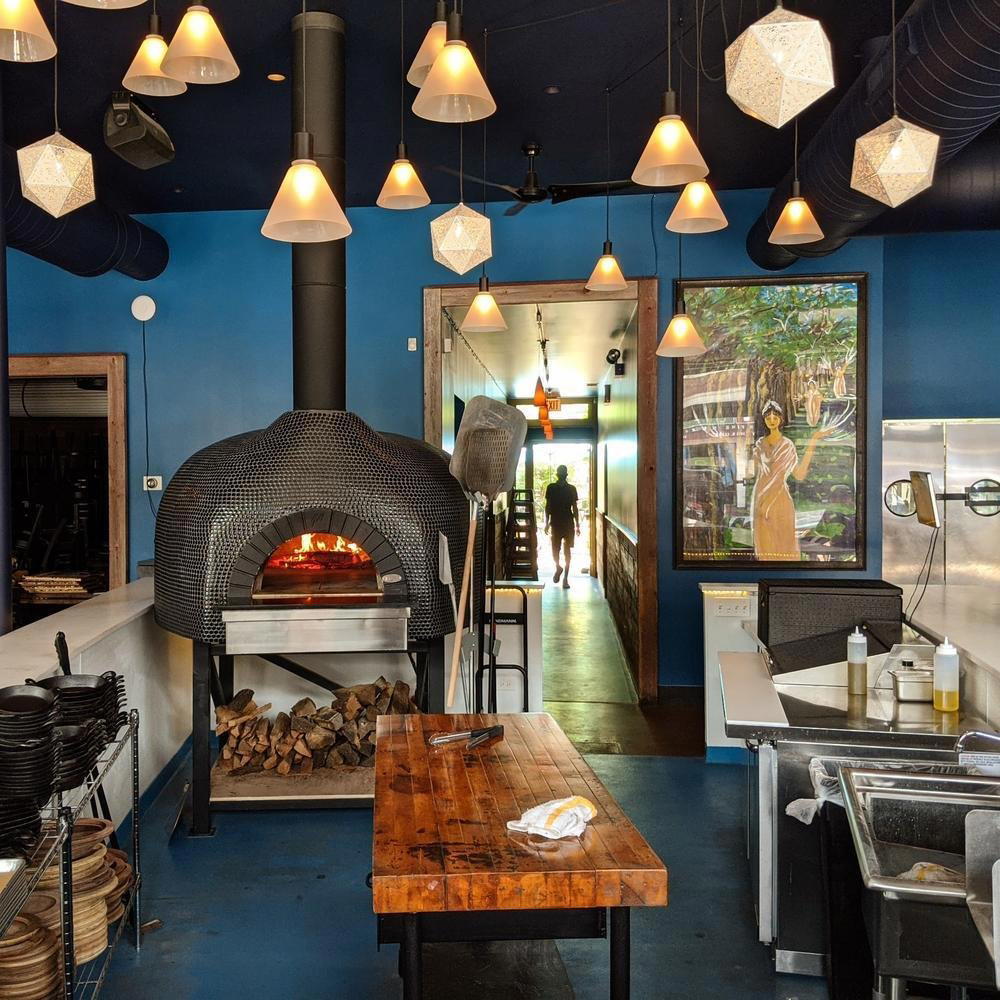
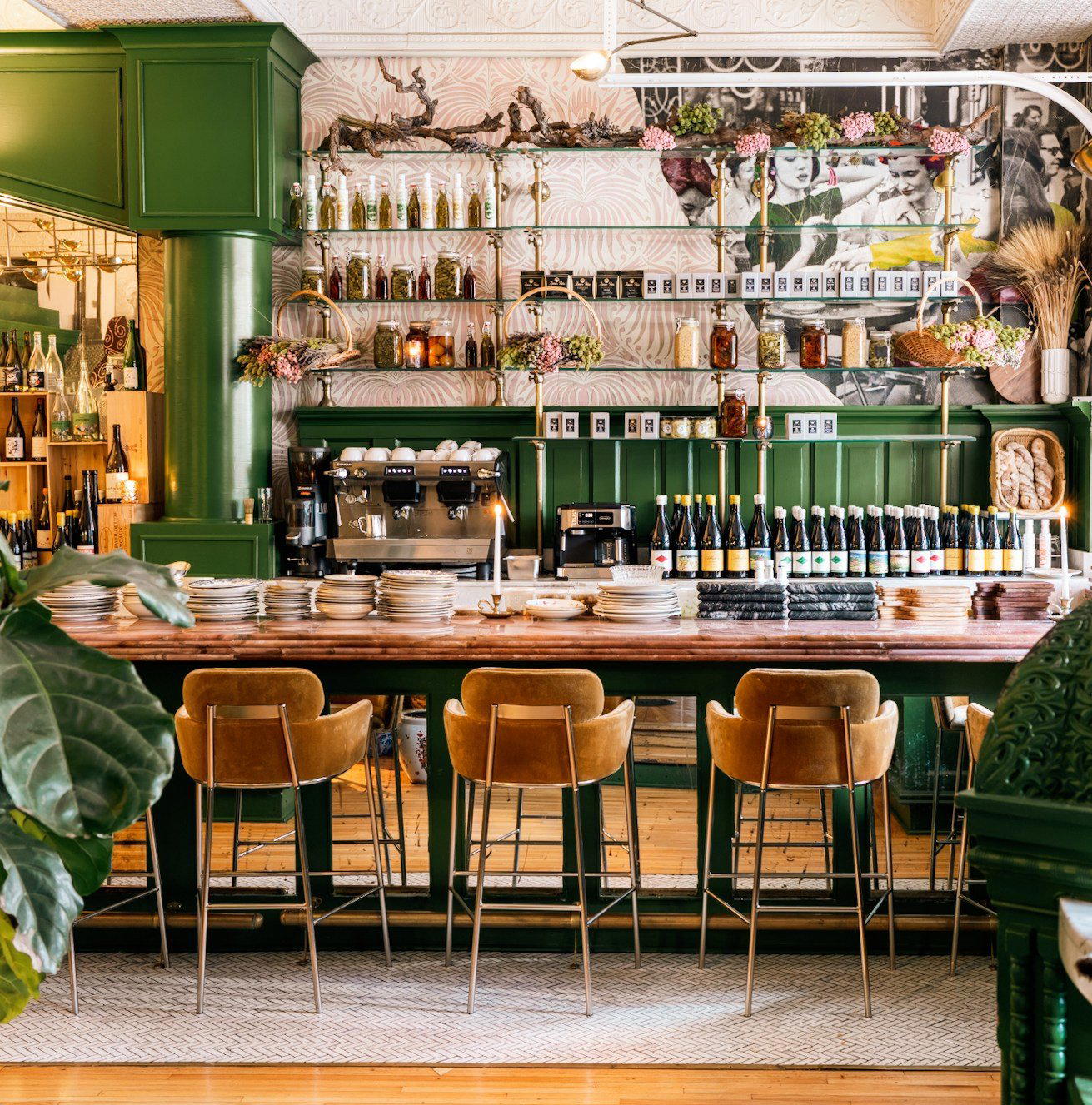
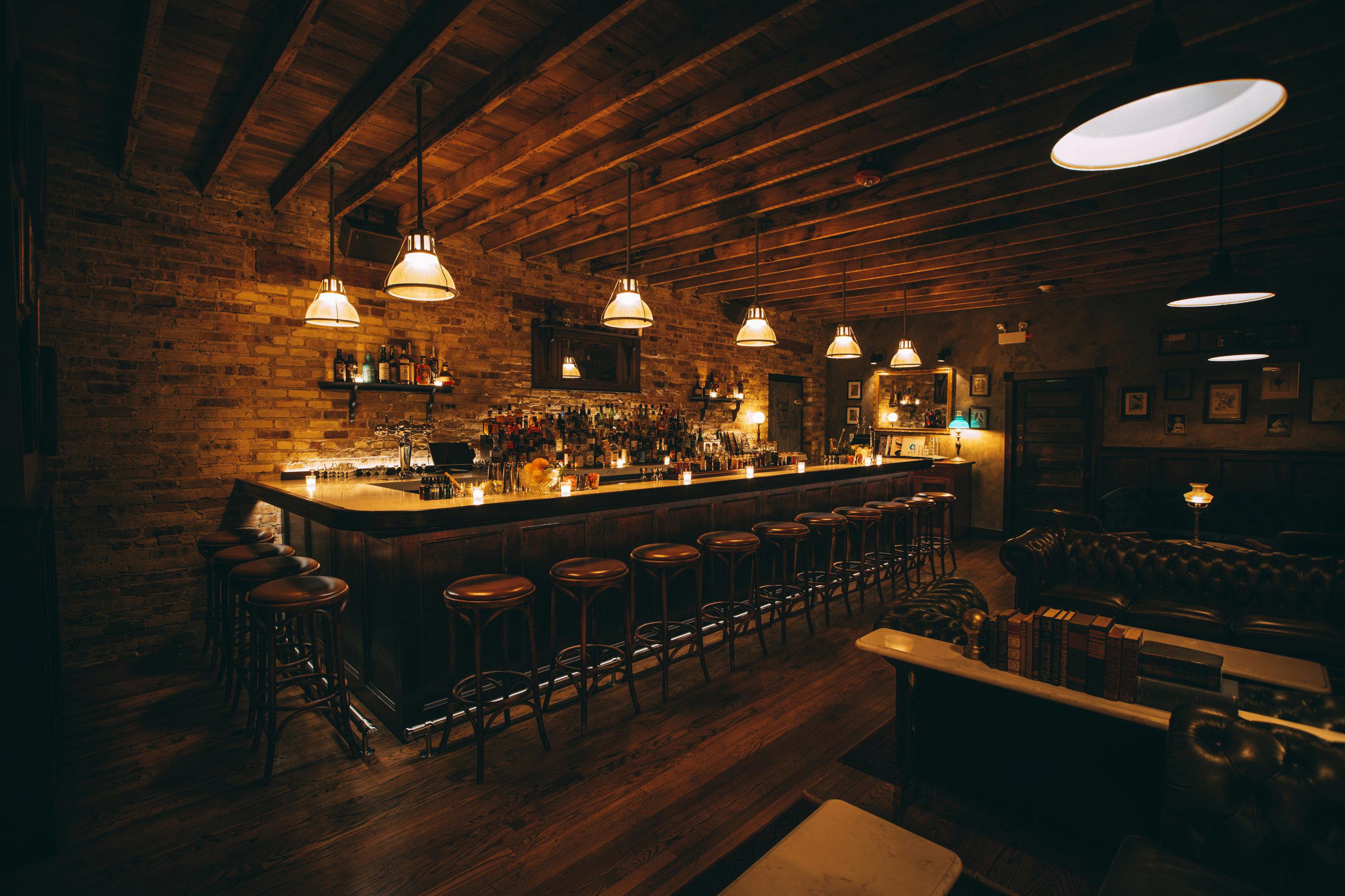
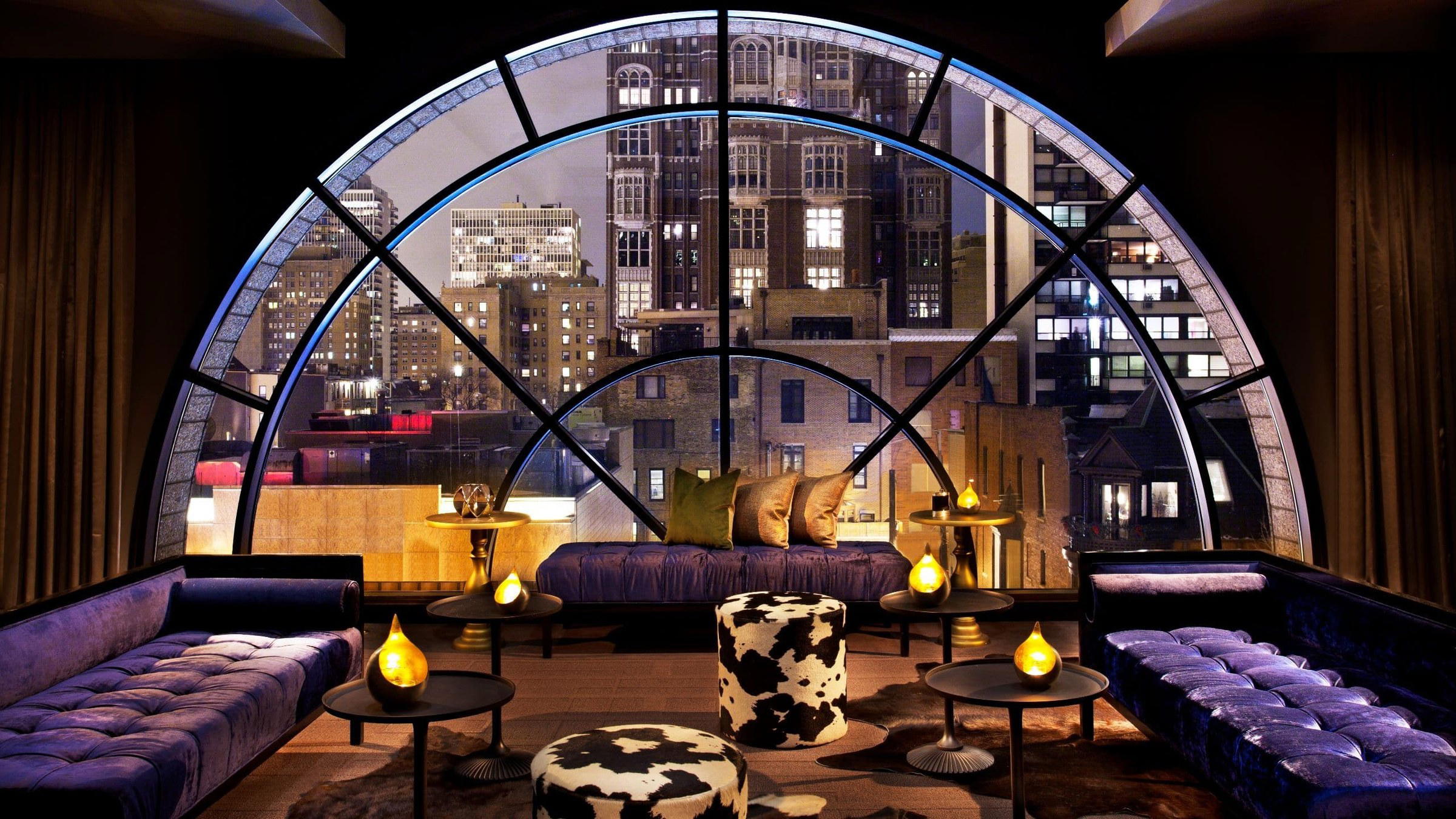
Intimate and stylish space with modern yet cozy design, featuring local DJ soundtracks and a refined comfortable atmosphere.