
Tabelog 100 #75
Our verdict
AANGAN gives Shin-Okubo’s Nepalese dining scene a large-format, all-day address with Tabelog 100 recognition across Asian, ethnic, and curry categories. The appeal is less about Tokyo luxury ritual than progression: curry, izakaya-style pacing, vegetarian-friendly options, drinks, and group capacity inside a neighbourhood better known for casual cross-border eating than hushed tasting rooms.

Pearl is the En Primeur Club membership app, where members save venues, book tables and use the concierge.
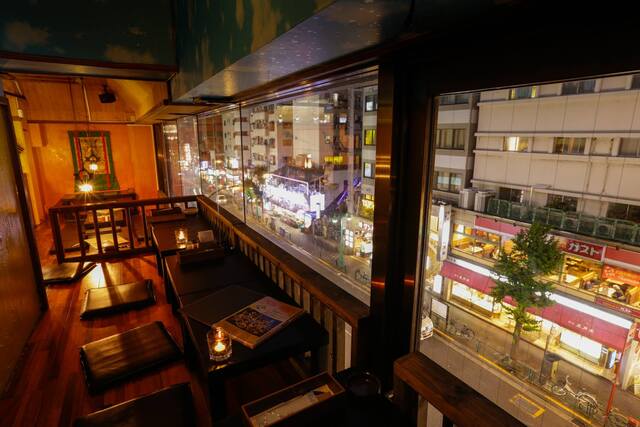
Shin-Okubo announces itself before the table: station crowds, multilingual signs, stacked buildings, and dining rooms above street level rather than behind grand entrances. AANGAN fits a Tokyo pattern serious eaters sometimes underplay: immigrant food cultures building depth through repetition, affordability, and late-day flexibility rather than ceremony. Its scale matters. A 120-seat Nepalese, curry, and izakaya-style format changes the meal’s rhythm: not a silent precision counter, but a place where courses accumulate, drinks extend the table, and mixed groups can eat without turning dinner into a reservation sport.
Nepalese cooking in Shin-Okubo, paced like a full evening rather than a quick curry stop
Tokyo’s curry conversation often defaults to Japanese curry shops, South Asian lunch sets, and specialist spice counters. Shin-Okubo adds Nepalese cooking inside a neighbourhood shaped by Korean dining, international groceries, and high-turnover casual rooms. AANGAN’s inclusion in the Tabelog 100 for Asian cuisine and ethnic cuisine in Tokyo in 2024, after earlier Tabelog 100 selections for Asian and ethnic cuisine in 2022 and 2023 and curry selections in 2017, 2018, and 2019, places it usefully. It is neither just a cheap-eats address nor a rival to Ginza omakase or luxury hotel dining. Its competitive set is the Tokyo restaurant earning repeat attention through breadth, spice work, and practical usability.
The editorial lens here is progression, and Nepalese dining suits that better than a single-dish ranking. A meal can begin with vegetable-led plates or snack-like starters, move into curry with rice or bread, and stretch through drinks without a tasting menu’s formal stop-start cadence. Vegetarian options and health-and-wellness menu notes give the table more range than a meat-heavy izakaya, while fish and vegetable emphasis broaden the order beyond the standard curry-house script. That breadth is the point: the meal can be built as a sequence, not reduced to one bowl.
Compared with Baan Tum in Tokyo, in a similar approachable price tier, AANGAN is Nepalese and curry-led rather than Thai. Compared with Tokyo Niku Shabuya, where shabu shabu, sukiyaki, and beef dishes sit in a far higher price band, this is another Tokyo value: more democratic, louder, and better for groups wanting variety over formality. CASA BELLA occupies a higher spend bracket, while 2D Cafe and Harukor Ainu Restaurant show how broad Tokyo’s non-sushi dining map has become. The useful comparison is not cuisine-for-cuisine equivalence, but how each room answers a different city need.
The award signal matters because this category is easy to dismiss
Tabelog’s Hyakumeiten lists are especially useful where international visitors may lack bearings. Michelin and hotel-concierge logic tend to privilege high-service, high-price rooms; Tokyo’s curry and ethnic-cuisine circuits often reward habit, neighbourhood loyalty, and repeat ordering. A Tabelog score of 3.57 and repeated Tabelog 100 recognition are not decorative badges here. They show that a large, casual-format Nepalese restaurant in Okubo has stayed visible inside a city with dense competition at every price level.
That distinction matters because Tokyo travel planning can overcorrect toward scarcity. Many rooms require fixed seating times, small counters, and heavy advance planning. Shin-Okubo works differently. Meals are more elastic, with izakaya-style drinking, take-out, family use, and banquet capacity in the same ecosystem. The sequencing feels social rather than choreographed: start light, add curry, order around dietary needs, and let the table expand. That is a genuine Tokyo pleasure, even outside the luxury grammar visitors are trained to chase.
For a broader Tokyo itinerary, this is the restaurant that balances higher-stakes dining elsewhere. A seafood-and-grill night at . 鮪と炭火焼き うお炭 秋葉原店, a Shinjuku stop at 12/10 Shinjuku ten, yakitori at 124. KAGURAZAKA (Yakitori), or curry comparison at 3 Chome no Curry Ya San will frame AANGAN more clearly than an isolated listing. Nearby contrast can also include 2D Cafe, another side of Shin-Okubo’s visual, casual dining culture.
Use it as the flexible meal in a Tokyo schedule
The strongest case for AANGAN is practical in the better sense: a recognised kitchen, broad ordering, family-friendly conditions, and scale for groups. The restaurant opened in 2016, and that tenure matters in a district where concepts turn quickly. It accepts several payment types and is built beyond the two-person date-night model, with private-use options and banquet-scale capacity. None of that replaces the food, but it explains this room’s Tokyo role: absorbing real-life dining needs while carrying an award signal.
The recommendation is clear. Use this meal when the day has already revolved around museums, shopping, or transit, and the table needs flavour, flexibility, and a neighbourhood with momentum rather than another hushed counter. It is also a smart counterweight to Tokyo’s premium dining ladder. A trip can include Our full Tokyo restaurants guide, then branch into Our full Tokyo hotels guide, Our full Tokyo bars guide, Our full Tokyo wineries guide, and Our full Tokyo experiences guide without making every meal perform the same function.
For broader Japan and diaspora context, compare how regional and casual formats travel: sukiyaki in Kanagawa at -Grilled beef Sukiyaki- KAMAKURA TANUKIAN 鎌倉 たぬき庵 in Kamakura, cafe culture at.cafe in Osaka, contemporary dining at.know in Kumamoto, Vietnamese cooking at (Shoku) Vietnam in Kawasaki, Sapporo curry at [Curry Senmon Ten] Maruyama Kyoju. in Sapporo, Kyoto dining at [ki:] in Kyoto, sake-bar culture at Jōdo Saké Bar in Los Angeles, and Japanese comfort food abroad at Onigiri Time in Pasadena. AANGAN belongs in that wider reading of food culture: not spectacle, but a working restaurant with enough recognition to deserve attention.
Frequently asked questions
Would AANGAN be comfortable with kids?
Yes. The venue lists children welcome, including babies, preschoolers and school-age children, plus stroller access. AANGAN is at 2 Chome-32-3 Okubo, Shinjuku City, Tokyo, and has 120 seats for a more relaxed family meal.
How would you describe the vibe at AANGAN?
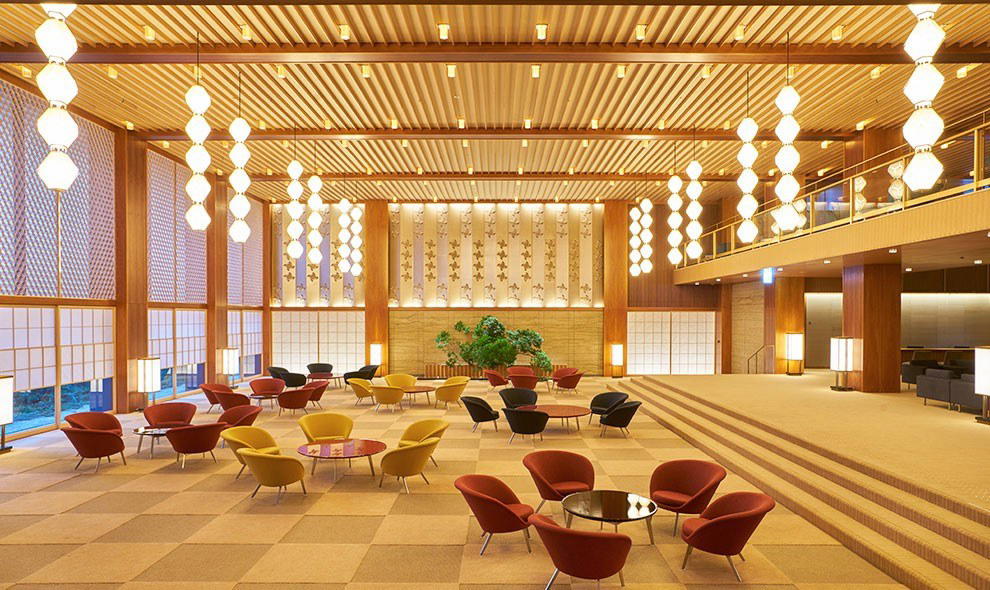
AANGAN reads as a large Shin-Okubo dining room rather than a hushed counter, with 120 seats, counter seating, sofa seating and a tatami room. Its Tabelog 100 selection for Tokyo’s Asian cuisine / ethnic cuisine category in 2024 gives it real credibility without forcing a formal mood.
Is AANGAN more mid-range or high-end?
Pricing at AANGAN is listed as JPY 2,000 - JPY 2,999 - JPY 999.
What are the operating hours at AANGAN?
Hours at AANGAN: Mon: 11 AM–11:30 PM; Tue: 11 AM–11:30 PM; Wed: 11 AM–11:30 PM; Thu: 11 AM–11:30 PM; Fri: 11 AM–11:30 PM; Sat: 11 AM–11:30 PM; Sun: 11 AM–11:30 PM.
Where is AANGAN located?
AANGAN is located in Tokyo.
Comparison Snapshot
Comparable options at the same price tier.
| Venue | Cuisine | Price | Awards | Notes |
|---|---|---|---|---|
| AANGANThis venue (the venue you are viewing) | Authentic Nepali Ethnic Cuisine | $10–20 | Tabelog 100 #75 | Not listed |
| PÂTISSERIE BIEN-ÊTRE | French-style patisserie and dessert shop | $10–20 | Tabelog 100 #59 | Shibuya |
| SERENDIB | Sri Lankan Restaurant & Bar | $10–20 | Tabelog 100 #62 | Taitō |
| Mr Cheesecake | Cheesecake Specialty Café | $10–20 | Not listed | Ginza |
| LADRIO | Classic Japanese kissaten café | $10–20 | Tabelog 100 | Chiyoda |
| Tea House TAKANO | Classic black tea house & cafe | $10–20 | Tabelog 100 #59 | Chiyoda |
Recognition history
Dated appearances from independent guides and award organizations, with the underlying list record or original source where available.
Tabelog 100 #75 · No. 75
Tabelog · Tabelog 100 - Asian cuisine / Ethnic cuisine - TOKYO - 2024
Continue exploring
More in Tokyo
Restaurants in Tokyo
All restaurants in Tokyo →

Bars in Tokyo
All bars in Tokyo →




Details
- Cozy
- Trendy
- Casual Hangout
- Group Dining
- Brunch
- Open Kitchen
- Street Scene
- A La Carte
- Set Menu
- Vegetarian Friendly
Current opening hours
- Monday
- 11 AM–11:30 PM
- Tuesday
- 11 AM–11:30 PM
- Wednesday
- 11 AM–11:30 PM
- Thursday
- 11 AM–11:30 PM
- Friday
- 11 AM–11:30 PM
- Saturday
- 11 AM–11:30 PM
- Sunday
- 11 AM–11:30 PM
Hours can change for holidays and private events. Hours as of .
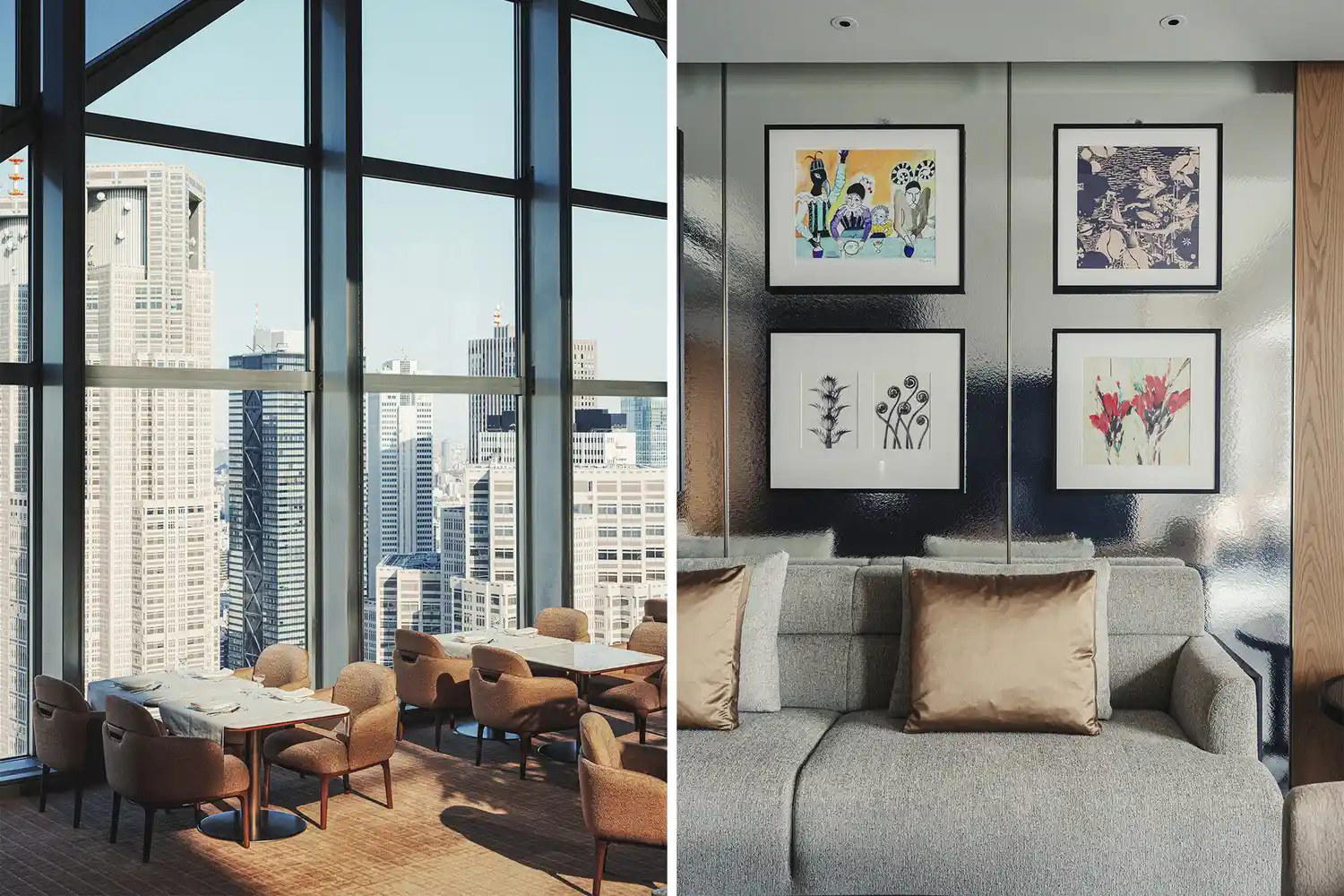
Airy open seats by windows with street views of neon lights and bustle, creating a casual travel-like atmosphere.