カドヤ食堂 本店 occupies the ground floor of a low-key residential building in Osaka's Nishiku ward, operating in the distinctly Osaka tradition of shokuji-dokoro, the neighbourhood dining room that prioritises substance over ceremony. Located at 西区新町4-16-13, the restaurant sits within a part of the city where culinary seriousness and everyday accessibility have long coexisted without contradiction.
Pearl is the En Primeur Club membership app — saves, bookings, and concierge access live there. Same editors, same standards.
- Address
- 西区新町4-16-13 (キャピタル西長堀 1F), 大阪市, 大阪府, 550-0013
 Saves & bookings on Pearl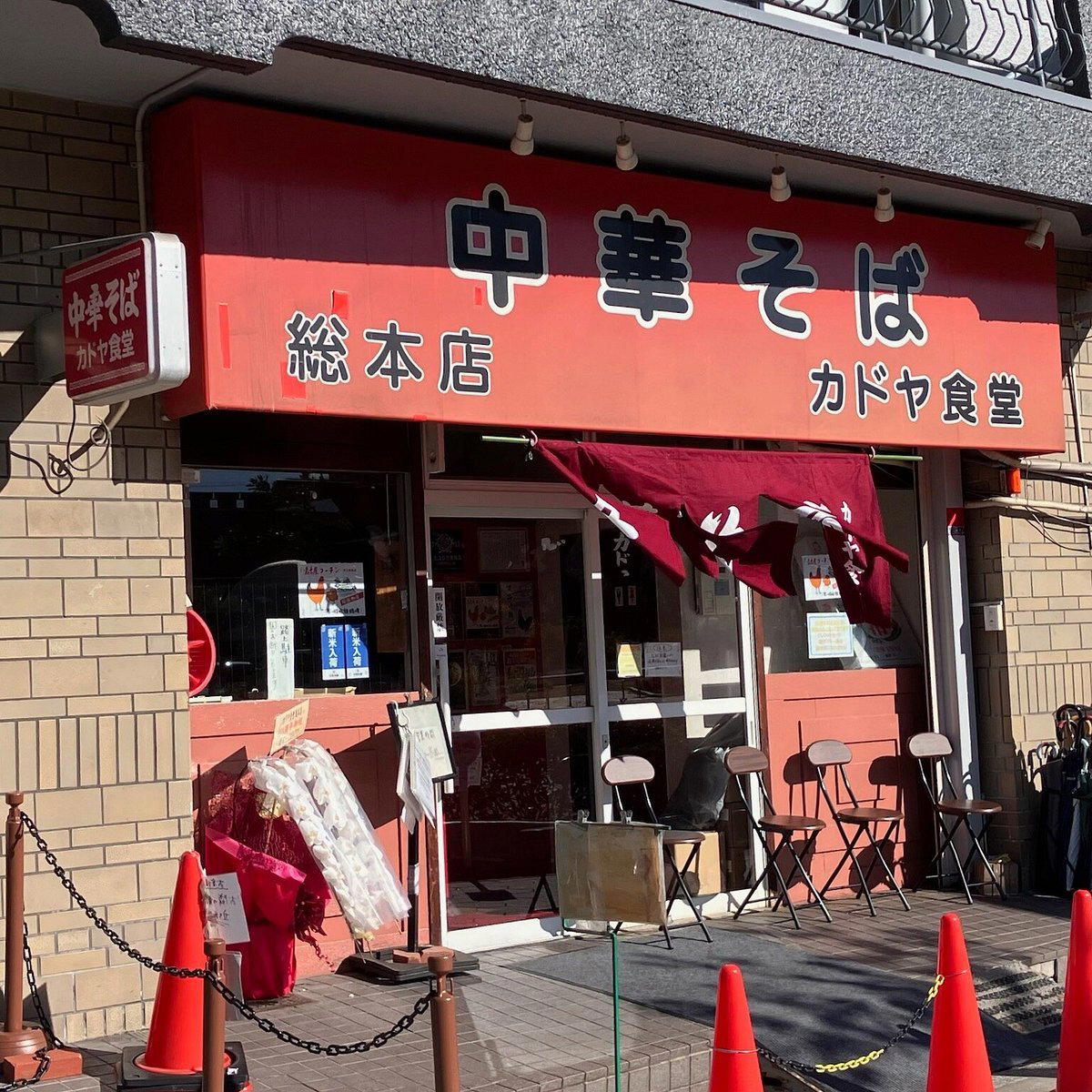
The Osaka Shokuji-Dokoro Tradition and Where カドヤ食堂 本店 Sits Within It
カドヤ食堂 本店 is a restaurant in Osaka's Nishiku ward serving Classic Osaka Chuukasoba Ramen, with a price tier of ¥¥. The building is residential in scale, a ground-floor unit in a quiet block that gives little outward signal of what draws people here. That restraint is characteristic of the neighbourhood and the format both.
Shinmachi itself sits between the commercial density of Honmachi and the more relaxed rhythm of Tanimachi, a zone where long-standing residents and office workers share streets with a growing number of food-serious visitors. The area is not a dining district in the way that Kitashinchi or Hozenji Yokocho are; it functions instead as a place where quality accrues quietly, without the promotional infrastructure of Osaka's more tourist-facing quarters. In that sense, the address at the キャピタル西長堀 building is fitting: the venue presents itself on neighbourhood terms rather than destination ones.
What the Shokuji-Dokoro Format Actually Demands
The shokuji-dokoro is one of Japan's most demanding formats precisely because it strips away the buffers that high-end dining builds in. There is no lengthy tasting menu to pace the experience, no sommelier programme to frame the alcohol, no elaborate room design to carry the atmosphere when the food underperforms. The kitchen is exposed in a way that premium multi-course formats rarely are. Every bowl, every plate, every broth is evaluated on its own terms by diners who return regularly and carry calibrated expectations developed over years of eating in Osaka.
This stands in contrast to the city's celebrated fine-dining tier, where venues like HAJIME and La Cime operate at ¥¥¥¥ price points within elaborately constructed tasting formats. Kaiseki specialists such as Kashiwaya Osaka Senriyama and Taian occupy the ¥¥¥ tier with deeply structured seasonal menus and formal service codes. Innovative houses like Fujiya 1935 work within their own conceptual frameworks. カドヤ食堂 本店 does not compete in any of those categories. It addresses a different appetite entirely: the diner who wants craft applied to everyday forms, not craft displayed through exceptional occasions.
Osaka's Noodle Culture and Its Culinary Weight
Japan's noodle traditions carry regional identity as clearly as any fine-dining idiom. Osaka's relationship with udon, in particular, is historically layered. The city's water, drawn from the Yodo River basin with its lower mineral content, produces a broth with a gentler profile than the harder-water preparations of eastern Japan. The characteristic Osaka udon broth runs lighter in colour and softer in flavour than Kanto equivalents, relying on kombu-forward dashi rather than the katsuobushi-heavy stocks common elsewhere. This is not a minor stylistic preference; it reflects centuries of accumulated culinary logic shaped by geography, trade routes, and the particular Osaka attachment to what locals call kuidaore, eating until you are satisfied, which implies satisfaction taken seriously.
Within this context, shokuji-dokoro that focus on noodle preparation carry genuine weight in how the city understands its food identity. The same culinary seriousness that operates at the fine-dining level in venues represented in our full Osaka restaurants guide flows, in a different register, through the neighbourhood eating houses that Osaka residents consider equally defining. A well-made bowl of ramen or udon in Osaka is not a casual afterthought; it is a statement about where the city's real culinary commitments lie.
Situating カドヤ食堂 本店 in the Wider Kansai Picture
Across the Kansai region, the eating-house tradition takes different forms by city. Gion Sasaki in Kyoto operates within that city's kaiseki inheritance, where formality is cultural expectation rather than marketing choice. Akordu in Nara applies a different lens, working European wine culture into a heritage setting. Osaka's version of accessible culinary seriousness is more direct than either: less concerned with ceremony, more focused on the quality of the thing itself.
The comparison extends beyond Kansai. Harutaka in Tokyo represents how a specialist format in the capital commands different expectations and different pricing from its Osaka equivalents. Goh in Fukuoka shows how another major western Japan city builds its own fine-dining identity. Against that geography, Osaka's neighbourhood eating-house tier remains one of the more underexamined parts of Japan's culinary infrastructure, examined seriously by residents, less so by the international press that tends to default to Tokyo or Kyoto as reference points.
Further afield, the comparison with international neighbourhood-format institutions is instructive. The way Le Bernardin in New York City commands authority through technical rigour rather than format novelty, or the way Atomix in New York City bridges cultural reference and contemporary presentation, points to a broader principle: seriousness of execution is not format-dependent. The shokuji-dokoro, at its finest, makes the same argument through plainer means.
Planning a Visit to Nishiku's Shinmachi
カドヤ食堂 本店 is at 西区新町4-16-13, in the キャピタル西長堀 building, 大阪市 550-0013. The Nishiku ward is accessible from central Osaka via the Sennichimae or Nagahori Tsurumi-ryokuchi subway lines; Nagahori-bashi and Nishinagahori stations are both within walking distance of Shinmachi. The neighbourhood lunch trade tends to be substantial in this part of Osaka, and popular shokuji-dokoro in the area are typically busiest between noon and 1:30pm on weekdays. Evening service draws a different mix, with more residents and fewer office-hour visitors. Visiting with some flexibility in timing is advisable, particularly during peak lunch hours.
Those building a broader Osaka itinerary around serious eating will find that Shinmachi connects naturally to other parts of the city's restaurant geography without the commute overhead of moving between Minami and Kita. The neighbourhood's low promotional volume is part of its character, and the eating houses here tend to be sustained by returning local custom rather than visitor traffic.
Quick Comparison
Comparable venues nearby, for context on price, style, and recognition.
| Venue | Cuisine | Price | Awards | Notes |
|---|---|---|---|---|
| カドヤ食堂 本店This venue — the venue you are viewing | Classic Osaka Chuukasoba Ramen | $$ | , | |
| 橋本屋 | Japanese Curry House | $$ | , | Minami-Senba |
| Tonkatsu Keisui | Specialist tonkatsu (Japanese pork cutlet) restaurant | $$ | , | Osaka |
| Ikemen Tomikura | Creative Udon & Tempura | $$ | , | Shijonawate |
| Okonomiyaki Chigusa | Traditional Osaka Okonomiyaki & Teppan Grill | $$ | , | Kita |
| KURODARUMA | Creative Japanese standing bar (izakaya-style) | $$ | , | Chūō |








At a Glance
- Classic
- Hidden Gem
- Iconic
- Rustic
- Casual Hangout
- Solo
- Open Kitchen
- Local Sourcing
Warm, inviting traditional Japanese eatery with a bustling counter-focused atmosphere; minimal seating with 14 total seats (6 counter, 8 table) creates an intimate, no-frills dining experience typical of classic Osaka ramen shops.