
Ikemen Tomikura places Osaka udon in a neighbourhood register rather than a station-mall one: Shijonawate, shrine approach, 35 seats, and a menu orbiting udon, tempura, and creative variations. Its Tabelog Udon WEST 100 selections in 2020, 2022, and 2024 put it among the region’s serious noodle addresses while keeping the price band closer to everyday Osaka dining.
Pearl is the En Primeur Club membership app — saves, bookings, and concierge access live there. Same editors, same standards.
- Address
- Japan, 〒575-0023 Osaka, Shijonawate, Nanko, 2 Chome−8−26 谷山ビル 1F
- Phone
- +81 72-862-4154
- Website
- ikemen-tomikura.com
 Saves & bookings on Pearl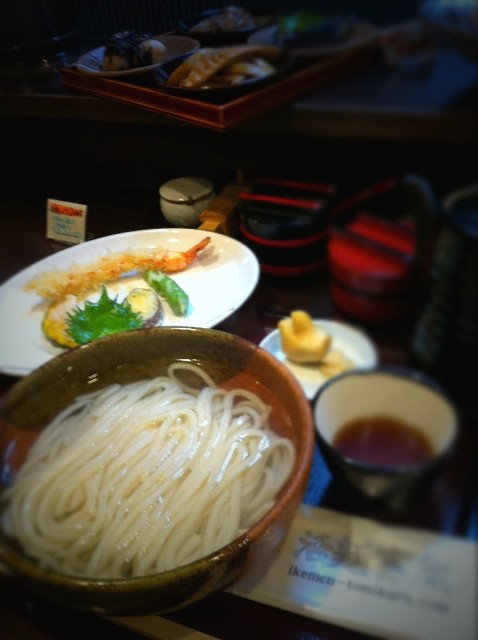
The approach matters here. Shijonawate is not the Osaka most visitors organise around: it sits outside the Namba-Umeda axis, with the rhythm of a local rail stop and a shrine approach rather than a department-store dining floor. That setting changes the read on udon. In central Osaka, noodles often become fuel between appointments; in a quieter neighbourhood, the same category can slow down into a meal built around texture, broth, and tempura timing.
Ikemen Tomikura belongs to that second Osaka. The room is compact rather than theatrical, with 35 seats split between five counter seats and table seating, a scale that suits udon better than ceremony. The format signals a shop that can take families, friends, and solo diners without turning the meal into a performance. That matters in Kansai, where udon culture is judged less by spectacle than by whether the bowl makes sense as a regular habit.
Shijonawate gives the udon a different pace
Osaka’s noodle map is often reduced to convenience: ramen near commuter hubs, udon in shopping arcades, quick bowls before trains. Shijonawate asks for a more intentional detour. The restaurant sits by the JR Gakkentoshi Line catchment rather than the tourist core, so the meal carries a local-neighbourhood logic: modest spend, short menu categories, and a room built for repeat use. That is a useful corrective to the idea that serious eating in Osaka always means Dotonbori density or Kita polish.
The category mix is telling. Udon, tempura, and creative cooking sit together here, which places the shop in a lane between classic noodle counter and casual washoku meal. Tabelog’s 2024 Udon WEST 100 selection gives the address a measurable credential in a field crowded with inexpensive competitors. Earlier selections in 2020 and 2022 suggest that the recognition is not a single-year spike. For travellers building a broader Osaka eating itinerary, that puts Ikemen Tomikura closer to a specialist stop than a general lunch fallback.
Price also shapes the editorial case. A lunch band under JPY 999 and a dinner band around JPY 1,000 to JPY 1,999 keep the experience in the range of everyday dining, not special-occasion tasting menus. That makes the recognition more interesting: udon awards in western Japan often reward craft within low-cost formats, where the margin for distinction is narrow and diners know the category intimately. In that context, a Tabelog score of 3.68 is less about luxury signalling than category credibility.
Udon, tempura, and the Kansai comfort code
Kansai udon has its own grammar. Compared with the darker, more forceful broths associated with parts of eastern Japan, western Japanese udon traditions usually favour a lighter dashi profile and a softer conversation between noodle and soup. The point is not aggression; it is balance, portion, and repeatability. A shop that adds tempura without pushing into full kaiseki territory is working inside a familiar Osaka comfort code: wheat noodles, hot oil, and side dishes that let the table build a meal at different levels of appetite.
The official category description names udon, tempura, and creative cooking, and that triad is the useful way to understand the restaurant. It is not a chef-biography story, and no named chef is needed to explain the appeal. The stronger reading is cultural: Osaka diners reward casual formats that refine staples without detaching them from daily life. In the same city, Marusho Gyoza Ten Honten competes in the low-cost dumpling lane, Menya Jikon Daitou honten occupies the noodle-specialist budget bracket, and Mitsushima Shinuchi sits in an even leaner spend range. Ikemen Tomikura’s position is adjacent but distinct: udon as the anchor, tempura as the companion, and neighbourhood regularity as the frame.
The drinks note also fits the format. Sake and shochu are listed, which moves the restaurant beyond a pure lunch-counter reading without making it a bar-led address. That detail is small but useful: evening udon in Osaka can be a full casual meal, not merely a bowl before the last train. Children are welcome, private rooms are not part of the setup, and non-smoking status aligns the room with family and mixed-age tables rather than late-night counter drinking.
How to place it in an Osaka itinerary
Decision is not whether this is a grand destination restaurant. It is whether a traveller wants to see Osaka’s food culture outside the obvious commercial corridors. On that measure, the address has a clear role. It rewards diners who are already thinking beyond takoyaki, okonomiyaki, and station ramen, and who understand that a city’s food intelligence often shows up in inexpensive specialist rooms.
For a day organised around central Osaka, this is a deliberate side trip; for anyone exploring the northeastern edge of the metropolitan area, it becomes a stronger fit. The restaurant opened in 2010, which gives it more than a decade of operating history, and its repeated Tabelog Udon WEST 100 recognition gives the detour a reason beyond curiosity. The 35-seat scale is large enough to feel like a neighbourhood restaurant rather than a hushed counter, but small enough that timing matters during peak meal periods.
Osaka rewards this kind of contrast. A full eating week might move from pork buns at 551 Horai (551蓬莱) to bakery stops such as 52CHO-ME BAKERY, coffee at .cafe, Italian cooking at a canto (Italian), or Neapolitan-leaning pizza at 99 Pizza Napoletana Gourmet. The restaurant adds the quieter counterpoint: a recognised udon specialist where the argument is made through category discipline rather than glamour.
For wider planning, use Our full Osaka restaurants guide alongside Our full Osaka hotels guide, Our full Osaka bars guide, Our full Osaka wineries guide, and Our full Osaka experiences guide. Travellers comparing Japanese casual formats beyond Osaka can also look at -Grilled beef Sukiyaki- KAMAKURA TANUKIAN 鎌倉 たぬき庵 in Kamakura. 鮪と炭火焼き うお炭 秋葉原店 in Tokyo.know in Kumamoto, (Shoku) Vietnam in Kawasaki, [Curry Senmon Ten] Maruyama Kyoju. in Sapporo, [ki:] in Kyoto, Jōdo Saké Bar in Los Angeles, and Onigiri Time in Pasadena.
The Essentials
Comparable venues by category and price.
| Venue | Cuisine | Price | Notes |
|---|---|---|---|
| Ikemen TomikuraThis venue — the venue you are viewing | Shijonawate, Creative Udon & Tempura | $$ | Not listed |
| Nakamura Shoten Takatsuki honten | Takatsuki, Ramen & Tsukemen Shop | $$ | Not listed |
| Udon Dining KONA×MIZU×SHIO | Not listed | $$ | Chūō, Modern udon dining with udon-based bread |
| Saru Shokudo Honmachi honten | Not listed | $$ | Chūō, Japanese Western (Yoshoku) |
| curry condor | Nishi, Modern Japanese spice curry | $$ | Not listed |
| Toyo (とよ) | Miyakojima Ward, Seafood Izakaya | $$ | Not listed |
Recognition history
Dated appearances from independent guides and award organizations, with the underlying list record or original source where available.
Tabelog 100 #30 · No. 30
Tabelog · Tabelog 100 - Udon - WEST - 2024
Continue exploring
More in Osaka
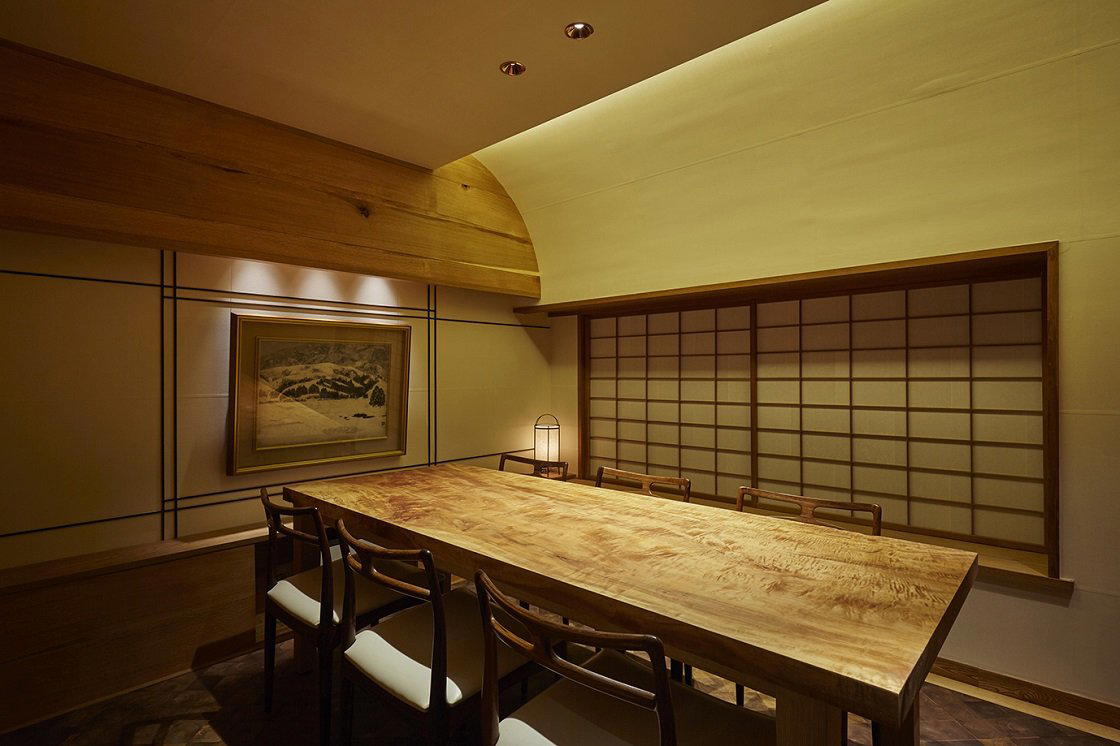
Restaurants in Osaka
Browse all →



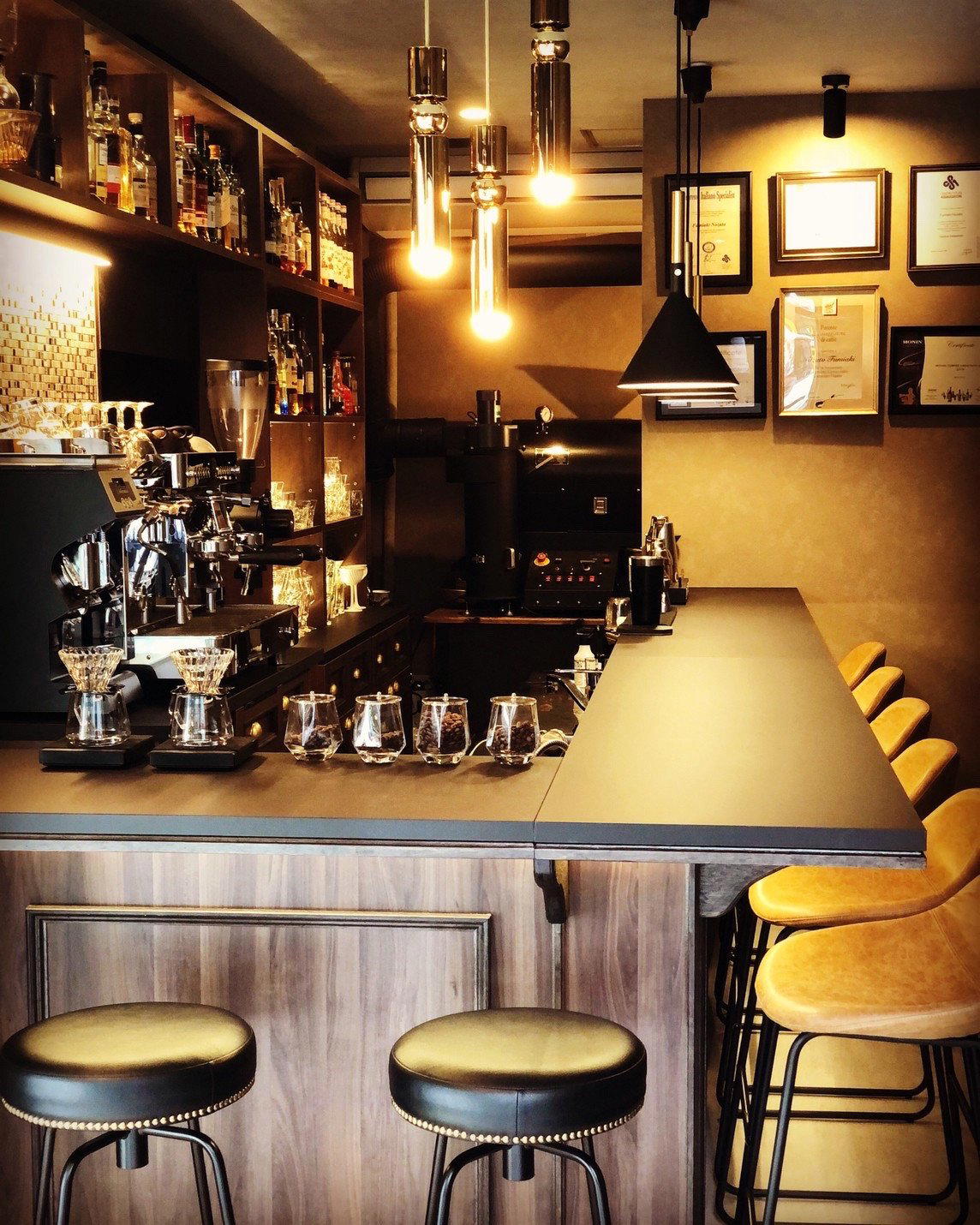
Bars in Osaka
Browse all →



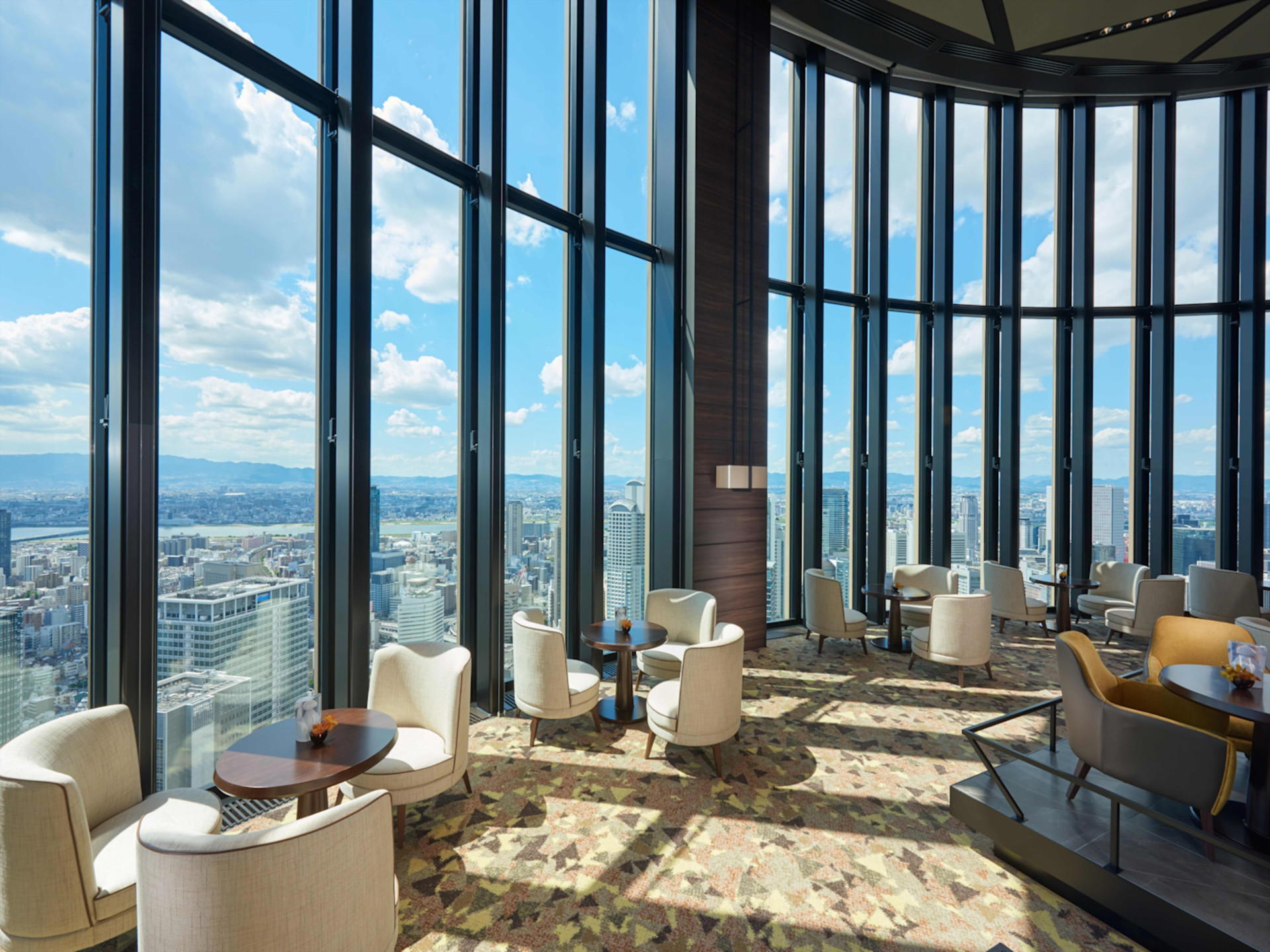
Hotels in Osaka
Browse all →



Wineries in Osaka
Browse all →
At a Glance
- Lively
- Cozy
- Rustic
- Solo
- Casual Hangout
- Family
- Group Dining
- Late Night
- Standalone
Current opening hours
- Monday
- Closed
- Tuesday
- Closed
- Wednesday
- 11 AM–2:30 PM, 5–9 PM
- Thursday
- 11 AM–2:30 PM, 5–9 PM
- Friday
- 11 AM–2:30 PM, 5–9 PM
- Saturday
- 11 AM–2:30 PM, 5–9 PM
- Sunday
- 11 AM–2:30 PM, 5–9 PM
Hours can change for holidays and private events. Last verified .
Casual and cozy with a lively, pub-like feel where guests enjoy creative udon and tempura in a small, relaxed dining room near the shrine approach; more bustling than quiet but comfortable for solo diners and small groups.