Sushi Nishizaki occupies a quiet address in Kitazawa, Setagaya, a neighbourhood better known for vintage shops and live music than high-end omakase. That displacement from Tokyo's usual sushi corridors is itself a signal worth reading. For diners willing to track a counter outside the Ginza-Roppongi axis, Nishizaki offers the format and discipline associated with the city's more established rooms.
Pearl is the En Primeur Club membership app — saves, bookings, and concierge access live there. Same editors, same standards.
- Address
- Japan, 〒155-0031 Tokyo, Setagaya City, Kitazawa, 5 Chome−3−12 地下1階
- Website
- omakaseje.com
 Saves & bookings on Pearl
A Counter in Kitazawa: Reading the Address
Shimokitazawa has spent the better part of two decades as Tokyo's most reliably bohemian ward, a place where record stores share blocks with small theatres and the average dinner conversation runs toward independent film rather than expense-account business. That a serious sushi counter operates here rather than in Ginza or Minami-Aoyama is not an accident of geography. It reflects a shift that has been reshaping Tokyo's dining geography for several years: as prime-zone rents compound and the omakase format matures, some of the more considered rooms have moved outward, away from the hotel-adjacent corridors where a certain kind of premium dining was once assumed to cluster.
Sushi Nishizaki sits at an address in Kitazawa's 5-chome, close enough to the station to be accessible, far enough from the main drag to feel deliberate.
The Evolution of the Neighbourhood Counter
To understand what a room like Nishizaki represents, it helps to track how the omakase format has evolved in Tokyo. The early 2010s saw a consolidation of prestige sushi into a small number of highly recognisable addresses, counters with Michelin recognition, long waiting lists, and prices calibrated against international fine dining. Places like Harutaka in Ginza occupied that upper bracket, drawing both domestic regulars and well-briefed overseas visitors who had done their research.
What followed was a quieter divergence. A second generation of counters emerged, some helmed by alumni of the established rooms, others operating independently, that chose neighbourhood settings over prestige addresses. The format stayed the same: sequential courses, chef-to-guest interaction across a hinoki or cypress counter, rice temperature managed to the minute. But the surrounding context changed. These rooms traded the implicit validation of a famous postcode for a different signal: the confidence to be found rather than obvious.
This is the tier in which Nishizaki operates. The counter format, the Setagaya location, the absence of the usual promotional apparatus, these are consistent with a room that assumes a certain kind of guest will make the effort, and prices and books accordingly.
Situating the Cuisine
Tokyo's sushi hierarchy runs from conveyor-belt chains at one end to allocation-only omakase at the other, with the neighbourhood counter occupying a middle ground that is often where interesting dining actually happens. At this level, the kitchen is not performing for a Michelin inspector or a guide ranking, it is performing for its regulars, which tends to sharpen both consistency and the relationship between chef and guest.
The omakase structure places all decision-making with the chef. There is no menu to negotiate, no substitution dynamic. The sequence reflects what the market delivered that morning and what the kitchen's preparation time can support. Edomae technique, the Tokyo-specific sushi tradition that pre-dates refrigeration and involves curing, marinating, and aging fish rather than serving it raw-from-tank, remains the reference point for counters at this level, though contemporary rooms vary in how literally they apply it.
For readers whose primary interest is kaiseki or French-influenced Japanese cooking rather than sushi specifically, Tokyo's comparable rooms in those categories include RyuGin for kaiseki and L'Effervescence for the French end of the spectrum. Sézanne and Crony represent more recent arrivals in the French-influenced category. Internationally, the precision-led counter format finds parallels at Atomix in New York and, at the seafood end, Le Bernardin, both of which demonstrate how a tightly controlled tasting format sustains itself outside its country of origin.
Japan Beyond Tokyo: The Regional Comparison
For diners building a broader Japan itinerary around this kind of serious, intimate dining, the country rewards a wider map. HAJIME in Osaka and akordu in Nara both demonstrate how the precision-kitchen format travels across the archipelago. Further north, 夕仙山乃 in Sapporo and 三本木 在川制 in Nanao offer a different register of Japanese dining, regional ingredient access and a quieter, less internationally trafficked setting. 湖畔庵 in Takashima, 庭羽屋 in Nishikawa Machi, Birdland in Sakai, and Bistro Ange in Toyohashi extend that picture further, a reminder that Japan's dining depth is not contained within its three largest cities.
Planning Your Visit
Shimokitazawa is served by the Odakyu and Keio Inokashira lines, with the station a short walk from Nishizaki's 5-chome address in Kitazawa. The neighbourhood's character rewards arriving early and walking before dinner, the covered shopping arcade and the streets south of the station have a texture quite different from the polished thoroughfares of Omotesando or Ginza.
Advance reservation is essential. For up-to-date access information, the venue's address in Setagaya's Kitazawa district is the confirmed starting point.
Quick reference: Sushi Nishizaki, 5-chome-3-12, Kitazawa, Setagaya City, Tokyo 155-0031, Japan. Advance reservation is essential. Dinner hours are Monday, Tuesday, Thursday through Sunday from 6 to 11:30 PM; Wednesday is closed.
Where the Accolades Land
Comparable venues nearby, for context on price, style, and recognition.
| Venue | Cuisine | Price | Notes |
|---|---|---|---|
| Sushi NishizakiThis venue — the venue you are viewing | Traditional Omakase Sushi | $$$$ | Not listed |
| 重箱 | Traditional Japanese Unagi Fine Dining | $$$$ | Akasaka |
| Sushi Sho | Traditional Edomae Sushi Omakase | $$$$ | Nishiazabu |
| Sushi Kenshin | Edomae Omakase Sushi | $$$$ | Shibuya |
| The INNOCENT CARVERY | Modern Wagyu Yakiniku Omakase | $$$$ | Minato |
| 四ッ谷 みね村 | Traditional Japanese Kaiseki | $$$$ | Shinjuku |














At a Glance
- Cozy
- Intimate
- Elegant
- Date Night
- Special Occasion
- Chefs Counter
- Sake Program
Current opening hours
- Monday
- 6–11:30 PM
- Tuesday
- 6–11:30 PM
- Wednesday
- Closed
- Thursday
- 6–11:30 PM
- Friday
- 6–11:30 PM
- Saturday
- 6–11:30 PM
- Sunday
- 6–11:30 PM
Hours can change for holidays and private events. Last verified .
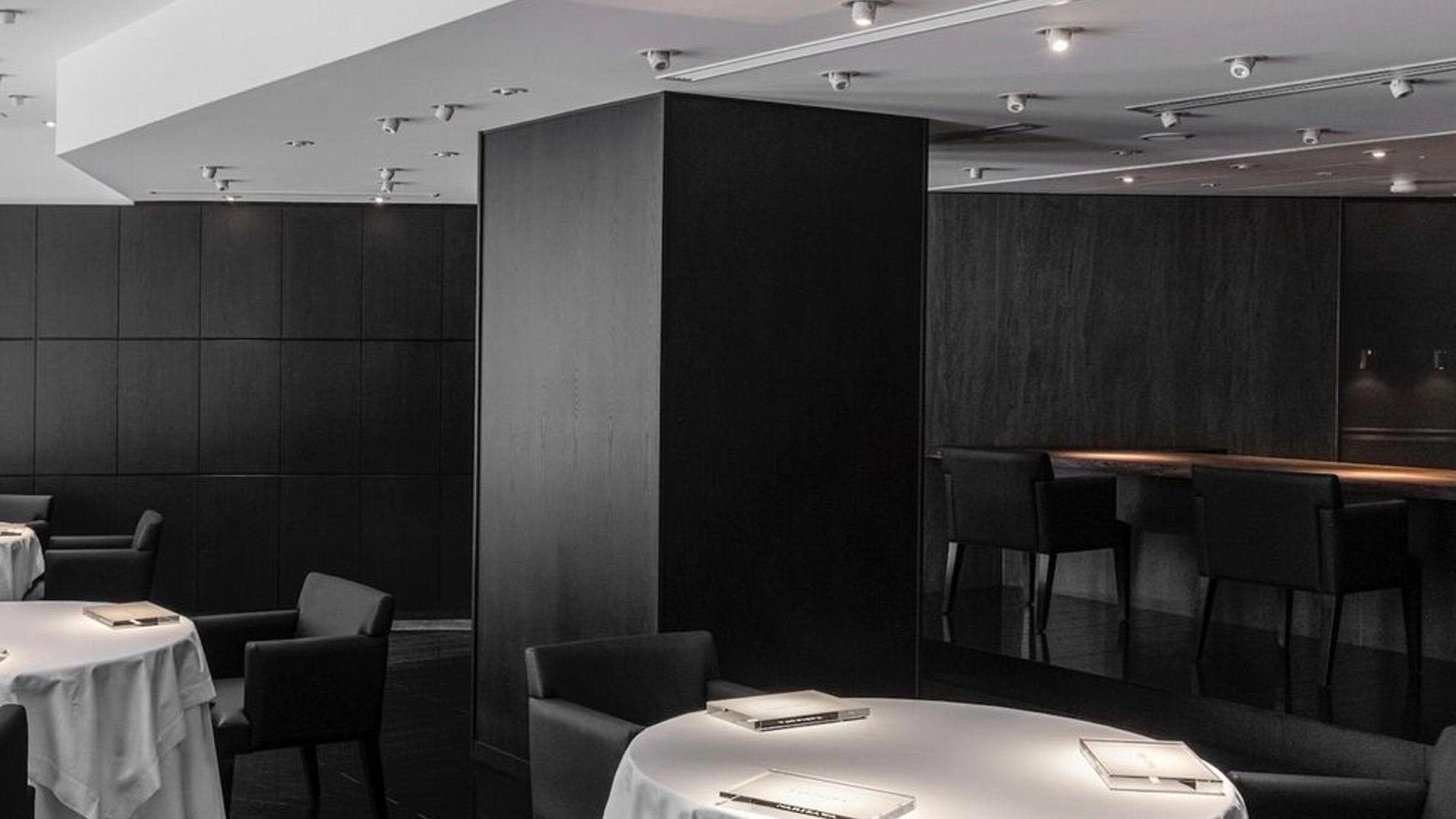
Low-ceilinged, cozy counter seating around a polished preparation area with a purposeful, disciplined atmosphere during early evenings.