
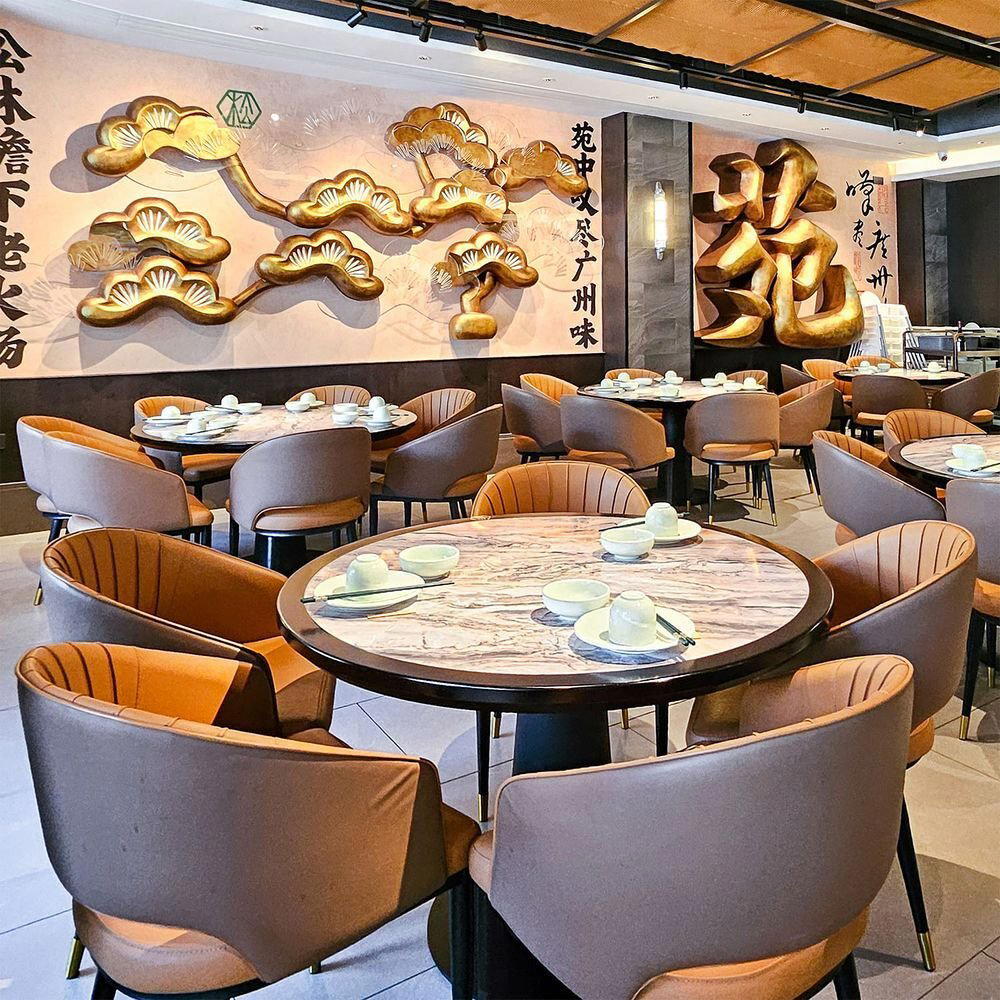
Wenjian Hainan Cuisine brings a regional Chinese tradition that rarely surfaces in Guangdong's restaurant scene to a polished mall setting inside K11 Art Mall, Tianhe. Consecutive Michelin Plate recognitions in 2024 and 2025 confirm its position as one of the city's few dedicated venues for Hainanese cooking at the mid-to-premium tier, sitting at ¥¥ against a neighbourhood comparable set that skews considerably higher.
Pearl is the En Primeur Club membership app — saves, bookings, and concierge access live there. Same editors, same standards.
- Address
- China, CN 广东省 广州市 天河区 珠江东路 6 6号K11购物艺术中心5楼L502~L503 邮政编码: 510623
- Phone
- +86 20 6667 2008
- Website
- hainan-wenjian.com
- Directions
- Get directions
 Saves & bookings on Pearl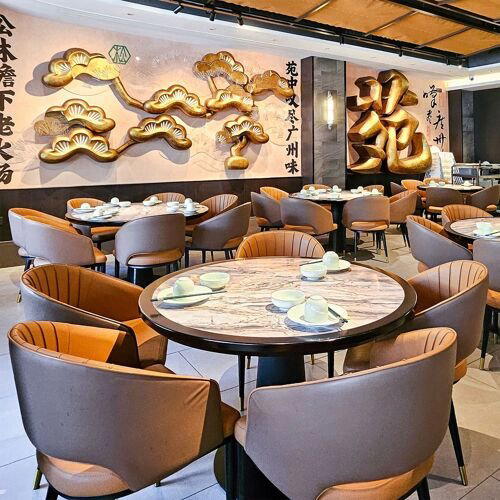
Hainanese Cooking in a Cantonese City
Guangzhou's dining identity is built on Cantonese cooking, and the city's Michelin Guide reflects that clearly: the majority of recognised addresses serve dim sum, roast meats, or the refined seafood traditions associated with Guangdong province. Against that backdrop, the small cluster of restaurants representing other Chinese regional cuisines occupies a genuinely distinct position. Hainanese cuisine, rooted in the island province of Hainan to the south, is among the least visible of China's major regional traditions in mainland fine-dining circuits, which makes Wenjian Hainan Cuisine's back-to-back Michelin Plate recognitions in 2024 and 2025 a meaningful marker of where dedicated regional cooking can land when executed with consistency.
The Michelin Plate, awarded to restaurants serving food of good quality without reaching star level, functions as a quality floor rather than a ceiling. In Guangzhou's context, where the competition at that tier includes addresses drawing on particularly technically demanding traditions in Chinese cooking, holding the designation for two consecutive years signals that Wenjian is operating at a price point that keeps it accessible within the city's regional dining landscape. It sits at a ¥¥ price tier, which positions it below the ¥¥¥ tier occupied by venues such as Imperial Treasure Fine Chinese Cuisine and Chōwa, and well below the ¥¥¥¥ bracket where Taian Table operates. That price positioning makes it one of the more accessible Michelin-recognised restaurants in the city.
A Regional Tradition Finds a Broader Audience
Hainanese cooking is sometimes reduced, in international contexts, to a single dish: the Hainanese chicken rice that became a staple across Southeast Asia through the Chinese diaspora. That association, while historically grounded, flattens a cuisine that encompasses a broader range of preparations drawing on the island's coastal geography, tropical produce, and distinct seasoning traditions. Within mainland China, Hainanese restaurants have typically served as neighbourhood or community dining rather than aspirational destination addresses. The emergence of venues like Wenjian in first-tier mainland cities represents part of a longer evolution: the gradual elevation and formalisation of regional Chinese traditions that were historically underrepresented in premium dining circuits.
That evolution is visible across the broader Chinese dining scene. Venues committed to specific regional traditions, from Teochew to Yunnan to northeastern Chinese cooking, have moved from casual canteen formats into spaces that pair considered menus with better service and more deliberate environments. The K11 Art Mall setting in Guangzhou's Tianhe district is a product of that shift: a mixed-use cultural retail environment that has attracted a cross-section of mid-to-premium dining tenants, creating conditions for regional specialists to reach audiences who might not seek them out in a standalone neighbourhood context.
The K11 Setting and What It Signals
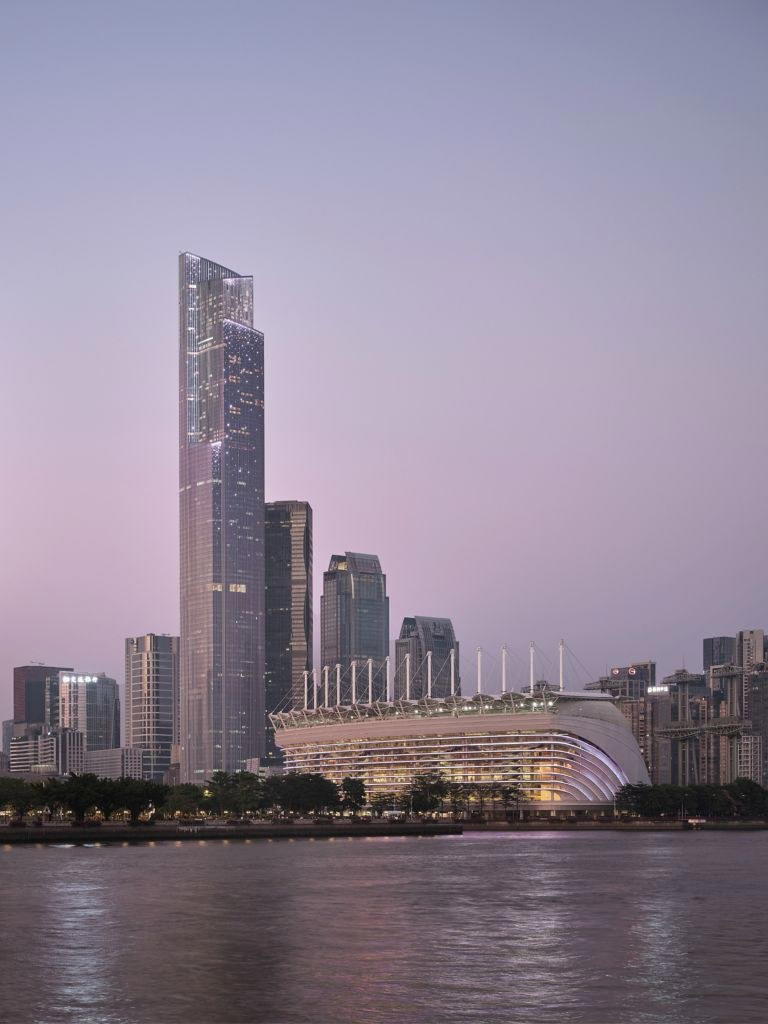
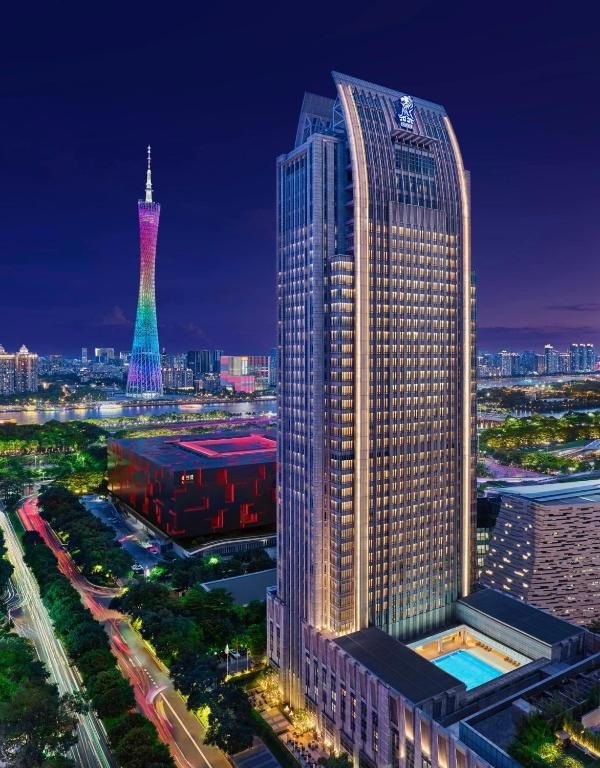
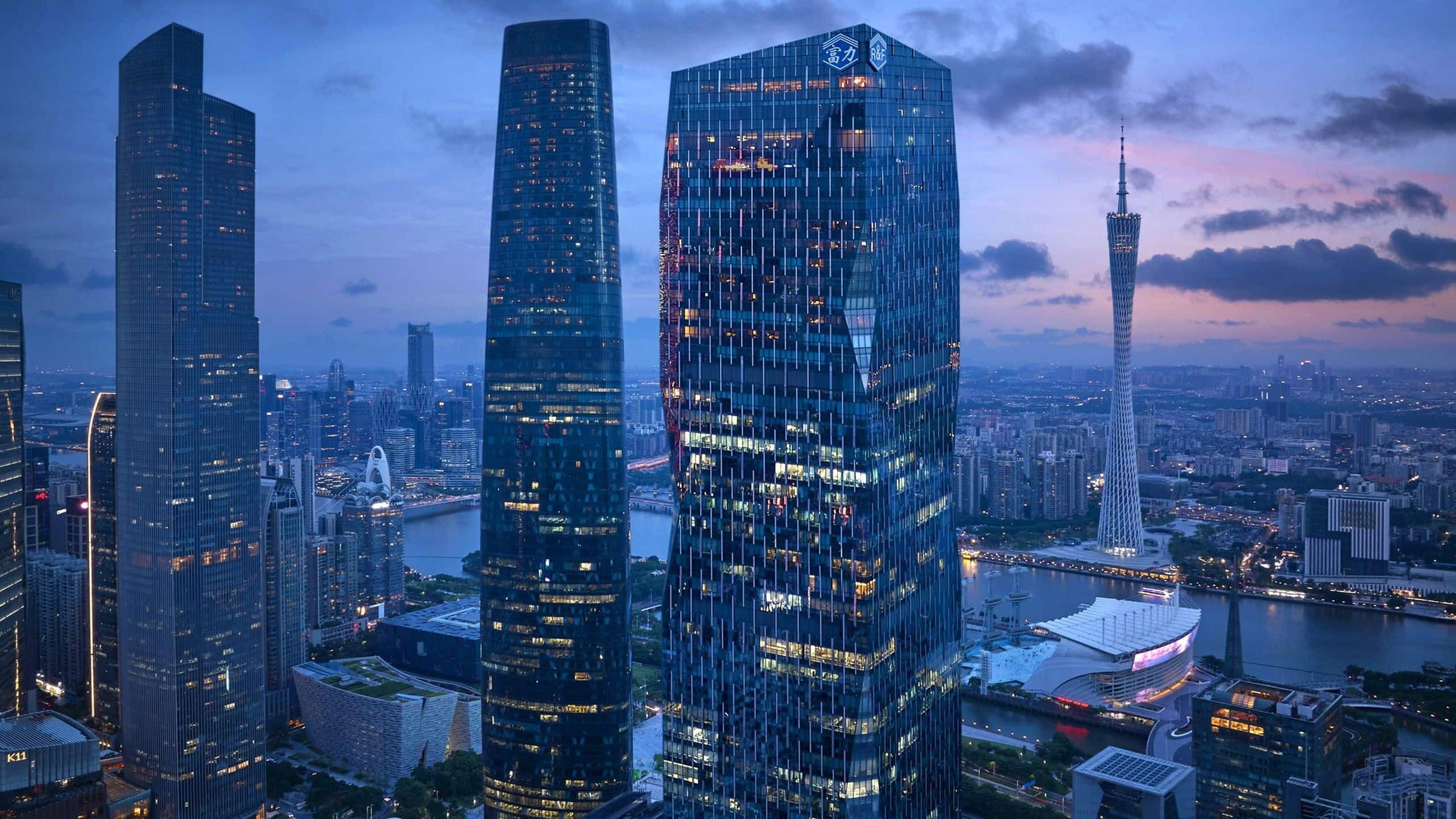
K11 Art Mall on Zhujiang East Road sits within Tianhe, Guangzhou's primary commercial and financial district. The mall positions itself around art programming and curated retail rather than mass-market footfall, which tends to attract a more engaged dining demographic. For a regional cuisine specialist, that tenant environment matters: it provides proximity to a clientele with enough culinary curiosity to seek out cooking traditions outside the Cantonese mainstream, without the isolation risk of a standalone location in a less trafficked area.
Among Guangzhou's other recognised addresses, several operate within comparable premium mall or hotel settings. Jiang by Chef Fei and BingSheng Mansion (Xiancun Road) anchor different ends of the Cantonese spectrum within hotel and standalone properties respectively. Wenjian's mall positioning at ¥¥ creates a different access point: lower commitment for a first visit, easier to combine with other activities, and less formal in expectation. That informality is not a concession; it reflects how mid-range regional specialists in Chinese cities tend to build their regulars base, through repeat visits rather than occasion dining.
Regional Chinese Cuisine Across the Country
The appetite for formalised regional Chinese cooking is not confined to Guangzhou. In Beijing, Xin Rong Ji (Xinyuan South Road) has made Taizhou cuisine from Zhejiang province into a premium destination proposition. In Shanghai, 102 House operates in a similarly focused regional register. Ru Yuan in Hangzhou and Xin Rong Ji in Chengdu extend the pattern across different cities and traditions. Across the water, Chef Tam's Seasons in Macau and Dai Yuet Heen in Nanjing represent how Chinese regional cooking travels into new city contexts. The common thread is a willingness to present specific culinary traditions on their own terms rather than as supporting elements in a broader pan-Chinese menu. Wenjian fits into that category as Guangzhou's most consistently recognised dedicated Hainanese address.
For diners more accustomed to internationally framed fine dining, the contrast in ambition is instructive. Venues like Le Bernardin in New York City or Atomix in New York City operate within well-documented Western critical frameworks. The Michelin system applied to Chinese regional cooking works differently: the Plate designation here recognises quality within a tradition rather than innovation against a global benchmark, which is a more useful frame for understanding what Wenjian is doing and who it serves.
What Regulars Order
What the Hainanese tradition typically anchors around, based on the cuisine's documented profile, includes preparations that foreground clean, restrained seasoning, quality protein, and minimal intervention, characteristics that distinguish it from the bolder spice profiles of Sichuan or Hunan cooking. Regulars at Hainanese specialists in mainland China tend to return for precisely those qualities: dishes where the sourcing and technique are the point, rather than complexity of flavour layering. That said, any specific ordering recommendation should come from the venue directly or from recent firsthand accounts rather than from general category knowledge.
Know Before You Go
- Location: K11 Art Mall, 5th Floor, Units L502-L503, 6 Zhujiang East Road, Tianhe District, Guangzhou
- Price tier: ¥¥ (mid-range; accessible relative to ¥¥¥ and ¥¥¥¥ peers in Tianhe)
- Recognition: Michelin Plate 2024 and 2025
- Cuisine: Hainanese (regional Chinese)
- Nearest transport: Tianhe district is served by multiple metro lines; Zhujiang New Town and Tianhe Coach Terminal stations are the closest interchange points
Frequently Asked Questions
What do regulars order at Wenjian Hainan Cuisine?
Hainanese cuisine broadly centres on preparations that prioritise clean seasoning and quality ingredients over complex spicing, and returning diners at Hainanese specialists in mainland China typically focus on protein-led dishes where sourcing and cooking technique carry the weight. For current menu specifics, contact the restaurant directly or consult recent visitor accounts. The venue's Michelin Plate recognitions suggest that whatever the kitchen is serving is being executed consistently, which is typically what drives repeat visits in this price tier against Guangzhou's broader Chinese cuisine offer.
Standing Among Peers
Comparable venues nearby, for context on price, style, and recognition.
| Venue | Cuisine | Price | Awards | Notes |
|---|---|---|---|---|
| Wenjian Hainan CuisineThis venue — the venue you are viewing | Hainanese Cuisine | $$ | Michelin Plate | Not listed |
| Tao Gie Mie Zhou | Authentic Chaozhou | $$$ | Michelin Plate | Guangzhoushi |
| Famous Cuisine (Tianhe North Road) | Traditional Cantonese | $$ | Michelin Plate | Guangzhoushi |
| Flavors of China | Provincial Chinese with Huaiyang and Sichuan Specialties | $$$ | Michelin Plate | Guangzhoushi |
| Hai Men Yu Zi Dian (Yanling Road) | Chaozhou Seafood | $$ | Bib Gourmand | Guangzhoushi |
| Liang Jie Nanning Pumiao Shengzha Mifen (Yinghua Street) | Guangxi Pumiao Shengzha Mifen | $$ | Bib Gourmand | Guangzhoushi |
Recognition history
Dated appearances from independent guides and award organizations, with the underlying list record or original source where available.
Michelin Plate
Michelin
Michelin Plate
Michelin
Michelin Plate
Michelin
Continue exploring
More in Guangzhou
Restaurants in Guangzhou
Browse all →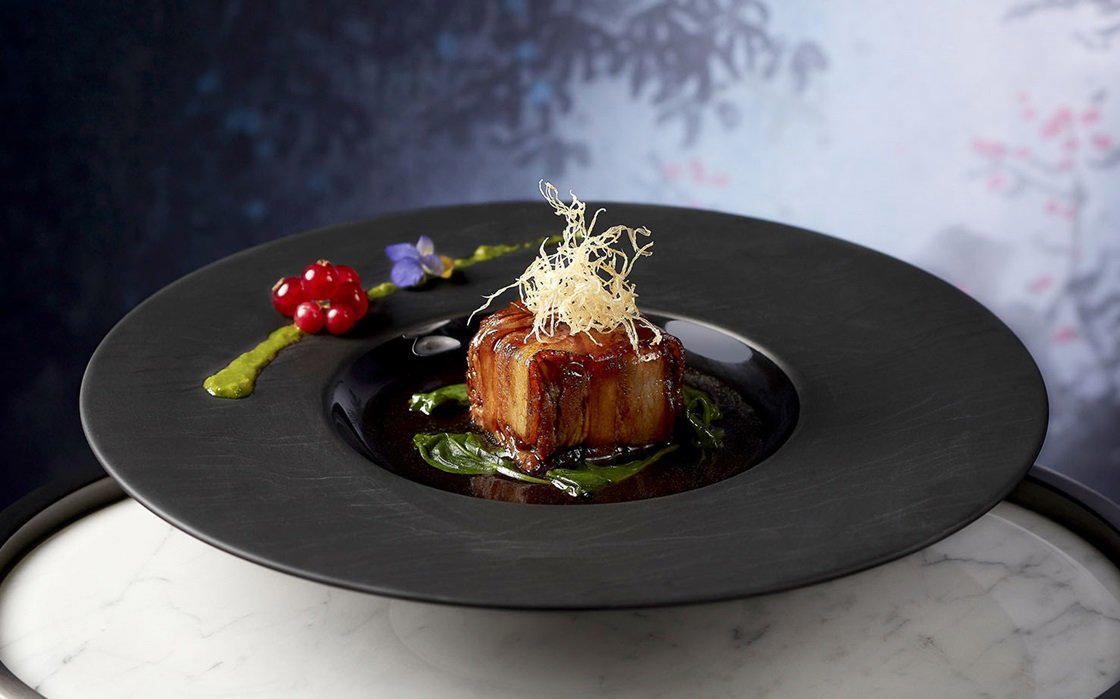
Bars in Guangzhou
Browse all →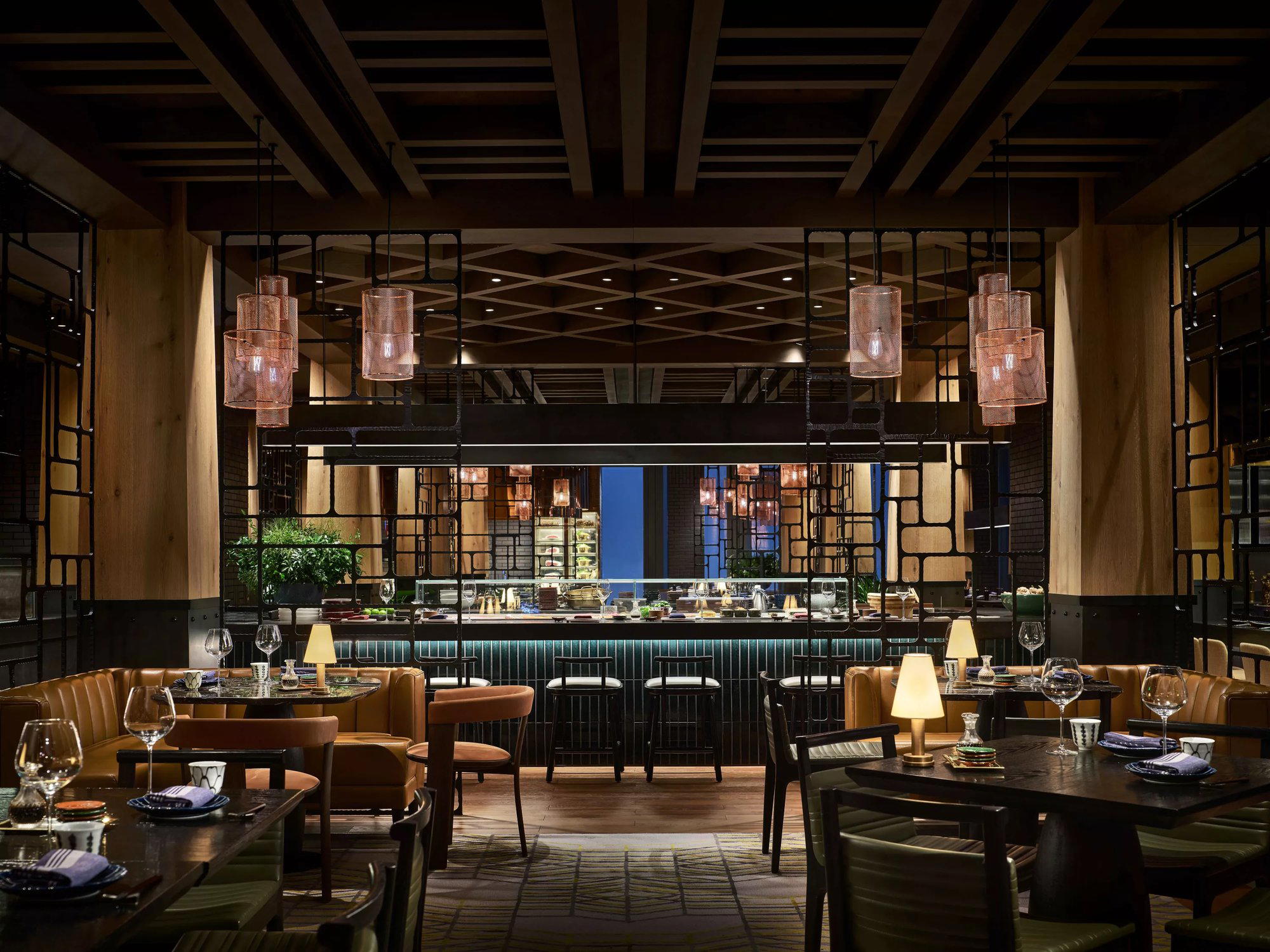
At a Glance
- Elegant
- Sophisticated
- Group Dining
- Special Occasion
- Business Dinner
- Design Destination
- Local Sourcing
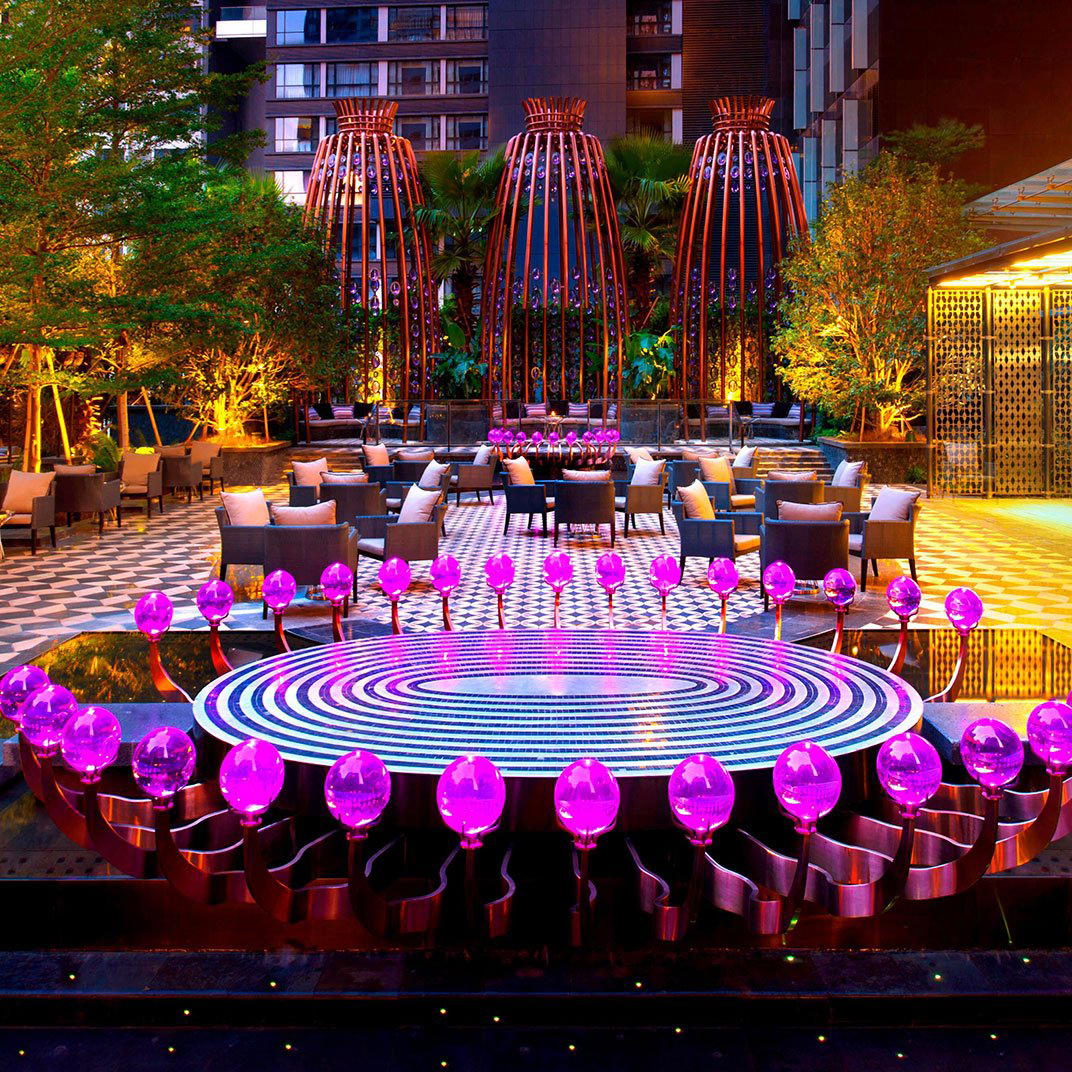
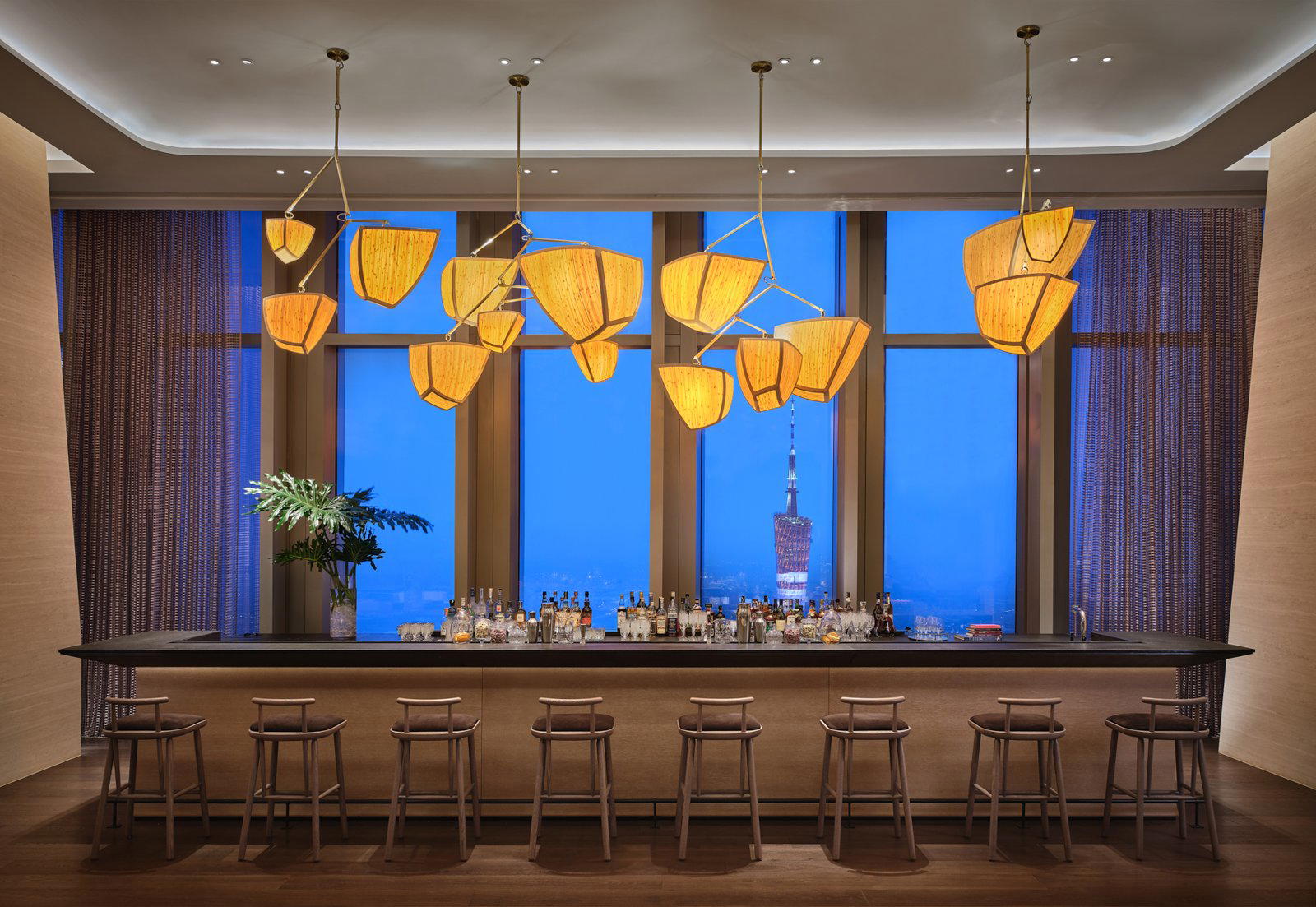
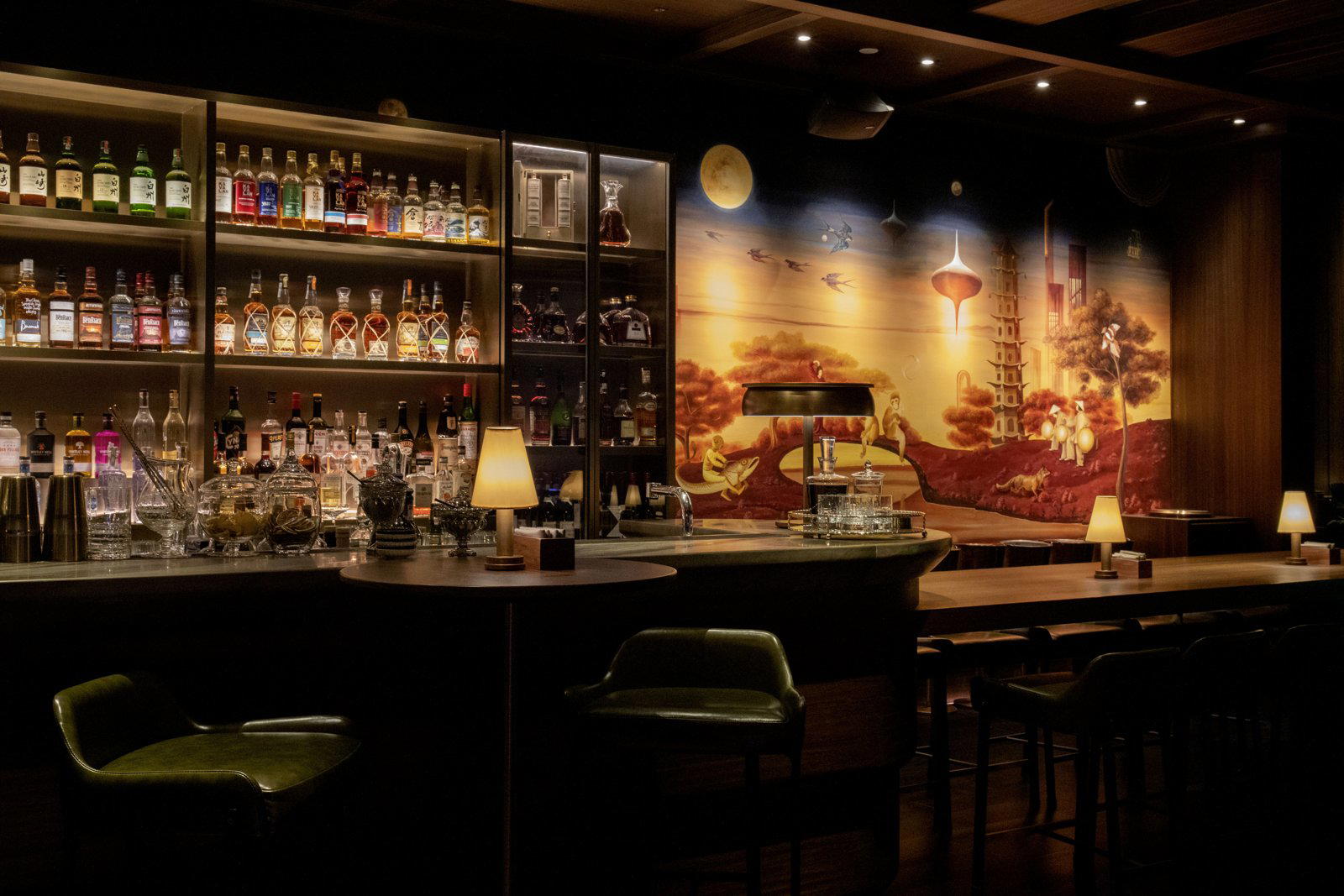
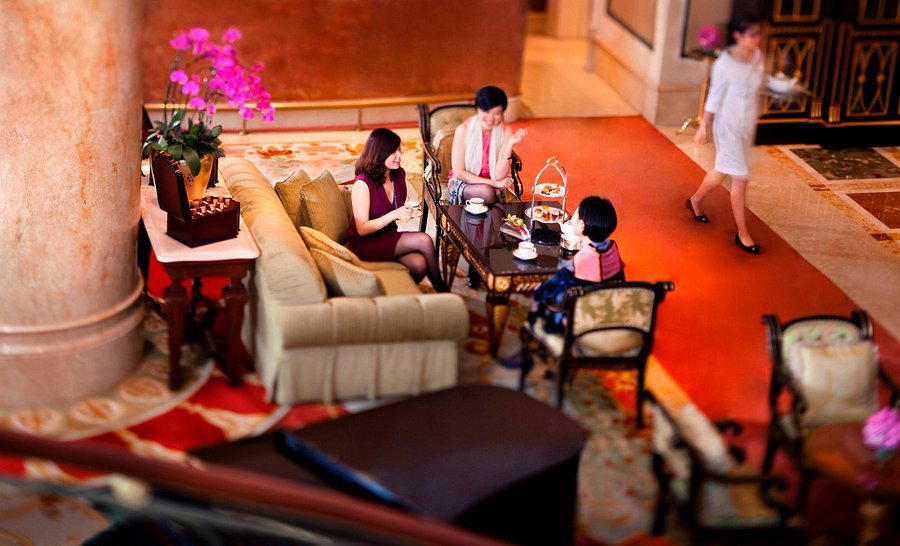
Sophisticated and gallery-like atmosphere with art installations throughout, creating an upscale yet welcoming environment for diners.