Our verdict
新光酒家方亮蟹宴(黄浦店) sits on Tianjin Road in Huangpu, Shanghai, operating within a dining tradition that treats hairy crab as the centrepiece of an entire seasonal ritual rather than a single menu item. The restaurant draws on the Shanghainese banquet format, structured, ceremonial, and built around the autumn crab calendar. Reservations during peak hairy crab season (September through November) are advisable well in advance.

Pearl is the En Primeur Club membership app, where members save venues, book tables and use the concierge.
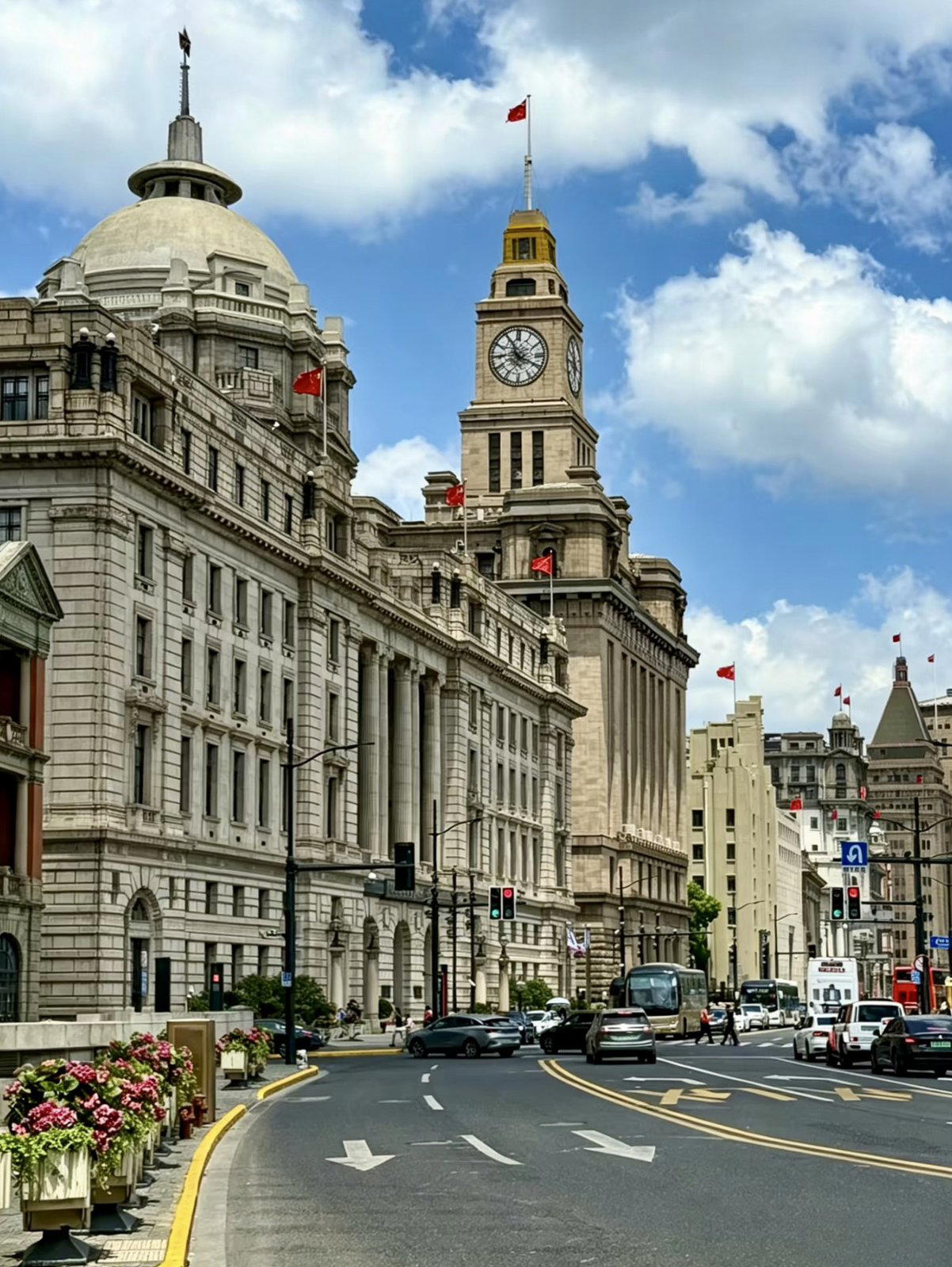
The menu
What to order
- 清蒸大闸蟹
- 蟹膏银皮
- 蟹柳烩芦笋
- 清炒蟹粉
Tianjin Road and the Shanghainese Crab Ritual
There is a category of Shanghai restaurant that exists almost entirely outside the city's international dining conversation. These are not omakase counters or tasting-menu operations targeting foreign critics; they are banquet houses oriented around a single seasonal product, a specific occasion format, and a local clientele that has been eating this way for generations. 新光酒家方亮蟹宴(黄浦店), on Tianjin Road in Huangpu, sits squarely in that tradition. The address, 512 天津路, places it in the administrative and commercial core of old Shanghai, a district where the built environment still carries the compressed memory of Republican-era commerce and postwar municipal life. Entering along Tianjin Road, you are walking through a neighbourhood that predates the Xintiandi redevelopment, the Bund hotel conversions, and the Lujiazui skyline by decades. That context matters, because it shapes the kind of restaurant that survives here: one answering to regulars, not to review aggregators.
For broader orientation on what Huangpu's dining scene looks like across formats and price points, our full Huangpu restaurants guide maps the district's range from neighbourhood canteens to contemporary fine dining. 新光酒家方亮蟹宴 occupies a specific and deliberate corner of that range.
The Cultural Weight of Hairy Crab in Chinese Dining
To understand what this restaurant is doing, you need to understand what hairy crab means in Chinese food culture, specifically in the Jiangnan tradition that Shanghai inherits. Yangcheng Lake hairy crab (大闸蟹, dàzhāxiè) is not simply a seasonal ingredient in the way that, say, asparagus marks European spring menus. It is a ritual object. The crab season, running from approximately late September through November, organises a portion of Shanghai's social calendar. Crabs are gifted between business associates, brought to family meals, and debated on Weibo with the kind of granular attention that wine enthusiasts apply to vintages. Crab coupons, prepaid vouchers redeemable during the season, function as a parallel economy in September.
Within this tradition, the crab banquet format (蟹宴) takes the ritual a step further. Rather than serving a single steamed crab alongside other dishes, the crab banquet structures an entire meal around the ingredient, cold preparations, warm dishes, soup courses, and the centrepiece steamed crab, following a progression that mirrors the logic of a tasting menu without borrowing its vocabulary. This is a format with deep roots in Suzhou and Hangzhou as well as Shanghai, and it survives because it fulfils a social function that no amount of contemporary fine dining can replicate: it gives a table of eight or ten people a shared ceremony, a shared mess, and a shared argument about which claws to eat first. Comparable banquet-oriented traditions survive across the Jiangnan region; Ru Yuan in Hangzhou and Dingshan·Jiangyan (Xiangcheng) in Suzhou each operate within related frameworks, though their emphases differ.
Where 新光酒家方亮蟹宴 Fits in Shanghai's Broader Dining Picture
Shanghai's upper-tier Chinese dining has consolidated around a recognisable set of formats over the past decade: Cantonese fine dining anchored by dim sum and roast programs, Shanghainese heritage restaurants repositioning around nostalgia and premium ingredients, and Sichuan houses running on spice-ledger menus. The crab banquet house occupies a different structural position. Its peak relevance is compressed into roughly eight weeks a year; outside that window, the kitchen pivots to other seasonal programs, but the restaurant's identity is seasonally anchored in a way that most restaurants are not.
Within Shanghai, this creates a peer group that operates more like a specialist than a generalist. Comparing 新光酒家方亮蟹宴 to, say, the vegetarian precision of Fu He Hui or the Nikkei register of Aji makes little sense; those restaurants answer to different dining motivations entirely. The more relevant comparison is with other Shanghainese banquet operations that treat hairy crab as their organising principle. At that level, the question becomes one of sourcing credibility, kitchen consistency across the crab's brief window, and whether the non-crab courses justify the meal's full length. Among broader Chinese fine dining references worth consulting for context, Xin Rong Ji (Xinyuan South Road) in Beijing and Imperial Treasure Fine Chinese Cuisine in Guangzhou represent how other regional traditions handle premium ingredient-led formats at scale.
Closer to home, Kitchen Studios (荟食厅) in Huangpu takes an entirely different approach to the Shanghainese dining moment, more studio format, less ceremony, which illustrates how varied the district's current offer has become. And 102 House in Shanghai approaches Chinese culinary heritage from a different angle again, with a heritage-home setting that shares some of 新光酒家方亮蟹宴's interest in rooted local tradition without the seasonal anchor.
Practical Considerations for Visiting
The address at 512 Tianjin Road places the restaurant in a walkable pocket of central Huangpu, reachable from People's Square by foot in under fifteen minutes. The surrounding streets retain a workaday density that contrasts with the curated retail of the Bund corridor nearby, and this is by design: the restaurant is not positioned as a destination for visitors on a single-evening window, but as a returning address for Shanghainese diners who schedule their autumn around the crab calendar.
Timing is the single most consequential logistical decision. A visit outside the hairy crab season, roughly late September through November, will encounter a different menu orientation. Visitors with a specific interest in the crab banquet format should plan accordingly and book well ahead once the season opens. Phone and online booking details are best confirmed through current local listings, as operational information for this address was not available at time of writing. For comparison, Dai Yuet Heen in Nanjing and Shang Palace in Yangzhou both operate within the broader Jiangnan fine dining circuit and can offer useful alternatives or complements to a Huangpu itinerary anchored around Chinese banquet dining.
For those building a broader trip around premium Chinese dining across the region, Chef Tam's Seasons in Macau, Xin Rong Ji in Chengdu, and Jiangnan Wok·Rong in Fuzhou each represent distinct regional takes on the Jiangnan and broader Chinese fine dining tradition that this restaurant sits within. Further afield, Fleurs Et Festin in Xiamen offers a different register again.
Frequently asked questions
Is 新光酒家方亮蟹宴(黄浦店) a family-friendly restaurant?
The format aligns well with multi-generational Chinese dining occasions. Hairy crab banquets in the Jiangnan tradition are typically shared-table affairs, making the experience structurally suited to family groups gathering for seasonal meals. The Tianjin Road location in central Huangpu is accessible by foot from People's Square, which reduces logistics for larger parties.
What's the overall feel of 新光酒家方亮蟹宴(黄浦店)?
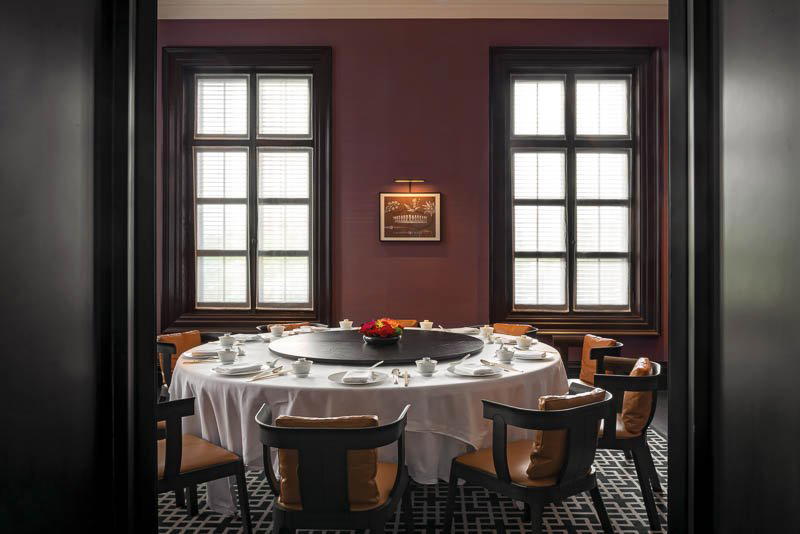
The restaurant operates in a register that Shanghai regulars would recognise as a specialist banquet house rather than a contemporary dining room. The focus is the crab itself, and the atmosphere reflects that seriousness of purpose: this is a destination for the autumn hairy crab season, not an all-year casual drop-in. Expect a setting geared toward group dining at 512 Tianjin Road, Huangpu.
When is the best time of year to visit 新光酒家方亮蟹宴(黄浦店) for hairy crab?
Hairy crab season in the Jiangnan region runs from late September through November, with peak availability and quality typically falling in October for female crabs and November for males. A specialist restaurant like 新光酒家方亮蟹宴, whose name explicitly references the crab feast format, is most meaningfully visited during this window. Outside of crab season, the core proposition of the restaurant changes substantially.
What do regulars order at 新光酒家方亮蟹宴(黄浦店)?
The name itself signals the answer: crab is the organizing principle here, and returning guests come specifically for the hairy crab preparations that define the Jiangnan autumn table. In this category of Shanghai specialist, the crab is typically ordered by gender and provenance, with female crabs prized earlier in the season for their roe and males later for their fat. Side dishes serve as accompaniments rather than the main event.
Where is 新光酒家方亮蟹宴(黄浦店) located?
新光酒家方亮蟹宴(黄浦店) is located at 512 天津路, Huangpu, 上海市, Huangpu.
Budget and Context
| Venue | Cuisine | Price | Awards | Notes |
|---|---|---|---|---|
| 新光酒家方亮蟹宴(黄浦店)This venue (the venue you are viewing) | Shanghai Crab Banquet | $50–100 | Not listed | Not listed |
| Fu He Hui | Modern Seasonal Vegetarian Fine Dining | $200–300 | 2 Michelin Stars · World's 50 Best #62 | Vegetarian |
| Aji | Asian Bistronomy (Nikkei Fusion) | $50–100 | 1 Michelin Star · Wine Spectator Best of Award of Excellence | Nikkei, Innovative |
| Five Foot Road | Modern Sichuan Fine Dining | Not listed | 1 Michelin Star · La Liste Top Restaurants | Sichuan |
| Jing | Modern French with Asian Influences | $300–500 | 1 Michelin Star · Black Pearl 1 Diamond | French Contemporary |
| Lai Heen | Michelin-Starred Cantonese | $50–100 | 1 Michelin Star · Forbes 5-Star | Cantonese |
Continue exploring
More in Shanghai
Restaurants in Shanghai
All restaurants in Shanghai →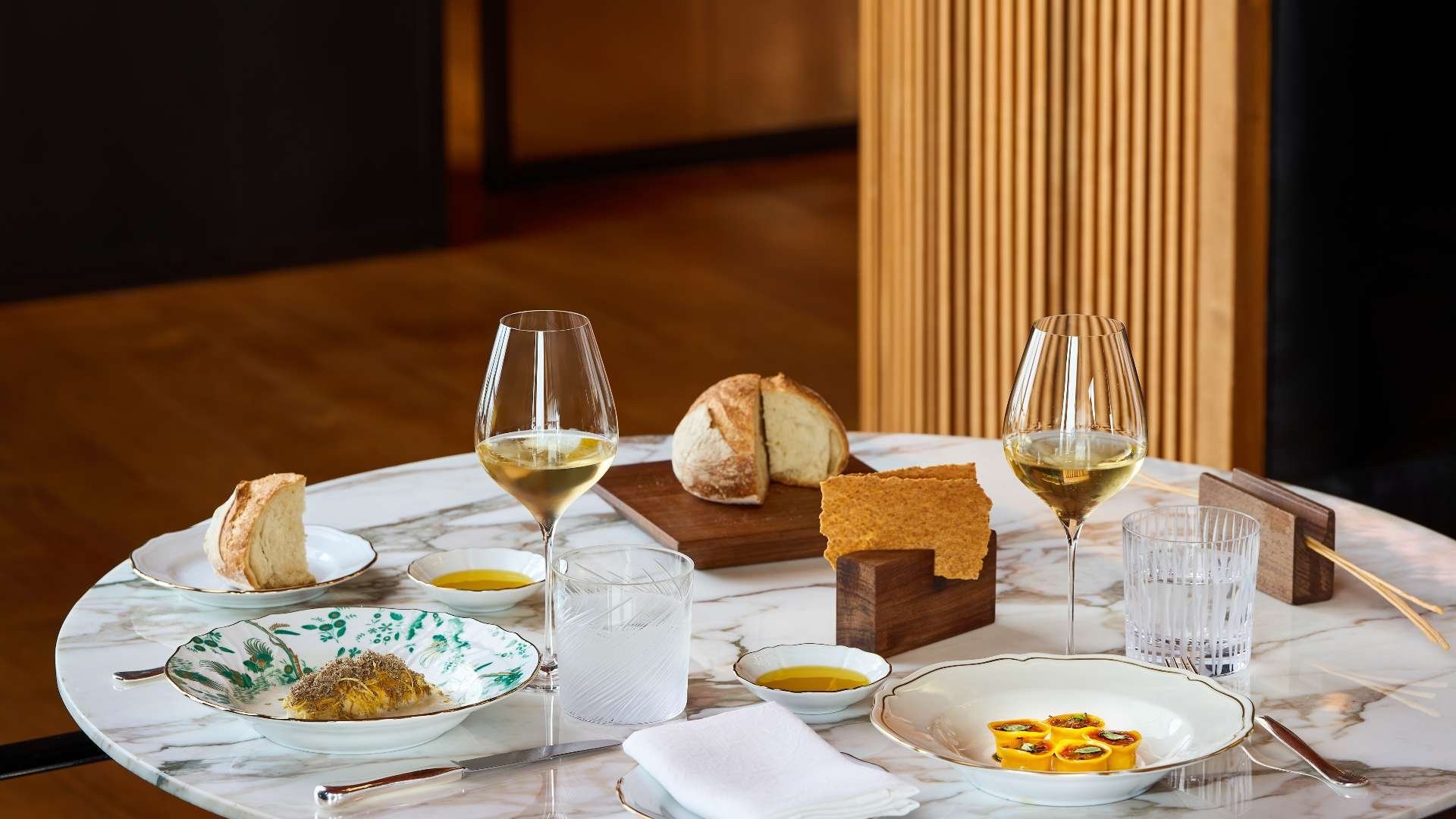
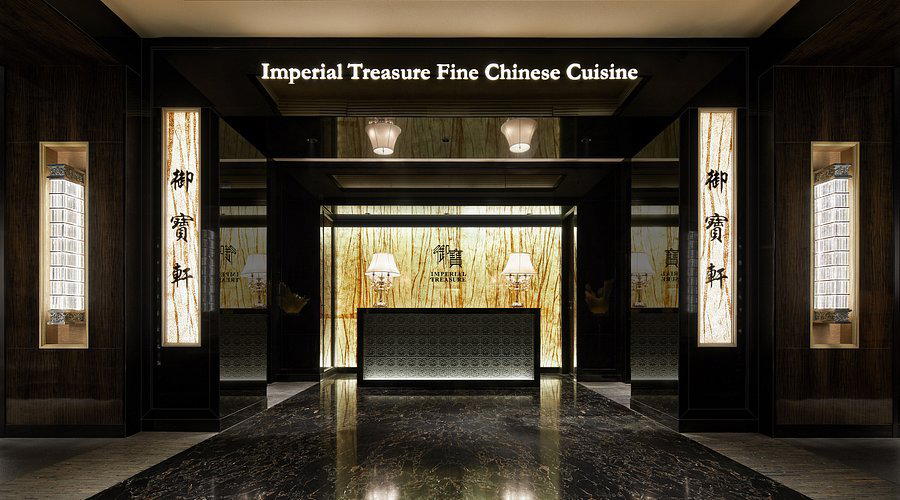
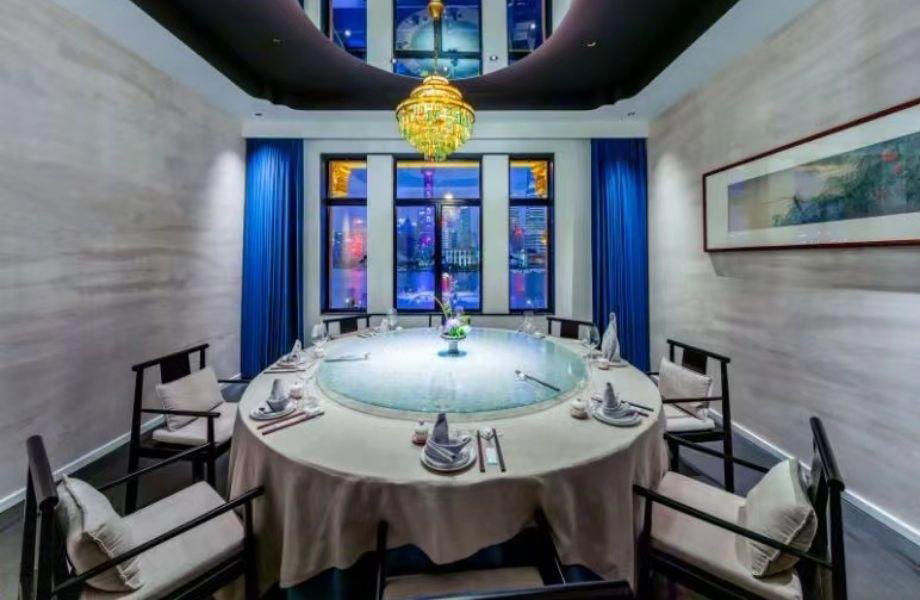
Bars in Shanghai
All bars in Shanghai →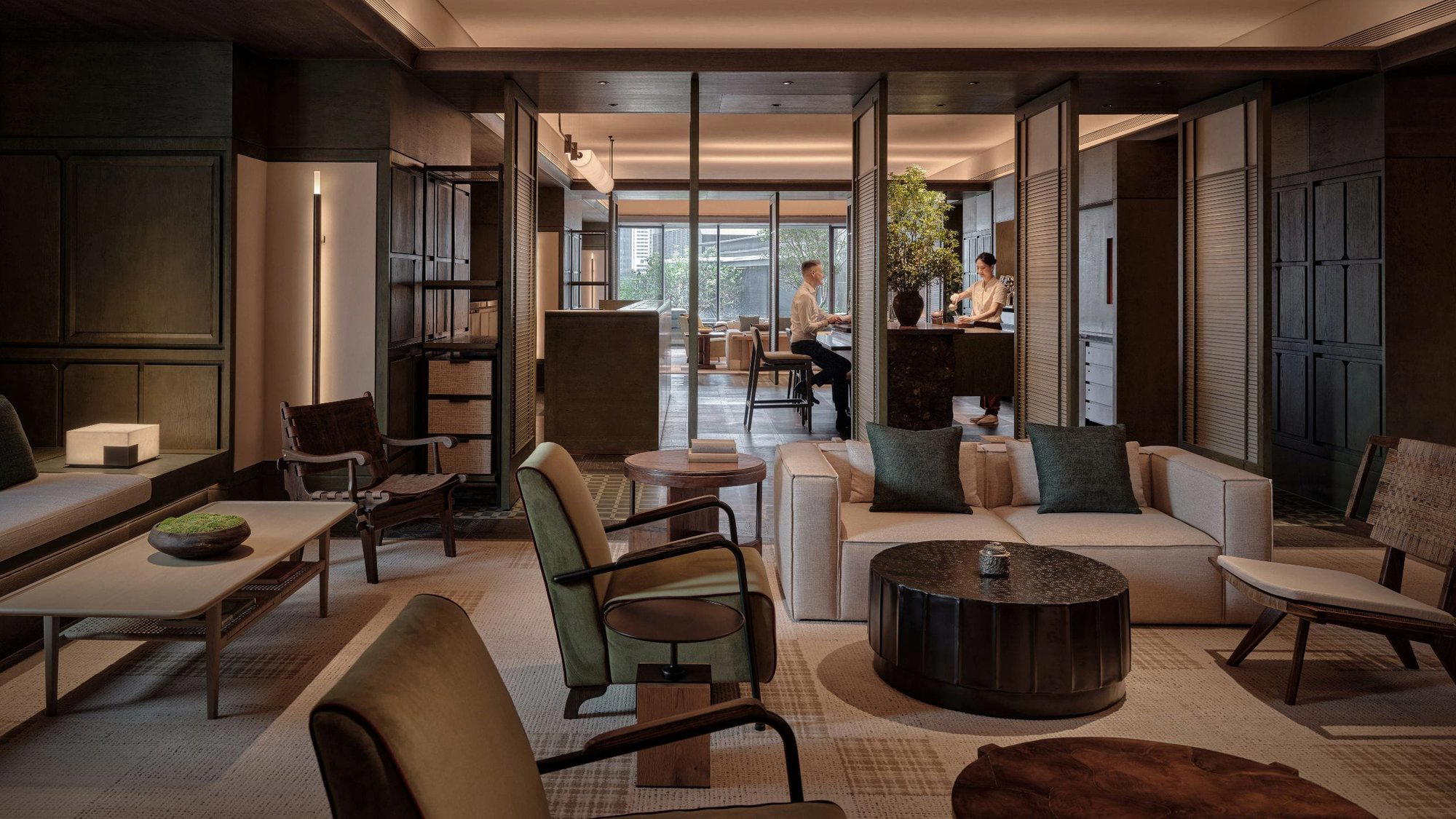
Details
- Classic
- Elegant
- Special Occasion
- Group Dining
- Celebration
- Historic Building
- Set Menu
- A La Carte
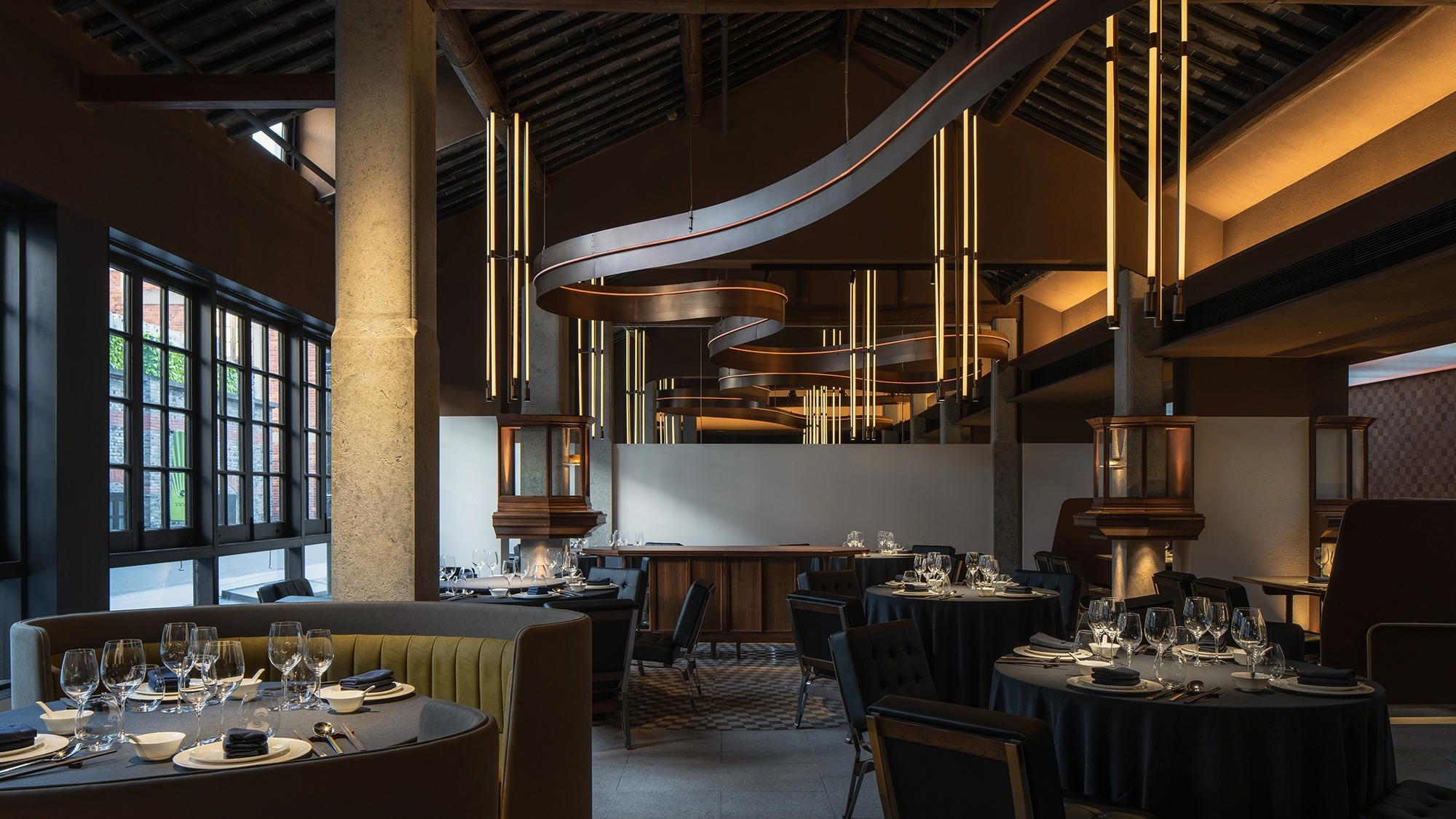
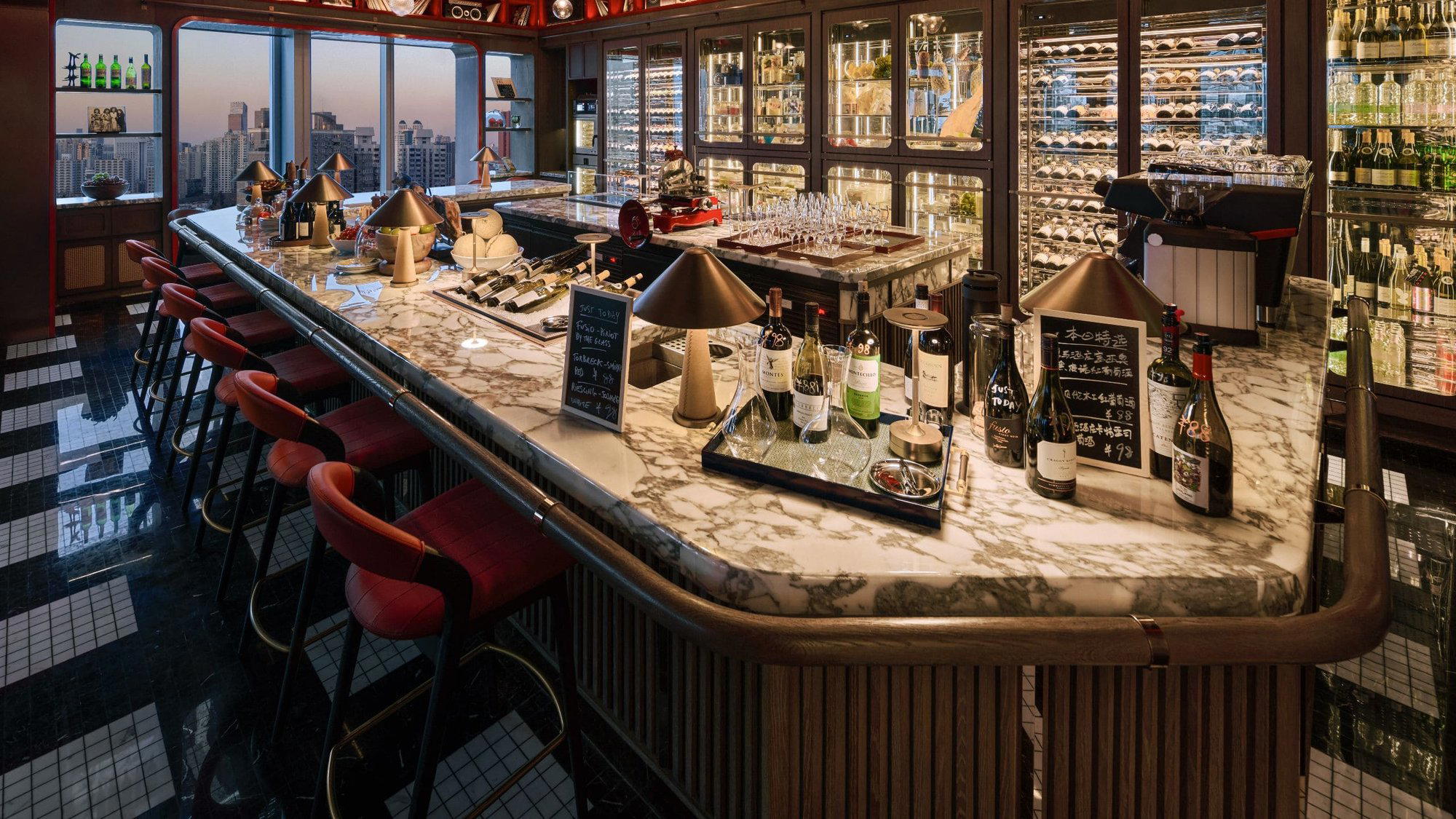
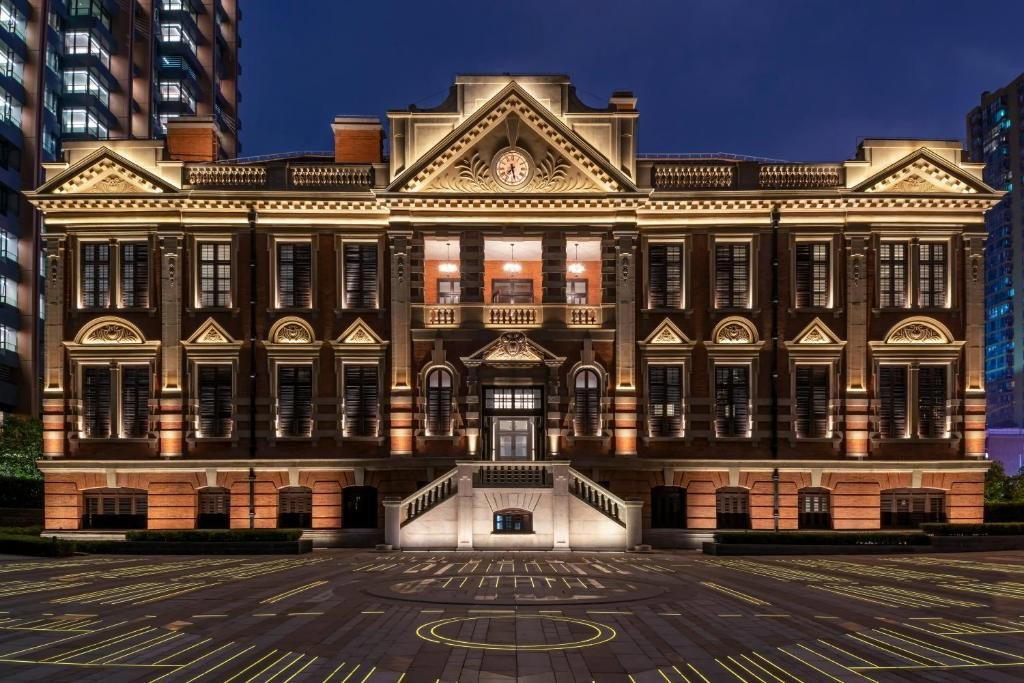
Traditional Shanghai decor with an old-fashioned, slightly dated interior featuring screen partitions, creating a classic and authentic atmosphere.