Our verdict
Located on Trần Nhân Tông street in Hanoi's Hai Bà Trưng district, 84 P. Trần Nhân Tông sits within a neighbourhood where French-era architecture and Vietnamese street-level commerce coexist. For the full picture of dining in this part of the city, explore our Hanoi restaurant guide.

Pearl is the En Primeur Club membership app — saves, bookings, and concierge access live there. Same editors, same standards.
- Address
- 84 P. Trần Nhân Tông, Nguyễn Du, Hai Bà Trưng, Hà Nội, Vietnam
- Directions
- Get directions
The menu
What to order
- Special-grade sashimi assortment
- Grilled eel rice box
- Unagi sushi
A Street Address in a City Where the Address Tells a Story
In Hanoi, a street number is rarely just a location. The address 84 P. Trần Nhân Tông places a venue squarely in Hai Bà Trưng, one of the city's most historically layered districts. The street itself is named after the fourteenth-century Vietnamese emperor Trần Nhân Tông, a figure associated with the country's resistance against Mongol invasion and, later, a turn toward Buddhist philosophy. That kind of layered historical weight is not unusual for Hanoi's central arteries, where the colonial grid overlays centuries of earlier Vietnamese urbanism. Dining in this part of the city means operating within that context, whether a restaurant acknowledges it or not.
Hai Bà Trưng district runs south from Hoàn Kiếm Lake through a mix of residential blocks, government buildings, and local commerce. It is not the tourist-dense Old Quarter, nor the diplomatically polished Ba Đình. What it offers instead is something closer to lived Hanoi: streets where a bowl of bún bò or a plate of bánh cuốn might be served from a ground-floor front room, where the rhythm of the city is set by commuters rather than coach parties. Venues that operate here tend to serve a local and professional clientele before they serve visitors, which generally works in the diner's favour.
Vietnamese Dining in Context: What the Neighbourhood Signals
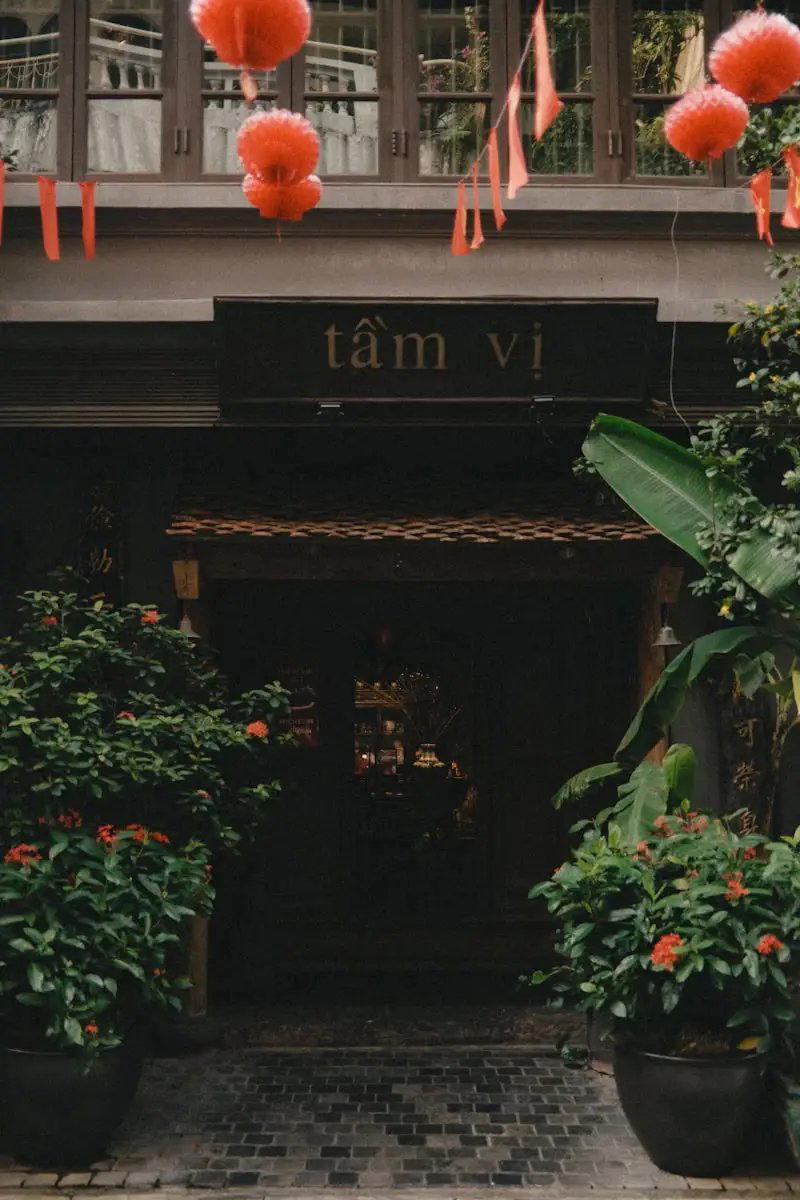
To understand what a restaurant on Trần Nhân Tông might represent, it helps to understand how Hanoi's dining scene is currently structured. The city's contemporary restaurant spectrum runs from single-dish street counters at the lower end through mid-range Vietnamese houses to a small but growing tier of fine-dining and contemporary Vietnamese operations. At the upper end, venues like Gia (Vietnamese Contemporary) and Hibana by Koki occupy the ₫₫₫₫ bracket, while neighbourhood staples such as 1946 Cua Bac operate at the single-₫ level. Tầm Vị sits in the ₫₫ mid-range that many Hanoians consider the most reliable tier for traditional cooking at reasonable cost.
This spread matters because Hanoi's dining culture does not map neatly onto Western restaurant categories. A two-table operation in a residential alley might produce technically more demanding food than a multi-floor establishment with a printed menu. The signifiers that matter here are repetition, local loyalty, and the specificity of a kitchen's focus, not square footage or interior design spend. Where 84 P. What is confirmed is the address, and addresses in this part of the city carry their own editorial weight.
The Cultural Roots of Hanoian Cuisine
Northern Vietnamese cooking, which Hanoi represents at its most refined, is frequently distinguished from its southern counterpart by restraint. Where Ho Chi Minh City's food culture leans toward sweetness, herb abundance, and maximalist garnish, Hanoi's traditional dishes tend toward subtlety: broths built over long periods, seasoning that works within narrower registers, and an emphasis on the quality of a single core ingredient. Phở in its most considered northern form is a useful illustration: the broth is typically less sweet, the garnish sparser, and the expectation is that the beef or chicken speaks without assistance.
This restraint is not austerity. It reflects a culinary tradition shaped by centuries of court culture, French colonial influence on ingredient availability, and the specific geography of the Red River Delta. The comparison with southern Vietnamese cooking is instructive precisely because it reveals how much regional variation exists within a cuisine that outsiders often treat as a single entity. For diners coming from cities like Ho Chi Minh City or coastal dining destinations like Da Nang, Hanoi's food culture operates on genuinely different terms.
Across Vietnam more broadly, regional identity remains a strong driver of dining choices. The kind of specificity you find in Hội An's white rose dumplings, documented at White Rose (Bông Hồng Trắng), mirrors the hyper-local focus that Hanoi's leading kitchens bring to their own regional canon. This is a country where a dish's home district is treated as culinary provenance, and where that provenance carries credibility.
What to Expect When Visiting This Part of Hanoi
For visitors approaching Trần Nhân Tông from Hoàn Kiếm, the walk south through Hai Bà Trưng takes roughly fifteen minutes on foot and passes through the transition from tourist-adjacent streets to residential blocks where daily life operates at its own pace. The neighbourhood around Nguyễn Du, the ward in which this address sits, includes tree-lined streets characteristic of the French-influenced urban planning that shaped central Hanoi in the early twentieth century. The physical environment tends toward quiet compared to the Old Quarter, with lower foot traffic and fewer of the motorbike-dense corridors that define the city's more visited areas.
Hanoi's neighbourhood dining culture often operates without reservation systems at the mid-range and below; walk-ins are the default, and peak hours tend to cluster around the Vietnamese lunch window of 11:30 to 13:00 and dinner from 18:00 onward. For a broader map of how to structure dining across the city, our full Hanoi restaurants guide covers the confirmed options by neighbourhood and price tier.
Diners with confirmed bookings elsewhere in the city can cross-reference this address against nearby options including 19 P. Ngũ Xã, which operates in the adjacent Trúc Bạch area and draws from a similar neighbourhood-dining context. For those building a broader Vietnam itinerary that reaches beyond Hanoi, venues such as Bien 14 Seafood Buffet in Hạ Long and regional options across the country from Kon Tum to Rạch Giá represent the full spread of the country's dining formats. The contrast between Hanoi's restrained northern cooking and the formats you encounter further south, from the Korean-inflected barbecue chains at GoGi House in Bạc Liêu to the international court format at Big Chill in Phan Thiết, underscores how much culinary range exists within a single country. Even international reference points like Le Bernardin in New York or Atomix speak to the kind of technical seriousness that Hanoi's upper dining tier is increasingly being benchmarked against regionally. Dookki in Minh Xuân and Big Bowl in Cam Ranh illustrate the mid-market chain formats that have expanded rapidly across second-tier Vietnamese cities in recent years, a trend that makes Hanoi's independent neighbourhood dining culture feel increasingly worth preserving.
Frequently asked questions
Where exactly is 84 P. Trần Nhân Tông?
84 P. Trần Nhân Tông is located at 84 P. Trần Nhân Tông, Nguyễn Du, Hai Bà Trưng, Hà Nội, Vietnam, Hanoi.
What makes dining on Trần Nhân Tông different from eating in Hanoi's Old Quarter?
Trần Nhân Tông sits in Hai Bà Trưng, a residential and administrative district that draws a largely local clientele rather than the tourist-facing trade concentrated around Hoàn Kiếm and the Old Quarter. The practical difference is noise level, pace, and the expectation that menus may be Vietnamese-only. For visitors specifically seeking Northern Vietnamese cooking as Hanoians eat it — without the translated menu layer — this district consistently delivers that context.
What should I eat at 84 P. Trần Nhân Tông?
The venue's location on Trần Nhân Tông in Hai Bà Trưng places it within a district known for restrained, broth-forward Northern Vietnamese cooking — the style Hanoi is most associated with. Without a confirmed menu on record, visitors to this part of the city typically find dishes defined by precise seasoning rather than chilli heat, with pho, bun thang, and cha ca among the northern canon. Verify current offerings directly at the address before visiting.
Is 84 P. Trần Nhân Tông reservation-only?
No reservation policy is documented for this address. In Hai Bà Trưng, Hanoi, many neighbourhood venues at this type of street-level address operate on a walk-in basis, particularly for lunch service. Arriving at off-peak hours — before noon or after 13:30 — is the practical approach when booking details are unavailable.
Price and Positioning
| Venue | Cuisine | Price | Awards | Notes |
|---|---|---|---|---|
| 84 P. Trần Nhân TôngThis venue — the venue you are viewing | Michelin-Starred Japanese Omakase & Sushi | $100–150 | Not listed | Not listed |
| Gia | Modern Vietnamese Fine Dining | $100–150 | 1 Michelin Star · La Liste Top Restaurants | Vietnamese Contemporary, ₫₫₫₫ |
| Hibana by Koki | Michelin-Starred Japanese Teppanyaki | $200–300 | 1 Michelin Star · La Liste Top Restaurants | Teppanyaki, ₫₫₫₫ |
| Tầm Vị | Northern Vietnamese Home-Style | $10–20 | 1 Michelin Star | Vietnamese, ₫₫ |
| 1946 Cua Bac | Northern Vietnamese | $10–20 | Michelin Bib Gourmand | Not listed |
| Chapter | Modern Northern Vietnamese Fine Dining | $50–100 | Michelin Plate · Star Wine List | Not listed |

Details
- Elegant
- Sophisticated
- Date Night
- Special Occasion
- Business Dinner
- Chefs Counter
- Hotel Restaurant
- Sake Program
- A La Carte
- Omakase
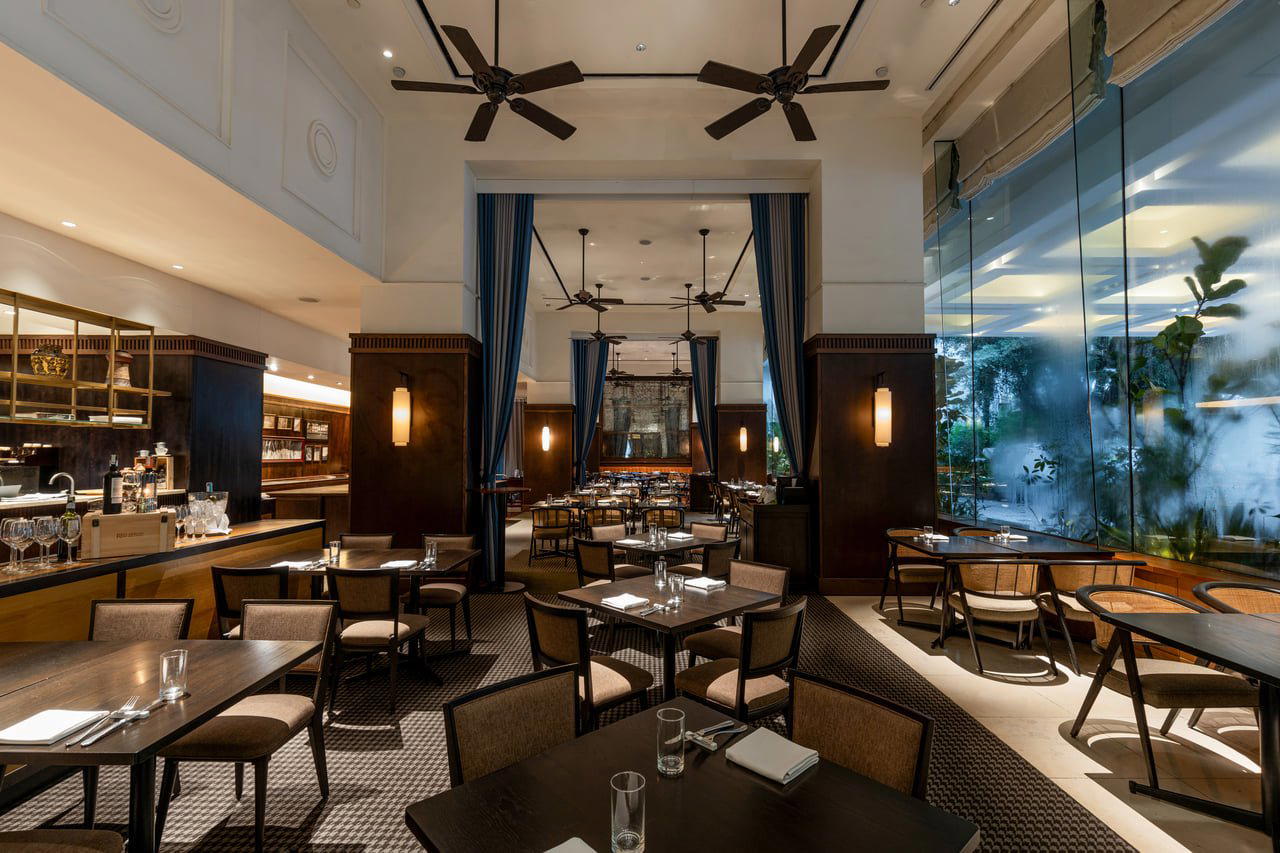
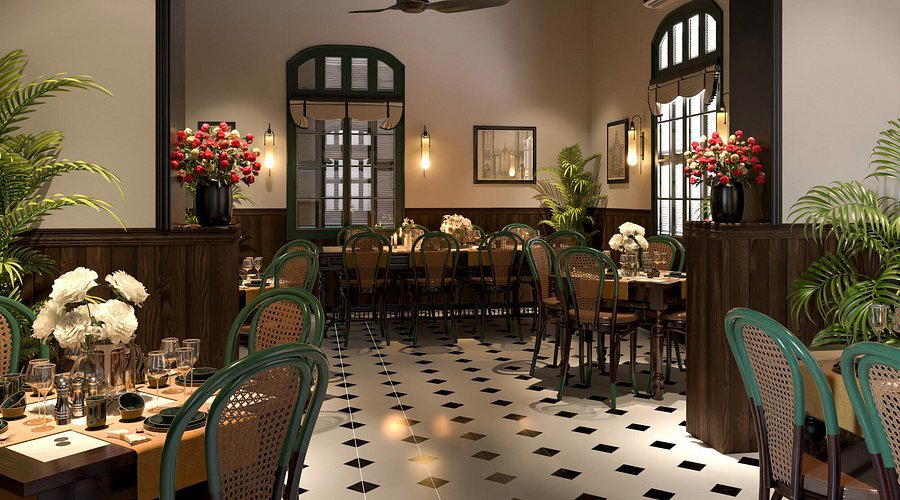
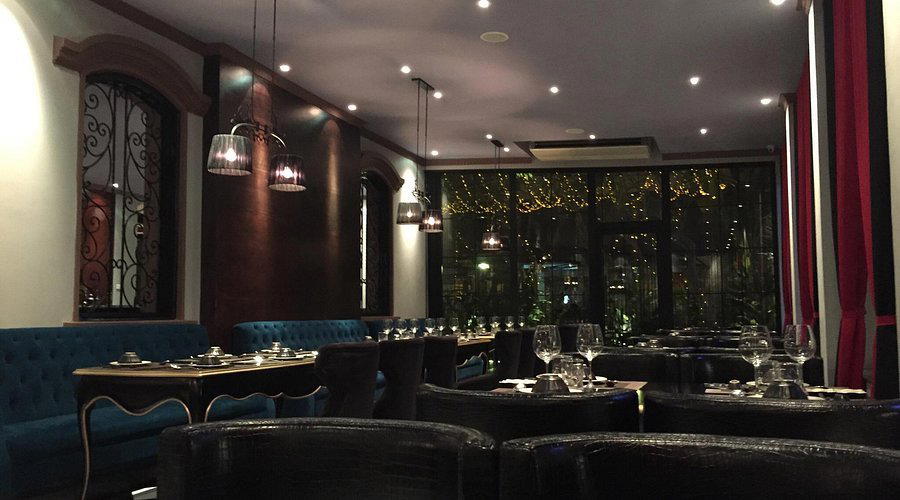
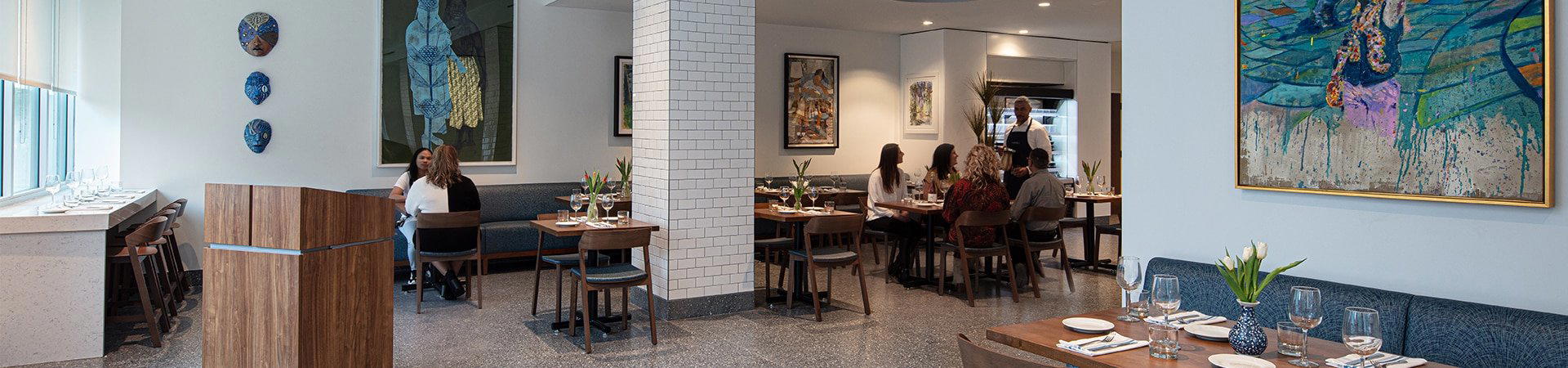
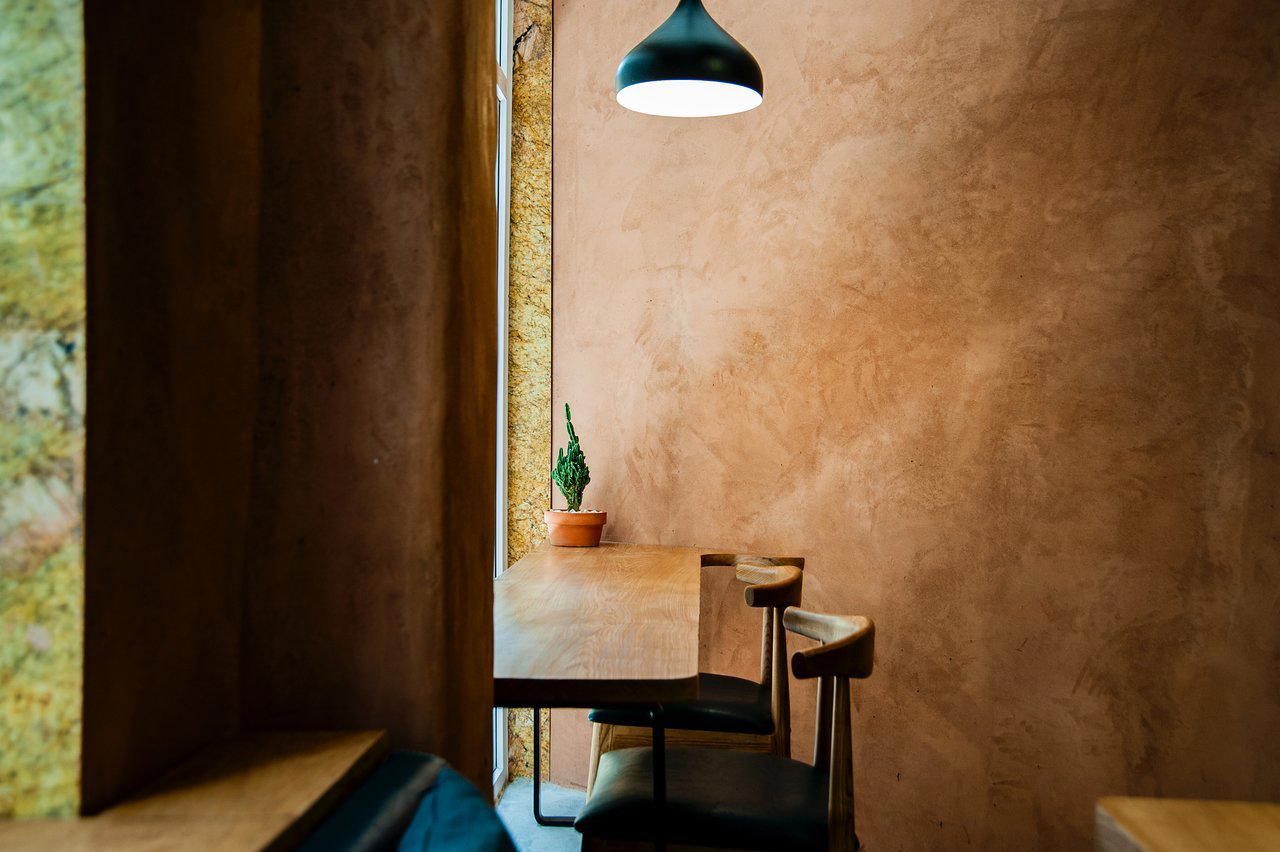
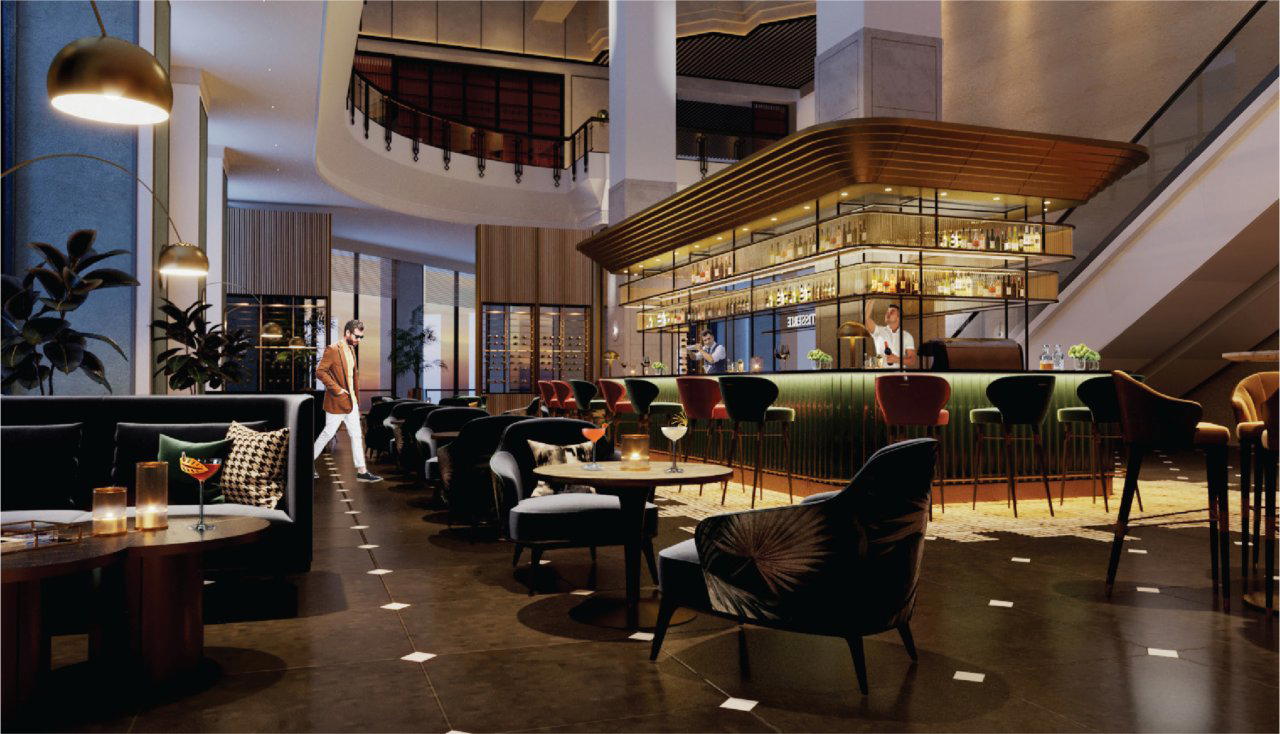
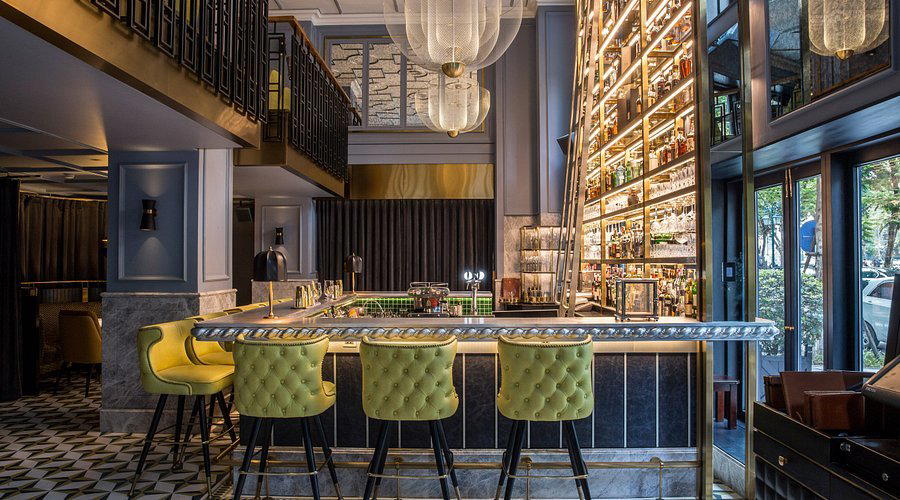
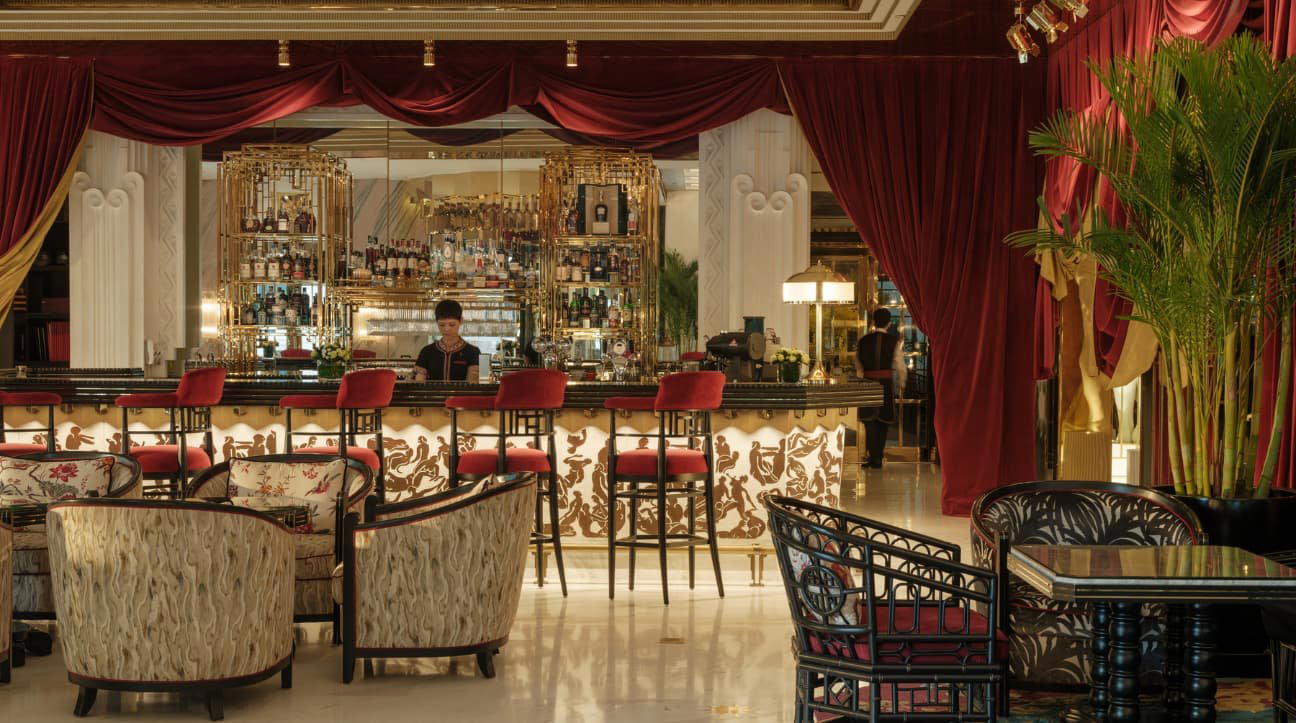
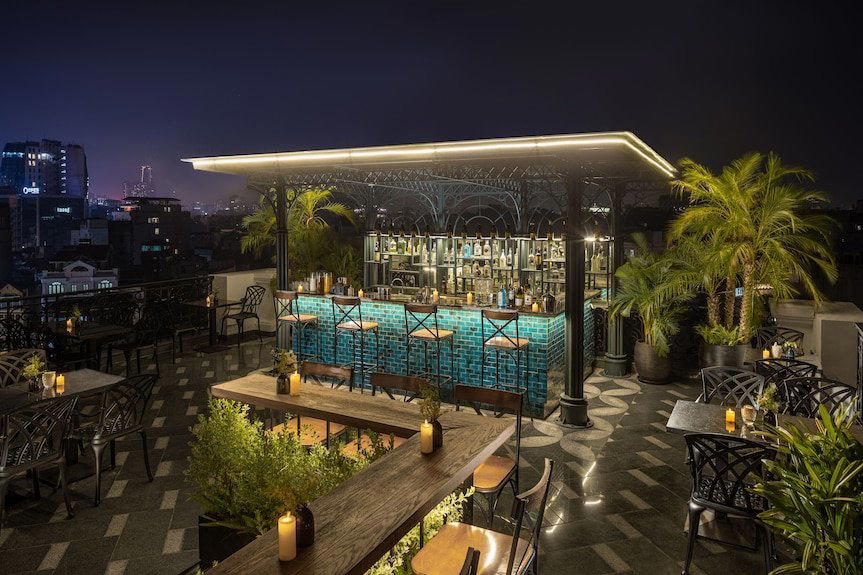
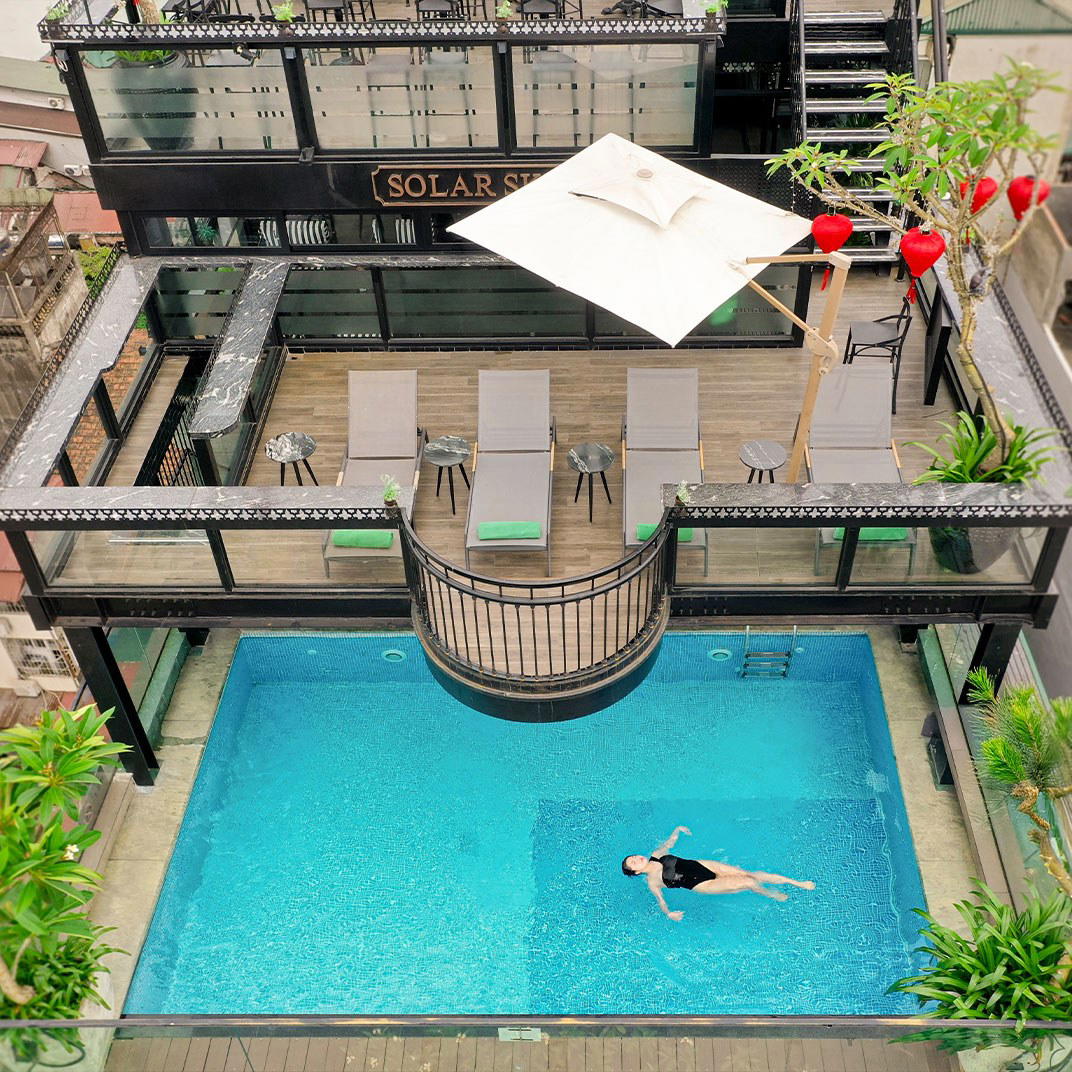
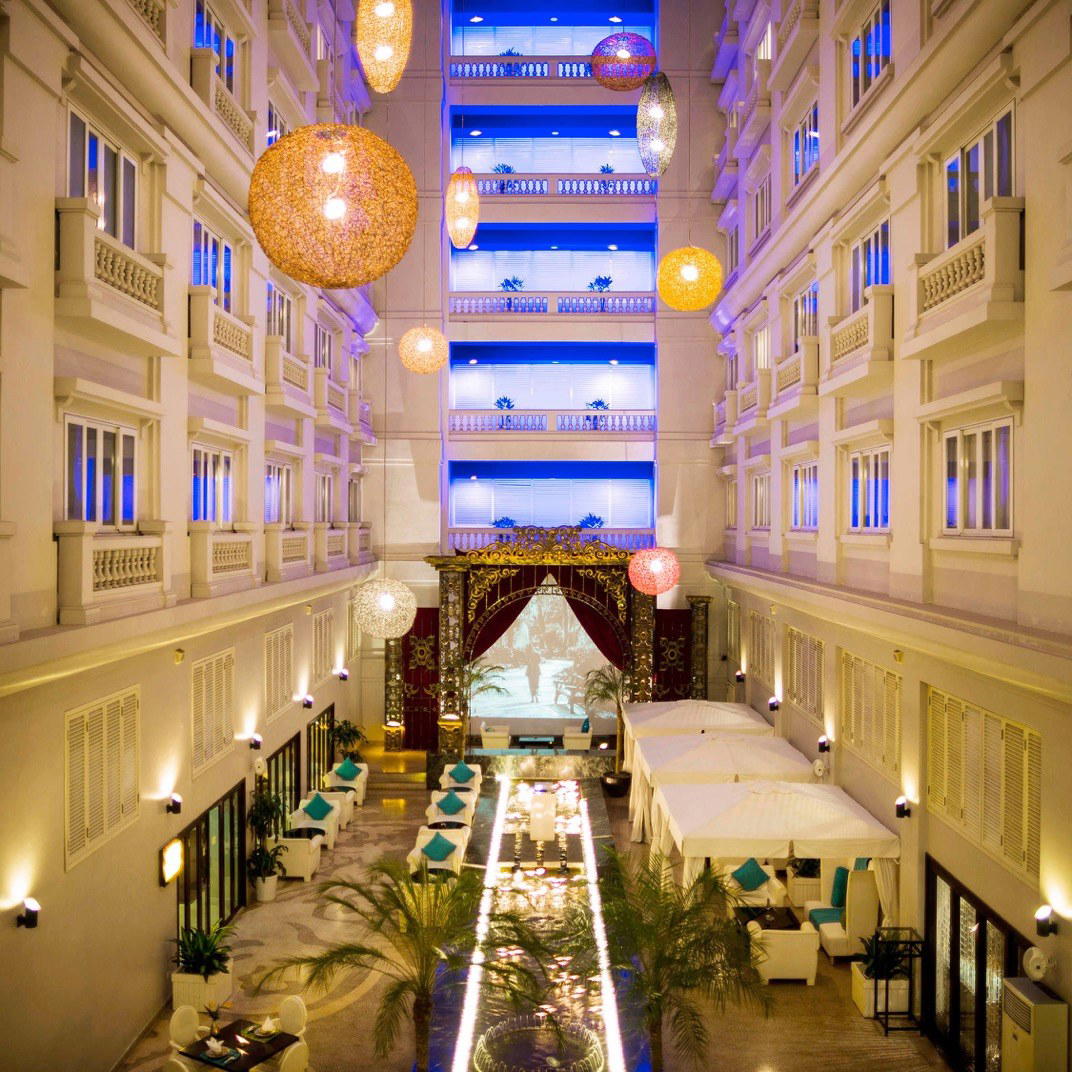
Elegant main dining room with blonde wooden sushi counter, blending sophisticated Japanese tradition with professional and friendly service.