
Columbia8 Kitahama honten belongs to Osaka’s compact, serious curry circuit, where spice technique meets Japanese drinking-food logic rather than hotel-dining polish. Its Tabelog 100 Curry WEST 2024 selection, counter-only format and Kitahama location place it in a precise lane: small-scale, spice-led, and built for diners who treat curry as a specialist craft.
Pearl is the En Primeur Club membership app — saves, bookings, and concierge access live there. Same editors, same standards.
- Address
- Japan, 〒541-0045 Osaka, Chuo Ward, Doshomachi, 1 Chome−3−3 E-Bisu Doshoumachi Bld, 2F
- Phone
- +81 6-6203-7788
- Website
- columbia8.info
 Saves & bookings on Pearl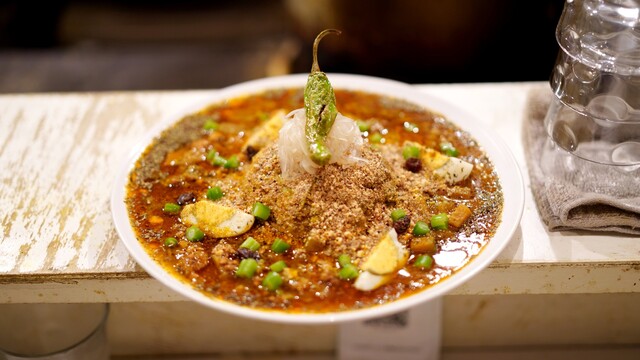
Kitahama’s curry rooms announce themselves quietly: upper-floor signs, narrow stairs, counter seats, office workers moving with purpose. In that setting, Columbia8 Kitahama honten feels less like spectacle than a small Osaka argument about what Japanese curry can absorb. The room is counter-based, the category crosses curry, bar and izakaya, and the point is not decorative fusion but spice technique pulled into a local grammar of dashi, rice, drinking snacks and lunch-hour discipline.
Osaka has always made imported food forms feel domestic. Curry reached Japan through routes largely separate from modern Indian restaurant culture, then became canteen, home, train-station and specialist food. The recent Kansai curry scene adds independent shops working with spice blends, broths, pickles, offal, vegetables and Japanese condiments in ways closer to urban craft than nostalgia. Columbia8 Kitahama honten sits in that current, and its inclusion in Tabelog 100 Curry WEST 2024 is a credible marker in a category where local knowledge matters more than international award shorthand.
Osaka curry, treated as a counter craft
The format matters. A nine-seat counter shifts curry from quick refuelling to close-range cooking and leaves little room for indifference: every plate, glass and payment happens in plain view. In Osaka, that scale suits curry because the city’s stronger casual restaurants often work through repetition rather than long menus. The experience is concentrated, practical and unsentimental.
The category label tells part of the story. Curry, bar and izakaya is not random; it reflects a local habit of letting food and drink overlap without formal dining language. Shochu, wine and cocktails are listed, setting the shop apart from curry houses built only around lunch turnover. That does not make the meal a tasting menu. It signals another lineage: spice beside alcohol, dashi and snack-bar informality.
Known house reference point, beef tendon and daikon curry, explains why the room belongs in an Osaka discussion rather than a generic curry map. Tendon and daikon are familiar Japanese materials, especially where home cooking, oden thinking and izakaya kitchens meet. In curry, they move the dish away from a British-Japanese roux template toward a Kansai reading of spice: broth, texture, simmering and seasoning sharing the work. Barley rice, black pepper, cashews, green onion, soft-boiled egg and Japanese mustard have all appeared in public menu descriptions of that dish, and the combination explains the appeal better than broad praise. The plate is built through contrast, not heaviness alone.
That technique-first attitude links Osaka to a wider Japanese curry conversation. Sapporo has its soup-curry vocabulary, visible in places such as [Curry Senmon Ten] Maruyama Kyoju. in Sapporo, while Kyoto often pulls global references into quieter forms, as with [ki:] in Kyoto. Columbia8 Kitahama honten is more Osaka in temperament: compact, direct, spice-forward and comfortable between lunch counter and drinking room.
Kitahama gives the curry scene a sharper edge
Neighbourhood context matters. Kitahama is not Dotonbori theatre. It is Osaka’s older commercial quarter, close to finance, pharmaceutical history and office routines, so restaurants must win repeat local attention rather than sightseeing traffic alone. A curry counter here competes on clarity: speed, flavour structure, value and a reason to return on a weekday. The Tabelog score of 3.70 and repeated Curry 100 selections from 2018, 2019, 2020, 2022, 2023 and 2024 point to sustained local recognition, not a single news-cycle burst.
Comparison inside Kitahama sharpens the position. Ganesh m Kitahama ten sits in a similar low-price curry band, while Ebishi and yacipoci occupy slightly higher casual ranges, and Nepal & Indian Manakamana brings the South Asian restaurant frame into the same urban catchment. The restaurant is not competing by formality. It competes by authorship: a small counter, Japanese ingredients, spice work and a curry-bar identity that gives the meal more angles than a standard lunch set.
For travellers using Osaka as a food city rather than a checklist, this address recalibrates the day. It pairs naturally with a broader casual itinerary: pork buns at 551 Horai (551蓬莱), bakery stops such as 52CHO-ME BAKERY, coffee at .cafe, or a sharper Italian detour through a canto (Italian) and 99 Pizza Napoletana Gourmet. The value is not treating curry as a lesser meal between reservations, but seeing how Osaka’s everyday formats carry the city’s more interesting culinary intelligence.
How to read the meal in a wider Japanese food itinerary
Japanese regional dining rewards specificity. A sukiyaki specialist such as -Grilled beef Sukiyaki- KAMAKURA TANUKIAN 鎌倉 たぬき庵 in Kamakura tells a different story about beef, sweetness and tabletop ritual. Tokyo izakaya-grill formats, including. 鮪と炭火焼き うお炭 秋葉原店 in Tokyo, frame seafood and charcoal through another urban rhythm. Kumamoto’s.know in Kumamoto, Kawasaki’s (Shoku) Vietnam in Kawasaki, and overseas Japanese-adjacent addresses such as Jōdo Saké Bar in Los Angeles and Onigiri Time in Pasadena show how portable Japanese dining codes can be. Osaka curry differs because it absorbs foreign spice logic into local casual eating without permission from fine dining.
The practical judgment is simple: this is a focused stop for diners who care about curry as a regional craft category, not a fallback meal. The counter scale rewards solo diners and pairs more than large groups, and the no-reservations format makes timing part of the decision rather than an administrative detail. For a wider city plan, place it within Our full Osaka restaurants guide, then build the rest of the trip through Our full Osaka hotels guide, Our full Osaka bars guide, Our full Osaka wineries guide and Our full Osaka experiences guide. The restaurant earns attention because it makes a modest format carry serious cultural information: spice technique, Japanese ingredients and Osaka counter culture compressed into one short meal.
Budget Reality Check
Comparable venues to anchor price and recognition.
| Venue | Cuisine | Price | Notes |
|---|---|---|---|
| Columbia8 Kitahama hontenThis venue — the venue you are viewing | Chūō, Osaka spice curry counter | $ | Not listed |
| Ikareta Noodle Fish Tons | Nishi, Japanese Ramen & Tsukemen | $ | Not listed |
| Men Genso | Kita, Ramen & Tsukemen | $ | Not listed |
| Tonpito Torino Koryu Masu | Miyakojima, Japanese Ramen | $ | Not listed |
| Naniwa Menjiro | Not listed | $ | Chūō, Modern ramen counter inside Osaka Namba Station |
| Takeuchi Udon Ten | Kita, Sanuki-style udon and tempura shop | $ | Not listed |
Recognition history
Dated appearances from independent guides and award organizations, with the underlying list record or original source where available.
Tabelog 100 #82 · No. 82
Tabelog · Tabelog 100 - Curry - WEST - 2024
Continue exploring
More in Osaka
Restaurants in Osaka
Browse all →




Bars in Osaka
Browse all →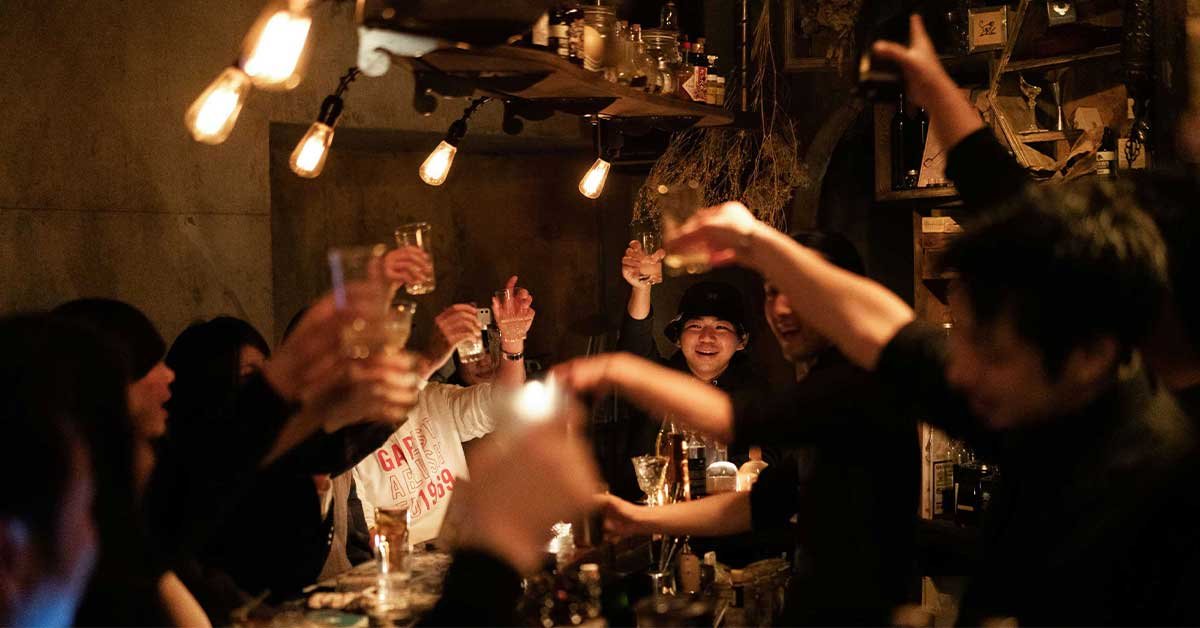



Hotels in Osaka
Browse all →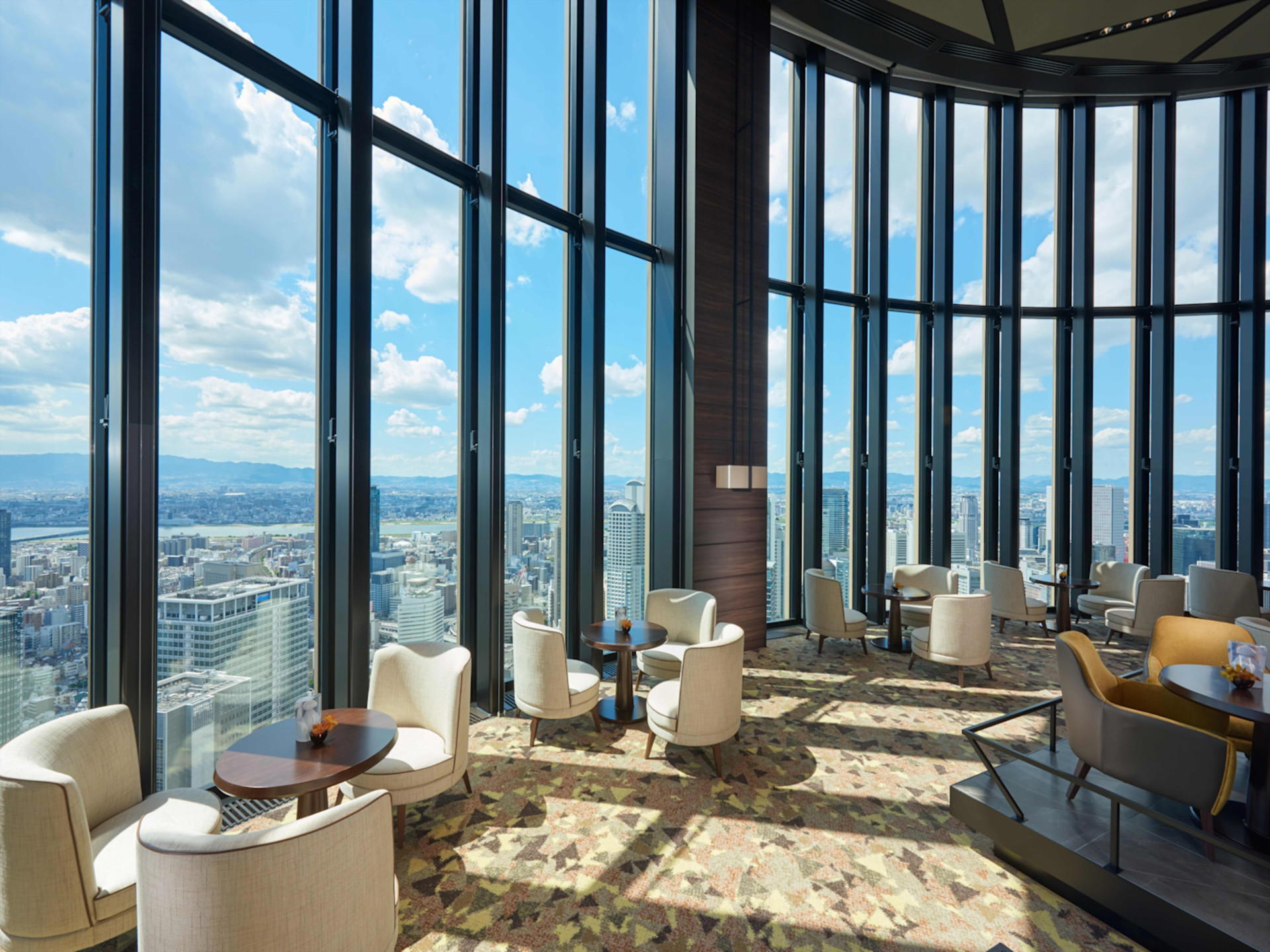




Wineries in Osaka
Browse all →
At a Glance
- Cozy
- Lively
- Solo
- After Work
- Casual Hangout
- Standalone
- Chefs Counter
Current opening hours
- Monday
- Closed
- Tuesday
- 11 AM–3 PM
- Wednesday
- 11 AM–3 PM
- Thursday
- 11 AM–3 PM
- Friday
- 11 AM–3 PM
- Saturday
- 11 AM–3 PM
- Sunday
- Closed
Hours can change for holidays and private events. Last verified .
A compact counter-only curry bar with a casual, bustling feel where guests sit shoulder-to-shoulder, focusing on aromatic spice curries in a simple, no-frills setting.